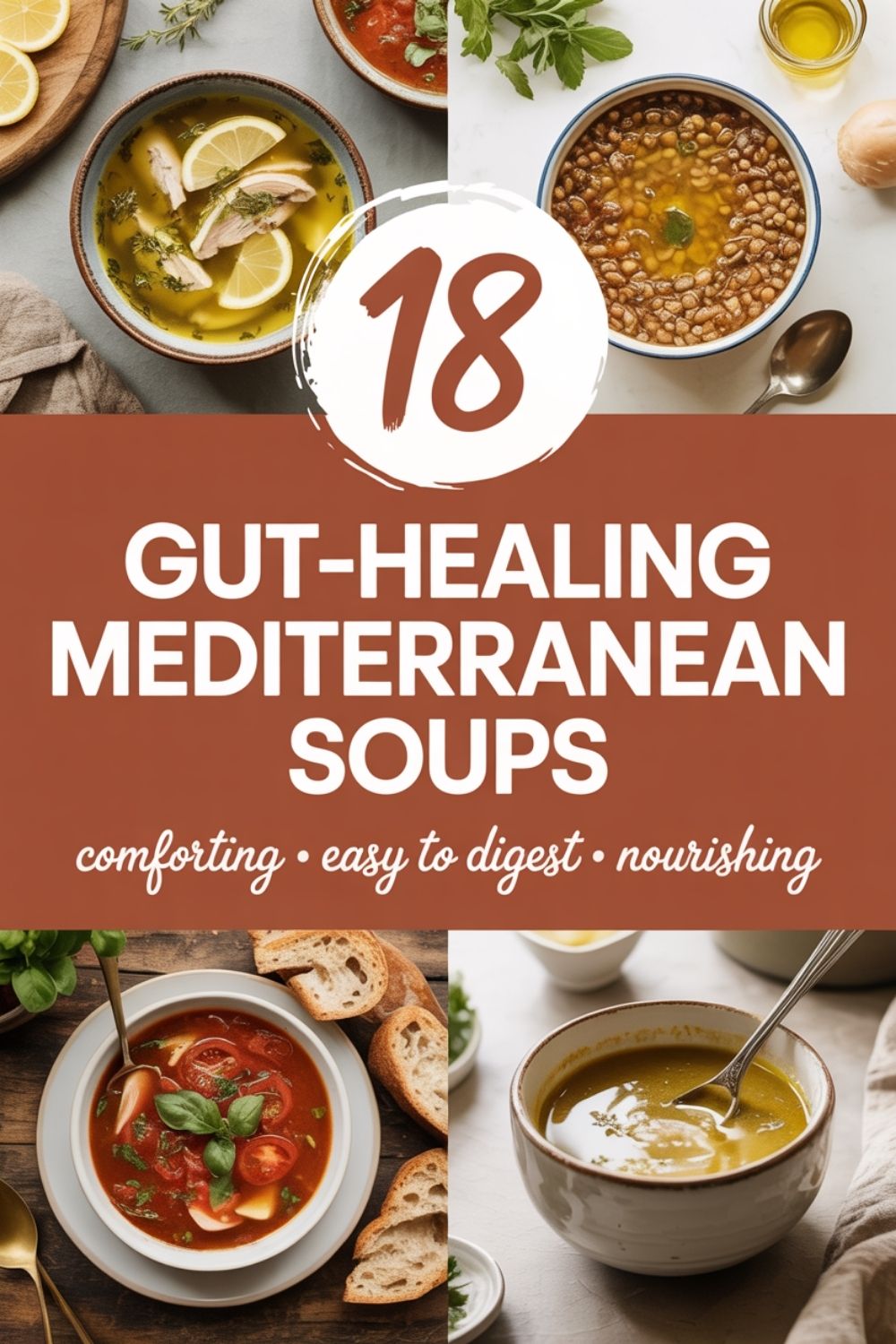
18 Gut-Healing Mediterranean Soups That Actually Taste Good
Your gut’s been throwing you signals—bloating after meals, that sluggish feeling, maybe some digestive drama you’d rather not discuss at dinner parties. I get it. What if I told you the fix might be simmering in a pot right now?
Mediterranean soups aren’t just comfort food your grandma made when you had a cold. They’re legit gut-healing powerhouses packed with fiber, anti-inflammatory ingredients, and probiotics that your microbiome actually craves. And the best part? You don’t need to choke down anything that tastes like cardboard.
I’ve spent the past few years experimenting with Mediterranean cooking, and these soups have completely changed how my digestive system functions. No more afternoon bloat. No more feeling like I swallowed a brick. Just real food that happens to fix things from the inside out.
Why Your Gut Actually Needs Mediterranean Soups
Here’s the thing about gut health—it’s not just about avoiding the bad stuff. It’s about actively feeding the good bacteria that keep everything running smoothly. Research shows that Mediterranean dietary patterns significantly modulate gut microbiota composition, increasing microbial diversity and promoting beneficial bacteria species.
Mediterranean soups hit all the right notes for gut healing. They’re loaded with fiber-rich vegetables, which act as prebiotics that feed your beneficial gut bacteria. They contain anti-inflammatory olive oil with polyphenols that reduce gut inflammation. Plus, many traditional recipes include fermented ingredients or probiotic-rich additions that directly boost your microbiome.
Unlike the Western diet that tends to wreck your gut flora, Mediterranean eating patterns foster beneficial bacteria like Bifidobacterium and Faecalibacterium prausnitzii, which produce those short-chain fatty acids everyone’s talking about. These compounds strengthen your gut barrier, reduce inflammation, and improve metabolic health.
Pro Tip:
Make a big batch on Sunday and freeze individual portions in glass meal prep containers. Your future self will thank you when you’ve got gut-healing lunch ready in 3 minutes.
The Gut-Healing Ingredients That Matter
Legumes: The Fiber Powerhouses
Lentils, chickpeas, and white beans aren’t just cheap protein sources—they’re prebiotic superstars. One cup of cooked lentils packs about 16 grams of fiber, which is more than half your daily target. That fiber feeds beneficial bacteria and keeps things, well, moving.
I started adding lentils to basically everything, and the difference was noticeable within a week. Your gut microbes ferment that fiber into butyrate, a short-chain fatty acid that literally feeds your intestinal cells and reduces inflammation. If you’re looking for more ways to incorporate fiber-rich meals, check out this 14-day high-fiber Mediterranean plan for beginners.
Extra Virgin Olive Oil: Liquid Gold for Your Gut
Real EVOO (not the fake stuff sitting in clear bottles under fluorescent lights) contains polyphenols that act as powerful anti-inflammatory compounds. These polyphenols survive digestion and reach your colon, where they modulate your gut bacteria in beneficial ways.
I use this cold-pressed organic olive oil in basically every soup. The quality matters—cheap olive oil often gets adulterated with seed oils and loses those beneficial compounds. Look for dark bottles and harvest dates, not just “best by” dates.
Fermented Additions That Actually Work
Adding a dollop of Greek yogurt to your soup right before serving? That’s not just for creaminess. Full-fat Greek yogurt contains live probiotic cultures that can improve your gut flora diversity. Just make sure you’re not cooking it—heat kills those beneficial bacteria.
Some Mediterranean soups traditionally include fermented ingredients like preserved lemons or fermented hot peppers. These add both flavor complexity and probiotic benefits. FYI, you can make your own preserved lemons, but honestly, the store-bought versions work fine if you’re short on time.
Speaking of gut-friendly ingredients, if you’re dealing with inflammation, you’ll want to check out this 7-day Mediterranean anti-inflammation meal plan. It includes several soup recipes that target inflammation while supporting gut health.
18 Mediterranean Soups That Heal Your Gut
1. Classic Greek Lentil Soup (Fakes)
This is the soup that started my obsession. It’s dead simple—brown lentils, tomatoes, garlic, bay leaves, and a generous glug of olive oil at the end. The lentils provide massive amounts of prebiotic fiber, while the tomatoes add lycopene and vitamin C.
The key is not overcooking the lentils into mush. You want them tender but still holding their shape. I learned this the hard way after making lentil baby food for dinner one too many times. Get Full Recipe
2. Lebanese Red Lentil Soup with Lemon
Red lentils break down completely, creating this velvety texture without any cream. The cumin and coriander add warmth, while the fresh lemon juice at the end brightens everything up. This soup is basically like a warm hug for your digestive system.
The spices here aren’t just for flavor—cumin has been shown to support digestion and reduce bloating. I use this spice grinder to freshly grind whole cumin seeds right before cooking. The flavor difference is wild. Get Full Recipe
Vita-Clay Organic Clay Slow Cooker
This isn’t your grandma’s slow cooker. The unglazed clay pot preserves nutrients and minerals that metal pots leach out, plus it distributes heat more evenly than any slow cooker I’ve tried. Perfect for Mediterranean soups that need long, gentle simmering.
- Clay naturally alkalizes food, reducing acidity
- Preserves up to 30% more nutrients than metal cookware
- No chemical coating or heavy metals
- Programmable with 8-hour delay start
- Removable clay pot is dishwasher safe
Why I swear by it: I make three batches of soup every Sunday in this thing. The clay infuses minerals into the broth, and soups genuinely taste different—richer, more complex. Plus, I can set it before bed and wake up to ready-made gut-healing magic.
“I was skeptical about soup fixing my gut issues, but after two weeks of eating Mediterranean soups for lunch, my bloating completely disappeared. The red lentil soup is my go-to now.” – Jessica M., community member
3. Italian Minestrone with White Beans
Every Italian grandmother has her version, and they’re all right. This vegetable-packed soup combines white beans, tomatoes, zucchini, carrots, and whatever else needs using up from your fridge. The diversity of vegetables means diversity of fiber types, which your gut bacteria love.
I add this dried oregano at the end—cooking it too long makes it bitter. Fresh basil stirred in right before serving takes it from good to “why did I ever eat anything else?” Get Full Recipe
4. Moroccan Harira
This traditional Ramadan soup combines chickpeas, lentils, tomatoes, and warming spices like cinnamon, ginger, and turmeric. It’s basically anti-inflammatory central in a bowl. Turmeric contains curcumin, which has been studied extensively for its gut-healing properties.
The traditional version includes lamb, but I often skip it or use a small amount for flavor. The legumes provide plenty of protein on their own. Get Full Recipe
5. Spanish White Bean and Chard Soup
Leafy greens like chard are loaded with fiber and antioxidants. Combined with creamy white beans, this soup delivers serious gut-healing potential. The slight bitterness of chard pairs perfectly with garlic and smoked paprika.
I use this Spanish smoked paprika—it’s not the same as regular paprika, trust me. The smoky depth it adds makes people think you’ve been cooking for hours. Get Full Recipe
For more gut-focused meal planning, this 7-day gut-healing Mediterranean menu pairs perfectly with these soup recipes and provides complete meal structure.
6. Turkish Red Lentil and Bulgur Soup
The combination of red lentils and bulgur wheat creates a hearty texture and doubles down on the fiber content. Bulgur is a whole grain that’s gentler on digestion than some other grains—it’s already partially cooked, so your body doesn’t have to work as hard to break it down.
This soup gets finished with a mint-infused butter drizzle. Mint is traditionally used to soothe digestive issues, and it turns out there’s science behind that folk wisdom. Get Full Recipe
7. Provençal Vegetable Soup (Soupe au Pistou)
This is minestrone’s French cousin. The magic is in the pistou—a basil, garlic, and olive oil sauce stirred in at the end (basically pesto without pine nuts). The raw garlic provides prebiotic compounds, while the fresh basil adds anti-inflammatory properties.
Don’t skip making the pistou fresh. Store-bought pesto doesn’t hit the same, and half the gut benefits come from those raw ingredients. Get Full Recipe
Quick Win:
Chop all your vegetables on Sunday and store them in these stackable containers. You’ll cut your soup-making time in half during the week.
8. Greek Chickpea and Spinach Soup
Chickpeas and spinach create this perfect combination of protein, fiber, and iron. The lemon juice added at the end not only brightens the flavors but also helps your body absorb the iron from the spinach more effectively.
I always use frozen spinach for soups—it’s already washed, chopped, and actually retains more nutrients than “fresh” spinach that’s been sitting in your fridge for a week. Get Full Recipe
9. Cypriot Trahana Soup
Trahana is a fermented grain product that’s been used in Mediterranean cooking for centuries. It’s made from cracked wheat and fermented milk, giving you both fiber and probiotics in one ingredient. This soup is basically the original probiotic food before anyone was using that term.
You can find trahana in Greek specialty stores or online. It has this slightly tangy, complex flavor that’s completely unique. Get Full Recipe
10. Sicilian Chickpea and Pasta Soup
This rustic soup combines chickpeas with broken pasta, rosemary, and tomatoes. The Sicilians know what they’re doing—rosemary has antimicrobial properties that may help balance gut bacteria, while chickpeas provide resistant starch that feeds beneficial microbes.
Use a short pasta like ditalini or break up spaghetti. I keep this whole wheat pasta on hand specifically for soups—the extra fiber makes a difference. Get Full Recipe
If you’re dealing with bloating specifically, this 7-day Mediterranean anti-bloat plan includes several of these soups and focuses on ingredients that reduce water retention and gas.
11. North African Spiced Carrot Soup
Carrots are high in soluble fiber, which forms a gel-like substance in your gut and feeds beneficial bacteria. The cumin, coriander, and ginger in this soup all support digestion and reduce inflammation.
Roasting the carrots first adds depth, but honestly, sometimes I skip that step when I’m short on time. The soup still turns out great. Get Full Recipe
12. Greek Egg-Lemon Soup (Avgolemono)
This classic soup combines chicken broth, rice, eggs, and lemon juice. It’s incredibly gentle on the digestive system, making it perfect for when your gut needs a break from heavier foods. The eggs provide easily digestible protein, while the lemon aids digestion.
The trick is tempering the eggs properly so you don’t end up with egg drop soup. Slow and steady wins the race here. Get Full Recipe
13. Israeli Vegetable and Freekeh Soup
Freekeh is young green wheat that’s been roasted, and it’s loaded with fiber—about 8 grams per quarter cup. It has a nutty, smoky flavor that works beautifully in soups. Combine it with whatever vegetables you have, and you’ve got a gut-healing meal.
I order this organic freekeh in bulk because it stores forever and cooks faster than you’d think. Get Full Recipe
14. Tunisian Chickpea and Harissa Soup
Harissa (North African chili paste) adds both heat and fermented flavors. The fermentation process creates beneficial compounds, and the capsaicin in the chilies can actually support digestive health in moderate amounts.
You can make your own harissa or buy this excellent jarred version. Life’s too short to do everything from scratch, IMO. Get Full Recipe
Pro Tip:
Always add a big handful of fresh herbs right before serving. Parsley, cilantro, and mint contain chlorophyll and antioxidants that start degrading the minute you chop them. Maximum benefits come from maximum freshness.
15. Lebanese Molokhia Soup
This soup uses molokhia (jute leaves), which create a slightly mucilaginous texture that might sound weird but is actually fantastic for coating and soothing the digestive tract. Think of it like natural aloe for your gut.
You can find frozen molokhia at Middle Eastern markets. Fresh is rare outside the Mediterranean region, but frozen works perfectly well. Get Full Recipe
16. Spanish Gazpacho (Served Warm)
Yes, I know gazpacho is traditionally cold, but hear me out—warming it gently makes it easier on sensitive digestive systems while maintaining all those raw vegetable enzymes and nutrients. Tomatoes, cucumbers, peppers, and olive oil combine to create this anti-inflammatory powerhouse.
I use this immersion blender to blend it right in the pot. Game changer for soup-making in general. Get Full Recipe
17. Italian White Bean and Escarole Soup
Escarole is a slightly bitter green that’s rich in fiber and folate. Combined with creamy white beans and garlic, this soup is simple but seriously effective for gut health. The slight bitterness actually stimulates digestive enzymes.
Don’t cook the escarole too long—it should still have some texture and bright green color. Overcooked greens lose both nutrients and appeal. Get Full Recipe
18. Cretan Barley Rusks and Tomato Soup
This traditional Cretan soup uses barley rusks (twice-baked barley bread) which provide both fiber and that satisfying, stick-to-your-ribs quality. Barley is particularly high in beta-glucan, a type of soluble fiber that feeds beneficial gut bacteria.
You can find Cretan barley rusks online, or substitute with whole grain bread that you’ve dried out in the oven. Not quite authentic, but it works. Get Full Recipe
For a complete approach to gut health through Mediterranean eating, this 30-day high-fiber anti-inflammation program provides comprehensive meal planning that includes these soups as part of a larger healing protocol.
How to Make These Soups Work for Your Gut
Start Slow If You’re New to High-Fiber Foods
Look, I’m going to be real with you—if you’re currently eating a low-fiber diet and suddenly start pounding bowls of lentil soup every day, your gut is going to revolt. Fiber is amazing for gut health, but you need to increase it gradually.
Start with one soup a few times a week and slowly increase frequency. Give your gut bacteria time to adjust and multiply. The bloating and gas that some people experience when adding fiber usually resolves within a couple weeks as your microbiome adapts.
Pair Soups with Fermented Foods
Serve your soup with a side of sauerkraut, kimchi, or Greek yogurt. The combination of prebiotic fiber from the soup and probiotics from fermented foods creates this synergistic effect that supercharges gut healing.
I keep this raw sauerkraut in my fridge at all times. Just a few forkfuls alongside your soup provides billions of beneficial bacteria. Make sure it’s raw and unpasteurized—heat-treated kraut has no live cultures.
The Gut Health Protocol: Complete Mediterranean Reset Book
This book changed how I approach gut healing. Written by Dr. Sarah Ballantyne (a functional medicine practitioner), it combines Mediterranean principles with cutting-edge microbiome science. It’s not just recipes—it’s a complete roadmap for healing leaky gut, reducing inflammation, and resetting your digestive system.
- 4-week Mediterranean gut-healing protocol with daily meal plans
- Science explained in plain English (no medical degree required)
- 150+ anti-inflammatory Mediterranean recipes
- Symptom tracking journals and progress worksheets
- Supplement guide specific to gut healing
- Troubleshooting section for common setbacks
Real talk: I’ve bought probably 30 gut health books over the years, and this is the only one I actually reference weekly. The soup chapter alone is worth the price—it breaks down exactly which ingredients heal which gut issues. My bloating disappeared within 10 days of following her protocol.
Don’t Skimp on the Olive Oil
I know fat-phobia is still a thing, but the olive oil in these soups is non-negotiable for gut health. Those polyphenols I mentioned earlier? They’re fat-soluble, meaning you need fat to absorb them properly.
Studies confirm that adherence to Mediterranean diet patterns, including generous olive oil consumption, significantly improves gut microbiota composition compared to low-fat diets. Drizzle that liquid gold generously.
“After struggling with IBS for years, these soups have been a revelation. I make a big batch every Sunday and eat them for lunch all week. My symptoms have improved dramatically.” – Michael T., community member
The Bigger Picture: Mediterranean Eating for Gut Health
These soups are fantastic, but they’re just one piece of the gut-healing puzzle. The Mediterranean diet works because it’s a complete approach—whole grains, legumes, vegetables, olive oil, fish, and fermented dairy all work together.
Research from the UK’s Guts organization shows that Mediterranean eating patterns increase beneficial gut bacteria and reduce bowel cancer risk. It’s not about any single superfood—it’s about the pattern of eating whole, minimally processed foods that your gut bacteria evolved to thrive on.
If you’re serious about gut healing, consider integrating these soups into a broader Mediterranean approach. This 14-day anti-inflammatory eating plan for women provides a complete framework that includes soups alongside other gut-supporting foods.
Beyond Soups: Other Gut-Healing Mediterranean Staples
While soups are incredible, don’t sleep on other Mediterranean gut-healers. Whole grains like farro and bulgur, fermented dairy like full-fat yogurt and kefir, and omega-3 rich fish all contribute to a healthy microbiome.
I rotate between soups and other Mediterranean meals throughout the week. Check out this 14-day Mediterranean family meal plan for ideas on building complete, gut-friendly meals that everyone will actually eat.
Mediterranean Gut-Healing Recipe Collection
Tired of searching for gut-friendly Mediterranean recipes that actually work? This comprehensive digital cookbook brings together 100+ anti-inflammatory, fiber-rich recipes specifically designed to heal your digestive system while keeping your taste buds happy.
- 50+ soup recipes beyond what’s covered here, including seasonal variations
- Complete nutritional breakdown with fiber content per serving
- Meal prep instructions and freezer-friendly modifications
- Shopping lists organized by recipe type
- Gut-healing ingredient swaps for common sensitivities
Every recipe includes specific gut-health benefits and focuses on Mediterranean staples that reduce inflammation while supporting your microbiome. Instant PDF download means you can start cooking tonight.
Get the Complete CollectionCommon Mistakes (That I Made So You Don’t Have To)
Overcooking Your Vegetables
Those vibrant colors in vegetables? They’re anthocyanins and other compounds with serious anti-inflammatory properties. When you cook vegetables into gray mush, you’re destroying both nutrients and flavor.
Add delicate vegetables like spinach or zucchini near the end of cooking. They need maybe 5 minutes to soften. Hardy vegetables like carrots can simmer longer, but there’s still a point of diminishing returns.
Using Cheap Olive Oil
I said it before, but it bears repeating—fake olive oil is epidemic. If your “extra virgin olive oil” cost $5 for a liter and comes in a clear plastic bottle, it’s probably not actually EVOO. You’re missing out on the polyphenols that make it gut-healing in the first place.
Invest in real olive oil from a reputable source. It should taste peppery and slightly bitter. That’s the polyphenols you’re tasting.
Kosterina Estate-Bottled Greek Extra Virgin Olive Oil
This is the real deal—single-origin from the founder’s family groves in Greece, cold-pressed within hours of harvest, and packed with polyphenols. Most commercial “EVOO” has been sitting for months and loses those gut-healing compounds. This stuff is harvested in October and shipped directly.
- Lab-tested polyphenol count: 450+ mg/kg (most store brands: 100-200)
- Early harvest Koroneiki olives (highest antioxidant content)
- Harvest date printed on bottle (not just “best by”)
- Comes in UV-protected dark glass bottles
- Certified organic and estate-bottled
- Peppery finish indicates fresh, high-quality oil
My honest take: Yes, it’s expensive. But you’re literally drizzling medicine on your food. I use this as my finishing oil for soups and save cheaper oil for cooking. One bottle lasts me about 6 weeks, and my gut inflammation markers dropped noticeably after switching. Worth every penny.
Not Adding Acid at the End
Lemon juice, red wine vinegar, or even a splash of pomegranate molasses added right before serving brightens flavors and aids digestion. Acid helps break down proteins and stimulates digestive enzyme production.
This is the step that separates an okay soup from one that makes people ask for the recipe. Don’t skip it.
Mediterranean Gut Health & Symptom Tracker
Healing your gut isn’t just about eating the right foods—it’s about understanding how YOUR body responds. This digital tracker helps you identify patterns between what you eat and how you feel, so you can personalize your gut-healing journey.
- Daily symptom tracking (bloating, energy, digestion, mood)
- Food diary with Mediterranean recipe integration
- Weekly progress charts to visualize improvements
- Fiber intake calculator and daily goals
- Trigger food identification system
- Bowel movement tracker (yes, it matters)
Available as printable PDF or fillable digital version. Most users see clear patterns within 2 weeks of consistent tracking. It’s like having a gut health detective in your pocket.
Start Tracking Your ProgressMediterranean Anti-Inflammatory Meal Planner Pro
Stop spending hours every week trying to figure out what to cook. This intelligent meal planning app creates personalized Mediterranean meal plans based on your gut-healing goals, dietary preferences, and schedule—soups included, of course.
- AI-powered meal plans tailored to gut health and inflammation reduction
- Automatic grocery lists synced with your weekly plan
- 500+ Mediterranean recipes with gut-health ratings
- Leftover integration (cook once, eat twice strategy)
- Macro and fiber tracking built-in
- Family-friendly modifications and portion scaling
- Mobile app syncs across all devices
The app learns your preferences over time and suggests recipes you’ll actually make. Users save an average of 5 hours per week on meal planning and reduce food waste by 40%. First month is just $1 to try it out.
Try the Meal Planner FreeFrequently Asked Questions
How long does it take to see gut healing results from Mediterranean soups?
Most people notice improvements within 1-2 weeks of consistent consumption. You might see reduced bloating first, followed by more regular digestion and increased energy. Remember, your gut microbiome completely regenerates every 3-5 days, so changes happen relatively quickly when you’re feeding it properly. For sustained results, aim to eat these soups 4-5 times weekly rather than sporadically.
Can I freeze these Mediterranean soups without losing gut-healing benefits?
Absolutely. Freezing preserves most of the fiber, polyphenols, and nutrients perfectly. The only thing to avoid freezing is soups with fresh probiotics added (like yogurt dollops)—add those after reheating instead. Use airtight containers, leave some headroom for expansion, and these soups will keep 3-4 months in the freezer while maintaining their gut-healing properties.
Are canned beans and tomatoes okay for gut health, or should I use dried/fresh?
Canned is totally fine and sometimes better—canned tomatoes often have higher lycopene content than fresh because of the processing. For beans, dried beans that you cook yourself have slightly more resistant starch, but canned beans still provide excellent fiber and prebiotics. Just rinse canned beans to reduce sodium, and choose BPA-free cans when possible. The difference is minimal, so use whichever fits your schedule.
I’m experiencing gas and bloating after eating these high-fiber soups. What should I do?
This is super common and usually temporary. Start with smaller portions and eat these soups 2-3 times weekly rather than daily. Make sure you’re drinking plenty of water—fiber needs water to work properly. Also, try adding digestive spices like cumin, fennel, or ginger to your soups. If symptoms persist beyond 2-3 weeks, you might have SIBO or another condition that needs professional attention.
Do these soups work for specific gut issues like IBS or Crohn’s disease?
While these soups support overall gut health, specific conditions require individualized approaches. Many people with IBS find these soups helpful, especially when starting with simpler versions and gradually increasing fiber. However, during Crohn’s flares or severe IBS episodes, your doctor might recommend low-fiber diets temporarily. Always consult with a gastroenterologist before making major dietary changes if you have diagnosed gut conditions—these soups can be part of your healing strategy but shouldn’t replace medical care.
Final Thoughts
Your gut health affects everything—your energy, your mood, your immune system, even your skin. These 18 Mediterranean soups aren’t some magic bullet that’ll fix everything overnight, but they’re a delicious, scientifically-backed way to support the ecosystem living in your digestive tract.
I started making these soups because I was tired of feeling bloated and sluggish after meals. Three years later, they’re still a weekly staple in my kitchen. The difference in how I feel is honestly kind of ridiculous. Better digestion, more stable energy, fewer afternoon crashes, and way less bloating.
Start with one or two recipes that sound appealing. Make a big batch, freeze portions, and see how your body responds. Most people notice improvements within a couple weeks—better digestion, less bloating, more energy. Your gut bacteria will literally change within days of introducing these fiber-rich, anti-inflammatory foods.
The Mediterranean way of eating isn’t a diet—it’s just eating real food the way humans did for thousands of years before we started processing everything to death. These soups are proof that healing your gut doesn’t mean choking down anything that tastes like punishment. It means eating food that actually tastes good while happening to fix things from the inside out.
Now go make some soup. Your gut will thank you.