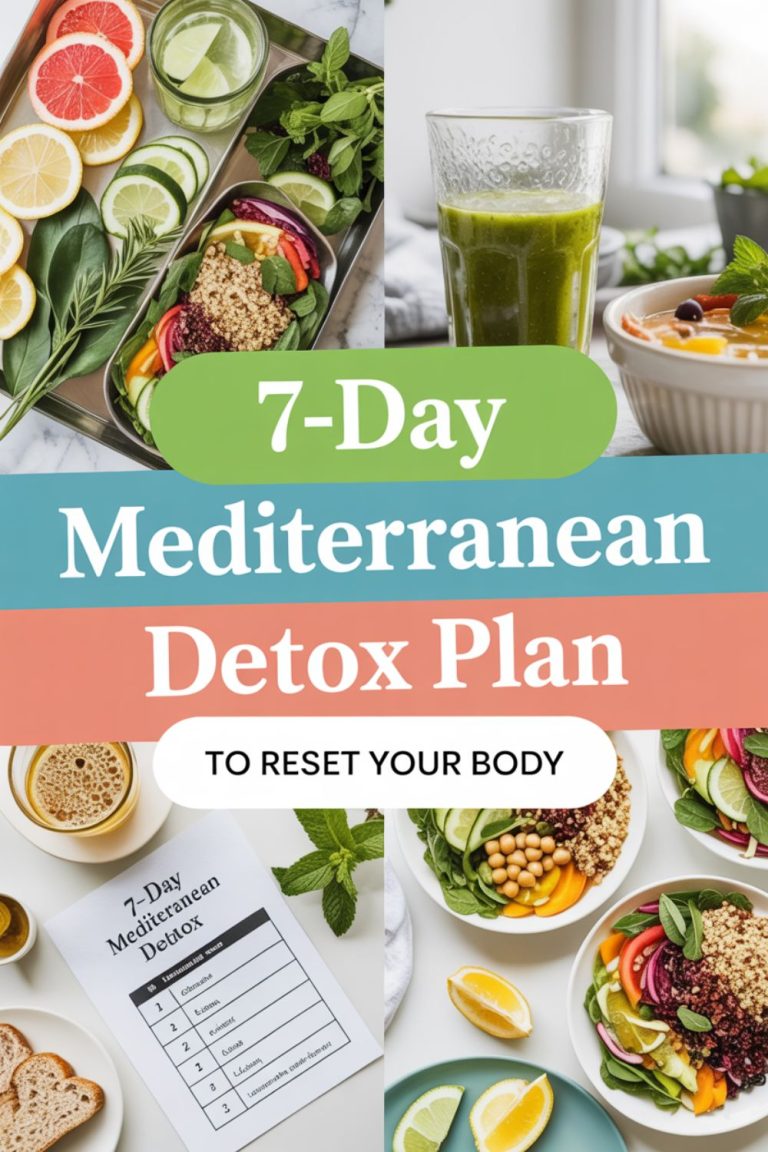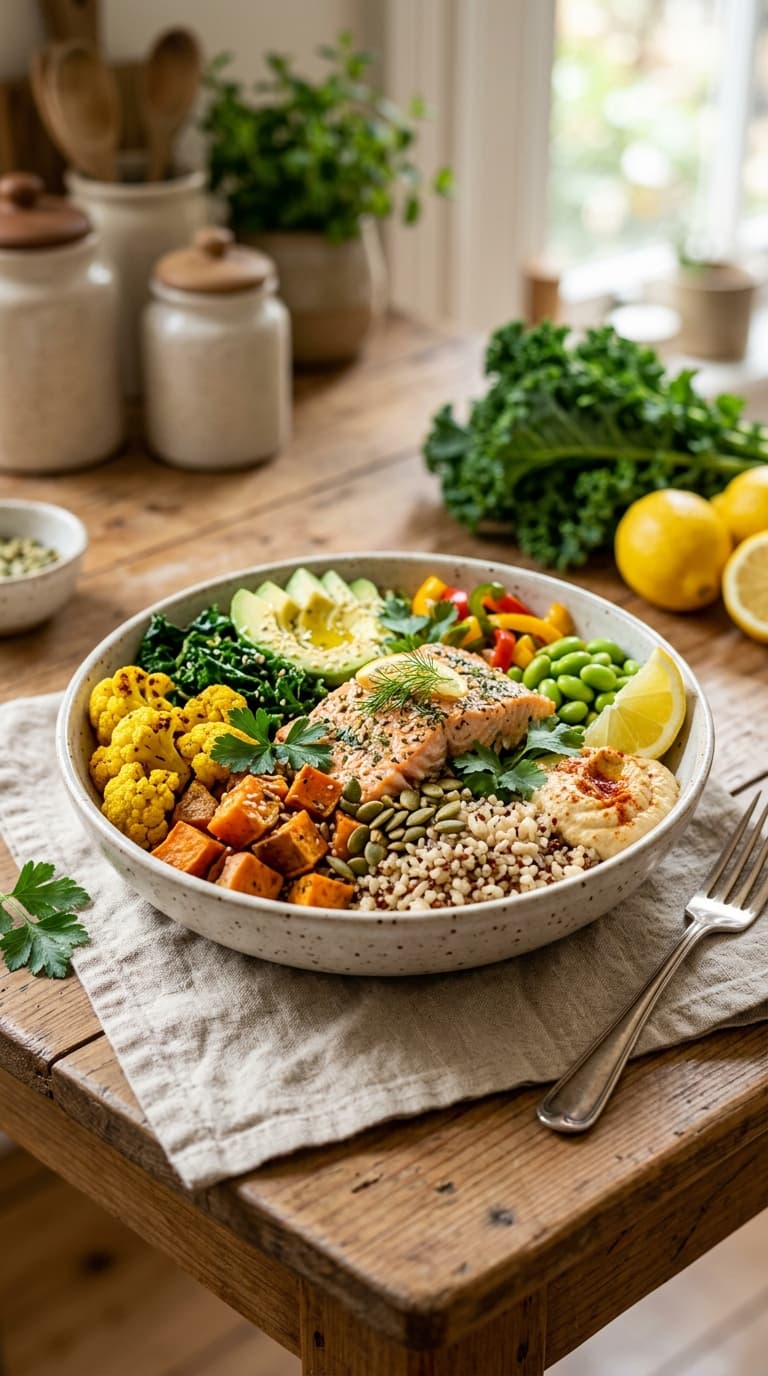


14-Day Mediterranean Diet Starter Kit (Printable PDF)
14-Day Mediterranean Diet Starter Kit (Printable PDF)

So you’ve heard about the Mediterranean diet approximately 47 times this month and you’re finally thinking, “Okay, fine — let me actually try this thing.” Good call. Honestly, this is one of those rare eating patterns that doesn’t feel like punishment, and that alone puts it miles ahead of most diets out there. I started my own Mediterranean journey a couple of years ago, mostly because I was exhausted by complicated meal plans that required ingredients I’d never heard of. What I found instead was a way of eating that’s colorful, filling, and — plot twist — actually delicious.
This 14-day starter kit is exactly what I wish I’d had when I began. Think of it as your friendly roadmap, not a strict rulebook.
What Even Is the Mediterranean Diet?
Before we get into the actual plan, let’s clear something up. The Mediterranean diet isn’t some trendy cleanse invented by a wellness influencer in 2019. It’s a centuries-old eating pattern inspired by the traditional cuisines of countries like Greece, Italy, Spain, and Turkey.
At its core, it focuses on:
- Plenty of fruits, vegetables, legumes, and whole grains
- Healthy fats — primarily olive oil (and yes, generous amounts of it)
- Fish and seafood as your main protein sources
- Moderate amounts of poultry, eggs, and dairy
- Very limited red meat and processed foods
No calorie obsession. No bizarre supplements. Just real, whole food. If you’re brand new to this style of eating, the 7-day Mediterranean meal plan for beginners is a great place to dip your toes in before committing to the full 14 days.
Why 14 Days? The Science of Habit Formation
Here’s the thing — seven days is often not enough to actually feel the difference. Your body needs a bit more time to adjust, and your taste buds need time to stop missing the drive-through. Fourteen days sits in that sweet spot where you start noticing genuine changes: better energy, less bloating, clearer skin, and a weird craving for olives that sneaks up on you.
Research consistently shows that anti-inflammatory eating patterns (which the Mediterranean diet absolutely qualifies as) start showing measurable benefits within two weeks. If you want to understand the inflammation angle more deeply, the 14-day anti-inflammatory eating plan for women breaks it down really well.
Your Mediterranean Pantry: Stock It Once, Eat Well All Week
IMO, the biggest reason people fail at new diets is a bare pantry. You come home tired, open the cupboard, find nothing useful, and order pizza. Totally understandable — but also totally avoidable.
Here’s what your pantry should have before Day 1:
Oils, Vinegars & Condiments
- Extra virgin olive oil (get a good one — it matters)
- Red wine vinegar and balsamic vinegar
- Dijon mustard
- Tahini
Grains & Legumes
- Quinoa, bulgur, farro, or brown rice
- Canned chickpeas, lentils, and white beans
- Whole grain pasta and pita
Canned & Jarred Goods
- Canned tomatoes (diced and whole)
- Canned tuna in olive oil
- Kalamata olives and capers
- Sun-dried tomatoes
Herbs & Spices
- Dried oregano, cumin, smoked paprika, turmeric, cinnamon
- Fresh herbs when possible: parsley, basil, mint
For a more complete breakdown, check out this list of 21 Mediterranean pantry staples to always keep on hand — it’s genuinely useful.
Week 1: Finding Your Footing (Days 1–7)
The first week is about building familiarity without overwhelm. You’re not trying to master every Mediterranean recipe in existence. You’re just replacing a few habits and getting comfortable with new flavors.
Breakfast Ideas for Week 1
Forget sad desk breakfasts. Mediterranean mornings are actually worth waking up for.
- Greek yogurt with honey, walnuts, and fresh berries
- Whole grain toast with avocado, a drizzle of olive oil, and a sprinkle of za’atar
- Veggie-packed egg scramble with tomatoes, spinach, and feta
- Overnight oats with cinnamon, almonds, and sliced figs
If you want a full week of morning inspiration, the 7-day Mediterranean high-fiber breakfast plan has you completely covered.
Lunch Ideas for Week 1
Lunches should be simple, portable, and satisfying. If you’re taking these to work, even better — your coworkers will either be jealous or mildly confused. Probably both.
- Big Greek salad with cucumber, tomato, olives, feta, and chickpeas
- Whole grain pita stuffed with hummus, roasted veggies, and grilled chicken
- Lentil soup with crusty whole grain bread
- Quinoa bowl with roasted vegetables and lemon-tahini dressing
For more work-friendly options, 22 Mediterranean lunches perfect for work is bookmarkable content.
Dinner Ideas for Week 1
Dinners are where you can slow down and actually enjoy cooking. Or at least pretend to. 🙂
- Baked salmon with roasted cherry tomatoes, garlic, and herbs
- Chickpea and spinach stew with crusty bread
- Sheet pan chicken thighs with zucchini, bell peppers, and olives
- Shrimp sautéed in olive oil with capers, lemon, and whole grain pasta
If you’re short on time, these 30-minute Mediterranean recipes for busy nights are lifesavers on weeknights.
Week 2: Building Confidence (Days 8–14)
You made it to week two. Seriously, that’s not nothing — most people abandon new eating plans by Day 4. By now you’ve probably noticed a little more energy and a slightly less grumpy gut. Week two is about expanding your recipe repertoire and getting a bit more creative.
Breakfast Ideas for Week 2
- Smoothie bowl with frozen mango, spinach, Greek yogurt, and hemp seeds
- Mediterranean-style shakshuka (eggs poached in spiced tomato sauce)
- Chia pudding with almond milk, pistachios, and pomegranate seeds
- Savory oatmeal with olive oil, soft-boiled egg, and everything bagel seasoning
Lunch Ideas for Week 2
- Farro salad with roasted beets, arugula, goat cheese, and walnuts
- Tuna-stuffed avocado with lemon juice and capers
- White bean and kale soup
- Mediterranean grain bowl with hummus, tabbouleh, and grilled veggies
For more substantial midday meals, 25 high-protein Mediterranean lunches that keep you full all day delivers exactly what it promises.
Dinner Ideas for Week 2
- One-pan baked cod with olives, tomatoes, and lemon
- Stuffed bell peppers with ground turkey, quinoa, and herbs
- Lentil and vegetable curry with yogurt sauce
- Grilled swordfish with fattoush salad and hummus
If you want more fish-forward ideas, 19 Mediterranean fish and seafood recipes packed with omega-3 goodness is absolutely worth browsing.
Snacking the Mediterranean Way
Here’s where most “healthy eating plans” drop the ball — they either ban snacking entirely (cruel) or suggest something deeply joyless like plain rice cakes. Mediterranean snacking is neither of those things.
Smart Mediterranean snacks include:
- Hummus with sliced cucumber, carrots, or bell pepper strips
- A small handful of mixed nuts (walnuts, almonds, pistachios)
- Fresh fruit with a few cubes of feta
- Olives — honestly just olives, they’re perfect
- Whole grain crackers with tahini and a drizzle of honey
- Greek yogurt with a spoonful of almond butter
For when you’re on the go, 25 Mediterranean snack box ideas for work or travel has some genuinely clever combinations.
The Printable PDF Breakdown: What to Expect
Now let’s talk about the actual printable kit structure, because this is what makes the 14 days feel manageable rather than chaotic.
A good Mediterranean diet starter PDF should include:
1. A Day-by-Day Meal Plan
Three meals plus one snack, laid out clearly for each of the 14 days. No guesswork, no decision fatigue. You wake up, check the plan, and know exactly what you’re making.
2. Weekly Grocery Lists
Organized by category (produce, proteins, grains, pantry items) so your supermarket trip takes 20 minutes instead of 45. Week 1 and Week 2 lists are separate because your pantry staples will already be stocked by Week 2.
3. Meal Prep Guide
A Sunday prep session outline that takes 90 minutes max and sets you up for the entire week. Think: batch-cooked grains, roasted vegetables, pre-made hummus, and prepped salad components.
4. Key Recipe Cards
Quick-reference recipes for the meals that appear most often in the plan — things like basic tahini dressing, simple tomato-herb sauce, and lemon-garlic marinade.
5. Progress Tracker
A simple check-in section where you note how you feel each day — energy levels, digestion, mood, sleep quality. Spoiler: by Day 10, most people start seeing patterns.
Meal Prep Tips That Actually Save You Time
FYI, meal prep doesn’t have to mean spending your entire Sunday in the kitchen. Here are the moves that give you the most value for your time:
- Cook grains in bulk. A big pot of quinoa or farro takes the same time as a small one and lasts four days in the fridge.
- Roast a large tray of mixed vegetables on Sunday. Use them in bowls, wraps, salads, and grain dishes all week.
- Make one big batch of legumes. A pot of chickpeas or lentils goes into lunches, dinners, and snacks without blinking.
- Prep your dressings and sauces in small jars. Olive oil + lemon + garlic + herbs takes two minutes and transforms everything it touches.
- Hard-boil a batch of eggs for quick breakfast and lunch additions.
For a structured approach, the 21 easy Mediterranean meal prep ideas for a week of healthy eating walks you through it step by step.
What About Weight Loss?
Okay, let’s address the elephant in the room. Many people come to the Mediterranean diet specifically hoping to lose weight, and that’s completely valid. The honest answer? It works — but probably not in the way you expect.
You won’t drop 10 pounds in two weeks. What you will do is reduce inflammation, stabilize blood sugar, and stop the cycle of eating foods that spike and crash your energy. Over time, those changes naturally support healthy weight management. If weight loss is your primary goal, the 14-day Mediterranean weight loss plan gives you a more targeted approach.
The Mediterranean diet is also particularly effective for long-term weight maintenance — which, let’s be real, is the hard part most diets completely ignore.
Common Mistakes to Avoid in Your First Two Weeks
Even with the best intentions, a few predictable pitfalls trip people up. Here’s what to watch for:
- Skimping on healthy fats. This is not a low-fat diet. Pour the olive oil. Add the avocado. Eat the nuts. Fat keeps you full and helps you absorb fat-soluble nutrients.
- Treating it as an all-or-nothing plan. Had a slice of birthday cake on Day 6? Fine. Move on. One meal doesn’t derail two weeks.
- Forgetting to hydrate. Water and herbal teas are your best companions here. For ideas on anti-inflammatory drinks that complement this lifestyle, 14 anti-inflammation drinks you can make at home is worth a look.
- Ignoring legumes. Chickpeas, lentils, and white beans are nutritional powerhouses and extremely cheap. If you’re not cooking with them yet, start now.
- Overcomplicating recipes. Mediterranean food is naturally simple. Resist the urge to make everything a 25-ingredient production.
How to Keep Going After Day 14
So you finish your two weeks — now what? This is genuinely the most important question, and most plans just leave you hanging here. :/
The goal is to transition from following a plan to living a pattern. A few ways to keep the momentum going:
- Gradually expand your recipe rotation using resources like 25 Mediterranean recipes that prove healthy eating isn’t boring
- Try a longer structured challenge like the 30-day Mediterranean wellness plan to fully cement the habits
- If you loved the anti-inflammatory angle, the 30-day anti-inflammation challenge is a natural next step
- Keep your pantry stocked — it remains the single biggest factor in whether you cook Mediterranean meals or default to old habits
The Mediterranean diet isn’t meant to be a phase. It’s meant to become your normal. And after 14 days of eating this well, “normal” starts to feel like a pretty great thing.
Final Thoughts
Two weeks is enough time to genuinely change how you relate to food. Not dramatically, not painfully — just gradually, meal by meal, olive by olive. The 14-day Mediterranean starter kit gives you the structure, the grocery lists, the meal ideas, and the recipes to actually make it happen without feeling lost or overwhelmed.
You don’t need to be a chef. You don’t need fancy equipment. You need a good bottle of olive oil, a willingness to try new things, and this plan in your hand (or on your screen, or printed and stuck to your fridge — wherever it works for you).
Start on a Monday, stock your pantry the Sunday before, and give yourself these two weeks. I genuinely think you’ll surprise yourself. And worst case? You discover you really like Greek salad. Honestly, that’s still a win.