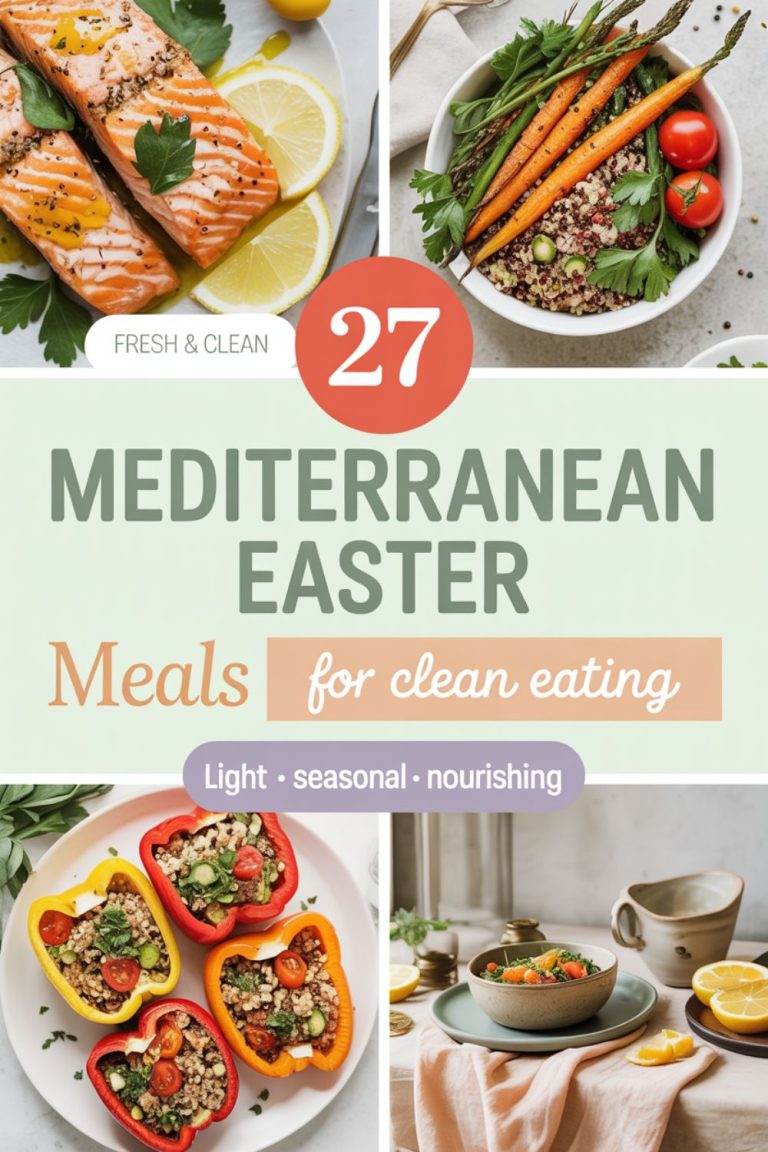

27 Mediterranean Pasta Alternatives for Clean Eating
Let me guess: you love pasta. Like, genuinely, deeply love it. The kind of love that has you standing over a pot at 10 p.m. in mismatched socks, debating whether one more bowl counts as a late-night snack or just dedication. Same. But here is the thing — when you are trying to eat cleaner, reduce inflammation, or just feel lighter by the weekend, regular white pasta is not exactly doing you any favors. The good news? The Mediterranean kitchen has been solving this problem for centuries, long before “clean eating” became a hashtag.
This list covers 27 Mediterranean pasta alternatives that actually taste good. We are not talking about watery vegetable noodles you tolerate. We are talking about hearty, satisfying swaps loaded with fiber, protein, and anti-inflammatory ingredients that fit beautifully into a Mediterranean lifestyle. Whether you are cutting refined carbs, managing blood sugar, or just curious about what else the world has to offer beyond a box of spaghetti, you are in the right place.
A quick note before we roll: if you are pairing any of these alternatives with a solid weekly structure, this 7-Day Mediterranean Clean Eating Plan is a great companion. It maps out exactly how to build meals around these ingredients without overthinking every single plate.

Why Swap Pasta in a Mediterranean Diet?
Traditional pasta made from refined white flour spikes blood sugar quickly, offers minimal fiber, and tends to leave you hunting for snacks an hour after dinner. That cycle is exhausting, and your gut knows it too. The Mediterranean approach has always favored whole grains, legumes, and vegetables as the base of meals — pasta was a small supporting role, not the main event the way it became in American kitchens.
According to the Mayo Clinic’s comprehensive Mediterranean diet guide, the eating pattern emphasizes whole grains, legumes, and plant-forward foods as staples while keeping refined carbohydrates to a minimum. That guidance lines up perfectly with the alternatives below — most of which deliver more fiber, more protein, and a far better nutritional payoff per serving than conventional pasta.
Clean eating within a Mediterranean framework is not about restriction. It is about upgrading the base ingredients while keeping all the flavors you love: olive oil, lemon, garlic, fresh herbs, roasted vegetables, and good fish. Once you start cooking this way, going back to plain white pasta genuinely starts to feel like a downgrade.
Cook your grain-based alternatives — farro, freekeh, bulgur — in low-sodium vegetable broth instead of plain water. It adds a subtle depth that makes even a simple olive oil toss taste like you actually tried.
The 27 Best Mediterranean Pasta Alternatives
Vegetable-Based Swaps (The Spiralizer Crew)
- Zucchini Noodles (Zoodles) — The OG vegetable noodle. Spiralize fresh zucchini, toss with warm marinara or lemony pesto, and you have something that is genuinely satisfying. A quality spiralizer makes the whole process take about 90 seconds.
- Spaghetti Squash Strands — Roast it, scrape it, and suddenly you have a bowl of long, slightly sweet noodles that hold up beautifully under chunky tomato sauces or herb-heavy pestos.
- Carrot Ribbons — Use a vegetable peeler to shave long, flat ribbons from large carrots. Blanch briefly and toss with tahini, lemon, and toasted sesame seeds for something bright and crunchy.
- Beet Noodles — Spiralized raw beets bring an earthy sweetness and that dramatic deep red color that makes your plate look like you studied at a culinary school. Pair with goat cheese and walnuts.
- Cucumber Noodles — Best served raw in cold preparations. Think cold Greek-inspired noodle salad with feta, olives, and a sharp red wine vinaigrette. No cooking required.
- Eggplant Strips — Slice thin, roast until just soft, and layer them the way you would pasta in a Mediterranean-style bake. Eggplant and tomato together is practically a religion in the region.
- Hearts of Palm Noodles — Canned or jarred, these pull apart naturally into long strands that mimic pasta texture surprisingly well. They are neutral in flavor, which means they absorb whatever sauce you throw at them.
Whole Grain Swaps (The Earthy and Satisfying)
- Farro — Chewy, nutty, and deeply satisfying, farro is one of the most underrated grains in the Mediterranean pantry. It holds its texture well in both warm and cold preparations and makes a stunning base for roasted vegetable bowls.
- Bulgur Wheat — Quick-cooking, high in fiber, and a classic Mediterranean staple. Bulgur works beautifully as the base for a warm salad-style bowl tossed with olive oil, herbs, and roasted chickpeas. Mediterranean chickpea recipes pair especially well with bulgur as a base.
- Freekeh — Roasted green wheat with a smoky, almost meaty flavor that is absolutely wild in the best way. Cook it low and slow with chicken broth and garlic, then finish with fresh herbs. Your dinner guests will ask what it is.
- Barley — Pearl barley cooks up creamy and filling, works like a heavier risotto base, and contains beta-glucan — a soluble fiber with solid evidence behind its benefits for heart health and blood sugar regulation.
- Whole Wheat Couscous — Technically semolina, but the whole wheat version offers more fiber and a slightly nuttier flavor. Steam it, fluff with a fork, and serve with roasted vegetables and a generous drizzle of good olive oil.
- Quinoa — A complete protein source with all nine essential amino acids. IMO, quinoa is one of the most versatile swaps on this list because it works as both a grain bowl base and a pasta-style dish when tossed with Mediterranean sauces.
- Brown Rice — The reliable, easy-to-find classic. Swap it in anywhere you would use pasta as a base for a sauce-heavy dish. Short-grain brown rice gets especially creamy when cooked slowly.
- Millet — Underused and underrated. Millet cooks up fluffy or creamy depending on water ratio, making it surprisingly adaptable. Toast it dry before boiling for a noticeably deeper, nuttier flavor.
Kitchen Tools & Resources That Make This Easier
Things worth having in your corner when you are cooking this way regularly — from a friend who has made every mistake already.
Vegetable Spiralizer
A countertop spiralizer handles zucchini, beets, carrots, and even sweet potato in seconds. Handheld versions are fine, but the tabletop kind is less of a workout.
Wide Enameled Dutch Oven
A 5-quart enameled Dutch oven handles grain cooking, stews, and one-pot roasting with equal confidence. Worth the investment.
Glass Meal Prep Containers
A set of glass containers with snap-lock lids keeps your prepped grains and veggie noodles fresh all week without plastic leaching into your food.
7-Day Mediterranean High-Fiber Meal Prep Plan
This structured prep guide maps each grain and legume swap into a full week of clean, organized eating.
14-Day High-Fiber Mediterranean Plan
The printable PDF plan is designed specifically for beginners who want clear structure without overthinking it.
30-Day Anti-Inflammation Challenge
The 30-day PDF guide builds everything in this article into a sustained, month-long clean eating structure.
Legume-Based Pastas (High Protein, Zero Apology)
- Chickpea Pasta — This is probably the closest thing to regular pasta on this list in terms of texture and versatility. Higher in protein and fiber than conventional noodles, chickpea pasta holds sauce beautifully and does not turn to mush if you slightly overcook it. Mediterranean pasta recipes work seamlessly with this swap. Get Full Recipe
- Red Lentil Pasta — A slightly earthier flavor than chickpea pasta, with a beautiful orange-red color and impressive protein content. Works especially well with tomato-based sauces and roasted red pepper purees.
- Black Bean Noodles — Dark, dense, and high in iron and protein. Not traditionally Mediterranean, but they pair beautifully with lemon-herb sauces and roasted cherry tomatoes. The color alone makes them worth trying.
- Edamame Spaghetti — Made from edamame flour, these bright green noodles pack a significant protein punch. Toss with garlic, olive oil, lemon zest, and capers for a clean, punchy plate.
- Green Lentils as Pasta Base — Rather than using actual noodles, cook green or French lentils until just tender, then serve them dressed exactly like pasta — with browned garlic, good olive oil, torn fresh herbs, and shaved parmesan. It is a genuinely filling meal. Get Full Recipe
Rinse legume-based pastas (chickpea, lentil) under cold water immediately after cooking to stop the cooking process and dramatically improve texture. Two seconds of effort, noticeably better results.
Research from Healthline’s Mediterranean diet overview highlights that legumes eaten regularly within the Mediterranean pattern support blood sugar stability and long-term satiety — which is exactly why these legume-based pasta swaps outperform white flour noodles in a clean eating context. FYI, that blood sugar benefit is the main reason so many people notice their afternoon energy slumps disappear when they make this shift.
Ancient Grains and Specialty Swaps
- Teff — A tiny grain native to East Africa and a staple in Ethiopian cuisine, teff has found its way into Mediterranean clean eating for good reason. Nutty, slightly molasses-like in flavor, and naturally gluten-free.
- Kamut (Khorasan Wheat) — An ancient relative of durum wheat with a buttery, rich flavor. Kamut pasta is available in many health food stores and offers more protein and selenium than standard wheat pasta.
- Buckwheat Noodles (Soba-Style) — Despite the name, buckwheat contains no wheat and is naturally gluten-free. It carries a pleasantly nutty, slightly earthy taste that works well cold or warm, tossed with olive oil and roasted vegetables.
- Cauliflower Rice as Pasta Base — Pulse cauliflower in a food processor, sauté briefly, and serve with sauce over the top. It is lighter than any noodle on this list and a genuinely good base for robust, chunky Mediterranean sauces.
- Konjac Noodles (Shirataki) — Almost zero calories and zero net carbs. The texture is rubbery until you dry-fry them briefly in a hot pan before adding sauce — that one step makes all the difference. Not glamorous, but effective if you are watching carbs carefully.
- Einkorn Pasta — One of the oldest cultivated wheats, einkorn contains less gluten than modern varieties and a slightly more complex, nutty flavor. People who find modern wheat hard to digest often tolerate einkorn much better.
- Roasted Chickpeas as Grain Bowl Topper — Not a noodle, not a grain, but a fully valid pasta alternative when you want something crunchy and protein-rich over a bed of dressed vegetables. Toss canned chickpeas with olive oil and spices, roast at high heat until crispy, and serve over everything. Explore Mediterranean chickpea recipes for more variations on this theme. Get Full Recipe
How to Build a Perfect Plate with These Alternatives
The trick to making any of these swaps work long-term is building the plate the right way. A bowl of plain zucchini noodles with jarred marinara is fine once. But it will not keep you full or excited. The Mediterranean formula is simple: a fibrous base + a healthy fat + a protein source + fresh acid (usually lemon or a good vinegar). That structure works for every swap on this list.
For grain-based swaps like farro, freekeh, or bulgur, treat them exactly like you would pasta. Cook them in well-seasoned water or broth, toss warm with olive oil and garlic, layer roasted vegetables over the top, add a protein — grilled fish, white beans, or a soft poached egg — and finish with fresh herbs and lemon. Done. That is the playbook.
For vegetable noodles, sauce matters even more because the noodles themselves bring almost no flavor. A good sauce — puttanesca, green harissa, walnut-herb pesto, or a simple blistered cherry tomato situation with capers — does the heavy lifting. A heavy-bottomed sauté pan helps you blister tomatoes properly without steaming them into mush, which makes a real difference in the final flavor.
And if you are cooking for a family or doing a full week of meal prep, the 14-Day Mediterranean Family Meal Plan already has these swaps built in across a structured two-week rotation — no guesswork required.
Batch-cook two or three grain alternatives on Sunday — farro, bulgur, and quinoa take about the same amount of hands-off time. Keep them plain in the fridge all week and dress them differently each day. You just solved four lunches in one hour.
Pairing These Swaps with Anti-Inflammatory Ingredients
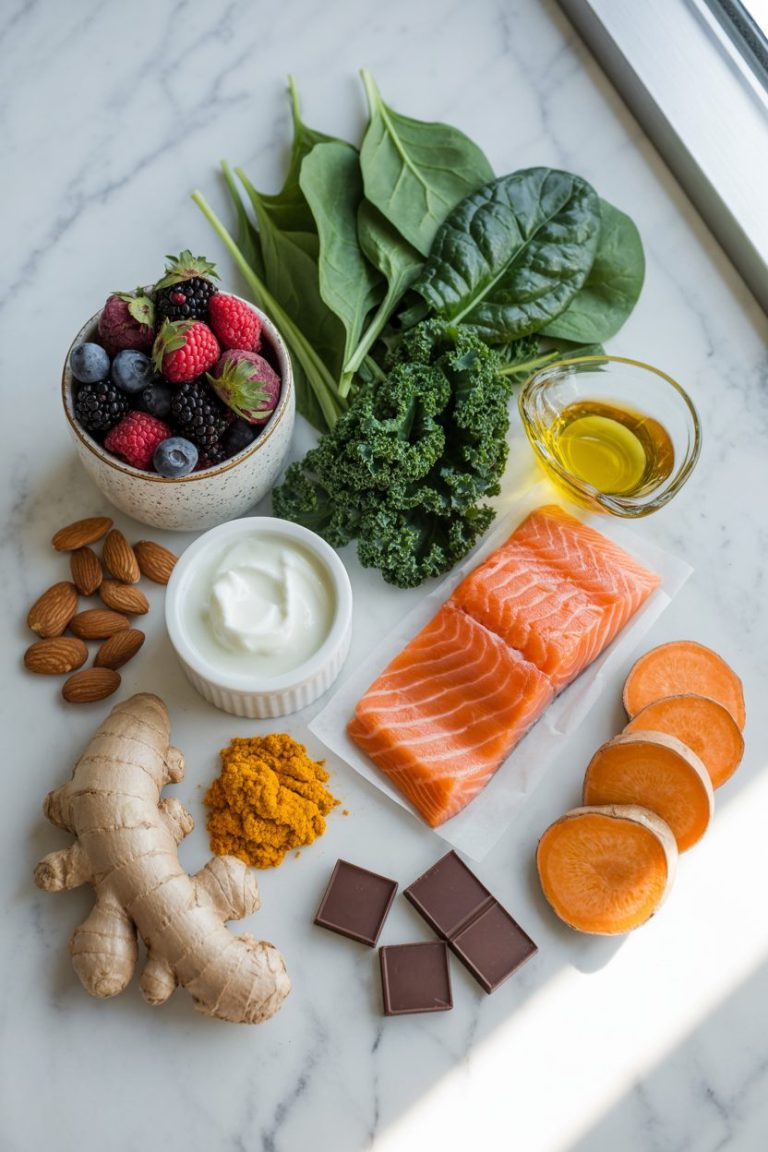
Choosing a clean pasta base is only half the equation. What you put on top is equally important when your goal is reducing inflammation and feeling genuinely good in your body. The Mediterranean kitchen leans heavily on extra virgin olive oil, garlic, turmeric, fresh herbs, fatty fish, and bright citrus — all of which have well-documented anti-inflammatory properties.
For the grain-based swaps especially, building in leafy greens, roasted tomatoes, and a drizzle of good olive oil turns an ordinary bowl into something that actively supports your health rather than just avoiding harm. Pairing farro with sautéed spinach, cherry tomatoes, white beans, and a generous pour of cold-pressed olive oil hits nearly every marker of a genuinely anti-inflammatory meal.
If you want a comprehensive structure for cooking this way consistently, the 7-Day Mediterranean Anti-Inflammation Meal Plan integrates several of these pasta alternatives into a full week of thoughtfully planned meals. It takes the planning off your plate so you can focus on the cooking. Also worth exploring: 25 Anti-Inflammatory Meal Prep Ideas That Actually Make Your Week Better — a practical companion for batch cooking with these ingredients.
Frequently Asked Questions
Are Mediterranean pasta alternatives actually filling enough for a full meal?
Yes — especially when you choose grain-based or legume-based alternatives rather than pure vegetable noodles. Farro, bulgur, chickpea pasta, and lentil pasta all carry meaningful fiber and protein, which means they satisfy you for longer than refined white pasta typically does. The key is building the plate properly with fat, protein, and acid rather than just subbing the base and hoping for the best.
Which pasta alternative is best for weight loss on a Mediterranean diet?
There is no single answer, but high-fiber options like farro, chickpea pasta, and bulgur tend to perform best for satiety, which is the most practical weight-management tool. Vegetable noodles like zucchini or spaghetti squash work well if you are reducing overall calorie density. The 14-Day Mediterranean Weight Loss Plan maps out practical daily structures using several of these swaps.
Can I eat these pasta alternatives if I am gluten-free?
Absolutely. Many of the options on this list — quinoa, buckwheat noodles, chickpea pasta, red lentil pasta, cauliflower rice, zucchini noodles, spaghetti squash, teff, and konjac noodles — are naturally gluten-free. Always check packaging on grain-based options for cross-contamination warnings if you are highly sensitive. The 25 Gluten-Free Mediterranean Recipes collection is a useful starting point for building full meals around these alternatives.
How do vegetable noodles compare nutritionally to legume-based pasta?
They serve different purposes. Vegetable noodles are very low in calories and carbohydrates but offer minimal protein, so they work best as a lighter base paired with a protein-rich sauce or topping. Legume-based pastas like chickpea and lentil noodles offer a closer nutritional profile to regular pasta but with more fiber and significantly more protein, making them better for sustained energy and satiety.
What is the easiest Mediterranean pasta alternative to start with?
Whole wheat couscous or bulgur wheat — both cook fast, require minimal technique, and taste genuinely good with very simple preparation. If you want something that behaves most like conventional pasta, chickpea pasta is your best starting point. It cooks almost identically to regular pasta and takes the same sauces without any adjustment.
The Swap Is Worth It
Twenty-seven alternatives sounds like a lot, but you do not need all of them. Start with two or three that feel accessible — maybe chickpea pasta for pasta nights, farro for grain bowls, and zucchini noodles for a lighter weekday lunch. Build from there. The Mediterranean approach was never about perfection or a total overhaul. It was always about choosing better ingredients more often and building meals that leave you feeling good afterward.
That is it. No complicated rules, no weighing food, no lamenting your former pasta life. Just more of the good stuff — fiber, healthy fats, whole grains, and the kind of slow-building satisfaction that makes you realize refined flour was never actually the point of a good meal anyway.
Pick one swap, cook it this week, and go from there. Your plates — and your energy levels — will tell you everything you need to know.