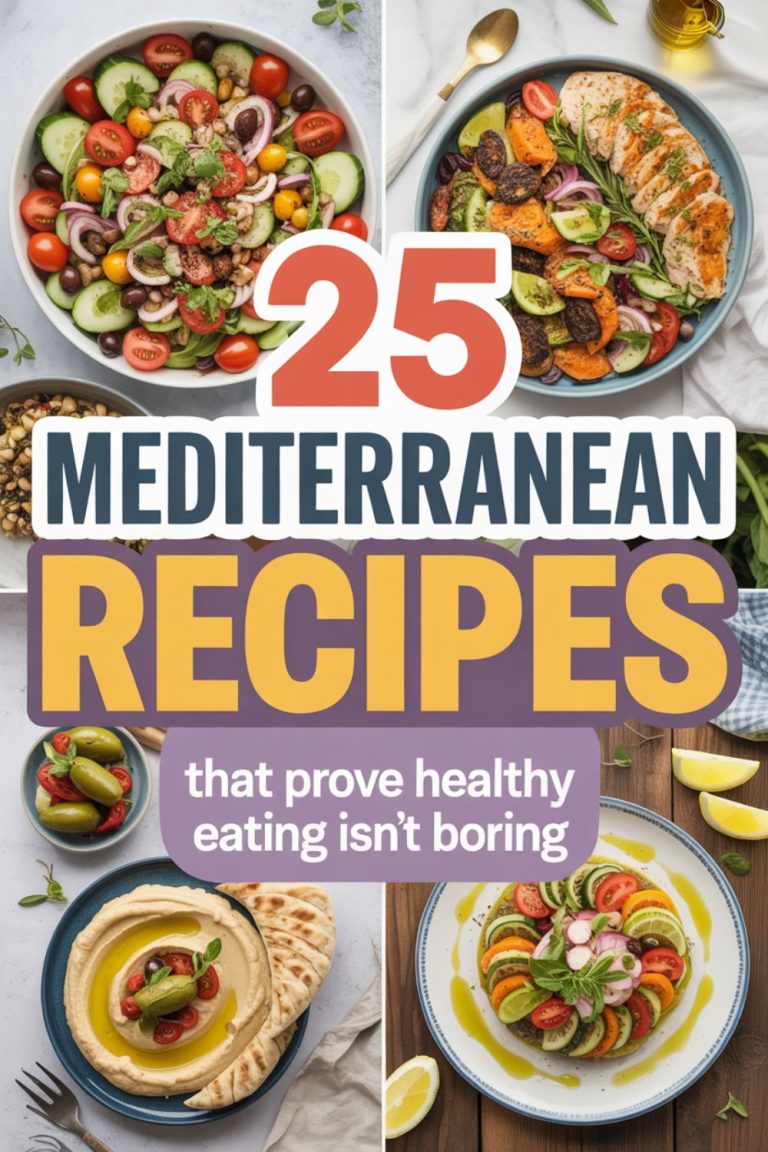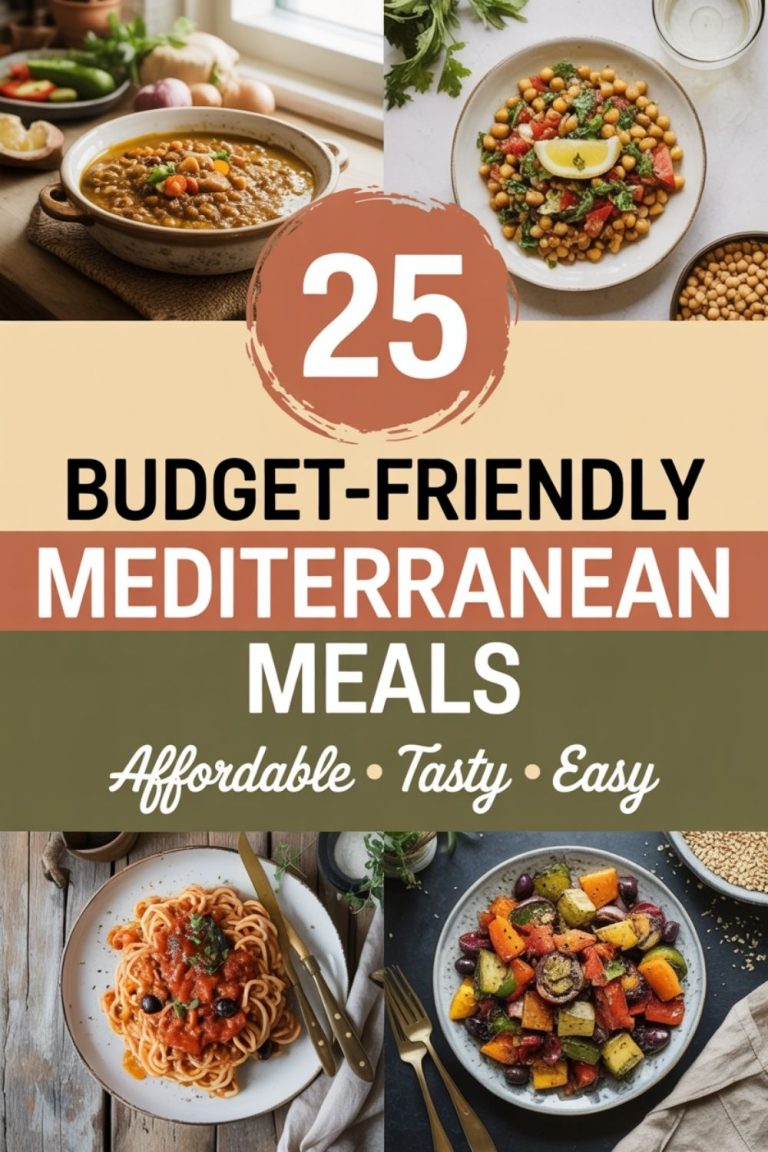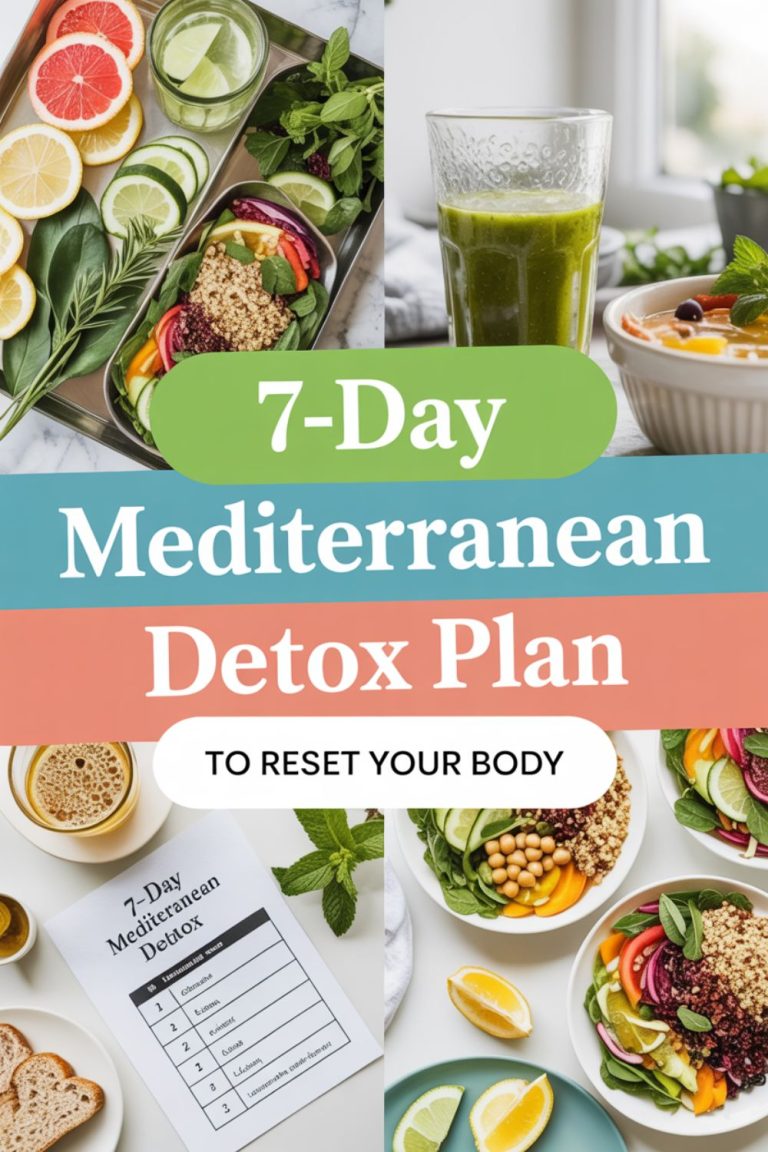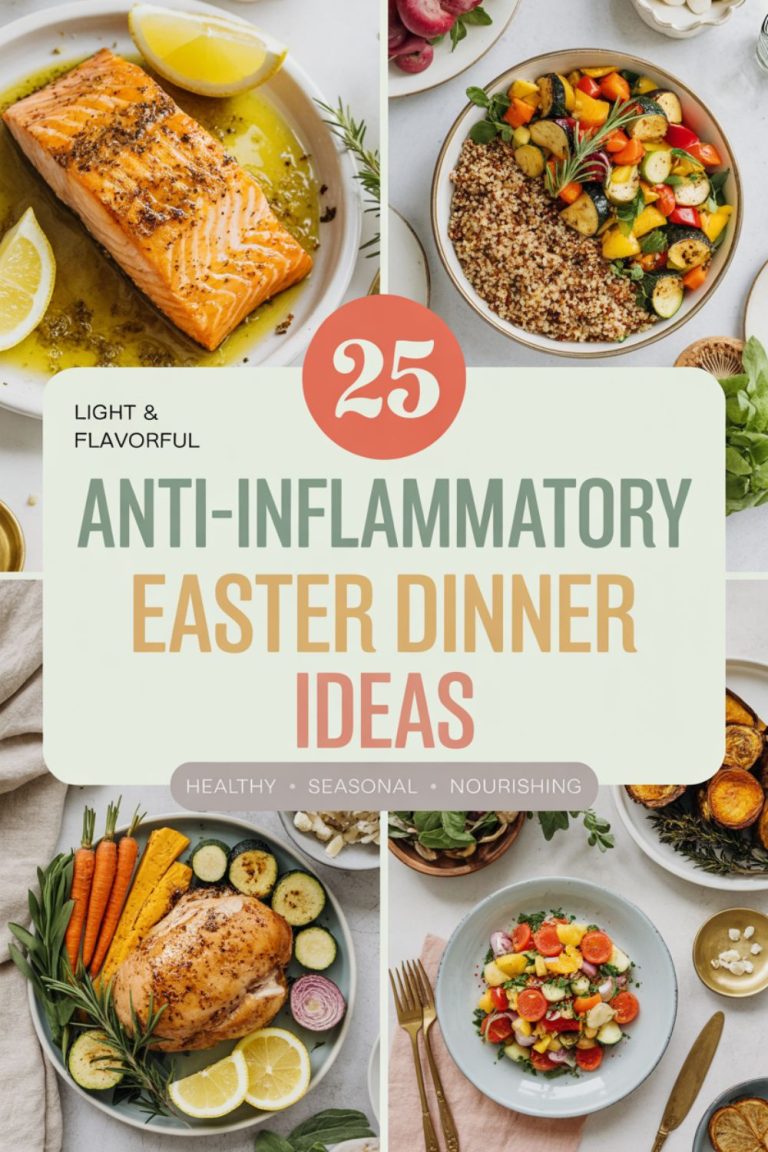

27 Anti-Inflammatory Recipes for Gut Health
Real food that your gut will actually thank you for. No complicated techniques, no weird ingredients.
Your gut has been trying to tell you something for a while now. The bloating after dinner, the afternoon energy crash that sends you straight to the couch, the skin that looks like it is constantly irritated for no real reason. Most of us ignore these signals for years, reaching for an antacid or blaming stress, when the honest answer is a lot simpler: what you are eating is either fueling inflammation or fighting it.
I spent the better part of a year trying to figure out why I felt consistently terrible despite eating what I thought was “pretty healthy.” Turns out, “pretty healthy” and actually anti-inflammatory are two different categories. Once I started building meals specifically around gut-supportive, inflammation-calming ingredients, things changed fast. Like, faster-than-I-expected fast. This collection of 27 anti-inflammatory recipes for gut health is the result of all that trial, error, and honestly some meals that were spectacularly bad before they were good.
These recipes are not a detox. They are not a cleanse. They are just genuinely good food made with ingredients that happen to work with your body instead of against it. Let us get into it.
Why Gut Health and Inflammation Are the Same Conversation
Here is something that does not get talked about enough: your gut is not just a digestive system. It is closer to a second immune headquarters. Roughly 70 percent of your immune cells live in your gut lining, which means that what you eat directly influences how inflamed your body is at any given moment. That afternoon joint stiffness, the brain fog, the skin flare-ups, and the chronic fatigue can all trace a direct line back to gut dysbiosis and chronic, low-grade inflammation.
According to research published by Harvard Health Publishing, the gut bacteria that populate your digestive system release chemicals that can either suppress or stimulate inflammation, and those bacterial populations shift depending entirely on the foods you eat. In other words, every meal is either an investment in or a withdrawal from your inflammatory balance.
The Mediterranean diet consistently shows up in research as one of the strongest dietary patterns for reducing inflammatory markers. It is heavy on olive oil, fatty fish, legumes, leafy greens, and whole grains, and light on processed anything. Not a coincidence that it also happens to produce some of the most delicious food on the planet. The 27 recipes below borrow heavily from that tradition while keeping things practical for a real weeknight kitchen.
The Ingredient Lineup That Powers These Recipes
Before we get to the actual recipes, it helps to understand what is doing the heavy lifting in these meals. Anti-inflammatory eating is not about magic superfoods. It is about consistent exposure to certain nutrients that actively dial down inflammatory pathways in your body.
The Big Players
- Omega-3 fatty acids — Found in salmon, sardines, walnuts, flaxseed, and chia seeds. These fats help block pro-inflammatory compounds at the cellular level and are one of the most well-studied anti-inflammatory nutrients available.
- Polyphenols — The plant compounds in berries, extra virgin olive oil, turmeric, and dark leafy greens. Blueberries and cherries are particularly rich sources. They neutralize free radicals and reduce oxidative stress, which is basically the molecular precursor to inflammation.
- Prebiotic fiber — Foods like garlic, onion, leeks, asparagus, and oats feed the beneficial bacteria in your gut. When those bacteria are well-fed, they produce short-chain fatty acids that actively strengthen your intestinal lining.
- Probiotic foods — Yogurt, kefir, kimchi, miso, and sauerkraut introduce live beneficial bacteria directly to your gut ecosystem. Think of prebiotics as the fertilizer and probiotics as the seeds.
- Curcumin from turmeric — The active compound in turmeric has been studied extensively for its ability to inhibit NF-kB, which is essentially the master switch for inflammation. Pair it with a pinch of black pepper to dramatically increase absorption.
Worth noting: olive oil versus other cooking fats is a comparison that matters here. Extra virgin olive oil contains oleocanthal, a compound that functions similarly to ibuprofen as an anti-inflammatory agent. Refined seed oils like corn oil and soybean oil, on the other hand, are extremely high in omega-6 fatty acids, which at high ratios to omega-3s, promote inflammation. IMO, switching to a good EVOO is one of the highest-return changes you can make without actually changing what you eat.
Batch-cook a large pot of whole grains like farro, brown rice, or quinoa every Sunday. They keep in the fridge for five days and become the base for at least three different anti-inflammatory bowls throughout the week with zero extra effort.
The 27 Anti-Inflammatory Recipes for Gut Health
Breakfast Recipes (1–7)
Rolled oats soaked in almond milk with turmeric, ginger, black pepper, and topped with blueberries and hemp seeds. Make a batch of five jars on Sunday and forget about breakfast all week. Get Full Recipe
Smoked salmon, pastured eggs, diced avocado, and fresh dill scrambled together in a cast iron pan with a generous pour of olive oil. High protein, high omega-3, genuinely excellent.
Baby spinach, frozen wild blueberries, banana, ground flaxseed, kefir, and a thumb of fresh ginger. Drink this daily for a week and tell me your energy does not shift.
White miso stirred into eggs before cooking adds a probiotic punch and the kind of umami depth that makes this the most interesting scrambled egg you will ever eat.
Chia seeds soaked overnight in coconut milk, topped with ripe mango and a handful of roughly chopped walnuts. The omega-3 content per serving is legitimately impressive.
Kale, leek, and zucchini baked into a dense, sliceable frittata with feta and fresh herbs. Stores in the fridge for four days, so one bake covers multiple mornings.
Full-fat Greek yogurt swirled with turmeric paste, topped with cucumber, za’atar, olive oil, and a soft-boiled egg. Sounds unusual. Tastes like a Mediterranean spa breakfast.
For even more morning inspiration, the 7-Day Mediterranean High-Fiber Breakfast Plan builds a full week of gut-supportive mornings around these kinds of meals. If you love smoothies specifically, the 7-Day Anti-Inflammatory Smoothie Meals Plan is worth bookmarking as a companion to this list.
Lunch Recipes (8–14)
Canned sardines over cannellini beans with shaved fennel, lemon zest, parsley, and a heavy drizzle of EVOO. Ready in under ten minutes and genuinely one of the most anti-inflammatory lunches in existence. Get Full Recipe
Earthy roasted beets over cooked green lentils with baby arugula, pumpkin seeds, and a tahini-lemon dressing. Beets contain betalains, a class of pigments with documented anti-inflammatory properties.
Farro base topped with kimchi, edamame, shredded purple cabbage, sesame seeds, and a soft-boiled egg. The combination of prebiotics from the farro and probiotics from the kimchi is the gut-health equivalent of a standing ovation.
Crispy whole-grain pita chips tossed with chickpeas, cucumber, tomato, parsley, sumac, and lemon. Bright, filling, and leaves zero room for afternoon snack regret.
A healing broth built on white miso, grated ginger, and kombu, loaded with silken tofu, bok choy, and green onions. This one is what I make when I feel a cold coming on or my digestion needs a reset.
Canned wild salmon mixed with avocado, cucumber, and sesame oil, wrapped in nori sheets. No cooking required, 15 minutes tops, and the omega-3 content is exceptional.
Whole cauliflower florets roasted until golden, then blended with vegetable stock, turmeric, garlic, and coconut milk into a silky, warming soup that doubles as a snack and a full lunch.
I started this gut-healing meal approach three months ago mostly out of desperation. My digestion had been off for years and I was skeptical that food could actually fix it. By week four I was sleeping better, my skin was clearer, and the bloating I had accepted as just my normal was completely gone. The recipes are actually good, which helps.
— Mara T., community memberDinner Recipes (15–21)
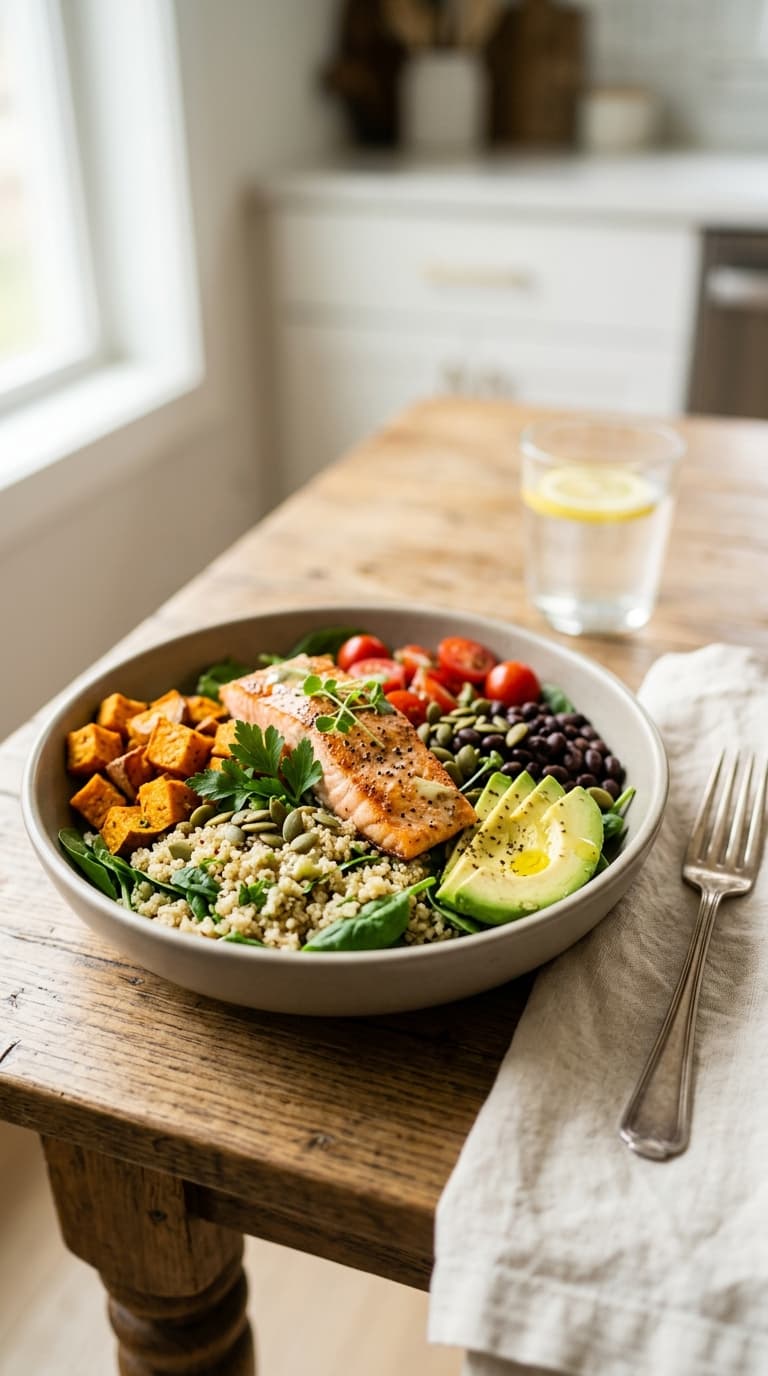
Salmon fillets roasted alongside asparagus spears on a single sheet pan with lemon slices, garlic, and olive oil. Asparagus is rich in inulin, a prebiotic fiber that feeds your gut bacteria directly. Dinner done in 22 minutes. Get Full Recipe
Bone-in chicken thighs braised with white beans, diced tomatoes, garlic, rosemary, and kale. The long cook time draws collagen out of the bones, which directly supports gut lining integrity.
Red lentils simmered with coconut milk, fresh turmeric, ginger, garlic, and cumin until thick and impossibly cozy. Serve over brown rice with a squeeze of lime and call it a perfect evening.
Mild cod fillets coated in a crust of roughly chopped walnuts, fresh parsley, and lemon zest, then oven-baked until golden. A lighter Friday night dinner that never makes you feel like you compromised.
Vibrant red and orange bell peppers stuffed with a mixture of cooked farro, chickpeas, fire-roasted tomatoes, and fresh herbs, then roasted until tender. The color of this dish is honestly half the appeal.
Shrimp sauteed in olive oil with cherry tomatoes, Kalamata olives, capers, and fresh oregano. Ten ingredients, one pan, twenty minutes. Restaurant-level flavor on a Tuesday.
Spiralized zucchini tossed in a homemade bone broth reduction with a vibrant basil-walnut pesto. Bone broth provides glycine and proline, amino acids that directly support the repair and maintenance of the gut lining.
Snack and Side Recipes (22–27)
Walnuts, dried tart cherries, pumpkin seeds, and a handful of dark chocolate chips. Tart cherries are one of the most concentrated dietary sources of anthocyanins, which research links to reduced muscle soreness and lower inflammatory markers.
Thick cucumber slices topped with white beans mashed with lemon, garlic, and olive oil, finished with a pinch of smoked paprika. Three ingredients you probably already have, one of the most satisfying snacks on this list.
Whole-roasted garlic blended into homemade hummus with chickpeas, tahini, lemon, and cumin. Roasting the garlic mellows its sharpness while preserving the allicin compounds that make garlic such a potent anti-inflammatory ingredient.
A probiotic-rich twist on classic tzatziki using full-fat kefir instead of yogurt, blended with cucumber, dill, garlic, and lemon. Serve with carrot sticks, sliced bell peppers, and endive leaves for dipping.
Broccolini roasted at high heat until the edges char slightly, then finished with toasted almond slivers, lemon zest, and a very generous pour of olive oil. Broccolini contains sulforaphane, one of the most studied anti-cancer and anti-inflammatory plant compounds available.
Chia seeds set overnight in turmeric-spiced oat milk with a pinch of cinnamon and cardamom, topped with sliced banana and crushed pistachios. Dessert that doubles as a gut-health intervention. Not bad.
When adding turmeric to any recipe, always include a pinch of freshly ground black pepper. The piperine in black pepper increases curcumin absorption by up to 2,000 percent. This one habit turns every golden recipe from decent to genuinely therapeutic.
Meal Prep Essentials and Kitchen Tools for These Recipes
A few tools make a real difference when you are cooking this way consistently. These are the things I actually use, not the stuff gathering dust in the back of a cabinet.
Physical Tools Worth Having
My most-used piece of kitchen equipment by a large margin. Perfect for the lentil dal, bone broth stews, and basically any slow-cooked recipe on this list. A quality enameled Dutch oven pays for itself within the first month of regular use.
Storing overnight oats, prepped grains, and soups in glass matters because plastic can leach compounds into acidic foods. A set of glass meal prep containers with locking lids keeps everything fresh and means zero microplastics in your carefully prepared gut-healing meals.
The turmeric soup, golden milk puddings, and smoothies all benefit enormously from real blending power. A high-speed blender creates silky textures that a regular blender simply cannot replicate, which matters more than it sounds when you are drinking these daily.
Digital Resources That Actually Help
A complete, printable plan that structures all of these recipes into a seven-day format with shopping lists. The 7-Day Anti-Inflammation Reset PDF removes the daily decision fatigue of figuring out what to eat next.
If you want a full month of structured eating rather than a single week, the 30-Day Anti-Inflammation Challenge PDF walks you through a complete dietary reset with progressive meal complexity built in.
A printable food and symptom journal helps you track how your gut responds to specific ingredients as you introduce them. Noticing patterns over time is genuinely the fastest way to figure out which foods are working for your specific microbiome.
Keep a small jar of pre-mixed turmeric paste in your fridge: one part turmeric, half part black pepper, mixed with enough coconut oil to form a paste. Stir a teaspoon into smoothies, soups, or eggs without measuring anything out each time.
How to Actually Build These Recipes Into Your Week
Here is the part most recipe articles skip: knowing a recipe exists and actually cooking it regularly are two completely different challenges. The people who succeed at eating this way long-term are not the ones with the most willpower. They are the ones who removed as much friction as possible between the fridge and the finished meal.
Batch cooking is non-negotiable. Every Sunday, cook a large pot of one whole grain, roast two trays of mixed vegetables, and prep at least one protein like hard-boiled eggs or baked salmon. With those three components ready, the bowl recipes, salads, and wraps from this list become a two-minute assembly job rather than a full cooking session. FYI, that Sunday hour of prep is worth approximately four weeknight dinners of zero mental effort.
Organize your pantry around the core ingredients that appear across multiple recipes. Canned beans, canned sardines, jarred tahini, olive oil, whole grains, and dried lentils should always be stocked. When those are present, dinner is always twenty minutes away regardless of what else is happening that evening.
For specific structured guidance on how to execute a full week this way, the 7-Day Mediterranean Meal Prep Plan with High Fiber is a ready-made system that maps out exactly what to prep and when. If weight management alongside gut healing is part of your goal, the 14-Day Mediterranean Weight Loss Plan keeps all of these principles in place while also managing portions strategically.
I was cooking two different dinners every night, one for me and one for my family, because I thought eating anti-inflammatory meant eating boring. Once I found recipes that my kids actually liked too, everything got so much easier. The stuffed peppers and the one-pan salmon became weekly staples within the first month. My husband started losing weight without even trying, which was a fun surprise.
— Daniella R., tried the 14-Day Mediterranean Family PlanThe Science of Why These Recipes Work
It is worth pausing here to explain the mechanism behind what these recipes are doing, because understanding it makes you far more likely to stick with the approach. Chronic, low-grade inflammation is different from the acute inflammation that happens when you sprain an ankle. Chronic inflammation persists silently for months or years, contributing to conditions including type 2 diabetes, cardiovascular disease, depression, and digestive disorders. And according to Johns Hopkins Medicine, the Mediterranean diet is among the most effective dietary patterns for bringing this kind of inflammation under control.
The recipes in this collection work through several overlapping mechanisms. The fiber from legumes, whole grains, and vegetables feeds butyrate-producing gut bacteria, which strengthen the intestinal barrier. A stronger gut lining means fewer inflammatory compounds leaking into the bloodstream, which is the core mechanism behind what researchers call “leaky gut syndrome.” The omega-3 fats from salmon, sardines, walnuts, and chia seeds directly inhibit the production of pro-inflammatory prostaglandins and leukotrienes at the cellular level.
The polyphenols in blueberries, olive oil, cherries, and dark leafy greens act as antioxidants that neutralize reactive oxygen species, reducing oxidative stress, which is one of the primary drivers of cellular damage and systemic inflammation. And the probiotic foods like kefir, miso, and kimchi actively shift the gut microbiome toward bacterial populations that produce anti-inflammatory compounds rather than inflammatory ones.
None of this is complicated. Every recipe in this list is built around the same principle: more fiber, more omega-3s, more polyphenols, more live cultures, less ultra-processed anything. That is it.
Swaps, Substitutions, and Making These Recipes Your Own
A quick note before you start: these recipes are frameworks, not rigid formulas. The goal is to fill your plate with the right categories of ingredients, not to follow every measurement precisely. Real anti-inflammatory cooking is flexible, which is part of what makes it sustainable over the long term rather than feeling like a temporary restriction.
If you are dairy-free, swap Greek yogurt for coconut yogurt and kefir for water kefir or a plant-based probiotic drink. The probiotic benefit transfers effectively. Almond butter versus peanut butter is another common swap worth noting: both provide plant protein and healthy fats, but almond butter delivers more vitamin E and slightly more magnesium, while peanut butter is significantly higher in resveratrol, which has its own anti-inflammatory profile. Both work. Use what you enjoy.
For grain-free adaptations, cauliflower rice works under the lentil dal and stuffed peppers, and the frittata is already grain-free by nature. The sardine salad works over a base of massaged kale instead of grains. Every recipe here has a path to multiple dietary needs without losing the core anti-inflammatory benefit.
If you are cooking for kids who are suspicious of turmeric and miso (fair enough), the salmon, egg scramble, and roasted veggie recipes are the easiest entry points. A good silicone baking mat makes the sheet pan recipes genuinely mess-free, which helps when you are also managing the chaos of a family kitchen. The stainless steel mixing bowls with lids I keep on my counter make assembling grain bowls and salads noticeably faster because everything can be prepped directly in the container it stores in.
Frequently Asked Questions
How long does it take to see results from an anti-inflammatory diet?
Most people notice meaningful changes in bloating, energy levels, and digestion within two to four weeks of consistent eating. Deeper benefits like reduced joint discomfort or improved skin clarity often show up around the six-to-eight-week mark. The key word is consistent, meaning these recipes need to become a regular pattern rather than occasional meals.
Can I still eat meat on an anti-inflammatory diet?
Yes, absolutely. The focus is on the type and quality of protein rather than elimination. Fatty fish, pastured poultry, and occasional lean red meat from grass-fed sources all have a place in anti-inflammatory eating. What to minimize is processed meat, cured meats, and factory-farmed red meat consumed in large quantities daily.
Are these recipes good for weight loss as well as gut health?
They frequently support both goals simultaneously, since chronic inflammation is itself associated with weight gain and difficulty losing fat. High-fiber, protein-rich meals naturally regulate appetite and reduce the blood sugar spikes that trigger fat storage. That said, portions still matter if weight loss is the primary goal.
What is the most important single food to add for gut healing?
If you could only add one thing, most gut health researchers and dietitians would point to fermented foods, specifically kefir, kimchi, or yogurt with live cultures. A landmark Stanford study found that a high-fermented-food diet increased microbiome diversity and reduced inflammatory markers more effectively than a high-fiber diet alone over ten weeks.
Do I need to eat these recipes every day or can I mix in other foods?
Anti-inflammatory eating works as an overall dietary pattern rather than a strict meal-by-meal formula. Eating these recipes most of the time while occasionally enjoying other foods is both realistic and effective. The goal is the overall balance of your diet over weeks and months, not perfection on any single day.
Your Gut Is Ready When You Are
Twenty-seven recipes is not a diet plan. It is a starting point for a different relationship with food, one where what you eat is actively working for your body rather than creating a constant low-level battle inside it. The science behind anti-inflammatory eating is genuinely compelling, and more importantly, the food itself is genuinely delicious, which is the only reason any eating pattern ever actually sticks.
Start with the recipes that sound most appealing rather than most virtuous. Cook the salmon because you want dinner, not because you are trying to hit a curcumin target. The most powerful thing about this way of eating is that it does not require perfection. Every meal you build around these ingredients is a step in the right direction, and those steps accumulate into real, measurable changes in how your gut functions and how your body feels.
Pick two or three recipes from this list, cook them this week, and see what happens. That is the whole plan.