
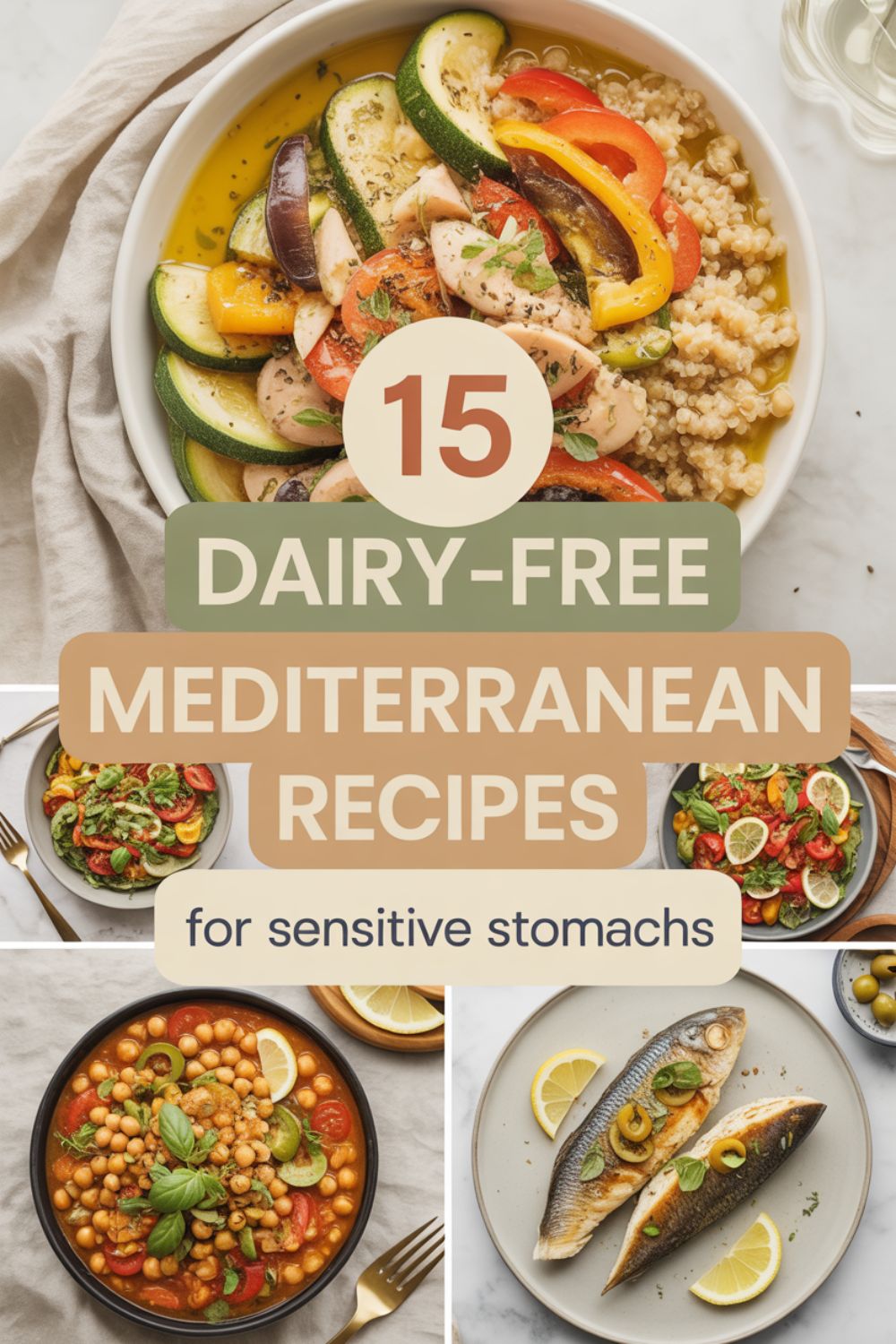
15 Dairy-Free Mediterranean Recipes for Sensitive Stomachs
Let’s be real—loving Mediterranean food while dealing with a sensitive stomach can feel like being stuck between a rock and a hard place. You want that sun-drenched flavor, those vibrant vegetables, the healthy fats everyone raves about. But then dairy sneaks into everything from creamy tzatziki to feta-loaded salads, and suddenly your digestive system is staging a full-blown protest.
I’ve been there. After years of thinking I just had a “finicky” stomach, I realized dairy was the villain in my digestive drama. But here’s the thing—going dairy-free doesn’t mean kissing the Mediterranean diet goodbye. Actually, it might be the best thing that ever happened to your gut.
The Mediterranean eating pattern is already pretty friendly to sensitive stomachs when you know how to navigate it. We’re talking plant-forward meals, omega-3 rich fish, loads of fiber, and anti-inflammatory ingredients that your gut microbiome will thank you for. Strip away the dairy, and you’re left with something even cleaner and often easier to digest.
Why Your Stomach Might Actually Love Dairy-Free Mediterranean Food
About 65-70% of adults globally have some degree of lactose malabsorption. That’s not a small number—that’s most of us walking around wondering why we feel bloated after a cheese board. According to the National Institute of Diabetes and Digestive and Kidney Diseases, lactose intolerance can show up with bloating, gas, cramping, and general digestive chaos that nobody signed up for.
The Mediterranean diet, when done dairy-free, becomes this beautiful marriage of gut-friendly fiber, polyphenol-rich olive oil, and anti-inflammatory omega-3s. Research shows that following a Mediterranean eating pattern can increase beneficial gut bacteria like Bifidobacterium and Lactobacillus, which are basically the VIPs of your digestive system.
What’s wild is that studies on IBS and Mediterranean diets suggest that while some high-FODMAP Mediterranean foods might cause issues, a modified approach that ditches dairy and focuses on low-FODMAP veggies, lean proteins, and healthy fats can actually reduce symptom severity. Your stomach gets all the benefits without the dairy drama.
The Dairy-Free Mediterranean Kitchen Essential Collection
Before we jump into recipes, let’s talk tools. Having the right equipment makes cooking these dishes stupidly easy, and I’m not just saying that to sound fancy.
Physical Kitchen Tools:
- High-Speed Blender – For making cashew cream sauces and dairy-free pesto that’s smoother than anything you’d buy in a jar. I use mine at least three times a week.
- Cast Iron Grill Pan – Gets those perfect char marks on vegetables and fish without needing a full outdoor grill setup. Also doubles for warming pitas and flatbreads.
- Olive Oil Dispenser Bottle – Sounds bougie, but controlling your pour makes a huge difference in not drowning everything in oil (speaking from experience).
Digital Resources:
- Mediterranean Meal Prep Printable Bundle – Pre-planned shopping lists and prep schedules that take the guesswork out of weekly cooking.
- Dairy-Free Substitution Guide eBook – Every swap you’ll ever need, from yogurt to cheese to cream, with ratios that actually work.
- Anti-Inflammatory Recipe Database – Searchable collection of gut-friendly recipes organized by symptoms and dietary needs.
Honestly, the blender alone changed my life. Making your own dairy-free sauces means you control the ingredients, avoid hidden dairy, and save a ridiculous amount of money compared to buying those tiny jars of specialty stuff.
15 Dairy-Free Mediterranean Recipes That Won’t Wreck Your Stomach
1. Lemon Herb Grilled Chicken with Roasted Vegetables
This is my go-to weeknight dinner when I need something foolproof. Marinate chicken breasts in olive oil, lemon juice, garlic, and oregano for at least 30 minutes. Grill until cooked through, then serve over roasted zucchini, bell peppers, and red onion.
The beauty of this dish is its simplicity—no dairy hiding anywhere, just clean protein and fiber-rich veggies. The lemon keeps everything bright without needing cheese or cream to add flavor. Get Full Recipe.
2. Dairy-Free Shakshuka with Crusty Bread
Traditional shakshuka sometimes gets topped with feta, but honestly? You don’t need it. Simmer eggs in a spiced tomato sauce loaded with bell peppers, onions, and cumin. The runny yolk mixing with that sauce is rich enough on its own.
I serve this with a crusty sourdough for dipping. It’s filling, packed with vegetables, and the combination of fiber and protein keeps your blood sugar stable for hours. Get Full Recipe.
3. Chickpea and Spinach Stew (No Dairy, All Flavor)
This stew is what I make when my stomach needs something gentle but satisfying. Chickpeas simmered with spinach, tomatoes, garlic, and a hit of smoked paprika. The chickpeas break down slightly and thicken the broth naturally—no cream needed.
Serve it over quinoa or with bread. The fiber content is off the charts, which means your gut bacteria are getting a feast while you’re getting a meal that won’t leave you feeling heavy. Get Full Recipe.
Looking for more gut-healing options? Check out this comprehensive 7-day gut healing Mediterranean menu that focuses on anti-inflammatory ingredients.
4. Mediterranean Quinoa Bowl with Tahini Dressing
Bowls are the ultimate lazy cook’s best friend. Cook quinoa, throw on some roasted vegetables (I like eggplant and cherry tomatoes), add cucumber, olives, and a generous drizzle of tahini dressing made from tahini, lemon, and garlic.
The tahini gives you that creamy texture you miss from dairy without any of the digestive upset. Plus, it’s loaded with calcium and healthy fats. This is also perfect for meal prep—I make five at once every Sunday. Get Full Recipe.
5. Baked Lemon Garlic Salmon with Green Beans
Salmon is basically nature’s anti-inflammatory superhero. Bake it with lemon slices, garlic, and dill, then serve alongside steamed green beans tossed with olive oil and almond slivers.
The omega-3s in salmon are clinically shown to reduce gut inflammation, and when you pair it with fiber-rich green beans, you’re giving your digestive system exactly what it needs to function smoothly. Get Full Recipe.
I use this fish spatula to flip salmon without it falling apart—game changer for presentation, which matters when you’re trying to convince yourself that healthy food can look Instagram-worthy.
6. Dairy-Free Hummus Wrap with Grilled Vegetables
Sometimes you just need something you can eat with one hand. Spread hummus on a whole wheat wrap, pile on grilled zucchini, peppers, and red onion, add some fresh spinach and a squeeze of lemon.
Hummus is made from chickpeas and tahini—both naturally dairy-free and gut-friendly. The fiber keeps you full, and the vegetables add vitamins without weighing you down. Get Full Recipe.
7. Spanish-Style Paella (Without the Cheese)
Traditional paella doesn’t have cheese anyway, so this one’s naturally dairy-free. Saffron rice cooked with chicken, shrimp, peas, and bell peppers. The saffron gives it that distinctive golden color and earthy flavor.
This dish is a bit more involved but worth it for special occasions. The combination of lean protein, vegetables, and rice makes it balanced and satisfying without being heavy. Get Full Recipe.
If you’re working on reducing inflammation overall, you might want to explore this 14-day anti-inflammatory eating plan for women that complements these dairy-free Mediterranean principles.
8. Roasted Red Pepper and Tomato Soup
Forget cream-based soups. Roast red bell peppers and tomatoes until they’re charred and sweet, blend them with vegetable broth, garlic, and basil. The natural sugars in the roasted vegetables create a velvety texture without any dairy.
I make this in huge batches and freeze it in individual portions. It’s gentle on sensitive stomachs, anti-inflammatory, and tastes like summer even in the middle of January. Get Full Recipe.
For blending hot soup, this immersion blender is safer than transferring everything to a regular blender where you risk steam explosions (yes, I learned this the hard way).
9. Greek-Style Lentil Salad
Lentils cooked until just tender, mixed with diced cucumber, tomatoes, red onion, parsley, and a lemon-olive oil dressing. No feta, no problem—the lentils provide enough substance and the dressing brings all the flavor you need.
Lentils are a prebiotic powerhouse, meaning they feed the good bacteria in your gut. This salad is filling, nutrient-dense, and travels well if you need to pack lunch. Get Full Recipe.
10. Herb-Crusted Cod with Roasted Cauliflower
Coat cod fillets in a mixture of fresh herbs, garlic, and breadcrumbs, then bake until crispy. Serve with roasted cauliflower that’s been tossed in olive oil and za’atar seasoning.
Cod is a lean protein that’s easy to digest, and cauliflower is low-FODMAP when eaten in reasonable portions. This meal is light but satisfying, perfect when your stomach feels a bit off. Get Full Recipe.
11. Mediterranean White Bean and Kale Soup
White beans, kale, carrots, celery, and tomatoes simmered in a fragrant broth with rosemary and thyme. This soup is what comfort food should be—nourishing without being heavy.
The fiber from the beans and kale promotes healthy digestion and keeps you full for hours. I always add a squeeze of lemon at the end to brighten everything up. Get Full Recipe.
For those specifically dealing with bloating issues, this 7-day Mediterranean anti-bloat plan offers targeted recipes and strategies.
12. Stuffed Bell Peppers with Quinoa and Ground Turkey
Bell peppers stuffed with a mixture of quinoa, ground turkey, diced tomatoes, onions, and Mediterranean spices. Bake until the peppers are tender and the filling is cooked through.
These are naturally dairy-free and incredibly versatile—you can swap the turkey for ground chicken or even make them vegetarian with extra beans. The bell peppers add a touch of sweetness that balances the savory filling. Get Full Recipe.
13. Dairy-Free Pesto Pasta with Cherry Tomatoes
Make pesto with basil, pine nuts, garlic, and olive oil—no Parmesan needed. Toss it with your favorite pasta shape and halved cherry tomatoes.
The key is using enough basil and garlic so you don’t miss the cheese. I also add a handful of arugula for extra greens and a slight peppery bite. This comes together in 15 minutes on nights when cooking feels like too much effort. Get Full Recipe.
Speaking of quick meals, if you’re juggling a busy schedule, this 7-day anti-inflammation plan for busy women has realistic strategies for getting healthy food on the table fast.
14. Moroccan-Spiced Roasted Vegetables
Toss carrots, sweet potatoes, and chickpeas with cumin, coriander, paprika, and cinnamon. Roast until everything is caramelized and tender. Serve over couscous with a drizzle of tahini.
The warm spices make this feel more indulgent than it actually is. Plus, the combination of vegetables and chickpeas gives you a complete protein along with tons of fiber. Get Full Recipe.
For roasting vegetables evenly, these rimmed baking sheets are absolute essentials. They distribute heat better than cheap ones, which means no more burnt edges and raw centers.
15. Grilled Eggplant with Tomato and Olive Relish
Slice eggplant lengthwise, brush with olive oil, and grill until tender. Top with a fresh relish made from diced tomatoes, Kalamata olives, garlic, and parsley.
Eggplant has a meaty texture that makes it satisfying even without dairy. The relish adds brightness and the olives provide healthy fats. This is a great side dish or light main course when you want something vegetable-forward. Get Full Recipe.
Making Dairy-Free Mediterranean Work in Real Life
Here’s what nobody tells you about going dairy-free—the first week sucks. Your brain is used to the creamy comfort of cheese and yogurt, and suddenly everything feels bland. But stick with it for two weeks and something shifts.
Your taste buds adapt. You start noticing flavors you never caught before because they weren’t being masked by dairy. That fruity note in good olive oil? The natural sweetness in roasted vegetables? They come through loud and clear.
I keep this variety pack of olive oils on hand for different purposes—a mild one for cooking, a robust one for salads, and a finishing oil for drizzling over completed dishes. FYI, the difference in quality is noticeable and worth the extra few dollars.
For meal prep, I focus on batch-cooking proteins and grains on Sunday, then mixing and matching throughout the week. Cook a big batch of quinoa, grill several chicken breasts, roast a sheet pan of vegetables. Boom—you have components for multiple meals without having to cook from scratch every single night.
If you want structured meal prep guidance, this 7-day Mediterranean high fiber meal prep plan breaks it down step by step.
Understanding Dairy Alternatives (And Which Ones Actually Taste Good)
Not all dairy alternatives are created equal, and some are genuinely terrible. After years of trial and error, here’s what I’ve learned works best in Mediterranean cooking.
For Milk: Unsweetened almond milk or oat milk. Almond milk is lighter and works well in savory dishes. Oat milk is creamier and better for sauces where you want body.
For Yogurt: Coconut yogurt or almond yogurt. Coconut yogurt has the best texture for making dairy-free tzatziki, though it has a slight coconut taste. Almond yogurt is more neutral but thinner.
For Cheese: Honestly, I don’t bother with most dairy-free cheeses. Nutritional yeast gives you that umami, cheesy flavor in pasta and soups without the weird texture issues. If you absolutely need meltable cheese, cashew-based ones are the least offensive.
For Cream: Blended cashews soaked overnight create a cream that’s shockingly good. Use it for pasta sauces, soups, and dressings. The ratio is one cup cashews to one cup water for thick cream, more water for lighter versions.
IMO, the biggest mistake people make is trying to replicate dairy exactly. You’ll always be disappointed. Instead, embrace the different textures and flavors. A good tahini sauce brings creaminess in a completely different way than cream, and that’s okay.
For those navigating multiple dietary restrictions, combining dairy-free eating with other Mediterranean principles is explored in this 7-day Mediterranean vegan anti-inflammation plan.
The Science Behind Why This Works
Let’s get slightly nerdy for a second because understanding why dairy-free Mediterranean eating helps sensitive stomachs makes it easier to stick with.
The Mediterranean diet emphasizes foods that promote microbial diversity in your gut. Research published in Nutrients shows that Mediterranean eating patterns increase beneficial bacteria like Faecalibacterium prausnitzii and Bifidobacteria while reducing pro-inflammatory species.
These beneficial bacteria produce short-chain fatty acids (SCFAs) like butyrate, which strengthen your gut barrier, reduce inflammation, and improve overall digestive function. When you remove dairy—which can be inflammatory for sensitive individuals—you’re eliminating a potential irritant while flooding your system with foods that actively heal.
The high fiber content from vegetables, legumes, and whole grains acts as a prebiotic, feeding those good bacteria. The polyphenols in olive oil have antioxidant properties that reduce oxidative stress in the gut. The omega-3s from fish actively combat inflammation.
It’s not magic—it’s just giving your body the tools it needs to function properly without simultaneously throwing in irritants that cause problems.
Frequently Asked Questions
Can I get enough calcium on a dairy-free Mediterranean diet?
Absolutely. Many Mediterranean staples are rich in calcium—leafy greens like kale and collards, canned sardines with bones, tahini, almonds, and white beans all contribute significant calcium. You can also choose fortified plant milks that match or exceed the calcium in dairy milk. The key is eating a variety of these foods regularly rather than relying on a single source.
How quickly will I notice digestive improvements after cutting dairy?
Most people notice changes within 2-3 weeks. Bloating and gas typically improve first, sometimes within days. More significant changes to gut health and inflammation markers take longer—usually 4-8 weeks of consistent eating. Keep a simple food journal to track how you feel, as improvements can be gradual enough that you don’t notice them without documentation.
Are all Mediterranean foods automatically dairy-free?
Not quite. Traditional Mediterranean cuisine does use dairy—feta cheese, yogurt, and certain regional cheeses feature regularly. However, the core elements (olive oil, vegetables, legumes, fish, whole grains) are naturally dairy-free. The trick is being mindful about sauces, dressings, and traditional preparations that might include dairy and choosing modified versions instead.
What’s the best dairy-free substitute for feta cheese?
Honestly? Sometimes you just skip it and boost other flavors instead—more olives, extra lemon juice, or a sprinkle of nutritional yeast for umami. If you really want a feta substitute, marinated tofu cubes or cashew-based feta alternatives work reasonably well. The texture won’t be identical, but the salty, tangy element comes through.
Can I follow this if I have IBS?
Many people with IBS find dairy-free Mediterranean eating helpful, but you may need to modify further. Focus on low-FODMAP vegetables initially (like bell peppers, carrots, and zucchini) and limit high-FODMAP foods like onions and garlic during symptom flares. The flexible nature of Mediterranean cooking makes it easy to customize to your specific triggers while maintaining the overall eating pattern.
Final Thoughts: Your Stomach Deserves Better
Going dairy-free within a Mediterranean framework isn’t about deprivation. It’s about eating food that makes you feel good during and after the meal. No more bloating that makes you want to unbutton your pants. No more wondering why you feel sluggish an hour after eating something supposedly healthy.
The recipes I’ve shared are ones I actually make and eat regularly. They’re not Pinterest-perfect creations that look gorgeous but taste like cardboard. They’re real food that happens to be good for your digestive system while also being delicious enough that you’ll want to make them again.
Start with one or two recipes that sound appealing. Get comfortable making them. Then add a couple more. Before you know it, you’ll have a rotation of dairy-free Mediterranean meals that your stomach tolerates beautifully and your taste buds actually enjoy.
Your gut health matters. The food you eat has a direct impact on how you feel every single day. If dairy has been causing you problems—whether you realized it or not—cutting it out while embracing Mediterranean eating might be exactly what your digestive system has been begging for.
Give it a solid month. Track how you feel. Notice the changes. And then decide if this way of eating works for you. My guess? You’re going to feel better than you have in years.