
25 Gluten-Free Mediterranean Recipes You’ll Actually Enjoy
Look, I get it. You’ve probably stumbled across this article after scrolling through yet another Pinterest board filled with “gluten-free” recipes that taste like cardboard had a baby with sadness. The Mediterranean diet keeps popping up everywhere, but most recipes assume you’re cool with pasta, pita, and couscous—none of which work when you’re avoiding gluten.
Here’s the thing though: Mediterranean food is actually one of the easiest cuisines to make gluten-free. Not because someone invented fancy substitutes, but because a huge chunk of traditional Mediterranean cooking never relied on wheat in the first place. We’re talking olive oil, fresh fish, chickpeas, lentils, vegetables roasted until they’re sweet and caramelized, and herbs that make your kitchen smell like you’ve got your life together.
I’ve spent the last few years figuring out which Mediterranean recipes work naturally without gluten, and which ones need a little tweaking. Some worked brilliantly. Others? Well, let’s just say my dog got some interesting dinners. What you’re getting here are the ones that actually passed the test—recipes you’ll want to make again, not just tolerate because you’re trying to be healthy.

Why Mediterranean Food and Gluten-Free Actually Make Perfect Sense
Before we get into the recipes, let’s talk about why this pairing works so well. The Mediterranean diet isn’t some new fad—it’s based on how people in Greece, Italy, Spain, and other Mediterranean countries have eaten for centuries. And here’s what’s wild: traditional Mediterranean cooking used a ton of ingredients that are naturally gluten-free.
Think about it. Olive oil as the main fat. Fish and seafood several times a week. Legumes like chickpeas and lentils as protein sources. Fresh vegetables, fruits, nuts, and seeds. These foods formed the backbone of the diet long before anyone was worrying about gluten. According to research published in Frontiers in Nutrition, combining a gluten-free approach with Mediterranean dietary patterns can actually improve nutritional quality compared to a typical gluten-free diet.
The beauty is that you’re not constantly trying to recreate bread or pasta. You’re building meals around ingredients that were already there. Sure, some dishes like tabbouleh or traditional pasta need swaps, but most Mediterranean food? It’s already speaking your language.
Stock your pantry with naturally gluten-free Mediterranean staples first—olive oil, canned chickpeas, jarred roasted peppers, tahini, and dried herbs. You’ll be amazed how many meals you can throw together without recipes.
Breakfast Dishes That Don’t Require Morning Miracles
Mediterranean breakfasts tend to be savory, which is great news if you’re tired of trying to make gluten-free pancakes that don’t taste like disappointment. We’re talking eggs with vegetables, yogurt with nuts and honey, fresh fruit, cheese. Real food that fills you up and doesn’t require you to be a pastry chef before coffee.
Greek Yogurt Bowls with Honey and Walnuts
This is probably the easiest breakfast on the planet. Greek yogurt is naturally gluten-free and packed with protein. Add a handful of walnuts, drizzle with honey, maybe throw in some fresh berries or sliced figs when they’re in season. I keep this mini food processor on my counter specifically for chopping walnuts—way faster than doing it by hand, and you don’t end up with walnut shrapnel all over your kitchen.
The best part? This takes about three minutes to put together. If you’re feeling fancy, add a pinch of cinnamon or some orange zest. If you’re not, it still tastes great. That’s the beauty of good ingredients—they don’t need you to work that hard.
Shakshuka (North African Poached Eggs)
Shakshuka is eggs poached in a spiced tomato sauce, and it’s become ridiculously popular for good reason. It looks impressive, tastes incredible, and uses ingredients you probably already have. Tomatoes, bell peppers, onions, garlic, cumin, paprika, and eggs. That’s it.
I make mine in this cast iron skillet because it goes from stovetop to table, and honestly, I’m lazy about dishes. The key is letting the tomato sauce simmer until it’s thick and concentrated before adding the eggs. If your sauce is watery, your shakshuka will be sad. Get Full Recipe
For those mornings when you want something hearty but don’t want to think too hard, you might also appreciate this high-fiber breakfast plan that’s already figured out the hard parts for you.
Spanish Tortilla (Potato and Egg Frittata)
A Spanish tortilla is basically potatoes and eggs cooked together until they form this beautiful, thick frittata. It’s traditionally served at room temperature, which means you can make it ahead and eat it throughout the week. Revolutionary concept, I know.
The trick is slicing your potatoes thin enough that they cook through but thick enough that they don’t fall apart. I gave up trying to do this consistently by hand and got one of those mandoline slicers. Worth every penny, and I’ve still got all my fingers, which is a win.
Lunch Recipes That Actually Travel Well
One of my biggest frustrations with gluten-free eating used to be lunch. Most grab-and-go options involve bread or wraps, and gluten-free versions often fall apart if you look at them wrong. Mediterranean lunch options solve this problem beautifully because they’re often served in bowls or on plates, not between two pieces of bread.
Mediterranean Lentil Salad
Lentils are criminally underrated. They’re cheap, they keep forever in your pantry, they’re packed with protein and fiber, and they taste good. This salad combines cooked lentils with cucumbers, tomatoes, red onion, feta cheese, and a simple lemon-olive oil dressing.
According to research from the National Institutes of Health, legumes like lentils are a cornerstone of the Mediterranean diet pyramid and provide essential nutrients often lacking in standard gluten-free diets. Make a big batch on Sunday, and you’ve got lunch for days. It actually gets better as it sits because the flavors meld together.
I cook my lentils in this Instant Pot because I’m impatient and regular stovetop lentils take forever. Fifteen minutes under pressure, and they’re done. No soaking, no babysitting. Just food.
Greek Salad with Chickpeas
You know what’s great about Greek salad? It’s basically impossible to mess up. Tomatoes, cucumbers, red onion, olives, feta, olive oil, lemon juice, oregano. Add chickpeas for protein, and you’ve got a complete meal that doesn’t need heating up.
The only rule is using decent tomatoes. If your tomatoes taste like crunchy water, your salad will be sad. In winter, I use cherry tomatoes because they’re usually sweeter than regular ones. In summer, whatever’s at the farmers market. Get Full Recipe
Speaking of complete meals that work cold, check out this meal prep plan that’s designed around make-ahead Mediterranean dishes.
Tabbouleh with Quinoa Instead of Bulgur
Traditional tabbouleh uses bulgur wheat, which is a no-go for gluten-free folks. But quinoa works brilliantly as a substitute. It’s got a similar texture and nutty flavor, plus it’s a complete protein, which bulgur isn’t.
The secret to good tabbouleh is more herbs than grain. Like, way more. It should be green, not beige. Lots of parsley, lots of mint, lemon juice, olive oil, diced tomatoes. The quinoa is almost a garnish. I use this salad spinner to dry the herbs after washing because wet herbs make watery tabbouleh, and nobody wants that.
Make a double batch of quinoa whenever you cook it. It keeps in the fridge for five days and works in salads, grain bowls, or as a side dish. Future you will be grateful.
Dinner Options That Don’t Feel Like You’re Missing Out
Dinner is where Mediterranean cooking really shines for gluten-free eating. Most traditional Mediterranean dinners center around fish, chicken, lamb, or legumes with vegetables on the side. Naturally gluten-free, naturally delicious, and usually pretty simple to make.
Greek-Style Baked Fish with Tomatoes and Olives
This is my go-to when I need something that looks fancy but requires minimal effort. You put fish fillets in a baking dish, surround them with cherry tomatoes, olives, garlic, and fresh herbs, drizzle everything with olive oil, and bake. That’s it. Twenty-five minutes later, you have dinner that looks like you actually tried.
Any white fish works—cod, halibut, sea bass, whatever looks good at the fish counter. I bake mine in this ceramic baking dish because it’s pretty enough to go from oven to table, and I’m all about reducing dishes. The tomatoes burst and create this incredible sauce that you can soak up with… well, not bread, but roasted potatoes work great.
Moroccan Chicken Tagine
A tagine is a North African stew, and it’s one of those magical dishes where you throw everything in a pot and let time do the work. Chicken thighs, onions, preserved lemons (or fresh lemon if you can’t find preserved), olives, spices like cumin and cinnamon, maybe some dried apricots for sweetness.
The spice combination might sound weird if you’re not used to it—cinnamon in a savory dish?—but trust me. It works. The flavors are complex and warming, and your house smells amazing while it cooks. Research from Beth Israel Deaconess Medical Center highlights how Mediterranean spices and cooking methods can enhance both flavor and nutritional value in gluten-free meals. Get Full Recipe
Stuffed Bell Peppers Mediterranean Style
Stuffed peppers are brilliant because they’re basically edible bowls. The Mediterranean version uses a rice and ground meat mixture with tomatoes, herbs, and pine nuts. You can use regular rice or, if you’re keeping carbs lower, cauliflower rice works too.
I’ve tried stuffing peppers with all sorts of things, and the key is making sure your filling is well-seasoned. Bland filling equals boring peppers. Lots of garlic, lots of herbs, good olive oil. Don’t be shy. These keep well in the fridge and reheat beautifully, so they’re perfect for meal prep.
If you’re into meal prepping but short on time, you might want to look at this plan designed for busy schedules that includes similar make-ahead Mediterranean meals.
Grilled Lamb Chops with Herb Oil
Lamb isn’t as common in American cooking, but it’s huge in Mediterranean cuisine. And lamb chops are ridiculously easy. Season them with salt, pepper, and maybe some rosemary, cook them on high heat for about three minutes per side, and you’re done. They should be pink in the middle—overcooked lamb is a crime.
The herb oil is just olive oil blended with fresh herbs like parsley, mint, and garlic. I make it in my small blender and drizzle it over the chops. It makes you look like you know what you’re doing, even if you don’t. FYI, lamb chops are also one of those things that seem expensive per pound but each person only needs two or three, so it evens out.
Eggplant Moussaka (Without the Béchamel)
Traditional moussaka has a thick layer of béchamel sauce on top, which is made with flour. Skip it. Honestly, I think moussaka is better without it. You’ve got layers of roasted eggplant, spiced ground lamb or beef, tomato sauce, and maybe a sprinkle of cheese if you’re feeling it.
The trick with eggplant is salting it first to draw out the moisture, or it’ll be soggy and bitter. Slice it, sprinkle with salt, let it sit for thirty minutes, rinse, and pat dry. Yes, it’s an extra step. Yes, it’s worth it. Roast the slices before layering—it concentrates the flavor and gives you better texture.
Kitchen Tools That Make Mediterranean Cooking Easier
These are the tools I actually use regularly, not the ones gathering dust in my cabinet.
Perfect for shakshuka, searing fish, or roasting vegetables. Goes from stovetop to oven to table. Get it here—I’ve had mine for eight years and it just keeps getting better.
Sounds fancy, but it’s just a bottle that pours cleanly without dripping all over your counter. This one has a narrow spout that actually works, unlike the cheap ones that leak everywhere.
For perfect potato slices in Spanish tortilla or thin-cut vegetables. This version has a hand guard so you keep your fingers. Use it. Seriously.
Takes the guesswork out of what to make each week. Includes shopping lists and batch-cooking tips. Download here if planning meals makes you want to cry.
Over 100 recipes tested specifically for gluten-free diets. No cardboard-tasting substitutes. Get instant access and stop winging it.
Learn how to make your own za’atar, ras el hanout, and other Mediterranean spice blends. Download the guide and stop buying those expensive little jars.
Appetizers and Mezze That Work for Any Meal
Mediterranean culture has this beautiful concept of mezze—small plates that you share. Think of it as fancy snacking that’s socially acceptable before dinner. Most mezze dishes are naturally gluten-free, which is convenient.
Hummus (The Real Deal)
Store-bought hummus is fine, but homemade hummus is life-changing. It’s smoother, you can control the garlic level (important), and it takes maybe ten minutes if you use canned chickpeas. Chickpeas, tahini, lemon juice, garlic, olive oil, salt. Blend until smooth. Done.
The secret to super-smooth hummus is peeling the chickpeas. I know, it sounds insane. But if you take five minutes to slip the skins off, your hummus will be ridiculously creamy. I do this while watching TV because I’m not completely masochistic. Or, you know, just don’t peel them and have hummus with more texture. It still tastes great.
Baba Ganoush
This is hummus’s smokier, more sophisticated cousin. Roasted eggplant blended with tahini, lemon, and garlic. The key is really charring the eggplant—either over a gas flame or under the broiler—until the skin is black and the inside is soft and smoky.
I make mine in this food processor because blending roasted eggplant by hand is a workout nobody needs. Pro tip: let the eggplant cool completely before blending, or your baba ganoush will be warm and weird. Get Full Recipe
Marinated Olives and Feta
This isn’t even a recipe, it’s an assembly project. Get decent olives (not the canned black ones that taste like sadness), drain them, toss with olive oil, lemon zest, fresh herbs like rosemary and thyme, maybe some red pepper flakes. Add chunks of feta. Let it sit for a few hours or overnight.
Boom. Fancy appetizer that required zero cooking and makes you look like you know about food. I keep this in these glass storage containers because they don’t absorb the olive oil smell and you can see what’s inside without opening them.
Dolmas (Stuffed Grape Leaves)
Full disclosure: I usually buy these pre-made because stuffing grape leaves is tedious and life is short. But if you’re feeling ambitious, the filling is rice, herbs, lemon, and pine nuts wrapped in grape leaves and simmered in lemon water. They’re naturally gluten-free and shockingly good.
The homemade ones taste better than store-bought, but only if you’ve got time and patience. I make them maybe twice a year when I’m feeling particularly zen. The rest of the time, I buy them from the Mediterranean market and pretend.
Sides That Are Better Than the Main Course
Mediterranean side dishes are where vegetables actually taste good. Not steamed into submission, not drowning in cream sauce, but roasted or grilled with olive oil and herbs until they’re sweet and caramelized.
Roasted Mediterranean Vegetables
Zucchini, bell peppers, red onions, cherry tomatoes, eggplant. Cut them into similar-sized pieces, toss with olive oil, salt, pepper, and dried oregano, spread on a baking sheet, roast at 425°F until they’re golden and slightly charred.
This is one of those recipes where the quality of your ingredients and your oven temperature matter. Too low, and you get mushy vegetables. High heat gives you caramelization and actual flavor. I use these half-sheet pans because they’re big enough to spread everything out in one layer. Crowded vegetables steam instead of roast, and steamed vegetables are boring.
Greek Lemon Potatoes
These potatoes are basically roasted in lemon juice, chicken broth, and olive oil until they’re crispy outside and creamy inside. They’re ridiculous. Like, almost too good to be a side dish good.
The trick is using enough liquid that the potatoes cook through but not so much that they boil. You want them to absorb the lemony goodness while still developing a crispy exterior. Cut your potatoes into wedges, not cubes—more surface area for crisping. Get Full Recipe
If you’re trying to balance all these flavors while keeping inflammation in check, this anti-inflammatory eating plan shows you how to combine Mediterranean ingredients strategically.
Cauliflower Rice Pilaf
I know cauliflower rice gets a lot of hate, but hear me out. When it’s cooked right—sautéed with onions, garlic, tomatoes, and herbs—it’s actually good. It’s not rice. It will never be rice. But it’s a solid side dish that works with Mediterranean flavors.
The key is not overcooking it. Cauliflower rice needs maybe five minutes in the pan, tops. Any longer and it turns to mush. I pulse my cauliflower in this food processor instead of buying the pre-riced stuff because it’s cheaper and tastes better. Plus, you control the texture.
Desserts That Don’t Rely on Flour
Mediterranean desserts often feature fruit, nuts, and honey rather than elaborate pastries. This works beautifully for gluten-free eating because you’re not trying to recreate delicate phyllo dough or yeasted pastries.
Greek Honey and Walnut Cake
This cake uses almond flour instead of wheat flour, so it’s naturally gluten-free and incredibly moist. Walnuts, honey, cinnamon, orange zest. It’s sweet but not aggressively so, and it keeps for days because of all the moisture from the honey and almonds.
I bake this in this springform pan because almond flour cakes are delicate and you don’t want to wrestle them out of a regular pan. The honey syrup you pour over the top soaks in while it’s still warm. It’s one of those cakes that’s better the next day after everything’s had time to mingle.
Baked Figs with Honey and Goat Cheese
When figs are in season, this is the move. Cut them in half, top with a small dollop of goat cheese, drizzle with honey, bake until warm and soft. Five ingredients, fifteen minutes, and you look like you went to culinary school.
According to Mayo Clinic’s research on Mediterranean diet components, incorporating naturally sweet elements like figs and honey provides nutrients and satisfaction without processed sugars. Fresh figs are seasonal (late summer/early fall), but this also works with dried figs that you’ve rehydrated in warm water.
Orange and Almond Cake
This is a classic Spanish cake made with whole oranges—peel and all—blended with almonds, eggs, and sugar. It sounds weird, but it works. The orange peel gives it this intense citrus flavor that’s almost jammy, and the almonds make it rich and moist.
You boil the oranges first to soften them, then blend everything together. No flour needed. The texture is dense and almost brownie-like. It’s one of those cakes where people ask for the recipe and then don’t believe you when you tell them it’s just oranges and almonds. Get Full Recipe
Panna Cotta with Honey and Pistachios
Panna cotta is an Italian cream dessert that’s naturally gluten-free and easier to make than people think. Cream, sugar, vanilla, gelatin. Heat, dissolve, pour into molds, chill. Top with honey and chopped pistachios for that Mediterranean vibe.
I use these small ramekins because they’re the perfect portion size and you can unmold them onto plates if you’re feeling fancy, or just eat them straight from the ramekin if you’re not. The texture should be just set—wobbly, not firm. If your panna cotta bounces, you used too much gelatin.
Make desserts the day before you need them. Most Mediterranean desserts actually improve with time, and you’ll be less stressed when you’re entertaining.
Drinks and Refreshers Worth Making
Mediterranean drinks are simple but refreshing. We’re not talking complicated cocktails with twelve ingredients. More like “squeeze some citrus, add some herbs, call it done.”
Greek Frappé
This is instant coffee shaken with cold water, ice, and milk until it’s frothy. It’s huge in Greece, especially in summer. Yes, instant coffee. I know. But somehow it works. The shaking creates this foam that’s actually pretty satisfying.
You need a shaker or a jar with a tight lid. I use this cocktail shaker because I’m fancy like that. Shake it until your arms hurt, pour over ice, add milk if you want, drink. It’s not sophisticated, but it’s cold and caffeinated, which is really all you need sometimes.
Fresh Mint Lemonade
Lemon juice, water, sugar, and a handful of fresh mint blended together until the mint is in tiny pieces. Strain if you don’t like bits, don’t strain if you do. Serve over ice. This is what hydration should taste like.
The key is using actual lemons, not bottled lemon juice. Fresh makes a huge difference. I keep this citrus juicer specifically for lemons because it extracts more juice than squeezing by hand and filters out the seeds. Small investment, big payoff.
Making It Work in Real Life
Look, I could give you twenty-five more specific recipes, but that’s not actually helpful if you don’t know how to build this into your actual life. Here’s what’s worked for me.
First, stop trying to make every meal from scratch. Keep some shortcuts on hand. Good canned chickpeas. Jarred roasted red peppers. Quality olives. Pre-made tahini. These are not cheating. These are being smart about your time.
Second, batch-cook proteins and grains. Roast a whole chicken on Sunday. Cook a pot of lentils. Make a big batch of quinoa. Having these ready in your fridge means you can throw together meals in ten minutes instead of an hour. If you need structure around this, programs like this 14-day Mediterranean plan literally map it all out for you.
Third, invest in decent olive oil. I’m not saying you need to spend fifty dollars a bottle, but the stuff that costs three dollars for a gallon? That’s not olive oil, that’s flavored vegetable oil. You don’t need the fanciest extra virgin for cooking, but keep one good bottle for finishing dishes and making dressings. The flavor difference is enormous.
Fourth, embrace simplicity. Mediterranean cooking isn’t about complex techniques or rare ingredients. It’s about good ingredients prepared simply. Tomatoes with olive oil and basil. Grilled fish with lemon. Chickpeas with garlic and cumin. Stop overthinking it.
Frequently Asked Questions
Is the Mediterranean diet naturally gluten-free?
Not entirely, but a huge portion of it is. Traditional Mediterranean meals rely heavily on naturally gluten-free foods like olive oil, fish, vegetables, legumes, nuts, and fruits. The main gluten sources are bread, pasta, and some grain dishes like couscous or farro, which can easily be swapped with gluten-free alternatives or avoided altogether. Most authentic Mediterranean recipes work perfectly without modification.
What grains can I eat on a gluten-free Mediterranean diet?
You’ve got plenty of options. Quinoa, rice (especially short-grain varieties common in Mediterranean cooking), buckwheat, and polenta all work beautifully. Millet and certified gluten-free oats are also traditional to some Mediterranean regions. These grains fit naturally into the cuisine and don’t require you to reinvent recipes—just swap them where wheat-based grains would normally go.
Can I still get enough fiber without wheat products?
Absolutely. Mediterranean eating emphasizes legumes, vegetables, fruits, and nuts—all excellent fiber sources. A cup of lentils has more fiber than several slices of whole wheat bread. Chickpeas, white beans, vegetables like artichokes and broccoli, and fruits like figs and berries all contribute significant fiber without any gluten. Most people actually get more fiber on a plant-focused Mediterranean diet than they did eating wheat.
How do I replace pita bread or flatbreads in Mediterranean meals?
Honestly? You don’t always need to. Many Mediterranean meals work perfectly eaten with a fork or scooped with vegetables. Lettuce leaves, endive spears, or cucumber slices can hold dips and spreads. When you do want bread, look for gluten-free pitas made from chickpea or lentil flour—they’re more nutritious than wheat versions anyway. Or skip the bread entirely and serve dips over vegetables or grilled proteins.
What about cross-contamination when buying Mediterranean ingredients?
Most whole-food Mediterranean ingredients—olive oil, nuts, seeds, fresh produce, plain meats and fish—have zero cross-contamination risk. Watch out for spice blends (sometimes include flour as anti-caking agent), processed items like canned beans (check labels), and anything marinated or pre-seasoned. Buy plain ingredients and season them yourself when possible. Tahini, olives, and canned tomatoes are almost always naturally gluten-free, but verify labels if you’re celiac or highly sensitive.
The Bottom Line on Gluten-Free Mediterranean Eating
After years of navigating gluten-free eating, I’ve found that Mediterranean food is one of the easiest cuisines to adapt. Not because someone created fancy substitutes, but because so much of traditional Mediterranean cooking never needed wheat in the first place.
You’re not constantly trying to recreate bread or pasta. You’re building meals around olive oil, vegetables, legumes, fish, and simple preparations that let good ingredients shine. The recipes I’ve shared here work because they’re based on traditional dishes that were already naturally gluten-free, or they’re simple swaps that don’t compromise flavor.
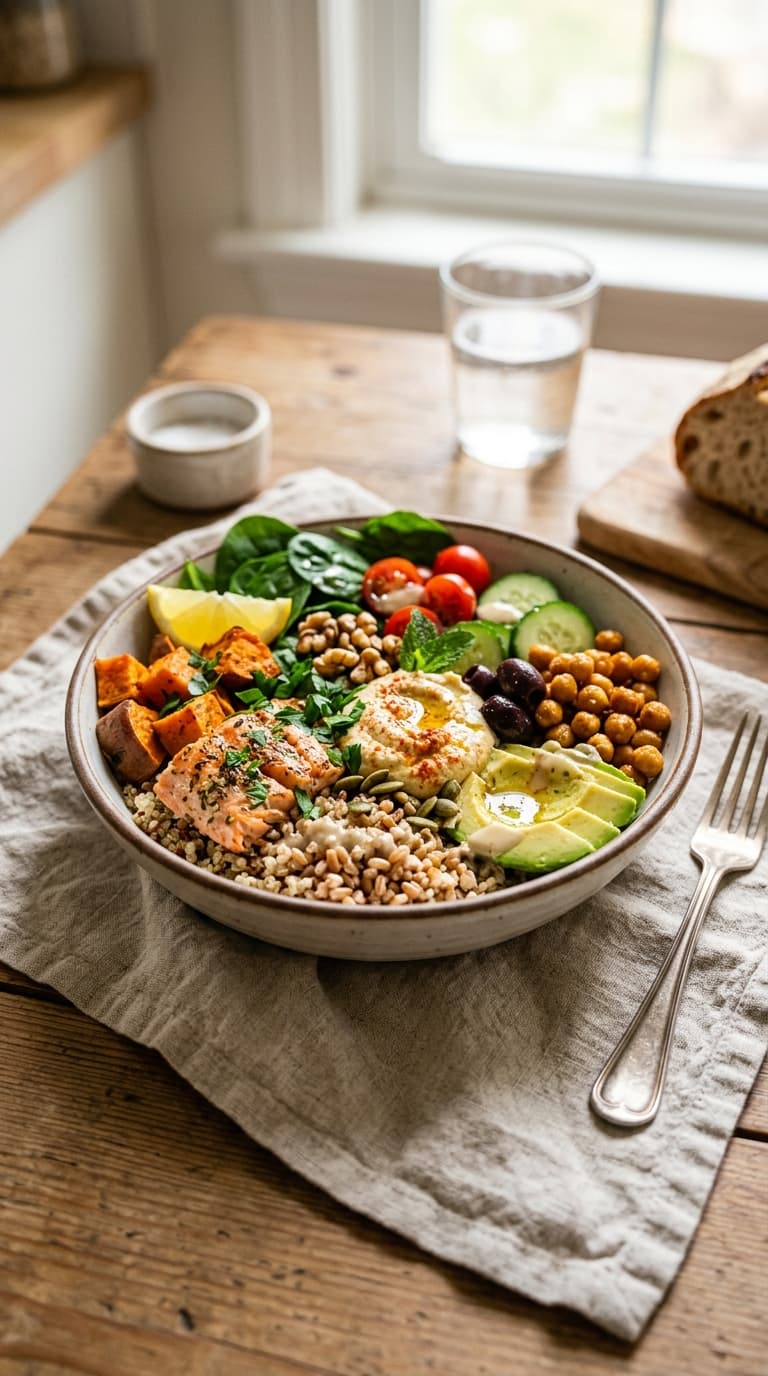
The biggest shift isn’t learning new recipes—it’s changing how you think about meals. Instead of “protein + starch + vegetable,” think “build a plate around vegetables and add protein.” Instead of sandwiches, think composed salads or grain bowls. Instead of pasta, think lentils or roasted vegetables with protein on top.
Start with a few recipes that sound good to you. Get comfortable with them. Build from there. Mediterranean cooking is forgiving—if you’ve got decent olive oil, fresh herbs, and good salt, you’re already most of the way there. The rest is just technique, and technique comes with practice.
And remember: you don’t need to make everything from scratch or follow elaborate meal plans. Some nights, dinner is canned chickpeas mashed with tahini and lemon, served with raw vegetables. Other nights, it’s a complicated tagine that simmers for hours. Both are valid. Both are Mediterranean. Both are gluten-free.
The goal isn’t perfection. The goal is finding a way to eat that works for your body, tastes good, and doesn’t make you feel like you’re constantly missing out. If these recipes help with that, then I’ve done my job. Now go make something delicious.