
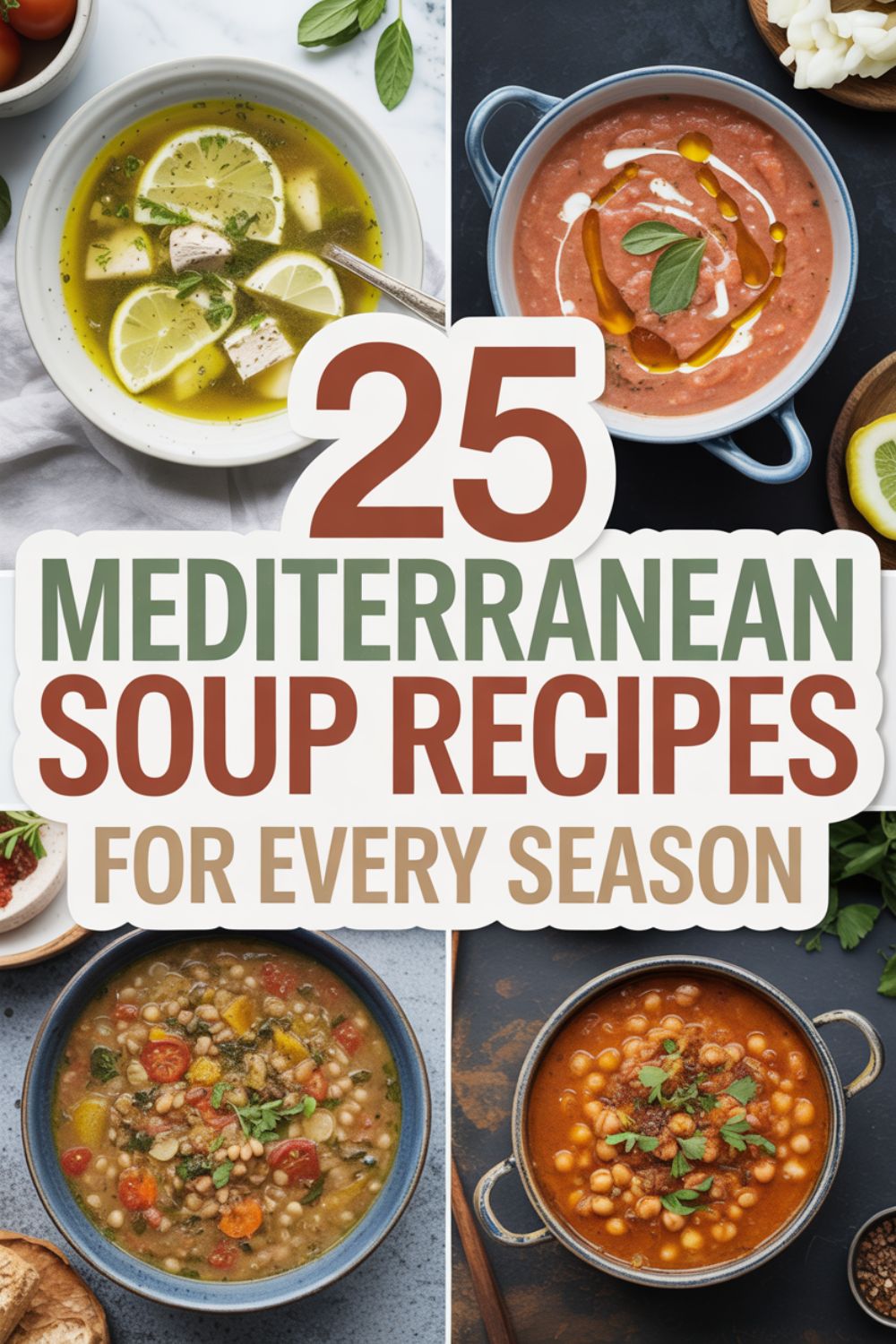
25 Mediterranean Soup Recipes for Every Season
You know that moment when you’re craving something warm, nourishing, and packed with flavor but don’t want to spend hours in the kitchen? Mediterranean soups are your answer. They’re the kind of dishes that make you feel like you’ve got your life together, even when you’re just winging dinner on a Tuesday night.
I’ve spent years playing around with Mediterranean cooking, and honestly, soups might be my favorite thing about this whole food culture. They’re forgiving, they’re flexible, and they taste like sunshine even when it’s freezing outside. Whether you’re meal-prepping for the week or need something that’ll make your kitchen smell amazing, these 25 recipes have you covered.
Why Mediterranean Soups Hit Different
Let’s talk about why these soups are worth your attention. Research from Harvard Health shows that soup consumption can actually increase feelings of fullness and help with portion control—and Mediterranean soups take this benefit to the next level.
The Mediterranean diet itself has been linked to some pretty impressive health outcomes. Studies demonstrate that people following this eating pattern show a 25% lower risk of developing cardiovascular disease. The anti-inflammatory properties come from all those gorgeous vegetables, olive oil, and legumes that make these soups so satisfying.
What makes Mediterranean soups special isn’t just one ingredient—it’s how everything works together. You’ve got fiber-rich vegetables, protein from legumes or lean meats, healthy fats from olive oil, and herbs that do double duty as flavor bombs and antioxidant powerhouses.
Pro Tip: Make a double batch on Sunday and portion it into containers. Most Mediterranean soups actually taste better the next day when the flavors have had time to get cozy with each other. Your future self will thank you all week.
Spring Soups: Fresh and Light
1. Classic Lemon Chicken Avgolemono
This Greek beauty is basically a hug in a bowl. The egg-lemon combo creates this velvety texture that’s somehow both rich and light. I always keep fresh lemons on hand because the bottled stuff just doesn’t cut it here. Get Full Recipe
2. Spring Vegetable Minestrone
Forget the heavy winter version—spring minestrone is all about tender asparagus, sweet peas, and baby spinach. I like using vegetable broth concentrate when I’m short on time, and nobody can tell the difference.
3. Fava Bean and Mint Soup
This one’s a game-changer if you’ve never tried fresh fava beans. Yeah, shelling them is a bit of a task, but the flavor is worth every minute. A drizzle of good olive oil on top makes it sing. Get Full Recipe
4. Artichoke and Lemon Soup
Artichokes might seem fancy, but canned or frozen work perfectly fine. The key is finishing with fresh lemon zest—it brightens everything up. I use my microplane zester for this constantly.
5. Pea and Lettuce Soup (Italian Style)
Before you judge, hear me out: cooked lettuce in soup is actually amazing. This classic Italian soup is proof that simple ingredients can create something extraordinary.
Looking for more ways to incorporate Mediterranean principles into your routine? The 7-Day Mediterranean Anti-Inflammation Meal Plan is a solid starting point, especially if you’re dealing with any inflammation issues. I’ve also found the 14-Day High-Fiber Mediterranean Plan incredibly helpful for keeping things regular—literally.
Summer Soups: Cool and Vibrant
6. Gazpacho (The Real Deal)
Cold soup skeptics, this one’s for you. Real gazpacho isn’t some watery tomato juice situation—it’s thick, flavorful, and totally refreshing. My high-speed blender gets a workout during gazpacho season.
7. White Gazpacho (Ajo Blanco)
Almonds, garlic, bread, grapes—sounds weird, tastes incredible. This Andalusian classic is like gazpacho’s sophisticated cousin who studied abroad.
8. Chilled Cucumber Yogurt Soup
This is basically tzatziki in soup form, and I’m not mad about it. Greek yogurt provides the creaminess and a solid protein boost. Get Full Recipe
9. Tomato and Bread Soup (Pappa al Pomodoro)
Stale bread becomes the star of this Tuscan classic. It’s the ultimate way to use up that crusty loaf that’s gone a bit too crusty. I keep a bread box on my counter specifically for collecting bread that’s perfect for this.
10. Watermelon and Tomato Gazpacho
Trust the process on this one. The watermelon adds natural sweetness that balances the acidity of tomatoes beautifully. It’s like summer in a bowl.
Quick Win: Freeze leftover soup in ice cube trays. Pop a few cubes into a mug for a quick lunch, or use them as flavor bombs in grain bowls. Works especially well with tomato-based soups.
Fall Soups: Cozy and Hearty
11. Tuscan White Bean and Kale Soup
This is my go-to when I need something that feels substantial without being heavy. The combination of creamy white beans and slightly bitter kale just works. I always keep canned cannellini beans stocked for this reason.
12. Moroccan Lentil and Chickpea Soup (Harira)
Harira is traditionally eaten during Ramadan, but honestly, it’s too good to save for special occasions. The warm spices make your whole house smell amazing. Get Full Recipe
13. Roasted Pumpkin and Red Pepper Soup
Roasting the vegetables first adds this deep, caramelized flavor that you just can’t get from boiling. My rimmed baking sheet stays busy during fall soup season.
14. Greek Fasolada (White Bean Soup)
Greeks call this the national dish of Greece, and for good reason. It’s simple, filling, and somehow manages to be both rustic and elegant. The secret is really good olive oil at the end—don’t skimp here.
15. Chickpea and Spinach Soup with Cumin
Cumin is the MVP of this soup. It adds earthiness that makes chickpeas taste way more interesting than they have any right to. Speaking of chickpeas, if you’re looking for more high-protein Mediterranean options, check out the 14-Day Mediterranean High-Protein Anti-Inflammatory Plan.
Kitchen Tools That Make These Soups Easier
1. Dutch Oven (6-8 Quart)
Seriously, this is non-negotiable. Heavy-bottomed, holds heat evenly, goes from stovetop to oven. I use mine for literally every soup on this list. Worth every penny.
2. Immersion Blender
No more transferring hot soup to a blender and making a mess. Stick this bad boy right in the pot and blend away. Changed my soup game completely.
3. Large Wooden Spoon Set
Metal spoons scrape up your pot, plastic ones melt. Wooden spoons are the Goldilocks solution. Plus they last forever if you treat them right.
4. Mediterranean Meal Prep Guide (Digital PDF)
If you’re serious about making this a lifestyle, this guide breaks down exactly how to prep ingredients in batches. Includes shopping lists and storage tips.
5. Anti-Inflammatory Recipe Collection (eBook)
Over 100 recipes specifically designed to reduce inflammation. The soup section alone is worth it, but you get breakfast, lunch, dinner, and snacks too.
6. Printable Meal Planning Templates
These templates help you map out which soups to make when, coordinate your grocery shopping, and actually stick to your plan. Simple but effective.
Winter Soups: Warming and Nourishing
16. Italian Wedding Soup
Despite the name, this has nothing to do with weddings. It’s all about the “marriage” of flavors—meatballs, greens, and tiny pasta in a light broth. The little meatballs are kind of addictive, FYI.
17. Ribollita (Tuscan Bread Soup)
This is what Italians make when they need to clean out the fridge. Leftover vegetables, day-old bread, beans—throw it all in. It’s supposed to be thick enough to eat with a fork, and it gets better every time you reheat it. Get Full Recipe
18. Lentil Soup with Lemon and Herbs
Lentils are the unsung heroes of Mediterranean cooking. They’re cheap, they cook fast, and they’re packed with protein and fiber. This soup is proof that simple can be spectacular.
19. Moroccan Chickpea and Vegetable Soup
The combination of chickpeas, sweet potatoes, and warming spices creates this perfect balance of sweet and savory. I meal prep this one constantly because it reheats like a dream.
20. Greek Egg and Lemon Soup with Orzo
Another avgolemono variation, but this one uses orzo instead of rice. The tiny pasta makes it feel more substantial. My fine-mesh strainer comes in handy for the egg-lemon mixture—you want it silky smooth.
If you’re trying to balance Mediterranean eating with family meals, the 14-Day Mediterranean Family Meal Plan includes several soups that even picky eaters actually enjoy. And for those managing busy schedules, the 7-Day Anti-Inflammation Plan for Busy Women is designed for real life, not Instagram.
Year-Round Favorites
21. Classic Greek Lemon Chicken Soup
This one shows up in every season for good reason. It’s comforting when you’re sick, light enough for summer, and satisfying in winter. Plus, the protein from chicken makes it an actual meal, not just an appetizer.
22. Tomato and White Bean Soup
Sometimes you need something that tastes complex but takes 30 minutes. This is that soup. Canned tomatoes and beans are your friends here—no need to overcomplicate it.
23. Spinach and Chickpea Soup with Lemon
The lemon brightens everything and keeps the soup from feeling heavy. I add a ridiculous amount of spinach because it cooks down to nothing, and you might as well get those nutrients in. Get Full Recipe
24. Turkish Red Lentil Soup (Mercimek Çorbası)
This soup is so smooth and velvety, people always think it has cream in it. Nope—just red lentils that basically dissolve into the most comforting thing ever. I make this when I’m feeling under the weather.
25. Mixed Vegetable Soup with Pasta
The ultimate clean-out-the-fridge soup. Whatever vegetables you have, throw them in. Add some pasta, good broth, and you’re golden. This is the soup that proves Mediterranean cooking is about technique, not strict recipes.
Storage Hack: Let soup cool completely before refrigerating—putting hot soup straight into the fridge can raise the temperature and affect other food. I learned this the hard way after ruining a batch of leftovers. Use wide, shallow containers for faster cooling.
The Real Talk About Soup Making
Here’s what nobody tells you about making Mediterranean soups: they’re almost impossible to mess up. Seriously. Forgot to add something? Just toss it in. Overcooked the vegetables? They’ll blend into the soup beautifully. Used the wrong bean? It’ll still taste good.
The only real rules are these: use decent olive oil (it makes a difference), don’t skip the final squeeze of lemon or drizzle of oil on top (this is where the magic happens), and taste as you go. Everything else is negotiable.
I’ve made these soups with fancy imported ingredients and with whatever was at my local grocery store. The fancy versions were maybe 10% better, which doesn’t justify the price difference for everyday cooking. Save your money for the olive oil—that’s where you should splurge.
One thing I’ve learned from following Mediterranean eating patterns long-term: it’s not about perfection. Some weeks I’m all over these soups, meal-prepping like a boss. Other weeks I’m grabbing whatever’s easiest. That’s fine. The goal is to make this sustainable, not to stress yourself out trying to be some kind of Mediterranean cooking influencer.
For anyone dealing with gut issues or inflammation, the 7-Day Gut Healing Mediterranean Menu specifically focuses on soups and other easily digestible options. I found it super helpful when I was dealing with some digestive drama last year.
Making These Soups Work for Your Life
Let’s get practical for a second. You’re not going to make 25 different soups. You’re going to find 3-5 that you love and rotate through them. That’s how actual people cook, and that’s completely fine.
Start with the basics: pick one lentil soup, one bean soup, one tomato-based soup, and one that’s veggie-forward. That gives you variety without overwhelming your grocery list. Once those are in your regular rotation, you can branch out.
The beauty of Mediterranean soups is that most of them use similar base ingredients. Stock up on canned tomatoes, dried lentils, canned beans, good olive oil, garlic, onions, and lemons. With just those items, you can make probably 15 of these soups without a special trip to the store.
IMO, investing in quality storage containers is as important as having good pots. I use glass meal prep containers because they don’t stain, they’re microwave-safe, and I can see what’s inside without opening them. Total game-changer for keeping soup rotation going.
If you’re looking for more structured guidance, the 30-Day Mediterranean Wellness Plan includes weekly soup rotations and shopping lists. It takes the guesswork out of planning, which is honestly half the battle.
The Science Behind Why These Work
Without getting too nerdy about it, Mediterranean soups check a lot of boxes nutritionally. They’re high in fiber, which keeps you full and helps with blood sugar regulation. The vegetables provide tons of vitamins and minerals. Legumes add protein without the saturated fat you get from meat-heavy soups.
But here’s the interesting part: research on soup consumption shows it’s not just about what’s in the soup—it’s also about how eating soup affects your overall meal. People who start meals with soup tend to eat less of the main course, probably because the soup triggers satiety signals.
The anti-inflammatory benefits come from the combination of ingredients. Olive oil has oleocanthal, which works similarly to ibuprofen in the body. Garlic, tomatoes, and leafy greens all contain compounds that help reduce inflammation. When you put them together in one bowl, you’re basically creating an anti-inflammatory powerhouse.
The high-fiber options are particularly good for gut health. Your gut bacteria love fiber, and happy gut bacteria are linked to everything from better mood to stronger immunity. The 30-Day High-Fiber Anti-Inflammation Program goes deep on this connection if you want to learn more.
Seasonal Ingredient Swaps Nobody Talks About
One of the best things about Mediterranean cooking is how adaptable it is. Can’t find fresh fava beans? Use frozen lima beans. No fresh tomatoes in winter? Canned San Marzanos are actually better for cooking anyway. Kale too bitter? Swap in spinach or chard.
The recipes are guidelines, not rules. I’ve made the same soup a dozen different ways depending on what was available, and it’s always good. Different, but good. That’s the whole point of Mediterranean cooking—working with what you have rather than obsessing over specific ingredients.
Frozen vegetables are your friend, especially for soups. They’re picked at peak ripeness and flash-frozen, which means they often have more nutrients than “fresh” vegetables that have been sitting in a truck for a week. I keep frozen spinach, peas, and green beans on hand at all times.
For those focused on budget-friendly options, the 14-Day High-Fiber Budget Meal Plan shows you how to make Mediterranean-style eating work without breaking the bank. Spoiler: soups feature heavily.
Frequently Asked Questions
Can I freeze Mediterranean soups?
Absolutely. Most of these soups freeze beautifully for up to three months. Just let them cool completely before freezing, and leave some headspace in your containers for expansion. The only ones that get a bit weird are cream-based soups or those with pasta—the texture changes when frozen. For those, I’d recommend adding fresh pasta when reheating or just keeping them in the fridge for up to five days.
How do I make these soups more filling?
Add more protein and healthy fats. Toss in extra beans or lentils, top with a poached egg, or add some grilled chicken. A generous drizzle of olive oil and some crusty whole-grain bread on the side transforms any soup into a complete meal. You can also stir in cooked quinoa or farro for extra substance without changing the flavor profile much.
Are canned beans and tomatoes really okay to use?
Yes, and sometimes they’re actually better. Canned tomatoes are harvested at peak ripeness, and canned beans save you hours of cooking time with minimal difference in taste or nutrition. Just rinse the beans to reduce sodium, and look for low-sodium or no-salt-added options when possible. I use canned ingredients in probably 80% of my soups, and they turn out great every time.
How long do these soups last in the fridge?
Most Mediterranean soups will keep for 4-5 days in the fridge when stored in airtight containers. The flavors actually deepen over time, so day-three soup is often better than day-one soup. If you notice any off smells or the soup develops a slimy texture, toss it. Better safe than sorry. For longer storage, freeze portions in individual containers.
Can I make these soups in a slow cooker or Instant Pot?
Definitely. Most of these adapt really well to both methods. For slow cookers, just throw everything in on low for 6-8 hours. For Instant Pots, you can cut the cooking time significantly—usually 15-20 minutes on high pressure does the trick. Just remember that you’ll lose some of the layered flavors you get from sautéing aromatics first, so I’d still recommend doing that step on the stovetop before pressure cooking.
The Bottom Line
Mediterranean soups aren’t about following strict recipes or sourcing obscure ingredients. They’re about using fresh, simple ingredients in ways that maximize flavor and nutrition. Whether you’re dealing with inflammation, trying to lose weight, or just want to eat better without overthinking it, these soups deliver.
Start with one or two that sound appealing. Make them a few times until you’ve got the hang of it. Then branch out. Before you know it, you’ll be that person who always has homemade soup in the fridge, and honestly? It’s a pretty good reputation to have.
The beauty of this style of cooking is that it scales to your life. Cooking for one? These soups freeze perfectly in individual portions. Feeding a family? Most of these recipes easily double or triple. Want to impress dinner guests? Serve any of these with good bread and a simple salad, and people will think you spent hours in the kitchen.
Give yourself permission to make these your own. Add more garlic if you’re into that. Skip the ingredients you don’t like. Use what’s in season at your local market. That’s how Mediterranean cooking has worked for thousands of years, and it’s why it’s stood the test of time.