
15 Mediterranean Desserts Using Olive Oil and Honey
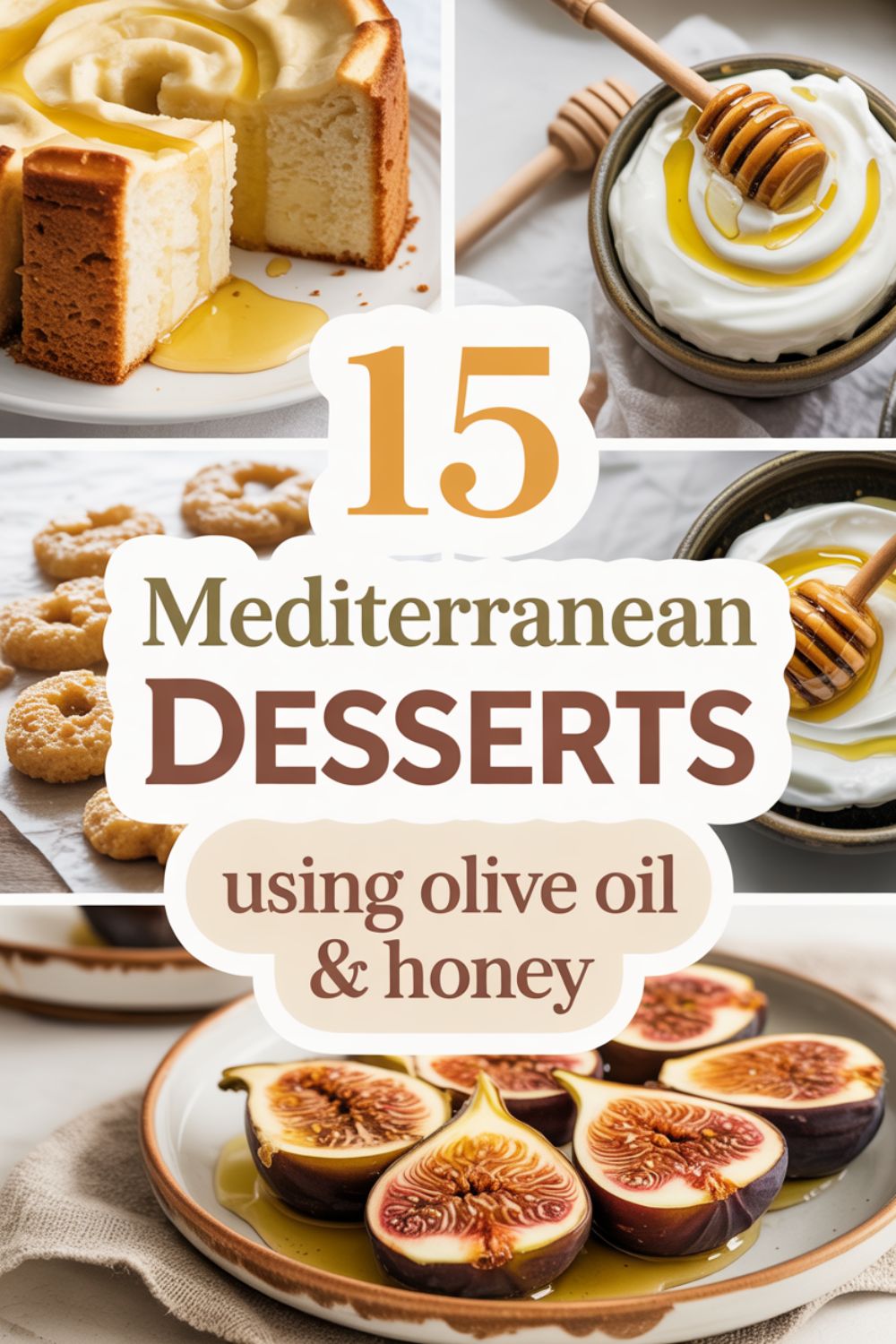
Look, I know what you’re thinking. Olive oil in desserts? Sounds weird, right? But trust me on this one—Mediterranean bakers have been doing this for centuries, and once you taste these treats, you’ll wonder why you ever bothered with butter in the first place.
These aren’t your typical sugar-loaded desserts that leave you feeling guilty after the first bite. We’re talking about sweets that actually bring something to the table beyond empty calories. The combo of extra virgin olive oil’s polyphenols and honey’s natural antioxidants creates desserts that taste incredible while offering genuine health benefits. Yeah, desserts with benefits—it’s not an oxymoron.
I’ve spent years experimenting with these recipes, and I’m excited to share the best ones with you. Whether you’re looking for something quick to throw together on a Tuesday night or an impressive centerpiece for your next dinner party, these Mediterranean desserts have you covered.
Why Olive Oil and Honey Work So Well Together
Here’s the thing about olive oil in baking that most people don’t get until they try it—it doesn’t make your desserts taste like a salad. Good quality olive oil adds this subtle fruity note that complements sweetness without overpowering it. The texture it creates is ridiculously moist, and your cakes stay fresh longer than butter-based ones. I’ve had olive oil cakes sitting on my counter for three days that still tasted freshly baked.
Honey brings its own magic to the party. Unlike refined sugar, honey contains flavonoids and phenolic acids that act as powerful antioxidants in your body. It’s sweeter than sugar, so you actually need less of it. Plus, it keeps baked goods tender and adds complexity to flavors that plain sugar just can’t match. Dark honey varieties like buckwheat bring an almost caramel-like depth that’s absolutely addictive.
The health perks are legit too. Research shows that extra virgin olive oil helps with everything from lowering blood pressure to improving cholesterol levels. Honey’s antimicrobial properties have been documented for centuries, and modern science backs up what grandmothers have known forever—it’s good for you in ways that go beyond basic nutrition.
1. Classic Olive Oil Cake with Honey Glaze
This is the gateway drug to olive oil desserts. Seriously, make this once and you’ll understand why Italian nonnas have been guarding these recipes for generations. The cake itself is incredibly simple—just eggs, sugar, olive oil, flour, and a touch of citrus zest. But that simplicity is deceptive because the result is this perfectly tender, subtly sweet cake that pairs beautifully with coffee or tea.
The honey glaze takes it over the top. I mix warm honey with a splash of fresh lemon juice and maybe a tiny bit of vanilla, then pour it over the still-warm cake. It soaks in slightly while forming this gorgeous shiny coating on top. Some people dust it with powdered sugar, but honestly, the honey glaze is all you need.
I use this silicone cake pan for all my olive oil cakes—nothing sticks to it, ever. And I mean nothing. You can skip the parchment paper and the excessive greasing, and your cake just slides right out. Game changer for lazy bakers like me.
2. Baklava with Walnut-Honey Filling
Okay, baklava has a reputation for being complicated, but hear me out—it’s really not that bad. The key is buying good quality phyllo dough instead of trying to make it yourself. Unless you’re training to become a pastry chef, life’s too short for homemade phyllo.
You layer the phyllo with melted olive oil (way lighter than butter, FYI), add your spiced walnut filling between layers, then drench the whole thing in honey syrup after baking. The result is these crispy, flaky, sweet layers that shatter when you bite into them. It’s crunchy, it’s sticky, it’s absolutely worth the effort.
For the honey syrup, I add a cinnamon stick and a few cloves while it simmers. Some recipes call for rose water or orange blossom water, which is great if you’re into that, but plain honey syrup with warm spices is perfect on its own. The trick is letting the baklava cool completely before cutting it—rushing this step gives you a sticky mess instead of clean pieces.
If you’re loving these anti-inflammatory ingredients, you should definitely check out the 7-Day Mediterranean Anti-Inflammation Meal Plan or explore the 14-Day High-Fiber Mediterranean Plan for Beginners to see how these ingredients work in savory dishes too.
3. Honey-Soaked Loukoumades (Greek Doughnuts)
These little puffs of fried dough are basically happiness in edible form. The dough is yeasted, which gives them this incredible light and airy texture inside while the outside gets golden and slightly crispy from frying in olive oil. Yes, frying in olive oil—Greeks have been doing it forever, and it works beautifully.
After frying, you dunk them in warm honey syrup and sprinkle them with cinnamon and crushed walnuts. They’re best eaten immediately while they’re still warm, which is never a problem because they disappear in minutes. I’ve served these at parties and watched grown adults fight over the last few pieces.
The dough needs to rise, so plan ahead a bit. But once it’s ready, frying takes maybe 15 minutes total. I use this deep-fry thermometer to keep the oil at exactly 350°F—too hot and they burn before cooking through, too cool and they absorb too much oil and get greasy.
4. Polenta Cake with Citrus and Olive Oil
Polenta gives this cake the most amazing texture—slightly grainy in the best possible way, like a sophisticated cornbread that went to finishing school. The olive oil keeps it incredibly moist, and citrus zest (I usually do a mix of lemon and orange) brightens everything up.
This one’s naturally gluten-free if you use certified GF polenta, which makes it great for mixed crowds. The honey gets drizzled on top after baking, sometimes mixed with a little orange juice to make it pourable. You can serve it plain, or do what I do and pile fresh berries on top with a dollop of Greek yogurt.
The trick with polenta cakes is not overbaking them. They should still have a slight jiggle in the center when you pull them from the oven. They firm up as they cool, and that residual moisture is what keeps them from being dry.
5. Semolina Halva with Honey Syrup
Halva is one of those desserts that sounds exotic but is actually stupidly simple to make. You toast semolina in olive oil until it’s golden and fragrant, then pour in a spiced honey syrup and stir until it thickens into this incredible pudding-like texture. The whole process takes maybe 20 minutes.
I flavor mine with cinnamon and a touch of vanilla, then top it with toasted pine nuts or slivered almonds. Some people add raisins to the semolina while it’s cooking, which is great if you’re into that. The texture is dense and satisfying—a small portion goes a long way.
This dessert is traditionally served warm, which is when it’s at its absolute best. The semolina soaks up the syrup and becomes this creamy, comforting bowl of deliciousness. It’s like if oatmeal went on a Mediterranean vacation and came back way more interesting.
6. Fig and Honey Tart with Olive Oil Crust
The crust on this tart is a revelation if you’ve never made pastry with olive oil before. It’s tender and crispy at the same time, with a subtle richness that doesn’t overwhelm the filling. No chilling required either—you just press it into the pan and bake it.
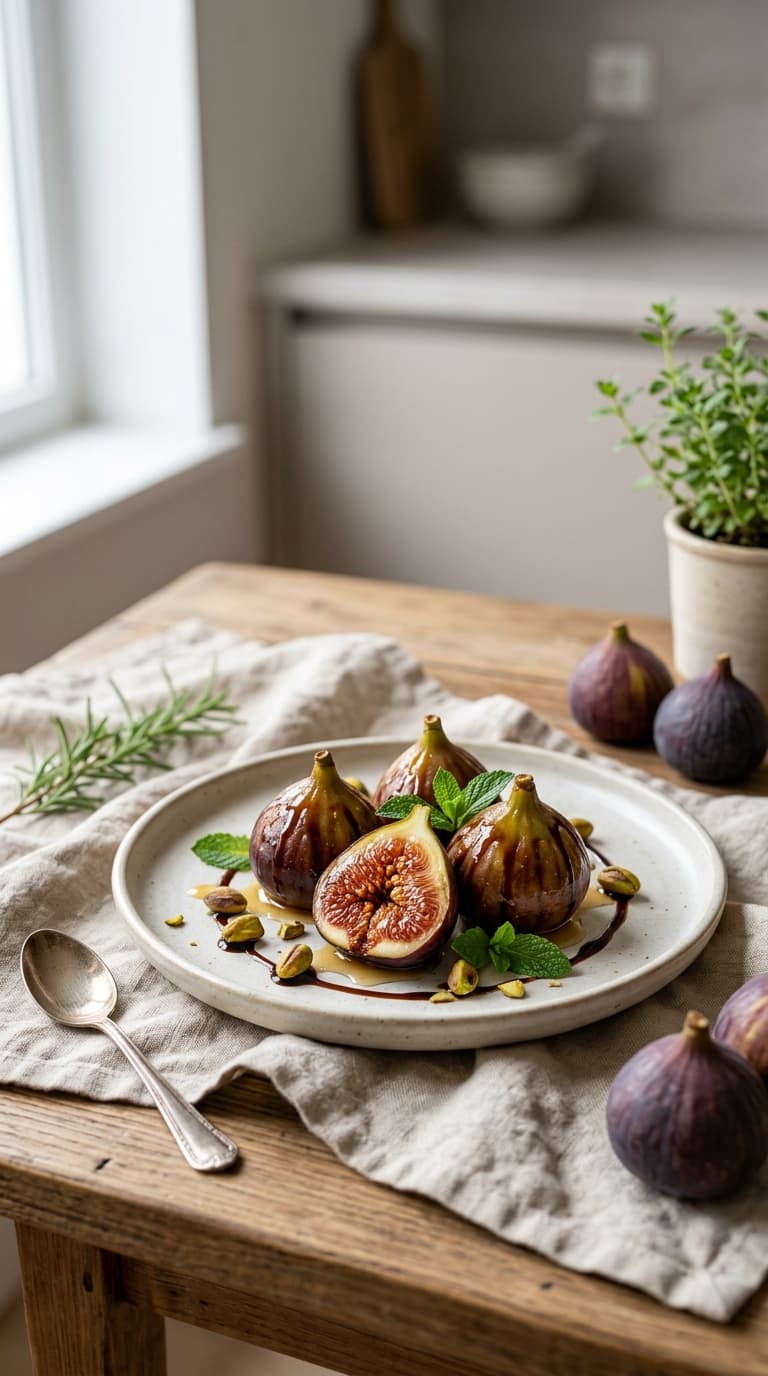
Fresh figs are the star here, arranged in a spiral over a thin layer of honey-sweetened ricotta or mascarpone. After baking, you brush the whole thing with more honey mixed with a touch of balsamic vinegar for this sweet-tart glaze that makes the figs shine.
When figs aren’t in season, I’ve used sliced pears or even peaches with great success. The olive oil crust works with basically any fruit you throw at it. I roll it out between two sheets of parchment paper using this marble rolling pin—stays cool, gives you more control, and looks fancy sitting on your counter.
Kitchen Essentials That Make These Recipes Easier
Non-Stick Silicone Baking Mat – Seriously, this thing has saved me from so many stuck desserts. Nothing adheres to it, cleanup is instant, and it’s reusable forever. I’ve got three of these and use them constantly.
Digital Kitchen Scale – Mediterranean recipes often measure by weight, not volume, and it makes a huge difference in consistency. This one switches between grams and ounces and is accurate to the gram.
Springform Pan Set – Perfect for olive oil cakes that you want to unmold cleanly. The removable bottom is clutch for delicate desserts that might break if you try to flip them out of a regular pan.
Mediterranean Meal Prep Guide eBook – Includes dessert recipes plus savory dishes so you can plan complete Mediterranean-style weeks. The shopping lists alone are worth it.
Olive Oil & Honey Pairing Chart PDF – Takes the guesswork out of which olive oils work best with which honeys for different desserts. Nerdy but incredibly useful.
Video Tutorial Collection: Perfect Phyllo Dough Techniques – If you’re tackling baklava or any phyllo-based dessert, this walks you through every step with crystal-clear demonstrations.
7. Yogurt Panna Cotta with Honey and Pistachios
This is my go-to when I need something elegant that doesn’t require turning on the oven. Panna cotta gets a Mediterranean twist with Greek yogurt mixed into the cream base, which gives it a slight tang that balances the sweetness perfectly.
The honey gets drizzled on top just before serving, along with crushed pistachios for crunch and color. Sometimes I’ll add a few fresh berries or a tiny bit of orange zest. The whole thing is creamy, silky, and sophisticated without being fussy.
You need to plan ahead because it has to set in the fridge for at least four hours, but the actual hands-on time is minimal. Heat, whisk, pour, chill. That’s it. I make these in small ramekins or glasses, and they keep in the fridge for a couple days if you don’t add the toppings until serving.
8. Almond and Orange Blossom Cookies
These cookies are based on traditional Italian ricciarelli but simplified. Ground almonds make up most of the structure, so they’re naturally gluten-free and have this amazing chewy texture. Honey binds everything together along with egg whites, and a touch of orange blossom water makes them smell incredible.
They’re delicate and not overly sweet, which makes them perfect with afternoon coffee or tea. The dough is sticky, so you’ll want to dust your hands with powdered sugar while shaping them. I roll them in more powdered sugar before baking, which creates this pretty crackled surface.
Store these in an airtight container and they stay good for over a week. Actually, they improve after a day or two as the flavors meld. I keep a batch in a ceramic cookie jar on my counter and grab one whenever I need a little something sweet.
Looking for more ways to work almonds and anti-inflammatory ingredients into your diet? The 30-Day Anti-Inflammation Challenge has tons of ideas, or check out the 7-Day Gut-Healing Mediterranean Menu for a complete approach.
9. Olive Oil Brownies with Sea Salt and Honey
Yeah, you read that right—brownies made with olive oil. And they’re fantastic. The olive oil gives them this fudgy, almost truffle-like texture that butter just can’t replicate. They’re intensely chocolatey, slightly bitter from good dark chocolate, and the honey adds just enough sweetness to balance everything out.
I finish these with flaky sea salt on top, which is non-negotiable. The salt crystals hit your tongue first, then you get the rich chocolate, then this subtle fruity note from the olive oil that lingers. It’s a flavor journey in one bite.
Use the best quality cocoa powder and chocolate you can afford for these. The flavor of everything shines through, so cheap chocolate will taste cheap. I splurge on Valrhona cocoa powder for brownies because the depth of flavor is worth every penny.
10. Honey-Roasted Pears with Olive Oil Cake Crumble
This dessert came about because I had leftover olive oil cake that had gotten slightly stale. I crumbled it up, tossed it with a bit more olive oil and honey, and baked it until crispy. Turned out to be better than the original cake.
The pears get halved, cored, and roasted with honey, vanilla, and a splash of white wine until they’re tender and caramelized. The cake crumble goes on top and bakes for another few minutes until golden and crunchy. Serve it warm with vanilla ice cream or Greek yogurt.
Pears are mild enough that they let the honey flavor really shine through. I prefer Bosc or Anjou pears for roasting because they hold their shape better than the really soft varieties. And honestly, this apple corer makes quick work of scooping out the cores without mangling the fruit.
11. Galaktoboureko (Greek Custard Pie)
This is one of those desserts that looks way more complicated than it actually is. You make a simple custard with semolina for structure, layer it between sheets of phyllo brushed with olive oil, bake until golden, then drench it in honey syrup. The custard sets up beautifully and slices cleanly once it’s cool.
The key is getting the custard thick enough before you pour it into the phyllo. You want it to coat the back of a spoon heavily, almost like pudding consistency. If it’s too thin, it’ll make your phyllo soggy instead of crispy.
I flavor the custard with vanilla and lemon zest, and the honey syrup gets a cinnamon stick thrown in while it simmers. The combination of crispy phyllo, creamy custard, and sweet syrup is ridiculously good. It’s a project dessert, but worth every minute.
12. Date and Walnut Cake with Honey Drizzle
Dates bring natural sweetness and moisture to this cake, which means you can use less added honey and still get a perfectly sweet result. I chop them roughly and fold them into an olive oil cake batter along with toasted walnuts. The dates almost melt into the cake while baking, creating these pockets of intense sweetness.
After baking, I poke holes all over the top and drizzle warm honey mixed with a little orange juice over everything. It soaks in and makes the cake even more moist and flavorful. This cake actually improves over a couple days as the flavors develop.
I buy dates already pitted because life’s too short to pit dates yourself unless you’re really into that kind of thing. These Medjool dates are consistently good quality and work perfectly in baking.
13. Lemon Olive Oil Muffins with Honey Glaze
These muffins are my weekday breakfast salvation. They come together in one bowl, bake in 20 minutes, and taste way fancier than the effort involved. The lemon flavor is bright and assertive, balanced by the richness of the olive oil and the floral notes of honey in the glaze.
I use both lemon zest and juice in the batter, which gives you that full lemon flavor instead of just a hint. The olive oil makes them incredibly tender, and they stay fresh for days without getting dry or crumbly. The honey glaze is just honey thinned with a touch of lemon juice—simple but effective.
These freeze beautifully too. I make a double batch, freeze half, and pull them out as needed for quick breakfasts. Thirty seconds in the microwave and they taste freshly baked. Way better than anything you’d buy from a bakery and probably healthier too.
For more high-fiber breakfast options that align with Mediterranean eating patterns, you’ll love the 7-Day Mediterranean High-Fiber Breakfast Plan. And if you’re meal prepping for the week, the 7-Day Mediterranean High-Fiber Meal Prep Plan breaks down exactly what to make and when.
14. Pistachio and Rose Water Cake
This cake is all about the pistachios—ground into flour and folded into the batter, they give it this gorgeous pale green tint and subtle nutty flavor. Rose water is one of those ingredients you either love or hate, so start with a small amount and adjust to taste. A little goes a long way.
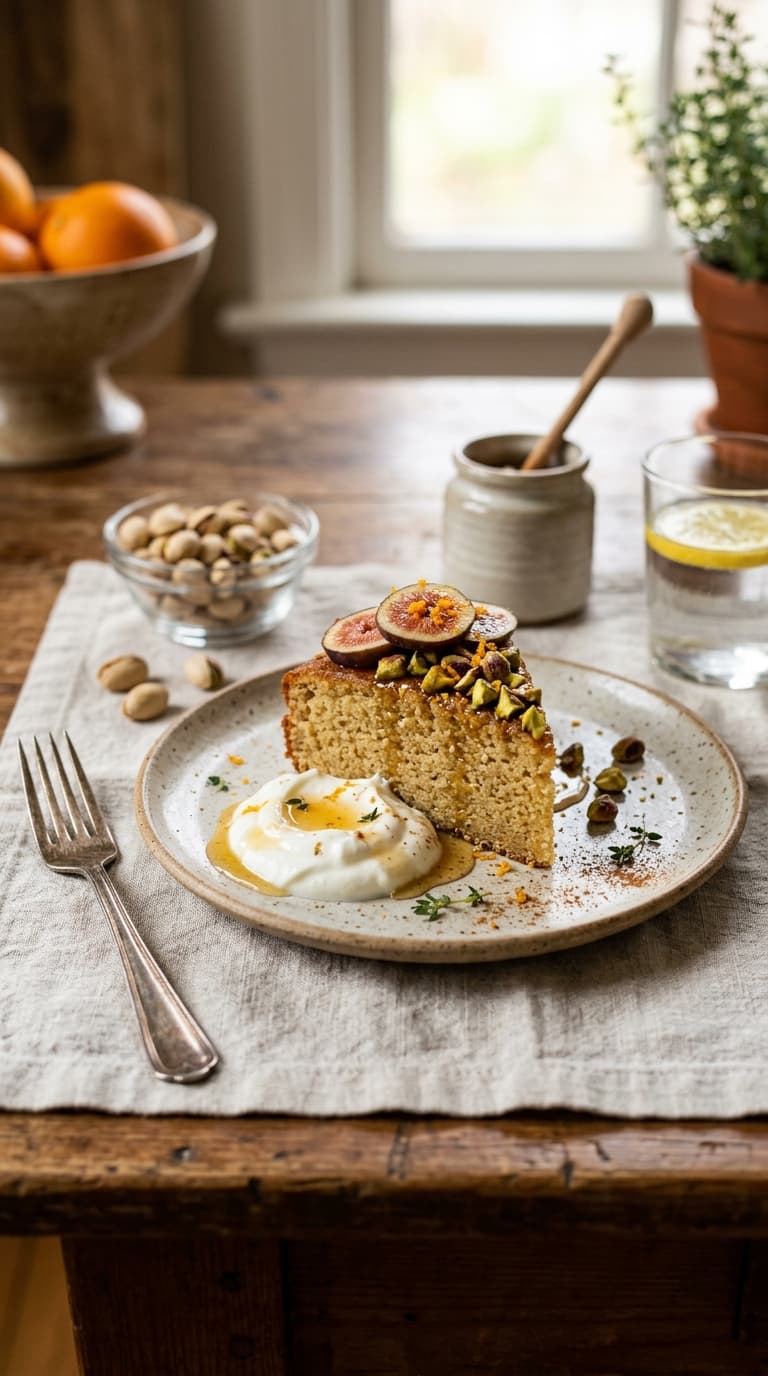
The cake gets drizzled with honey that’s been infused with more rose water and topped with crushed pistachios for texture and visual appeal. It’s delicate, floral, and definitely on the more sophisticated end of the dessert spectrum. Not a kid-friendly cake, but perfect for impressing dinner guests.
I grind my pistachios in this food processor which gives me control over the texture. You want them finely ground but not turned into butter, so pulse carefully and watch it closely.
15. Honey and Olive Oil Ice Cream
Okay, this one requires an ice cream maker, but if you have one collecting dust in your cabinet, pull it out for this. The combination of honey and olive oil in ice cream is absolutely wild in the best way. The olive oil adds this silky richness, and the honey provides sweetness plus this complex flavor you just don’t get from sugar.
I make a basic custard base, then whisk in good quality olive oil before churning. The honey gets swirled in at the end so you get ribbons of pure honey flavor throughout. It’s sweet, creamy, slightly fruity, and completely unique. Nobody ever guesses there’s olive oil in it until I tell them.
This ice cream is rich, so small scoops are the way to go. I serve it with fresh fruit or a drizzle of balsamic reduction for something really special. It’s one of those desserts that makes people stop mid-conversation because they’re trying to figure out what they’re tasting.
Frequently Asked Questions
Can I substitute regular olive oil for extra virgin in these desserts?
Technically yes, but you’ll lose a lot of the flavor benefits. Extra virgin olive oil has those fruity, peppery notes that make Mediterranean desserts special. Regular olive oil is more neutral and refined, so your desserts will taste fine but won’t have that distinctive character. If you’re going to bother making these recipes, use the good stuff—your taste buds will thank you.
Does honey in baking provide any nutritional benefits over sugar?
Honey does contain antioxidants, enzymes, and trace minerals that white sugar doesn’t have. That said, it’s still a form of sugar and should be consumed in moderation. The advantage is that honey’s more complex flavor means you can often use less of it while still getting satisfying sweetness. Plus, the antioxidants in honey—particularly darker varieties—do provide some health benefits that refined sugar simply can’t offer.
Why do some of these recipes use semolina instead of regular flour?
Semolina is a coarser wheat flour that’s traditionally used in Mediterranean baking. It gives desserts a slightly grainy, rustic texture that’s really appealing. It also absorbs liquid differently than all-purpose flour, which creates that characteristic dense-but-tender crumb in cakes and halva. You can usually find it in the baking aisle or international foods section of most grocery stores.
How should I store olive oil desserts to keep them fresh?
Most olive oil cakes and cookies stay fresh at room temperature for several days when stored in an airtight container. The olive oil actually helps preserve moisture better than butter, so they don’t dry out as quickly. For longer storage, you can freeze most of these desserts for up to three months. Just wrap them well and thaw at room temperature before serving.
What’s the best type of honey to use for Mediterranean desserts?
It depends on the dessert. Lighter honeys like acacia or orange blossom work well when you want subtle sweetness without overpowering other flavors. Darker honeys like chestnut or buckwheat bring more robust, almost molasses-like notes that are great in spiced desserts or chocolate recipes. Greek thyme honey is traditional for many Mediterranean sweets and has a distinctive herbal quality. Experiment and find what you like best.
Final Thoughts on Mediterranean Desserts
The beauty of these desserts is that they prove you don’t have to choose between flavor and using quality ingredients. The olive oil and honey approach gives you treats that taste incredible while offering genuine nutritional benefits—something you rarely find in the dessert world.
I’ve been making these recipes for years now, and they’ve completely changed how I think about sweets. Instead of feeling guilty after eating dessert, I actually feel good about the ingredients I’m putting in my body. The healthy fats from olive oil, the antioxidants in honey, the lack of refined sugars—it all adds up to desserts you can enjoy without the usual sugar crash or regret.
Start with the classic olive oil cake if you’re new to this style of baking. It’s simple, forgiving, and will give you a feel for how these ingredients work together. Once you’ve got that down, branch out to the more complex recipes like baklava or galaktoboureko. Each one teaches you something new about Mediterranean baking techniques.
Remember, these aren’t just recipes—they’re part of a larger approach to eating that prioritizes real ingredients, bold flavors, and foods that nourish your body. Whether you’re following a strict Mediterranean diet or just looking for better dessert options, these recipes deliver on every level. Give them a try and see what you think. Your kitchen is about to smell absolutely amazing.