
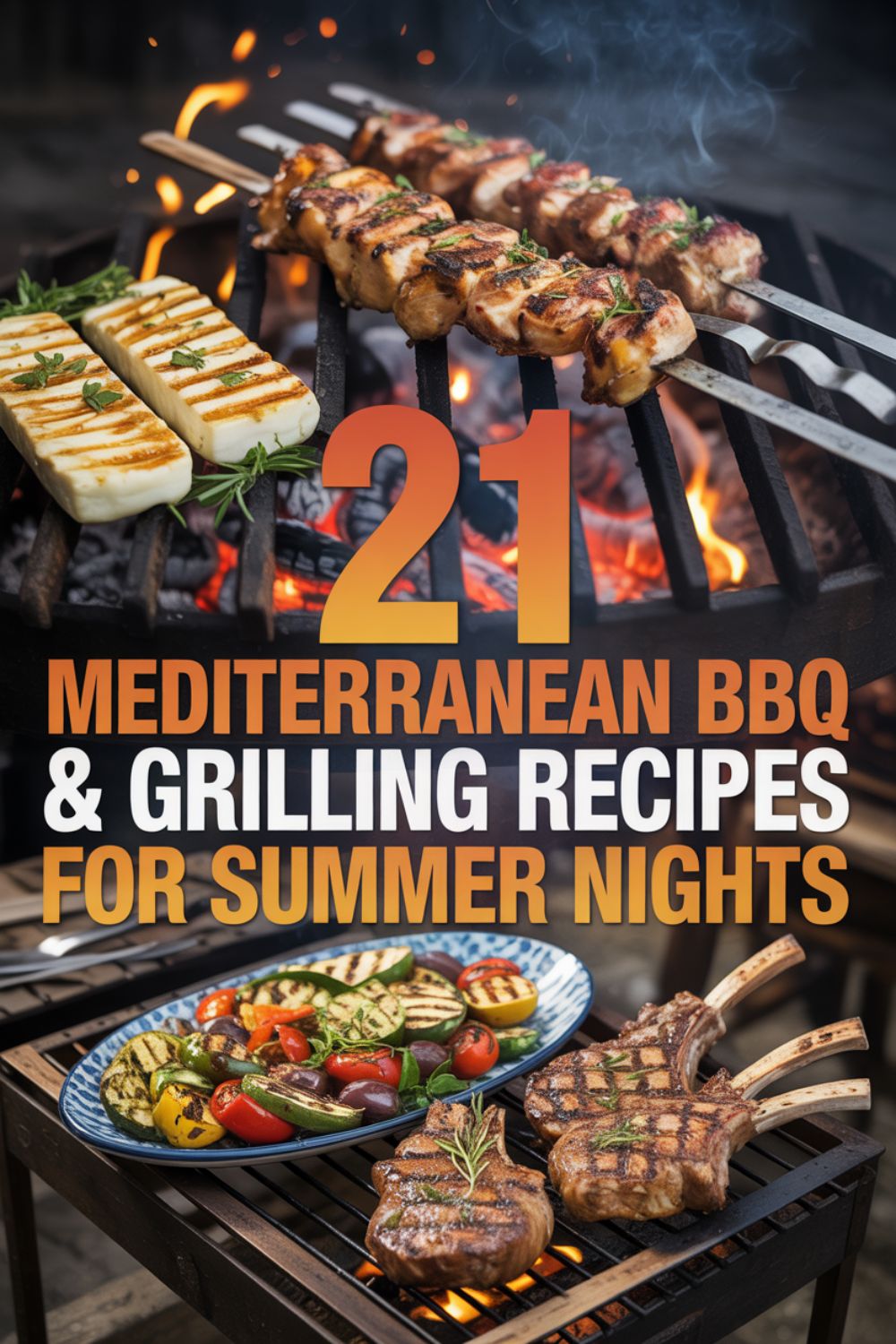
21 Mediterranean BBQ and Grilling Recipes for Summer Nights
Look, I’m gonna be real with you—summer nights were made for grilling, cold drinks, and food that doesn’t make you feel like you need a nap afterward. And if you’re tired of the same old burgers and hot dogs routine, Mediterranean grilling is about to become your new obsession.
I stumbled into Mediterranean BBQ almost by accident a few summers ago when a Greek friend showed me how they grill. No heavy sauces drowning everything. No complicated prep that takes half your day. Just fresh ingredients, olive oil, lemon, and herbs doing their thing over flames. It changed everything.
These 21 recipes aren’t just healthier—they’re actually more flavorful. We’re talking juicy lamb kebabs, charred vegetables that taste better than candy, and seafood so good you’ll wonder why you ever bothered with chicken. Plus, according to research on Mediterranean eating patterns, this way of cooking supports heart health and reduces inflammation without making you feel deprived.
Why Mediterranean Grilling Hits Different
Here’s the thing about Mediterranean grilling—it’s not just about slapping meat on a grill. It’s a whole vibe. People around the Mediterranean have been perfecting outdoor cooking for literally thousands of years, and they’ve figured out something we’re still learning: simplicity beats complexity every single time.
The secret isn’t fancy equipment or expensive cuts of meat. It’s about treating ingredients with respect. Fresh vegetables, quality olive oil, and letting the natural flavors of food shine through. When you visit coastal towns in Greece, Spain, or Southern Italy, you’ll find grills going at nearly every taverna, but they’re not covering everything in BBQ sauce. They’re using fire, salt, herbs, and time.
And honestly? Cleveland Clinic notes that Mediterranean-style eating has been shown to reduce heart disease risk by up to 30% compared to low-fat diets. So yeah, you’re basically eating delicious food and doing your arteries a favor. Win-win.
The Essential Mediterranean Grilling Toolkit
Before we dive into recipes, let’s talk gear. You don’t need a $3,000 grill setup, but having the right tools makes everything easier. I learned this the hard way after ruining way too many vegetables because I didn’t have proper equipment.
What You Actually Need
First up: a good grill basket. Trust me on this one. Trying to flip small vegetables individually on grill grates is a nightmare. Get a basket with small enough holes that cherry tomatoes won’t fall through, and suddenly grilled vegetables become easy instead of frustrating.
Next, long-handled tongs are non-negotiable. The cheap ones from the supermarket will literally fall apart after three uses. Spring for quality—your arm hair will thank you. I use a 16-inch pair with silicone grips and haven’t looked back.
You’ll also want metal skewers instead of wooden ones. Yeah, wooden skewers are traditional, but metal ones don’t require soaking and they conduct heat to cook food from the inside too. Plus, you’re not constantly worried about them catching fire.
For marinades and oil application, a good silicone basting brush beats paper towels every time. The bristles don’t fall out, it’s easy to clean, and you can actually control where the oil goes.
And here’s something most people overlook: a digital meat thermometer. Mediterranean grilling often involves lean proteins like fish and chicken breast that go from perfect to cardboard in about 30 seconds. A thermometer removes all the guesswork.
Kitchen Tools & Digital Resources That Make Mediterranean Grilling Easier
Physical Tools:
- Cast Iron Grill Press – Perfect for getting those professional sear marks on vegetables and preventing fish from curling up. Mine’s probably my most-used grilling tool.
- Cedar Grilling Planks – These give Mediterranean fish and vegetables a subtle smoky flavor without any marinades. Soak them for 30 minutes, then grill directly on top.
- Herb Scissors with 5 Blades – Sounds gimmicky, but chopping fresh herbs for marinades becomes stupidly fast. You’ll actually use fresh herbs more often.
Digital Resources:
- 7-Day Mediterranean Anti-Inflammation Meal Plan – Includes complete shopping lists and prep guides that pair perfectly with grilled recipes
- 14-Day High-Fiber Mediterranean Plan for Beginners – Great starting point with easy-to-follow instructions and substitution options
- Mediterranean High-Protein Anti-Inflammatory Plan – Ideal for anyone focused on building muscle while eating clean
The Foundation: Marinades and Rubs
Mediterranean marinades aren’t complicated, but they’re powerful. Unlike American BBQ where sauces can mask mediocre meat, Mediterranean marinades enhance what’s already there. The goal is amplification, not transformation.
The Basic Mediterranean Marinade Formula
Here’s your template, and honestly, you can use this on almost anything: olive oil + acid + herbs + aromatics. That’s it. The ratios matter, but the concept is dead simple.
For every cup of olive oil, add about 1/4 cup of acid (lemon juice, red wine vinegar, or white wine), a tablespoon of minced garlic, a tablespoon of fresh herbs (oregano, thyme, rosemary, or a mix), salt, and black pepper. Whisk it together, pour it over whatever you’re grilling, and let it sit for at least 30 minutes. For tougher meats like lamb, go overnight.
The olive oil carries fat-soluble flavors and helps prevent sticking. The acid tenderizes proteins and brightens flavors. The herbs and garlic add complexity. It’s chemistry that happens to taste amazing.
I keep a jar of this in my fridge constantly during summer. It lasts about a week, and you can just shake it up and use it on whatever needs grilling. Game changer.
Dry Rubs for When You’re Running Late
Sometimes you don’t have time for marinating. That’s where Mediterranean-inspired dry rubs come in. Mix together dried oregano, thyme, garlic powder, onion powder, smoked paprika, salt, and black pepper. Store it in a shaker bottle. Rub it on proteins right before grilling. Done.
The key difference from American BBQ rubs? Mediterranean versions use way less sugar. You’re not caramelizing; you’re seasoning. This also means they don’t burn as easily, which is nice when you’re dealing with high heat.
Speaking of easy Mediterranean meals, this 7-Day Mediterranean Clean Eating Plan has some brilliant shortcut techniques that work perfectly for busy weeknights when you still want to grill something special.
Seafood on the Grill: The Mediterranean Specialty
If there’s one category where Mediterranean grilling absolutely dominates, it’s seafood. Growing up landlocked, I thought grilled fish meant dry, flavorless sadness. Then I tried grilled whole sea bass in a Greek taverna, and everything made sense.
1. Whole Grilled Sea Bass with Lemon and Herbs
This is the iconic Mediterranean fish preparation, and it’s shockingly simple. Get whole fish (sea bass, branzino, or red snapper), score the sides, stuff the cavity with lemon slices and fresh herbs, brush with olive oil, season with salt, and grill over medium-high heat for about 10 minutes per side.
The skin gets crispy and protects the flesh from drying out. The herbs inside perfume the meat as it cooks. The lemon adds brightness. It’s perfect.
Pro move: serve it with nothing but good olive oil, lemon wedges, and flaky sea salt. Anything else is showing off. Get Full Recipe
2. Grilled Shrimp Skewers with Garlic and Paprika
These take maybe 15 minutes start to finish. Thread large shrimp onto skewers (metal ones work best), brush with a mixture of olive oil, minced garlic, smoked paprika, and a squeeze of lemon juice. Grill for 2-3 minutes per side until they just turn pink.
The mistake people make is overcooking. Shrimp continue cooking after you pull them off heat, so slight underdone is actually perfect. They’ll firm up while resting. Get Full Recipe
“I tried the shrimp skewers from this collection last weekend for my family BBQ. Even my picky teenagers devoured them! The paprika adds just enough smokiness without being overpowering. Made them three times in two weeks.” – Jennifer K., home cook
3. Grilled Octopus with Olive Oil and Lemon
Okay, hear me out. I know octopus sounds intimidating, but it’s actually easier than most fish. The trick is to pre-cook it in boiling water until tender (about 45 minutes), then finish it on a blazing hot grill for 3-4 minutes to get charred edges.
Brush with olive oil, hit it with salt and lemon juice, and serve it sliced. The texture is meaty and satisfying, almost steak-like. It’s become one of my favorite summer proteins. Get Full Recipe
For more seafood-forward meal planning that incorporates grilling techniques, check out the 7-Day Gut Healing Mediterranean Menu—it’s got brilliant ideas for rotating proteins throughout the week.
4. Grilled Swordfish Steaks with Caper Sauce
Swordfish is the rare fish that actually stands up to high heat without falling apart. Brush thick steaks with olive oil, season with salt and pepper, and grill for 4-5 minutes per side. While it rests, warm olive oil in a small pan, add capers and toasted pine nuts, and pour over the fish.
It’s restaurant-quality food that takes less time than ordering takeout. Get Full Recipe
5. Grilled Sardines with Lemon and Parsley
Fresh sardines are a revelation if you’ve only had the canned ones. They’re oily fish that grill beautifully. Brush with olive oil, grill for 3-4 minutes per side, and finish with lemon juice and chopped parsley.
Plus they’re sustainable and cheap, which feels like cheating. Get Full Recipe
Chicken and Poultry: Beyond Basic Grilled Breast
Mediterranean grilling transforms chicken from boring weeknight protein into something you actually crave. The secret is bold marinades and not being afraid of dark meat.
6. Greek Chicken Souvlaki
Cut chicken thighs into chunks, marinate in olive oil, lemon juice, garlic, oregano, and a touch of cumin for at least an hour. Thread onto skewers with red onion and bell peppers. Grill over high heat, turning frequently, until charred and cooked through.
Serve in warm pita with tzatziki, tomatoes, and red onion. This is peak summer eating. Get Full Recipe
7. Lemon Herb Grilled Chicken Breast
The trick to juicy grilled chicken breast is brining. Mix 1/4 cup salt into 4 cups water, submerge chicken breasts for 30 minutes, rinse, pat dry, then marinate in lemon juice, olive oil, and herbs. Grill over medium-high heat.
The brine ensures moisture; the marinade adds flavor. Double-layered insurance against dry chicken. Get Full Recipe
8. Grilled Chicken Thighs with Zaatar
Zaatar is a Middle Eastern spice blend that’s technically cheating for Mediterranean recipes, but it’s too good to skip. Mix it with olive oil, rub it on chicken thighs, let sit for 20 minutes, then grill skin-side down first to render the fat.
The skin gets insanely crispy, and the zaatar adds a tangy, herbal complexity that’s addictive. Get Full Recipe
If you’re looking for ways to incorporate these proteins into a structured eating plan, the 14-Day Mediterranean Family Meal Plan does an excellent job of balancing grilled proteins with complementary sides throughout two weeks.
9. Grilled Quail with Pomegranate Molasses
Quail sounds fancy, but it’s just small birds that cook fast. Butterfly them, marinate in pomegranate molasses mixed with olive oil and garlic, then grill for 8-10 minutes total.
The pomegranate molasses adds sweet-tart complexity that’s distinctly Mediterranean. Plus, serving whole grilled quail looks impressive at dinner parties. Get Full Recipe
Lamb and Beef: Mediterranean Meat Magic
Mediterranean cultures know how to handle lamb better than anyone. It’s not gamy or weird—when done right, it’s incredibly flavorful and tender. And beef gets interesting treatments you won’t find in American BBQ.
10. Lamb Kofta Kebabs
Mix ground lamb with minced onion, garlic, cumin, coriander, cinnamon, parsley, salt, and pepper. Form around metal skewers and grill until charred outside but still juicy inside.
The spice blend is warming without being spicy, and the lamb’s richness carries everything perfectly. Serve with yogurt sauce and grilled vegetables. Get Full Recipe
11. Grilled Lamb Chops with Rosemary
Lamb chops are stupidly easy to overcomplicate. Don’t. Rub them with olive oil, fresh rosemary, garlic, salt, and pepper. Grill over high heat for 3-4 minutes per side for medium-rare.
Let them rest for 5 minutes, then serve with lemon wedges. That’s it. That’s the recipe. Sometimes simplicity is genius. Get Full Recipe
12. Greek-Style Beef Burgers with Feta
Mix ground beef with crumbled feta, minced garlic, oregano, and diced sun-dried tomatoes. Form into patties and grill. The feta melts slightly and creates pockets of creamy, tangy flavor throughout the burger.
Top with tzatziki and arugula. Skip the American cheese; trust the process. Get Full Recipe
13. Grilled Beef Tenderloin with Chimichurri
Okay, chimichurri is technically Argentine, but it follows the same fresh herb + olive oil + acid philosophy as Mediterranean cooking, and it works brilliantly on grilled beef.
Grill whole beef tenderloin over high heat, turning to sear all sides, until it reaches your preferred doneness. Slice and serve with chimichurri. Elegant and effortless. Get Full Recipe
For anyone following a higher-protein Mediterranean approach, you’ll want to check out the 14-Day Mediterranean High-Protein Anti-Inflammatory Plan. It specifically addresses how to balance protein intake while keeping meals interesting and inflammation-friendly.
Vegetables That Steal the Show
This is where Mediterranean grilling really shines. Vegetables aren’t sad side dishes; they’re the main event. And honestly? Once you’ve had properly grilled Mediterranean vegetables, steamed broccoli feels like punishment.
14. Grilled Eggplant with Balsamic and Mint
Slice eggplant into thick rounds, salt them to draw out bitterness, rinse, pat dry, brush with olive oil, and grill until soft and charred. Drizzle with balsamic vinegar and torn fresh mint.
The smokiness from the grill, the sweet-tang from balsamic, and the brightness from mint create this perfect flavor triangle. Get Full Recipe
15. Grilled Zucchini and Yellow Squash
Cut lengthwise into planks, brush with garlic-infused olive oil, season with salt and pepper, grill until tender with nice char marks. Finish with lemon zest and crumbled feta.
It’s so simple it feels like cheating, but it’s genuinely delicious. Get Full Recipe
16. Charred Bell Peppers with Capers
Grill whole bell peppers until the skin is completely blackened and blistered. Put them in a bowl covered with plastic wrap for 10 minutes to steam. Peel off the skin, slice, and toss with capers, olive oil, and garlic.
This is a standard antipasto item across the Mediterranean, and it’s fantastic warm or at room temperature. Get Full Recipe
17. Grilled Artichokes with Lemon Aioli
Trim artichokes, cut in half, steam until barely tender, brush with olive oil, and grill cut-side down until charred. Serve with homemade lemon aioli.
It’s interactive eating—you pull off leaves and dip them. Perfect for casual outdoor dinners. Get Full Recipe
18. Grilled Radicchio with Honey and Walnuts
Cut radicchio into wedges, keeping the core intact so they hold together. Brush with olive oil, grill until wilted and charred, then drizzle with honey and top with toasted walnuts.
The bitterness of radicchio mellows with grilling, and the honey provides just enough sweetness to balance it. Get Full Recipe
The 7-Day Mediterranean High-Fiber Meal Prep Plan includes excellent strategies for batch-prepping grilled vegetables so you have them ready all week for quick meals.
Breads and Sides That Complete the Meal
Mediterranean grilling isn’t complete without proper bread and side dishes. These aren’t afterthoughts—they’re integral parts of the meal that soak up juices, provide textural contrast, and round out flavors.
19. Grilled Pita Bread with Zaatar
Brush pita bread with olive oil mixed with zaatar spice blend. Grill for about 1 minute per side until it puffs up and gets light char marks.
Cut into wedges and serve with dips or use to scoop up grilled meats and vegetables. The toasted, herby bread elevates everything. Get Full Recipe
20. Grilled Halloumi Cheese
Halloumi is a firm cheese that doesn’t melt on the grill—it just gets gorgeously golden and squeaky. Slice it thick, grill for 2-3 minutes per side, and serve with a drizzle of honey and cracked black pepper.
It’s salty, creamy, slightly sweet from the honey, and completely addictive. Get Full Recipe
21. Grilled Stone Fruit with Yogurt
Halve peaches, nectarines, or plums, brush cut sides with a tiny bit of olive oil, grill cut-side down until caramelized. Serve with Greek yogurt, honey, and crushed pistachios.
It’s dessert or breakfast—you decide. Either way, grilled fruit becomes intensely sweet and develops these complex, almost floral notes. Get Full Recipe
“The grilled peaches with yogurt have become my go-to dessert when we have company. I can make them while cleaning up the main course, and everyone thinks I spent hours on dessert. It’s my secret weapon.” – Michael R., weekend griller
Bringing It All Together: The Mediterranean Grilling Mindset
Here’s what I’ve learned after years of Mediterranean-style grilling: it’s not really about following recipes exactly. It’s about understanding principles.
Use quality ingredients but don’t stress about perfection. Fresh herbs beat dried, but dried herbs beat no herbs. Good olive oil matters more than you think—splurge on the actual Mediterranean imports, not the supermarket blends. The flavor difference is substantial.
High heat creates flavor through caramelization and char. Don’t be timid with your grill temperature. But also don’t walk away—Mediterranean grilling is active cooking. You’re turning, basting, monitoring. It’s hands-on.
Acid is your friend. Lemon juice brightens everything. Red wine vinegar adds depth. Don’t skip the citrus squeeze at the end; it pulls the whole dish together.
And perhaps most importantly: make more than you think you need. Grilled vegetables at room temperature the next day? Incredible. Cold grilled chicken in a salad? Perfect. Mediterranean food is designed to be flexible.
The beauty of this approach is how it fits into broader healthy eating patterns. Research shows that Mediterranean dietary patterns support everything from cardiovascular health to cognitive function, making these grilling recipes part of a genuinely sustainable lifestyle rather than just summer cooking.
Looking for more ways to incorporate Mediterranean principles into your routine? The 30-Day Mediterranean Wellness Plan offers a comprehensive framework that includes grilling strategies alongside meal prep, shopping guides, and lifestyle adjustments.
Common Mistakes to Avoid
Let me save you some grief by highlighting the mistakes I’ve made (repeatedly) so you don’t have to.
Not cleaning your grill properly. I get it, cleaning grates isn’t fun. But old residue creates sticking problems and off flavors. Heat your grill, brush the grates hard with a good grill brush, and oil them lightly before cooking. Takes 60 seconds and prevents disasters.
Overcrowding the grill. Leave space between items. You need air circulation for even cooking and room to flip things without playing food Tetris. Cook in batches if necessary.
Not letting meat rest. Cut into a grilled protein immediately and watch all the juices run onto your cutting board instead of staying in the meat. Five minutes of patience pays massive dividends.
Using too much marinade. The goal is coating, not drowning. Excess marinade just drips into the fire, creates flare-ups, and makes everything taste the same. Light, even coverage is plenty.
Forgetting salt. Salt amplifies flavors. Mediterranean cooking uses it liberally (though not excessively). Under-salted grilled food tastes flat no matter how good your ingredients are.
If you’re new to structured Mediterranean eating and want to avoid common pitfalls, the 14-Day High-Fiber Mediterranean Plan for Beginners walks through the fundamentals with detailed guidance that makes the transition smooth.
Making It Work for Different Diets
The flexibility of Mediterranean grilling is one of its best features. It adapts to pretty much any dietary restriction without feeling restrictive.
Vegetarian? At least half of these recipes are already vegetarian or easily adaptable. Load up on grilled vegetables, halloumi, and bread. The flavors are so robust you won’t miss meat.
Vegan? Skip the cheese and yogurt, double down on vegetables, and use vegetable-based proteins like grilled portobello mushrooms or marinated tofu. The marinades work perfectly on plant proteins. For a complete vegan Mediterranean framework, check out the 7-Day Mediterranean Vegan Anti-Inflammation Plan.
Low-carb? Mediterranean grilling is naturally protein and vegetable-focused. Just skip the bread and potatoes. Load up on seafood, chicken, lamb, and non-starchy vegetables.
High-protein? Focus on the seafood, poultry, and lamb recipes. Add an extra portion of protein to each meal. The Mediterranean High-Protein Plan shows you exactly how to structure this.
The principles remain the same regardless of dietary approach: fresh ingredients, simple preparations, bold flavors from herbs and olive oil, and high heat. Everything else is just details.
Frequently Asked Questions
Can I use a gas grill instead of charcoal for Mediterranean recipes?
Absolutely. While charcoal adds a subtle smoky flavor, gas grills work perfectly fine for Mediterranean grilling. The key is high, even heat—both grill types deliver that. I actually prefer gas for weeknight cooking because of the convenience. Just make sure your grill gets properly hot before adding food.
How do I prevent fish from sticking to the grill?
Three steps: First, make sure your grill is clean and properly heated. Second, oil the fish generously, not the grates. Third, don’t try to flip too early—fish releases naturally when it’s ready. If it’s sticking, it needs another 30-60 seconds. A fish grilling basket is also a game-changer for delicate fillets.
What’s the best olive oil for grilling?
For grilling, regular olive oil (not extra virgin) works fine since you’re using high heat. Save your expensive extra virgin olive oil for finishing drizzles and marinades where you’ll actually taste the subtle flavors. That said, avoid the cheapest stuff—mid-range olive oil from Mediterranean countries offers better flavor.
How long should I marinate meat before grilling?
It depends on the protein. Fish needs only 15-30 minutes (longer makes it mushy). Chicken and seafood do well with 1-4 hours. Lamb and beef can go overnight. The acid in Mediterranean marinades tenderizes, so timing matters. When in doubt, err on the side of less time rather than more.
Can I meal prep grilled Mediterranean food?
Definitely. Grilled vegetables actually improve over a day or two as flavors meld. Grilled proteins work great in salads and grain bowls throughout the week. Just store everything separately and avoid reheating fish (it’s better cold in salads). The Mediterranean High-Fiber Meal Prep Plan has detailed strategies for exactly this.
Final Thoughts
Mediterranean grilling isn’t complicated, but it is intentional. It’s about respecting ingredients, understanding heat, and letting simple flavors shine. It’s the opposite of the “more is more” approach to American BBQ, and honestly, it’s more satisfying.
These 21 recipes are just starting points. Once you understand the principles—good olive oil, fresh herbs, acid for brightness, high heat for char—you can improvise endlessly. Grilling becomes intuitive rather than recipe-dependent.
And the best part? You’re eating food that’s actually good for you. Research consistently shows that Mediterranean eating patterns support heart health, reduce inflammation, and promote longevity. You’re not choosing between delicious and healthy—you’re getting both.
So fire up that grill, grab some olive oil and fresh herbs, and start experimenting. Summer nights were made for this. Your taste buds (and your arteries) will thank you.