
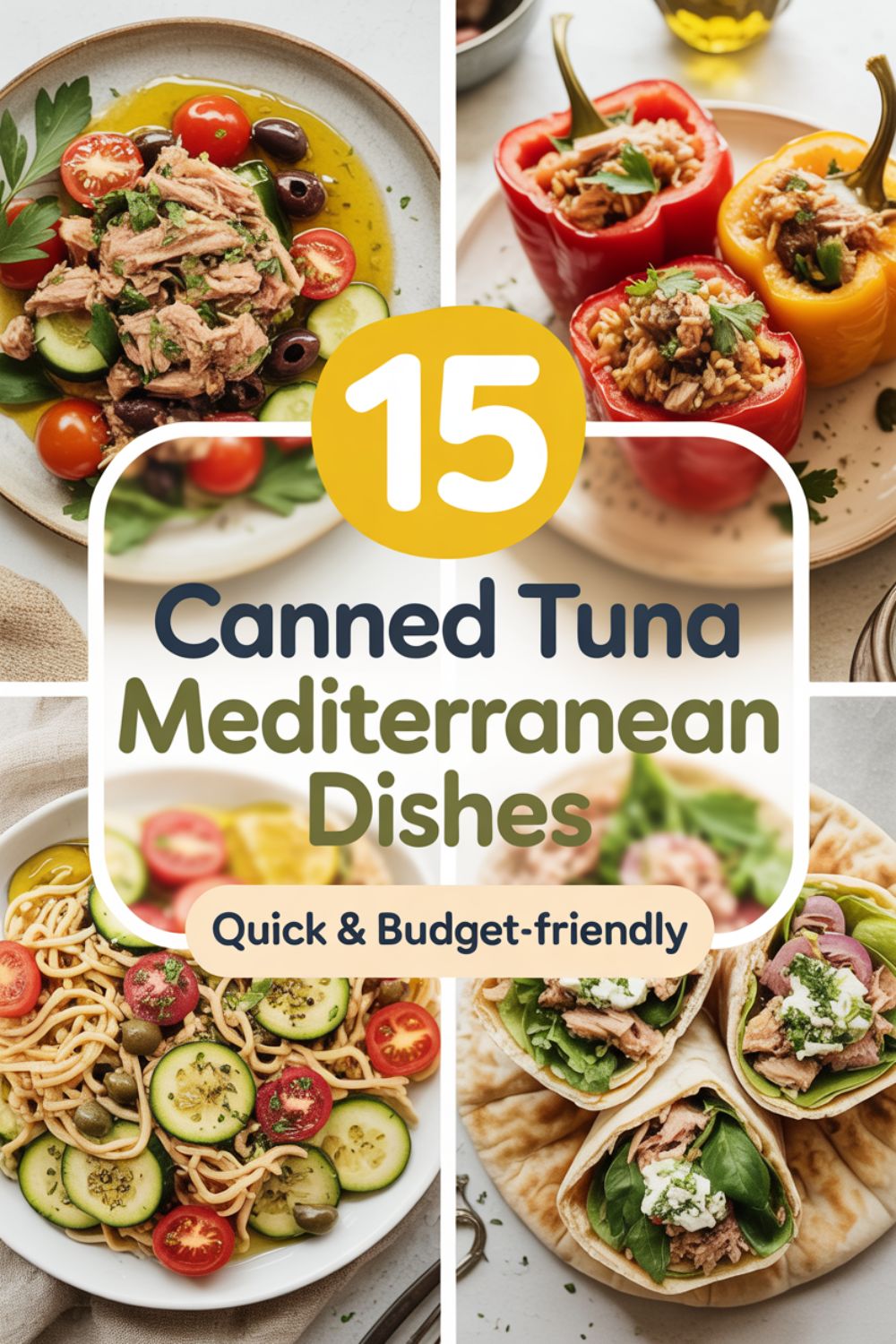
15 Mediterranean Dishes Using Canned Tuna (Quick & Budget-Friendly)
Look, I get it. You’re staring at that pantry shelf wondering what the heck to make for dinner, and all you’ve got is a can of tuna and some questionable pasta from 2023. Been there. But here’s the thing most people don’t realize: canned tuna is actually a Mediterranean staple, not just sad desk lunch material.
I’m talking about dishes from coastal Italy, Southern France, and the Greek islands where canned tuna has been transforming simple ingredients into legit meals for decades. These aren’t just “mix tuna with mayo” situations. We’re building real flavor here—think briny olives, sun-dried tomatoes, fresh herbs, and enough olive oil to make your Italian grandmother proud.
What makes these recipes work is that they lean into what canned tuna does well. It’s already cooked, it’s shelf-stable, and it’s packed with protein. Plus, quality canned tuna—especially the stuff packed in olive oil—brings its own depth to dishes. You’re not masking it; you’re celebrating it.
Why Mediterranean Cooking and Canned Tuna Are a Perfect Match
Mediterranean cuisine has always been about making the most of what you have. Fishermen along the Italian and Spanish coasts weren’t always bringing home fresh catch, so preserved fish became essential. Canned tuna fits right into this tradition—it’s economical, it’s versatile, and it pairs beautifully with the region’s signature ingredients.
What I love about these recipes is how they balance richness and brightness. You’ve got the protein-dense tuna, sure, but then you’re cutting through it with lemon juice, capers, and fresh vegetables. It’s the kind of eating that leaves you satisfied without that heavy, sluggish feeling.
According to research on the nutritional benefits of canned tuna, a single 3-ounce serving provides about 20 grams of protein along with omega-3 fatty acids, selenium, and vitamin D. When you combine that with the anti-inflammatory properties of Mediterranean staples like olive oil and vegetables, you’re building meals that actually support your health goals.
Pro Tip
Always buy tuna packed in olive oil, not water. The oil-packed versions have better flavor and texture, plus you can use that oil in your cooking. It’s basically pre-seasoned cooking fat. Don’t waste it.
1. Classic Tuna Puttanesca (The “What’s in My Pantry” Hero)
This is the dish I make when I swear I have nothing in the house. Puttanesca traditionally uses anchovies, but tuna makes it heartier and more approachable. You’re talking pasta, tomatoes, olives, capers, garlic, and red pepper flakes. Everything comes together in about 20 minutes.
The name literally translates to something I can’t write in a family-friendly blog, but the story goes that it was the kind of quick, flavorful dish a certain type of working woman could whip up between clients. Classy origins aside, it’s become a staple for a reason—bold, salty, and completely satisfying.
What makes this work is the layering of flavors. You bloom your garlic in olive oil, add the tomatoes, then hit it with olives and capers for that briny punch. The tuna goes in at the end so it doesn’t overcook. Finish with fresh parsley and you’ve got a dish that tastes like you tried way harder than you actually did. Get Full Recipe
2. Tuna Niçoise Salad (But Make It a Meal)
Niçoise salad is one of those French compositions that looks elegant but is fundamentally just a really good pile of stuff. Hard-boiled eggs, green beans, potatoes, olives, and tuna—all arranged on a bed of greens with a punchy vinaigrette.
I’ve been making this for summer dinners when it’s too hot to turn on the stove. You can prep everything ahead, which is key. Boil your potatoes and eggs in the morning, blanch your green beans, and by dinnertime you’re just assembling. I use a simple salad spinner to dry the greens properly because soggy lettuce is a crime against humanity.
The vinaigrette is where you can get creative. Classic is Dijon mustard, red wine vinegar, and olive oil, but sometimes I’ll throw in minced shallots or a touch of honey. The key is to dress everything separately before plating—the potatoes and beans especially. They soak up flavor like nobody’s business.
If you’re looking to meal prep this kind of thing regularly, I also recommend checking out this 7-day Mediterranean anti-inflammation meal plan that shows you how to build complete, balanced meals using similar principles.
3. Sicilian Tuna and Chickpea Salad
This is the recipe I make when I need to bring something to a potluck and want people to think I’m more sophisticated than I actually am. It’s incredibly simple—canned tuna, canned chickpeas, red onion, parsley, lemon juice, and olive oil. That’s it. But it tastes like you sourced ingredients from a farmers market at dawn.
The texture contrast is what makes this work. Creamy chickpeas, flaky tuna, crisp onion. I like to let it sit for at least 30 minutes before serving so the flavors marry. Some people add celery or cucumber for crunch, which is fine, but honestly the original version is perfect as-is.
I serve this over arugula or mixed greens, sometimes with toasted pita on the side. It’s the kind of lunch that makes you feel like you have your life together even when you absolutely do not. Get Full Recipe
Quick Assembly Tip
For salads like these, I use a large glass mixing bowl instead of serving directly on plates. Mix everything together first, taste, adjust seasoning, then plate. You get much better distribution of flavors this way, and it looks more intentional.
4. Greek-Style Tuna Stuffed Tomatoes
These are what I make when tomatoes are actually good—like, August-September when they’re sweet and juicy. You hollow out big beefsteak tomatoes, fill them with a mixture of tuna, rice, herbs, and feta, then bake until everything’s warm and the tomatoes have softened.
The rice soaks up all those tomato juices while it cooks, which is where the magic happens. I use leftover rice for this, which makes it even faster. Mix the rice with tuna, chopped fresh dill, mint, lemon zest, and crumbled feta. Season aggressively—the tomato water will dilute things.
These are excellent served at room temperature, which makes them perfect for summer entertaining. You can make them hours ahead and they actually improve as they sit. Serve with a simple green salad and you’ve got a complete meal that feels special without requiring you to stress in the kitchen.
Speaking of complete Mediterranean meals, the 14-day high-fiber Mediterranean plan includes similar vegetable-forward dishes that maximize nutrition without sacrificing flavor.
Quick Win
Save your tomato pulp after hollowing them out. Blend it up and use it as a base for tomato sauce later in the week. Nothing wasted, and you’ve basically made free sauce.
5. Tuna and White Bean Bruschetta
This is peak Mediterranean pantry cooking. Canned white beans, canned tuna, good bread, garlic, olive oil. You mash the beans slightly, mix with tuna and herbs, pile it on toasted bread rubbed with garlic, and drizzle with your best olive oil.
I make this as a quick dinner probably once a week. It takes maybe 15 minutes start to finish, and it’s genuinely satisfying. The beans give you that creamy texture and fiber, the tuna adds protein, and the bread makes it feel like a real meal instead of just a snack.
For the bread, I’m partial to a rustic sourdough or ciabatta. You want something with a good crust that can stand up to the toppings without getting soggy. I toast mine under the broiler—watch it carefully because it goes from golden to burned in about 30 seconds. Then immediately rub with a cut garlic clove while it’s still hot. This is not optional.
6. Tuna Pissaladière (French Onion and Tuna Tart)
Pissaladière is traditionally a Provençal onion tart topped with anchovies and olives, but swapping in tuna makes it heartier and honestly more approachable. You’re slow-cooking onions until they’re sweet and jammy, spreading them on puff pastry or pizza dough, then topping with tuna and olives before baking.
The onions are the real star here. I cook them low and slow for at least 30 minutes—sometimes longer if I’m multitasking. They should be deeply golden and almost melting. This is where I use my wide nonstick skillet because you want maximum surface area for even cooking.
Once assembled, this bakes until the crust is golden and crispy. I cut it into squares and serve it as an appetizer, or make larger pieces for a light dinner with salad. It’s one of those dishes that makes you look like you really know what you’re doing in the kitchen. Get Full Recipe
7. Lemon-Herb Tuna Orzo Salad
Orzo is that pasta that looks like rice, and it’s perfect for salads because it holds onto dressing better than larger pasta shapes. I cook it until just al dente, drain it, then immediately toss with lemon juice, olive oil, and whatever herbs I have—usually parsley, dill, and mint.
Then comes the tuna, cherry tomatoes, cucumbers, red onion, and crumbled feta. The whole thing gets tossed together and served at room temperature. It’s the kind of dish that’s equally good packed for lunch the next day, which makes it ideal for meal prep situations.
What makes this work is the lemon-to-oil ratio in the dressing. You want it pretty acidic—more lemon than you think. The orzo will absorb a lot of that brightness, so don’t be shy. I usually go with the juice of two lemons for every pound of orzo, plus about a half cup of olive oil.
For more orzo-based meal ideas and complete Mediterranean meal planning, take a look at this 7-day Mediterranean high-fiber meal prep plan that includes similar grain-forward dishes.
8. Tuna-Stuffed Bell Peppers with Feta
Stuffed peppers get a bad rap because they’re often associated with sad, flavorless ground beef mixtures from the ’70s. But when you go Mediterranean with them—tuna, rice, tomatoes, olives, feta—they’re actually really good.
I use a mix of red and yellow bell peppers for this because they’re sweeter than green. Cut them in half lengthwise, remove the seeds, and you’ve got little edible bowls. The filling is similar to the stuffed tomatoes—rice, tuna, herbs, feta—but I add sun-dried tomatoes for extra oomph.
These bake at 375°F for about 30-35 minutes. You want the peppers to be tender but still holding their shape. I finish them under the broiler for a minute or two to get some color on the feta. Serve with a squeeze of lemon and extra herbs on top.
Pro Tip
Line your baking dish with parchment paper before adding the peppers. Makes cleanup about 1000% easier, and you can just lift everything out when you’re done. Thank me later.
9. Tuna and Artichoke Pasta (30-Minute Wonder)
This is what happens when your pantry and freezer team up to save dinner. Pasta, canned tuna, jarred artichoke hearts, garlic, lemon, and red pepper flakes. I keep all these ingredients on hand specifically for nights when I can’t deal with grocery shopping.
The artichokes add this meaty, slightly tangy element that plays really well with tuna. I chop them roughly and sauté them with garlic in olive oil until they get a little crispy on the edges. Then in goes the tuna, pasta water for sauce, lemon zest, and fresh parsley.
The pasta water is crucial here—it emulsifies with the olive oil to create an actual sauce instead of just oil pooling at the bottom of your bowl. I use about a cup of pasta water for every pound of pasta, added gradually while tossing. You want it glossy and cohesive.
10. Tuna and Olive Tapenade Crostini
Tapenade is basically just fancy chopped olives, and when you mix it with tuna you get this incredibly savory, umami-packed spread that’s perfect on toasted bread. I make mine with a mix of kalamata and green olives, capers, garlic, lemon juice, and olive oil, all pulsed in a food processor until roughly chopped.
Then I fold in the tuna—don’t blend it, you want it to stay flaky. Spread this on toasted baguette slices and you’ve got an appetizer that people will actually remember. I’ve brought these to parties and had multiple people ask for the recipe, which always feels good.
The key is not over-processing the tapenade. You want texture, not paste. Just pulse until everything’s chopped and combined, maybe 10-12 pulses in a food processor. If you don’t have a food processor, you can chop everything by hand, which actually gives you more control over the texture anyway. Get Full Recipe
11. Sicilian Tuna and Eggplant Caponata
Caponata is that sweet-and-sour eggplant dish that’s simultaneously a relish, a side dish, and a topping all at once. Adding tuna makes it substantial enough to be a main course. You’re cooking eggplant, tomatoes, celery, olives, and capers with a little sugar and vinegar for that characteristic agrodolce flavor.
The eggplant gets diced and salted first to draw out moisture—this prevents it from turning into a soggy mess when you cook it. After 30 minutes, rinse off the salt and pat dry. Then you fry it in olive oil until golden. Yes, it soaks up oil like a sponge. That’s just what eggplant does. Accept it and move on.
Everything simmers together until the flavors meld, then you fold in the tuna at the end. This is excellent served at room temperature with crusty bread, or over polenta if you’re feeling fancy. It keeps for days in the fridge and actually improves as it sits.
If you’re dealing with inflammation issues, eggplant is actually a great choice. The 30-day anti-inflammation challenge includes similar vegetable-forward Mediterranean recipes that help reduce inflammatory markers while keeping meals interesting.
12. Greek Tuna and Spinach Phyllo Triangles
These are like spanakopita but with tuna added for extra protein. Working with phyllo dough intimidates some people, but honestly it’s not that hard once you get the hang of it. You just need to keep it covered with a damp towel so it doesn’t dry out and crack.
The filling is a mixture of wilted spinach, tuna, feta, ricotta, dill, and green onions. You spoon it onto strips of phyllo, fold them into triangles like you’re folding a flag, brush with melted butter or olive oil, and bake until golden and crispy.
I make a big batch of these and freeze them unbaked. Then I can pull out however many I want and bake them straight from frozen—just add a few extra minutes to the cooking time. They’re perfect for quick lunches or as part of a mezze spread.
13. Tuna and Sun-Dried Tomato Frittata
Frittatas are basically the Mediterranean answer to “what do I do with these random ingredients.” This one combines eggs, tuna, sun-dried tomatoes, fresh basil, and feta into something that works for breakfast, lunch, or dinner. IMO, it’s one of the most versatile dishes you can master.
You start on the stovetop in an oven-safe skillet—I use my 10-inch cast iron pan for this. Sauté some onions, add your tuna and sun-dried tomatoes, pour in the beaten eggs, then transfer the whole thing to the oven to finish cooking.
The result is fluffy in the middle with slightly crispy edges. I like to serve this at room temperature, which makes it perfect for picnics or packed lunches. Cut it into wedges, wrap individually, and you’ve got protein-packed meals for days. Get Full Recipe
Quick Win
Make frittata on Sunday evening and you’ve got breakfast sorted for the week. Reheats beautifully in the microwave or toaster oven, and it’s way better than whatever sad granola bar you were planning to eat at your desk.
14. Tuna Panzanella (Tuscan Bread Salad)
Panzanella is genius because it was invented specifically to use up stale bread. You tear the bread into chunks, toss it with tomatoes, cucumbers, onions, and basil, dress it with olive oil and red wine vinegar, and let it sit so the bread soaks up all those juices. Adding tuna turns it into a complete meal.
The bread is key here—you want something rustic with a good crust. Sourdough or ciabatta work great. If your bread is fresh, you can toast it lightly to dry it out. The pieces should be big and irregular, not uniform little cubes.
This needs to sit for at least 20 minutes before serving. The bread should be softened but not mushy—that’s the sweet spot. I make this in the summer when tomatoes are at their peak. Any other time of year, it’s just not worth it because you need really good tomatoes for this to work.
Looking for more tomato-forward Mediterranean dishes? The 7-day gut-healing Mediterranean menu features similar produce-heavy meals that support digestive health.
15. Tuna and Zucchini Fritters with Tzatziki
These fritters are what I make when I have too many zucchini and need to use them up before they turn into baseball bats. Grated zucchini, tuna, feta, herbs, eggs, and just enough flour to hold everything together. Pan-fried until golden and crispy, served with cool, garlicky tzatziki.
The trick with zucchini is getting the moisture out. Grate it, salt it heavily, let it sit for 10 minutes, then squeeze out as much liquid as humanly possible. You want to be aggressive about this. Soggy fritters are a tragedy.
I fry these in a nonstick griddle with a good amount of olive oil—enough that they sizzle when they hit the pan. They need about 3-4 minutes per side to get that golden crust. Drain on paper towels and serve immediately while they’re still crispy. The tzatziki provides cooling contrast and adds even more protein from the Greek yogurt.
Kitchen Tools That Make These Recipes Easier
Look, you don’t need fancy equipment to cook Mediterranean food. But there are a few things that genuinely make life easier. Here’s what I actually use on a regular basis:
Physical Products:
- 10-Inch Cast Iron Skillet – Perfect heat retention for frittatas and searing
- Large Glass Mixing Bowls – Essential for salads and mixing
- Quality Can Opener – Because struggling with cans is the worst
Digital Resources:
- Mediterranean Meal Prep Guide – Complete system for planning ahead
- Anti-Inflammatory Recipe Collection – 100+ tested recipes
- Pantry Staples Checklist – Never run out of essentials
The Science Behind Why These Dishes Work
There’s actual research backing up why Mediterranean eating patterns are so effective for health. According to Mayo Clinic’s comprehensive analysis of the Mediterranean diet, this style of eating is associated with reduced risk of heart disease, certain cancers, and cognitive decline.
What makes canned tuna particularly valuable in this context is its omega-3 fatty acid content. These are the same beneficial fats found in fresh fish, and they’re preserved during the canning process. When you combine that with the monounsaturated fats from olive oil and the fiber from vegetables and whole grains, you’re building meals that support cardiovascular health.
The other thing that’s interesting is how these dishes naturally balance macronutrients. You’re getting protein from the tuna, healthy fats from olive oil and sometimes cheese, and complex carbs from whole grains or legumes. This combination helps stabilize blood sugar and keeps you satisfied longer than typical processed meals.
For women specifically dealing with hormonal balance, the 14-day anti-inflammation hormone-balancing plan shows how Mediterranean principles can support endocrine health through strategic meal planning.
Budget-Friendly Shopping Tips
One of the best things about cooking with canned tuna is how economical it is. Even premium olive oil-packed tuna costs less per serving than fresh fish, and it stores indefinitely in your pantry. I stock up when it goes on sale and always have at least 6-8 cans on hand.
For other pantry staples, I buy in bulk when possible. Dried pasta, canned tomatoes, olives, capers—these all have long shelf lives and go on sale regularly. I use a pantry organization system to keep track of what I have so I’m not buying duplicates or letting things expire.
Fresh produce is where I’m more strategic. I buy whatever’s in season and on sale, then build my meals around that. If tomatoes are expensive, I use canned. If fresh herbs are pricey, I use dried (using about one-third the amount since dried herbs are more concentrated). The recipes are flexible enough to accommodate what’s actually affordable at the moment.
The 14-day high-fiber budget meal plan has more specific strategies for eating well on a tight budget without sacrificing nutrition or flavor.
Making It Work for Different Dietary Needs
Most of these recipes are naturally adaptable. For low-carb or keto folks, skip the pasta, bread, and rice and focus on the salads and vegetable-based dishes. The tuna Niçoise salad is already basically perfect for low-carb eating—just load up on the eggs and tuna and go easy on the potatoes.
If you’re doing dairy-free, omit the feta and ricotta or use cashew-based alternatives. The dishes still work without cheese—they just have a slightly different flavor profile. FYI, I’ve made the frittata with nutritional yeast instead of feta and it was surprisingly good.
For vegetarians who eat fish (pescatarians), these recipes are obviously already in your wheelhouse. For strict vegetarians, you could swap the tuna for white beans or chickpeas in most of these dishes. The textures won’t be identical, but the Mediterranean flavor profiles still work.
Families with kids might want to check out the 14-day Mediterranean family meal plan which shows how to adapt these principles for pickier eaters while keeping everyone at the same table.
Frequently Asked Questions
Is canned tuna actually healthy, or is it just convenient?
Canned tuna is genuinely nutritious—it provides high-quality protein, omega-3 fatty acids, and essential minerals like selenium. The main concern is mercury content, which is why health experts recommend limiting consumption to 2-3 servings per week. Opt for skipjack or “light” tuna over albacore, as it typically contains less mercury.
Should I buy tuna packed in oil or water?
For Mediterranean recipes, oil-packed tuna is superior. It has better flavor and texture, plus the oil can be used in your cooking. If you’re watching calories, water-packed works fine, but you’ll need to add more olive oil to compensate for the flavor difference.
How long do these dishes keep in the fridge?
Most of these recipes keep well for 3-4 days refrigerated in airtight containers. Salads with dressing are best consumed within 2 days, while cooked dishes like frittatas and stuffed vegetables can last up to 4 days. The caponata actually improves with time and keeps for up to a week.
Can I use fresh tuna instead of canned for these recipes?
You can, but you’ll need to cook it first and the texture will be different. Fresh tuna is more delicate and can dry out easily, while canned tuna has a firmer, flakier texture that holds up better in mixed dishes. If using fresh, sear it quickly and undercook slightly since it’ll continue cooking in hot dishes.
What’s the best way to drain canned tuna without making a mess?
Open the can partially, hold the lid in place with your finger, and pour the liquid into your sink or a small bowl. For oil-packed tuna, save that oil for cooking. A can strainer tool makes this even easier if you cook with canned goods regularly.
Final Thoughts on Mediterranean Tuna Cooking
Here’s what I want you to take away from all this: canned tuna isn’t a compromise ingredient. In Mediterranean cooking, it’s a legitimate choice that’s been used for generations to create flavorful, satisfying meals without breaking the bank or spending hours in the kitchen.
These recipes work because they respect the ingredients. You’re not trying to mask the tuna or turn it into something it’s not. You’re pairing it with complementary flavors—bright lemon, briny olives, fresh herbs, good olive oil—that make everything taste better together than it would separately.
Start with whichever recipe sounds most appealing and don’t overthink it. Mediterranean cooking is fundamentally about simplicity and quality ingredients, not complicated techniques. If you’ve got decent olive oil, a lemon, and some herbs, you’re already 80% of the way there.
And look, even if your first attempt isn’t perfect, it’s probably still going to be better than whatever you were planning to order from that mediocre restaurant down the street. You’ve got this.