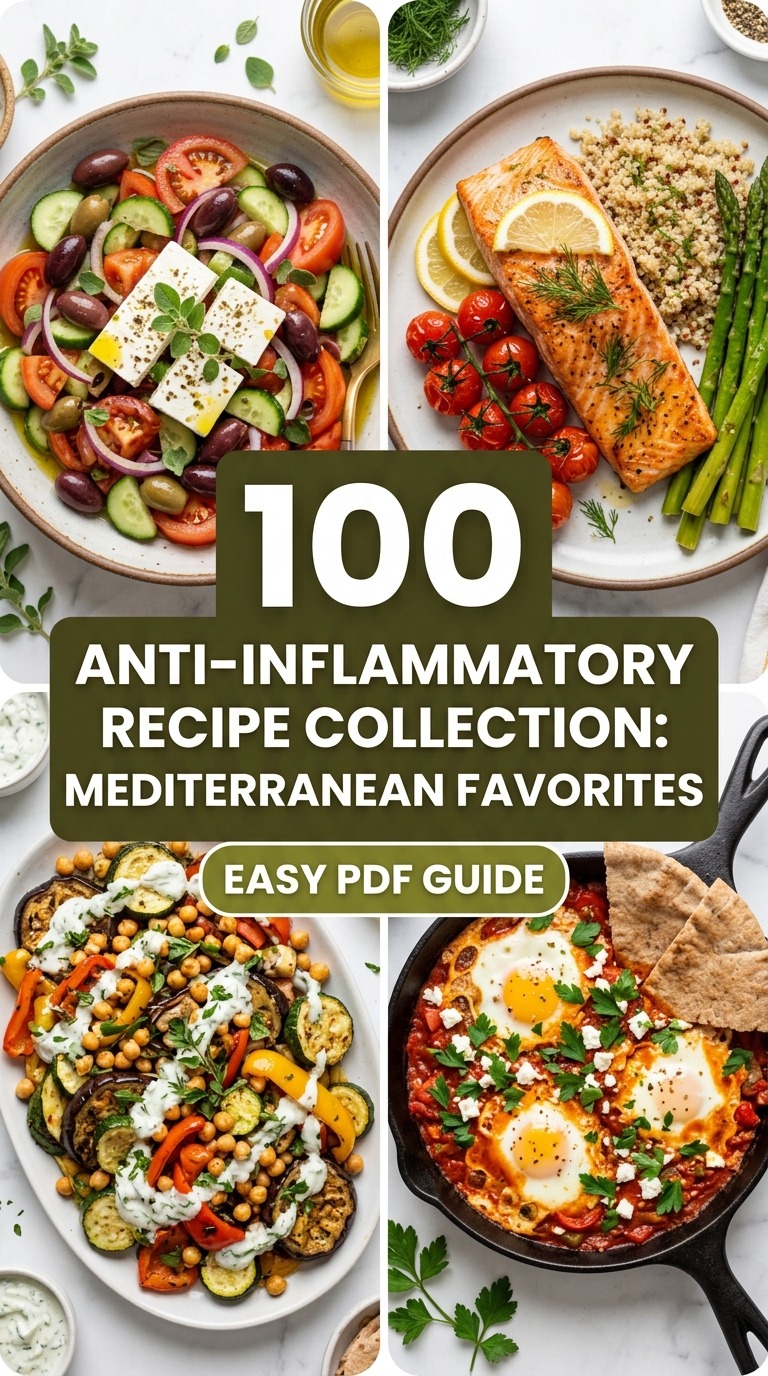

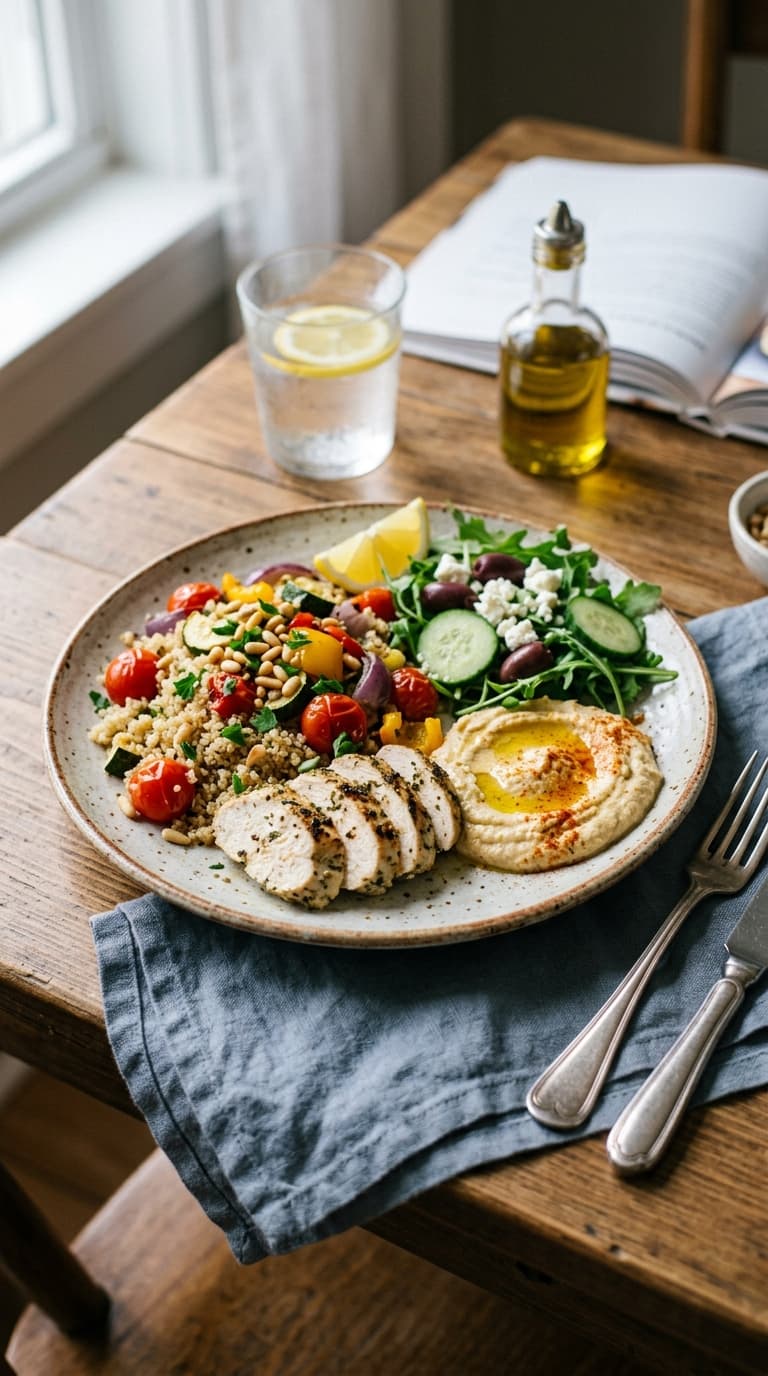
7-Day Mediterranean Meal Plan For Post-Workout Recovery
7-Day Mediterranean Meal Plan For Post-Workout Recovery
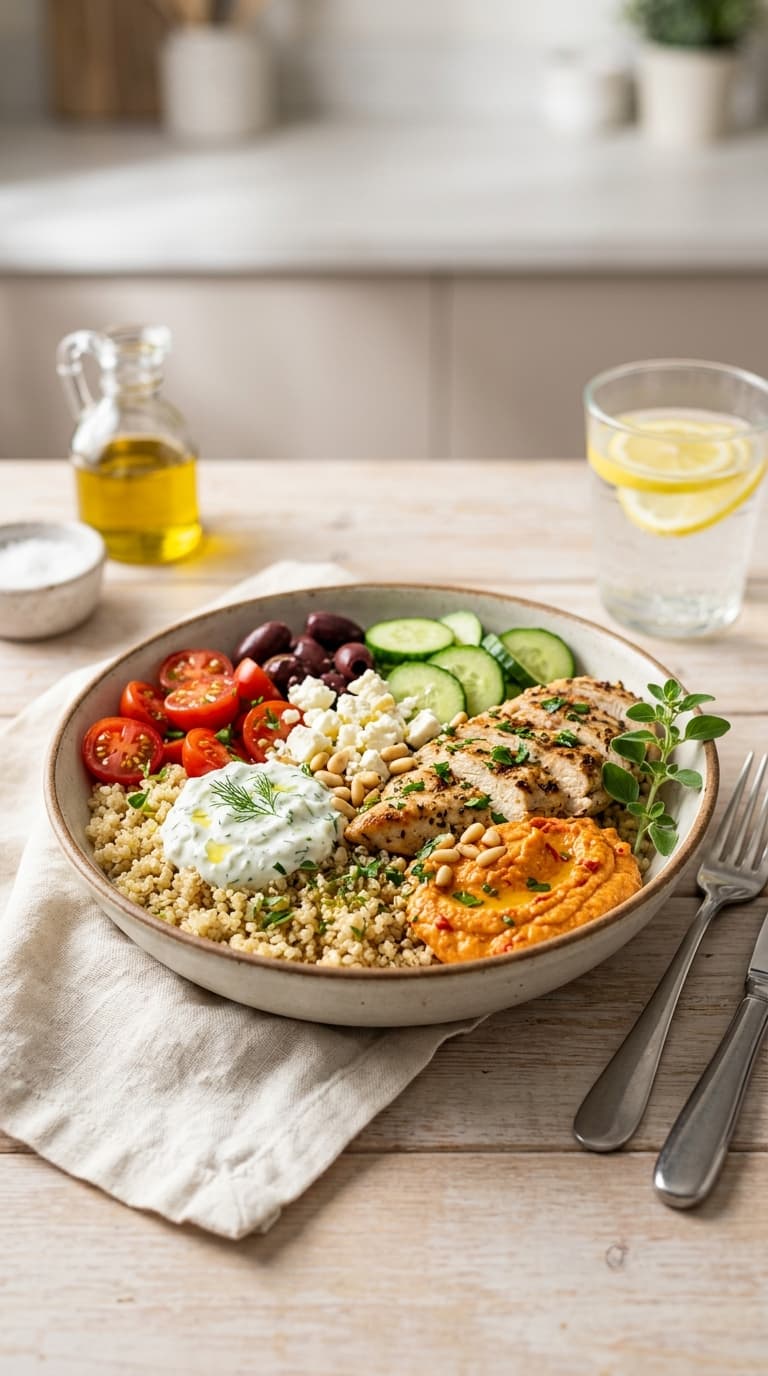
You just crushed a workout. Your muscles are screaming, your energy tank is empty, and the last thing you want to do is figure out what to eat. Sound familiar? That’s exactly where a solid post-workout meal plan saves you — and the Mediterranean diet might just be the smartest recovery tool you’re not using yet.
I’ve been following Mediterranean-style eating for a while now, and honestly? The difference it makes in how fast I bounce back after training is kind of ridiculous. Less soreness, better energy, and I actually enjoy the food. No sad protein shakes masquerading as meals. 🙂
This 7-day plan is built specifically around post-workout recovery — think anti-inflammatory ingredients, high-quality protein, complex carbs, and healthy fats that your body actually knows what to do with.
Why the Mediterranean Diet Works So Well for Recovery
Let’s get one thing straight before we jump into the plan. This isn’t just about eating hummus and calling it a day.
The Mediterranean diet is loaded with anti-inflammatory foods — olive oil, fatty fish, leafy greens, legumes, nuts, and whole grains. After a tough workout, your muscles go through micro-tears and inflammation spikes. What you eat in that recovery window either fans the flames or puts them out.
- Omega-3 fatty acids from fish like salmon and sardines reduce muscle soreness
- Polyphenols in olive oil and colorful vegetables fight oxidative stress
- Complex carbohydrates from whole grains replenish glycogen stores fast
- Lean protein from legumes, fish, and chicken rebuilds muscle tissue
If you’re curious about how this diet connects to your fitness goals more broadly, this breakdown of the Mediterranean diet for fitness lovers is worth a read. It ties nutrition timing to performance in a way that actually makes sense.
What to Eat Right After a Workout
Before we get into the full 7-day plan, here’s a quick FYI: the 30–60 minute window after training matters most. Your muscles are primed to absorb nutrients, so don’t ghost them.
You want a combo of protein and carbs in that window. The Mediterranean diet makes this easy because it’s naturally built around whole-food combinations that hit both macros without requiring a nutrition degree.
Good post-workout combos include:
- Greek yogurt with fruit and walnuts
- Whole grain pita with hummus and grilled chicken
- Lentil soup with a slice of sourdough
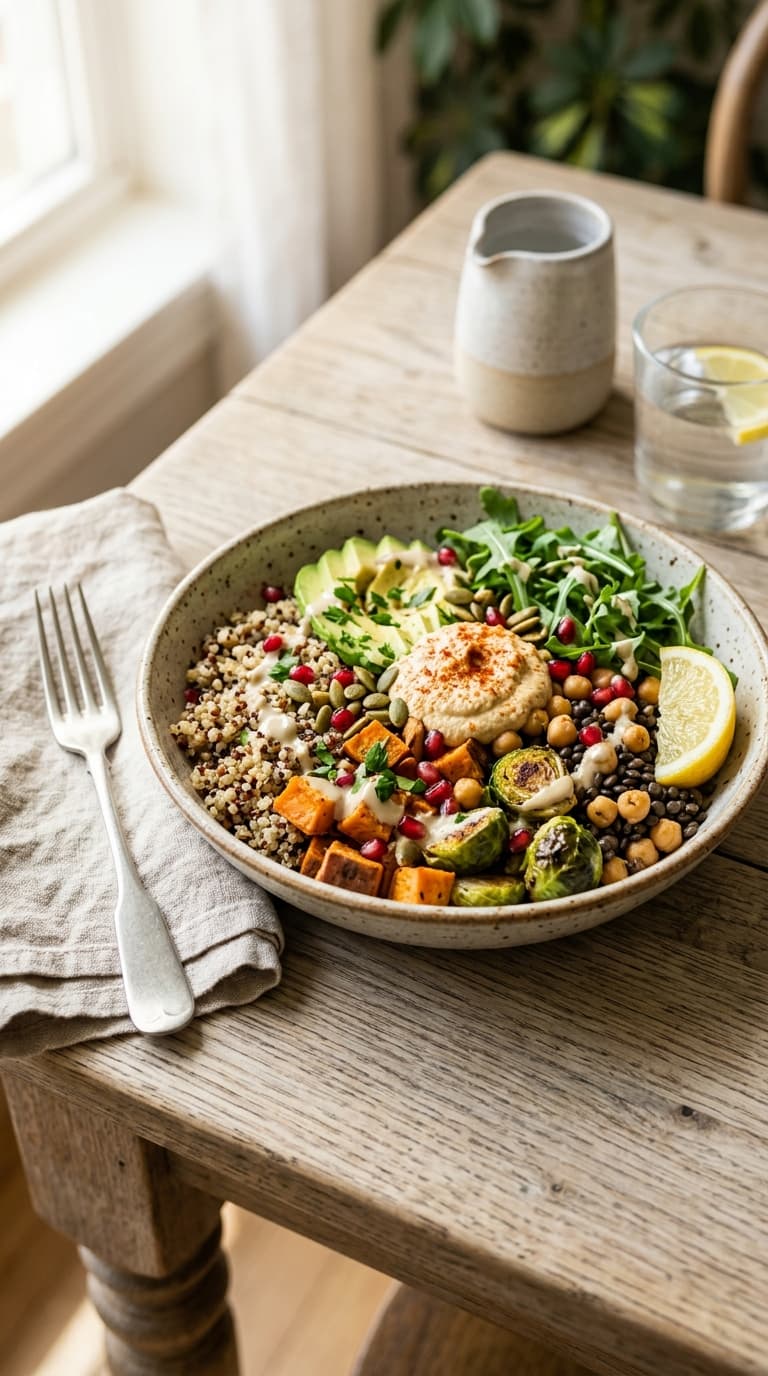
- Quinoa bowl with roasted veggies and tahini
The 7-Day Mediterranean Post-Workout Meal Plan
Here’s where it gets good. This plan is structured so that each day covers breakfast, lunch, dinner, and one recovery snack. Every meal is designed to maximize muscle repair, reduce inflammation, and keep your energy steady.
Day 1 — Kickstart With Protein and Color
Breakfast: Greek yogurt bowl with mixed berries, a drizzle of honey, and a handful of walnuts. Quick, protein-rich, and genuinely delicious.
Post-Workout Snack: Whole grain pita with hummus and sliced cucumber.
Lunch: Grilled salmon over a bed of arugula, cherry tomatoes, olives, and a lemon-olive oil dressing. If you’re looking for more anti-inflammatory lunch ideas that travel well, that list is a goldmine for busy schedules.
Dinner: Lemon herb chicken with roasted sweet potatoes and steamed broccoli.
Day 2 — Legume Power Day
Breakfast: Avocado toast on sourdough with a soft-boiled egg and chili flakes.
Post-Workout Snack: A small bowl of lentil soup — yes, soup as a snack. Weird? Maybe. Effective? Absolutely.
Lunch: Chickpea and spinach stew with crusty whole grain bread. Chickpeas are underrated recovery food — high in plant protein, fiber, and iron. Check out these Mediterranean chickpea recipes if you want to rotate through more options.
Dinner: Baked cod with a tomato-caper sauce, served alongside farro and roasted zucchini.
Day 3 — Omega-3 Focus
Breakfast: Overnight oats with chia seeds, sliced banana, and a spoonful of almond butter.
Post-Workout Snack: Sardines on whole grain crackers with lemon juice. (I know, I know — but sardines are an omega-3 powerhouse and they work.)
Lunch: Mediterranean tuna salad with white beans, capers, fresh parsley, and olive oil. Canned tuna recipes don’t get the respect they deserve — budget-friendly and packed with protein.
Dinner: Grilled salmon with quinoa tabbouleh and a simple fattoush salad.
Day 4 — Gut Health and Recovery
Your gut plays a bigger role in recovery than most people realize. A healthy gut absorbs nutrients better, which means your muscles get more of what they need.
Breakfast: Greek yogurt parfait with granola, sliced kiwi, and flaxseeds.
Post-Workout Snack: Handful of mixed nuts and a piece of fruit.
Lunch: Warm lentil and roasted vegetable bowl with tahini dressing. If gut health is something you’re actively working on, pairing this plan with a 7-day gut healing Mediterranean menu could seriously accelerate your results.
Dinner: Chicken and white bean soup with a big leafy green salad dressed in lemon and olive oil.
Day 5 — Carb Reload Day
After several days of training, your glycogen stores need a proper reload. Don’t skip the carbs — this is not the day for low-carb experiments. :/
Breakfast: Whole grain pancakes with fresh berries and a dollop of Greek yogurt instead of syrup.
Post-Workout Snack: Whole grain pita with tzatziki and sliced vegetables.
Lunch: Pasta with roasted cherry tomatoes, garlic, olive oil, and a generous handful of fresh basil. Mediterranean pasta recipes can absolutely fit into a recovery plan when you’re using whole grain pasta and real ingredients.
Dinner: Stuffed bell peppers with ground turkey, brown rice, diced tomatoes, and feta cheese.
Day 6 — Plant-Based Recovery
Breakfast: Smoothie bowl with spinach, frozen mango, banana, almond milk, topped with granola and hemp seeds.
Post-Workout Snack: Edamame with a sprinkle of sea salt.
Lunch: Roasted vegetable and farro grain bowl with a lemon-tahini drizzle. Mediterranean grain bowls are honestly one of the most efficient meals you can build for recovery — they hit protein, carbs, and healthy fats in one bowl.
Dinner: Shakshuka (poached eggs in spiced tomato sauce) with whole grain bread for dipping.
Day 7 — Wind Down and Restore
The last day of the week is about giving your body a chance to fully restore before the next training cycle starts.
Breakfast: Veggie-loaded omelet with feta, spinach, and sun-dried tomatoes.
Post-Workout Snack: A smoothie with Greek yogurt, mixed berries, chia seeds, and a splash of pomegranate juice. Anti-inflammatory smoothies are perfect for this kind of wind-down day when you want nutrition without a heavy meal.
Lunch: Big Mediterranean salad with grilled chicken, cucumber, olives, red onion, roasted red peppers, and a generous pour of good olive oil.
Dinner: Slow-roasted lamb or chicken thighs with roasted root vegetables and a side of tzatziki. Easy, comforting, and loaded with recovery nutrients.
Key Nutrients This Plan Prioritizes
IMO, the best recovery plans don’t obsess over one nutrient — they build a complete picture. Here’s what this 7-day plan consistently delivers:
- Protein: From fish, chicken, eggs, legumes, and Greek yogurt — averaging 25–40g per main meal
- Healthy fats: Olive oil, nuts, avocado, and fatty fish support hormone production and reduce inflammation
- Complex carbs: Whole grains, legumes, and starchy vegetables keep energy stable between sessions
- Antioxidants: Colorful produce fights the oxidative stress that builds up during intense training
- Magnesium and potassium: Found in leafy greens, nuts, and bananas — essential for muscle function and reducing cramps
Meal Prep Tips to Make This Plan Actually Happen
Let’s be real — even the best meal plan falls apart if you don’t set yourself up to execute it. Here’s how to make this week smooth:
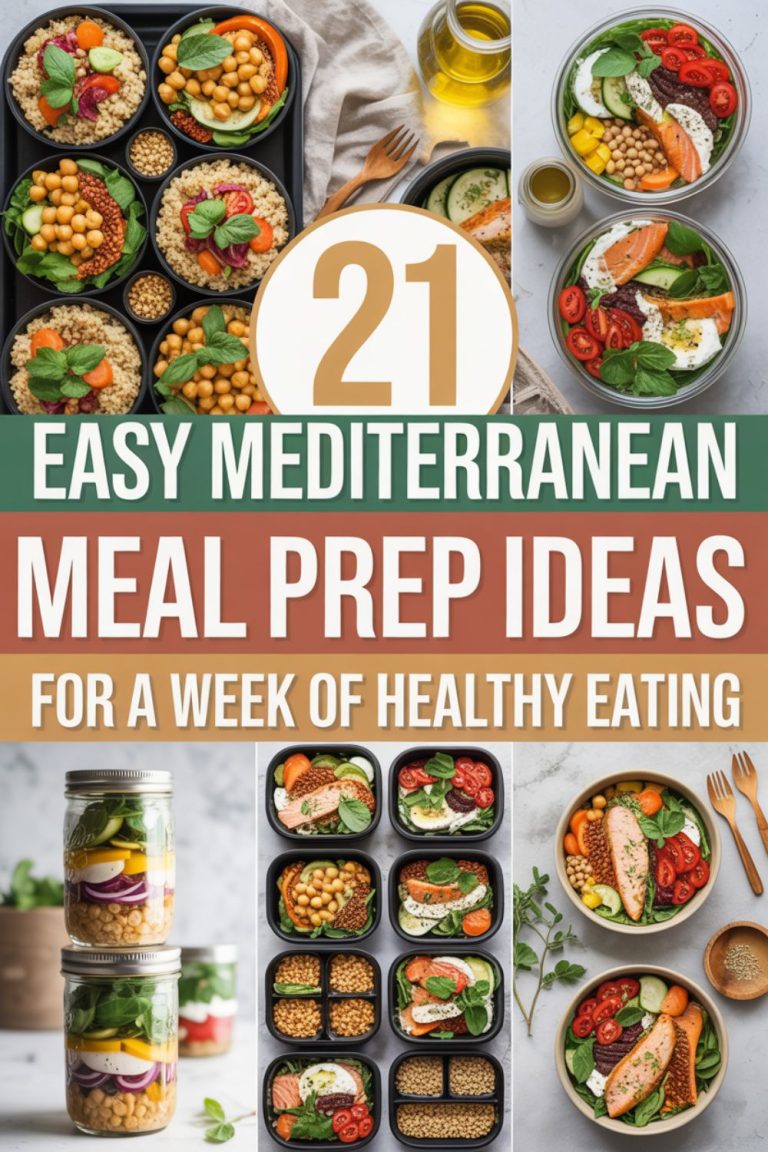
Batch cook your grains. Cook a big pot of quinoa, farro, or brown rice at the start of the week. It saves at least 30 minutes of daily cooking.
Pre-portion your snacks. Nuts, crackers, and cut vegetables should be grab-and-go. If you have to think too hard mid-hunger, you’ll just eat whatever’s closest.
Make sauces in advance. Tahini dressing, tzatziki, and lemon-olive oil vinaigrette keep for several days in the fridge and make everything taste better instantly.
Grill proteins in batches. Grill or bake chicken, salmon, or white fish at the start of the week. Reheat as needed throughout the days.
If you need more structure around weekly prep, these Mediterranean make-ahead recipes are practically designed for athletes who want to eat well without cooking every night.
Foods to Avoid During Recovery Week
Worth mentioning — recovery isn’t just about what you add. What you cut matters too.
- Processed sugar: Spikes inflammation and slows muscle repair
- Alcohol: Disrupts protein synthesis and sleep quality — both critical for recovery
- Fried food: High in trans fats that drive up inflammatory markers
- Refined carbs: White bread and pastries spike blood sugar without providing lasting fuel
Scaling This Plan to Your Training Intensity
Not everyone trains the same way, and this plan can flex to match your output.
Heavy training days: Increase your carbohydrate intake at lunch and dinner. Add an extra serving of whole grains or a larger portion of legumes.
Rest or light training days: Pull back slightly on carbs and emphasize protein and healthy fats. A salad-heavy dinner with grilled fish works perfectly here.
Two-a-day training: You’ll need a second post-workout snack. A Greek yogurt smoothie or a handful of high-protein nuts bridges the gap well.
If you want a longer framework, the 14-day Mediterranean high-protein anti-inflammatory plan extends this logic across two weeks with even more meal variety.
Final Thoughts
Here’s the honest truth — you can train as hard as you want, but if your recovery nutrition is poor, you’re leaving serious gains on the table. The Mediterranean diet gives you a framework that’s both flexible and effective. It’s not a rigid “eat this exact thing at exactly this time” situation. It’s a lifestyle built around real food that actually supports what your body needs after hard work.
This 7-day plan is your starting point. Run through it once, see how your body responds, note what meals you loved (probably the salmon, if you’re anything like me), and build from there. Stack it back-to-back a few times and you’ve basically got a solid month of recovery eating dialed in.
And hey — if you want to go deeper into the anti-inflammatory side of things, the 7-day Mediterranean anti-inflammation meal plan pairs perfectly with this one as a reference guide.
Now close this tab, go prep your quinoa, and give your muscles the recovery they actually earned. You’ve got this.