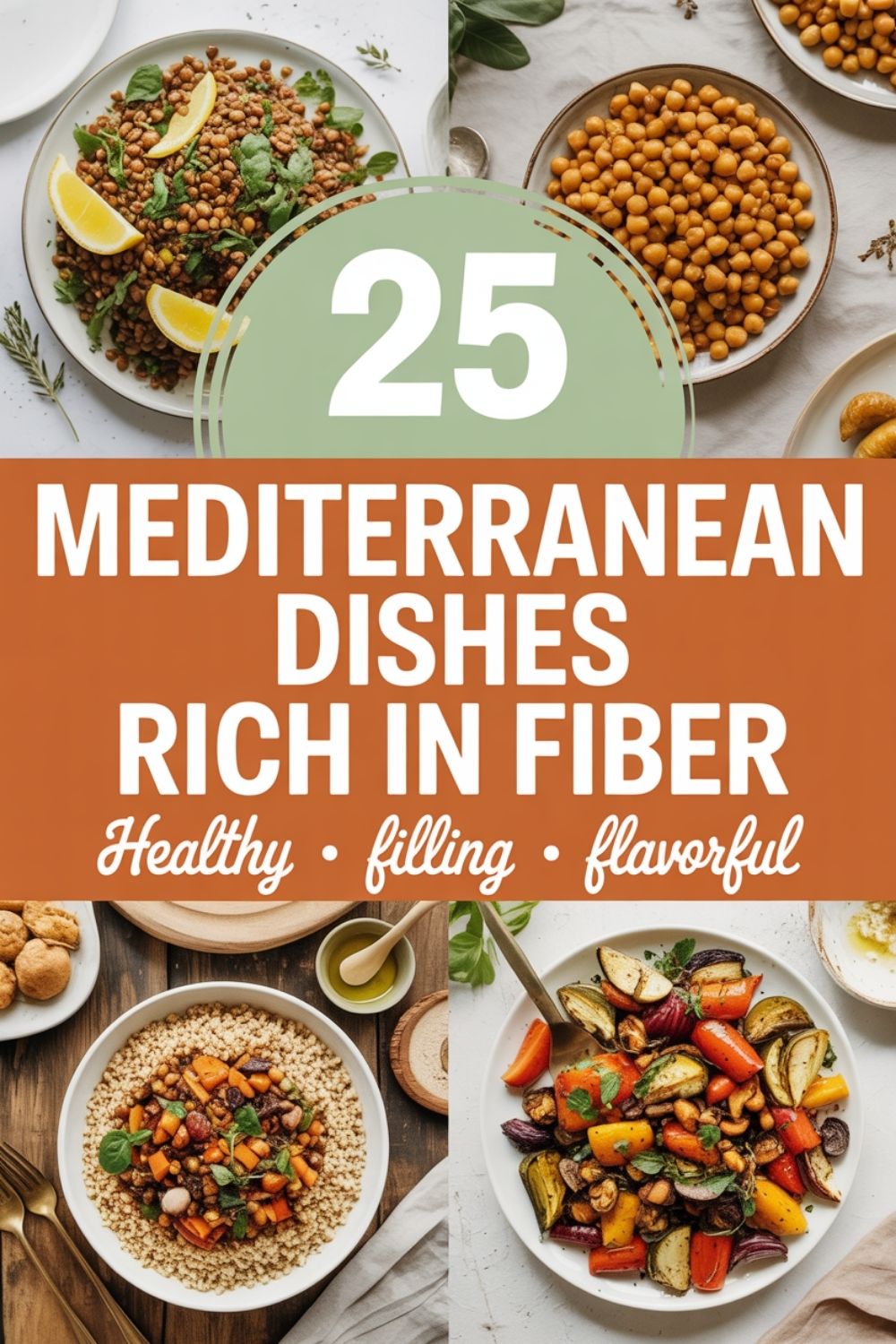
25 Mediterranean Dishes Rich in Fiber
Look, I get it. You’re trying to eat healthier, maybe shed a few pounds, and everyone’s telling you to “eat more fiber.” But here’s the thing—most fiber-rich foods taste like cardboard, right? Wrong. Enter Mediterranean cuisine, where fiber-packed dishes actually taste like something you’d order at a fancy restaurant.
The Mediterranean diet isn’t some trendy wellness fad that’ll disappear next year. Research shows that Mediterranean eating patterns loaded with fiber-rich plant foods have been linked to reduced risks of chronic diseases and increased longevity. We’re talking about real food that’s been keeping people healthy for centuries, not some Instagram influencer’s latest detox plan.
I’ve spent years cooking Mediterranean food, and honestly, the fiber content was just a bonus I discovered later. I fell in love with these dishes because they’re flavorful, satisfying, and don’t leave you feeling like you just ate a salad for dinner (though we’ll cover some killer salads too). The fact that they’re also keeping my gut health in check? That’s just the cherry on top.
Why Mediterranean Food and Fiber Are a Match Made in Heaven
Before we jump into the dishes, let’s talk about why Mediterranean cuisine is basically a fiber powerhouse. Unlike typical Western diets that rely heavily on processed foods, Mediterranean eating emphasizes whole, plant-based foods that naturally come packed with fiber.
Think about it—the foundation of Mediterranean cooking is vegetables, legumes, whole grains, nuts, and fruits. These aren’t just side dishes or afterthoughts. They’re the main event. And when you’re eating this way, you’re not just checking a box on some nutritional checklist. You’re actually enjoying your meals.
The cool part? Fiber feeds the beneficial bacteria in your gut, producing short-chain fatty acids that support everything from your immune system to your mood. It’s like having a tiny farm inside you that thrives when you feed it the right stuff.
💡 Pro Tip
Start your Mediterranean fiber journey with just one dish a week. Your gut bacteria need time to adjust, and trust me, you don’t want to go from zero to hero overnight unless you enjoy spending quality time in the bathroom.
Mediterranean High-Fiber Recipe Collection
Tired of googling recipes every single day? This comprehensive Mediterranean fiber recipe ebook includes 100+ dishes with complete nutritional breakdowns, fiber counts per serving, and meal prep guides. Every recipe is tested, photographed, and includes substitution options for common allergies.
- 100+ fiber-rich Mediterranean recipes organized by meal type
- Detailed fiber counts and full nutritional info for every dish
- Weekly meal plans and shopping lists included
- Bonus: 30 quick recipes under 30 minutes
Perfect for anyone following Mediterranean eating patterns who wants to increase fiber intake without the guesswork.
Breakfast Dishes That Actually Fill You Up
1. Greek Yogurt Parfait with Nuts and Berries
I know what you’re thinking—yogurt parfait sounds basic. But hear me out. When you layer thick Greek yogurt with fresh berries, a drizzle of honey, and a generous handful of walnuts or almonds, you’re looking at around 8-10 grams of fiber per serving.
The berries bring soluble fiber that slows down sugar absorption, while the nuts add both fiber and healthy fats. Plus, you can prep these in mason jars the night before, which is perfect for those mornings when you’re running late (so, every morning).
2. Whole Grain Pita with Za’atar and Olive Oil
This is my go-to when I want something savory in the morning. Whole grain pita naturally packs more fiber than its white flour cousin, and when you top it with za’atar (a Middle Eastern spice blend) and a drizzle of extra virgin olive oil, you’ve got breakfast sorted.
Each whole wheat pita gives you roughly 5-6 grams of fiber, and it’s filling enough to keep you satisfied until lunch. Sometimes I’ll add some labneh (strained yogurt) for extra protein. Get Full Recipe.
3. Shakshuka with Chickpeas
Traditional shakshuka is already amazing—eggs poached in a spicy tomato sauce. But when you throw in chickpeas, you’re adding serious fiber and turning it into a complete meal. This dish delivers around 12 grams of fiber when you include a generous helping of chickpeas.
I like making a big batch in my cast iron skillet and eating it throughout the week. Just reheat and crack fresh eggs on top each morning.
Lodge Cast Iron Skillet – 12 Inch
If you’re serious about Mediterranean cooking, you need a good cast iron skillet. I’ve been using this Lodge 12-inch skillet for years, and it’s perfect for shakshuka, roasting vegetables, and getting that perfect char on eggplant.
Why I recommend it: It goes from stovetop to oven seamlessly, develops better seasoning over time, and honestly makes everything taste better. Worth every penny.
4. Oatmeal with Dried Figs and Walnuts
Oats are fiber champs, but dried figs? They’re the secret weapon. Four dried figs pack about 7-8 grams of fiber, and when combined with steel-cut oats and chopped walnuts, you’re easily hitting 15+ grams in one bowl.
The key is using steel-cut oats instead of instant. Yeah, they take longer to cook, but they’re way more satisfying and have a better texture. I use a programmable rice cooker to make them overnight so they’re ready when I wake up.
Looking for more morning inspiration? You might love these high-fiber Mediterranean breakfast ideas that’ll keep you full all morning.
5. Whole Wheat Toast with Avocado and Tahini
Avocado toast isn’t just for millennials, FYI. When you use whole wheat bread, add a ripe avocado, and drizzle tahini on top, you’re getting around 10 grams of fiber plus healthy fats that keep you satisfied.
The tahini adds a nutty flavor that pairs perfectly with avocado. Sometimes I’ll sprinkle some everything bagel seasoning on top because why not?
Lunch Options That Won’t Leave You Hungry
6. Classic Greek Salad with Extra Chickpeas
Greek salad is great on its own, but adding chickpeas transforms it from a side dish into a proper meal. A hearty portion gives you about 11-13 grams of fiber from the chickpeas, cucumbers, tomatoes, and peppers.
The trick is to let the chickpeas marinate in the olive oil and lemon dressing for at least 30 minutes. They’ll soak up all those flavors and taste incredible. Sometimes I toss in some cooked quinoa too for even more fiber and protein.
7. Lentil Soup with Spinach
Lentil soup is comfort food that also happens to be ridiculously healthy. One bowl packs approximately 16 grams of fiber, and it’s even better the next day when all the flavors meld together.
I make a huge pot in my Dutch oven every Sunday. Brown lentils, diced tomatoes, carrots, celery, garlic, and a ton of spinach stirred in at the end. It freezes beautifully, so you can have healthy lunch ready whenever. Get Full Recipe.
Le Creuset Enameled Cast Iron Dutch Oven – 5.5 Qt
A good Dutch oven is non-negotiable for Mediterranean cooking. This Le Creuset is an investment, but I use it at least 4 times a week for soups, stews, tagines, and braising. The even heat retention is unmatched.
Why I recommend it: Perfect for those long-simmered Mediterranean dishes where flavors need to meld. The 5.5 quart size is ideal for batch cooking lentil soups and vegetable stews that you’ll eat all week.
8. Falafel Wrap with Whole Wheat Tortilla
Real talk—homemade falafel beats store-bought every single time. These little chickpea fritters deliver about 12 grams of fiber per serving, especially when you wrap them in a whole wheat tortilla with plenty of veggies and tahini sauce.
The secret to non-crumbly falafel? Use dried chickpeas that you soak overnight, not canned. I know it requires planning, but it’s worth it. You can use a food processor to blend everything, then shape them by hand.
💡 Quick Win
Double your falafel batch and freeze half. They reheat perfectly in the oven and taste almost as good as fresh—way better than any frozen ones from the store.
Mediterranean Meal Planner & Fiber Tracker App
Honestly, tracking fiber manually is annoying. This Mediterranean-specific meal planner app automatically calculates your daily fiber intake and suggests recipes based on what you’ve already eaten. It’s like having a nutritionist in your pocket who actually understands Mediterranean cuisine.
- Auto-tracking of daily fiber intake from Mediterranean foods
- Smart grocery lists that sync across devices
- 500+ Mediterranean recipes with one-tap meal planning
- Personalized weekly plans based on your fiber goals
IMO, this is essential if you’re serious about hitting fiber targets without doing mental math at every meal.
9. Mediterranean Quinoa Bowl
Quinoa bowls are Instagram-worthy, sure, but they’re also legitimately nutritious. A well-built bowl with quinoa, roasted vegetables, chickpeas, and a tahini drizzle gives you around 14-16 grams of fiber.
I roast a bunch of vegetables on sheet pans every week—red peppers, zucchini, eggplant, red onions. Then I just mix and match throughout the week with different grains and proteins.
10. White Bean and Kale Soup
This soup is what I make when I need something warming and substantial. White beans and kale together deliver about 15 grams of fiber per generous bowl, and it’s packed with vitamins too.
The best part? You can make it in under 30 minutes if you use canned beans (just rinse them well). I love finishing it with a drizzle of good olive oil and a sprinkle of red pepper flakes.
Dinner Dishes That Bring the Whole Family Together
11. Ratatouille
If you haven’t made ratatouille because it seems fancy, you’re missing out. This vegetable stew is basically summer in a pot—eggplant, zucchini, bell peppers, and tomatoes all simmered together. One serving delivers about 8-10 grams of fiber.
I like making the Pixar version where you thinly slice everything and arrange it all pretty in a baking dish, but honestly, the rustic chopped version tastes just as good and takes way less time.
12. Stuffed Bell Peppers with Brown Rice and Lentils
These stuffed peppers are a complete meal in themselves. Brown rice and lentils create a fiber-rich filling that clocks in around 11-13 grams of fiber per pepper, depending on how generous you are with the stuffing.
The peppers themselves add even more fiber, plus they look impressive when you serve them. I prep the filling in advance and stuff the peppers the night I want to eat them. Pop them in the oven for about 45 minutes while you relax. Get Full Recipe.
13. Whole Wheat Pasta with Broccoli Rabe and White Beans
Who said pasta can’t be healthy? Whole wheat pasta has significantly more fiber than regular pasta—about 6 grams per serving. Add broccoli rabe (which is slightly bitter and amazing) and white beans, and you’re up to 14-16 grams total.
The key is good olive oil, lots of garlic, and red pepper flakes. That’s it. Sometimes the simplest dishes are the best.
14. Eggplant and Chickpea Stew
This stew is Middle Eastern comfort food at its finest. Chunks of eggplant and chickpeas simmered in a tomato sauce with warm spices like cumin and coriander. You’re looking at about 13-15 grams of fiber per bowl.
Eggplant can be tricky—it soaks up oil like a sponge. I learned to salt the eggplant cubes first, let them sit for 30 minutes, then rinse and pat dry. This removes some of the moisture and bitterness.
15. Grilled Vegetable Couscous
Use whole wheat couscous for this one, and you’re already ahead of the game. Toss it with grilled zucchini, bell peppers, red onions, and cherry tomatoes, and you’ve got around 9-11 grams of fiber.
I use a grill basket for the vegetables because otherwise, half of them fall through the grates, and I end up sad. The couscous itself cooks in like 5 minutes, making this a perfect weeknight dinner.
For more complete meal ideas that the whole family will actually eat, you’ll want to see this 14-day Mediterranean family meal plan.
16. Moroccan Vegetable Tagine
A tagine is a North African stew that’s traditionally cooked in a cone-shaped pot, but honestly, any heavy pot works fine. This dish is loaded with vegetables, chickpeas, and sometimes dried fruit, giving you about 12-14 grams of fiber per serving.
The spice blend is what makes it special—cinnamon, cumin, turmeric, ginger. It’s sweet and savory at the same time, and it smells incredible while it’s cooking. Serve it over whole grain couscous for even more fiber.
17. Baked Fish with Tomatoes, Olives, and Artichokes
This is my go-to when I want something that feels fancy but takes minimal effort. Any white fish works—I usually use cod or halibut. The vegetables and artichokes contribute about 7-9 grams of fiber.
Everything goes in one roasting pan—fish, cherry tomatoes, olives, artichoke hearts, garlic, olive oil. Bake at 400°F for about 20 minutes. Done. The cleanup is easy, and it tastes like you spent hours cooking.
18. Spinach and Feta Pie (Spanakopita)
Traditional spanakopita uses phyllo dough, which doesn’t have much fiber, but when you pack it with spinach and use whole wheat phyllo if you can find it, you’re getting about 5-7 grams of fiber per slice.
The spinach filling is where the nutrition is anyway. I use fresh spinach (wilted down—a full pound turns into almost nothing), feta cheese, onions, dill, and eggs. It’s labor-intensive to layer all that phyllo, but it’s worth it for special occasions.
19. Barley Risotto with Mushrooms
Barley instead of rice? Game changer. Pearl barley has way more fiber than arborio rice—about 6 grams per serving versus 2 grams. When you add mushrooms and end up with a creamy, satisfying risotto, you’re getting around 10-12 grams total.
It takes a bit longer to cook than regular risotto, but the texture is amazing—chewy and substantial. I like using a mix of mushroom varieties if I can get them. Get Full Recipe.
20. Cauliflower Steaks with Chickpea Puree
Thick slices of roasted cauliflower served over creamy chickpea puree—it’s vegetarian luxury. One serving gives you approximately 11-13 grams of fiber.
The cauliflower gets caramelized and sweet when you roast it at high heat. I brush the steaks with olive oil and season them with cumin and paprika. The chickpea puree underneath is basically hummus consistency, and it’s incredible.
Snacks and Sides That Pack a Punch
21. Hummus with Raw Vegetables
I mean, is it even Mediterranean food without hummus? A quarter cup of hummus has about 4 grams of fiber, and when you dip carrots, bell peppers, cucumbers, and celery into it, you’re adding more.
Homemade hummus is criminally easy to make if you have a food processor. Chickpeas, tahini, lemon juice, garlic, olive oil. Blend until smooth. That’s it. Store-bought doesn’t even come close.
22. Baba Ganoush
Eggplant dip that’s smoky, creamy, and totally addictive. One serving has around 5-6 grams of fiber. The traditional method involves charring the eggplant over an open flame to get that smoky flavor.
I usually cheat and broil the eggplant in the oven until the skin is blackened and the inside is soft. Then you scoop out the flesh, blend it with tahini, lemon, and garlic, and try not to eat the whole bowl by yourself.
23. Roasted Chickpeas
These are my favorite alternative to chips. Drain and dry canned chickpeas, toss them with olive oil and spices, then roast them until crispy. A half-cup serving gives you about 6 grams of fiber.
The trick is getting them really dry before roasting, otherwise they stay soft instead of crispy. I pat them dry with paper towels and let them air-dry for like 30 minutes. Season them however you want—I rotate between za’atar, curry powder, and simple salt and pepper. Get Full Recipe.
24. Tabbouleh Salad
Traditional tabbouleh is mostly parsley with a little bulgur wheat, but I make mine with more bulgur because I like the texture. Bulgur wheat gives you about 8 grams of fiber per cup, and it’s got this nutty, chewy quality that’s really satisfying.
Plus, all that fresh parsley, mint, tomatoes, and lemon juice? It’s basically a vitamin bomb. I make a big batch and eat it all week with everything—as a side, stuffed in pita, on top of grilled chicken.
25. Fig and Walnut Energy Balls
These little guys are perfect when you need something sweet but don’t want actual dessert. Dried figs, walnuts, a little honey, maybe some cinnamon. Roll them into balls and you’ve got snacks that deliver about 4-5 grams of fiber each.
I blend everything in my food processor until it forms a sticky dough, then roll them by hand. They keep in the fridge for weeks, though they never last that long in my house.
Cuisinart 14-Cup Food Processor
Mediterranean cooking involves a lot of chopping, blending, and pureeing. This Cuisinart food processor has saved me countless hours making hummus, baba ganoush, falafel, pesto, and energy balls. The 14-cup capacity means you can make big batches.
Why I recommend it: It turns a 20-minute chopping session into a 2-minute job. The large capacity is perfect for making hummus or falafel mix in quantities that’ll last the week. Cleanup is surprisingly easy too.
💡 Pro Tip
Make a double batch of these energy balls and freeze half. They thaw in minutes and taste just as good as fresh—perfect for emergency snack situations.
Printable Mediterranean Fiber & Wellness Journal
Some of us still prefer pen and paper (no shame). This beautifully designed printable journal helps you track daily fiber intake, meal timing, how you feel after eating, and digestive health patterns. It’s specifically designed for Mediterranean eating with pre-filled common foods and their fiber counts.
- 90-day guided tracking system with daily fiber logs
- Mediterranean food database with fiber counts built-in
- Weekly reflection prompts and progress charts
- Meal planning pages and shopping list templates
Great for people who want to understand their body’s response to different fiber-rich foods and identify patterns.
Making Mediterranean Fiber Work for Your Lifestyle
Here’s what nobody tells you about increasing your fiber intake—you need to do it gradually. I learned this the hard way when I tried to go from zero to Mediterranean superhero in one weekend. My digestive system was not amused.
Start by adding one or two of these dishes to your weekly rotation. Maybe try the lentil soup for lunch a couple times a week, or swap your regular pasta for whole wheat. Your gut bacteria need time to adjust and multiply, and that takes a few weeks.
Also, drink more water. Fiber needs liquid to do its job properly, otherwise you’re just creating uncomfortable situations for yourself. I keep a water bottle on my desk and aim for at least eight glasses a day.
The Mediterranean approach to eating isn’t about restriction or deprivation. It’s about enjoying good food that happens to be really good for you. These dishes aren’t punishment meals you force yourself to eat because they’re healthy. They’re legitimately delicious, and the fiber is just a bonus.
When you’re shopping, focus on whole foods. Skip the processed stuff in the middle aisles and stick to the perimeter of the store where the fresh produce, whole grains, and legumes live. Stock your pantry with dried beans, lentils, whole wheat pasta, bulgur, quinoa, and barley. Keep olive oil, garlic, lemons, and herbs on hand.
Meal prep makes everything easier. I spend a couple hours on Sunday cooking grains, roasting vegetables, and making a big batch of soup or stew. Then during the week, I just mix and match components to create different meals. It’s not as boring as it sounds—the same roasted vegetables taste completely different in a quinoa bowl versus stuffed in a pita.
According to nutrition experts, most adults should aim for 25-30 grams of fiber daily, but the average American only gets about 15 grams. These Mediterranean dishes make hitting that target way easier—and way more enjoyable.
If you’re dealing with specific health goals like reducing inflammation, you might want to check out this 7-day Mediterranean anti-inflammation meal plan or this 30-day anti-inflammation challenge that combines fiber-rich eating with inflammation-fighting foods.
Frequently Asked Questions
How quickly will I notice the benefits of eating more fiber?
Most people start noticing better digestion within a week or two, but the full benefits—like more stable energy levels, better blood sugar control, and improved cholesterol—can take 4-6 weeks to really kick in. Your gut microbiome needs time to adjust and rebalance. Just be patient with your body and increase fiber gradually to avoid uncomfortable bloating or gas.
Can I eat too much fiber?
Yes, actually. While rare, going overboard can cause bloating, cramping, and interfere with mineral absorption. Most experts recommend capping it around 70 grams daily, though honestly, if you’re eating whole foods like these Mediterranean dishes, it’s pretty hard to hit that limit. The bigger risk is increasing fiber too quickly, not eating too much overall.
What’s the difference between soluble and insoluble fiber?
Soluble fiber dissolves in water and forms a gel-like substance—it’s what helps lower cholesterol and stabilize blood sugar. You’ll find it in beans, oats, and fruits. Insoluble fiber doesn’t dissolve and helps move things through your digestive system—it’s in whole grains, vegetables, and nuts. The good news? Most fiber-rich Mediterranean foods contain both types, so you don’t need to obsess over which is which.
Will these dishes help with weight loss?
Fiber-rich foods keep you fuller longer, which naturally helps with portion control and reducing overall calorie intake. Plus, Mediterranean eating emphasizes whole foods over processed junk, which makes a huge difference. That said, weight loss isn’t just about fiber—it’s about overall eating patterns, activity levels, and getting enough sleep. These dishes are a great foundation, but they’re not magic bullets.
Are canned beans and lentils okay, or should I always cook from dried?
Canned beans are totally fine and super convenient—just rinse them well to reduce sodium. The fiber content is nearly identical to beans you cook from scratch. I keep both in my pantry: canned for quick weeknight meals and dried for when I’m meal prepping on weekends. Don’t let perfect be the enemy of good here.
Wrapping This Up
Mediterranean cooking is proof that healthy eating doesn’t have to be boring or complicated. These 25 dishes give you tons of options—whether you need a quick breakfast, a satisfying lunch, or a dinner that’ll impress your guests.
The fiber content is just one piece of why these foods are so beneficial. You’re also getting healthy fats from olive oil and nuts, lean proteins from legumes and fish, and tons of vitamins and antioxidants from all those vegetables and fruits.
Start with the dishes that sound most appealing to you. Don’t try to overhaul your entire diet overnight. Pick one or two recipes, make them part of your rotation, and build from there. Your taste buds will adjust, your gut will thank you, and eventually, you’ll wonder why you didn’t start eating this way sooner.
The best part about Mediterranean cuisine is that it’s flexible. Don’t have eggplant? Use zucchini. Can’t find bulgur? Quinoa works. These recipes are forgiving and adaptable, which makes them perfect for real life where you don’t always have every ingredient on hand.
Remember, eating well isn’t about perfection. It’s about making better choices more often and actually enjoying what you eat. These Mediterranean dishes make that ridiculously easy because they taste good, they’re satisfying, and they happen to be packed with fiber. That’s a win on all counts.