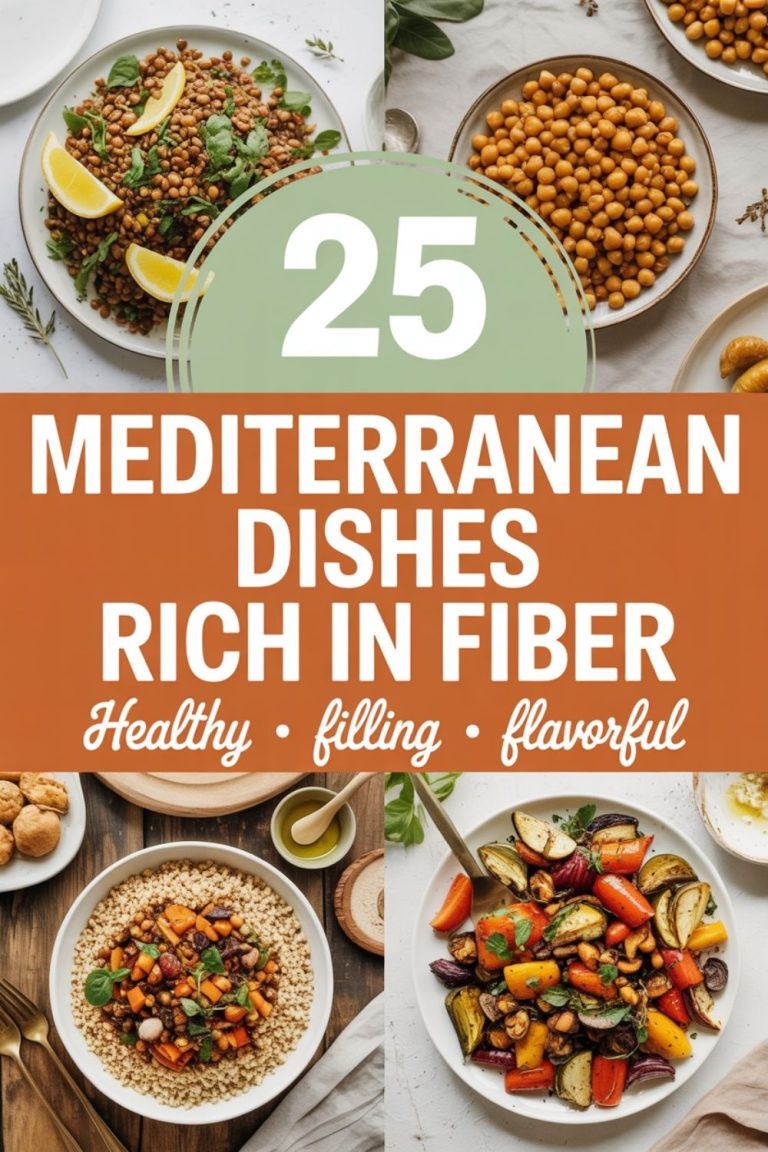
21 Fresh Mediterranean Spring Recipes Bursting with Flavor
Look, I’m not going to sugarcoat it—winter eating gets boring. The same roasted root vegetables, the same heavy stews, the same “comfort food” that starts feeling more like a rut than actual comfort. But then spring rolls around, and suddenly the farmers’ market explodes with color again. Asparagus, artichokes, fresh peas, tender greens—it’s like nature hit the reset button on your taste buds.
I’ve been following a Mediterranean-inspired way of eating for years now, and spring is honestly when this approach really shines. You’re not trying to force kale into everything or pretend you enjoy yet another bland chicken breast. Instead, you’re working with ingredients that actually taste like something, that don’t need a ton of fussing to be delicious.
These 21 recipes aren’t your typical “Mediterranean diet” fare that reads like a textbook. They’re what I actually make when I want food that’s fresh, satisfying, and doesn’t require me to hunt down weird ingredients or spend three hours in the kitchen. Some are weeknight-simple, others are worth the extra effort for weekend cooking. All of them celebrate what makes spring produce so damn good.
Why Spring and Mediterranean Cooking Are a Perfect Match
Here’s the thing about Mediterranean cooking that nobody really talks about: it’s not actually a “diet” in the restrictive sense. It’s just how people in Greece, Italy, southern France, and Spain have eaten for centuries because that’s what grows there and tastes good. And guess what? A lot of it peaks in spring.
The Harvard School of Public Health has studied this eating pattern extensively, and the research consistently shows cardiovascular benefits alongside lower inflammation markers. But honestly, the real benefit is that you’re eating food that doesn’t feel like punishment.
Spring vegetables—especially those popular in Mediterranean regions—are nutritional powerhouses when they’re fresh. According to research on seasonal produce, vegetables consumed shortly after harvest offer peak nutrients and flavor. Asparagus delivers folate and fiber, artichokes pack in antioxidants, fresh peas provide plant-based protein, and leafy greens are loaded with vitamins A and K.
The beauty of Mediterranean spring cooking is that you’re not overthinking it. You grab what looks good at the market, drizzle it with olive oil, maybe add some lemon and garlic, and call it dinner. Revolutionary? No. Delicious and actually sustainable long-term? Absolutely.
Fresh Asparagus Recipes That Don’t Suck
I’ll be honest—I used to hate asparagus until I stopped overcooking it into mushy green strings. Properly cooked asparagus should have some snap to it, some personality. And spring asparagus? That’s when it’s actually worth eating.
1. Lemon-Garlic Roasted Asparagus with Parmesan
This is my default weeknight move. Trim the woody ends, toss with olive oil, minced garlic, lemon zest, salt, and pepper. Roast at 425°F for about 12 minutes until the tips get slightly crispy. Finish with shaved Parmesan and a squeeze of fresh lemon juice. Get Full Recipe.
The key is getting your baking sheet really hot before adding the asparagus. I use a half-sheet pan for this—gives the spears room to breathe so they roast instead of steam.
2. Asparagus and White Bean Salad
Blanch asparagus pieces for two minutes, shock them in ice water to keep that bright green color, then toss with cannellini beans, cherry tomatoes, red onion, fresh basil, and a simple red wine vinaigrette. This works as a side or a light lunch. Get Full Recipe.
If you’re meal prepping, this holds up beautifully in the fridge for three days. For more plant-based meal inspiration that keeps well, check out the 7-day Mediterranean vegan anti-inflammation plan.
3. Grilled Asparagus with Romesco Sauce
Fire up the grill, brush asparagus with olive oil, grill until charred, then serve with romesco—that incredible Spanish sauce made from roasted red peppers, almonds, garlic, and smoked paprika. This is what happens when vegetables get to be the star of the show. Get Full Recipe.
A grill basket saves you from losing spears through the grates. Trust me on this one.
Artichokes Without the Intimidation Factor
Yeah, artichokes look weird. They’re basically edible thistles. But once you get past the initial “what do I even do with this” panic, they’re actually pretty forgiving.
4. Braised Artichokes with Lemon and Herbs
Trim your artichokes (use a serrated knife for easier cutting), halve them, scoop out the fuzzy choke, then braise in white wine, olive oil, lemon, garlic, and thyme until tender. The braising liquid becomes this incredible sauce. Get Full Recipe.
5. Artichoke and Spinach Stuffed Chicken
Before you roll your eyes at “stuffed chicken,” hear me out. This uses jarred artichoke hearts (I’m not a purist), wilted spinach, garlic, feta, and sun-dried tomatoes. Butterfly the chicken breasts, stuff them, secure with toothpicks, then bake. It’s fancy enough for company but simple enough for a Tuesday. Get Full Recipe.
Speaking of high-protein Mediterranean options, the 14-day Mediterranean high-protein anti-inflammatory plan has similar ideas that pack serious nutritional punch without feeling restrictive.
6. Mediterranean Artichoke Pasta
Cook pasta (I like orecchiette for this), reserve some pasta water, then toss with sautéed artichoke hearts, sun-dried tomatoes, kalamata olives, garlic, fresh basil, and a generous pour of good olive oil. Add pasta water to create a light sauce. Top with toasted pine nuts and Pecorino Romano. Get Full Recipe.
Peas Please: Sweet Spring Legumes
Fresh peas in spring are nothing like those sad frozen ones you grew up with. Sugar snap peas, English peas, snow peas—they’re all sweet, crisp, and actually exciting to eat.
7. Minted Pea and Feta Salad
Blanch fresh peas briefly, toss with crumbled feta, torn mint leaves, thinly sliced radishes, and a lemon-olive oil dressing. This is ridiculously simple and ridiculously good. The mint and peas are natural partners. Get Full Recipe.
8. Spring Pea and Ricotta Crostini
Make a quick pea puree with blanched peas, ricotta, lemon zest, garlic, and olive oil. Spread on toasted baguette slices, top with more fresh peas, mint, and a drizzle of good olive oil. Perfect for a light lunch or appetizer situation. Get Full Recipe.
I use my immersion blender for the puree—so much easier than dragging out the full-size blender and dealing with that cleanup.
9. Pea and Prosciutto Risotto
This takes more attention than most recipes here, but it’s worth it. The sweet peas cut through the richness of the Parmesan and butter, while crispy prosciutto adds salty, umami depth. Make it on a Sunday when you can stand at the stove and actually enjoy the process. Get Full Recipe.
For risotto, you need a heavy-bottomed pot that distributes heat evenly. I swear by my enameled cast iron Dutch oven for this.
Leafy Greens That Don’t Taste Like Lawn Clippings
Spring greens—arugula, spinach, chard, baby kale—are tender and mild compared to their winter counterparts. You don’t need to massage them or hide them in smoothies.
10. Arugula Salad with Strawberries and Balsamic
The peppery bite of arugula plays perfectly with sweet strawberries. Add some shaved Parmesan, toasted walnuts, and a balsamic reduction. This is what I make when I need to remind myself that salads can actually be exciting. Get Full Recipe.
Those pre-toasted walnut pieces save time, but if you’re feeling ambitious, toasting raw walnuts in a dry skillet for a few minutes intensifies their flavor.
11. Wilted Greens with Garlic and Lemon
Heat olive oil, add lots of sliced garlic, toss in your greens (spinach, chard, whatever), cook until just wilted, finish with lemon juice and red pepper flakes. This works as a side for literally anything or as a base for eggs. Get Full Recipe.
12. Greek-Style Spinach Pie (Spanakopita)
This is more involved but so worth it. Sauté spinach with onions, garlic, and dill, mix with feta and ricotta, layer between sheets of phyllo dough brushed with olive oil, then bake until golden. Cut into squares and watch them disappear. Get Full Recipe.
Working with phyllo dough is easier if you keep the unused sheets covered with a damp kitchen towel. A silicone baking mat prevents sticking without needing extra oil.
If you’re looking for more Mediterranean-inspired breakfast and brunch ideas, the 7-day Mediterranean high-fiber breakfast plan has plenty of options that start your day right without the bloat.
Tomatoes and Herbs: The Mediterranean Foundation
While summer is peak tomato season, spring brings the first cherry tomatoes and those early varieties that actually taste like tomatoes. Fresh herbs start going crazy in the garden too.
13. Cherry Tomato and Burrata Caprese
Halve cherry tomatoes, tear up fresh basil, rip apart a ball of creamy burrata, drizzle with your best olive oil, sprinkle with flaky sea salt and cracked black pepper. This isn’t cooking, it’s assembly, but it’s perfect. Get Full Recipe.
14. Herb-Crusted Baked Fish
Mix fresh parsley, basil, oregano, garlic, lemon zest, and breadcrumbs. Press onto white fish fillets, drizzle with olive oil, bake until the crust is golden and the fish flakes easily. Simple, light, and screams spring. Get Full Recipe.
A fish spatula makes it so much easier to flip or serve delicate fish without it falling apart.
15. Fresh Tomato and White Wine Mussels
Sauté shallots and garlic, add white wine and cherry tomatoes, throw in cleaned mussels, cover and steam until they open. Finish with butter, fresh parsley, and crusty bread for soaking up that broth. This feels fancy but takes maybe 15 minutes. Get Full Recipe.
Whole Grains and Mediterranean Spring Vegetables
Mediterranean eating isn’t low-carb—it just uses whole grains instead of refined ones. Farro, bulgur, quinoa, whole wheat pasta—these add substance without heaviness.
16. Farro Salad with Roasted Spring Vegetables
Cook farro until tender but still chewy, roast asparagus, zucchini, and bell peppers, toss everything with lemon vinaigrette, fresh herbs, toasted pine nuts, and crumbled goat cheese. This holds up for days and gets better as it sits. Get Full Recipe.
For those focused on fiber and digestion, the 14-day high-fiber Mediterranean plan emphasizes these kinds of whole-grain-forward meals that keep you satisfied.
17. Bulgur-Stuffed Bell Peppers
Cook bulgur, mix with sautéed onions, garlic, tomatoes, herbs, and feta. Stuff into halved bell peppers, bake until tender. These are great for meal prep and reheat beautifully. Get Full Recipe.
18. Quinoa Tabbouleh
I know, I know—tabbouleh traditionally uses bulgur. But quinoa works great and adds protein. Load it up with fresh parsley, mint, tomatoes, cucumbers, lemon juice, and olive oil. This is what I make when I need something fresh and filling. Get Full Recipe.
Kitchen Tools That Make Spring Cooking Easier
You don’t need a kitchen full of gadgets, but a few key tools make seasonal cooking so much smoother. Here’s what I actually use regularly:
- Sharp chef’s knife – Makes breaking down vegetables actually enjoyable instead of a wrestling match
- Cast iron grill pan – Gets those char marks on asparagus and vegetables when you can’t fire up the outdoor grill
- Salad spinner – Properly dried greens make all the difference in salad texture
- Seasonal produce guide app – Helps you figure out what’s actually in season in your area
- Mediterranean meal planning templates – Takes the guesswork out of weekly planning
- Olive oil and vinegar pairing chart – Level up your salad dressing game with proper combinations
These aren’t must-haves, but they’re nice-to-haves that genuinely make cooking easier and more enjoyable. The right tools mean you’ll actually want to cook instead of ordering takeout for the fourth time this week.
Light Mains That Actually Satisfy
Spring calls for lighter proteins that don’t weigh you down. But “light” doesn’t mean unsatisfying or leaving you hungry an hour later.
19. Lemon-Herb Chicken with Spring Vegetables
Marinate chicken thighs in lemon juice, olive oil, garlic, oregano, and thyme. Roast with baby potatoes, carrots, and asparagus until everything is golden. One pan, minimal cleanup, maximum flavor. Get Full Recipe.
Sheet pan dinners are my go-to on busy weeknights. The 7-day anti-inflammation plan for busy women is built around these kinds of simple, effective meals.
20. Grilled Lamb Chops with Mint Chimichurri
Season lamb chops simply with salt, pepper, and garlic, grill them to medium-rare, top with a bright mint chimichurri made with fresh mint, parsley, garlic, olive oil, and red wine vinegar. Spring lamb with spring herbs—it just makes sense. Get Full Recipe.
An instant-read meat thermometer takes the guesswork out of cooking lamb to perfect doneness.
21. Mediterranean Chickpea and Vegetable Skillet
This is my favorite meatless meal that doesn’t feel like you’re missing anything. Sauté chickpeas with spring vegetables, tomatoes, garlic, cumin, and paprika. Finish with lemon juice and fresh herbs. Serve over couscous or with crusty bread. Get Full Recipe.
For more plant-forward Mediterranean ideas, check out these related recipes that work beautifully with spring produce:
- The 7-day gut-healing Mediterranean menu focuses on fiber-rich vegetables and fermented foods
- Looking for budget-friendly options? The 14-day high-fiber budget meal plan proves healthy eating doesn’t require expensive ingredients
Making Mediterranean Spring Eating Work Long-Term
Here’s where most people screw up: they treat Mediterranean eating like a temporary diet instead of a sustainable approach. You can’t white-knuckle your way through restrictive meal plans and expect to stick with it.
The beauty of this style of eating—especially in spring when produce is naturally exciting—is that it’s not about deprivation. It’s about eating real food that tastes good. According to research published in the Journal of Internal Medicine, adherence to Mediterranean dietary patterns correlates with better health outcomes precisely because people can maintain it long-term.
Start with one or two recipes that genuinely appeal to you. Don’t try to overhaul your entire cooking routine overnight. Maybe this week you add the lemon-garlic asparagus to your rotation. Next week, you try the farro salad for meal prep. Build slowly.
Shop seasonally because it’s cheaper and tastes better, not because some wellness influencer told you to. When asparagus is $1.99 a pound at the farmers’ market versus $4.99 at the grocery store in January, your wallet and your taste buds both win.
The Mediterranean approach isn’t about perfectionism. It’s about mostly choosing whole foods, loading up on vegetables, using good olive oil, and not losing your mind over every meal. Some nights you’ll make a beautiful spread of roasted vegetables and grilled fish. Other nights you’ll scramble eggs with leftover greens and call it dinner. Both are fine.
For those wanting more structure, the 7-day Mediterranean anti-inflammation meal plan provides a solid framework without being overly restrictive. It’s helpful when you’re first starting out and need some guardrails.
The Spring Vegetables You’re Probably Ignoring
Beyond the obvious players—asparagus, peas, artichokes—spring brings some underrated vegetables that deserve attention.
Radishes: These aren’t just for garnish. Roast them and they become mild and almost sweet. Slice them thin for salads or pickle them for tacos.
Fennel: That weird bulb with fronds that looks complicated? Slice it thin and eat it raw in salads, or roast it until caramelized. It’s got this subtle anise flavor that’s nowhere near as intense as you’d think.
Leeks: Like onions’ more sophisticated cousin. Clean them properly (they hide dirt between layers), then sauté them for pasta, add them to soups, or grill them whole.
Fava beans: Yes, they’re a pain to prep—you have to shell them, blanch them, then peel them. But fresh fava beans in spring are worth the effort for special occasions. Toss them with olive oil, lemon, and Pecorino for the simplest preparation.
The 30-day high-fiber anti-inflammation program incorporates many of these less common vegetables into rotating menus, which is great for expanding your repertoire without feeling overwhelmed.
Frequently Asked Questions
What makes Mediterranean spring recipes different from regular spring recipes?
Mediterranean recipes emphasize olive oil over butter, fresh herbs instead of heavy sauces, and a higher ratio of vegetables to meat. Spring Mediterranean cooking specifically celebrates ingredients like artichokes, asparagus, fava beans, and fresh peas that are staples in Mediterranean regions during this season. The flavor profiles tend toward bright, acidic notes from lemon and vinegar rather than cream-based preparations.
Can I follow Mediterranean spring recipes if I’m vegetarian or vegan?
Absolutely. Mediterranean cuisine has tons of plant-based options since many traditional dishes were created by people who couldn’t afford meat regularly. Most of these spring recipes are already vegetarian or easily adaptable—just swap vegetable stock for chicken stock, skip the cheese or use vegan alternatives, and focus on the abundant vegetable-forward dishes. The Mediterranean vegan plan shows how sustainable this approach is without animal products.
How do I know which spring vegetables are actually in season near me?
Visit your local farmers’ market and see what vendors are selling—that’s your most reliable indicator. What’s in season varies by region and climate. Generally, asparagus, peas, artichokes, radishes, and early greens are spring staples across most temperate zones. Southern regions might see tomatoes earlier, while northern areas might still have root vegetables. When in doubt, ask the farmers directly—they love talking about what’s fresh.
Are Mediterranean recipes expensive to make?
They don’t have to be. Shopping seasonally and locally often saves money since you’re not paying for out-of-season imports. The foundation is inexpensive: beans, grains, seasonal vegetables, olive oil. Splurge on good olive oil and fresh herbs, but you don’t need fancy ingredients for most dishes. Buying whole vegetables instead of pre-cut, using dried herbs when fresh aren’t available, and building meals around beans and grains keeps costs reasonable. The budget meal plan proves you can eat well without breaking the bank.
How long do these spring vegetables stay fresh after I buy them?
It depends on the vegetable and how you store them. Asparagus lasts about 3-5 days if you trim the ends and store it upright in a jar with water in the fridge. Leafy greens stay fresh for 5-7 days if properly washed and dried, then stored in containers with paper towels. Artichokes keep for a week in a plastic bag in the crisper. Peas in the pod last 2-3 days max—shell and freeze them if you won’t use them quickly. The general rule: the more delicate the vegetable, the faster you need to use it.
Final Thoughts on Spring Mediterranean Cooking
Look, I’m not going to pretend that eating Mediterranean-style in spring will magically transform your life overnight. But after years of following this approach, I can tell you it makes eating enjoyable again without the guilt trip that comes with most “healthy eating” advice.
These 21 recipes aren’t meant to be followed religiously. Pick the ones that sound good, ignore the ones that don’t, and don’t stress about being perfect. The goal is to eat more vegetables, use quality ingredients when you can afford them, and actually enjoy your meals instead of choking down bland “diet food.”
Spring gives you this incredible window when produce is exciting again. Take advantage of it. Try one new vegetable you’ve been ignoring. Make the simple lemon-garlic asparagus just to see what properly cooked asparagus tastes like. Grab fresh herbs at the market instead of the dried stuff you’ve had in your cabinet for three years.
The Mediterranean approach works because it’s not really a diet—it’s just eating food that happens to be good for you because it’s fresh, minimally processed, and hasn’t been engineered in a lab. When you’re working with ingredients that actually taste like something, you don’t need complicated recipes or special techniques.
Start small, build gradually, and focus on what you’re adding rather than what you’re restricting. That’s the secret nobody wants to tell you because it’s not sexy or marketable. But it works.