
14-Day Mediterranean Family Meal Plan
Getting your family to eat healthy shouldn’t feel like negotiating with tiny terrorists who have very strong opinions about vegetables. Yet here you are, standing in your kitchen at 5 PM, knowing you need to feed everyone something nutritious while your kids are already lobbying for chicken nuggets and your partner is checking their phone pretending not to be hungry.
The Mediterranean approach to family meals actually works because it’s built on foods people naturally enjoy—pasta, chicken, fish, fresh bread, fruit. Nobody’s forcing kale smoothies on anyone. According to Children’s Health research, the Mediterranean dietary pattern provides everything growing kids need while teaching them to actually like real food instead of processed garbage.
This 14-day plan gives you practical, tested meals that work for families with varying ages and preferences. These aren’t Instagram-worthy creations that require three hours and ingredients from specialty stores. They’re real dinners, breakfasts, and lunches that you can actually pull off on a weeknight when everyone’s tired and you’re one burnt grilled cheese away from ordering pizza.
Let’s feed your family food they’ll eat without drama.

Why Mediterranean Works for Families
Most healthy eating plans fail with families because they’re designed for adults trying to lose weight, not for feeding growing kids who need calories and parents who need convenience. The Mediterranean approach sidesteps this completely because Mediterranean eating patterns emphasize whole foods that support growth, energy, and brain development without requiring you to become a martyr to meal prep.
Kids need healthy fats for brain development—Mediterranean eating provides them through olive oil, nuts, avocados, and fish. They need calcium for growing bones—you get it from yogurt, cheese, and fortified foods. They need fiber for digestion and stable energy—whole grains, fruits, vegetables, and legumes deliver it naturally. Everything your family needs shows up in meals that taste good enough that nobody’s staging a hunger strike.
The social aspect matters too. Mediterranean cultures eat meals together, at the table, without screens. This isn’t some romantic notion—it’s how kids learn to try new foods, develop healthy relationships with eating, and actually talk to their families instead of texting them from across the house.
Plus, Mediterranean meals are flexible. You can make one base dish and let everyone customize. Build-your-own grain bowls, DIY pita pockets, mix-and-match vegetable platters—kids are way more likely to eat food they helped assemble.
Week 1: Getting Started Without Chaos
Day 1: Easy Entry Point
Breakfast: Greek yogurt bar. Set out plain Greek yogurt (the full-fat kind because kids need the calories) with toppings: berries, granola, honey, cinnamon, chopped nuts. Everyone builds their own bowl. I use a divided serving tray for toppings because it feels fancy but takes zero effort.
Lunch: Pita pockets with hummus, cucumber, tomatoes, shredded chicken, and lettuce. Let kids stuff their own. Most will eat it because they made it themselves and have control, which apparently matters a lot to small humans.
Dinner: Baked chicken thighs (seasoned with garlic, lemon, oregano) with roasted vegetables and rice pilaf. Chicken thighs are more forgiving than breasts and actually have flavor. Roast the vegetables on a large sheet pan with olive oil and salt—kids often eat roasted vegetables when they won’t touch steamed ones.
Day 2: Pasta Night (Always a Win)
Breakfast: Whole grain toast with almond butter and sliced banana. Side of orange slices. This takes three minutes and provides protein, healthy fats, and fiber. Nobody has time for elaborate breakfasts on Tuesdays.
Lunch: Leftover chicken and vegetables from last night. Throw them over greens with olive oil and lemon juice. If your kids won’t eat salad, skip the greens and just reheat the chicken and vegetables.
Dinner: Whole wheat pasta with tomato sauce (add hidden vegetables by blending carrots, zucchini, and spinach into the sauce using a immersion blender), meatballs, and a side of steamed broccoli. Grate Parmesan over everything. Pasta is non-negotiable family dinner gold.
Day 3: Soup and Bread
Breakfast: Scrambled eggs with whole wheat toast and cherry tomatoes. Eggs are fast protein that most kids tolerate. Add a sprinkle of cheese if needed to seal the deal.
Lunch: Cheese quesadillas on whole wheat tortillas with a side of salsa and sliced avocado. Not traditionally Mediterranean, but it fits the whole grain, healthy fat, simple protein framework. Sometimes you just need lunch to be easy.
Dinner: Lentil and vegetable soup with crusty bread for dipping. Kids love dipping things. The soup has protein from lentils, fiber from vegetables, and the bread makes it feel substantial. Make a big pot and freeze portions for future emergencies.
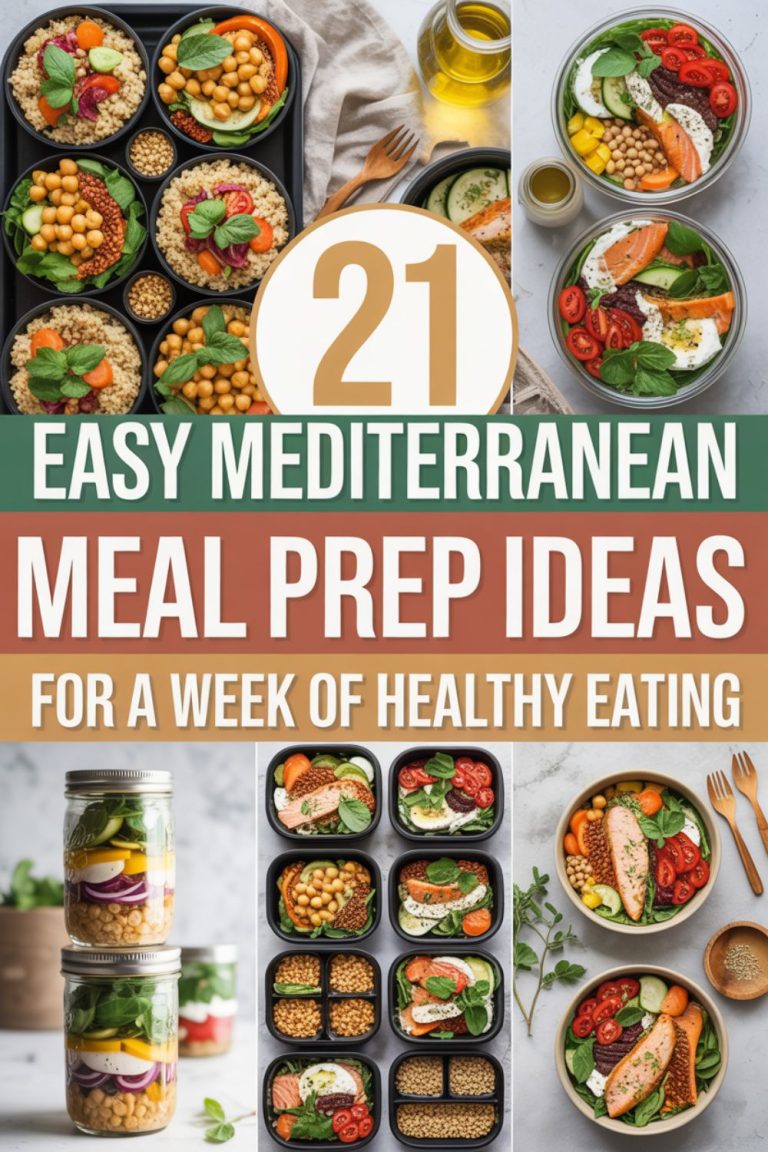
If you’re finding that meal prep is the missing piece for making this sustainable, check out this Mediterranean meal prep plan that breaks down batch-cooking strategies specifically for families.
Day 4: Taco-ish Night
Breakfast: Overnight oats prepared the night before. Mix oats, milk, chia seeds, cinnamon, and a touch of honey in jars. Top with berries in the morning. Kids can grab and go, which matters when you’re trying to get everyone out the door.
Lunch: Turkey and cheese roll-ups (no bread, just rolled deli turkey and cheese), with crackers, cucumber slices, and grapes. This is glorified Lunchables made slightly healthier. No judgment.
Dinner: Ground turkey or beef cooked with Mediterranean spices (cumin, garlic, paprika), served in whole wheat tortillas or over greens. Toppings bar: diced tomatoes, cucumbers, feta cheese, olives (for adventurous eaters), shredded lettuce, plain yogurt instead of sour cream. Everyone assembles their own.
Day 5: Shakshuka Friday
Breakfast: Smoothies made with frozen berries, banana, spinach (they won’t taste it), Greek yogurt, and milk. Blend in a high-powered blender and serve in fun cups with straws. Kids drink vegetables they wouldn’t eat whole.
Lunch: Leftover taco meat from last night over rice, or stuffed into pitas. Leftovers are your friend. Embrace them. Love them. They’re why you’re not cooking three meals from scratch daily.
Dinner: Shakshuka (eggs poached in spiced tomato sauce with vegetables) served with crusty bread or pita. This looks impressive but takes 20 minutes. Cook it in a cast iron skillet and bring it straight to the table. Kids often like eggs when they’re cooked in flavorful sauce instead of plain.
Day 6: Saturday Ease
Breakfast: Pancakes made with whole wheat flour, topped with fresh berries and a drizzle of honey. You can sneak ground flaxseed into the batter. I use a electric griddle so I can make multiple pancakes simultaneously instead of standing there flipping one at a time like some kind of breakfast martyr.
Lunch: Build-your-own Mediterranean snack plate. Hummus, pita triangles, cheese cubes, olives (for those who like them), cucumber sticks, cherry tomatoes, salami or turkey slices, grapes. Everyone picks what they want. Minimal cooking, maximum variety.
Dinner: Baked fish (mild white fish like cod works for kids) with lemon and herbs, roasted potatoes, and green beans. Fish scares some families, but mild white fish doesn’t taste “fishy.” Season it simply and don’t overcook it. Squeeze lemon over everything.
Day 7: Sunday Reset
Breakfast: Veggie omelets or scrambles—let kids pick what goes in theirs. Options: cheese, tomatoes, spinach, mushrooms, peppers. Cook them in olive oil instead of butter. Side of whole grain toast.
Lunch: Leftover fish (if any) or make tuna salad using olive oil instead of mayo, served on whole grain crackers or in pita pockets. Add diced cucumber and lemon juice to make it more interesting.
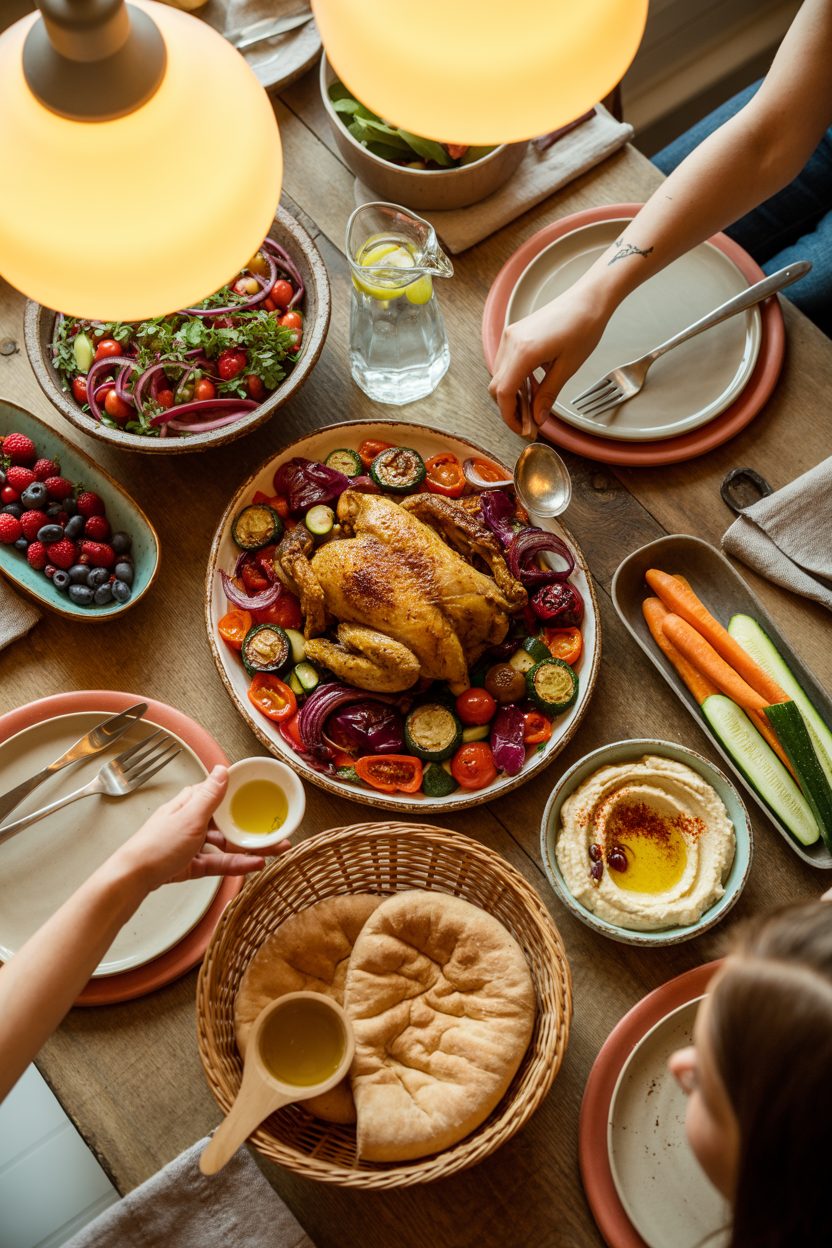
Dinner: Sunday roast chicken with root vegetables. Season a whole chicken with lemon, garlic, and herbs, surround it with chopped potatoes, carrots, and onions, roast it all together. This gives you dinner plus leftovers for the week. Use a roasting pan with rack so the chicken stays crispy.
For families specifically looking to reduce inflammation through diet—maybe someone has allergies or autoimmune issues—this Mediterranean anti-inflammation plan offers targeted meal strategies while staying family-friendly.
Week 2: Building Momentum
Day 8: Back to Basics
Breakfast: Chia pudding made the night before with coconut milk, topped with sliced strawberries and a sprinkle of granola. The texture is weird but kids often like it. If they don’t, more yogurt bowls work too.
Lunch: Leftover roast chicken in sandwiches or wraps with lettuce, tomato, and a spread of hummus or mashed avocado. Pack with baby carrots and ranch for dipping because sometimes you need bridge foods.
Dinner: Chicken souvlaki skewers (marinated chicken chunks grilled or baked) with tzatziki sauce, pita bread, and Greek salad. Let kids assemble their own plates. The skewers make it fun—food on sticks is automatically more appealing.
Day 9: Comfort Food Version
Breakfast: Whole grain waffles (frozen is fine, nobody’s judging) topped with Greek yogurt and berries instead of syrup and butter. Still feels like a treat but provides protein.
Lunch: Grilled cheese on whole grain bread with tomato soup. Sneak vegetables into the soup by blending them. Add a side of sliced apples. Sometimes lunch just needs to be uncomplicated.
Dinner: Baked ziti with whole wheat pasta, tomato sauce, ricotta, mozzarella, and hidden vegetables in the sauce. Serve with a simple side salad. This feeds a crowd, freezes well, and satisfies even picky eaters.
Day 10: Mix It Up
Breakfast: Breakfast burritos with scrambled eggs, cheese, black beans, and salsa wrapped in whole wheat tortillas. Make extras and freeze them for future quick breakfasts. Just wrap in foil and store in freezer bags.
Lunch: Hummus wraps with whatever vegetables your kids will tolerate—cucumber, shredded carrots, bell peppers, lettuce. Add cheese if needed to make them more appealing. Roll tight and slice into pinwheels.
Dinner: Ground turkey meatballs with marinara over whole wheat spaghetti. Make the meatballs with ground turkey, breadcrumbs, egg, garlic, and Italian seasoning. Bake them on a rimmed baking sheet instead of frying—less mess, same result.
Day 11: One-Pan Wonder
Breakfast: Greek yogurt parfaits layered in cups with granola and whatever fruit looks good. Let kids build their own. This is basically dessert that counts as breakfast.
Lunch: Leftover meatballs in submarine sandwiches with marinara and melted mozzarella. Kids love meatball subs. Adults love not cooking a separate lunch.
Dinner: Sheet pan chicken and vegetables—chicken pieces, bell peppers, zucchini, cherry tomatoes, red onion, all seasoned with olive oil, garlic, oregano, and lemon. Everything roasts together. One pan, minimal cleanup, everyone’s happy.
Day 12: Seafood Attempt
Breakfast: Whole grain toast with mashed avocado and a fried egg on top. Side of orange slices. This is millennial breakfast that happens to be nutritionally solid.
Lunch: Pasta salad with whole wheat pasta, cherry tomatoes, cucumber, feta, olives (optional), and Italian dressing made with olive oil. This travels well for school lunches or work.
Dinner: Baked salmon (or shrimp for kids who resist fish) with roasted broccoli and quinoa. Season the salmon with just lemon, garlic, and dill. Keep it simple. Many kids tolerate salmon better than other fish because it’s mild when cooked right.
If your family needs more fiber for digestive health or just sustained energy, this high-fiber Mediterranean plan expands on these concepts with specific strategies for increasing fiber gradually.
Day 13: Pizza Night (Done Right)
Breakfast: Smoothie bowls—blend frozen fruit with yogurt and a little milk, pour into bowls, top with granola and fresh fruit. It’s a smoothie you eat with a spoon, which somehow makes it more exciting.
Lunch: Quesadillas with leftover chicken, cheese, and vegetables. Serve with salsa and plain yogurt for dipping. This uses leftovers creatively so nothing goes to waste.
Dinner: Homemade pizza night using whole wheat pizza dough (store-bought is totally fine), tomato sauce, mozzarella, and whatever toppings everyone wants. Set up a pizza bar and let kids make their own personal pizzas. Use a pizza stone if you have one for crispier crust, but a regular pan works too.
Day 14: Grand Finale
Breakfast: French toast made with whole grain bread, egg mixture with cinnamon, topped with Greek yogurt and berries instead of syrup. Still tastes indulgent, provides protein.
Lunch: Leftover pizza (if any survived) or make Mediterranean grain bowls with quinoa, chickpeas, cucumber, tomatoes, feta, and a lemon-tahini dressing. Let everyone customize their bowls.
Dinner: Celebration dinner—Greek-style roasted leg of lamb (or chicken if lamb is too adventurous) with roasted potatoes, green beans, and fresh bread. This is a meal worth sitting down for together. No phones, just family.
Getting Kids to Actually Eat This Stuff
The meals only work if your kids actually eat them. Here’s what actually helps, based on dealing with real children who have strong vegetable opinions:
The Exposure Game
Research from Children’s Health shows kids often need 15+ exposures to a new food before they’ll try it. Stop offering something after two rejections. Keep putting it on the table without pressure. Eventually curiosity wins.
Control Is Everything
Let kids make choices within boundaries. “Do you want broccoli or green beans?” gives them control. “Eat your vegetables” starts a war. Build-your-own meals work because kids feel powerful.
Don’t Be a Short-Order Cook
Make one meal. If someone doesn’t want it, they can have a simple backup like peanut butter and jelly or yogurt and fruit. You’re not running a restaurant. But you’re also not forcing anyone to sit there until they clean their plate, because that creates food issues.
Make It Look Better
Kids eat with their eyes. Put food on colorful plates. Use cookie cutters to make fun shapes. Call broccoli “dinosaur trees.” It’s ridiculous but it works. Adults do this too—we just call it “food styling” and pretend it’s sophisticated.
Include Them in Cooking
Kids who help cook are more likely to eat what they made. Let them stir, measure, pour, season (within reason). A kids’ knife set with safe plastic knives lets them actually help chop soft things. They feel important and invested.
Dealing With Different Ages and Stages
A meal plan for a family with a toddler, a tween, and a teenager needs flexibility because everyone’s needs are different.
Toddlers (2-4): Need smaller portions, softer textures, and familiar flavors. Cut food into small pieces, offer dips for everything, and don’t stress if they only eat three bites. They’re tiny humans with tiny stomachs. Keep offering variety without pressure.
School-Age Kids (5-10): Need more calories as they grow and become more active. They can handle most adult foods but still have strong preferences. Involve them in meal planning—they’re more likely to eat what they chose. Pack their lunches together so they know what’s coming.
Tweens and Teens (11+): Need significantly more food as they hit growth spurts. They might become more adventurous with flavors or suddenly decide they’re vegetarian. Let them take ownership of some meals. Teens who can cook basic meals are set up for life success. Teach them to make a few signature dishes.
IMO, feeding kids is less about getting every meal perfect and more about creating an overall pattern of mostly healthy food with room for flexibility. The goal is raising adults who have a good relationship with food, not kids who eat everything you serve but develop anxiety about eating.
Budget-Friendly Family Mediterranean Eating
Mediterranean eating doesn’t have to cost more than your current grocery budget. Here’s how to make it work:
Buy seasonal produce: It’s cheaper and tastes better. Frozen vegetables and fruits work great and are often less expensive than fresh. Nutritionally they’re identical.
Shop sales and stock up: Buy extra chicken when it’s on sale and freeze it. Same with canned beans, tomatoes, and whole grains. These staples last forever and form the foundation of Mediterranean meals.
Make it yourself: Rotisserie chicken is convenient but costs 3-4 times more than roasting your own. Hummus costs pennies to make from canned chickpeas. Homemade is almost always cheaper.
Plan around pantry staples: Keep pasta, rice, beans, canned tomatoes, and olive oil stocked. These anchor cheap, filling meals. Add whatever vegetables and proteins are affordable that week.
Reduce meat portions: Mediterranean eating uses meat as a flavor component, not the main event. A little goes further when you bulk meals up with beans, vegetables, and whole grains. This saves money while improving nutrition.
Use reusable food storage bags and glass containers to store leftovers properly. Food waste is the real budget killer. When you actually eat what you buy, costs drop significantly.
Meal Prep Strategies That Actually Work for Families
Full meal prep for an entire family sounds great in theory but usually fails because life is chaotic. Here’s what actually works:
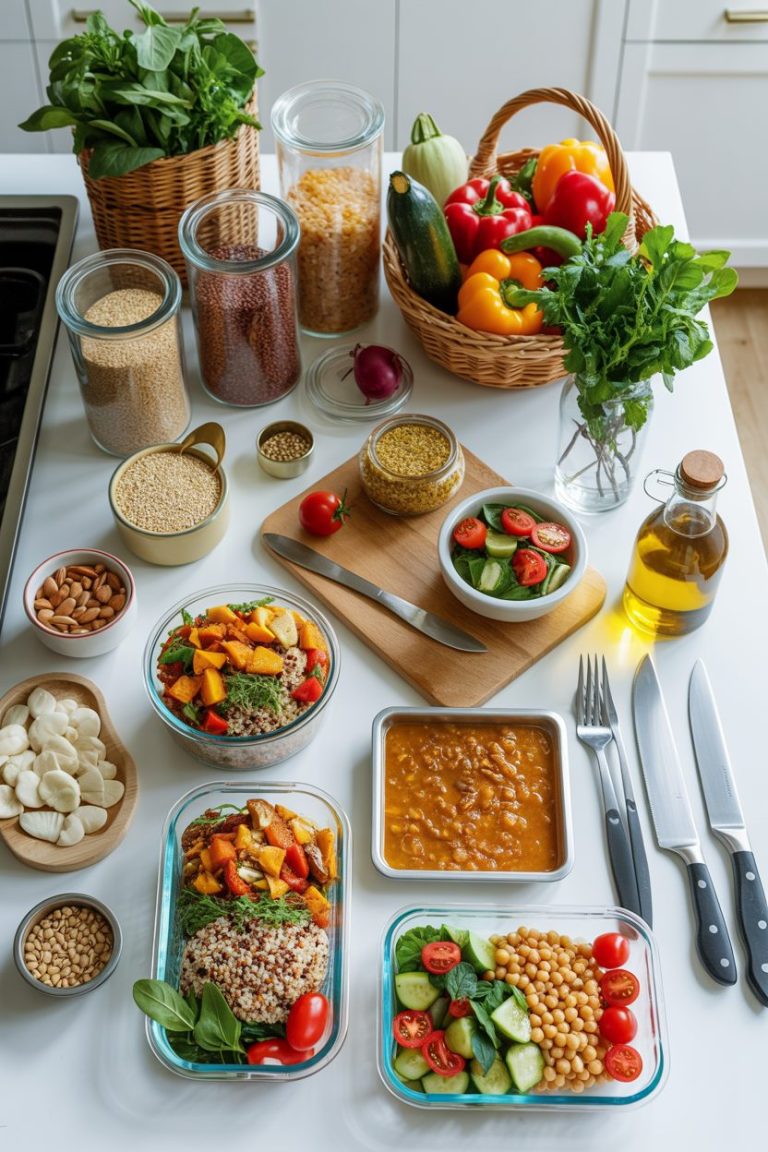
Prep ingredients, not complete meals: Wash and chop vegetables for the week. Cook a big batch of rice or quinoa. Grill or bake several pounds of chicken. Then mix and match throughout the week.
Double everything: When you cook, make twice as much. Freeze half or plan to eat it in a different form later in the week. Roast chicken becomes chicken salad becomes chicken quesadillas.
Assign tasks: Everyone capable helps. Kids can wash vegetables, set the table, measure ingredients. Partners can chop or clean as you cook. Meal prep shouldn’t fall entirely on one person.
Use time-saving tools: A slow cooker or instant pot makes hands-off meals possible. Throw in ingredients in the morning, eat dinner when you get home. These aren’t cheating—they’re smart.
Keep a running list: When you run out of something, add it to the list immediately. Stick the list on the fridge. When it’s time to shop, you’re not trying to remember what you need while wrestling a cart through a crowded store.
Common Family Meal Plan Pitfalls
Here’s what usually derails family meal plans and how to avoid it:
Over-Ambition
You see a gorgeous recipe with 15 ingredients and 90 minutes of active cook time. Stop. That’s for weekend dinner parties, not Tuesday night. Choose realistic recipes for weeknights. Save elaborate cooking for when you actually have time.
Lack of Backup Plans
Someone gets sick, work runs late, the kids have meltdowns—life happens. Keep frozen homemade meals, canned soup, and eggs on hand. Having a backup plan prevents the “forget it, we’re getting takeout” spiral.
Expecting Perfection
You’re not going to follow this plan exactly as written. That’s fine. Use it as a guide, not a prison. Swap meals around, skip days, substitute ingredients. Flexibility is what makes any plan sustainable.
Not Accounting for Preferences
If your kids genuinely hate fish, stop trying to force fish. Find other protein sources that work. One child has sensory issues with mixed textures? Serve components separately. Accommodate real needs without becoming a short-order cook.
Making Meals Social and Fun
The Mediterranean approach isn’t just about what you eat—it’s about how you eat. Meals are social events, not fuel stops between activities.
Turn off the TV. Put away phones (parents included). Sit at the table together. This sounds old-fashioned but it matters. Kids learn conversation skills, family connection strengthens, and everyone actually tastes their food instead of mindlessly shoveling it in.
Have theme nights: Taco Tuesday, Pizza Friday, Mediterranean Monday. Predictability helps kids know what’s coming and builds traditions. Let kids choose a theme night occasionally.
FYI, research consistently shows that families who eat meals together have kids who do better academically, have fewer behavioral problems, and develop healthier eating habits. It’s not magic—it’s attention and connection.
Related Plans Worth Exploring
If this 14-day family plan has your household eating better and you want to continue, here are some solid options:
For Extended Programs:
- 30-Day Mediterranean Wellness Plan – comprehensive approach that works for entire families
- 30-Day Anti-Inflammation Challenge – especially helpful if anyone has allergies or inflammatory issues
For Specific Dietary Needs:
- Mediterranean Vegan Plan – if your family is plant-based or has family members with dairy/egg allergies
- High-Protein Mediterranean Plan – for active teens or athletes who need more protein
For Quick Meal Solutions:
- 7-Day Simple Meals Reset – stripped-down easy meals for when life gets chaotic
- Gut-Healing Mediterranean Menu – helpful for digestive issues common in kids
Final Thoughts: Progress Over Perfection
Look, feeding a family is hard. You’re dealing with different preferences, schedules that barely align, budgets that don’t stretch as far as you’d like, and kids who change their minds about foods more often than they change their socks.
This 14-day plan isn’t a test you need to pass perfectly. It’s a framework that gives you ideas and direction when you’re standing in your kitchen at 5 PM wondering what the hell to make for dinner again.
Some nights will go great. Everyone will eat what you made, compliment the meal, and clean their plates. Other nights someone will cry because the sauce touched the pasta, another will refuse to eat anything green, and you’ll end up making three different meals while questioning your life choices.
Both scenarios are normal. You’re not failing when meals don’t go as planned. You’re just living with humans who have their own opinions and preferences, which is actually what you want—kids who know what they like and can express it.
The goal isn’t perfect Mediterranean eating every meal. It’s creating a pattern where most of your family’s food is whole, minimally processed, and nutritious. Where meals happen together more often than not. Where kids are exposed to variety even if they don’t always eat it.
Start with a few meals from this plan. See what your family likes. Build from there. Mediterranean eating is meant to be flexible and sustainable, not another source of stress in your already stressful life.
Your family deserves good food. You deserve meals that don’t make you want to fake your own death. This plan helps you get both. Take what works, leave what doesn’t, and remember that feeding your family with love and mostly healthy food makes you a successful parent—even when someone throws a tantrum about vegetables.