7-Day Anti-Inflammation Plan for Busy Women
Your body is tired of fighting itself. That exhaustion you can’t shake, the joint pain that showed up uninvited, the brain fog that makes you forget why you walked into a room—these aren’t just signs of being busy. They’re your body’s way of screaming that chronic inflammation has moved in and made itself comfortable.
Here’s what nobody tells you about anti-inflammatory eating: it doesn’t require hours in the kitchen or a PhD in nutrition. It just requires strategic choices that fit into your already chaotic schedule. Because let’s be real—busy women don’t have time to hand-craft elaborate meals while also working, managing households, and pretending to have their lives together.
This 7-day plan strips away the complicated nonsense and gives you practical, doable meals that actually reduce inflammation. No juice cleanses, no weird supplements, no recipes that require ingredients you can’t pronounce. Just real food that works with your life instead of against it.
Think of this as your week of fighting back against inflammation without losing your mind or your schedule.
Why Women Deal With More Inflammation
Let’s talk about something most people ignore: women experience chronic inflammation differently than men, and it often hits harder. Research shows that hormonal fluctuations, stress responses, and autoimmune conditions—which affect women at significantly higher rates—all contribute to inflammatory processes in the body.
Your menstrual cycle, pregnancy, perimenopause, and menopause all involve major hormonal shifts that can trigger or worsen inflammation. Add the mental load of managing everything (work, family, household, social obligations), and your cortisol levels stay elevated like a fire alarm that won’t shut off. Chronic stress and elevated cortisol fuel inflammation, which then makes you feel worse, creating a vicious cycle.
Women also face unique inflammatory challenges: endometriosis, PCOS, thyroid disorders, and autoimmune diseases like lupus and rheumatoid arthritis disproportionately affect women. All of these conditions involve inflammatory components that diet can help manage—not cure, but genuinely help.
The good news? The same foods that fight inflammation also support hormone balance, energy production, and mental clarity. You’re not treating separate problems; you’re addressing the root cause that connects them all.
The 7-Day Quick-Start Plan
Day 1: Foundation Day
Breakfast: Greek yogurt with berries, walnuts, and a drizzle of honey. Add ground flaxseed for extra anti-inflammatory omega-3s. I prep these in small glass jars the night before because morning-me is barely functional.
Lunch: Big salad with mixed greens, grilled chicken, cherry tomatoes, cucumber, avocado, and olive oil-lemon dressing. The antioxidants in colorful vegetables directly combat inflammatory processes.
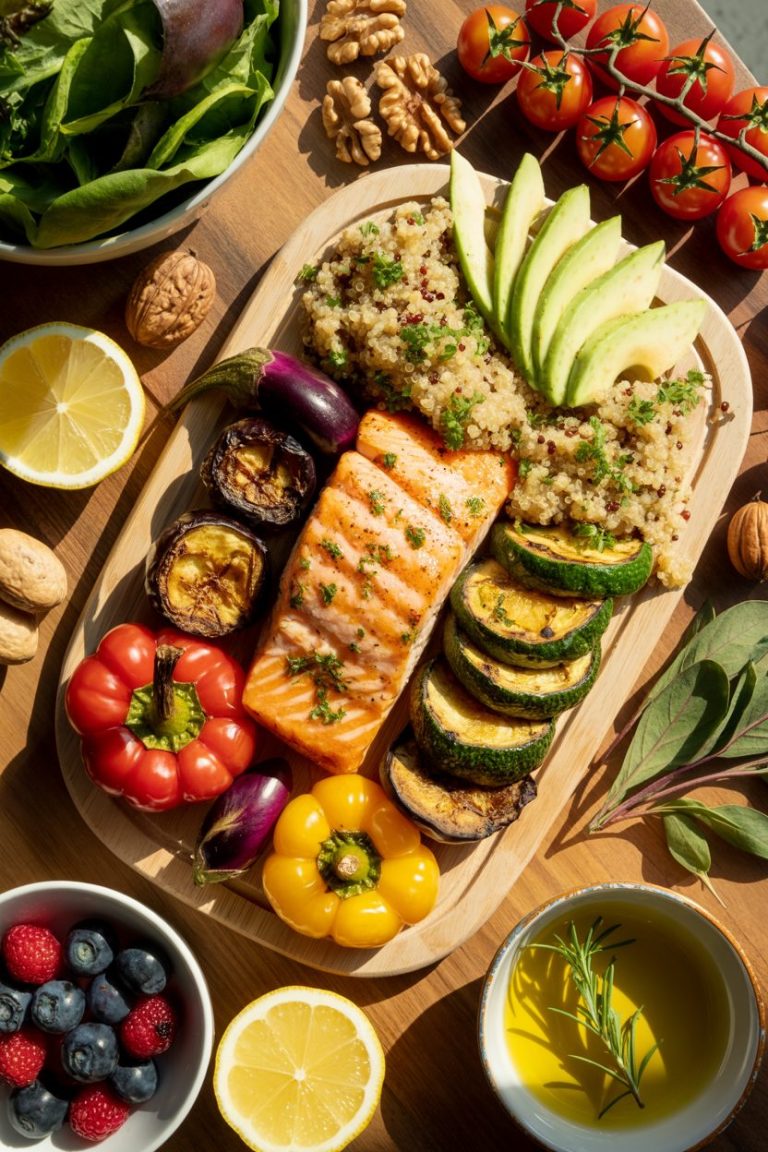
Dinner: Baked salmon with roasted broccoli and sweet potato. Season the salmon with turmeric and black pepper—black pepper increases turmeric absorption by 2000%. Use a silicone baking mat so cleanup takes 30 seconds instead of 30 minutes.
Snack: Apple slices with almond butter. Simple, portable, satisfying.
Day 2: Batch Cook Day
Breakfast: Overnight oats with chia seeds, almond milk, cinnamon, and sliced banana. Make three servings at once in individual containers. They last 3-4 days in the fridge, which means you just cut your breakfast prep time by two-thirds.
Lunch: Quinoa bowl with roasted vegetables (bell peppers, zucchini, carrots), chickpeas, and tahini dressing. Batch-roast your vegetables on Sunday, and assembly takes five minutes.
Dinner: Turkey and vegetable stir-fry with tons of ginger and garlic. Cook it in a large wok or skillet with avocado oil. Ginger contains gingerol, a compound with powerful anti-inflammatory effects.
Snack: Hummus with carrot sticks and bell pepper strips. Buy pre-cut vegetables if time is tight—convenience counts when you’re actually going to eat them.
Day 3: Simplicity Day
Breakfast: Smoothie with spinach, frozen berries, half an avocado, protein powder, and unsweetened almond milk. Blend it in a high-powered blender and drink it on your commute if needed. Frozen berries are just as nutritious as fresh and way cheaper.
Lunch: Leftover turkey stir-fry from last night. This is why batch cooking matters—you get two meals from one cooking session.
Dinner: White bean and vegetable soup. Throw canned white beans, diced tomatoes, vegetable broth, chopped kale, carrots, celery, and Italian seasonings into a pot. Simmer for 20 minutes. Done.
Snack: A handful of raw almonds or walnuts. Keep small portions in snack-size containers in your bag so you’re not starving and making terrible choices at 3 PM.
If you’re finding this rhythm works but want more variety, check out this 7-day anti-inflammation reset that expands on simple, doable meals without the complexity.
Day 4: Prep-Free Day
Breakfast: Two hard-boiled eggs (boil a dozen on Sunday using an egg cooker), whole grain toast with avocado, and cherry tomatoes on the side. Assembly time: two minutes.
Lunch: Tuna salad made with olive oil (not mayo), mixed with diced cucumber, tomatoes, red onion, and served over mixed greens. Canned tuna packed in olive oil provides omega-3s without the fresh fish hassle.
Dinner: Grass-fed beef or turkey meatballs with zucchini noodles and marinara sauce. I make the zucchini noodles with a spiralizer in about three minutes. Skip the pasta, skip the inflammation.
Snack: Dark chocolate (70% cacao or higher) and a few raspberries. Yes, dark chocolate made the list—it contains flavonoids that actually reduce inflammation.
Day 5: Mediterranean Day
Breakfast: Veggie omelet with spinach, tomatoes, mushrooms, and a sprinkle of feta. Cook it in olive oil, not butter. The Mediterranean dietary pattern naturally provides anti-inflammatory compounds through olive oil and abundant vegetables.
Lunch: Mediterranean chickpea salad with cucumbers, tomatoes, red onion, kalamata olives, feta, and olive oil-lemon dressing. This is one of those meals that tastes better the next day, so make a double batch.
Dinner: Baked cod with roasted Brussels sprouts and quinoa. Brussels sprouts are cruciferous vegetables loaded with antioxidants and anti-inflammatory compounds. Season them with olive oil, salt, and garlic powder, then roast at 400°F until crispy.
Snack: Sliced cucumber with hummus. Hydrating, crunchy, satisfying.
For women dealing with specific inflammatory concerns related to hormones or autoimmune issues, this 14-day anti-inflammatory eating plan for women addresses those unique needs with more targeted meal strategies.
Day 6: Comfort Food Day
Breakfast: Chia pudding made with coconut milk, topped with sliced strawberries and slivered almonds. The omega-3s in chia seeds help reduce inflammatory markers in your bloodstream.
Lunch: Lentil soup loaded with vegetables—carrots, celery, onions, tomatoes, kale. Lentils provide plant-based protein and fiber that helps regulate blood sugar and reduce inflammatory spikes. Make a big pot and freeze portions in freezer-safe containers.
Dinner: Grilled chicken breast with roasted root vegetables (carrots, parsnips, beets) and a side salad. The colorful vegetables provide diverse phytonutrients that work together to fight inflammation.
Snack: Celery sticks with almond butter. Celery contains luteolin, a flavonoid that inhibits inflammatory pathways.
Day 7: Reset Day
Breakfast: Green smoothie bowl—blend spinach, frozen mango, banana, and coconut water, then top with granola, coconut flakes, and pumpkin seeds. It feels indulgent but it’s actually packed with anti-inflammatory ingredients.
Lunch: Leftover lentil soup from yesterday. See? Batch cooking means you get multiple easy meals from one cooking session.
Dinner: Shrimp with garlic and lemon over cauliflower rice. Shrimp cooks in minutes, cauliflower rice takes zero effort if you buy it pre-riced, and this entire meal comes together in 15 minutes.
Snack: Mixed berries. Blueberries, raspberries, and blackberries all contain anthocyanins that reduce inflammation and oxidative stress.
The Inflammation-Fighting Foods You Need
Not all foods are created equal when it comes to fighting inflammation. According to Mayo Clinic research, anti-inflammatory eating is about variety and the cumulative effect of your daily choices, not individual “superfoods.”
Here’s what deserves regular rotation in your meals:
- Fatty Fish: Salmon, sardines, mackerel—omega-3s directly reduce inflammatory proteins
- Colorful Vegetables: The brighter, the better—anthocyanins and carotenoids fight oxidative stress
- Leafy Greens: Kale, spinach, arugula—loaded with vitamins and anti-inflammatory compounds
- Berries: Blueberries, strawberries, raspberries—antioxidant powerhouses
- Nuts and Seeds: Walnuts, almonds, flaxseed, chia—healthy fats and anti-inflammatory benefits
- Olive Oil: Contains oleocanthal, which works similarly to ibuprofen in reducing inflammation
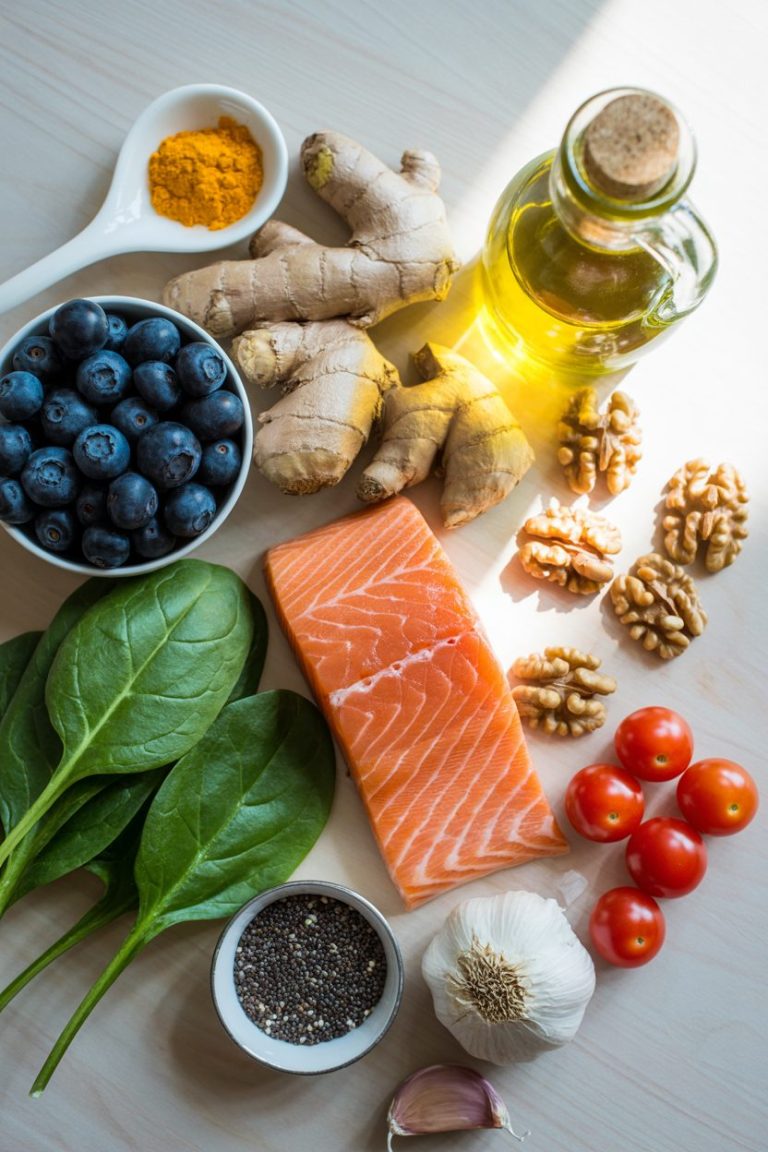
- Turmeric and Ginger: Curcumin and gingerol are potent anti-inflammatory compounds
- Legumes: Beans, lentils, chickpeas—fiber helps clear inflammatory compounds
The key is consistency. Eating salmon once doesn’t fix inflammation. Eating it twice a week for months does.
What to Ditch (Or Seriously Limit)
Some foods actively promote inflammation, and if you’re already dealing with chronic inflammation, these are making everything worse. You don’t need to be perfect, but minimizing these helps:
- Refined Sugar: Spikes blood sugar, triggers inflammatory pathways, feeds bad gut bacteria
- Processed Vegetable Oils: Corn, soybean, canola—high in omega-6 fats that promote inflammation
- Refined Carbohydrates: White bread, pasta, crackers—blood sugar chaos leads to inflammatory responses
- Processed Meats: Bacon, deli meat, hot dogs—contain preservatives that increase inflammation
- Trans Fats: Partially hydrogenated oils in many packaged foods—directly inflammatory
- Excessive Alcohol: Disrupts gut health and promotes systemic inflammation
- Artificial Sweeteners: Alter gut bacteria in ways that promote inflammation
IMO, sugar is the hardest one because it’s hidden everywhere. Check labels—many “healthy” foods are loaded with added sugar under different names.
Time-Saving Strategies for Busy Women
You can’t meal prep if meal prep takes six hours. Here’s how to make anti-inflammatory eating actually sustainable when you have approximately zero free time:
The Sunday Power Hour
Spend 60-90 minutes doing these tasks once, and you’ll save hours during the week:
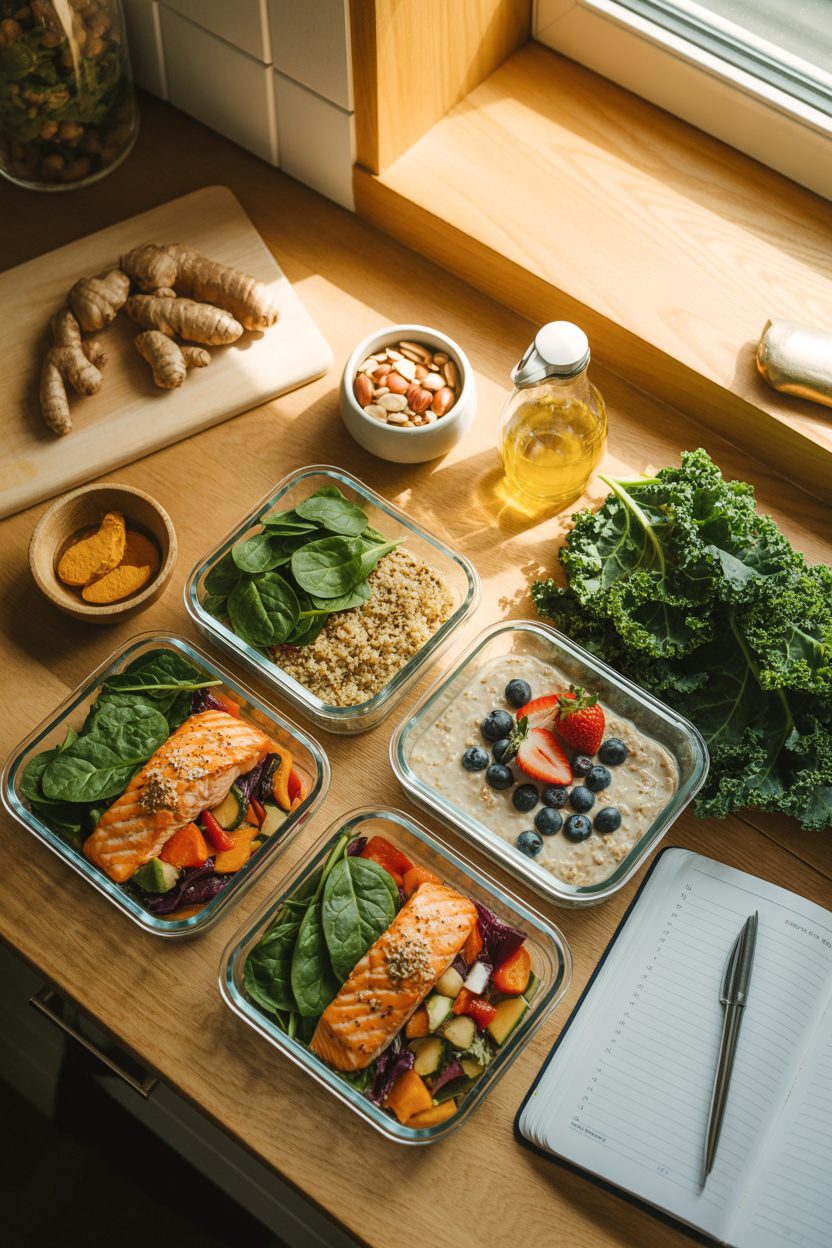
- Wash and chop vegetables for the week—store in airtight glass containers
- Cook a big batch of quinoa or brown rice
- Roast several sheet pans of vegetables
- Hard-boil a dozen eggs
- Make overnight oats for 3-4 days
- Prep smoothie bags with frozen fruit and greens
Use a food processor to chop vegetables in seconds instead of standing there with a knife like a contestant on a cooking show.
Keep These Staples Stocked
Having the right ingredients on hand eliminates the “I have nothing to eat” excuse:
- Frozen vegetables and berries (just as nutritious as fresh)
- Canned beans, chickpeas, and lentils
- Canned wild-caught salmon and tuna
- Rolled oats and quinoa
- Nuts, seeds, and nut butters
- Extra virgin olive oil
- Spices: turmeric, ginger, garlic powder, cinnamon
- Greek yogurt and eggs
- Dark chocolate (for sanity)
Use Shortcuts Without Guilt
Pre-cut vegetables, pre-cooked quinoa, rotisserie chicken, pre-spiralized zucchini—these aren’t cheating. They’re tools that help you actually stick with anti-inflammatory eating instead of ordering takeout because you’re exhausted.
If spending an extra dollar means you’ll eat the vegetables instead of throwing them away, spend the dollar. The goal is eating well, not proving you can chop an onion.
Understanding Your Inflammatory Triggers
Here’s what most anti-inflammatory plans don’t tell you: everyone has different inflammatory triggers. Some women do great with dairy; others notice immediate bloating and joint pain. Some tolerate nightshade vegetables fine; others find they worsen inflammation.
Pay attention to how you feel after eating certain foods. Keep a simple food and symptom journal for two weeks. Note what you ate and any symptoms—joint pain, fatigue, brain fog, digestive issues, mood changes. Patterns will emerge.
Common inflammatory triggers for women include:
- Gluten (especially with autoimmune conditions)
- Dairy (can worsen inflammation and hormonal imbalances)
- Nightshades (tomatoes, peppers, eggplant—problematic for some)
- Eggs (less common but happens)
- Soy (can disrupt hormones in some women)
You don’t need to eliminate everything at once. Try removing one potential trigger for two weeks, then reintroduce it and see what happens. Your body will tell you what it needs if you listen.
The Gut-Inflammation Connection
Your gut health directly impacts inflammation throughout your entire body. When your gut lining is compromised (leaky gut), inflammatory particles leak into your bloodstream and trigger immune responses. This is why gut healing is crucial for managing inflammation.
Anti-inflammatory eating naturally supports gut health through fiber, polyphenols, and probiotic foods. But if you’re dealing with digestive issues alongside inflammation, they’re connected. Fix the gut, reduce the inflammation.
Focus on gut-supporting foods:
- Fermented foods: Sauerkraut, kimchi, yogurt, kefir
- Prebiotic foods: Garlic, onions, leeks, asparagus
- Bone broth: Contains collagen and amino acids that heal gut lining
- Fiber-rich foods: Feed beneficial gut bacteria
For more targeted gut healing combined with anti-inflammatory eating, this 7-day gut healing Mediterranean menu provides specific meal strategies that address both issues simultaneously.
Managing Inflammation During Your Cycle
Your menstrual cycle affects inflammation levels, and inflammation affects your cycle. It’s a two-way street that most doctors don’t discuss.
During the follicular phase (days 1-14), estrogen rises and you typically handle inflammation better. This is when you might feel more energetic and less achy.
During the luteal phase (days 15-28), progesterone dominates and inflammatory markers often increase. This is when PMS symptoms, bloating, joint pain, and mood swings worsen. Eating more anti-inflammatory foods during this phase helps manage symptoms.
Right before your period, focus extra hard on:
- Increasing omega-3s (fatty fish, walnuts, flaxseed)
- Loading up on magnesium-rich foods (dark leafy greens, nuts, seeds)
- Staying hydrated
- Avoiding excess sugar and salt
Many women notice that consistent anti-inflammatory eating reduces PMS symptoms, makes periods less painful, and helps regulate cycles. It takes a couple months to see changes, but they’re often significant.
When Stress Sabotages Everything
You can eat perfectly and still struggle with inflammation if you’re chronically stressed. Elevated cortisol directly promotes inflammatory processes, disrupts gut health, and interferes with how your body uses nutrients.
Stress management isn’t optional—it’s part of the anti-inflammatory equation. Find what works for you:
- Ten minutes of deep breathing daily
- Regular movement (walking, yoga, whatever doesn’t feel like punishment)
- Actual sleep (7-9 hours, not 5 hours supplemented with caffeine)
- Boundaries (saying no to things that drain you)
- Time in nature
- Therapy or counseling
I use a meditation app for guided sessions because my brain won’t shut up on its own. Even five minutes helps lower cortisol and reduce inflammatory responses.
Supplements Worth Considering
Food comes first, but certain supplements can support your anti-inflammatory efforts. Always check with your doctor, especially if you take medications:
Omega-3 Fish Oil: If you don’t eat fatty fish 2-3 times weekly, supplementing helps. Look for high-quality brands with EPA and DHA.
Vitamin D: Most women are deficient, and low vitamin D increases inflammation and worsens autoimmune conditions.
Curcumin: The active compound in turmeric. Hard to get therapeutic doses from food alone, so supplements help. Take it with black pepper or fat for absorption.
Probiotics: Support gut health, which directly impacts inflammation. Look for diverse strains including Lactobacillus and Bifidobacterium.
Magnesium: Most women are deficient. It helps manage stress, supports sleep, and reduces inflammatory markers. I take magnesium glycinate before bed.
Supplements aren’t magic pills that fix everything, but they can fill gaps when real life makes perfect eating impossible.
What to Expect After 7 Days
Let’s keep expectations realistic. Seven days won’t cure chronic inflammation that’s been building for years. But you should notice some changes:
Week 1: Less bloating, more stable energy, better sleep quality. You might have a few days of feeling worse if you’re cutting out sugar and processed foods—push through, it passes.
Weeks 2-3: Joint pain and stiffness often improve. Mood stabilizes. Cravings for sugar and junk food decrease significantly.
Month 2-3: This is when bigger changes happen—clearer skin, less brain fog, improved digestion, reduced PMS symptoms, more consistent energy.
Some people feel dramatically better in a week; others need a month. Everyone’s starting point is different. The key is consistency, not perfection.
If you want to extend these benefits and need more variety, consider this 30-day anti-inflammation challenge that provides structured guidance for longer-term changes.
Making It Last Beyond 7 Days
Seven days is just the beginning. Real anti-inflammatory benefits come from making this your default way of eating, not a temporary fix.
Use the 80/20 rule: eat anti-inflammatory foods 80% of the time, and don’t stress about the other 20%. Life happens. You’ll have birthday cake, drinks with friends, pizza nights with family. That’s fine. What you eat consistently matters more than what you eat occasionally.
Build a rotation of 10-15 meals you can make without thinking. When life gets chaotic, you default to these instead of drive-thrus. Keep your kitchen stocked with anti-inflammatory staples so you always have options.
Prep what you can when you have time. Future-you will appreciate the help. And remember—convenience foods that support your goals are better than “perfect” foods you never actually eat.
Related Plans for Continued Success
If this 7-day plan has you feeling better and wanting to continue, here are some solid options to explore:
Mediterranean-Focused Plans:
- 7-Day Mediterranean Anti-Inflammation Meal Plan – combines Mediterranean eating with targeted anti-inflammatory focus
- 7-Day Mediterranean High-Fiber Meal Prep Plan – batch-cooking strategies for busy schedules
Extended Programs:
- 30-Day Mediterranean Wellness Plan – comprehensive approach for sustained benefits
- 30-Day High-Fiber Anti-Inflammation Program – emphasizes digestive health alongside inflammation reduction
Specialized Options:
- 7-Day Mediterranean Anti-Bloat Plan – targets bloating while reducing inflammation
- 14-Day Mediterranean Weight Loss Plan – if weight management is also a goal
Final Thoughts: You Deserve to Feel Good
Chronic inflammation steals your energy, your comfort, and your quality of life. And as a busy woman juggling everything, you don’t have energy to spare.
The truth is, food won’t fix everything. But it’s a powerful tool that you control three times a day. Every meal is an opportunity to either fuel inflammation or fight it. When you consistently choose anti-inflammatory foods, your body responds.
This isn’t about being perfect or spending hours in the kitchen or becoming someone who lectures people about seed oils at parties. It’s about making strategic choices that reduce your inflammatory burden so you can feel better and do everything else you need to do.
Start small. Pick three meals from this plan and make them this week. See how you feel. When those become easy, add more. Progress beats perfection every single time.
Your body wants to heal. It wants to feel good. Give it the tools it needs through anti-inflammatory eating, and it will reward you with more energy, less pain, better sleep, and clearer thinking.
FYI, you don’t need anyone’s permission to prioritize your health. You’re allowed to spend time and money on food that makes you feel better. You’re allowed to say no to things that drain you. You’re allowed to take care of yourself.
So grab some salmon, load up on vegetables, and start fighting inflammation one meal at a time. Future-you will thank you for it.