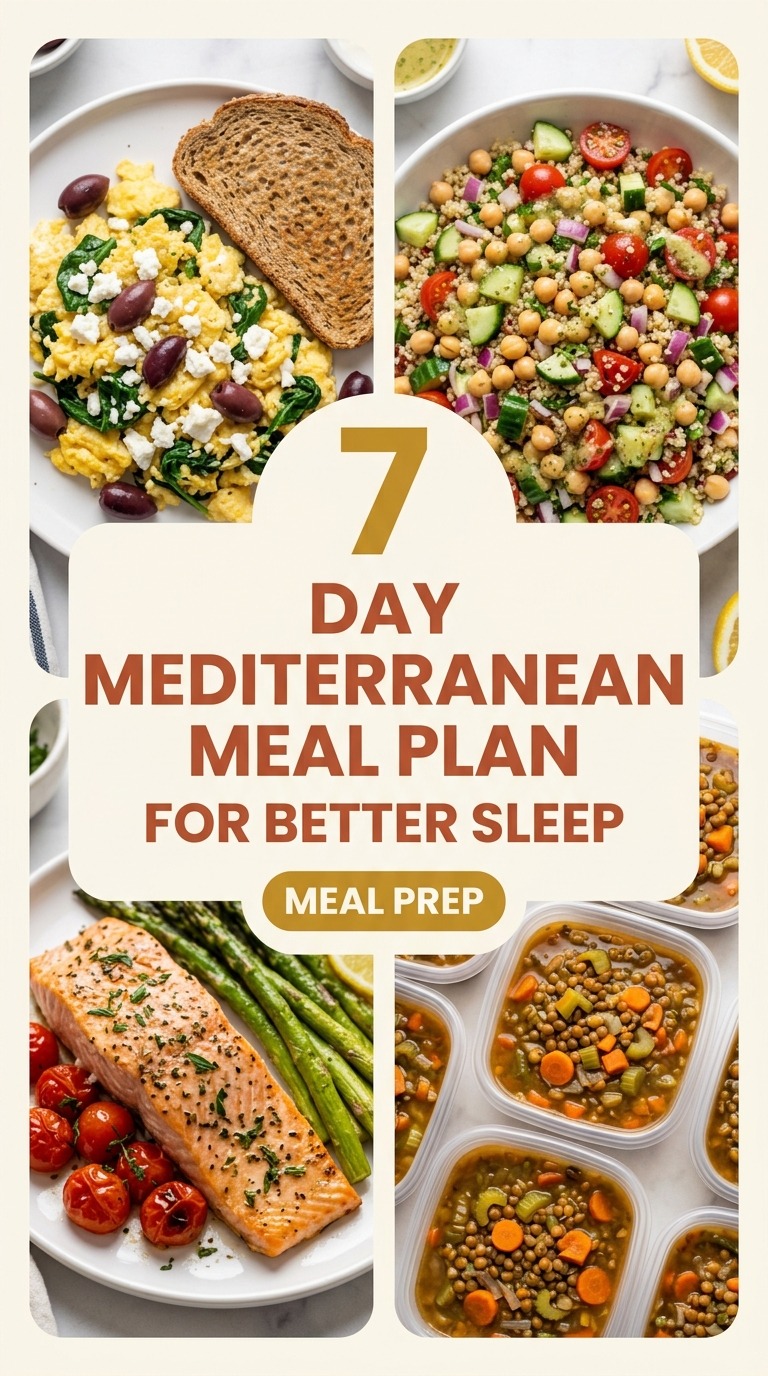

7-Day Mediterranean Clean Eating Plan
Look, I get it. You’re tired of meal plans that promise the world and deliver bland chicken breast with steamed broccoli for a week straight. You want something that actually tastes good, doesn’t require a culinary degree, and maybe—just maybe—makes you feel like a functioning human again.
That’s where this 7-day Mediterranean clean eating plan comes in. I’ve been following Mediterranean eating patterns for years now, and honestly? It’s the only approach that doesn’t make me want to fake my own death by day three. We’re talking real food, actual flavor, and zero deprivation vibes. Think sun-dried tomatoes, olive oil you’d gladly drink straight from the bottle, and fish that doesn’t taste like cardboard.
This plan strips away the processed junk while keeping your taste buds happy. No weird shakes, no expensive supplements, just whole foods that people around the Mediterranean have been eating for centuries while living longer and healthier lives than the rest of us. Ready to eat like a Greek grandma with better knees? Let’s get into it.
What Makes This Plan “Clean” Without Being Annoying
Here’s the thing about clean eating—the term gets thrown around like confetti at a wedding, but what does it actually mean? For this plan, clean means we’re focusing on whole, minimally processed foods that your great-grandmother would recognize. No ingredient lists that read like a chemistry textbook.
The Mediterranean approach naturally leans clean because it’s built on vegetables, fruits, whole grains, legumes, fish, and healthy fats. You won’t find me telling you to eliminate entire food groups or survive on celery juice. Instead, we’re crowding out the garbage by filling your plate with nutrient-dense foods that actually satisfy you.
I’m talking about extra virgin olive oil as your primary fat source, not some mysterious “vegetable oil blend” that could be anything. We’re using herbs and spices for flavor instead of relying on sodium bombs disguised as seasoning packets. And yeah, we’re keeping fish and poultry in the rotation because protein matters, and you shouldn’t have to choke down another sad lentil loaf if you don’t want to.
The beauty of this approach? You can prep most meals in under 30 minutes using a good quality chef’s knife and maybe a reliable food processor if you’re feeling fancy. I practically live out of mine during meal prep Sundays.
The 7-Day Breakdown: What You’ll Actually Eat
Day 1: Starting Strong
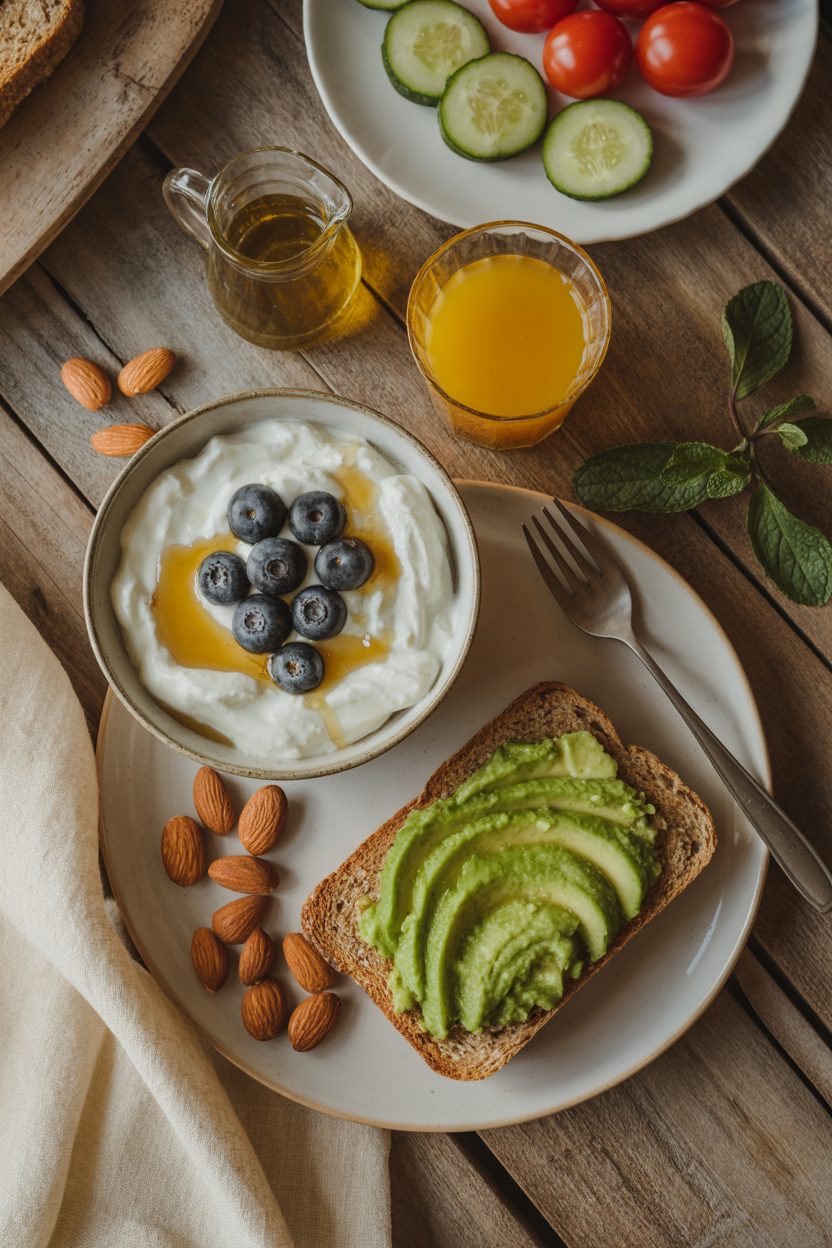
Breakfast: Greek yogurt with berries, walnuts, and a drizzle of honey. Simple, protein-packed, and it doesn’t taste like punishment. The walnuts add that satisfying crunch, and if you’re like me, you’ll probably add more nuts than the recipe suggests because portion control is a myth we tell ourselves.
Lunch: Mediterranean chickpea salad with cucumbers, tomatoes, red onion, feta, and a lemon-olive oil dressing. This is where you learn that salads don’t have to suck. The chickpeas give you staying power, and the feta adds that salty punch that makes your taste buds do a little dance.
Dinner: Baked salmon with roasted vegetables and quinoa. I use a silicone baking mat for the veggies because nothing sticks and cleanup takes about 30 seconds. The salmon comes out perfect every time, and you don’t have to scrub your pan like you’re trying to remove evidence.
Snack: Hummus with carrot sticks and bell pepper strips. Keep your hummus in airtight glass containers so it doesn’t develop that sad, dried-out surface that makes you question your life choices.
Day 2: Building Momentum
Breakfast: Overnight oats with chia seeds, almond milk, and fresh berries. You make this the night before, which means morning-you gets to be lazy. I prep mine in glass meal prep containers because I’m fancy like that, and also because plastic stains from berries and makes me irrationally angry.
Lunch: Whole grain wrap with grilled chicken, mixed greens, roasted red peppers, and tzatziki. The tzatziki is key here—it’s what separates a decent wrap from one you’ll actually look forward to eating. Make your own if you have time, or buy it if you don’t. No judgment.
Dinner: Lentil soup with a side of whole grain bread. This is comfort food that won’t make you hate yourself an hour later. The bread is for dipping, not for making a full sandwich, because we’re trying to keep portions reasonable without being psychotic about it.
If you’re vibing with the gut-friendly aspect of this plan, you might want to check out this 7-day gut healing Mediterranean menu that takes the digestive benefits even further.
Day 3: Hitting Your Stride
Breakfast: Veggie omelet with spinach, tomatoes, and feta. Use a nonstick skillet that actually works, not the one from college that requires half a stick of butter to prevent sticking. Your arteries will thank you.
Lunch: Quinoa bowl with roasted vegetables, chickpeas, and tahini dressing. This is the kind of lunch that makes your coworkers jealous while they’re microwaving their sad frozen meals. The tahini dressing pulls everything together, and you can make extra to use throughout the week.
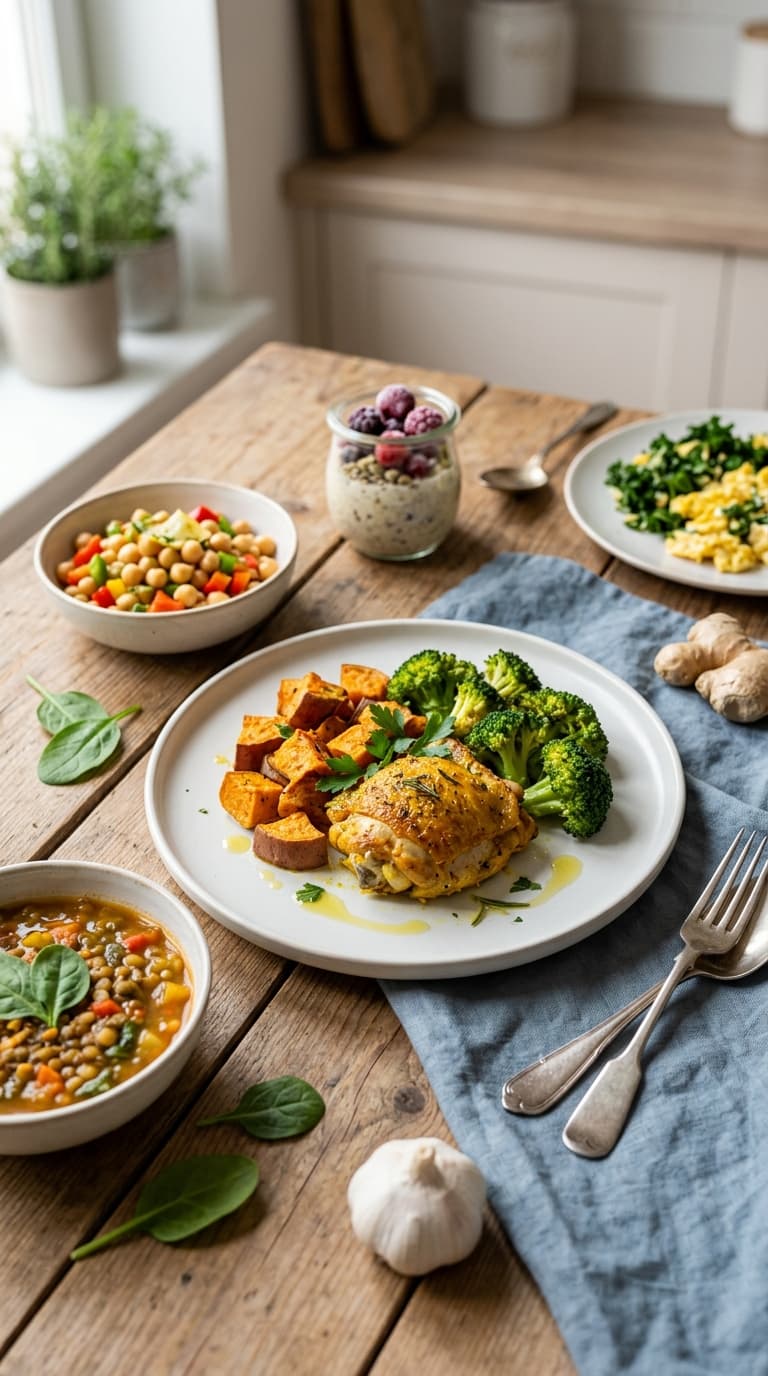
Dinner: Grilled chicken breast with Greek salad and roasted sweet potatoes. The sweet potatoes add natural sweetness and complex carbs that keep you full. I roast mine on a half-sheet pan because even heating matters, people.
Snack: Apple slices with almond butter. Speaking of nut butters, almond butter tends to be lower in omega-6 fatty acids compared to peanut butter, which some people care about for inflammation management. Honestly, both are fine—eat what you like.
Day 4: Staying Consistent
Breakfast: Smoothie bowl with spinach, banana, berries, and a sprinkle of granola. Blend it in a high-powered blender that doesn’t leave chunks, because chunky smoothies are an abomination. Top it with actual toppings instead of just dumping it in a glass.
Lunch: Mediterranean tuna salad over mixed greens. We’re using olive oil-packed tuna here, not that water-packed nonsense that tastes like regret. Mix it with diced cucumbers, tomatoes, olives, and lemon juice. It’s like a deconstructed Niçoise salad without the pretension.
Dinner: Baked cod with sautéed spinach and brown rice. Cod is mild enough that even fish-skeptics usually tolerate it. Season it properly—garlic, lemon, herbs—and it becomes something you’d actually order at a restaurant.
For those days when you need something quicker, these anti-inflammatory smoothie meals work perfectly as a backup plan when life gets chaotic.
Day 5: Powering Through
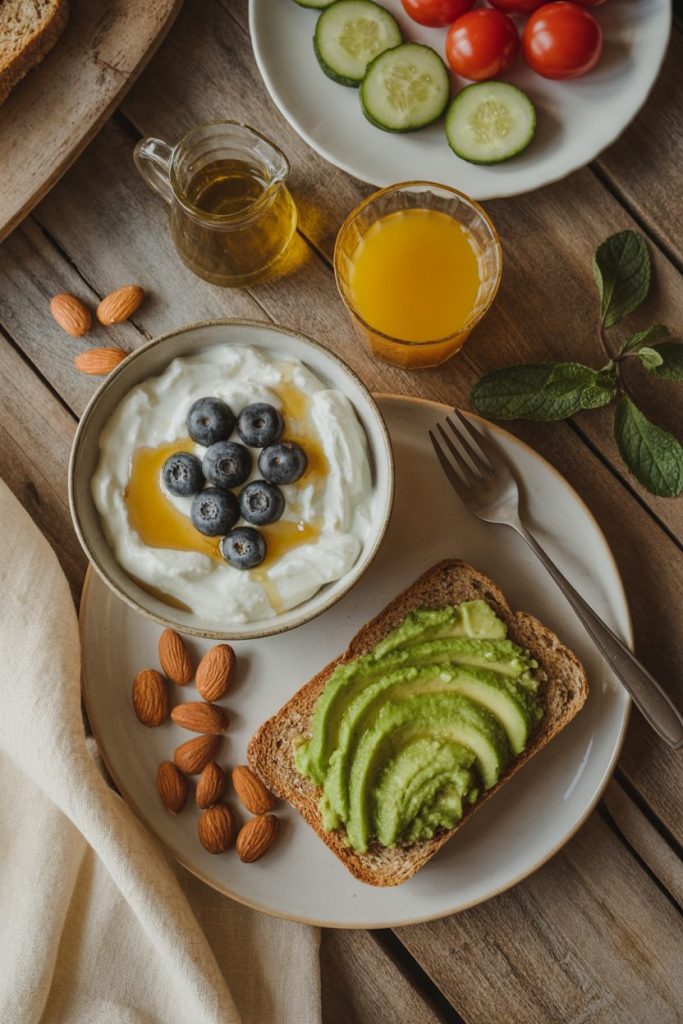
Breakfast: Whole grain toast with mashed avocado and a poached egg. The poached egg intimidates people, but here’s the secret: add a splash of vinegar to the water and don’t overthink it. Or just fry the egg. Nobody’s grading you on technique here.
Lunch: Vegetable and white bean soup with a side salad. This soup is ridiculously filling for something that’s basically vegetables and beans swimming in broth. The beans add plant-based protein and fiber, keeping you satisfied without the meat sweats.
Dinner: Turkey meatballs with zucchini noodles and marinara. I make the zucchini noodles with a spiralizer because it’s faster than knife work and kind of fun. The turkey meatballs are lighter than beef but still satisfying when you season them right.
Snack: Greek yogurt with a handful of almonds. Keep it simple. Not everything needs to be a production.
Day 6: Almost There
Breakfast: Chia pudding with coconut milk and sliced mango. You make this the night before, and it’s like having dessert for breakfast without the guilt spiral. The chia seeds expand and create this pudding-like texture that’s weirdly satisfying.
Lunch: Falafel bowl with mixed greens, tomatoes, cucumbers, and tahini sauce. You can buy pre-made falafel from the store if you’re not feeling ambitious. I won’t tell anyone. The tahini sauce is what makes this work—creamy, nutty, and it ties everything together.
Dinner: Baked chicken thighs with roasted Brussels sprouts and wild rice. Chicken thighs are more forgiving than breasts and actually have flavor. The Brussels sprouts get crispy and caramelized in the oven, converting even the haters.
Speaking of balanced approaches to Mediterranean eating, if you’re also focused on reducing bloating and feeling lighter, this 7-day Mediterranean anti-bloat plan addresses those specific concerns while keeping the flavors you love.
Day 7: Finishing Strong
Breakfast: Mediterranean scramble with eggs, spinach, tomatoes, and olives. This is what happens when you throw everything Mediterranean into a pan and scramble it. Chaos, but delicious chaos.
Lunch: Grilled vegetable and hummus sandwich on whole grain bread. Load it up with grilled zucchini, eggplant, red peppers, and a thick layer of hummus. The vegetables give you volume without excess calories, and the hummus adds creaminess and protein.
Dinner: Shrimp with garlic, lemon, and whole wheat pasta. Shrimp cooks in minutes, which makes this perfect for when you’re tired but still want something that feels special. Toss it with pasta, fresh parsley, red pepper flakes, and call it a night.
Snack: Fresh fruit with a small piece of dark chocolate. Because life without chocolate isn’t worth living, and dark chocolate has antioxidants or whatever we tell ourselves to justify it.
The Protein Situation: Are You Getting Enough?
Real talk—one concern people have with Mediterranean eating is protein intake, especially if they’re active or trying to maintain muscle mass. This plan includes fish, poultry, eggs, Greek yogurt, legumes, and nuts throughout the week, which should keep most people in a good range.
According to research on protein requirements, most adults need about 0.8 grams per kilogram of body weight daily, though active individuals might need more. The Mediterranean diet typically provides adequate protein through diverse sources, which actually helps with absorption and utilization.
If you’re someone who tracks macros or you’re particularly active, you might want to explore a high-protein Mediterranean approach that maintains the clean eating principles while bumping up the protein content.
Greek yogurt is your friend here—it packs about twice the protein of regular yogurt. Chickpeas, lentils, and white beans show up regularly in this plan because they’re protein-packed, fiber-rich, and actually filling. And let’s not forget the fish, which gives you protein plus omega-3 fatty acids that your brain desperately needs.
Shopping Strategy: Don’t Overthink This
You don’t need to buy everything organic, imported from a small village in Crete, blessed by a Mediterranean monk. Get real. Here’s what actually matters:
Prioritize organic for: The dirty dozen (strawberries, spinach, etc.) if your budget allows. If not, wash your produce well and move on with your life.
Stock your pantry with: Extra virgin olive oil (the good stuff, not the fake olive oil crisis variety), canned tomatoes, chickpeas, white beans, whole grains like quinoa and brown rice, and a solid spice collection. I keep my spices in magnetic spice containers on the side of my fridge because drawer space is a lie.
Fresh items weekly: Whatever vegetables look good and aren’t priced like they’re made of gold, seasonal fruit, fish if you’re cooking it that week, chicken, eggs, Greek yogurt, and fresh herbs. The herbs make everything taste expensive.
Keep frozen: Berries for smoothies, mixed vegetables as backup, and wild-caught fish when fresh isn’t available or affordable. Frozen is fine, FYI. Sometimes it’s actually fresher than “fresh” fish that’s been sitting around.
A quality kitchen scale helps with portion awareness without turning you into someone who weighs their lettuce. Use it as a learning tool, not a prison sentence.
Meal Prep Without Losing Your Mind
Sunday meal prep doesn’t have to consume your entire day. I spend about two hours prepping for the week, and that includes watching half a Netflix episode while things roast.
Batch cook: Make a big pot of quinoa or brown rice. Roast several sheet pans of vegetables at once. Cook a whole package of chicken breasts or thighs. Boil a dozen eggs. This is your foundation.
Pre-portion snacks: Divide hummus into small containers with pre-cut veggies. Portion out nuts and dried fruit so you’re not eating an entire bag while standing at the counter questioning your choices.
Prep ingredients, not full meals: Wash and chop vegetables, make your salad dressings, cook your grains. Then you can mix and match throughout the week instead of eating the same thing for seven days straight and wanting to scream.
I use glass containers with snap-on lids for everything because I’m tired of plastic containers that warp in the dishwasher and lids that mysteriously vanish. Plus, glass doesn’t absorb smells or stains, which matters when you’re dealing with tomato-based anything.
If you’re new to this whole Mediterranean thing and want more structure with your prep, check out this Mediterranean meal prep plan that breaks down the process even further.
Why This Works When Other Plans Fail
Most eating plans fail because they’re built on restriction and misery. You can white-knuckle your way through two weeks of deprivation, but eventually, you’re going to snap and eat an entire pizza while hiding in your car.
This Mediterranean approach works because it’s built on addition, not subtraction. You’re adding more vegetables, more healthy fats, more whole grains, more flavor. The processed junk naturally gets crowded out because you’re satisfied by real food that actually tastes good.
The healthy fats from olive oil, nuts, and fish keep you full and help absorb fat-soluble vitamins. The fiber from all those vegetables and whole grains regulates your digestion and blood sugar. The variety keeps you from getting bored and ordering takeout by Wednesday.
Plus, there’s actual science backing this up. Mediterranean dietary patterns and cardiovascular health research shows associations with reduced cardiovascular risk, better cognitive function, and lower rates of chronic disease. It’s not some trendy diet invented by someone trying to sell you supplements.
Customizing for Your Life
Look, I don’t know your life. Maybe you’re vegan, maybe you hate fish, maybe you’re allergic to nuts. This plan is a template, not a prison sentence.
For vegans: Swap the fish and chicken for more legumes, tofu, or tempeh. Double up on the chickpeas and lentils. Nutritional yeast gives you a cheesy flavor without dairy. If you want a fully plant-based version, this Mediterranean vegan plan has you covered.
For nut allergies: Use seeds instead—pumpkin seeds, sunflower seeds, hemp seeds. They provide similar nutrients and crunch without the allergic reaction.
For fish haters: More poultry, more eggs, more legumes. You’ll miss out on some omega-3s, so consider adding chia seeds or flaxseeds to make up for it.
For people who actually like carbs: This isn’t a low-carb plan, but you can adjust portions based on your activity level. Active people need more carbs. Sedentary people need less. Revolutionary concept, I know.
The Fiber Factor Everyone Ignores
One thing this plan naturally provides is a ton of fiber, which most people desperately need and aren’t getting. We’re talking 25-35 grams daily from all those vegetables, fruits, whole grains, and legumes.
Fiber keeps your digestive system moving, feeds your good gut bacteria, helps control blood sugar, and keeps you full longer. It’s basically the unsung hero of nutrition that nobody wants to talk about because it’s not sexy.
The Mediterranean diet typically provides much more fiber than the standard American diet, which averages around 15 grams daily—nowhere near enough. When you start eating this way, your gut might need a week or two to adjust. Drink plenty of water, add fiber gradually if you’re coming from a low-fiber diet, and trust the process.
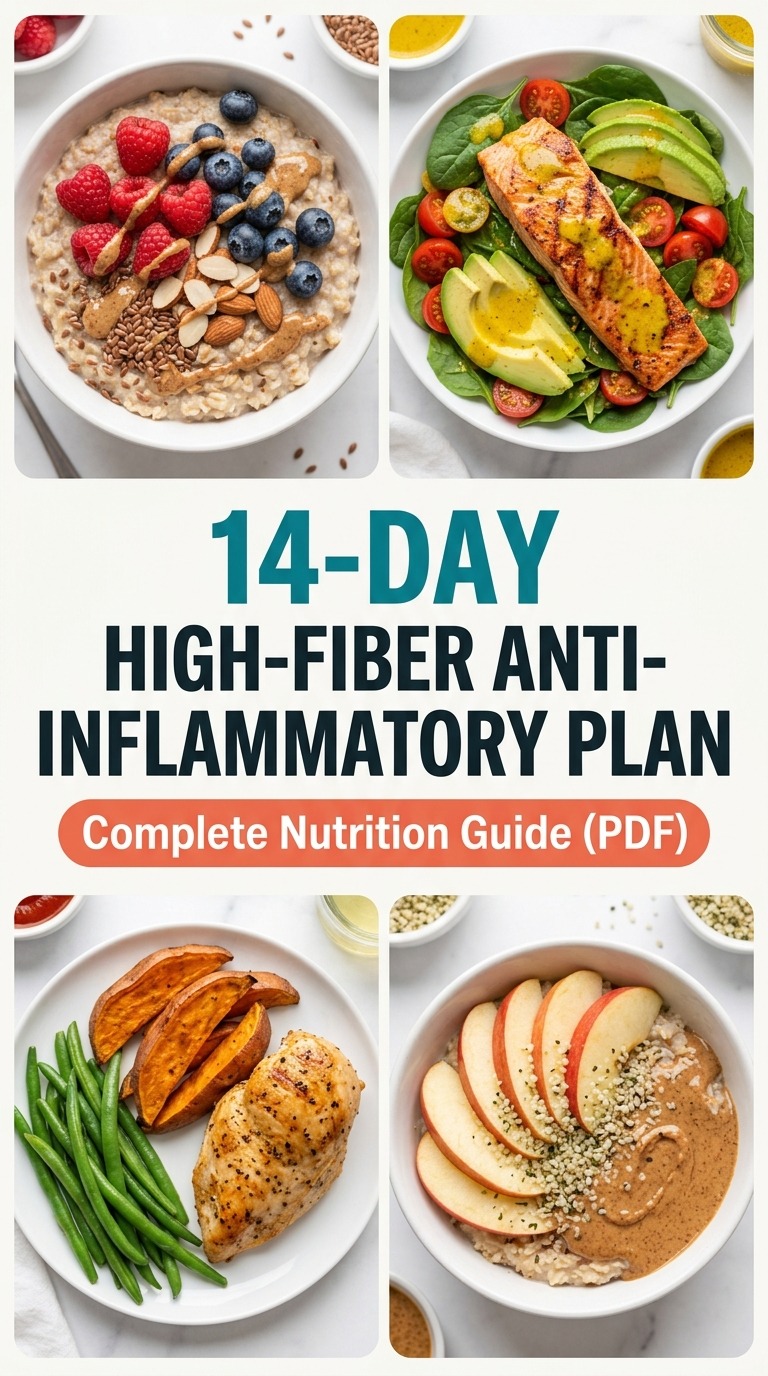
For anyone dealing with specific digestive concerns or wanting to maximize the gut health benefits, this 14-day high-fiber Mediterranean plan provides a more structured approach with detailed guidance.
Real Talk About Expectations
This plan isn’t a magic weight loss solution or a cure-all for everything wrong with your health. It’s a framework for eating more whole foods and less processed garbage.
Will you lose weight? Maybe, if you’re currently eating a standard American diet and make this switch without going overboard on portions. The healthy fats and fiber tend to naturally regulate appetite, and you’re cutting out calorie-dense processed foods.
Will you feel better? Probably. Most people report more energy, better digestion, clearer skin, and improved mood within a week or two. Some of this is placebo effect, some is actually from eating better. Does it matter which? Not really.
Will this fix your entire life? No. You still have to sleep enough, manage stress, move your body, and deal with your other issues. Food is important, but it’s not everything.
IMO, the biggest benefit isn’t even physical—it’s mental. When you stop obsessing over every calorie and start enjoying food again, that psychological shift matters more than any macro ratio.
The Inflammation Connection
You’ve probably heard people throwing around “anti-inflammatory” like it’s the new superfood buzzword. But here’s the thing—chronic inflammation actually matters, and the Mediterranean diet naturally addresses it.
The combination of omega-3 fatty acids from fish, antioxidants from colorful vegetables and fruits, and polyphenols from olive oil creates an eating pattern that supports the body’s natural inflammatory response. We’re not talking about eliminating all inflammation—you need acute inflammation to heal. We’re talking about reducing the chronic, low-level inflammation linked to basically every disease that scares you.
The typical Western diet, loaded with processed foods, refined carbs, and omega-6 heavy oils, tends to promote inflammation. This Mediterranean approach flips that script without requiring you to eat like a rabbit or choke down turmeric shots.
If inflammation is a specific concern for you—whether from autoimmune issues, joint pain, or just general discomfort—you might benefit from a more targeted approach like this 7-day Mediterranean anti-inflammation meal plan that specifically emphasizes the most beneficial foods.
Making It Work Long-Term
The seven days are just the beginning. The real question is: how do you make this sustainable without turning into that person who brings their own food everywhere and lectures everyone about seed oils?
First, give yourself permission to be flexible. Going out for pizza with friends won’t undo everything. Having a burger occasionally doesn’t mean you’ve “failed.” This isn’t a religion; it’s a way of eating that should enhance your life, not dominate it.
Second, focus on the 80/20 principle. If 80% of your meals follow this Mediterranean framework, the other 20% really doesn’t matter much. Stop agonizing over being perfect and just aim for consistently pretty good.
Third, find your staples. Everyone needs a rotation of 10-15 meals they can make without thinking. These become your default options when life gets chaotic. Mine include variations of grain bowls, simple fish dishes, and big salads that actually fill me up.
Fourth, prep the hard stuff. I don’t meal prep entire meals, but I always have cooked grains, roasted vegetables, and a couple proteins ready to go. This makes throwing together a Mediterranean-style meal take about five minutes instead of an hour.
The Cost Reality Check
Let’s address the elephant in the room—eating this way costs more than surviving on ramen and frozen pizza. But it’s not as expensive as the organic-everything crowd wants you to believe.
Buy frozen vegetables when fresh is pricey. They’re nutritionally identical and sometimes better because they’re frozen at peak ripeness. Canned tomatoes, chickpeas, and beans are cheap pantry staples that last forever. Buy whole chickens and break them down yourself—it’s cheaper than buying parts and gives you bones for stock.
Fish can get expensive, but canned sardines and wild-caught salmon are both affordable and nutritious. You don’t need to eat fresh halibut every night. Eggs are still one of the cheapest protein sources available. Lentils cost next to nothing and are nutritionally incredible.
The olive oil is where you should spend money. Buy actual extra virgin olive oil, not the fake stuff. Yes, it’s more expensive, but you’re using it as medicine basically. Everything else? Buy what’s on sale and in season.
Related Meal Plans You’ll Love
If this 7-day plan resonates with you but you want more structure or different focuses, here are some options that pair perfectly with this approach:
For Anti-Inflammatory Focus:
- 7-Day Anti-Inflammation Reset – simplified version for those starting fresh with easy, doable meals
- 14-Day Anti-Inflammatory Plan for Women – addresses women’s specific nutritional needs
For Longer Commitments:
- 30-Day Anti-Inflammation Challenge – extended program for deeper health changes
- 30-Day Mediterranean Wellness Plan – comprehensive approach to overall wellbeing
- 30-Day High-Fiber Anti-Inflammation Program – combines fiber benefits with inflammation reduction
For Weight Management:
- 14-Day Mediterranean Weight Loss Plan – balanced approach to healthy weight management without deprivation
Final Thoughts: Just Start
The perfect plan executed poorly beats the mediocre plan executed perfectly. Stop overthinking this.
You don’t need to meal prep like you’re entering a bodybuilding competition. You don’t need every ingredient to be organic, locally sourced, and hand-delivered by farmers who sing to their crops. You don’t need special equipment beyond basic kitchen tools that work.
Start with one meal. Make breakfast Mediterranean for a week and see how you feel. Then add lunch. Then dinner. Build the habit before you try to overhaul everything at once.
This 7-day plan gives you a framework, not a rigid prescription. Use what works, adjust what doesn’t, and remember that consistency matters more than perfection. You’re going for progress, not Instagram-worthy perfection that makes you miserable.
The Mediterranean approach has worked for centuries because it’s built on real food, reasonable portions, and actually enjoying your meals. You don’t need to complicate it more than that.
So grab some olive oil, load up on vegetables, and start eating like someone who actually likes food. Your body will figure out the rest.