
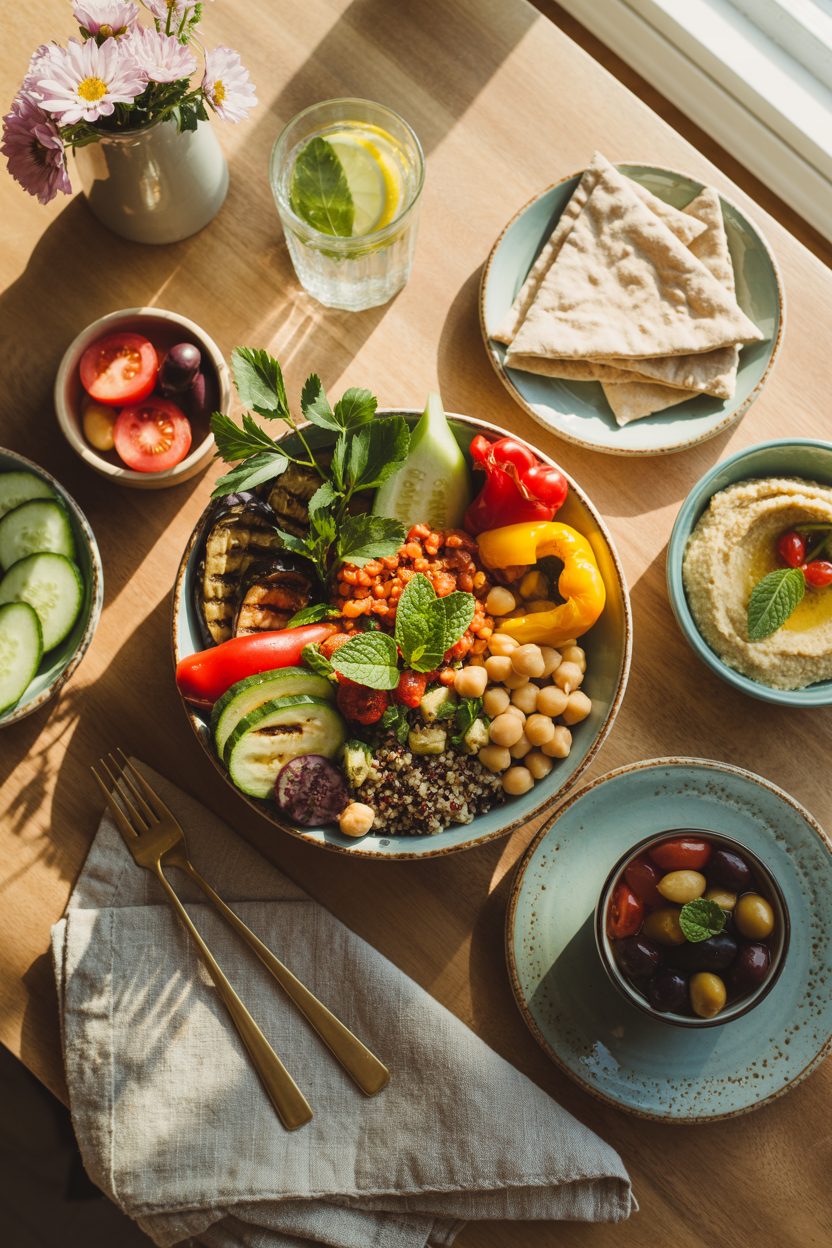
30-Day Mediterranean Wellness Plan
One month. That’s all it takes to completely transform how your body feels, how your mind functions, and how you approach food for the rest of your life. Not through some restrictive crash diet or punishment disguised as wellness, but through a sustainable, delicious way of eating that people in the Mediterranean have been crushing for centuries.
I’ll be honest—I was skeptical at first. Another diet trend promising miracles? Sure. But after committing to 30 days of Mediterranean eating, something shifted. My energy stabilized, my skin cleared up, and I stopped experiencing those brutal afternoon crashes that used to require a triple espresso just to function. This isn’t just about weight loss (though that’s often a nice side effect). It’s about building a foundation of wellness that actually sticks.

Why 30 Days Is the Magic Number
There’s actual science behind the 30-day commitment. According to research published by Mayo Clinic, the Mediterranean diet demonstrates measurable health benefits within weeks, particularly for cardiovascular health and inflammation markers. But it takes about a month for your taste buds to adapt, your gut microbiome to shift, and for new habits to feel less like work and more like your new normal.
Think about it—you’re basically reprogramming years of dietary patterns in 30 days. Your body needs time to adjust to increased fiber, different fat sources, and a completely new relationship with whole foods. The first week might feel like a challenge. By week three, you’ll wonder why you ever ate any other way.
The beauty of the Mediterranean approach is that it’s not restrictive. You’re not eliminating entire food groups or counting every calorie like some kind of mathematical torture. You’re simply eating real food in sensible proportions, with an emphasis on plants, healthy fats, and moderate portions of high-quality proteins.
I track my progress using this wellness journal that has sections for meals, energy levels, and how I’m feeling—turns out, seeing patterns written down makes a huge difference.
Week One: The Foundation Phase
The first week is all about establishing your baseline and stocking your kitchen properly. You’re not trying to be perfect here—you’re just building the infrastructure that will support the next three weeks.
Days 1-3: Kitchen Reset and Meal Prep
Start by clearing out the obvious saboteurs. I’m not saying throw away everything in your pantry, but maybe relocate the chips and cookies to a less accessible location. Out of sight genuinely helps, especially in those first few days when your brain is still craving its usual patterns.
Stock up on Mediterranean staples: extra virgin olive oil (the real stuff, not the $5 bottle), canned beans and lentils, whole grains like quinoa and farro, nuts, canned fish, and tons of fresh or frozen vegetables. Having these ingredients readily available makes it exponentially easier to throw together a Mediterranean-style meal when you’re tired and hungry.
Meal prep doesn’t have to be this massive Sunday production. I use this set of glass containers to store chopped vegetables, cooked grains, and a couple protein options. Fifteen minutes of prep saves you from making terrible decisions later in the week.
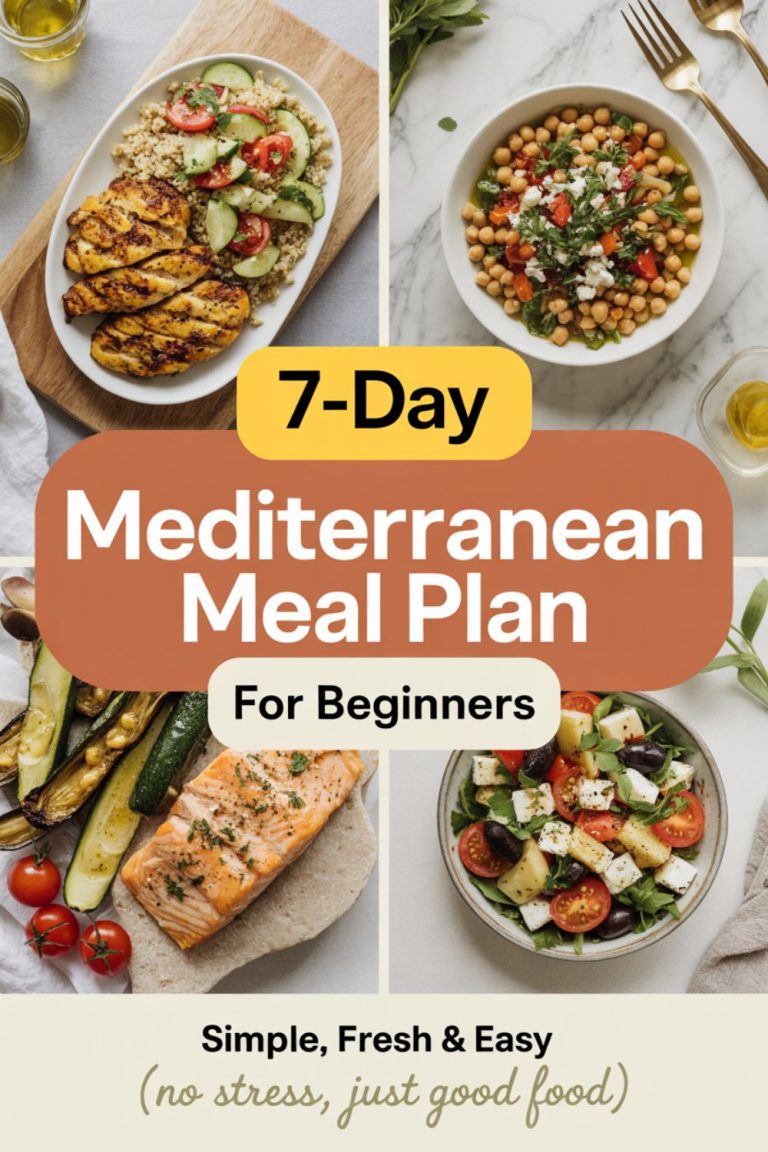
For detailed week-by-week guidance, check out this 7-day Mediterranean anti-inflammation meal plan that breaks down exactly what to eat and when.
Days 4-7: Finding Your Rhythm
By day four, you should start noticing how different foods affect your energy. Maybe that big bowl of pasta at lunch makes you sleepy (too many refined carbs at once), or perhaps starting your day with eggs and vegetables keeps you satisfied until noon.
Pay attention to these patterns. The Mediterranean diet isn’t one-size-fits-all—it’s a framework you adapt to your body’s needs. Some people thrive on three larger meals; others need strategic snacks to maintain energy. Neither is wrong.
Sample Day 5 meals:
- Breakfast: Greek yogurt with berries, walnuts, and a drizzle of honey
- Lunch: Quinoa bowl with grilled chicken, roasted vegetables, hummus, and olive oil-lemon dressing
- Snack: Apple slices with almond butter
- Dinner: Baked salmon with steamed broccoli and a small portion of brown rice
This is where people typically hit their first challenge—social situations or eating out. Don’t stress about it. Order grilled fish or chicken with vegetables, ask for olive oil instead of butter, and move on with your life. One meal won’t derail anything.
Week Two: Deepening the Practice
Week two is when things start getting interesting. Your taste buds are adjusting, and foods that seemed bland initially now taste more complex and satisfying. That’s your palate recalibrating after years of over-salted, over-sweetened processed foods.
Days 8-10: Exploring New Foods
This is the perfect time to experiment with Mediterranean foods you might have overlooked before. Ever tried sardines? They’re incredibly nutritious, budget-friendly, and surprisingly good on whole grain crackers with cucumber. Farro? It’s like quinoa’s chewier, nuttier cousin.
Branch out with your vegetables too. Roasted eggplant, sautéed chard, grilled zucchini—these aren’t just side dishes, they’re the main event in Mediterranean eating. I roast vegetables at 425°F on these heavy-duty sheet pans that distribute heat evenly and don’t warp.
Research from NewYork-Presbyterian shows that Mediterranean dietary patterns, similar to those found in Blue Zones, are associated with remarkable longevity and reduced rates of chronic disease. The key factors? High intake of plant foods, healthy fats from olive oil and nuts, and moderate consumption of fish and poultry.
FYI, this is also a good time to start playing with herbs and spices more. Fresh basil, oregano, parsley, thyme—these add so much flavor without any calories or sodium. I keep mine fresh in this herb saver that actually works, unlike those plastic containers that turn everything to slime.
Days 11-14: Mastering the Meal Structure
By the end of week two, you should have a solid understanding of how to structure Mediterranean-style meals. Think of your plate as having clear zones: half vegetables, a quarter lean protein, a quarter whole grains, with healthy fat incorporated throughout.
Speaking of meal structures, the 14-day high-fiber Mediterranean plan for beginners provides excellent templates for balancing fiber intake with digestive comfort—crucial for maintaining energy and avoiding that bloated, sluggish feeling.
This week is also when many people notice improved digestion. The combination of fiber-rich foods, healthy fats, and adequate hydration starts working its magic. Your gut microbiome is shifting toward more beneficial bacteria that thrive on plant foods.
Hydration tip: Keep a water bottle with time markers visible all day. The fiber in Mediterranean eating requires adequate water to move through your system comfortably. Aim for at least eight glasses daily.
Week Three: The Transformation Week
This is where most people have their “aha” moment. You wake up one morning and realize you have sustained energy throughout the day. Your jeans fit better. Your skin looks clearer. You’re not experiencing those wild blood sugar swings that used to dictate your mood and cravings.
Days 15-17: Optimizing Your Approach
Now that you’ve established solid habits, it’s time to fine-tune. Are you getting enough protein? Adequate healthy fats? Enough variety in your vegetables? Use these three days to audit your eating patterns and adjust accordingly.
Most people underestimate how much olive oil they should actually consume. The Mediterranean diet isn’t low-fat—it’s smart-fat. A couple tablespoons of quality olive oil per day provides anti-inflammatory compounds and helps you absorb fat-soluble vitamins from vegetables.
Consider adding more legumes if you haven’t already. Beans and lentils are nutritional powerhouses—loaded with fiber, protein, and various micronutrients. They’re also ridiculously cheap, which makes this way of eating accessible regardless of budget.
For those wanting to focus specifically on gut health during this phase, the 7-day gut healing Mediterranean menu emphasizes foods that support digestive wellness while maintaining Mediterranean principles.
Days 18-21: Building Sustainable Habits
The goal isn’t to eat perfectly for 30 days and then revert to your old patterns. Week three is about cementing habits that will last beyond this initial commitment. That means finding recipes you genuinely enjoy, not just tolerate because they’re “healthy.”
It also means learning to navigate real life—parties, restaurants, travel, stress. The Mediterranean approach is flexible enough to accommodate all of these situations. Had pizza on Friday night? No problem. Get back to your regular patterns on Saturday.
IMO, this flexibility is what makes Mediterranean eating sustainable long-term. You’re not following rigid rules; you’re working within a framework that has room for pleasure, convenience, and spontaneity.
Meal prep strategy: I dedicate two hours on Sunday to prepare components rather than complete meals. Cook a big pot of quinoa, roast a variety of vegetables, grill several protein options, make a jar of vinaigrette. Then mix and match throughout the week based on what sounds good.
Week Four: The Lifestyle Integration
By week four, Mediterranean eating shouldn’t feel like a diet anymore—it should feel like how you eat. This final week is about integrating these habits into your broader lifestyle and planning how you’ll maintain them moving forward.
Days 22-24: Expanding Your Recipe Repertoire
Branch out with more complex Mediterranean recipes. Try making your own hummus (ridiculously easy and tastes way better than store-bought). Experiment with fish you haven’t cooked before. Make a big pot of Mediterranean lentil soup that you can eat all week.
I use this food processor for hummus, pesto, and chopping vegetables—it cuts prep time in half and makes cooking feel less like a chore. Small investments in the right tools genuinely make healthier eating more accessible.
This is also a good time to explore Mediterranean flavors from different regions. Greek food emphasizes oregano, lemon, and yogurt. Italian cuisine leans heavily on tomatoes, basil, and olive oil. Spanish cooking features paprika, saffron, and seafood. They’re all Mediterranean, but the flavor profiles are distinctly different.
For structured guidance on extending these habits beyond 30 days, the 30-day anti-inflammation challenge provides a comprehensive framework for building sustainable healthy eating patterns.
Days 25-28: Addressing Remaining Challenges
Three and a half weeks in, you’ve probably encountered most of the common obstacles. Maybe meal prep still feels overwhelming. Perhaps you’re struggling to get enough variety in your vegetables. Or maybe you’re just bored with your current rotation of meals.
Use these days to problem-solve whatever isn’t working. Bored with your lunches? Try making a big batch of grain bowls with different topping combinations. Vegetables getting sad in your fridge? Switch to more frozen options, which are just as nutritious and last way longer.
The biggest challenge most people face is maintaining this during busy or stressful periods. That’s where having emergency options becomes crucial. Keep canned fish, pre-cooked frozen shrimp, jarred roasted red peppers, and other convenient Mediterranean staples on hand for those nights when cooking from scratch isn’t happening.
Quick dinner hack: I always have frozen wild-caught fish fillets in the freezer. Fifteen minutes in the oven with olive oil, lemon, and herbs, served with a bagged salad mix and microwave brown rice. Total time: 20 minutes.
Days 29-30: Planning for Sustainability
The last two days are about reflection and planning. What worked well this month? What needs adjustment? How will you maintain these habits when the structure of a 30-day plan isn’t guiding you?
Consider which meals you genuinely enjoyed and make those your regular rotation. Think about which prep strategies made your week easier and commit to maintaining those. Identify potential obstacles coming up (travel, busy season at work, holidays) and strategize how you’ll navigate them.
Research consistently shows that the Mediterranean diet isn’t just beneficial short-term. According to extensive studies reviewed by the National Institutes of Health, the Mediterranean dietary pattern demonstrates long-lasting benefits for cardiovascular health, inflammation reduction, and metabolic function when maintained over time.
For those looking to continue with structured plans, the 14-day anti-inflammatory eating plan for women provides targeted guidance that addresses specific nutritional needs while maintaining Mediterranean principles.
The Essential Mediterranean Pantry
Having the right ingredients on hand is non-negotiable for maintaining this way of eating. Here’s what should always be in your kitchen:
Oils and fats:
- Extra virgin olive oil (splurge on quality here)
- Avocado oil for high-heat cooking
- Tahini
- Nuts: almonds, walnuts, pistachios
Protein sources:
- Canned fish: sardines, anchovies, tuna, salmon
- Dried or canned legumes: chickpeas, lentils, white beans
- Eggs
- Greek yogurt
Whole grains:
- Quinoa
- Farro
- Brown rice
- Whole grain pasta
- Bulgur wheat
Flavor builders:
- Garlic
- Lemon
- Fresh herbs: basil, parsley, oregano, mint
- Dried spices: cumin, paprika, turmeric
- Capers and olives
Vegetables (fresh or frozen):
- Leafy greens: spinach, kale, arugula
- Tomatoes (fresh and canned)
- Bell peppers
- Zucchini
- Eggplant
- Onions
One tool that’s genuinely changed my kitchen game is this spice rack organizer—I can actually see what I have instead of digging through a chaotic cabinet.
Beyond Diet: The Mediterranean Lifestyle
Here’s what people often miss: Mediterranean eating isn’t just about the food. It’s part of a broader lifestyle approach that includes movement, social connection, stress management, and pleasure.
Movement Without the Gym
People in Mediterranean regions don’t typically “exercise” in the American sense. They walk. A lot. They take stairs. They garden. They incorporate movement naturally throughout their day rather than compensating for eight hours of sitting with one brutal gym session.
Try adding a 15-minute walk after dinner. Park farther away from store entrances. Take the stairs when possible. These small additions compound over time into significant health benefits.
Eating as a Social Experience
Mediterranean cultures treat meals as social events, not something you inhale while scrolling through your phone. They eat slowly, savor their food, and connect with others during meals.
This matters more than you might think. Eating slowly gives your body time to register fullness, which naturally prevents overeating. Social connection during meals reduces stress and enhances satisfaction with food.
Put your phone away during at least one meal per day. Set the table even if you’re eating alone. Actually taste your food instead of treating it as fuel you’re mechanically consuming.
Stress Management Matters
Chronic stress undermines even the healthiest diet. It disrupts sleep, increases inflammation, affects digestion, and triggers cravings for comfort foods. The Mediterranean lifestyle emphasizes rest, relaxation, and managing stress before it becomes chronic.
Find what works for you—meditation, yoga, reading, time in nature, whatever helps you decompress. Even ten minutes daily makes a measurable difference in stress hormone levels.
What to Expect: Realistic Outcomes
Let’s set realistic expectations about what 30 days of Mediterranean eating will and won’t do.
What you can expect:
- Improved energy levels throughout the day without crashes
- Better digestion as your gut adjusts to increased fiber
- Reduced inflammation, particularly if you’ve been dealing with joint pain or skin issues
- More stable moods from balanced blood sugar levels
- Possible weight loss (typically 3-8 pounds, though individual results vary wildly)
- Better sleep quality from balanced macronutrients and improved blood sugar regulation
- Clearer thinking from consistent energy rather than the spikes and crashes of processed foods
What probably won’t happen:
- Dropping 20 pounds (sustainable weight loss is gradual)
- Curing diagnosed medical conditions (though symptoms may improve)
- Suddenly loving every vegetable (some foods just aren’t your jam, and that’s okay)
- Never craving sweets or processed foods again (cravings decrease but don’t disappear)
The biggest shift most people experience isn’t dramatic physical transformation—it’s a fundamental change in their relationship with food. Food becomes something that nourishes and energizes rather than something you feel guilty about or that makes you feel terrible.
If you want to continue building on these foundations, the 7-day anti-inflammation reset offers simple, straightforward meals that work perfectly as a follow-up to this 30-day plan.
Troubleshooting Common Issues
Even with the best intentions, you’ll probably hit some snags. Here’s how to handle the most common ones:
“I’m Always Hungry”
You’re probably not eating enough protein or healthy fats. Mediterranean eating isn’t low-calorie—it’s nutrient-dense. Make sure you’re including adequate portions of protein at each meal and incorporating healthy fats like olive oil, nuts, and avocado.
Also, check your fiber intake. If you ramped up fiber too quickly, your digestive system might be struggling, which can paradoxically increase hunger signals. Ease into higher-fiber foods gradually.
“It’s Too Expensive”
It doesn’t have to be. Frozen vegetables are just as nutritious as fresh. Canned fish and beans are incredibly affordable protein sources. Buy seasonal produce from farmers markets. Stock up on pantry staples when they’re on sale.
The 7-day Mediterranean high-fiber meal prep plan includes budget-conscious strategies for eating well without breaking the bank.
“I Don’t Have Time to Cook”
Neither do most people. That’s why batch cooking and strategic prep are essential. You don’t need to cook elaborate meals—simple preparations work just as well nutritionally.
Keep it stupidly simple on busy nights: canned tuna over greens with olive oil and lemon, scrambled eggs with whatever vegetables you have, pre-cooked rotisserie chicken with a bagged salad and quinoa. These meals take ten minutes and check all the Mediterranean boxes.
“My Family Won’t Eat This Way”
You’d be surprised. Most Mediterranean foods are naturally appealing—pasta with marinara and vegetables, grilled chicken with rice and salad, fish tacos with lots of toppings. You’re not asking anyone to eat weird health food; you’re making normal meals with better ingredients.
Start with Mediterranean meals that fit existing preferences, then gradually introduce more variety. Kids especially respond well when they’re involved in meal prep.
Making It Stick Beyond 30 Days
The real test comes on day 31. You’ve established momentum, but now you need systems to maintain it without the structure of a defined plan.
Create your core meal rotation: Identify 10-15 meals you genuinely enjoy and can make without much thought. These become your defaults when you’re tired, busy, or uninspired. Mine include variations of grain bowls, simple pasta dishes, sheet pan proteins and vegetables, and big salads with various toppings.
Plan for obstacles: You will have weeks where meal prep doesn’t happen. You will encounter stress periods where healthy eating feels impossible. Anticipate these challenges and have backup strategies ready.
Stay connected to your why: Why did you start this 30-day commitment? Better health? More energy? Managing a health condition? Keep that reason visible. Write it down. Refer back to it when motivation wanes.
Find community: Whether it’s a friend doing this with you, an online group, or just your household, having people who support this way of eating makes a huge difference in long-term sustainability.
The 30-day high-fiber anti-inflammation program offers extended guidance for those who want continued structure beyond this initial month.
Related Plans You’ll Love
Looking for more Mediterranean-inspired eating plans that support specific health goals? Here are some options that build on these foundations:
For Anti-Inflammatory Focus: 7-day Mediterranean anti-inflammation meal plan—specifically targets inflammation with strategic food choices
30-day anti-inflammation challenge—extends anti-inflammatory eating with progressive habit building
For Digestive Health: 7-day gut healing Mediterranean menu—emphasizes foods that support optimal digestive function
For Women’s Health: 14-day anti-inflammatory eating plan for women—addresses hormonal considerations and specific nutritional needs
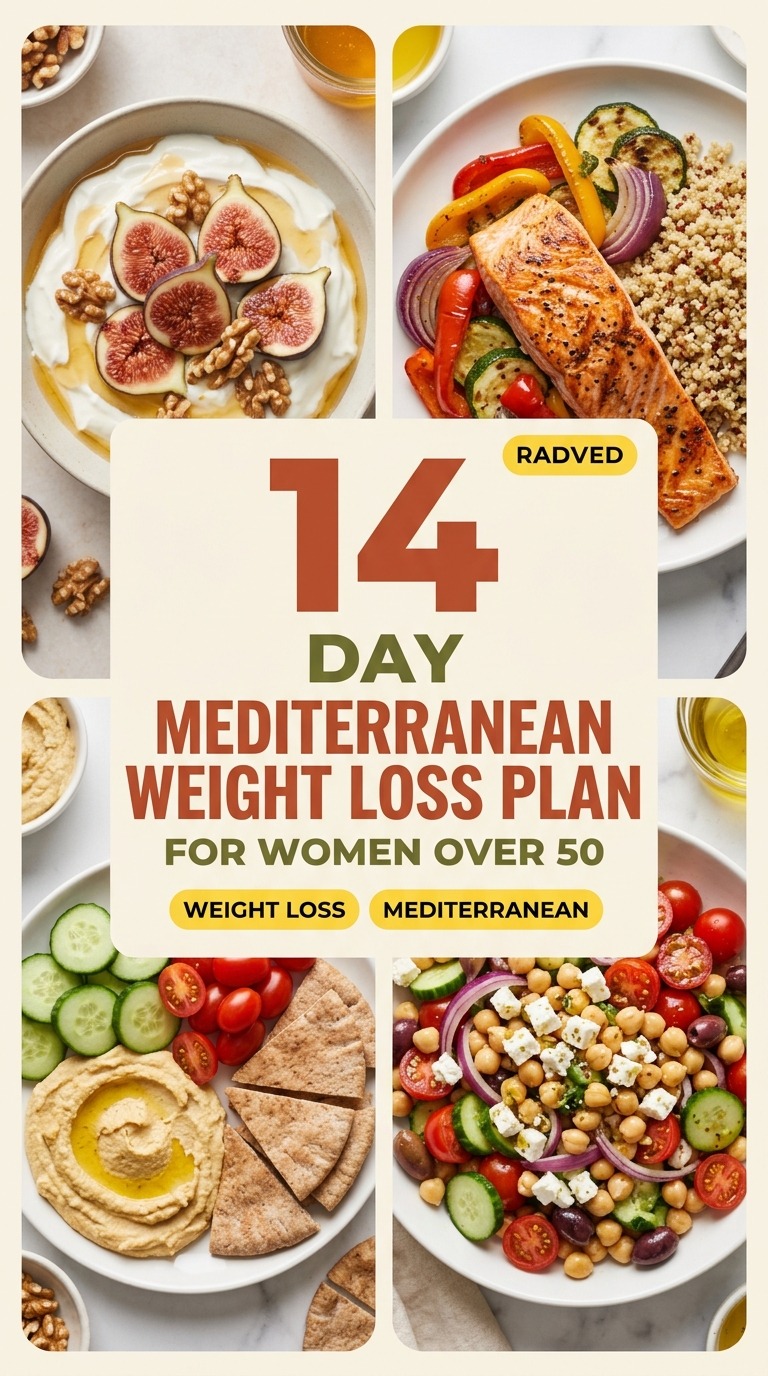
For Weight Management: 14-day Mediterranean weight loss plan—combines Mediterranean principles with portion guidance for sustainable weight loss
For Plant-Based Eating: 7-day Mediterranean vegan anti-inflammation plan—plant-based Mediterranean eating without animal products
Your Next 30 Days Start Now
Here’s the thing about transformation—it doesn’t happen in dramatic bursts. It happens in the small, consistent choices you make every single day. Thirty days of choosing olive oil over butter. Thirty days of eating vegetables with every meal. Thirty days of prioritizing whole foods over processed convenience.
You’ve got all the information you need. You understand the framework, you know what to buy, you have strategies for common obstacles. The only variable left is whether you’ll actually do it.
Start tomorrow morning with a Mediterranean-style breakfast. Maybe it’s Greek yogurt with fruit and nuts. Maybe it’s eggs with vegetables and whole grain toast. Whatever it is, make it intentional. Then do it again the next day, and the day after that.
By day 30, you won’t just have completed a plan—you’ll have fundamentally shifted how you approach food, health, and wellness. And that shift is worth way more than any quick fix or temporary diet could ever provide.