
21 Quick Mediterranean Meal Prep Ideas for Busy Weeks
Look, I get it. You’re staring at your fridge on Sunday night, dreading another week of scrambling for healthy meals while juggling work, errands, and whatever else life throws at you. The drive-thru starts looking pretty tempting around Wednesday, right? But here’s the thing—Mediterranean meal prep doesn’t have to be some elaborate production that takes your entire weekend.
I’ve spent years perfecting the art of throwing together meals that actually taste good on day four, and I’m sharing everything I’ve learned. These aren’t your typical bland chicken-and-broccoli containers. We’re talking vibrant flavors, healthy fats, and meals that’ll make your coworkers jealous when you pull them out at lunch.
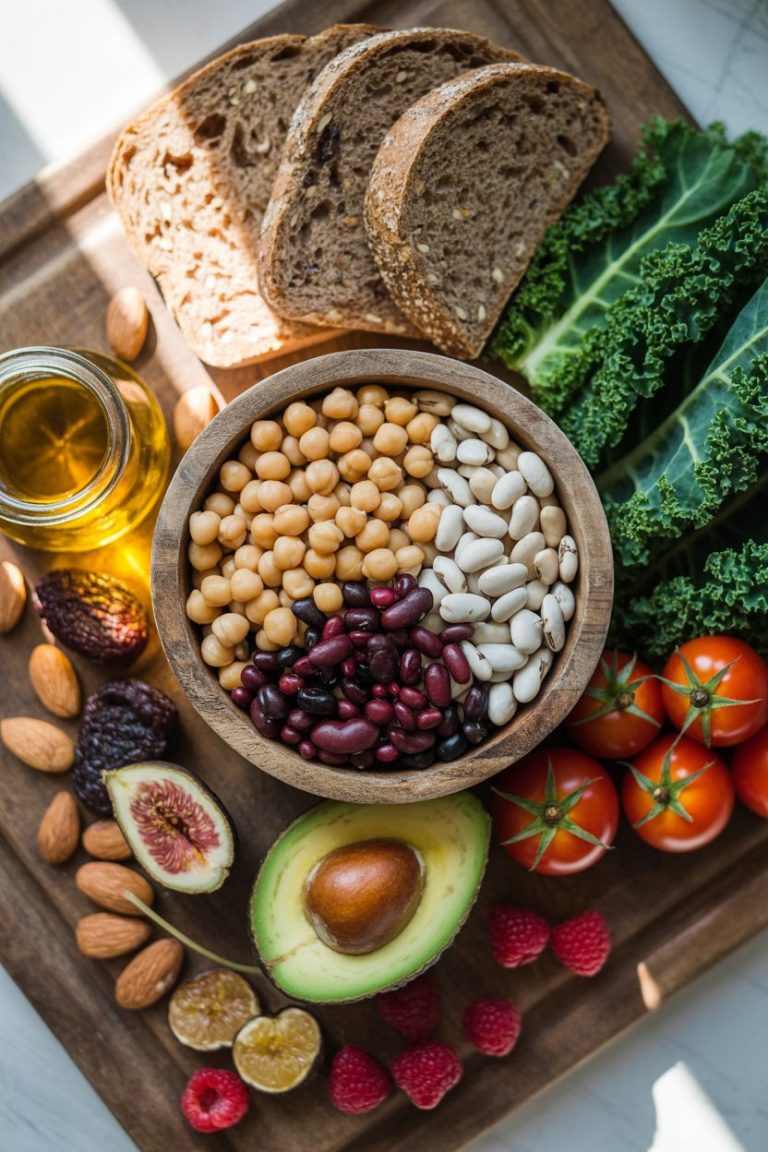
Visual: Mediterranean Meal Prep Scene
A bright, inviting overhead shot of a rustic wooden kitchen counter bathed in warm natural light. Multiple glass meal prep containers filled with colorful Mediterranean dishes—vibrant red tomatoes, deep green spinach, golden chickpeas, purple olives, and fresh herbs. Scattered around are ingredients: a bottle of golden olive oil, fresh lemons, whole grain pita, and sprigs of rosemary. The composition feels organic and lived-in, with a white linen cloth casually draped to one side and a wooden spoon resting nearby. Warm, cozy lighting creates an inviting atmosphere perfect for Pinterest and food blogs.
Why Mediterranean Meal Prep Actually Works
The Mediterranean diet isn’t just another trendy eating plan—it’s backed by solid science. Research from Harvard’s School of Public Health shows that people following this pattern have a 25% lower risk of cardiovascular disease. The anti-inflammatory properties come from the combination of omega-3 fatty acids, fiber-rich foods, and loads of antioxidants from fruits and vegetables.
But beyond the health benefits, Mediterranean food is ridiculously prep-friendly. Most dishes actually improve after sitting for a day or two, letting all those herbs and spices really marry together. Plus, the focus on whole grains, legumes, and vegetables means these meals stay fresh longer than your typical protein-heavy prep.
When you commit to meal preparation as a health intervention, you’re not just saving time—you’re actively choosing better ingredients and controlling portions. I’ve found that having these meals ready prevents those 8 PM pizza orders when I’m too exhausted to think straight.
Prep your veggies Sunday night, thank yourself all week. Seriously, just washing and chopping everything when you have energy makes weeknight cooking feel effortless.
Essential Meal Prep Strategies That Changed My Game
The Three-Container Rule
I learned this the hard way after wasting too much food. You need three types of containers: glass for reheating (I use these snap-lock glass containers—they’re worth every penny), mason jars for salads and grain bowls, and smaller containers for dressings and dips. The glass containers are genuinely essential because they don’t stain or absorb smells, unlike plastic that starts smelling like garlic after one use.
Speaking of which, investing in good quality meal prep containers with compartments makes a massive difference. You want stuff that won’t leak when you toss it in your bag, and the divided ones keep your hummus from making your pita soggy.
Batch Cooking Without Losing Your Mind
Here’s what actually works: pick two grains, two proteins, and three veggie preparations. That’s it. Don’t try to make 21 completely different meals—you’ll burn out by meal three. I typically roast a sheet pan of vegetables (using my trusty heavy-duty rimmed baking sheet that doesn’t warp), cook a big pot of quinoa, bake some chicken thighs, and prep a batch of chickpeas.
Then throughout the week, I mix and match these components with different sauces, fresh herbs, and toppings. It feels like eating different meals even though the base ingredients are the same. For those wanting a more structured approach, checking out a 7-day Mediterranean anti-inflammation meal plan can provide excellent guidance on balancing your weekly prep.
21 Mediterranean Meal Prep Ideas You’ll Actually Eat
Breakfast Champions
1. Greek Yogurt Parfait Jars
Layer thick Greek yogurt with honey, toasted walnuts (I toast them in my mini countertop toaster oven for perfect results every time), and whatever fruit looks good. These last five days easy. The key is keeping the fruit separate until you’re ready to eat, so use those little 2-ounce sauce containers for berries.
2. Mediterranean Egg Muffins
Whisk eggs with feta, spinach, sun-dried tomatoes, and oregano. Pour into muffin tins and bake. These freeze beautifully, and honestly, they taste better reheated than fresh. The texture firms up just right. Get Full Recipe.
3. Overnight Oats with Figs and Pistachios
Mix rolled oats with almond milk, a drizzle of honey, chopped dried figs, and crushed pistachios. The pistachios stay crunchy if you add them right before eating. For more creative morning options, you might love these Mediterranean breakfast bowls.
4. Shakshuka Prep Containers
Make the tomato-pepper sauce in bulk and portion it out. In the morning, just heat it up and crack an egg into it. Boom, fresh shakshuka in five minutes. This is the kind of hack that makes you feel like a genius on Monday morning.
Pre-portion your breakfast ingredients into mason jars Sunday evening. Grab one each morning and you’re out the door in 60 seconds flat.
Lunch Power Moves
5. Mediterranean Grain Bowls
Build these with farro or bulgur as the base, add roasted vegetables, chickpeas, cucumber, tomatoes, olives, and a massive scoop of hummus. Drizzle with tahini dressing that I keep in these squeeze bottles for easy portion control. These grain bowls honestly taste better on day three when everything’s absorbed those flavors. You can explore more options with these Mediterranean grain bowls.
6. Stuffed Pita Pockets
Prep the fillings separately—grilled chicken or falafel, chopped veggies, tzatziki, and hummus. Assemble right before eating so the pita doesn’t get soggy. Keep those pitas in an airtight container with a slightly damp paper towel to stay fresh.
7. Tabbouleh with Grilled Vegetables
This parsley-heavy salad actually improves after sitting overnight. The bulgur soaks up all that lemon juice and olive oil. Pair it with grilled eggplant, zucchini, and bell peppers. IMO, this is one of those meals that proves meal prep skeptics wrong.
8. Greek Quinoa Salad
Quinoa, cucumbers, tomatoes, red onion, feta, olives, and a simple lemon-oregano dressing. This holds up incredibly well and packs serious protein. I’ve eaten this for lunch five days straight and didn’t get tired of it—that’s saying something.
If you’re craving variety in your lunch lineup, these Mediterranean wraps and pita ideas offer tons of quick assembly options that stay fresh throughout the week.
Dinner Winners
9. Sheet Pan Chicken with Roasted Vegetables
Toss chicken thighs with potatoes, cherry tomatoes, red onions, and loads of herbs. Everything cooks on one pan (I finally invested in a professional-grade sheet pan after ruining three cheap ones), making cleanup stupidly easy. The chicken stays juicy even reheated. Get Full Recipe.
10. Mediterranean Lentil Soup
This freezes like a dream and actually tastes richer after a day or two. Cook red lentils with tomatoes, carrots, celery, and warming spices. Portion into containers and freeze what you won’t eat within four days. The beauty of soup is that it heats evenly in the microwave, unlike some other meals that end up with hot edges and frozen middles.
11. Baked Falafel Bowls
Bake a huge batch of falafel (way healthier than fried and they keep their texture better). Serve over lettuce with tomatoes, cucumbers, pickled onions, and tahini sauce. The falafel stay crispy-ish if you store them separately from the wet ingredients.
12. Mediterranean Stuffed Peppers
Fill bell peppers with a mixture of rice, ground turkey, tomatoes, feta, and herbs. Bake them all at once and they’ll last the whole week. These are one of those meals that look fancy but require minimal effort.
For those managing inflammation or other health goals, exploring anti-inflammatory options like this 14-day anti-inflammatory eating plan for women can complement your meal prep strategy beautifully.
Snack and Side Prep
13. Marinated Olives and Cheese
Toss olives with lemon zest, herbs, and good olive oil. Portion them with chunks of feta into small containers. This is my go-to when I need something to tide me over between meals.
14. Roasted Chickpea Snack Mix
Roast chickpeas with olive oil and za’atar until crispy. These stay crunchy for about three days if stored in an airtight container. I use these small glass jars with tight lids and they work perfectly.
15. Veggie and Hummus Boxes
Cut up carrots, cucumbers, bell peppers, and cherry tomatoes. Pack with a generous portion of hummus. The trick is keeping the hummus cold—those small ice packs are essential if you’re bringing this to work.
16. Greek Yogurt Dip Trio
Make tzatziki, a roasted red pepper dip, and a herb-loaded yogurt dip. Use them throughout the week with pita, veggies, or as sandwich spreads. These dips genuinely make meal prep exciting instead of monotonous.
One-Pot Wonders
17. Mediterranean Pasta Salad
Whole wheat pasta, sun-dried tomatoes, artichokes, olives, feta, and a lemon-herb dressing. This is controversial, but I think pasta salad tastes better slightly warm than cold. Room temp is the sweet spot. For more pasta inspiration, these Mediterranean pasta recipes are absolute flavor bombs.
18. Spanish-Style Beans and Greens
Cook white beans with kale, garlic, paprika, and a touch of sherry vinegar. This reheats beautifully and the greens don’t turn into mush like you’d expect. It’s comfort food that happens to be incredibly healthy.
19. Mediterranean Cauliflower Rice Bowls
Pulse cauliflower in your food processor (I finally splurged on a high-powered food processor and it changed everything), sauté it with herbs, and use as a base for any protein. Lower carb but still filling, which is rare.
20. Shakshuka-Style Baked Eggs
Prep the tomato sauce base and portion it out. When you’re ready to eat, heat the sauce and crack eggs directly into it. Fresh eggs on demand without the full cooking process. Get Full Recipe.
21. Greek-Style Stuffed Zucchini Boats
Hollow out zucchini and stuff with a mixture of ground lamb, rice, tomatoes, and herbs. These freeze exceptionally well and taste like you spent way more time on them than you did.
Throughout the week, switching between these options and occasionally adding dishes from a 14-day Mediterranean family meal plan keeps things interesting for the whole household.
Kitchen Tools That Make Mediterranean Meal Prep Actually Easy
After years of trial and error (and a few kitchen disasters), these are the tools and resources that genuinely earn their counter space. I’m not one for kitchen gadget clutter, so everything here pulls its weight.
Glass Meal Prep Containers
These snap-lock glass containers with dividers don’t stain, don’t smell like last week’s garlic, and go from fridge to microwave without any drama. Get the set with different sizes—you’ll use them all.
Heavy-Duty Sheet Pans
After warping three cheap pans, I invested in restaurant-quality rimmed baking sheets. They heat evenly, don’t buckle in the oven, and clean up like a dream. Get two—you’ll thank me later.
High-Speed Food Processor
For hummus, falafel, and cauliflower rice, you need something with actual power. My 11-cup food processor handles everything without overheating or leaving chunks.
Mediterranean Meal Prep Guide
I swear by this 7-day Mediterranean high-fiber meal prep plan—it takes the guesswork out and provides shopping lists. Perfect for when you’re just starting out.
Complete Anti-Inflammation Program
This 30-day anti-inflammation challenge includes recipes, meal plans, and tracking tools. It’s like having a nutritionist in your pocket without the hourly fees.
Mediterranean Diet Fundamentals
For understanding the science behind why this works, the 7-day gut healing Mediterranean menu breaks down the nutritional principles in actually useful ways.
Making It Work in Real Life
The Sunday Power Hour
I dedicate 2-3 hours on Sunday afternoon to knock out most of my prep. Here’s my actual routine: First, I get grains and legumes cooking—they take the longest. While those are going, I chop all my vegetables. Then I roast or grill my proteins. Finally, I make any sauces or dressings.
The key is working in batches and using systematic meal prep strategies rather than trying to complete entire meals one at a time. Think assembly line, not restaurant kitchen.
Storage Real Talk
Most prepared meals last 4-5 days in the fridge. Anything beyond that, I freeze. Soups and stews freeze beautifully. Grain-based dishes are hit or miss—quinoa freezes better than rice, FYI. Always label your containers with dates using these erasable meal prep labels. Trust me, you’ll forget what’s what by Wednesday.
Pro tip for keeping greens fresh: store lettuce with a paper towel to absorb moisture. It sounds unnecessarily fussy, but it genuinely extends freshness by several days.
When Life Gets Messy
Some weeks, the meal prep doesn’t happen. That’s fine. Keep a stash of canned chickpeas, good olive oil, frozen vegetables, and whole wheat pasta in your pantry. You can throw together a decent Mediterranean meal in 20 minutes with these staples.
I also keep a running list on my phone of recipes that worked well and ones that were disasters. This prevents me from making the same mistake twice (looking at you, soggy pre-made sandwiches).
For weeks when you need maximum efficiency, combining your prep with recipes from this 7-day anti-inflammation plan for busy women can keep you on track without the overwhelm.
Sarah from our community started with just prepping lunches and lost 15 pounds in three months without feeling deprived. She says having those healthy options ready made all the difference when 2 PM hunger hit.
Mixing Things Up Without More Work
The beauty of Mediterranean cooking is that the same base ingredients taste completely different with various herb and spice combinations. Grilled chicken with oregano and lemon on Monday becomes chicken with cumin and paprika by Thursday. Same protein, totally different vibe.
I rotate between Greek, Italian, Spanish, and Middle Eastern flavor profiles. It keeps my taste buds interested without requiring different shopping lists. Just stock your spice cabinet properly—za’atar, sumac, smoked paprika, dried oregano, and good quality cumin are non-negotiables.
When you want to explore beyond basic prep, diving into specialized collections like these Mediterranean fish and seafood recipes or these Mediterranean air fryer recipes can inject serious variety without complicating your routine.
Troubleshooting Common Meal Prep Fails
Everything Tastes the Same by Day Three
This happens when you don’t prep your seasonings and sauces separately. Keep different dressings, sauces, and flavor boosters ready to go. A grain bowl with lemon-tahini dressing Monday becomes completely different with harissa yogurt Wednesday. The base is the same, but your mouth doesn’t know that.
Vegetables Turn to Mush
Don’t fully cook vegetables you’re meal prepping. Leave them slightly underdone—they’ll finish cooking when you reheat. Also, store wet and dry ingredients separately when possible. Nobody wants watery containers.
You’re Bored Before You Start
Don’t prep seven identical meals. Make three different lunch options and alternate them. Your brain needs variety, even if your body doesn’t technically require it. Adding options from versatile plans like this 30-day Mediterranean wellness plan prevents the monotony trap.
Frequently Asked Questions
How long do Mediterranean meal prep dishes actually last in the fridge?
Most grain bowls, roasted vegetables, and cooked proteins stay fresh for 4-5 days when stored properly in airtight containers. Dishes with fresh herbs or delicate greens are best consumed within 3 days. Soups and stews often last up to a week, and most Mediterranean meals freeze well for up to 3 months.
Can I meal prep if I’m following a specific diet like keto or vegan?
Absolutely. The Mediterranean approach adapts beautifully to various dietary needs. For vegan options, focus on legume-based proteins, hummus, falafel, and vegetable-forward dishes. For lower-carb needs, swap grains for cauliflower rice or simply double up on vegetables and healthy fats like avocado and nuts.
What if I don’t have 3 hours on Sunday for meal prep?
Start smaller—prep just your lunches, or focus on breakfast items that you can grab quickly. Even 30 minutes of vegetable chopping and grain cooking saves massive time during the week. You can also split your prep across Sunday and Wednesday evening to make it more manageable.
Do Mediterranean meals reheat well, or do they get soggy?
Most Mediterranean dishes reheat beautifully because they’re designed to be eaten at room temperature or gently warmed. The key is storing components separately when needed—keep dressings in small containers, store crispy items away from moisture, and slightly undercook vegetables that you’ll be reheating.
How much money does Mediterranean meal prep actually save?
Depending on your current eating habits, most people save $50-100 per week by meal prepping instead of buying lunch out and ordering takeout. Mediterranean staples like beans, lentils, and seasonal vegetables are incredibly affordable, and using olive oil and herbs for flavor costs way less than processed sauces and convenience foods.
Bottom Line: Just Start Somewhere
The biggest mistake I see people make with meal prep is waiting for the perfect system before they begin. Guess what? There’s no perfect system. You’ll figure out what works for you by actually doing it, making mistakes, and adjusting.
Start with prepping just one meal type for the week. Master that before adding more. Maybe it’s lunches, maybe it’s breakfasts, maybe it’s just having dinner components ready so weeknight cooking is faster. Whatever gets you started is the right approach.
The Mediterranean diet isn’t about perfection—it’s about consistent, sustainable habits that actually fit into your real life. Research consistently shows that long-term adherence matters more than short-term intensity. In other words, doing pretty good for months beats doing perfect for two weeks.
These 21 ideas give you a solid foundation to work from. Pick three that sound good, make them this weekend, and see how it goes. Adjust what doesn’t work. Keep what does. Eventually, you’ll have your own system that makes eating healthy feel effortless instead of exhausting.
And on those weeks when meal prep doesn’t happen? That’s what frozen vegetables and canned chickpeas are for. Cut yourself some slack and just do what you can. The goal isn’t Instagram-perfect meal prep photos—it’s eating better more often than you currently do.