
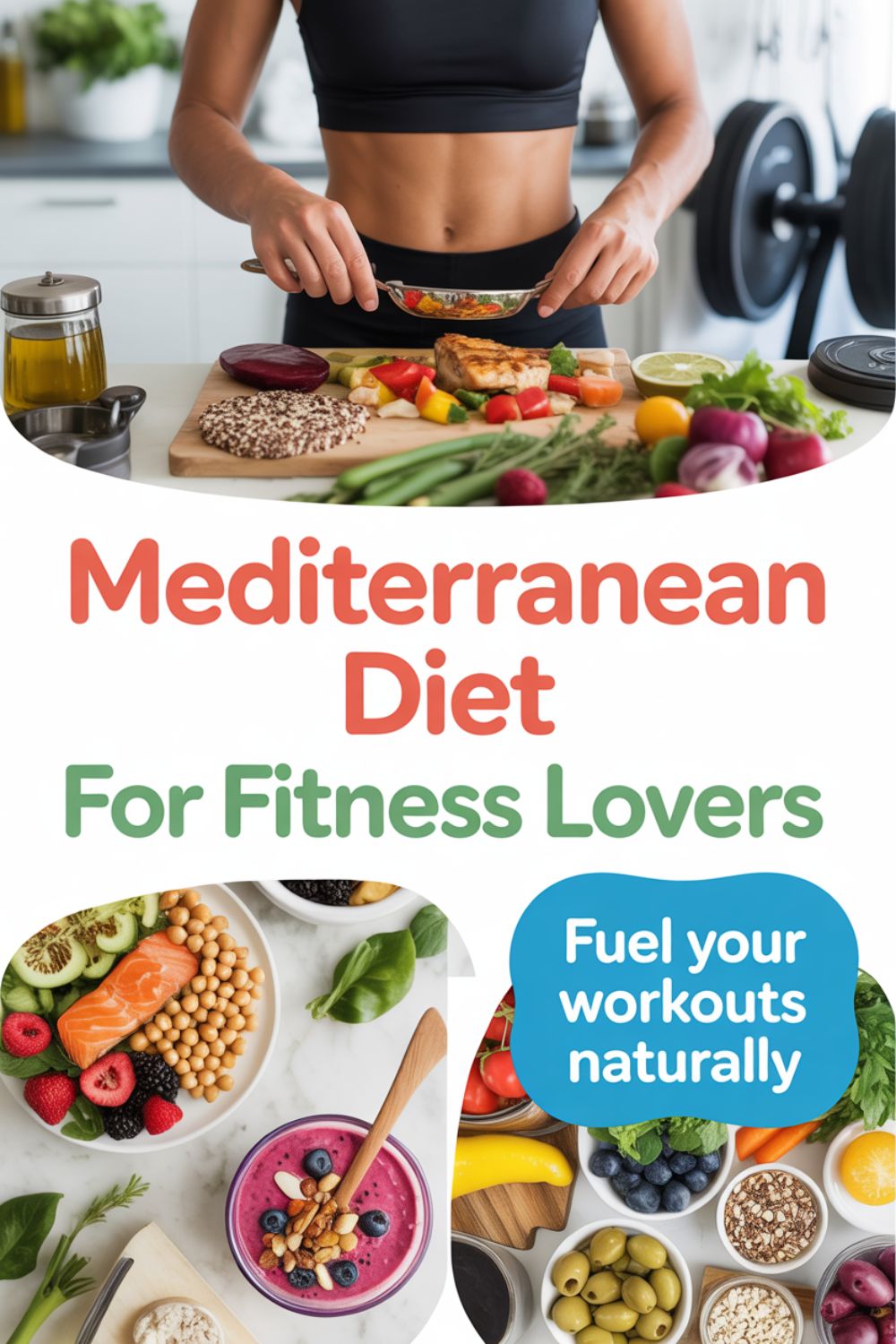
Mediterranean Diet for Fitness Lovers: Fuel Your Workouts Naturally
Look, I’m not about to tell you that swapping your protein shake for a bowl of hummus is going to turn you into an Olympic athlete overnight. But here’s what I’ve learned after years of experimenting with different eating styles while trying to maintain my workout routine: the Mediterranean diet isn’t just for retired folks sipping wine in Tuscany.
If you’re like me, constantly juggling gym sessions with meal prep and wondering why your energy crashes harder than your deadlift PR attempts, you might want to pay attention. This isn’t another fad diet promising miraculous gains. It’s an eating pattern that’s been keeping people healthy and active for literally thousands of years, and science is finally catching up to explain why it works so damn well for athletic performance.
What makes this approach different from the endless cycle of protein-carb-fat ratio tweaking? It’s built around real food that actually tastes good and doesn’t require you to carry Tupperware containers like some kind of meal-prep ninja everywhere you go. Plus, recent research shows that the Mediterranean diet can boost muscle endurance, power, and even anaerobic performance in athletes.
Why Your Gym Performance Might Actually Improve With Olive Oil
I know what you’re thinking. Olive oil? For gains? Hear me out. The Mediterranean approach to eating isn’t about restricting yourself into misery or calculating macros down to the decimal point. It’s about building meals around whole foods that happen to be packed with exactly what your body needs to recover, rebuild, and perform.
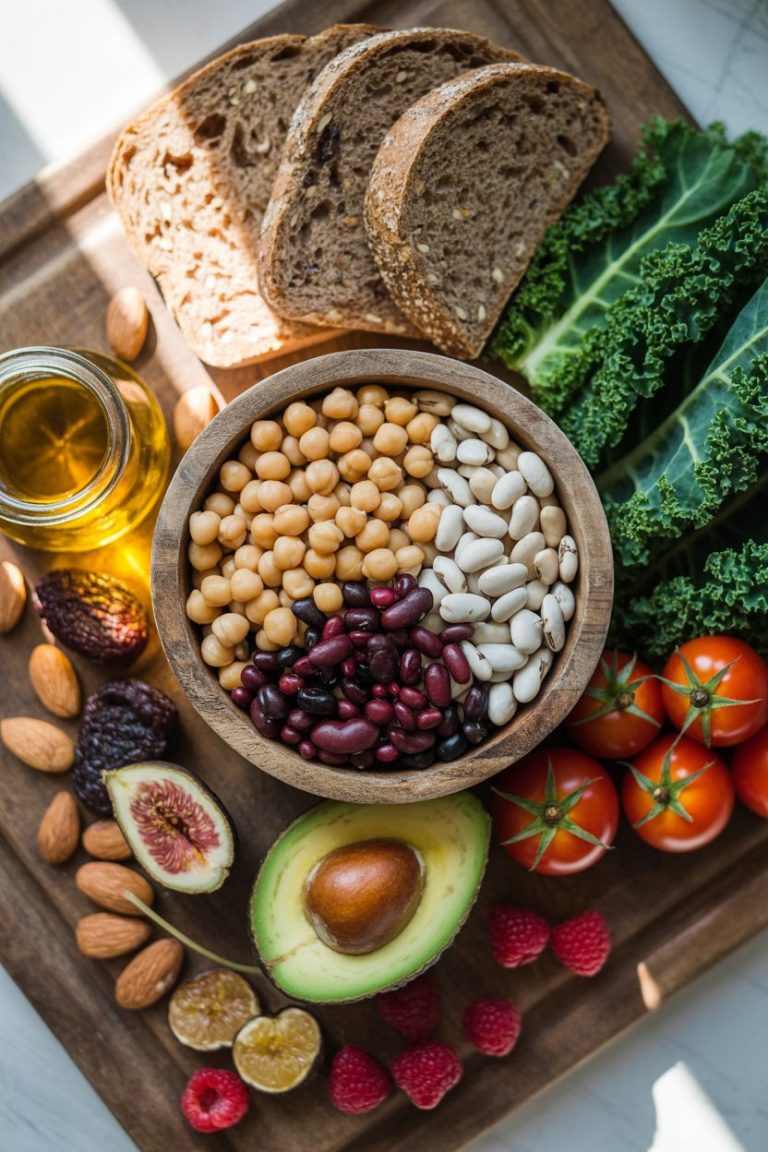
The foundation is pretty straightforward: loads of vegetables, fruits, whole grains, legumes, nuts, seeds, and olive oil as your primary fat source. You add in fish and seafood regularly, moderate amounts of poultry and eggs, and smaller portions of dairy and red meat. What you won’t find much of? Processed junk, refined sugars, and those weird protein bars that taste like cardboard mixed with artificial sweetener.
Here’s where it gets interesting for fitness enthusiasts. Studies involving competitive athletes have shown that Mediterranean diet adherence is positively related to anaerobic and aerobic power, explosive strength, and even body fat percentage. The anti-inflammatory compounds from all those colorful vegetables and the omega-3s from fish help your muscles recover faster between sessions.
Think about it this way: your body is basically fighting a low-grade war with inflammation every time you push through a tough workout. The Mediterranean diet acts like reinforcements, sending in antioxidants and anti-inflammatory compounds to help clean up the battlefield. Less inflammation means better recovery, which means you can actually show up for your next training session feeling ready to work instead of like you got hit by a truck.
For those crushing HIIT workouts or marathon training sessions, the carbohydrate-rich whole grains and starchy vegetables provide sustained energy without the crash you get from refined carbs. I’ve found that switching from white rice to quinoa or farro kept my energy more stable during long runs, and I didn’t feel like I needed a nap an hour after lunch.
The Protein Question Everyone Asks
Alright, let’s address the elephant in the gym. You’re probably wondering if you can build muscle eating like a Greek fisherman. The traditional Mediterranean diet does tend to be lower in protein than what most fitness enthusiasts aim for, typically providing about 15-18% of calories from protein. If you’re trying to maintain or build muscle, that’s probably not enough.
But here’s the thing: nobody said you can’t adapt this eating pattern to fit your needs. The Mediterranean diet is a framework, not a rigid set of rules carved in stone. If you need more protein, you simply increase the frequency and portions of the protein sources that already fit the pattern.
Load up on fish and seafood more often. Salmon, sardines, mackerel, and tuna are all protein-dense and packed with those omega-3 fatty acids that help reduce muscle soreness. A quality fish spatula makes cooking fish less intimidating if you’re not used to it. Greek yogurt becomes your best friend for quick protein hits throughout the day. Eggs, legumes, and even small amounts of quality poultry can round out your protein needs without abandoning the Mediterranean principles.
“I was skeptical about getting enough protein at first, but after adding more fish and Greek yogurt to my Mediterranean meal plan, I actually gained lean mass while dropping body fat. My recovery between lifting sessions improved noticeably.” — Jason, who switched from a traditional bodybuilding diet
One adaptation that works well: make sure every meal has a solid protein source. Breakfast could be Greek yogurt with nuts and berries. Lunch might be a chickpea and tuna salad. Dinner could feature grilled chicken or fish with roasted vegetables and quinoa. Get Full Recipe for high-protein Mediterranean meals that actually taste like food, not punishment.
The legumes alone pack a serious protein punch when you eat them regularly. Lentils, chickpeas, and white beans show up constantly in Mediterranean cooking, and they bring fiber and complex carbs along for the ride. A cup of cooked lentils has about 18 grams of protein plus 15 grams of fiber. That’s not shabby for a plant source.
Timing Your Nutrition Around Training
You can follow Mediterranean principles and still dial in your nutrient timing for optimal performance. I’m not one of those people who thinks you need to slam a protein shake within 30 seconds of finishing your last rep or your muscles will shrivel up, but strategic timing does matter if you’re serious about your training.
Pre-workout, you want easily digestible carbs that won’t sit heavy in your stomach. A handful of dates with some almonds, a banana with almond butter, or a small bowl of oatmeal with honey all fit perfectly within Mediterranean eating and provide quick energy. The small glass meal prep containers I use make portioning these snacks stupid easy.
Post-workout is where you want to combine protein with carbs to refuel and start the recovery process. A Greek yogurt bowl with fruit and granola, or grilled fish with roasted sweet potatoes and vegetables hits the spot. The omega-3s in fatty fish have been shown to help reduce exercise-induced muscle damage and inflammation, which is exactly what you need after pushing yourself hard.
For those doing fasted morning workouts, breaking your fast with a Mediterranean-style breakfast sets you up nicely for the day. Eggs scrambled with vegetables and a side of whole grain toast drizzled with olive oil provides protein, healthy fats, and carbs to replenish what you burned through during your session.
Speaking of breakfast options, if you’re always rushing in the morning, having a solid meal prep plan helps tremendously. The 7-day Mediterranean breakfast plan takes the guesswork out of your mornings and ensures you’re starting each day with proper fuel.
Real Talk About Energy Levels and Performance
Here’s something that genuinely surprised me when I shifted toward more Mediterranean-style eating: my energy became way more consistent throughout the day. No more mid-afternoon crashes that had me face-planting into my keyboard or struggling through evening workouts feeling like I was moving through molasses.
The combination of complex carbohydrates, healthy fats, and fiber slows down digestion and provides steady fuel. Unlike the blood sugar rollercoaster from processed foods, you get sustained energy that actually lasts. This matters hugely if you’re training multiple times per day or have demanding physical activity throughout your regular schedule.
Research backs this up in a pretty cool way. One study found that athletes eating a Mediterranean diet ran a 5K six percent faster after just four days compared to when they ate a typical Western diet. The endurance improvement happened despite similar heart rates and perceived exertion levels. That’s not a small difference when you’re trying to improve performance.
The anti-inflammatory nature of the diet plays a huge role here too. When you’re not constantly dealing with chronic inflammation from poor food choices, your body can focus its resources on actual recovery and adaptation from training rather than fighting a nutritional war on multiple fronts.
For endurance athletes especially, the benefits seem particularly strong. The high intake of antioxidants from fruits, vegetables, and olive oil helps combat oxidative stress from long training sessions. If you’ve ever done a brutal long run or bike ride and felt completely wiped for days afterward, you know what oxidative stress feels like. The Mediterranean diet helps reduce that damage.
Looking for complete meal strategies? The anti-inflammatory smoothie meals plan combines Mediterranean principles with convenient preparation methods perfect for busy athletes.
Building Your Mediterranean Fitness Plate
Let me break down what a typical day of eating might look like if you’re training regularly and following Mediterranean principles. This isn’t some restrictive meal plan that makes you want to cry into your plain chicken breast. It’s actual food that tastes good and fuels performance.
Breakfast Options That Don’t Suck
Start with Greek yogurt (the full-fat kind, none of that sad fat-free nonsense) topped with berries, a drizzle of honey, and crushed walnuts. Boom—protein, probiotics, antioxidants, and healthy fats. Or make a vegetable omelet with feta cheese and serve it alongside whole grain toast brushed with olive oil. If you’re in a rush, overnight oats made with almond milk, chia seeds, and fruit can be grabbed straight from the fridge.
The key is making sure you’re getting adequate protein and not just loading up on carbs alone. A good blender makes whipping up smoothies with Greek yogurt, spinach, berries, and a tablespoon of almond butter ridiculously easy for those mornings when chewing feels like too much work.
Lunch That Powers Through Afternoon Training
Mediterranean grain bowls become your best friend. Start with quinoa or farro as your base, add grilled chicken or canned sardines (seriously, give them a chance), pile on vegetables like cucumbers, tomatoes, bell peppers, and olives, then dress it with olive oil, lemon juice, and herbs. You can prep components in advance and assemble fresh bowls throughout the week.
Lentil soup with a side of whole grain bread and a small Greek salad works beautifully. The lentils provide protein and slow-burning carbs, while the vegetables add vitamins, minerals, and fiber. A quality soup pot makes batch cooking soups stupid simple—make it Sunday, eat it all week.
For complete meal planning guidance, check out the 14-day Mediterranean family meal plan that includes lunch and dinner ideas that work whether you’re cooking for one or feeding a household.
Post-Workout Dinners That Support Recovery
This is where you can really lean into the Mediterranean approach. Grilled salmon with roasted vegetables and a side of brown rice or quinoa checks all the boxes. The salmon provides protein and omega-3s for recovery, the vegetables offer antioxidants and micronutrients, and the whole grains replenish glycogen stores.
Chicken souvlaki with tzatziki sauce, whole wheat pita, and a massive Greek salad loaded with tomatoes, cucumbers, red onion, and olives brings serious flavor while supporting your training. The tzatziki made with Greek yogurt adds extra protein and probiotics for gut health.
Don’t sleep on bean-based dishes either. A hearty white bean and vegetable stew served with crusty whole grain bread and a side salad provides plant-based protein, fiber, and complex carbs that help with muscle recovery and glycogen replenishment. Get Full Recipe for gut-healing Mediterranean dinners that support overall health while fueling performance.
Kitchen Tools That Make Mediterranean Cooking Easier
Look, you don’t need a fancy kitchen to eat this way, but a few quality tools genuinely make life easier. Here’s what actually gets used in my kitchen:
Physical Products:
Digital Resources:
What About Supplements and Mediterranean Eating?
I’m generally of the mind that food should come first and supplements should fill actual gaps, not replace real nutrition. The Mediterranean diet is pretty comprehensive when it comes to micronutrients, but there are a few areas where supplementation might make sense depending on your training intensity and individual needs.
Vitamin D often needs supplementation regardless of your diet, especially if you train indoors a lot or live somewhere that doesn’t see much sun. Even people eating Mediterranean-style in actual Mediterranean countries supplement with D during winter months.
If you’re not eating fatty fish at least three times per week, an omega-3 supplement might be worth considering. The anti-inflammatory benefits of EPA and DHA are well-documented for athletes. That said, quality fish oil capsules cost money, and eating more sardines or mackerel is usually cheaper and comes with additional nutrients you won’t get from a pill.
Protein powder isn’t traditionally Mediterranean, obviously, but if you’re struggling to hit your protein targets from whole foods alone, there’s nothing wrong with adding a scoop of whey or plant-based protein to a smoothie. Just don’t let it replace actual meals or become your primary protein source.
For those looking to maximize recovery naturally, the 7-day anti-inflammation meal plan focuses on foods that naturally support recovery without relying heavily on supplements.
The Flexibility Factor
One thing I really appreciate about Mediterranean eating compared to more rigid diet approaches: it’s inherently flexible and sustainable long-term. You’re not weighing food to the gram or eliminating entire food groups. You’re following general principles that leave room for adaptation based on your individual needs, preferences, and training demands.
Training for a marathon and need more carbs? Add more whole grains, sweet potatoes, and fruit to your plates. Trying to lean out a bit? Adjust your portions while maintaining the same food quality and nutrient density. The framework adapts without requiring you to completely overhaul your approach every time your training focus changes.
This flexibility extends to social situations too. You can eat at restaurants without having a complete meltdown because they don’t have your specific branded protein source. Order the grilled fish or chicken, ask for olive oil instead of butter, load up on vegetables, and enjoy your meal like a normal human being.
The sustainability aspect matters more than people realize. I’ve watched too many training partners bounce from one extreme diet to another, making great short-term progress before burning out completely and reverting to worse eating habits than when they started. The Mediterranean approach is something you can actually maintain for years because it doesn’t feel like punishment.
If you’re the type who needs structure at first, the 30-day Mediterranean wellness plan provides a clear roadmap while you’re learning to navigate this eating style.
Performance Metrics You Might Notice
Based on my experience and conversations with other athletes who’ve made this shift, here’s what you might actually notice within the first few weeks of eating more Mediterranean-style while maintaining your training:
Better recovery between sessions. This was the first thing I noticed. That constant low-grade soreness and fatigue that seems to accumulate over weeks of hard training started to diminish. I could push harder more frequently without feeling completely wrecked.
More stable energy throughout the day. No more afternoon energy crashes or pre-workout sluggishness. The combination of complex carbs, healthy fats, and fiber keeps blood sugar more stable, which translates to consistent energy for training.
Improved endurance during longer sessions. Whether it’s a long run, bike ride, or extended training session, the sustained energy from whole food carbs beats the crash-and-burn pattern from processed foods and simple sugars.
Less inflammation-related joint pain. This might not apply if you’re young and bulletproof, but for those of us with some mileage on our bodies, the anti-inflammatory benefits can make a real difference in how your joints feel day-to-day.
Better gut health and digestion. All that fiber from vegetables, fruits, and legumes feeds beneficial gut bacteria. Better gut health often correlates with improved nutrient absorption, immune function, and even mood regulation.
None of these changes are magical overnight transformations. They’re subtle improvements that compound over time into significantly better overall performance and wellbeing. Think of it as building a stronger foundation rather than chasing quick fixes.
For those specifically dealing with inflammation issues, the 14-day anti-inflammatory eating plan dials in on foods that most effectively combat exercise-induced inflammation.
Common Mistakes to Avoid
Since I’ve made basically every mistake possible when trying to adapt Mediterranean eating to an athletic lifestyle, let me save you some trouble by pointing out the big ones:
Not Eating Enough Protein
I already mentioned this, but it bears repeating. If you just adopt traditional Mediterranean eating without adjusting for your training needs, you’ll probably end up under-eating protein. Be intentional about including protein sources at every meal and don’t rely solely on plant proteins if you’re trying to build or maintain significant muscle mass.
Overdoing the Olive Oil
Yes, olive oil is healthy. No, that doesn’t mean you should pour it on everything with reckless abandon. It’s still nine calories per gram like any other fat. Use it liberally but not stupidly. A tablespoon or two per meal is plenty for cooking and dressing. Don’t drown your food in it thinking more is always better.
Forgetting About Calorie Density
Nuts, seeds, olive oil, and avocados are all Mediterranean staples and all calorie-dense. If you’re trying to lose fat while maintaining performance, you need to be somewhat mindful of portions. You can absolutely overeat on healthy foods and stall your progress. I learned this the hard way after wondering why I wasn’t leaning out despite “eating so clean.” Turns out, eating half a jar of almond butter daily adds up.
Not Adapting for Your Sport
A CrossFit athlete, a marathon runner, and a powerlifter all have different nutritional needs despite potentially following Mediterranean principles. Don’t try to force-fit a one-size-fits-all approach. Adjust your carb intake, protein timing, and overall calories based on your specific training demands.
Speaking of sport-specific approaches, strength athletes and those doing high-intensity training might benefit from the structured approach in the 14-day high-fiber Mediterranean plan that balances energy needs with nutrient density.
Neglecting Meal Prep
The Mediterranean diet involves more whole foods and less pre-packaged convenience items than a typical Western diet. That means more actual cooking and preparation. If you don’t set aside time for meal prep, you’ll end up eating whatever’s convenient when you’re starving after a hard workout, and that’s usually not Mediterranean-approved food.
Batch cooking grains, roasting vegetables, and prepping protein sources on your rest days makes eating well during busy training weeks actually feasible. A good set of storage containers and maybe a vacuum sealer for longer-term storage makes this process way less annoying.
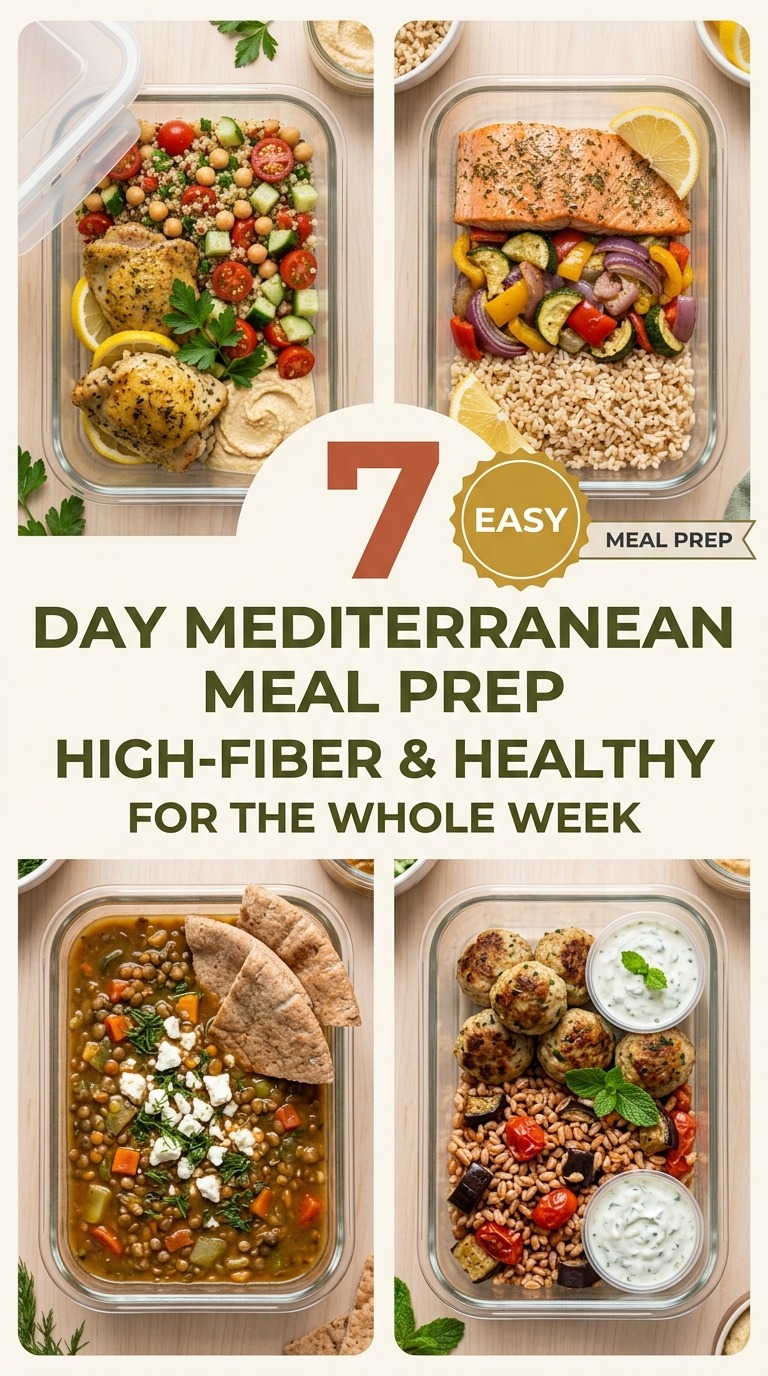
For complete prep guidance, the 7-day Mediterranean meal prep plan walks you through exactly what to prepare and when to make it all manageable.
Practical Implementation Strategy
If you’re sold on giving this a legitimate try, here’s how I’d recommend actually implementing Mediterranean eating without turning your life upside down or making your training suffer during the transition.
Week 1-2: Add Before You Subtract
Don’t immediately eliminate everything you’re currently eating. Instead, start adding Mediterranean foods to your existing routine. Add a side salad to your meals. Include more vegetables with dinner. Swap your cooking oil for olive oil. Switch from regular yogurt to Greek yogurt. These additions crowd out less nutritious foods naturally without feeling restrictive.
Week 3-4: Adjust Protein Sources
Start incorporating more fish, legumes, and eggs while potentially reducing red meat frequency. You don’t have to eliminate anything completely, but shift the balance toward Mediterranean-approved protein sources. Try having fish 2-3 times per week, make one meal featuring legumes, and save red meat for once or twice weekly instead of daily.
Week 5-6: Refine Your Carbohydrate Sources
Replace refined grains with whole grain alternatives. Swap white rice for brown rice, quinoa, or farro. Choose whole grain bread instead of white bread. Replace regular pasta with whole grain versions. These swaps provide more sustained energy and better nutrient density without drastically changing your meals.
Week 7-8: Dial In Meal Timing and Portions
Now that you’re eating Mediterranean-style foods, start optimizing when you eat them relative to your training. Make sure you’re getting adequate pre-workout fuel, proper post-workout recovery nutrition, and overall calorie intake that matches your training volume and body composition goals.
This gradual approach lets you adapt without feeling overwhelmed or experiencing performance drops while your body adjusts to new foods. Track how you’re feeling, your energy levels during training, and any changes in recovery to dial in what works best for you.
For those who prefer more structured guidance through this transition, the 30-day anti-inflammation challenge provides a progressive framework that gradually shifts your eating patterns.
Frequently Asked Questions
Can I build muscle on a Mediterranean diet?
Absolutely, but you need to be strategic about protein intake. Traditional Mediterranean eating provides about 15-18% of calories from protein, which isn’t enough for muscle building. By increasing the frequency and portions of fish, Greek yogurt, eggs, legumes, and lean poultry while following Mediterranean principles, you can easily hit 25-30% protein and support muscle growth. The key is using the Mediterranean diet as a framework, not a rigid rulebook.
How quickly will I notice performance improvements?
Some athletes report better energy levels and improved recovery within the first week, particularly if they’re coming from a diet high in processed foods. More significant performance gains like improved endurance typically show up around the 2-4 week mark. Research has shown measurable endurance improvements in as little as four days, though individual results vary based on your starting point and training status.
Is the Mediterranean diet expensive to follow?
It doesn’t have to be. While fresh fish and nuts can get pricey, the foundation of the diet—legumes, whole grains, seasonal vegetables, and eggs—is actually pretty affordable. Frozen fish works fine and costs less than fresh. Buying nuts in bulk reduces costs. Canned sardines and mackerel are cheap and nutritious. Planning meals, buying seasonal produce, and batch cooking makes it cost-competitive with or cheaper than a typical processed food-heavy diet.
What if I don’t like fish or seafood?
You can still follow Mediterranean principles without eating fish, though you’ll miss out on some omega-3 benefits. Focus on eggs, Greek yogurt, legumes, and moderate poultry as your protein sources. Consider adding walnuts and chia seeds for plant-based omega-3s (though they’re not as effective as fish-based omega-3s). You might also supplement with algae-based omega-3s if you’re concerned about missing those anti-inflammatory benefits.
How do I get enough calories for intense training?
Increase portions of calorie-dense Mediterranean foods like nuts, seeds, olive oil, avocados, and whole grains. Add an extra serving of quinoa or farro to meals. Include more frequent snacks of nuts and dried fruit. Don’t be afraid to eat larger portions of everything—the Mediterranean diet doesn’t require tiny portions. Athletes in Mediterranean countries have maintained high training volumes for generations by simply eating more of the same wholesome foods.
The Bottom Line
Here’s what it comes down to: the Mediterranean diet isn’t some magical solution that will transform you into a superhuman athlete overnight. It won’t fix lazy training, inadequate sleep, or poor programming. What it will do is provide a solid nutritional foundation that supports your training, enhances recovery, and promotes long-term health without making you miserable in the process.
The science supporting Mediterranean eating for athletic performance keeps getting stronger. We’re seeing improvements in endurance, recovery, body composition, and markers of inflammation and oxidative stress. Recent research highlights how the antioxidant-rich nature of the diet supports redox balance and cellular resilience—exactly what hard-training athletes need.
What makes this approach special compared to other diets popular in fitness circles is its sustainability. You’re not counting every macronutrient to the gram, you’re not eliminating entire food groups, and you’re not eating bland, boring meals because “that’s what works.” You’re eating food that actually tastes good and happens to be excellent fuel for your body.
The flexibility to adapt Mediterranean principles to your specific training needs—whether you’re a powerlifter, endurance athlete, or somewhere in between—means you can maintain this approach long-term. And long-term consistency beats short-term perfection every single time when it comes to both performance and health.
If you’ve been bouncing from one restrictive diet to another, constantly fighting cravings and feeling like nutrition is an endless battle, maybe it’s time to try an approach that’s worked for humans for thousands of years. Load up on vegetables, eat fish regularly, use olive oil liberally, include whole grains and legumes, and adjust your protein intake to match your training demands. It’s really not more complicated than that.
Start with small changes. Add a salad to dinner. Swap your cooking oil. Try a new fish recipe this week. See how you feel. Notice your energy levels and recovery. Pay attention to whether your training quality improves. The Mediterranean approach works best when you let it evolve naturally into your lifestyle rather than forcing a complete overnight transformation.
Your body will thank you for the steady supply of nutrients that support both performance and recovery. Your taste buds will thank you for eating food that doesn’t taste like punishment. And your future self will thank you for building sustainable eating habits that you can maintain for decades, not just weeks.
Similar Posts
14-Day High-Fiber Mediterranean Plan for Beginners (Printable PDF)
14-Day High-Fiber Mediterranean Plan for Beginners (Printable PDF) You know what nobody talks about enough? Fiber. It’s basically the unsung hero of digestive health, blood sugar control, and feeling full without wanting to raid the pantry at 9 PM. But here’s the thing—most people are getting maybe half the fiber they actually need. And that’s…
High-Fiber Mediterranean Meal Prep For The Whole Week
Claude responded: High-Fiber Mediterranean Meal Prep For The Whole Week High-Fiber Mediterranean Meal Prep For The Whole Week It was a Tuesday afternoon and I was sitting on the kitchen floor — not dramatically, I was looking for a po
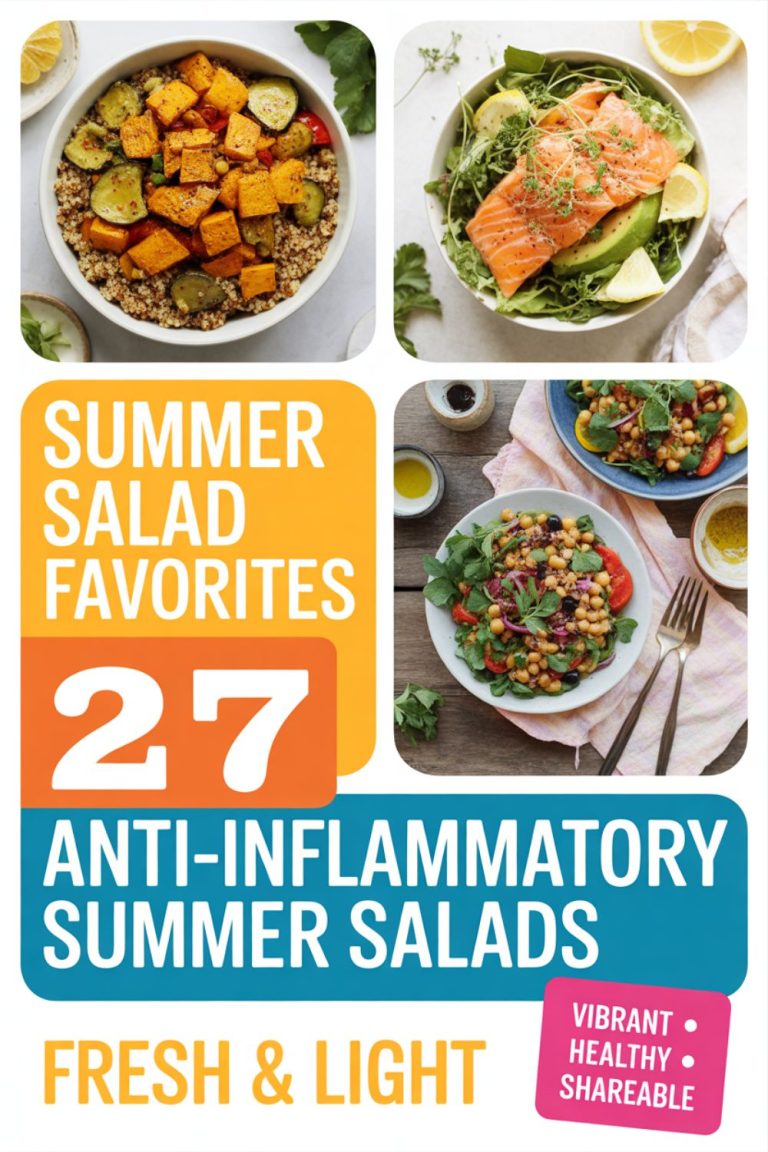
27 Anti-Inflammatory Summer Salads
27 Anti-Inflammatory Summer Salads That Actually Taste Like Summer Pure & Plate — Mediterranean & Anti-Inflammatory Living Summer 2025 Collection 27 Anti-Inflammatory Summer Salads That Actually Taste Like Summer Fresh, bold, and built with ingredients your body will thank you for. No wilted lettuce. No sad dressing. 27 Recipes 10 min avg. prep Gluten-Free Friendly…
7-Day Mediterranean Breakfast Plan For All-Day Energy
Claude responded: 7-Day Mediterranean Breakfast Plan For All-Day Energy 7-Day Mediterranean Breakfast Plan For All-Day Energy It was a Tuesday morning. I was standing in my kitchen at 6:47 a.m., staring into the fridge, eating cracker
7-Day Anti-Inflammatory Smoothie + Meals Plan For Energy
Claude responded: 7-Day Anti-Inflammatory Smoothie + Meals Plan For Energy 7-Day Anti-Inflammatory Smoothie + Meals Plan For Energy It was a Tuesday morning, and I was standing in my kitchen at 7 a.m., already exhausted. I hadn’t even
14-Day Anti-Inflammatory Dairy-Free Meal Plan
Claude responded: 14-Day Anti-Inflammatory Dairy-Free Meal Plan 14-Day Anti-Inflammatory Dairy-Free Meal Plan It was a Tuesday morning, and I was sitting on the edge of my bed trying to remember if I’d always felt this puffy. My finge