
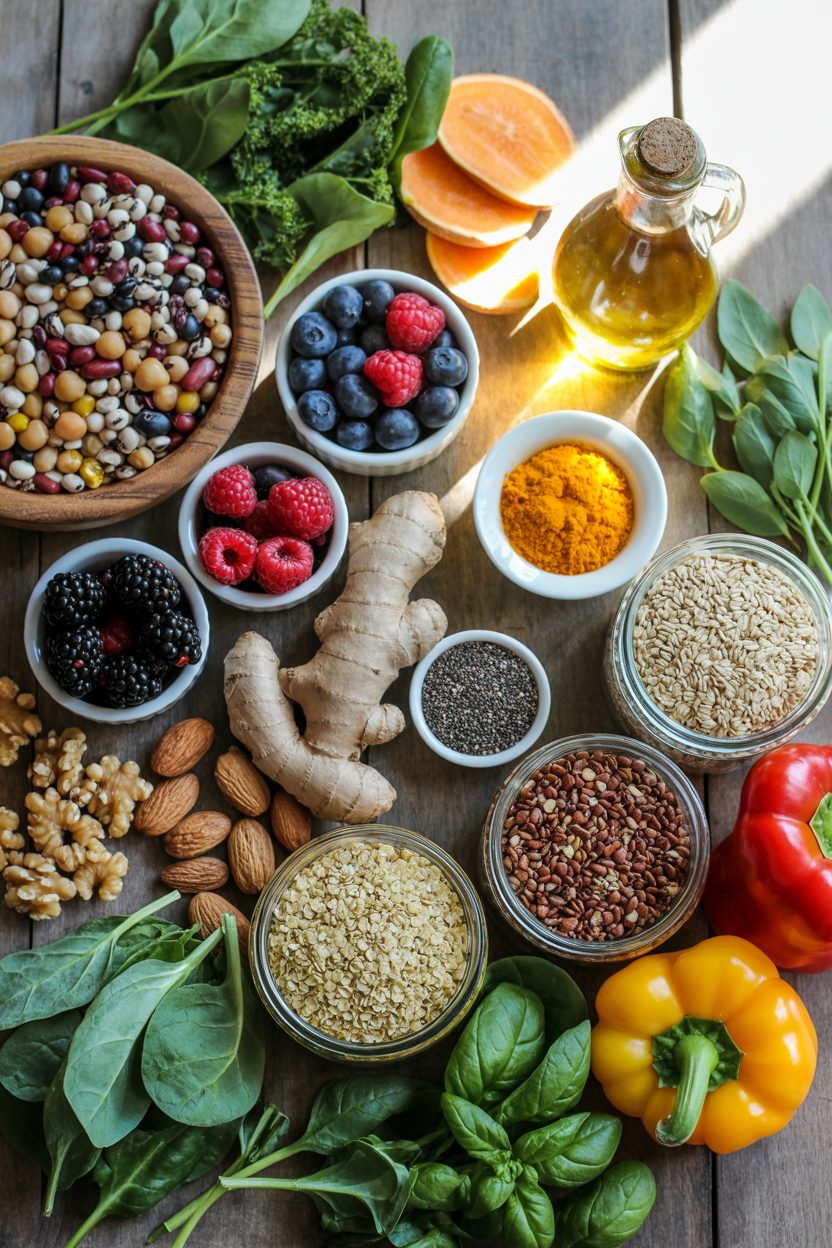
30-Day High-Fiber Anti-Inflammation Program
Chronic inflammation plus inadequate fiber intake equals a perfect storm for feeling like garbage. Joint pain that makes you feel decades older than you are, digestive chaos that dictates your entire day, energy crashes that hit harder than your morning alarm, and brain fog so thick you forget what you walked into rooms for. Sound familiar?
Here’s the thing most programs miss—inflammation and fiber aren’t separate issues. They’re deeply connected. Low fiber intake disrupts your gut microbiome, which triggers systemic inflammation. Meanwhile, inflammatory foods damage your gut lining, making it harder to process and benefit from fiber. It’s a vicious cycle, and breaking it requires addressing both simultaneously.
This 30-day program combines high-fiber eating (30-40 grams daily) with anti-inflammatory foods and principles. You’re not just randomly eating vegetables or avoiding sugar. You’re strategically using fiber to heal your gut while eliminating inflammatory triggers. The result? Within a month, you’ll experience improvements in digestion, energy, pain levels, sleep quality, and mental clarity that you didn’t think possible.

Why High-Fiber Plus Anti-Inflammatory Works
Most people approach inflammation and digestive health as separate problems. They take anti-inflammatory supplements while ignoring fiber, or they focus on fiber without considering inflammatory triggers. That’s like trying to bail out a boat while someone’s still drilling holes in the bottom.
According to research on fiber and inflammation, increasing dietary fiber significantly reduces inflammatory markers like C-reactive protein. The mechanism is fascinating—fiber feeds beneficial gut bacteria, which produce short-chain fatty acids (especially butyrate) that directly reduce inflammation throughout your body.
But here’s the catch: if you’re eating inflammatory foods alongside that fiber, you’re undermining your progress. Processed foods, excess sugar, and certain oils trigger inflammatory responses that damage your gut lining, making it harder for fiber to do its job. You need both strategies working together.
The sweet spot? Mediterranean-style eating that’s naturally high in fiber and anti-inflammatory compounds. Whole grains, legumes, vegetables, fruits, nuts, seeds, fatty fish, and olive oil deliver both fiber and anti-inflammatory polyphenols, omega-3s, and antioxidants. This isn’t about deprivation—it’s about eating foods that actively heal your body.
The Seven Core Principles
This program operates on seven principles that work synergistically to reduce inflammation and optimize fiber intake:
Principle 1: Hit 30-40 grams of fiber daily from whole food sources. No fiber supplements masquerading as real nutrition. Get your fiber from vegetables, fruits, whole grains, legumes, nuts, and seeds.
Principle 2: Prioritize anti-inflammatory fats. Extra virgin olive oil, fatty fish, nuts, seeds, and avocados provide fats that reduce inflammatory compounds. Eliminate or minimize vegetable oils, trans fats, and excessive omega-6 fatty acids.
Principle 3: Eat the rainbow consistently. Different colored produce contains different polyphenols and antioxidants. Variety matters for both gut bacteria diversity and comprehensive inflammation reduction.
Principle 4: Include fermented foods regularly. Probiotics from yogurt, kefir, sauerkraut, and kimchi support gut health and enhance your body’s ability to benefit from dietary fiber.
Principle 5: Minimize inflammatory triggers. Reduce processed foods, added sugars, refined carbohydrates, and alcohol. These actively work against your anti-inflammatory and gut-healing efforts.
Principle 6: Stay consistently hydrated. Fiber needs water to move through your digestive system and perform its functions. Aim for at least 8-10 glasses daily.
Principle 7: Support with lifestyle factors. Sleep, stress management, and movement all impact both inflammation and gut health. Address these alongside dietary changes for optimal results.
These principles create a comprehensive approach rather than just focusing on one aspect of health. You’re building a foundation that supports long-term wellness, not just temporary improvement.
Week One: Foundation Phase
Goals for Days 1-7
Week one focuses on establishing baseline habits without overwhelming yourself. You’re gradually increasing fiber, eliminating obvious inflammatory triggers, and adjusting to the meal patterns.
Target fiber intake: 25-30 grams daily (working up from wherever you currently are)
Key focuses:
- Eliminate processed foods and obvious inflammatory triggers
- Add vegetables to every meal
- Include one high-fiber grain daily
- Drink adequate water
- Track how you feel in a simple journal
Sample Day Structure:
Breakfast: Greek yogurt with berries, ground flaxseed, and walnuts (10g fiber)
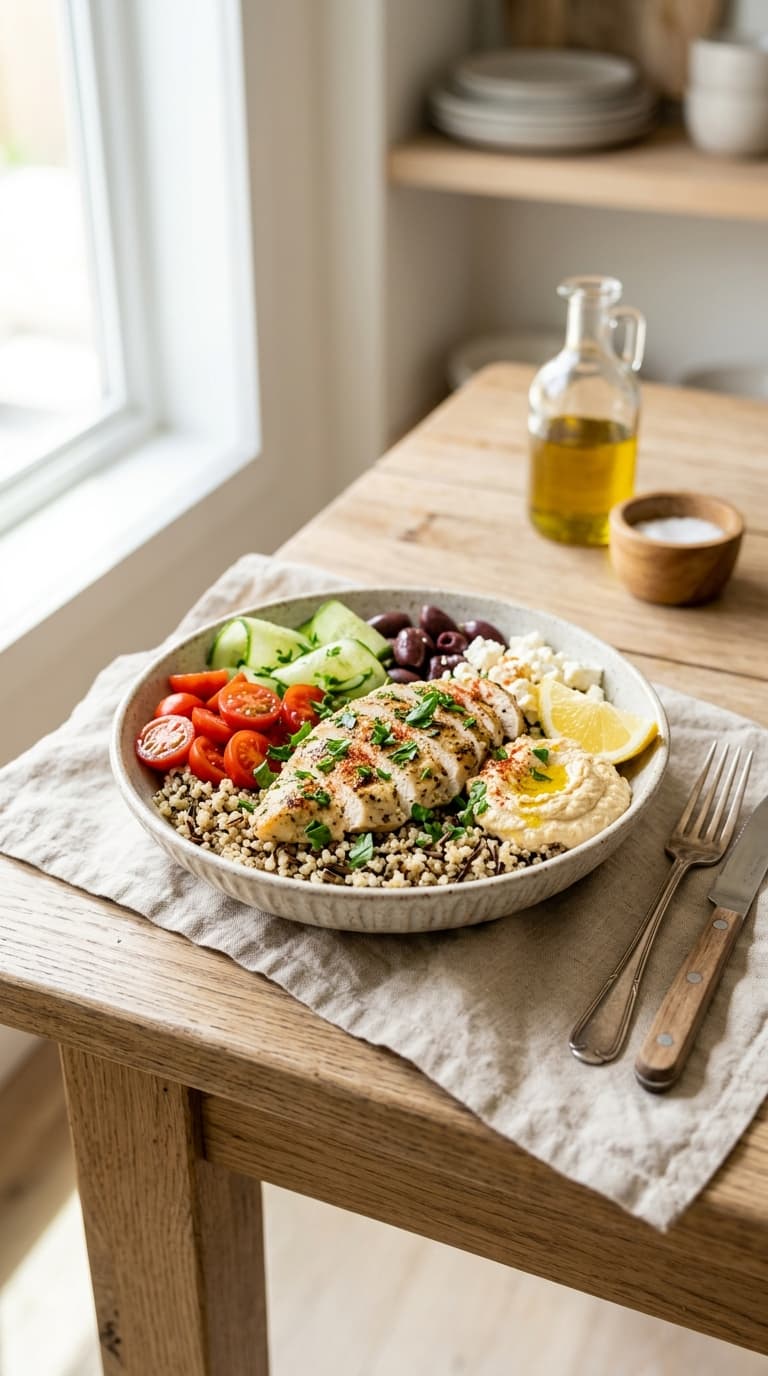
Lunch: Large salad with chickpeas, mixed vegetables, and olive oil dressing (12g fiber)
Dinner: Grilled salmon with roasted Brussels sprouts and quinoa (10g fiber)
Snacks: Apple with almond butter, carrot sticks with hummus (6g fiber)
Total: 38g fiber
The first few days might feel challenging as your body adjusts to increased fiber. That’s normal. Some people experience mild bloating or gas initially as gut bacteria populations shift. This typically resolves within 3-5 days. Stay hydrated and be patient with your digestive system.
If you’re new to high-fiber eating, you might want to start with gentle high-fiber breakfast options or try easily digestible grain combinations that won’t overwhelm your system initially.
Week One Meal Ideas
Breakfast Options:
- Overnight oats with chia seeds, berries, and nuts
- Veggie-packed frittata with whole grain toast
- Smoothie bowl with spinach, banana, berries, and hemp seeds
- Steel-cut oats with apple, cinnamon, and almonds
Lunch Options:
- Mediterranean lentil soup with vegetables
- Quinoa bowl with roasted vegetables and tahini
- Large mixed green salad with white beans and olive oil
- Chickpea and vegetable wrap in whole wheat tortilla
Dinner Options:
- Baked cod with asparagus and farro
- Turkey meatballs over zucchini noodles with marinara
- Grilled chicken with roasted cauliflower and brown rice
- White bean and kale soup with whole grain bread
Snack Options:
- Fresh fruit with nut butter
- Vegetables with hummus or tzatziki
- Handful of nuts and seeds
- Greek yogurt with berries
By the end of week one, you should notice improved regularity, slightly more stable energy, and reduced bloating after meals. These early wins motivate you to continue.
Week Two: Optimization Phase
Goals for Days 8-14
Week two increases fiber targets and fine-tunes your anti-inflammatory eating. Your gut has adjusted to higher fiber, so you can push toward the upper end of the target range.
Target fiber intake: 30-35 grams daily
Key focuses:
- Add more variety to your fiber sources
- Include fatty fish 2-3 times this week
- Experiment with new whole grains (farro, barley, bulgur)
- Add fermented foods if you haven’t already
- Notice improvements in energy and digestion
Advanced Strategies:
Maximize prebiotic fiber: Asparagus, artichokes, garlic, onions, and leeks contain inulin that specifically feeds beneficial bacteria. Include at least one prebiotic food daily.
Rotate protein sources: Don’t eat chicken every single day. Mix in fish, legumes, eggs, and occasional grass-fed meats for nutritional diversity.
Layer anti-inflammatory compounds: Each meal should include multiple anti-inflammatory elements—omega-3s, polyphenols, antioxidants, and fiber working together.
Time your meals consistently: Regular meal timing supports your circadian rhythm, which influences both gut health and inflammatory responses.
By week two, most people report noticeably better sleep, clearer thinking, and reduced joint stiffness, especially in the morning. The cumulative effects are building. Get Full Recipe for some of the most popular anti-inflammatory grain bowls that make this phase easier.
Speaking of diverse protein sources and anti-inflammatory meals, you might enjoy omega-3 rich fish preparations or explore plant-based high-fiber options that keep things interesting.
Week Three: Deepening Phase
Goals for Days 15-21
Week three is where the magic really happens. Your gut microbiome has shifted significantly, inflammation is measurably reduced, and the habits feel more automatic than forced.
Target fiber intake: 35-40 grams daily
Key focuses:
- Push fiber intake to optimal levels
- Notice significant improvements in all markers
- Refine meal timing and combinations
- Address any remaining inflammatory triggers
- Start planning for long-term sustainability
Tracking Your Progress:
Create a simple daily log tracking:
- Fiber intake (estimated)
- Energy levels (1-10 scale)
- Digestive comfort (any bloating, regularity)
- Joint pain or stiffness (1-10 scale)
- Sleep quality (hours plus how rested you feel)
- Mood and mental clarity
This data reveals patterns you might otherwise miss. Maybe your energy dips on days you skip breakfast, or your joint pain increases when you don’t hit your omega-3 targets. Use this information to optimize your approach.
Advanced Meal Construction:
Every meal should include:
- Fiber source: Whole grains, legumes, vegetables, or fruits (aim for 8-12g per meal)
- Anti-inflammatory fat: Olive oil, nuts, seeds, avocado, or fatty fish
- Protein: Animal or plant-based, supporting satiety and muscle maintenance
- Polyphenols: Herbs, spices, colorful vegetables, or berries
- Fermented element: Not every meal, but several times weekly
This structure ensures each meal actively fights inflammation while supporting optimal fiber intake and gut health.
Week Three Sample Menu
Monday:
- Breakfast: Smoothie with kale, mango, chia seeds, walnuts, and Greek yogurt (11g fiber)
- Lunch: Lentil and vegetable stew with whole grain sourdough (15g fiber)
- Dinner: Baked salmon with roasted artichoke hearts and quinoa (12g fiber)
- Snacks: Fresh figs with almonds, bell pepper strips with hummus (8g fiber)
- Total: 46g fiber
Wednesday:
- Breakfast: Steel-cut oats with berries, ground flaxseed, and pecans (13g fiber)
- Lunch: Mediterranean chickpea salad in whole wheat pita with vegetables (14g fiber)
- Dinner: Grilled sardines with Brussels sprouts and farro (11g fiber)
- Snacks: Apple with cashew butter, cucumber with tzatziki (6g fiber)
- Total: 44g fiber
Friday:
- Breakfast: Veggie frittata with spinach, tomatoes, and mushrooms, whole grain toast (8g fiber)
- Lunch: Black bean and sweet potato bowl with avocado and tahini (16g fiber)
- Dinner: Baked trout with roasted cauliflower and barley (12g fiber)
- Snacks: Fresh pear, handful of walnuts, carrot sticks (7g fiber)
- Total: 43g fiber
FYI, hitting 40+ grams of fiber feels challenging initially, but it becomes second nature once you understand which foods deliver the most bang for your buck. Legumes, whole grains, and vegetables are your MVPs.
Week Four: Mastery Phase
Goals for Days 22-30
The final week solidifies everything you’ve learned and prepares you for long-term success. You’re not just following a program anymore—you’ve built sustainable habits.
Target fiber intake: 35-40 grams daily (consistently)
Key focuses:
- Maintain optimal fiber intake effortlessly
- Notice comprehensive improvements across all health markers
- Develop personal food preferences and go-to meals
- Plan for life after the 30 days
- Assess what works and what doesn’t for your unique body
Reflection Questions:
- Which meals and snacks have you genuinely enjoyed?
- What time of day do you feel best?
- Which high-fiber foods keep you most satisfied?
- What anti-inflammatory strategies made the biggest difference?
- Which aspects feel sustainable long-term?
- What challenges remain?
These answers guide your approach moving forward. The program ends at 30 days, but the benefits don’t have to. You’re creating a template for long-term health, not just temporary improvement.
Addressing Common Challenges
Challenge: “I’m still not hitting my fiber targets consistently.” Solution: Focus on the highest-fiber foods—legumes (10-15g per cup), berries (8g per cup), and artichokes (10g each). Adding just one extra serving of these daily makes a huge difference.
Challenge: “I feel great, but I’m worried about maintaining this forever.” Solution: You don’t need to be perfect forever. Aim for 80/20—following these principles 80% of the time while allowing flexibility 20% of the time. Consistency beats perfection.
Challenge: “Some inflammatory foods are hard to give up.” Solution: Work on crowding them out rather than forcing elimination. When you’re genuinely satisfied by high-fiber, anti-inflammatory meals, cravings for inflammatory foods naturally decrease.
Challenge: “My family isn’t on board with this eating style.” Solution: Make components everyone can customize. Taco night, pasta with various toppings, grain bowls with different proteins. You load up on vegetables and legumes while they do their thing.
I use this large slow cooker for making huge batches of legume-based soups and stews that everyone eats, regardless of their dietary preferences. Makes feeding diverse palates so much easier.
The Science Behind the Synergy
Let’s talk about why combining high fiber with anti-inflammatory eating creates results greater than either approach alone.
Fiber feeds beneficial bacteria. These bacteria ferment fiber into short-chain fatty acids, primarily butyrate. Butyrate directly reduces inflammation by inhibiting inflammatory signaling pathways and strengthening the gut barrier.
Anti-inflammatory foods protect gut integrity. Omega-3s, polyphenols, and antioxidants prevent oxidative damage to the intestinal lining, ensuring fiber can do its job effectively.
Both approaches support healthy weight. Inflammation promotes weight gain and makes weight loss difficult. Fiber promotes satiety and healthy metabolism. Together, they create conditions for effortless weight management.
Both improve insulin sensitivity. Inflammation and poor fiber intake both contribute to insulin resistance. Addressing both simultaneously improves blood sugar control more effectively than either alone.
Both support mental health. The gut-brain axis means gut health directly influences mood, anxiety, and cognitive function. High-fiber, anti-inflammatory eating supports mental wellness through multiple pathways.
Both reduce disease risk. Chronic inflammation and inadequate fiber intake independently increase risk for heart disease, diabetes, cancer, and autoimmune conditions. Addressing both dramatically reduces these risks.
IMO, this is why isolated approaches often fail. You can’t supplement your way out of a poor diet, and you can’t out-fiber inflammatory eating. You need both strategies working together.
For more information on how specific foods support this synergy, check out anti-inflammatory ingredient guides or explore gut-healing food combinations that maximize these benefits.
Meal Prep Strategies for Success
Thirty days is long enough that you need sustainable systems, not just willpower. Meal prep makes the difference between success and abandonment.
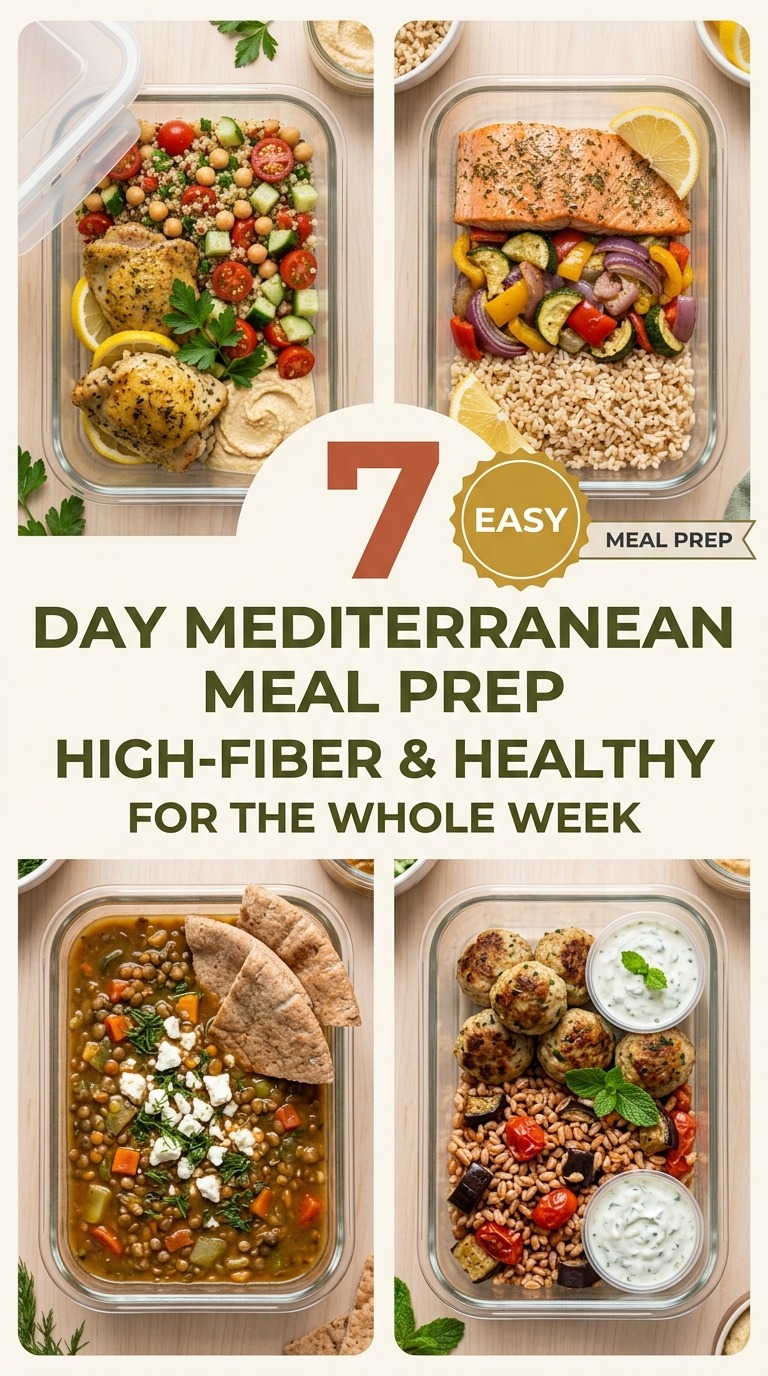
Weekly Prep Routine (2 hours on Sunday):
Cook grains in bulk:
- 3 cups dry quinoa (makes 9 cups cooked)
- 2 cups dry brown rice (makes 6 cups cooked)
- 1.5 cups dry farro or barley (makes 4.5 cups cooked)
Prepare legumes:
- Cook 2 cups dry lentils in vegetable broth
- Open and rinse 3 cans of chickpeas and white beans
- Make one large pot of bean soup or stew
Roast vegetables:
- 3 sheet pans of mixed vegetables (Brussels sprouts, cauliflower, bell peppers, zucchini)
- Season with olive oil, garlic, and herbs
Prep raw components:
- Wash and chop vegetables for salads and snacks
- Hard boil a dozen eggs
- Portion nuts and seeds into snack containers
- Mix a large batch of olive oil and lemon dressing
Make breakfast items:
- Overnight oats in jars for 4-5 mornings
- Prep smoothie bags with pre-portioned ingredients
This 2-hour session gives you components to assemble throughout the week. You’re not cooking complete meals—you’re creating building blocks that combine in endless ways.
I rely heavily on these glass meal prep containers with tight-sealing lids. They’re pricey upfront but worth every penny for keeping food fresh all week. Get Full Recipe for the most popular meal-prep-friendly options that hold up beautifully.
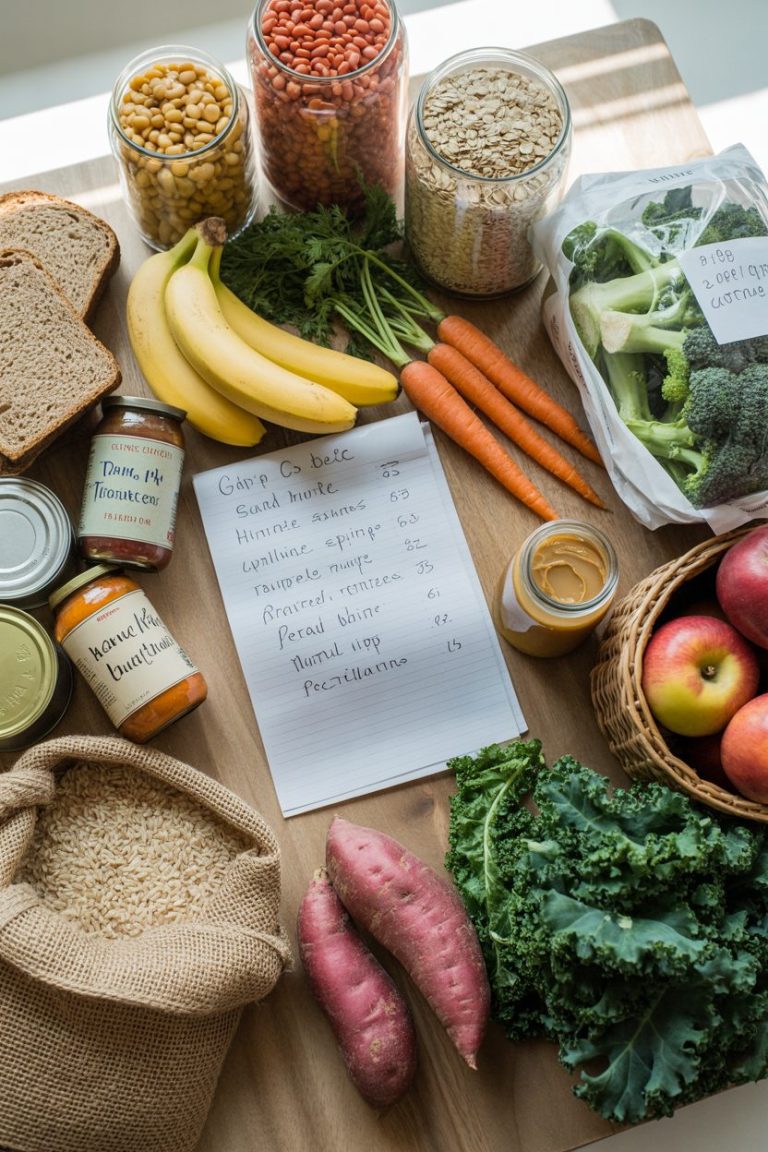
For storing bulk grains and keeping them fresh, these airtight canisters are surprisingly effective. Everything stays fresh, you can see what you have, and they stack without wasting space.
Supplements: What Actually Helps
This program emphasizes food-based approaches, but some supplements can support your efforts:
Omega-3 Fish Oil: If you can’t eat fatty fish 2-3 times weekly, a high-quality supplement provides EPA and DHA that reduce inflammation.
Probiotic: Multi-strain probiotics support gut health, especially if you’re transitioning from poor eating habits or recently took antibiotics.
Vitamin D: Most people are deficient. Vitamin D reduces inflammation and supports immune function. Get your levels tested and supplement accordingly.
Magnesium: Supports over 300 enzymatic reactions, reduces inflammation, and helps with sleep. Most people don’t get enough from food alone.
Digestive Enzymes: Temporarily helpful if you’re struggling with the fiber increase. They help break down complex carbohydrates while your body adjusts.
Turmeric/Curcumin: Powerful anti-inflammatory properties. If you can’t or won’t cook with turmeric regularly, supplementation provides similar benefits.
Before starting any supplements, talk to your healthcare provider, especially if you take medications or have health conditions. This omega-3 supplement is one I personally use when I’m not getting enough fish—no fishy aftertaste, good potency, third-party tested.
Beyond the 30 Days: Making It Last
The program ends at day 30, but the benefits don’t have to. Here’s how to maintain your progress:
Keep the core principles: You don’t need to track fiber grams forever, but continue prioritizing whole grains, legumes, vegetables, fruits, nuts, and seeds. Keep inflammatory foods as occasional indulgences rather than daily staples.
Maintain meal prep habits: Even if you scale back to every other week, having components ready makes healthy eating sustainable during busy periods.
Stay flexible: Life includes celebrations, travel, and restaurants. Enjoy these without guilt, then return to your baseline. What you do most of the time matters more than occasional deviations.
Continue learning: Your body changes, food preferences evolve, and new research emerges. Stay curious and adjust your approach as needed.
Find your community: Whether in-person or online, connecting with others who prioritize health makes sustainability easier. Share recipes, troubleshoot challenges, and celebrate wins together.
Reassess periodically: Every few months, spend another week tracking fiber intake and how you feel. This helps you notice if you’ve drifted from habits that serve you.
Focus on how you feel: The best motivation is experiencing the benefits. When you sleep better, move without pain, think clearly, and feel energized, you naturally want to maintain the habits that got you there.
Related Recipes You’ll Love
Looking for more recipe inspiration? Here are some options that fit perfectly with this program:
High-Fiber Breakfast Ideas: Try make-ahead overnight oat variations, veggie-packed egg dishes, or fiber-rich smoothie bowls that start your day right.
Anti-Inflammatory Lunch Options: Explore legume-based soup recipes, grain bowl combinations, or large salad ideas that keep you satisfied for hours.
Satisfying Dinner Solutions: Check out sheet pan Mediterranean dinners, one-pot high-fiber meals, or omega-3 rich fish preparations that make evenings easier.
Smart Snack Choices: Browse energy ball recipes, vegetable-based snacks, or anti-inflammatory treat options for between-meal hunger.
Conclusion
Thirty days sounds arbitrary until you experience what’s possible in that timeframe. Your gut microbiome shifts significantly within 3-4 weeks of dietary changes. Inflammatory markers measurably decrease. Your body’s ability to process and benefit from nutrients improves dramatically. Habits that felt forced initially become automatic.
This program proves that you don’t need extreme elimination diets, expensive supplements, or suffering through foods you hate. When you combine high-fiber eating with anti-inflammatory principles, you create conditions where your body can actually heal itself. The fiber feeds beneficial bacteria that produce anti-inflammatory compounds. The anti-inflammatory foods protect your gut lining so fiber can do its job. Everything works together synergistically.
The first week challenges you as your body adjusts. The second week shows you it’s possible. The third week demonstrates what’s achievable. The fourth week solidifies habits for long-term success. By day 30, you’re not just following a program—you’ve fundamentally changed your relationship with food and how your body functions.
Start tomorrow. Commit to these 30 days. Track how you feel—your energy, digestion, pain levels, sleep quality, and mental clarity. Notice the improvements that stack up week by week. By day 30, you’ll understand why this combined approach works when isolated strategies fail. Your body will thank you for it.