
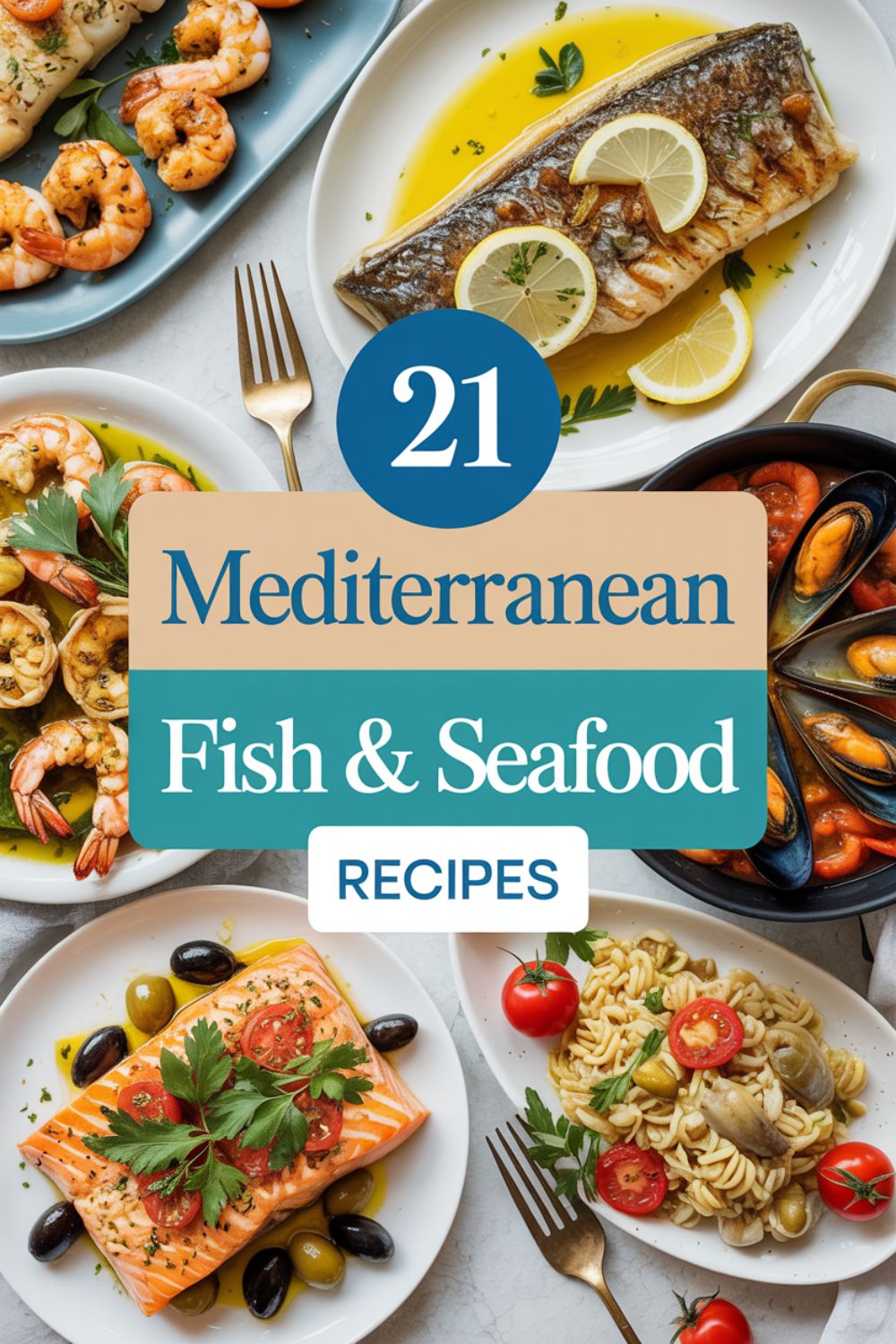
21 Mediterranean Fish and Seafood Recipes
Look, I’m just going to say it—Mediterranean fish and seafood recipes changed how I think about cooking. No more dry, flavorless tilapia that tastes like regret. We’re talking bright flavors, simple techniques, and fish that actually makes you want seconds.
After years of either overcooking salmon or under-seasoning everything, I finally cracked the code. The Mediterranean approach isn’t about complexity—it’s about letting good ingredients shine with olive oil, lemon, herbs, and maybe some garlic if you’re feeling frisky.
Why Mediterranean Seafood Hits Different
Here’s the thing about Mediterranean cooking—it’s not trying to mask anything. You’re not drowning fish in heavy sauces or breading. The seafood is the star, and everything else is there to support it.
When you look at traditional Greek, Italian, or Spanish coastal cuisine, the pattern is consistent: fresh catch, good olive oil, acid (usually lemon), herbs, and heat. That’s it. No culinary degree required.
Research backs this up too. According to the American Heart Association, eating fish at least twice a week—especially fatty fish like salmon, mackerel, and sardines—supports cardiovascular health through those omega-3 fatty acids everyone’s always talking about. They recommend it specifically for reducing risks of heart disease, stroke, and other cardiovascular issues.
But honestly? The health benefits are just a bonus. I started cooking Mediterranean seafood because it tasted incredible and didn’t require me to spend three hours in the kitchen.
The Foundation: What Makes It Mediterranean
Before we get into the recipes, let’s talk about what actually defines this style of cooking. It’s not just throwing some feta on a piece of cod and calling it a day.
The Core Ingredients
Extra virgin olive oil is non-negotiable. I used to cheap out and buy whatever was on sale, and yeah, you can taste the difference. You don’t need the $40 bottle, but investing in a decent mid-range olive oil will transform your dishes.
Fresh herbs—parsley, oregano, dill, basil—do the heavy lifting. Dried herbs work in a pinch, but fresh is where it’s at. I keep a small herb garden on my windowsill because buying those tiny plastic clamshells every week gets expensive fast.
Citrus cuts through the richness of fish. Lemons are the MVP, but don’t sleep on oranges for certain dishes. That brightness is what makes Mediterranean seafood so crave-able.
And let’s not forget garlic. Lots of garlic. If you’re not using at least three cloves, are you even trying?
Cooking Techniques That Actually Work
Mediterranean cooking favors methods that don’t require constant babysitting. Grilling is huge—whether it’s a whole fish or skewered shrimp. The char adds depth without overpowering delicate seafood.
Roasting is my personal favorite for weeknights. Toss everything on a sheet pan, drizzle with olive oil, and let the oven do its thing. Minimal cleanup, maximum flavor.
Pan-searing works great for fillets. Get your pan screaming hot (I use this cast iron skillet that’s lasted me years), add oil, and don’t touch the fish until it releases naturally. Patience pays off.
For more morning-focused meal ideas that follow similar principles, these 7-day Mediterranean high-fiber breakfast plans show how to build balanced plates without overthinking it.
Breaking Down the 21 Recipes by Type
I’ve organized these into categories that actually make sense for how you’d use them. Some are weeknight warriors, others are impress-your-in-laws material.
Quick Weeknight Winners
These are the recipes I turn to when I’ve got 30 minutes max and zero energy for anything complicated.
Lemon Garlic Shrimp is stupid-simple. Shrimp, garlic, lemon, parsley, white wine. Ten minutes start to finish. Get Full Recipe.
Pan-Seared Salmon with Herb Sauce uses a basic chimichurri-style topping that works on literally any fish. The sauce keeps in the fridge for days, so make extra. Get Full Recipe.
Garlic Butter Scallops sound fancy but take maybe 8 minutes. The key is patting them dry before they hit the pan—moisture is the enemy of that golden crust. Get Full Recipe.
Studies published in journals like The Mediterranean Diet: An Update of the Clinical Trials highlight how the combination of seafood with olive oil and vegetables creates synergistic health effects beyond just the individual ingredients. The whole is genuinely greater than the sum of its parts.
If you’re trying to build a full week around these principles, the 7-day Mediterranean anti-inflammation meal plan provides a solid framework without feeling restrictive.
Weekend Show-Stoppers
When you’ve got time and want to actually enjoy cooking, these deliver.
Whole Roasted Branzino looks impressive as hell but is shockingly easy. Stuff it with lemon and herbs, roast until the skin crisps, done. I use a large oval roasting pan for whole fish—totally worth the cabinet space.
Seafood Paella requires attention but isn’t difficult. The socarrat (crispy bottom layer) is what you’re after. Let it happen. Don’t panic and stir constantly.
Grilled Octopus intimidates people, but it shouldn’t. Boil it first (I throw mine in the Instant Pot for 15 minutes), then finish on the grill. Tender inside, charred outside.
Make-Ahead and Meal Prep Friendly
Mediterranean Tuna Salad is nothing like that mayo-heavy stuff from childhood. Olive oil, lemon, white beans, olives, and good canned tuna. Keeps for days and actually tastes better after sitting.
Baked Cod with Vegetables is the definition of set-it-and-forget-it. Everything goes in one dish. An hour later, you’ve got dinner and leftovers.
Marinated Grilled Sardines might sound weird, but sardines are ridiculously healthy and dirt cheap. The marinade cuts any fishiness. Grill them whole, bones and all (yes, you eat them).
For folks balancing multiple health goals, the 14-day Mediterranean high-protein anti-inflammatory plan shows how to layer these recipes into a cohesive eating strategy.
The Underrated Heroes: Lesser-Known Fish Worth Trying
Everyone defaults to salmon and shrimp, which, fine. But you’re missing out if you’re not experimenting.
Mackerel is oily, rich, and stands up to bold flavors. It’s also one of the most sustainable choices. I grill it with just lemon and oregano.
Anchovies get a bad rap from pizza trauma, but fresh anchovies are completely different. Lightly fried or marinated, they’re delicate and slightly sweet.
Sea Bass has this buttery texture that’s hard to overcook (trust me, I’ve tried). It’s pricier, but for special occasions, absolutely worth it.
According to research from Fish in the Mediterranean Diet, the variety of fish species consumed in traditional Mediterranean regions contributes to a broader spectrum of nutrients—not just omega-3s, but also minerals like selenium, iodine, and zinc, plus vitamins D and B12.
If you’re working within dietary restrictions, the 7-day Mediterranean vegan anti-inflammation plan offers plant-based alternatives that still capture those core flavors.
Common Mistakes (That I Definitely Haven’t Made Multiple Times)
Let’s talk about what goes wrong and how to avoid it.
Overcooking Everything
Fish continues cooking after you pull it from heat. Remove it just before you think it’s done. Carryover cooking will finish the job. This was a revelation for me after years of serving fish jerky to unsuspecting dinner guests.
Not Drying Your Seafood
Moisture prevents browning. Pat everything dry with paper towels before seasoning. I keep a roll of restaurant-quality paper towels specifically for this.
Using the Wrong Pan Temperature
Too hot? You’ll burn the outside before the inside cooks. Too cold? Things steam instead of sear. Medium-high is your sweet spot for most fish.
The 14-day anti-inflammatory eating plan for women includes detailed cooking notes that helped me finally nail these techniques.
Forgetting About Acid
If your dish tastes flat, it probably needs acid. A squeeze of lemon at the end brightens everything. It’s not optional.
Kitchen Tools That Make These Recipes Actually Enjoyable
Look, you don’t need a million gadgets, but these six things genuinely make cooking Mediterranean seafood easier:
Physical Products:
- Fish Spatula – Thin, flexible, angled. Makes flipping delicate fish possible without destruction.
- Cast Iron Grill Pan – For when outdoor grilling isn’t happening but you still want char marks.
- Quality Chef’s Knife – Breaking down whole fish or filleting requires a sharp blade. No exceptions.
Digital Resources:
- Mediterranean Cookbook PDF – Comprehensive guide with techniques and regional variations I reference constantly.
- Meal Planning Template – Helps organize weekly seafood rotation so you’re not eating salmon six days straight.
- Seafood Sustainability Guide – Digital wallet card showing what’s in season and sustainably sourced.
None of these are mandatory, but they’ve saved me time and frustration. Especially that fish spatula. Seriously.
Seasonal Variations and Substitutions
One thing I love about Mediterranean cooking is how flexible it is. Can’t find branzino? Use striped bass or red snapper. Out of fresh oregano? Dried works fine, just use less.
Summer is when I lean into grilled everything. Whole fish, shrimp skewers, grilled calamari. The outdoor cooking keeps the kitchen cool and adds smoky depth.
Fall and winter shift to roasted and braised dishes. Baked cod with tomatoes, mussels in white wine broth, seafood stews that warm you from the inside.
The 30-day Mediterranean wellness plan walks through seasonal ingredient swaps that keep things interesting year-round.
Working With Frozen Seafood
Fresh is ideal, but frozen fish is perfectly fine—sometimes better, depending on where you live. Flash-frozen fish can be fresher than “fresh” fish that’s been sitting at the counter for days.
Just thaw it properly (overnight in the fridge, not on the counter), and treat it the same as fresh. I always keep frozen shrimp in the freezer for those nights when I forgot to plan.
Speaking of planning ahead, these 7-day gut healing Mediterranean menus include freezer-friendly options for exactly this scenario.
Pairing and Serving Suggestions
Mediterranean seafood isn’t meant to be served in isolation. It’s part of a larger meal with sides, salads, and usually some good bread.
Vegetables are key. Roasted tomatoes, sautéed greens, grilled zucchini. They should be simple preparations that complement, not compete with, the fish.
Grains and legumes round things out. Orzo, farro, white beans, chickpeas. I make a big batch of grains on Sunday and use them throughout the week.
Bread for soaking up pan juices is mandatory. I keep a bread box stocked with good crusty loaves because life’s too short for mediocre bread.
If you’re looking for complete meal frameworks, the 14-day Mediterranean family meal plan shows how to build balanced plates that work for different appetites and preferences.
Budget-Friendly Mediterranean Seafood
Yes, you can eat Mediterranean-style without dropping $30 per pound on fresh halibut. Here’s how.
Canned fish is criminally underrated. Good quality canned tuna, sardines, and anchovies are staples in actual Mediterranean kitchens. They’re shelf-stable, affordable, and versatile.
Smaller fish cost less than trophy catches. Mackerel, sardines, and herring are nutrient-dense and usually sustainable. They don’t photograph as prettily, but they taste great.
Mussels and clams are often cheaper than you’d think, especially if you buy them frozen. A pound of mussels goes a long way in a pasta or stew.
The 14-day high-fiber budget meal plan includes seafood options that don’t require taking out a small loan.
Shopping Smart
I’ve learned to check the fish counter on Sunday evenings. That’s when they mark down anything that needs to sell before Monday’s delivery. I’ve scored wild-caught salmon for half price more times than I can count.
Ethnic markets often have better prices on whole fish and less common varieties. Plus, you can ask the fishmonger for tips—they actually know what they’re talking about.
Health Benefits Beyond the Hype
Everyone talks about omega-3s, but there’s more to it than that. Mediterranean seafood is nutrient-dense without being calorie-dense, which matters if you’re watching intake.
High-quality protein keeps you full. Fish protein is easier to digest than red meat, and you don’t get that heavy, sluggish feeling after eating.
Vitamins and minerals you might not get elsewhere. Vitamin D, selenium, B vitamins—these show up in seafood in amounts that are hard to match with other foods.
Anti-inflammatory properties are well-documented. Research from studies on Mediterranean diet components shows that regular fish consumption, particularly fatty fish high in omega-3s, correlates with reduced markers of chronic inflammation.
For folks specifically targeting inflammation, the 30-day anti-inflammation challenge integrates these recipes into a structured approach.
Making It Work for Different Dietary Needs
Mediterranean seafood adapts easily to various restrictions and preferences.
Low-carb? Skip the grains, double up on vegetables. The fish is already the star.
Dairy-free? Most Mediterranean seafood recipes don’t use dairy anyway. The fat comes from olive oil, not butter or cream.
Gluten-free? Nearly everything works as-is. Just watch cross-contamination if you’re celiac.
The 7-day Mediterranean clean eating plan addresses multiple dietary considerations without sacrificing flavor.
Building Your Pantry for Success
Here’s what I keep stocked so I can throw together Mediterranean seafood on a random Tuesday:
- Good olive oil (for cooking and finishing)
- Canned tomatoes (whole and crushed)
- Capers and olives (briny punch when you need it)
- Dried oregano and red pepper flakes
- Lemons (always, always lemons)
- Garlic (bought in bulk, used liberally)
- White wine (for cooking and drinking while cooking)
- Anchovies (adds umami to sauces even if you don’t like them straight)
With this foundation, you can improvise most Mediterranean seafood dishes without a specific recipe. That’s the beauty of this style—it’s forgiving.
Techniques That Elevate Your Game
A few tricks separate decent Mediterranean seafood from exceptional.
Salting in Advance
Salt your fish 15-30 minutes before cooking. It seasons throughout and firms up the texture. This is restaurant technique that works at home.
Finishing with Raw Olive Oil
Drizzle good olive oil right before serving. The heat brings out aromatics you lose if you only cook with it. Keep a separate bottle of finishing olive oil for this—it’s worth it.
Building Layers of Acid
Use different acids at different stages. Lemon in the marinade, white wine in the pan, fresh lemon juice at the end. Each adds a different brightness.
If you’re getting serious about technique, the 7-day Mediterranean high-fiber meal prep plan includes prep strategies that streamline the actual cooking.
Frequently Asked Questions
How often should I eat fish per week for health benefits?
The American Heart Association recommends at least two servings of fish per week, particularly fatty fish like salmon, mackerel, or sardines. That’s about 6-8 ounces total, which easily fits into a Mediterranean-style eating pattern. More frequent consumption is fine too—some Mediterranean populations eat fish 4-5 times weekly with excellent health outcomes.
Can I use frozen fish for these Mediterranean recipes?
Absolutely. Flash-frozen fish is often fresher than “fresh” fish that’s been sitting at the counter for days. Just thaw it properly in the refrigerator overnight, pat it completely dry before cooking, and treat it exactly like fresh fish. I keep frozen shrimp and salmon fillets in my freezer for exactly this reason.
What’s the easiest Mediterranean fish recipe for beginners?
Start with pan-seared salmon or lemon garlic shrimp. Both take less than 15 minutes, require minimal ingredients, and are nearly impossible to mess up. The key is getting your pan hot before adding the fish and not moving it around too much. Once you nail these, everything else builds on the same basic techniques.
How do I know when fish is done cooking?
Fish is done when it reaches an internal temperature of 145°F and flakes easily with a fork. The flesh should be opaque and separate into clean layers. I use an instant-read thermometer because guessing leads to either raw centers or sawdust texture. Remember that fish continues cooking after you remove it from heat, so pull it slightly before you think it’s done.
Are Mediterranean fish recipes expensive to make regularly?
Not necessarily. While some fish like halibut or sea bass cost more, budget-friendly options like sardines, mackerel, and canned tuna are staples in actual Mediterranean kitchens. Shop sales, buy smaller whole fish, and use frozen seafood strategically. You can absolutely eat Mediterranean-style on a reasonable budget—it’s about smart shopping, not just throwing money at ingredients.
Final Thoughts
Mediterranean fish and seafood recipes work because they’re built on a foundation that makes sense: good ingredients treated simply. You’re not trying to reinvent the wheel every time you cook dinner.
Start with the basics—good olive oil, fresh herbs, quality seafood. Master a few core techniques like pan-searing and roasting. Once you’ve got those down, everything else is just variations on a theme.
The beauty of this approach is that it scales. You can make a simple weeknight dinner or an impressive weekend feast using the same fundamental principles. The ingredients change, the techniques stay consistent.
And honestly? If your fish tastes flat, add more lemon and salt. If it’s dry, you overcooked it. If it’s sticking to the pan, you didn’t use enough oil or heat. These aren’t mysteries—they’re just things you learn by doing.
Cook more fish. Use more olive oil than seems reasonable. Don’t be precious about following recipes exactly. Mediterranean cooking is forgiving if you respect the ingredients and techniques. That’s what makes it sustainable long-term.
Your move is to pick one recipe from this list and make it this week. Don’t overthink it. Don’t wait for the perfect occasion. Just cook the fish.
Similar Posts
17 Mediterranean Side Dishes with Fresh Herbs
17 Mediterranean Side Dishes with Fresh Herbs | Pure and Plate Pure & Plate — Mediterranean Living Side Dishes & Herbs 17 Mediterranean Side Dishes with Fresh Herbs The kind of sides that quietly steal the show — bright, herby, and impossible to stop eating. 17 Recipes By: Pure & Plate Kitchen Updated: February 2026…
17 Dairy-Free Mediterranean Holiday Dishes Your Table Actually Needs
17 Dairy-Free Mediterranean Holiday Dishes | Pure and Plate Pure & Plate Holiday Recipes • Dairy-Free • Mediterranean 17 Dairy-Free Mediterranean Holiday Dishes Your Table Actually Needs By Pure & Plate Kitchen 2,600+ words 17 Recipes Let’s be real for a second. Holiday cooking already has enough pressure without also trying to navigate a dairy-free…
20 Feta Cheese Recipes That Bring Mediterranean Flavor Home
20 Feta Cheese Recipes That Bring Mediterranean Flavor Home 20 Feta Cheese Recipes That Bring Mediterranean Flavor Home Look, I’m not going to sugarcoat it—feta cheese changed my cooking game completely. There was a time when I thought Mediterranean food meant complicated techniques and ingredients I couldn’t pronounce. Then I discovered what a single crumble…
15 Anti-Inflammatory Breakfasts For Hormone Balance
15 Anti-Inflammatory Breakfasts For Hormone Balance Your hormones run the show — mood, energy, sleep, metabolism, skin, all of it. And what you eat first thing in the morning? That sets the tone for everything. If you’ve been waking up puffy, foggy, or just off, your breakfast might be working against you instead of for…
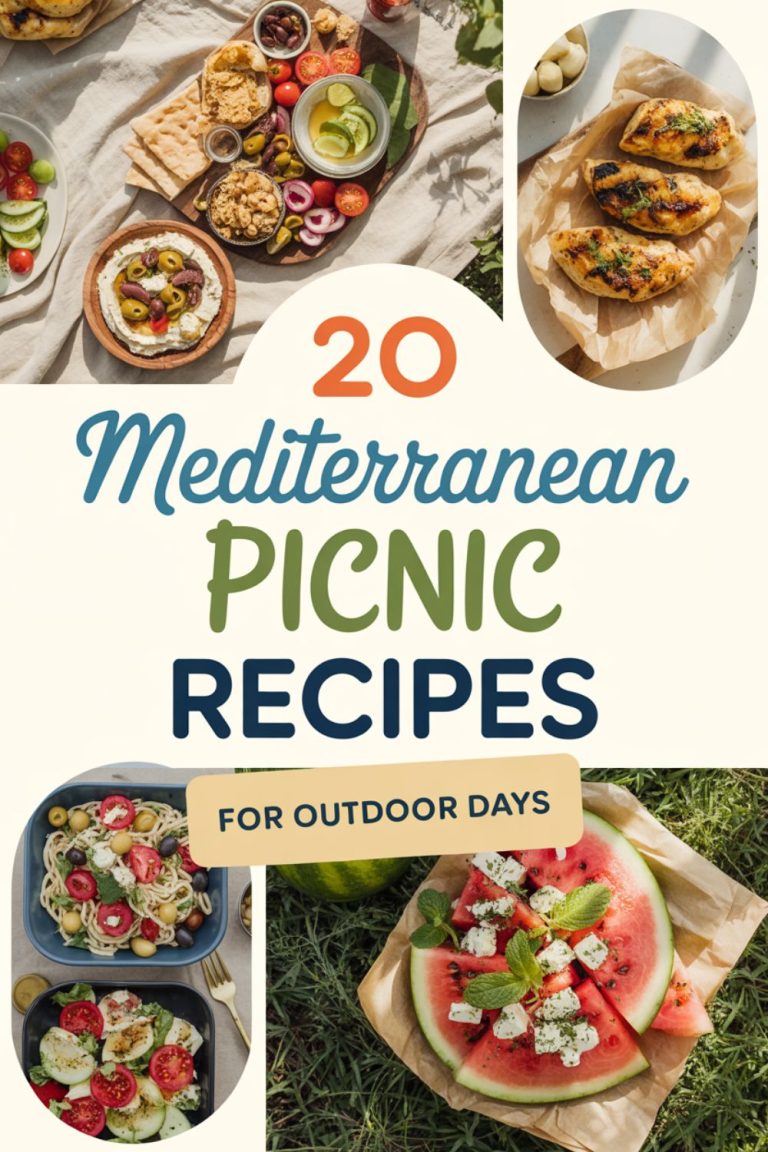
20 Mediterranean Picnic Recipes for Outdoor Days
20 Mediterranean Picnic Recipes for Outdoor Days 20 Mediterranean Picnic Recipes for Outdoor Days Look, I’m not going to pretend that eating outdoors automatically makes food taste better. But somehow, it does. Maybe it’s the fresh air, maybe it’s the lack of a kitchen timer screaming at you, or maybe it’s just the fact that…
12 Mediterranean Wraps and Pitas That Make Healthy Eating Fun Again
12 Mediterranean Wraps and Pitas That Make Healthy Eating Fun Again 12 Mediterranean Wraps and Pitas That Make Healthy Eating Fun Again Listen, I get it. You’re tired of salads. You’re exhausted from Pinterest-perfect grain bowls that somehow taste like cardboard with ambition. You want something that actually tastes good, doesn’t require a culinary degree…