
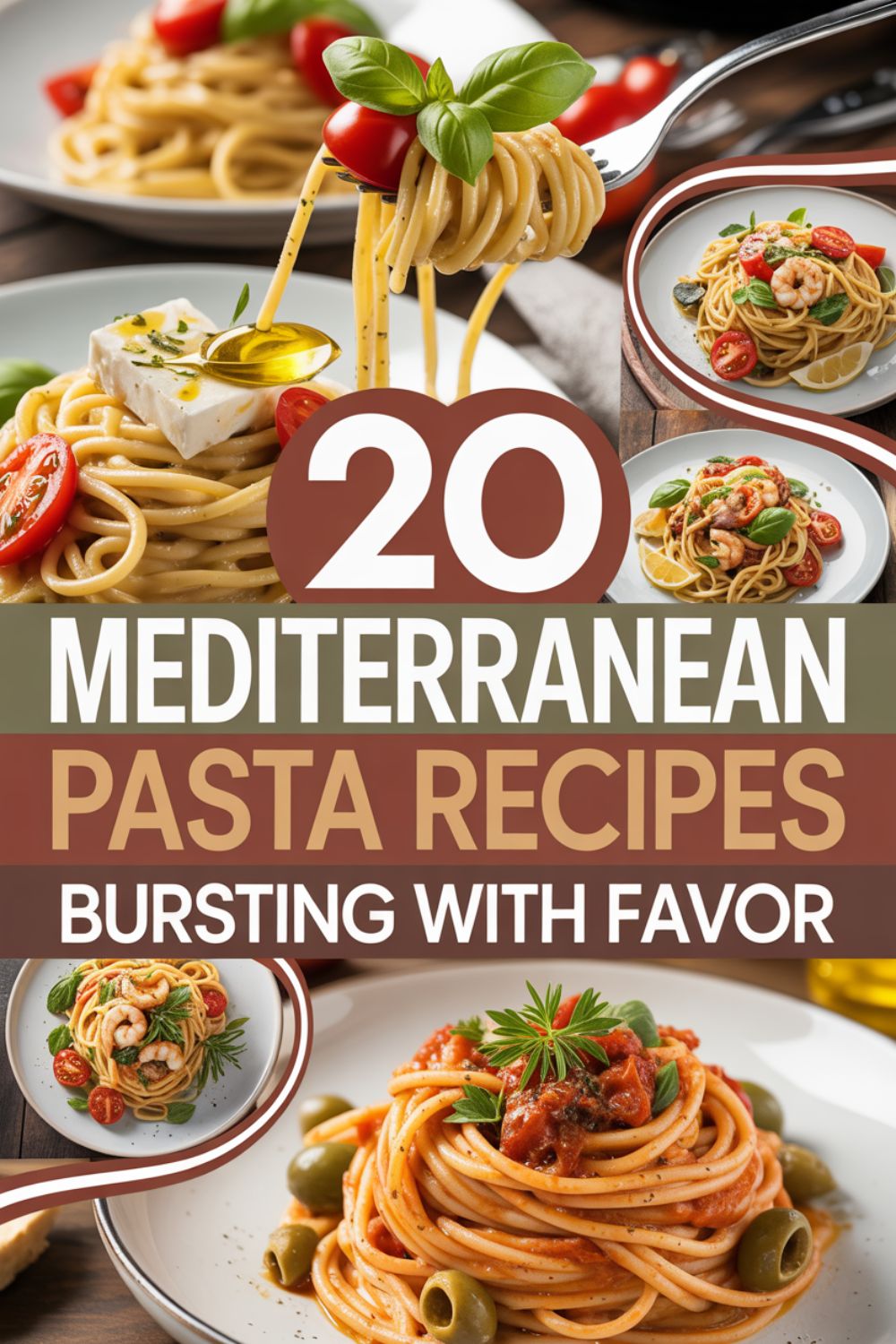
20 Mediterranean Pasta Recipes Bursting with Flavor
Look, I get it. You’ve scrolled through endless pasta recipes promising “authentic Mediterranean flavors” only to find the same tired combination of tomatoes, basil, and olive oil. Nothing wrong with that classic trio, but when you’re craving something that actually transports you to a sun-drenched coastal village, you need more than the basics.
Mediterranean pasta isn’t just about throwing some feta on spaghetti and calling it a day. It’s about understanding how these coastal cultures have been combining grains, vegetables, seafood, and bold flavors for centuries. The real magic happens when you start playing with ingredients like za’atar, preserved lemons, anchovies, and fresh herbs that most American kitchens overlook.
I’ve spent the better part of two years testing Mediterranean-inspired pasta dishes in my own kitchen, and honestly, some attempts were downright disasters. But the winners? Those recipes earned a permanent spot in my weekly rotation. What you’re about to read isn’t some AI-generated listicle—it’s real experience from someone who’s burned garlic more times than I’d like to admit.
Why Mediterranean Pasta Hits Different
Here’s the thing about Mediterranean cooking that most people miss: it’s not about complexity. It’s about quality ingredients doing their thing without a million steps getting in the way. When you’re working with whole grain pasta that’s packed with fiber and pairing it with olive oil that actually tastes like olives (not just any yellow liquid), you’re already halfway to something special.
The Mediterranean diet has been shown to reduce cardiovascular disease risk by up to 25% according to research from Harvard’s School of Public Health. But beyond the health stats, what really matters is how this style of eating makes you feel. No post-meal crash, no guilt, just satisfied and energized.
I’m talking about meals where vegetables aren’t an afterthought but the star of the show. Where a handful of high-quality Kalamata olives adds more depth than any cream sauce could dream of. And where you actually look forward to eating leftovers the next day because the flavors have melded together overnight.
The Foundation: Understanding Your Pasta Options
Not all pasta is created equal, and this becomes painfully obvious when you’re trying to create Mediterranean dishes with real nutritional value. Regular white pasta? Sure, it’s fine. But whole grain pasta brings something extra to the table—literally three times the fiber and a nutty flavor that complements Mediterranean ingredients beautifully.
I used to be a pasta snob who turned my nose up at anything whole grain. Then I actually tried good brands cooked properly, and wow, the difference. The key is not overcooking it. Whole grain pasta needs to stay firmly al dente or it turns into mush faster than you can say “overcooked.”
You’ve also got options like chickpea pasta and lentil pasta, which honestly work great in Mediterranean applications. They add extra protein and change the texture in interesting ways. I keep a variety pack of alternative pastas in my pantry for when I’m feeling experimental.
For those looking to boost their Mediterranean cooking game even further, check out this 14-day high-fiber Mediterranean plan that walks you through building a sustainable eating pattern. It’s especially helpful if you’re trying to transition from more processed foods.
20 Mediterranean Pasta Recipes That Actually Deliver
1. Lemon Garlic Shrimp Pasta with White Wine
This is my go-to when I need to impress someone without actually spending hours in the kitchen. The combo of fresh lemon juice, white wine, and quality shrimp creates this bright, punchy sauce that makes you wonder why you ever bothered with heavy cream sauces. Toss in some red pepper flakes and fresh parsley, and you’ve got restaurant-quality pasta in under 30 minutes.
The secret? Don’t overcook the shrimp. Seriously, they need maybe three minutes total. I use a reliable kitchen timer because eyeballing it led to too many rubbery disasters. Get Full Recipe
2. Roasted Tomato and Burrata Pasta
Ever roasted cherry tomatoes until they’re basically candy? That’s what this recipe requires, and it’s worth every minute. The tomatoes get sweet and concentrated, and when you tear up fresh burrata over the hot pasta, it melts into this creamy sauce that needs zero added dairy products.
I roast the tomatoes on a silicone baking mat because cleanup is nonexistent and they don’t stick. Trust me on this one. Get Full Recipe
3. Sicilian-Style Pasta with Sardines and Fennel
Okay, I know sardines aren’t everyone’s favorite, but hear me out. When combined with caramelized fennel, golden raisins, and toasted pine nuts, they create this sweet-savory situation that’s genuinely addictive. It’s a traditional Sicilian combo that sounds weird on paper but works brilliantly in practice.
The fennel needs to cook low and slow until it’s practically melting. No shortcuts here. This pairs beautifully with the concepts in this anti-inflammatory meal plan, since both sardines and fennel are powerhouses for reducing inflammation. Get Full Recipe
4. Greek-Style Pasta with Spinach and Feta
This is basically spanakopita in pasta form, and I’m not mad about it. Fresh spinach, crumbled feta, dill, and lemon come together in a way that feels both comforting and light. It’s one of those dishes that tastes way more sophisticated than the effort required.
The trick is wilting the spinach separately and squeezing out the excess water before adding it to the pasta. Nobody wants a watery mess. Get Full Recipe
5. Puttanesca with Anchovies and Capers
Look, puttanesca is not subtle. It’s bold, briny, and in-your-face delicious. Anchovies, capers, olives, and tomatoes create this intensely flavored sauce that sticks to pasta like it was meant to be there. Some people find it too aggressive, but IMO, those people are wrong.
Quality matters here more than almost any other recipe. Cheap capers taste like salt bombs. Get the good stuff packed in brine, rinse them well, and you’ll actually taste the floral notes. My favorite capers are these small nonpareil ones. Get Full Recipe
If you’re working on reducing inflammation through diet, you’ll appreciate how many of these Mediterranean ingredients align with the 30-day anti-inflammation challenge principles. The omega-3s from anchovies and the antioxidants from tomatoes and olives are exactly what your body needs.
6. Pasta Primavera with Seasonal Vegetables
Primavera gets a bad rap for being bland restaurant filler food, but when you make it with actually seasonal vegetables, good olive oil, and fresh herbs, it becomes something worth getting excited about. Spring asparagus, summer zucchini, fall mushrooms—whatever’s fresh works.
I use a quality vegetable peeler to shave zucchini into ribbons that cook in seconds and look way fancier than they should. Get Full Recipe
7. Tunisian-Inspired Pasta with Harissa and Chickpeas
Here’s where things get interesting. Harissa paste brings this smoky, spicy heat that’s nothing like Italian red pepper flakes. Combined with chickpeas, preserved lemon, and fresh cilantro, you’ve got a North African spin on pasta that feels completely new.
Harissa varies wildly in heat level between brands. Start with a little and add more to taste. I keep both mild and hot versions around for different moods. Get Full Recipe
8. Creamy Tahini Pasta with Roasted Cauliflower
This one surprised me. Tahini, lemon juice, and garlic create this creamy sauce that’s completely dairy-free but tastes rich and indulgent. Roasted cauliflower adds texture and a nutty flavor that complements the tahini perfectly.
The cauliflower needs to get properly caramelized—we’re talking golden brown edges, not pale and sad. High heat and patience are your friends here. Get Full Recipe
Speaking of plant-forward eating, if you’re curious about fully plant-based Mediterranean options, this vegan anti-inflammation plan shows how satisfying these flavors can be without any animal products.
9. Pasta with Sun-Dried Tomatoes and Artichokes
I’m convinced sun-dried tomatoes are criminally underused in American cooking. They bring this concentrated tomato flavor and slight chewiness that fresh tomatoes can’t match. Paired with marinated artichoke hearts and fresh basil, you get a dish that tastes expensive but costs basically nothing.
Buy sun-dried tomatoes packed in olive oil, not the dry-packed ones that taste like leather. The oil is also great for sautéing your garlic. Get Full Recipe
Mediterranean Cooking Essentials
Look, you don’t need a fancy kitchen to make great Mediterranean pasta, but a few key tools and ingredients make life way easier. Here’s what actually gets used in my kitchen on the regular:
Not all EVOO is created equal. Get one that actually tastes like olives and has that peppery finish. It makes a massive difference in simple pasta dishes where the oil is a main flavor component.
Game changer for someone who makes pasta multiple times a week. No more awkward pouring into a colander and splashing boiling water everywhere. Just lift the insert and you’re done.
For zesting lemons, grating garlic, and finishing dishes with fresh parmesan. I use mine literally every time I cook. Worth every penny.
Takes the guesswork out of weekly planning. Includes shopping lists and prep timelines that actually make sense for real life.
For organizing your favorite variations. Because let’s be honest, we all have our phones covered in flour when we’re trying to reference recipes.
Super helpful when you’re missing one ingredient and don’t want to run to the store. Shows what actually works as a substitute versus what will ruin your dish.
10. Lemon Orzo with Asparagus and Peas
Technically orzo is pasta, and this dish proves it belongs in the conversation. The small rice-shaped pieces cook quickly and soak up the lemon-herb dressing better than longer noodles would. Spring asparagus and fresh peas make it feel seasonal and special.
I blanch the asparagus separately to keep it bright green and crisp. Overcooking vegetables in pasta dishes is one of my biggest pet peeves. Get Full Recipe
11. Moroccan-Style Pasta with Merguez and Chickpeas
Merguez sausage brings this cumin and paprika-heavy spice blend that’s distinctly North African. Combined with chickpeas, tomatoes, and a hint of cinnamon, you get flavors that most Italian-focused pasta recipes never touch.
If you can’t find merguez, spicy Italian sausage works, but add extra cumin and smoked paprika to get closer to the original vibe. Get Full Recipe
For more inspiration on high-protein Mediterranean meals, especially ones that use legumes effectively, check out this high-protein anti-inflammatory plan. It shows how to build satisfying meals without relying on heavy meats.
12. Pasta with Walnut-Parsley Pesto
Pine nuts are traditional for pesto, but walnuts bring this earthier, slightly bitter note that I actually prefer in Mediterranean contexts. Plus, they’re way cheaper and easier to find. Add plenty of fresh parsley along with the basil for a greener, more herbaceous sauce.
Toast the walnuts first in a small cast iron skillet. It brings out their oils and eliminates any bitterness. Get Full Recipe
13. Greek Pastitsio (Mediterranean Baked Pasta)
This is Greece’s answer to lasagna, and honestly, it might be better. Cinnamon-spiced meat sauce, bechamel, and tubular pasta bake together into this comforting casserole that’s perfect for feeding a crowd. It’s not a weeknight dinner, but it’s worth the effort for special occasions.
The cinnamon is key—don’t skip it or substitute it. That warm spice is what makes pastitsio taste distinctly Greek rather than just another pasta bake. Get Full Recipe
14. Pasta with Broccoli Rabe and Italian Sausage
Broccoli rabe (or rapini) has this pleasantly bitter quality that balances perfectly with sweet Italian sausage and salty pecorino. It’s a classic Southern Italian combination that works because each element needs the others.
Blanch the broccoli rabe first to take out some of the bitterness if you’re sensitive to that. I like it with all the bite left in, but I also put hot sauce on everything. Get Full Recipe
15. Pasta with Roasted Red Peppers and Goat Cheese
Roasting red peppers transforms them completely. They get sweet and smoky, and when you blend them with creamy goat cheese and fresh basil, you’ve got this sauce that’s simultaneously rich and light. It clings to pasta without weighing it down.
You can roast peppers over a gas flame or under the broiler, but I use my mini toaster oven to avoid heating up the whole kitchen. Works perfectly and less babysitting required. Get Full Recipe
If weeknight cooking stress is real for you, this plan designed specifically for busy schedules might be exactly what you need. It includes pasta-based meals that come together quickly without sacrificing flavor or nutrition.
16. Lebanese-Inspired Pasta with Za’atar and Chickpeas
Za’atar is one of those spice blends that should be way more popular than it is. It’s got thyme, sumac, sesame seeds, and salt in this combination that tastes herbal, tangy, and nutty all at once. Mixed with chickpeas and olive oil over pasta, it’s a revelation.
Make sure your za’atar is fresh. The stuff that’s been sitting in your cabinet for three years won’t have the same punch. I buy mine from specialty spice shops in small batches. Get Full Recipe
17. Pasta with Caramelized Onions and Gruyere
Okay, Gruyere isn’t exactly Mediterranean, but caramelized onions are universal and they’re absolutely worth the 40 minutes of patient stirring. The sweet, jammy onions combined with nutty cheese create this French onion soup-adjacent pasta that’s pure comfort.
Low heat and patience. That’s the whole game with caramelizing onions. Anyone telling you it takes 10 minutes is lying to you. Get Full Recipe
18. Pasta Puttanesca with Fresh Tuna
Traditional puttanesca doesn’t include tuna, but adding fresh seared tuna instead of canned turns it into something special enough for date night. You still get all that briny, punchy flavor but with meaty chunks of fish that provide actual substance.
Sear the tuna rare—like, still pink in the middle rare. Overcooking tuna is a crime. A good quality nonstick pan helps get that perfect crust without sticking. Get Full Recipe
19. Pasta with Wilted Greens and Garlic Breadcrumbs
Sometimes simple is better. Whatever greens you have—spinach, kale, chard—wilted with garlic and topped with crunchy breadcrumbs makes for a satisfying meal that comes together in the time it takes to boil pasta.
Toast the breadcrumbs in olive oil until they’re deeply golden. They should be crispy enough that you can hear the crunch. That textural contrast is what makes this dish work. Get Full Recipe
For those interested in gut health alongside Mediterranean eating, this gut-healing menu combines fiber-rich ingredients like the ones in these pasta recipes with probiotic-rich foods for comprehensive digestive support.
20. Pasta Aglio e Olio with Chili Oil
The ultimate minimalist pasta. Garlic, olive oil, pasta water, and chili flakes come together to create something way more interesting than the ingredient list suggests. The key is getting the garlic just golden (not brown) and using enough pasta water to create a silky sauce.
This is where quality olive oil really shines. You taste it in every bite, so don’t use the cheap stuff you bought five years ago. Fresh, peppery EVOO makes all the difference. Get Full Recipe
Making These Recipes Work for Real Life
Here’s what nobody tells you about cooking Mediterranean pasta regularly: the recipes themselves are usually simple, but keeping your pantry stocked requires some planning. You can’t just wing it if you don’t have basics like good olive oil, dried herbs, and canned tomatoes on hand.
I keep what I call my “Mediterranean essentials drawer” which includes anchovies, capers, olives, sun-dried tomatoes, and various dried herbs. When these are always available, throwing together a pasta dinner becomes genuinely easy instead of requiring a grocery run.
Batch cooking certain components also changes the game. Roasted vegetables keep for days and can go into multiple pasta dishes. Same with pesto—make a big batch and freeze it in ice cube trays. Then you’ve got perfect portions ready to go whenever inspiration strikes.
Looking to make this style of eating more sustainable long-term? The 30-day Mediterranean wellness plan walks you through building these habits gradually instead of trying to overhaul everything at once. It’s actually designed for people with real lives and schedules.
The Nutritional Reality Check
Let’s talk about what Mediterranean pasta actually does for your body. According to research published in the Journal of Translational Medicine, consuming a Mediterranean diet rich in whole grains and plant foods has been linked to reduced risk of multiple chronic diseases and increased life expectancy.
The combination of fiber from whole grain pasta, healthy fats from olive oil, and antioxidants from vegetables creates this nutritional synergy that’s greater than the sum of its parts. You’re not just eating pasta—you’re consuming ingredients that work together to reduce inflammation and support overall health.
But here’s where I get real with you: portion sizes matter. A Mediterranean approach to pasta doesn’t mean eating giant bowls of it every night. It means reasonable portions paired with lots of vegetables and quality proteins. The pasta is part of the meal, not the entire meal.
One thing I’ve learned is that whole grain pasta keeps you satisfied longer than white pasta. The extra fiber means you’re not ravenous two hours later looking for snacks. That alone makes it worth the slight texture difference for me.
If you’re specifically dealing with inflammation issues, this anti-inflammatory eating plan designed for women provides more detailed guidance on how to structure your meals for maximum benefit while still enjoying foods like pasta.
Common Mistakes to Avoid
After making hundreds of Mediterranean pasta dishes, I’ve identified the mistakes that consistently lead to disappointing results. First up: undersalting your pasta water. It should taste like the ocean. If you’re being timid with the salt, your pasta will be bland no matter how good your sauce is.
Second mistake? Not saving pasta water before draining. That starchy liquid is magic for bringing sauces together. I can’t count how many times I’ve watched people make beautiful components and then fail to combine them properly because they dumped all the pasta water down the drain.
Overcooking vegetables is another big one. Mediterranean cooking respects vegetables as main ingredients, not mushy afterthoughts. They should have texture and personality. If you wouldn’t eat them on their own, they’re not adding anything valuable to your pasta.
Using old, rancid olive oil might be the most common mistake of all. Olive oil goes bad. If yours has been open for six months and tastes like crayons, toss it and start fresh. Quality EVOO should smell fruity and taste slightly peppery.
Seasonal Adaptations That Make Sense
One thing I love about Mediterranean pasta is how naturally it adapts to seasons. Summer calls for fresh tomatoes, basil, and light sauces. Winter wants roasted vegetables, hearty greens, and richer preparations.
Spring is all about tender vegetables—asparagus, peas, fava beans—that need minimal cooking. Fall brings mushrooms, squash, and root vegetables that benefit from roasting before they hit the pasta. Following these seasonal patterns keeps things interesting and ensures you’re getting the best flavor from your ingredients.
I actually plan my pasta recipes around what’s cheap and abundant at the farmers market. Not because I’m trying to be all precious about it, but because seasonal produce genuinely tastes better and costs less. It’s practical, not performative.
For structured meal planning that incorporates seasonal thinking, this family-friendly Mediterranean plan shows how to feed multiple people with different preferences without making separate meals for everyone.
Frequently Asked Questions
Can I use regular pasta instead of whole grain for Mediterranean recipes?
Absolutely. While whole grain pasta offers more fiber and nutrients, regular pasta works fine in these recipes. The Mediterranean aspect comes more from the ingredients you pair with the pasta—olive oil, vegetables, seafood, herbs—than the pasta itself. That said, if you’re following a Mediterranean diet for health reasons, whole grain is the better choice.
How do I prevent whole grain pasta from getting mushy?
The key is cooking it slightly less than the package directions suggest and making sure your water is at a rolling boil before adding the pasta. Whole grain pasta has a narrower window between al dente and overcooked than regular pasta. Start testing it a minute or two before the minimum suggested time, and drain it immediately when it’s still got some bite to it.
What’s the most important ingredient to invest in for Mediterranean pasta?
Hands down, it’s extra virgin olive oil. This isn’t where you want to cheap out. Quality EVOO is used both for cooking and finishing in Mediterranean cuisine, so you actually taste it in every bite. Get something that smells fruity and tastes slightly peppery—it should make you want to dip bread in it straight from the bottle.
Can these pasta recipes be made ahead for meal prep?
Most of them work great for meal prep, though some are better than others. Pasta with olive oil-based sauces reheats beautifully. Cream-based sauces can separate a bit but usually come back together with a splash of pasta water when reheating. The key is slightly undercooking the pasta initially since it’ll continue cooking when you reheat it.
Are Mediterranean pasta dishes actually healthy or just trendy?
The Mediterranean diet is one of the most well-researched eating patterns out there, with solid evidence supporting its benefits for heart health, inflammation reduction, and longevity. When you make pasta the Mediterranean way—reasonable portions, lots of vegetables, quality olive oil, and moderate protein—it becomes part of a genuinely healthy eating pattern. It’s not about any single meal being a superfood, but about the overall approach to eating.
Final Thoughts
Mediterranean pasta doesn’t need to be complicated to be good. Some of my favorite meals are the simplest—just garlic, olive oil, and whatever vegetables looked good at the market. The magic is in the quality of ingredients and the confidence to let them shine without over-manipulating them.
What I’ve learned through trial and error is that Mediterranean cooking rewards attention to small details. Toast those nuts. Save that pasta water. Don’t overcook the vegetables. These little things add up to the difference between a meal that’s just okay and one that makes you pause and actually enjoy what you’re eating.
Start with one or two recipes from this list and make them your own. Add more garlic if that’s your thing. Use the vegetables you actually like instead of forcing yourself to eat ones you don’t. The Mediterranean approach is flexible enough to adapt to your preferences while still delivering on flavor and nutrition.
And hey, if your first attempt doesn’t turn out perfectly, that’s fine. I’ve burned more garlic and overcooked more pasta than I’d like to admit. But each attempt teaches you something, and before you know it, you’re throwing together restaurant-quality Mediterranean pasta dishes on a random Tuesday night without even thinking about it.