
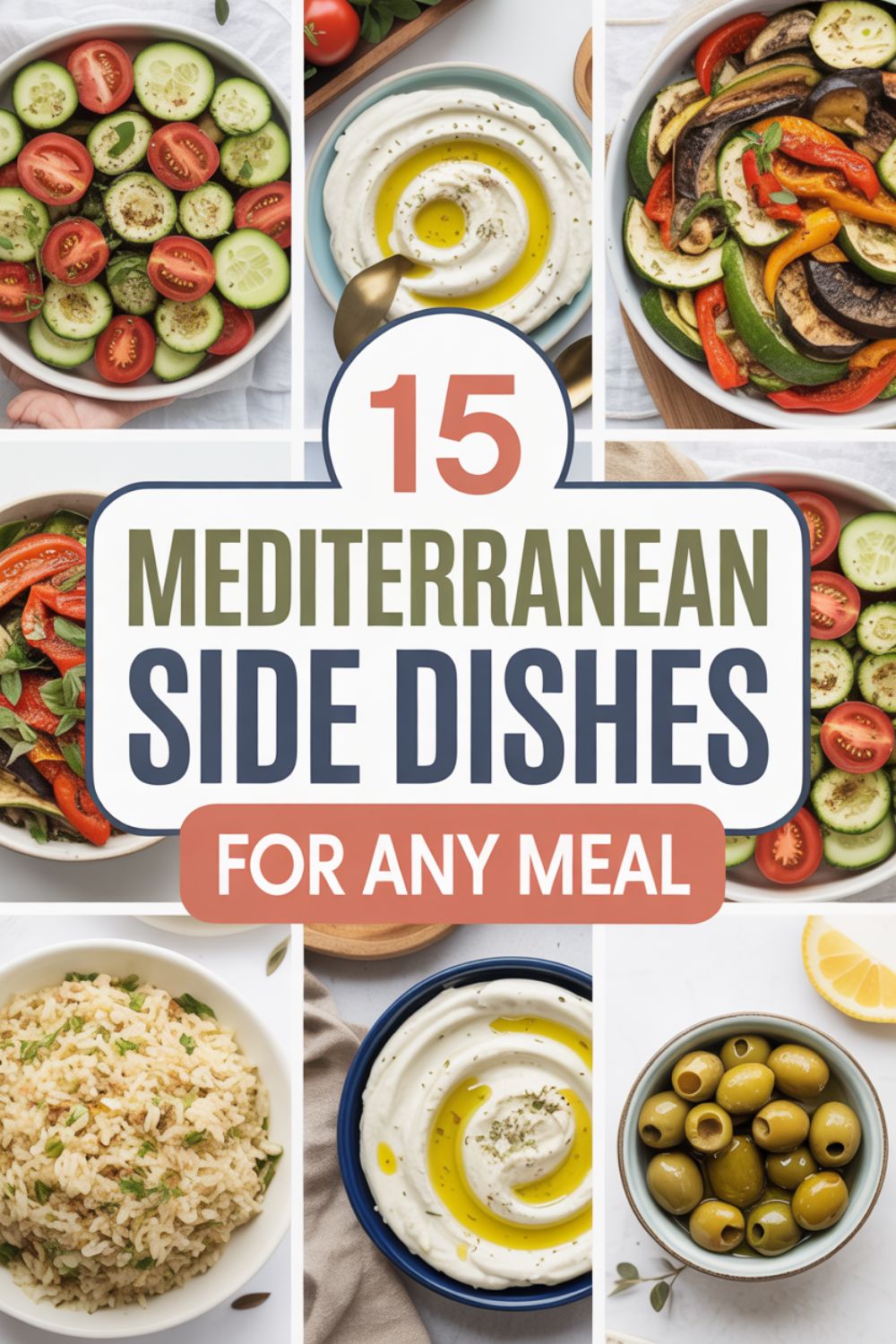
15 Mediterranean Side Dishes for Any Meal
Look, I’m going to level with you. Side dishes get a bad rap. They’re often thrown together as an afterthought, something bland to fill space on the plate while the “main event” takes center stage. But here’s the thing about Mediterranean cooking that always gets me—the sides are often where the real magic happens.
I’ve been obsessed with Mediterranean cuisine for years now, and honestly, some of my favorite meals are just a collection of these vibrant, flavor-packed sides. No centerpiece protein required. We’re talking dishes that pack enough personality to stand on their own, with ingredients that actually work together to reduce inflammation and support overall health. According to research from Harvard’s School of Public Health, the Mediterranean dietary pattern shows remarkable benefits in preventing cardiovascular disease and promoting longevity—and these side dishes are integral to that pattern.
Why Mediterranean Side Dishes Hit Different
Before we dive into the dishes themselves, let’s talk about what makes Mediterranean sides so ridiculously good. First off, olive oil is the foundation here—not butter, not vegetable oil. Extra virgin olive oil brings this fruity, peppery richness that transforms even the simplest vegetables. Cleveland Clinic research confirms that EVOO’s antioxidants and anti-inflammatory properties make it superior to other cooking fats.
Then there’s the herb situation. Fresh herbs aren’t just garnish in Mediterranean cooking—they’re practically a food group. Parsley, dill, mint, oregano. They’re not shy about using them, and neither should you.
And can we talk about how vegetables are actually treated with respect? They’re not boiled into submission or steamed until they lose the will to live. They’re roasted until caramelized, grilled until charred, or dressed raw in bright, acidic dressings that make them actually crave-worthy.
The Foundational Five: Start Here
1. Classic Greek Salad (Horiatiki)
I know what you’re thinking—”a salad as a side dish recommendation, really?” But hear me out. A proper Greek salad is nothing like that sad desk lunch you’re imagining. We’re talking thick-cut tomatoes, chunky cucumber, red onion, Kalamata olives, and a generous slab of feta. The key? Don’t overdress it. Just good olive oil, a squeeze of lemon, oregano, salt, and pepper. That’s it.
The tomatoes need to be ripe—like, really ripe. The kind where juice runs down your arm when you cut them. And please, for the love of everything good, don’t use pre-crumbled feta. Get a block and break it up yourself. It makes a difference.
2. Roasted Lemon Potatoes
Greek-style roasted potatoes are proof that you don’t need fancy ingredients to create something memorable. You need potatoes (obviously), good olive oil, lemon juice, garlic, oregano, and chicken or vegetable stock. The trick is roasting them in liquid—sounds weird, but they get crispy on the outside while absorbing all that lemony, garlicky goodness.
I use this heavy-duty roasting pan because potatoes need space to crisp up properly. Crowded potatoes are sad, steamed potatoes. Nobody wants that.
3. Spanakopita-Inspired Spinach
Okay, so full spanakopita is technically more than a side—it’s a whole production with phyllo dough and everything. But you can capture that essence with way less effort. Sauté spinach with onions, add some dill and a bit of feta, finish with lemon. Done.
The large cast iron skillet I use for this gets wickedly hot and wilts spinach in seconds without making it soggy. Plus, it goes from stovetop to oven, which is clutch for so many of these dishes.
If you’re looking to build out a full anti-inflammatory meal plan, this pairs beautifully with the protein options in our 7-day Mediterranean anti-inflammation meal plan.
4. Gigantes Plaki (Greek Baked Beans)
Giant white beans baked in tomato sauce with herbs. Sounds simple because it is. The beans get creamy, the tomato sauce gets concentrated and sweet, and you end up with something that’s basically adult baked beans but way better.
You can use dried gigantes beans if you’re feeling ambitious, but canned butter beans or large lima beans work fine. Just rinse them well. The Dutch oven I swear by is perfect for this—slow, even heat that lets everything meld together properly.
5. Tzatziki
Is tzatziki a side dish? A condiment? Does it matter? It goes with everything, and I make it at least twice a week. Greek yogurt, grated cucumber (squeeze out the water, please), garlic, dill, lemon juice, olive oil, salt. Mix and chill.
The box grater with a container underneath makes cucumber prep less of a watery mess. Also good for zesting lemons without turning your countertop into a crime scene.
The Vegetable Squad
6. Briam (Greek Roasted Vegetables)
This is basically ratatouille’s Greek cousin. Zucchini, eggplant, potatoes, tomatoes, all sliced and layered in a baking dish with olive oil, garlic, and herbs. It bakes low and slow until everything is meltingly tender and the flavors have become one.
The key is slicing everything uniformly so it cooks evenly. I finally broke down and got one of those mandoline slicers, and honestly, it’s changed my vegetable game. Just watch your fingers—those things are vicious.
7. Fasolakia (Greek Green Beans)
These aren’t your grandma’s green beans (unless your grandma is Greek, in which case, lucky you). Green beans slow-cooked with tomatoes, onions, and olive oil until they’re way past crisp-tender and into “falling apart” territory. It might sound wrong, but trust me—these beans have seen some things, and they’re better for it.
This dish actually gets better after sitting for a day, which makes it perfect for meal prep. If you’re into planning ahead, our Mediterranean high-fiber meal prep plan shows you how to batch-cook dishes like this efficiently.
8. Roasted Red Peppers with Garlic
I’m talking about charring peppers until the skin is blackened and blistered, then peeling them and marinating them in olive oil with sliced garlic. The peppers get this incredible smoky-sweet flavor, and the garlic mellows out and becomes almost jammy.
You can do this over a gas flame, under the broiler, or on a grill. I usually use these long grilling tongs to rotate the peppers over my stove burner—keeps your hands safely away from the flames while you char them.
9. Cauliflower with Tahini
Roasted cauliflower is having its moment, and rightfully so. But the Mediterranean twist is drizzling it with tahini sauce—tahini thinned out with lemon juice, garlic, and water until it’s pourable. The nuttiness of the tahini with the caramelized cauliflower is stupid good.
Cut your cauliflower into steaks or large florets—you want enough surface area to get some serious browning. The rimmed baking sheet I use is large enough to spread everything out without crowding. Crowded vegetables steam. We’re after browning here, people.
The Grain Situation
10. Herbed Couscous
Couscous is the ultimate lazy side dish, and I mean that as the highest compliment. It’s ready in 5 minutes. Just pour boiling water or stock over it, cover, let it sit, fluff with a fork. Done. Add lots of fresh herbs, maybe some toasted pine nuts, a drizzle of olive oil, and suddenly you look like you tried.
For toasting nuts without burning them (which I’ve done more times than I care to admit), this small toaster oven is actually perfect. Set it, walk away, come back to perfectly toasted nuts instead of smoke alarms.
11. Tabbouleh
Real tabbouleh is mostly parsley with some bulgur wheat scattered throughout—not the other way around. If your tabbouleh looks like a grain salad with a few herbs, you’re doing it wrong. It should be so green it’s almost aggressive.
The parsley needs to be chopped fine, and your tomatoes need to be deseeded unless you want a soggy situation. This is where a proper chef’s knife makes life easier—trying to chop that much parsley with a dull knife is a special kind of torture.
The Unexpected Winners
12. Grilled Halloumi
Halloumi is that squeaky Cypriot cheese that doesn’t melt when you cook it. Instead, it gets golden and crispy outside while staying creamy inside. It’s basically cheese that behaves like a vegetable, which might be the best invention ever.
Slice it thick, grill or pan-fry it until golden, squeeze some lemon over it. That’s the move. I use my cast iron grill pan for this because those grill marks aren’t just aesthetic—they add flavor.
13. Fried Zucchini (Kolokithakia Tiganita)
Yes, it’s fried. Yes, it’s still Mediterranean. The Greeks have been frying zucchini forever, and there’s a reason it’s stuck around. Thin slices, lightly dusted in flour, fried until golden, finished with salt and lemon juice. Is it the healthiest option on this list? No. Is it delicious enough to justify its existence? Absolutely.
The key is keeping the oil hot enough—around 350°F. Too cool and they get greasy. I finally got a kitchen thermometer that clips to the pan, and it’s made all the difference in my frying game.
14. Melitzanosalata (Eggplant Dip)
This is what you do with eggplant when you’ve exhausted every other option. Char it whole until the skin is black and the inside is completely soft, scoop out the flesh, mix it with tahini, lemon, garlic, and olive oil. It’s smoky, creamy, and makes you wonder why eggplant gets so much hate.
You want that char flavor throughout, so don’t wuss out—really blacken that skin. It peels off easily once the eggplant cools down.
15. Boureki (Cretan Zucchini and Potato Bake)
This Cretan specialty layers thinly sliced zucchini and potatoes with mint and cheese, all bound together with a light custard. It’s like a crustless quiche decided to go on vacation to Greece and never came back.
The mint is non-negotiable here—it’s what makes this dish distinctly Cretan. Don’t try to substitute it with something else. Just don’t.
Kitchen Tools That Make Mediterranean Cooking Easier
Look, you don’t need a million fancy gadgets to make these dishes. But these six things? They’re game-changers that I reach for constantly.
Heavy-Duty Roasting Pan
For those Greek potatoes and roasted vegetables—needs to conduct heat evenly and handle high temperatures without warping.
Large Cast Iron Skillet
Goes from stovetop to oven, retains heat like nobody’s business, and gets better with age. Perfect for wilting greens or searing halloumi.
Quality Chef’s Knife
All that herb chopping and vegetable prep needs a sharp blade that holds its edge. Worth every penny.
7-Day Gut Healing Mediterranean Menu
Complete meal plan with shopping lists and prep guides focused on digestive health through Mediterranean principles.
14-Day Anti-Inflammatory Plan for Women
Specifically designed for women’s health needs, incorporating hormone-balancing Mediterranean dishes.
7-Day Anti-Inflammation Reset
Simple, streamlined meals perfect for when you need to get back to basics and reduce inflammation quickly.
Making These Dishes Work for You
Here’s the beautiful thing about Mediterranean side dishes—they’re ridiculously flexible. Most of them are served at room temperature, which means you can make them ahead and not stress about timing. They’re also mostly vegetarian (or easily made so), naturally gluten-free, and packed with fiber and nutrients.
The research published in the PMC journal consistently shows that Mediterranean eating patterns rich in vegetables, legumes, and olive oil contribute to metabolic health and longevity through multiple mechanisms including reduced inflammation and improved gut microbiome function.
But beyond the health benefits, these dishes just taste good. Like, actually crave-worthy good. That’s what keeps me coming back—not the nutritional stats, but the fact that I genuinely look forward to eating them.
The Anti-Inflammation Connection
If you’re specifically dealing with inflammation (and honestly, who isn’t these days?), these sides become even more valuable. The combination of omega-3-rich olive oil, antioxidant-loaded vegetables, and anti-inflammatory herbs creates a powerful nutritional profile.
Take fasolakia, for example. Those overcooked green beans we talked about earlier? They’re not just soft—they’re also easier to digest, and the long cooking time with tomatoes and olive oil creates a dish that’s gentle on the gut while still being nutrient-dense.
Batch Cooking and Meal Prep Reality
Real talk—I don’t make fresh side dishes for every single meal. That’s insane. What I do is batch-cook a few of these on Sunday, store them properly, and mix and match throughout the week.
Gigantes plaki gets better after a couple days in the fridge. Tabbouleh stays fresh for 3-4 days. Roasted vegetables reheat beautifully or can be eaten cold. Tzatziki lasts a week if you’re not double-dipping (which, let’s be honest, we all do when no one’s watching).
If you’re serious about meal prep and want a structured approach, our 7-day Mediterranean clean eating plan includes specific batch-cooking strategies for sides that last all week.
Seasonal Swaps and Flexibility
Mediterranean cooking is all about using what’s fresh and available. Don’t have zucchini? Use eggplant. Can’t find fresh dill? Parsley works. Out of green beans? Snap peas or romano beans are fair game.
The general principles stay the same: good olive oil, fresh herbs, bright acid (usually lemon), and vegetables treated with respect. Within that framework, you have a lot of room to improvise based on what’s in season or what you have on hand.
This flexibility is actually part of what makes the Mediterranean diet sustainable long-term. It’s not a rigid set of rules—it’s a pattern of eating that adapts to your life, your budget, and your location.
Building a Complete Plate
Want to know my typical weeknight dinner? Pick 2-3 of these sides, add some protein (grilled chicken, fish, or just more legumes), and you’ve got a complete meal. No centerpiece required. No complicated recipes. Just good, simple food that happens to be incredibly healthy.
For instance: fasolakia, Greek salad, and some grilled fish. Done. Or briam, tzatziki, and a piece of whole grain bread. Also done. The sides carry the meal—the protein is almost secondary.
Common Mistakes to Avoid
After years of making these dishes, here are the mistakes I see people make (and that I’ve definitely made myself):
Using cheap olive oil. Look, I’m not saying you need to drop $50 on a bottle, but the stuff that’s $4 for a gallon probably isn’t doing you any favors. Find a mid-range extra virgin olive oil that you can afford to use liberally. It matters.
Undersalting. Mediterranean food is seasoned properly. Vegetables need salt to taste like anything. Don’t be timid.
Overcrowding the pan. Mentioned this earlier but it bears repeating. Crowded vegetables steam instead of roast. Give them space.
Skipping the lemon. That bright, acidic finish is what makes these dishes sing. Don’t leave it out.
Using dried herbs when fresh would be better. Sometimes dried is fine (oregano, for instance). But parsley, dill, mint—these need to be fresh. The flavor is completely different.
The Budget-Friendly Reality
Mediterranean eating gets this reputation for being expensive, but honestly, most of these sides are cheap. Dried beans, seasonal vegetables, olive oil in bulk, basic pantry herbs—none of this is breaking the bank.
The only potentially pricey items are things like feta and pine nuts, but you don’t need much of either. A little feta goes a long way, and pine nuts can be subbed with walnuts or almonds if you’re watching costs.
Compare the cost of making a big pot of gigantes plaki to takeout or prepared foods, and the math works out pretty favorably. Plus, these dishes make great leftovers, so you’re really getting multiple meals out of one cooking session.
If budget is a concern, our 14-day high-fiber budget meal plan includes strategies for eating Mediterranean-style without overspending, including which ingredients to buy in bulk and where you can save without sacrificing quality.
Frequently Asked Questions
Can I make these Mediterranean side dishes ahead of time?
Absolutely, and honestly, many taste better after sitting for a day. Dishes like fasolakia, gigantes plaki, briam, and Greek salad (minus the lettuce) all hold up beautifully for 3-4 days in the fridge. Tzatziki stays fresh for about a week if you haven’t been double-dipping. The only dishes I’d recommend making fresh are the fried items and anything with fresh herbs as a finishing touch.
Do I really need to use extra virgin olive oil, or will regular olive oil work?
For cooking at high heat, you can get away with regular olive oil. But for finishing dishes, dressings, and drizzling, extra virgin makes a huge difference—both in flavor and health benefits. The polyphenols and antioxidants that make EVOO so beneficial are largely absent in refined olive oil. Find a mid-range EVOO you can afford to use regularly rather than saving the expensive stuff for special occasions.
Are these side dishes suitable for meal prep?
Most of them are perfect for meal prep. Roasted vegetables, bean dishes, and grain salads like tabbouleh all keep well and can be portioned out for the week. Store them in glass containers with tight lids, keep the dressings separate when possible, and you’re set. The beauty of Mediterranean sides is that many are served at room temperature anyway, so you don’t even need to reheat them if you don’t want to.
Can I substitute ingredients if I can’t find something specific?
Mediterranean cooking is incredibly forgiving. Can’t find gigantes beans? Use butter beans or large lima beans. No fresh dill? Parsley works great. Missing halloumi? Try paneer or even firm tofu for a similar texture. The core principles—good olive oil, fresh herbs, bright acid, properly seasoned vegetables—are more important than any single ingredient. Just stick to the spirit of the dish and you’ll be fine.
How do these side dishes fit into an anti-inflammatory diet?
These dishes are basically anti-inflammatory all-stars. The combination of olive oil’s omega-3 fatty acids, the antioxidants in vegetables and herbs, and the fiber from legumes and whole grains all work together to reduce inflammation. Plus, the Mediterranean diet has extensive research backing its anti-inflammatory effects—it’s not just food blogger hype. The key is consistency rather than perfection.
Final Thoughts
Look, Mediterranean side dishes aren’t revolutionary. They’re not going to blow your mind with molecular gastronomy or avant-garde techniques. What they will do is give you reliable, delicious, healthy food that you can make without losing your mind.
These are dishes that have been around for generations because they work. They use simple ingredients, don’t require fancy equipment, and taste good at room temperature, which means they fit into real life instead of requiring your life to fit around them.
Start with a few favorites, get comfortable with them, then branch out. You don’t need to master all fifteen at once. Pick three, make them your go-to sides, and expand from there. Before you know it, you’ll have a rotating cast of Mediterranean sides that make every meal feel a little more intentional, a little more colorful, and a lot more satisfying.
And honestly? That’s enough. We don’t need perfection. We just need good food that makes us feel good and doesn’t require a culinary degree to pull off. These dishes deliver on that promise, every single time.