
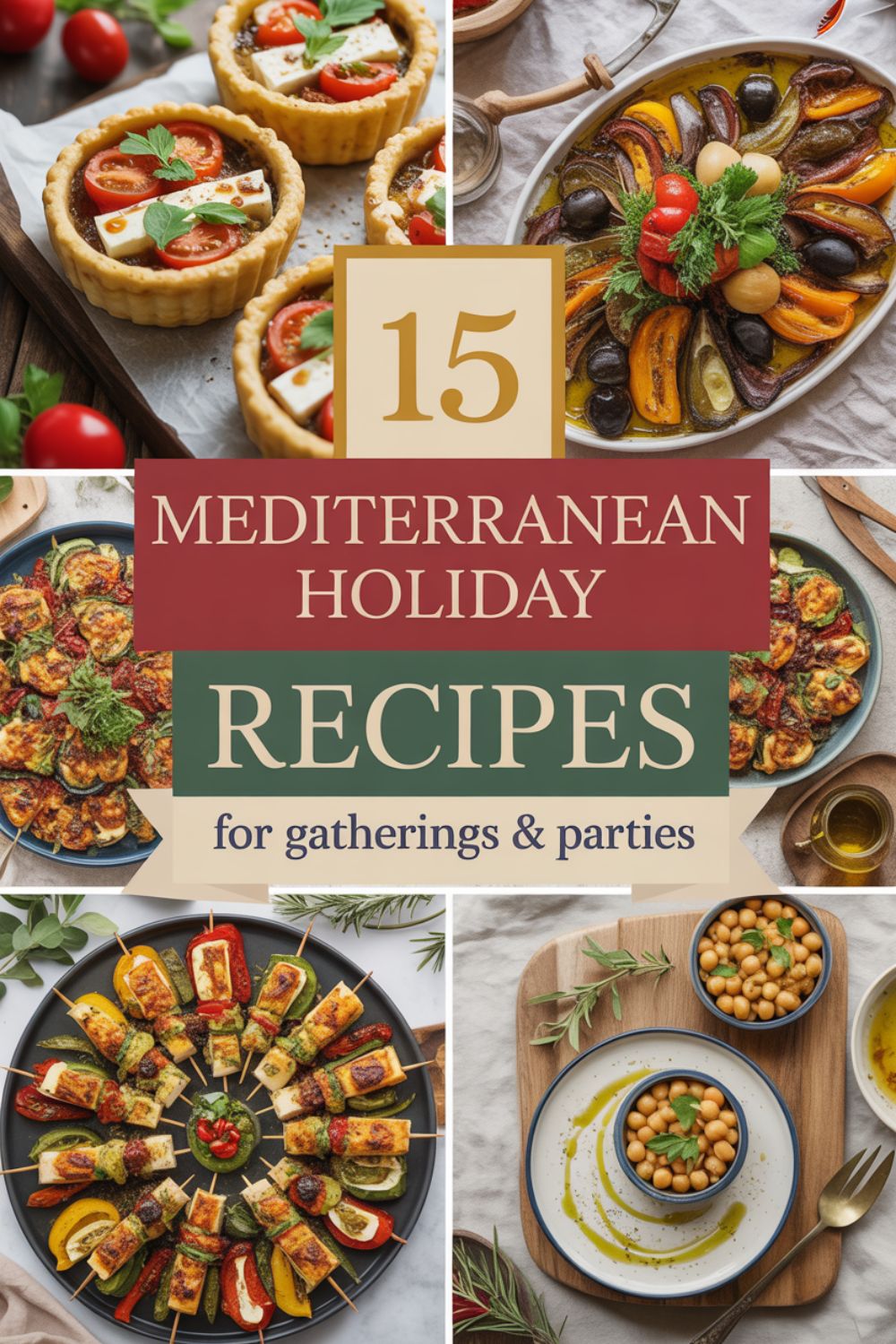
15 Mediterranean Holiday Recipes for Gatherings and Parties
Simple, Flavorful Dishes That’ll Make Your Next Celebration Unforgettable
Look, I’m not going to tell you that hosting a holiday party is easy. But here’s what I’ve learned after years of fumbling through dinner parties and family gatherings: Mediterranean food is basically the cheat code for looking like you know what you’re doing in the kitchen.
The beauty of Mediterranean holiday recipes is they’re forgiving. Seriously. Forgot to marinate something overnight? Still tastes good. Olive oil fixes most mistakes, and nobody’s going to complain about extra garlic. These recipes have carried me through countless gatherings where I was more stressed about whether I bought enough wine than whether my hummus was perfectly smooth.
What makes Mediterranean food perfect for parties is that most of it actually tastes better when made ahead. You’re not stuck in the kitchen while everyone else is having fun. You can prep, chill, and show up to your own party without looking like you just wrestled a turkey.
Why Mediterranean Food Just Works for Parties
Here’s the thing about Mediterranean cuisine that nobody tells you: it’s designed for sharing. Like, that’s literally how people eat in Greece, Spain, Italy, and Turkey. Small plates, lots of variety, everything meant to be passed around. You’re not trying to plate individual servings of anything, which means less stress and more mingling.
The Mediterranean diet has been extensively studied for its health benefits, but what researchers don’t always mention is how incredibly practical it is for entertaining. Most dishes work at room temperature, which means your food isn’t getting cold while aunt Linda tells her story for the third time.
Plus, there’s something about Mediterranean flavors that just agrees with most people. I’ve served these dishes to picky eaters, adventurous foodies, and everything in between. The bright, fresh flavors from lemon, olive oil, and herbs feel both familiar and special at the same time.
The Mediterranean Mezze Spread That Never Fails
Let’s start with the foundation of any good Mediterranean party: the mezze spread. This is your safety net, your crowd-pleaser, your “I can’t believe she made all this” moment that’s actually pretty simple.
Classic Hummus (But Make It Actually Good)
I know, I know. Everyone makes hummus. But most people make sad, grainy hummus that tastes like chickpea sadness. The secret? Tahini quality matters, and you need way more lemon than you think. I use this tahini because it’s actually creamy instead of bitter, and it makes a massive difference.
Blend your chickpeas with ice-cold water. Sounds weird, tastes incredible. The cold water helps create that silky texture you get at good Mediterranean restaurants. Top with a generous pour of good olive oil, a sprinkle of paprika, and maybe some pine nuts if you’re feeling fancy. Get Full Recipe.
Speaking of foundational recipes, if you’re looking to incorporate more Mediterranean principles into your everyday eating, the 7-Day Mediterranean Anti-Inflammation Meal Plan is a solid starting point. It’ll teach you the basics before you start showing off at parties.
Baba Ganoush with Attitude
Eggplant gets a bad rap, but char it over an open flame until the skin is literally blackened and the inside is smoky mush, and suddenly everyone’s a fan. I use this grill basket to char my eggplants evenly without them rolling into the fire. Because yes, that’s happened.
Mix the smoky eggplant flesh with tahini, garlic, lemon, and olive oil. Taste it. Add more lemon. Taste again. Add more garlic. This is not the time for restraint. Get Full Recipe.
Stuffed Grape Leaves (Dolmas)
Okay, full transparency: making these from scratch is kind of a pain. But here’s the secret – they’re even better when made a day ahead, and once you get into a rhythm, it’s actually meditative. Roll, fold, pack into the pot. Repeat about forty times.
The filling is rice, herbs, lemon, and sometimes ground meat if you’re going that route. I keep mine vegetarian for parties because it’s one less thing to worry about from a food safety perspective. They sit in this beautiful lemon-olive oil bath that makes them taste better the longer they hang out. Get Full Recipe.
For those dealing with inflammation or looking to balance their diet better, the 14-Day Anti-Inflammatory Eating Plan for Women incorporates many of these same ingredient principles into everyday meals. It’s less about party food and more about sustainable eating, but the flavor profiles overlap beautifully.
The Main Attractions
Alright, so you’ve got your mezze spread doing the heavy lifting on appetizers. Now let’s talk about the dishes that make people say “you made this?” in that specific tone that means they’re impressed but also slightly suspicious.
Spanakopita (Greek Spinach Pie)
This is the dish that looks way harder than it is. Yes, you’re working with phyllo dough, which has a reputation for being difficult. But honestly? Just keep it covered with a damp towel while you work, use plenty of melted butter between layers, and you’re golden. Literally golden and crispy.
The filling is spinach, feta, onions, and eggs. That’s it. Nothing fancy. But when it comes out of the oven all crispy and steaming, people lose their minds. I make mine in a 9×13 baking dish and cut it into squares. Way easier than individual triangles, and it serves a crowd. Get Full Recipe.
Lemon Herb Roasted Chicken
Here’s my controversial opinion: roasted chicken is the most underrated party dish. Everyone does turkey for holidays, but a Mediterranean-style preparation with olive oil, lemon, and herbs transforms ordinary chicken into something actually memorable.
I butterfly my chickens (or buy them already butterflied because I’m not trying to prove anything) and roast them flat. Faster cooking, crispier skin, more surface area for that lemony herb situation to work its magic. The pan drippings mixed with lemon juice make an instant sauce that needs zero effort. Get Full Recipe.
Moussaka
This is my show-off dish. It takes time, but it’s mostly hands-off time, and you can make it the day before. It’s basically a Greek lasagna with layers of eggplant, spiced meat sauce, and creamy béchamel on top. Rich, comforting, and perfect for cold-weather gatherings.
The secret is salting your eggplant slices and letting them sit for 30 minutes before cooking. Draws out the bitterness and excess moisture. I learned this the hard way after making a watery moussaka that was basically eggplant soup. Not my finest moment. Get Full Recipe.
If you’re trying to incorporate more fiber while keeping these Mediterranean flavors, check out the 14-Day High-Fiber Mediterranean Plan for Beginners. It shows you how to boost the nutritional value without sacrificing taste – something I wish I’d known earlier in my cooking journey.
Sides and Salads That Actually Get Eaten
Let’s be real: most holiday sides are forgettable obligations that sit there looking sad while everyone goes back for thirds of the main dish. Mediterranean sides, though? People actually eat them. Sometimes exclusively.
Greek Salad (The Right Way)
There is no lettuce in Greek salad. I will die on this hill. It’s tomatoes, cucumbers, red onion, olives, feta, and oregano with olive oil and red wine vinegar. That’s it. No lettuce, no weird additions, no ranch dressing, and definitely no croutons.
The vegetables should be chunky – big, bite-sized pieces that you can actually spear with a fork. This isn’t some delicate leafy situation. It’s bold and briny and should taste like the Mediterranean coast. Get Full Recipe.
Roasted Mediterranean Vegetables
Take zucchini, eggplant, bell peppers, and red onions. Chop them into similar-sized pieces. Toss with olive oil, garlic, and oregano. Roast at high heat until they’re caramelized and slightly charred. Finish with a squeeze of lemon.
This is the side dish that converts vegetable skeptics. The high heat brings out natural sweetness and creates these crispy edges that make people forget they’re eating something healthy. I use these large sheet pans so I can spread everything out in a single layer. Crowded vegetables steam instead of roast, and we’re not doing that. Get Full Recipe.
Tabbouleh
This is basically a parsley salad with some bulgur wheat mixed in. Yes, parsley is the main ingredient, not the garnish. It’s bright, fresh, and cuts through all the rich dishes perfectly.
The key is chopping the parsley super fine and letting it sit with the lemon juice and olive oil for at least an hour before serving. The acid softens the parsley just enough. Some people add tomatoes; I’m not one of those people, but you do you. Get Full Recipe.
Looking for ways to meal prep these kinds of sides for the week? The 7-Day Mediterranean High-Fiber Meal Prep Plan breaks down exactly how to batch-cook vegetables and grains without everything turning into mush by Wednesday.
The Bread Situation
No Mediterranean spread is complete without bread, and I’m not talking about those sad dinner rolls from the grocery store. We’re going for warm, olive-oil-brushed bread that people tear apart with their hands like civilized barbarians.
Homemade Pita Bread
Before you panic: pita bread is shockingly easy to make. The dough is basic – flour, water, yeast, salt, a little olive oil. You roll it out thin and bake it at high heat. They puff up like magic because of steam, and suddenly you’re that person who makes their own pita bread.
Even if they don’t puff perfectly (mine rarely do), they still taste infinitely better than store-bought. Brush them with melted butter and sprinkle with za’atar right when they come out of the oven. Watch people fight over them. I use my pizza stone to get that really hot surface that makes them bubble up. Get Full Recipe.
Focaccia with Olives and Rosemary
Focaccia is my backup plan for when I don’t feel like dealing with pita. It’s wetter dough, more forgiving, and you can make it in advance. The dimples filled with olive oil are basically mandatory. Press your fingers deep into the dough, fill those pockets with oil, scatter with olives and rosemary, and bake.
The bottom gets crispy from all that olive oil, the top is soft and airy, and the whole thing tastes like you attended culinary school when really you just followed a recipe that’s been around for centuries. Get Full Recipe.
For folks managing their digestive health while eating Mediterranean, the 7-Day Gut Healing Mediterranean Menu shows how to incorporate fermented foods and fiber-rich options that work with these traditional recipes. It’s been genuinely helpful for understanding which foods support gut health without getting too science-y about it.
Small Bites and Finger Foods
These are your cocktail hour heroes. The things people can eat while holding a glass of wine and pretending to be sophisticated.
Falafel
Crispy outside, soft and herby inside, and completely vegan without trying. Falafel hits different at parties because most people have only had the dried-out version from mediocre restaurants.
Use dried chickpeas, not canned. Soak them overnight, then pulse them with parsley, cilantro, onion, and spices until it’s a coarse mixture. The mixture should hold together but still be a little grainy. Fry them in hot oil until they’re deep golden brown. I finally invested in this deep fryer after years of thermometer anxiety and oil splatters, and it’s made the whole process so much less stressful. Get Full Recipe.
Halloumi Fries
Cheese you can grill or fry. That’s the whole pitch. Halloumi has a high melting point, so it gets crispy on the outside while staying squeaky and salty inside. Cut it into thick fries, fry or grill them, serve with a squeeze of lemon and maybe some honey for drizzling.
These go fast. Like, make-more-than-you-think-you-need fast. They’re the kind of finger food that people eat standing up by the kitchen counter, declaring they’re just having “one more.” Get Full Recipe.
Marinated Olives
This barely counts as a recipe, but it’s the easiest way to look thoughtful. Buy good olives – a mix of Kalamata, Castelvetrano, and oil-cured if you can find them. Toss them with olive oil, lemon zest, crushed garlic, red pepper flakes, and fresh herbs like rosemary or thyme.
Let them sit for at least a few hours, preferably overnight. The flavors meld, the garlic mellows out, and you’ve got this sophisticated-looking bowl of olives that required almost zero effort. Serve them in small ceramic bowls to complete the Mediterranean aesthetic. Get Full Recipe.
If you’re planning a month-long reset with Mediterranean principles, the 30-Day Anti-Inflammation Challenge is structured really well. It incorporates a lot of these same ingredients into daily meals without making you feel like you’re on some restrictive diet. Sarah from our community tried this and said she lost 15 pounds in three months while actually enjoying her food, which is kind of the whole point.
Kitchen Tools That Make These Recipes Actually Doable
Look, I’m not going to tell you that you need a million gadgets to cook Mediterranean food. You don’t. But after years of making these recipes, there are a few tools that genuinely make the process less annoying and more enjoyable. Here’s what’s actually in my kitchen and getting used regularly.
Sheet Pans (Heavy-Duty)
Not the flimsy ones that warp in the oven. Get thick aluminum sheet pans that can handle high heat without buckling. You’ll use them for roasting vegetables, baking pita, making focaccia, and basically everything else. I own four and it’s still somehow not enough.
Food Processor
For hummus, falafel, pesto, and anything else that needs to be blended smooth. I fought this purchase for years, thinking my blender was fine. It wasn’t. This mid-range processor has been worth every penny, especially during party prep when I’m making triple batches of everything.
Mortar and Pestle
Fancy? Maybe. But crushing fresh garlic and herbs with salt creates this paste that’s way better than just mincing. Plus it makes you feel like an ancient Mediterranean grandmother, which is the vibe we’re going for. A heavy marble one will literally last forever.
Mediterranean Meal Planning Guide
If you’re serious about incorporating these flavors into regular rotation, having a structured guide helps immensely. I use this 14-day meal planning system as a framework for both everyday cooking and party planning. It’s digital, so no clutter.
Olive Oil Dispenser
Stop fighting with those metal spouts that drip everywhere. Get a proper glass dispenser for your good olive oil. Makes drizzling actually pleasant instead of a exercise in frustration and counter-cleaning.
High-Fiber Recipe Collection
For balance when you’re not hosting parties, this 30-day program keeps the Mediterranean principles going with higher fiber content. Good for the weeks between entertaining when you’re trying to not live entirely on cheese and bread.
Desserts That Won’t Weigh Everyone Down
Mediterranean desserts are generally less intensely sweet than American ones, which is perfect after a big meal. Nobody wants to face a triple-layer chocolate cake after eating their weight in spanakopita.
Baklava
Yes, it’s sweet. Yes, it’s rich. But it’s also served in small pieces and that honey-nut-phyllo combination is genuinely special. Layer upon layer of buttered phyllo with ground nuts and cinnamon, then drenched in honey syrup after baking.
Make it the day before. The syrup needs time to soak in, and it actually gets better as it sits. Cut it into diamond shapes while it’s still hot, then pour the cooled syrup over. This is important: hot baklava, cold syrup. Do it backwards and you get soggy phyllo. Get Full Recipe.
Honey-Drizzled Ricotta with Fresh Figs
When figs are in season, this is my go-to easy dessert. Fresh ricotta (the good stuff, not the grocery store tub), drizzled with honey, topped with quartered fresh figs and a sprinkle of pistachios. Maybe a tiny pinch of sea salt.
It’s barely a recipe, but it tastes like you’re eating at an expensive Italian restaurant. Serve it in individual bowls or one large platter for sharing. The quality of your ricotta matters here – find a local brand if you can. Get Full Recipe.
Greek Yogurt with Honey and Walnuts
This is the “dessert” I serve when I’m pretending to be health-conscious but still want something sweet. Thick Greek yogurt, good honey (the real stuff, not the bear-shaped corn syrup), toasted walnuts, and maybe a sprinkle of cinnamon.
Toast your walnuts in a dry skillet until they smell nutty and amazing. It takes five minutes and transforms them from meh to actually interesting. Let them cool before adding to the yogurt or they’ll make everything warm and weird. Get Full Recipe.
For those interested in vegan Mediterranean options that still deliver on flavor, the 7-Day Mediterranean Vegan Anti-Inflammation Plan has some excellent dessert alternatives that work surprisingly well for parties. Nobody needs to know they’re eating something “healthy.”
Putting It All Together: Your Game Plan
Alright, so you’ve got fifteen recipes and probably some anxiety about how to actually execute all this. Here’s the framework I use that keeps me from having a breakdown the day before a party.
Three Days Before
Make your dips: hummus, baba ganoush, any marinated items like olives. These all get better as they sit. Make your dolmas if you’re doing them. Prep and refrigerate. Your future self will be very grateful.
This is also when I make my shopping list and actually go to the store instead of doing that last-minute panic shopping thing that always results in forgetting something crucial like lemons. Because I’ve done that. Multiple times.
Two Days Before
Bake anything that needs baking and reheats well: spanakopita, moussaka, focaccia. These are all better made ahead anyway. The flavors develop, and you’re not timing everything to come out of the oven simultaneously like some kind of cooking show contestant.
Prep vegetables for roasting and salads. Cut them, store them in containers. Don’t dress salads yet, but everything can be chopped and ready to go.
Day Before
Make falafel mixture and refrigerate it. The flavors meld, and cold mixture is easier to shape anyway. Make any dressings or sauces. Make baklava if you’re doing that. Bake pita bread if you’re making it from scratch – it keeps well and you can refresh it in a hot oven.
Set up your serving platters and figure out what’s going where. This sounds obsessive, but it’s actually helpful to know where everything goes before you’re trying to plate fifteen different dishes while people are arriving.
Day Of
This should mostly be reheating, final assembly, and frying the falafel. Roast your vegetables an hour or two before people arrive – they’re fine at room temperature. Make your Greek salad. Pull dips out of the fridge to come to room temperature an hour before serving.
Set up your mezze spread first. This gives people something to eat immediately while you’re finishing other things. Plus, it looks impressive and sets the tone for the whole meal.
For folks who want to apply these Mediterranean principles to everyday eating rather than just parties, the 14-Day Mediterranean High-Protein Anti-Inflammatory Plan is structured really well for weeknight cooking. It’s less fancy but uses many of the same core ingredients and techniques.
The Drinks Situation
You can’t have a Mediterranean party without addressing beverages. Wine is the obvious choice, but there’s more to it than that.
Wine Pairing Basics
Red or white? Yes. Both. Mediterranean food is diverse enough that you want options. A crisp white wine like Assyrtiko or Vermentino works great with seafood and lighter dishes. A medium-bodied red like Agiorgitiko or Nero d’Avola pairs beautifully with lamb, moussaka, and heartier items.
Honestly though, most Mediterranean wines are food-friendly enough that you can’t really mess this up. Avoid anything too oaky or tannic, and you’re good. Room temperature for reds, well-chilled for whites, and enough of both that you’re not making mid-party wine runs.
Non-Alcoholic Options
Sparkling water with lemon or orange slices is classic. If you want to get slightly fancier, make a big batch of homemade lemonade with fresh mint. It’s refreshing, it’s Mediterranean, and it doesn’t require anyone to drink alcohol if that’s not their thing.
I also keep a pitcher of iced mint tea around. It’s basically just strong mint tea poured over ice, maybe with a little honey stirred in. Very Middle Eastern, very refreshing, and it makes people who don’t drink feel included without making a big deal about it.
Frequently Asked Questions
Can I make most of these recipes ahead of time?
Absolutely, and you should. Most Mediterranean dishes actually improve with time as flavors meld. Dips, marinated items, and baked dishes like spanakopita and moussaka are all better made 1-2 days ahead. The only things you really need to do day-of are fresh salads, frying falafel, and final reheating.
What if I can’t find specific ingredients like halloumi or phyllo dough?
For halloumi, you can substitute paneer or firm mozzarella that you’ve pressed to remove moisture, though the taste won’t be quite the same. Phyllo dough is usually in the freezer section near the frozen desserts – just plan ahead because it needs several hours to thaw. If you absolutely can’t find it, puff pastry works as a substitute for spanakopita, though traditionally that’s not correct.
How do I keep phyllo dough from drying out while I work with it?
Keep it covered with a slightly damp kitchen towel at all times when you’re not actively using a sheet. Work quickly but don’t panic – it’s more forgiving than its reputation suggests. If a sheet tears, just patch it with another piece and brush with butter. Nobody will ever know once it’s baked.
Are these recipes suitable for vegetarians?
Many are naturally vegetarian or easily adaptable. Hummus, baba ganoush, dolmas, spanakopita, Greek salad, most vegetables dishes, baklava, and several others contain no meat. For dishes like moussaka, you can make excellent vegetarian versions using lentils or mushrooms instead of ground meat. Mediterranean cuisine is actually quite vegetarian-friendly.
What’s the best way to reheat these dishes without drying them out?
For baked items like spanakopita or moussaka, cover with foil and reheat at 350°F until warmed through, then uncover for the last few minutes to re-crisp the top. Dips are best served at room temperature anyway. Roasted vegetables can be refreshed in a hot oven for 5-10 minutes. Phyllo-based desserts like baklava don’t need reheating at all – they’re perfect at room temperature.
Final Thoughts
Here’s what I’ve learned after years of hosting Mediterranean-themed gatherings: people remember the vibe more than they remember whether your hummus was perfectly smooth or if your baklava was cut in perfect diamonds.
The beauty of Mediterranean food is that it encourages people to linger, to pick at different dishes, to try things they’ve never had before. It’s not a race to the table and back. It’s social eating at its best – conversation-friendly, sharing-friendly, and forgiving enough that even if something isn’t perfect, it’s still delicious.
Make what you can ahead of time. Don’t stress about the things that don’t matter. Use good olive oil. Have enough wine. The rest kind of takes care of itself. Your guests aren’t judging your culinary technique – they’re enjoying the fact that someone went to the effort of feeding them really good food in a relaxed, welcoming atmosphere.
And if you burn something or forget an ingredient or your baklava falls apart? Nobody will remember. They’ll remember that you hosted them, fed them well, and created a space where people could relax and enjoy themselves. That’s what Mediterranean hospitality is actually about.
Now go make a shopping list, pour yourself a glass of wine, and start planning your menu. You’ve got this. And your kitchen will smell absolutely incredible for the next few days, which is honestly one of the best parts of cooking Mediterranean food.