
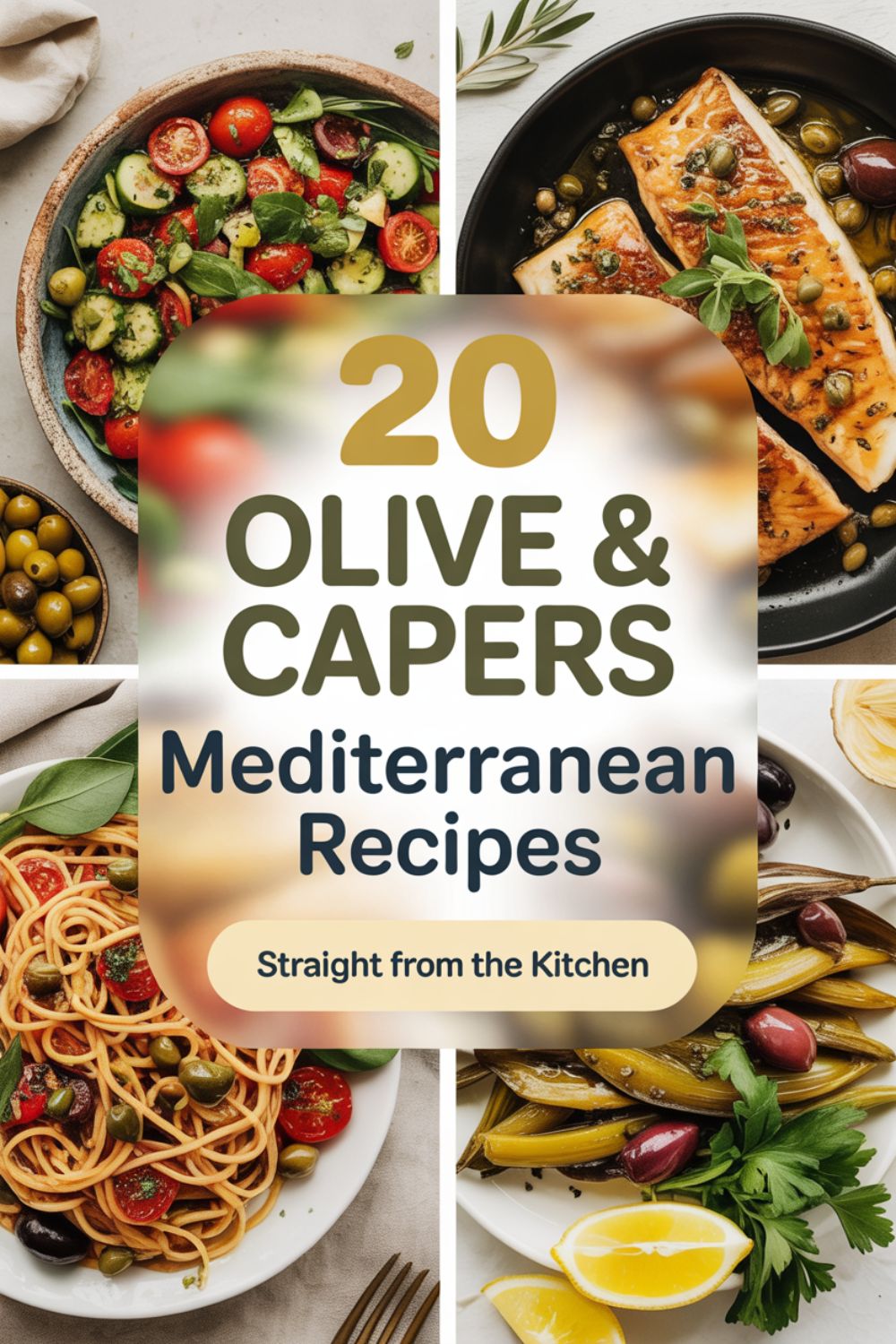
20 Olive & Capers Recipes Straight from the Mediterranean Kitchen
Where briny meets brilliant in every bite
Look, I’m not here to tell you that olives and capers will change your life. But after years of cooking Mediterranean-style, I can confidently say they’ll change your dinner—and probably your lunch, and maybe even your breakfast if you’re adventurous enough.
These two ingredients have been sitting in my pantry for so long that I can’t remember a time without them. Olives and capers are like that reliable friend who always shows up, never complains, and somehow makes everything better just by being there. They’re salty, punchy, and unapologetically bold. And honestly? That’s exactly what most dishes need.
What’s wild is how these tiny flavor bombs pack such a nutritional punch. We’re talking antioxidants, healthy fats, and anti-inflammatory compounds that have been keeping Mediterranean folks healthy for centuries. Research shows that the Mediterranean diet, with olives as a cornerstone, reduces inflammation and supports heart health through its rich polyphenol content.

Why Olives and Capers Belong in Your Kitchen
Before we get into recipes, let’s talk about why these ingredients deserve permanent real estate in your fridge. I used to think olives were just for martinis and capers were those weird green things on salmon. Boy, was I wrong.
Olives bring this rich, buttery quality that’s hard to replicate. Whether you’re team green or team black (I refuse to choose sides), they add depth and complexity to everything they touch. Studies indicate that capers are packed with quercetin, one of the most potent antioxidants you can eat, which helps reduce inflammation and may even support brain health.
Capers, on the other hand, are pure attitude. They’re tangy, salty, and just a little bit aggressive—in the best way possible. A handful of capers can take a boring chicken breast from “meh” to “damn, I should make this again.”
The Health Angle (Because It Actually Matters)
I’m not a nutritionist, but I’ve done enough reading to know that olives and capers aren’t just tasty—they’re legitimately good for you. Olives are loaded with monounsaturated fats, the kind that actually help your heart instead of harming it. They’re also rich in vitamin E and various antioxidants that fight off inflammation.
Capers might be small, but they’re mighty. They contain compounds like rutin and quercetin that have been studied for their anti-inflammatory and antioxidant properties. Recent research highlights that caper extracts demonstrate antibacterial, antifungal, and hepatoprotective effects, making them more than just a flavor enhancer.
The Mediterranean diet isn’t trendy for no reason. People in that region have been eating like this for thousands of years, and they tend to live longer, healthier lives. Coincidence? I think not.
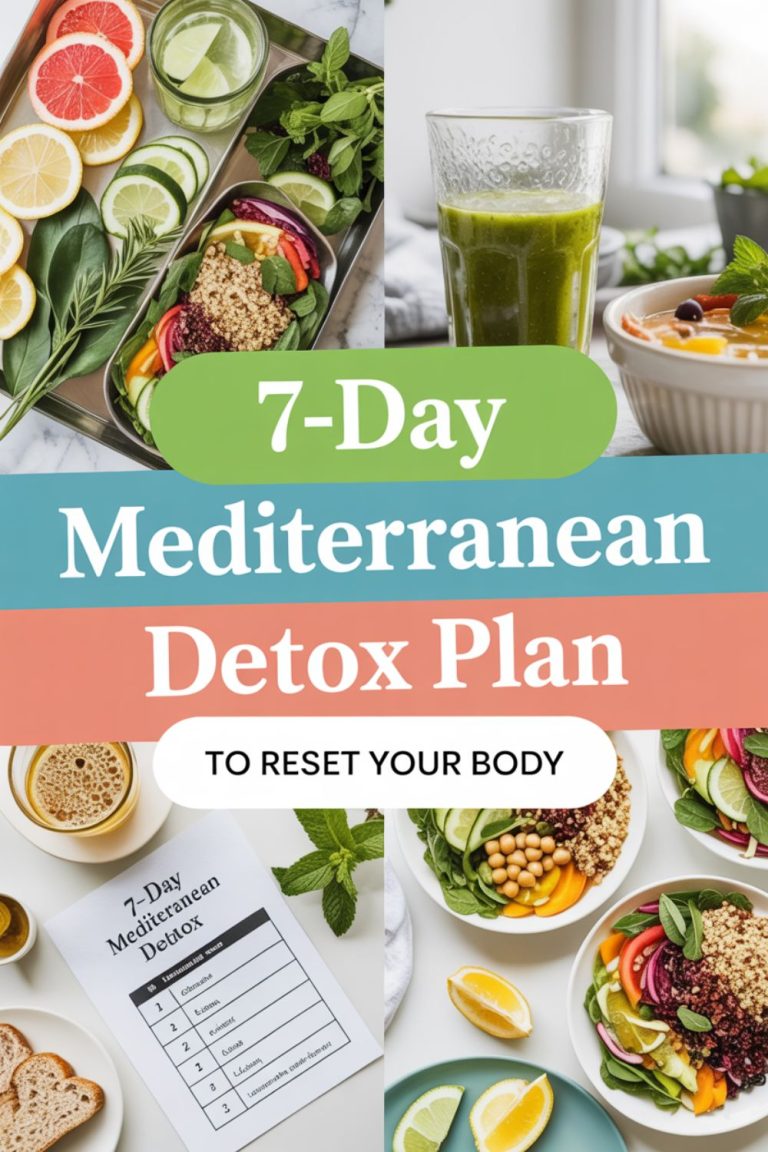
Speaking of living healthier, if you’re looking to reduce inflammation through your diet, you might want to check out some structured meal plans. Get Full Recipe for a complete week of anti-inflammatory Mediterranean meals that make planning effortless.
Olives vs. Capers: What’s the Difference?
This might seem obvious, but hear me out. Olives are fruits (technically stone fruits, like cherries), while capers are flower buds. Yep, those little green things you love are actually baby flowers from the caper bush.
Flavor-wise, olives range from mild and buttery to intense and briny, depending on the variety. Capers are consistently sharp and tangy, with a slight floral note if you pay close attention. They complement each other brilliantly because one brings richness while the other brings punch.
My 20 Favorite Recipes Using Olives and Capers
Alright, enough background. Let’s get to the good stuff. These recipes aren’t complicated or fussy. They’re the kind of dishes I actually make on weeknights when I’m tired but still want to eat something that doesn’t come from a takeout container.
1. Classic Puttanesca Pasta
This is the recipe that made me fall in love with capers. Puttanesca is bold, salty, and completely satisfying. You’ve got tomatoes, garlic, anchovies (trust me on this), olives, and capers all coming together in about 20 minutes. It’s the kind of pasta that makes you wonder why you ever ordered delivery.
The trick here is not to overcook the sauce. You want everything to stay bright and punchy. I always finish mine with a heavy hand of fresh parsley and a drizzle of good olive oil. If you’re feeling fancy, some freshly grated Parmesan doesn’t hurt, though purists will argue otherwise.
2. Olive Tapenade
If you’ve never made tapenade, you’re missing out on one of the easiest ways to look like a culinary genius. Throw olives, capers, garlic, anchovies, and olive oil into a food processor, pulse a few times, and boom—you’ve got a spread that’ll impress anyone.
I keep this stuff in my fridge at all times. It goes on everything: toast, crackers, grilled vegetables, chicken, fish. Sometimes I just eat it with a spoon when no one’s looking. For more Mediterranean breakfast ideas that pair perfectly with tapenade, Get Full Recipe.
The beauty of tapenade is its versatility. You can adjust the ratios to your taste. More garlic? Go for it. Extra capers? Absolutely. It’s one of those recipes where you really can’t mess up.
3. Mediterranean Chicken with Olives and Capers
This dish is my go-to when I need to feed people who think they don’t like olives or capers. The chicken gets pan-seared until golden, then braised in white wine with tomatoes, olives, and capers. The result is tender, flavorful, and convincing enough to convert the skeptics.
I like using bone-in, skin-on chicken thighs because they stay juicier and have more flavor than breasts. Plus, the skin gets crispy in the pan before you add the liquid, which adds another layer of texture.
Serve this over rice, pasta, or with crusty bread to soak up the sauce. Actually, the bread is non-negotiable. That sauce is too good to waste.
4. Sicilian Caponata
Caponata is like the Italian version of ratatouille, but way more interesting. It’s a sweet and sour eggplant dish loaded with olives, capers, tomatoes, and celery. It can be served warm, at room temperature, or cold, which makes it perfect for meal prep.
The key to great caponata is properly salting your eggplant first. This draws out excess moisture and bitterness. I know it seems like an extra step, but it’s worth it. Just cube your eggplant, toss it with salt, let it sit for 30 minutes, then rinse and pat dry.
I usually make a big batch on Sunday and eat it throughout the week. It’s great on toast, as a side dish, or even as a pasta sauce. The flavors actually improve after a day or two in the fridge.
5. Greek Salad with Extra Olives
Listen, I know Greek salad isn’t groundbreaking. But there’s something about a really good one that just hits different. Crisp cucumbers, juicy tomatoes, red onion, feta, and loads of Kalamata olives. Skip the iceberg lettuce—traditional Greek salad doesn’t use it anyway.
The dressing is simple: olive oil, red wine vinegar, oregano, salt, and pepper. That’s it. Don’t overthink it. The quality of your olives makes a huge difference here, so splurge a little if you can.
I eat this at least twice a week during summer. It’s refreshing, filling, and requires zero cooking. If you need more ideas for incorporating Mediterranean principles into your daily routine, check out this 30-day wellness plan that covers everything from meals to lifestyle tips.
6. Pan-Seared Fish with Caper Butter
This is elegance meets simplicity. Sear your fish (I like halibut or sea bass), then finish it with a quick pan sauce made from butter, lemon, and capers. The whole thing takes maybe 15 minutes, but it tastes like something you’d order at a nice restaurant.
The secret is using a heavy-bottomed stainless steel skillet—it gives you better control over the heat and creates a more even crust on the fish. Cast iron works too, but I find stainless easier to work with for delicate fish.
Make sure your pan is properly hot before adding the fish. You should hear a loud sizzle when the fish hits the pan. If you don’t, your pan isn’t hot enough, and you’ll end up steaming the fish instead of searing it.
7. Stuffed Peppers Mediterranean Style
Stuffed peppers get a bad rap for being boring, but the Mediterranean version is anything but. I stuff mine with a mixture of rice, ground lamb or turkey, diced tomatoes, olives, capers, and lots of herbs. It’s hearty without being heavy.
The trick is to partially cook the rice before stuffing the peppers. This ensures everything cooks evenly and you don’t end up with crunchy rice. I also like to top each pepper with a little feta before baking—it gets all melty and golden on top.
These freeze beautifully, by the way. I often make a double batch and freeze half for those nights when cooking feels impossible.
8. Focaccia with Olives and Rosemary
Homemade focaccia sounds intimidating, but it’s actually one of the most forgiving breads you can make. The dough is wet and sticky, which means you can’t really overwork it. Just mix, let it rise, dimple it with your fingers, top with olives and rosemary, and bake.
I use a 9×13 rimmed baking sheet for perfect focaccia every time. The high sides help the bread rise properly, and the pan’s dimensions create that ideal ratio of crispy edges to soft center.
The smell of focaccia baking is reason enough to make it. Your whole house will smell like an Italian bakery. And yes, it’s absolutely acceptable to eat half of it straight out of the oven.
9. Niçoise Salad
This French classic is basically summer on a plate. Hard-boiled eggs, tuna, green beans, potatoes, tomatoes, anchovies, and of course, olives. It’s substantial enough to be a full meal but light enough that you won’t feel weighed down.
I’m a firm believer that the potatoes and green beans should be cooked until just tender, not mushy. And please, use good quality tuna. The kind packed in olive oil, not water. It makes a massive difference.
For the dressing, I stick with a simple Dijon vinaigrette. Nothing fancy, just mustard, vinegar, olive oil, and a touch of honey. The beauty of this salad is that it doesn’t need complicated flavors—the ingredients speak for themselves. Looking for more complete meal ideas? This family-friendly Mediterranean meal plan includes crowd-pleasers like this one.
10. Lamb Chops with Olive Relish
Lamb and olives are a match made in heaven. The richness of the meat plays perfectly against the briny olives. I keep the lamb preparation simple—just salt, pepper, and a quick sear—then top it with a chopped olive relish made with parsley, lemon zest, and garlic.
The relish can be made ahead, which is helpful if you’re entertaining. Actually, it’s better when made ahead because the flavors have time to meld. Just bring it to room temperature before serving.
Pair this with roasted potatoes or a simple salad, and you’ve got a meal that looks impressive but requires minimal effort.
11. Spaghetti Aglio e Olio with Capers
This is the pasta I make when I’m lazy but still want something delicious. Traditional aglio e olio is just garlic and olive oil, but I add capers for an extra kick. The whole thing comes together in the time it takes to boil pasta.
The key is to cook the garlic slowly in plenty of olive oil until it’s golden and fragrant, not burnt. Then you toss in the capers, add some pasta water to create a sauce, and mix in your cooked pasta. Finish with parsley and red pepper flakes.
This is the kind of recipe that proves you don’t need a million ingredients to make something great. Just a few quality items and proper technique.
12. Roasted Vegetables with Olive Tapenade
Roasted vegetables are good. Roasted vegetables with tapenade are transcendent. I usually go with a mix of eggplant, zucchini, bell peppers, and red onion. Roast everything until it’s caramelized and tender, then top with dollops of tapenade.
The contrast between the sweet roasted vegetables and the salty, punchy tapenade is exactly what your taste buds want. This works as a side dish, but I often eat it as a main with some crusty bread and maybe a fried egg on top.
For best results, cut your vegetables into similar-sized pieces so they cook evenly. And don’t overcrowd the pan—give them space to roast, not steam.
13. Tuna and Caper Pasta Salad
Pasta salad doesn’t have to be boring mayonnaise-heavy sadness. This version uses good olive oil, lemon juice, and plenty of capers to keep things bright and interesting. I add tuna, cherry tomatoes, red onion, and sometimes some chopped artichoke hearts.
The secret to great pasta salad is seasoning it while the pasta is still warm. The pasta absorbs the dressing better this way, and you end up with more flavorful results. I learned this from my Italian grandmother, and she was never wrong about pasta.
This keeps well in the fridge for several days, making it perfect for meal prep. Just give it a good stir before serving because the pasta tends to absorb the dressing as it sits.
14. Chicken Piccata
Piccata is one of those restaurant classics that’s actually super easy to make at home. Thin chicken cutlets get dredged in flour, pan-fried until golden, then finished in a lemon-caper sauce. The whole thing takes about 30 minutes.
The sauce is where the magic happens. You deglaze the pan with white wine (or chicken stock if you prefer), add lemon juice and capers, then finish with a knob of butter. The butter emulsifies into the sauce and makes it silky and rich.
I serve this over pasta or with mashed potatoes to soak up all that sauce. And honestly, I probably use twice as many capers as traditional recipes call for because why not?
15. Greek-Style Baked Feta with Olives
This appetizer is stupid easy and always gets demolished. You take a block of feta, surround it with olives and cherry tomatoes, drizzle with olive oil, add some herbs, and bake until everything is soft and melty. Serve with bread for scooping.
I like to use a small cast iron skillet for this because it looks great going from oven to table. Plus, cast iron holds heat well, keeping everything warm while you eat.
The feta doesn’t fully melt like mozzarella would, but it gets soft and creamy. Combined with the roasted tomatoes and olives, it’s basically Mediterranean comfort food in a pan.
16. Shrimp Scampi with Capers
Traditional shrimp scampi is great, but adding capers takes it to another level. The capers add a pop of acidity that balances the richness of the butter and garlic. Plus, they look pretty scattered throughout the dish.
The key to good scampi is not overcooking the shrimp. They only need a few minutes per side. Overcooked shrimp are rubbery and sad, and nobody wants that.
I serve this over pasta or with crusty bread. And I’m not shy about the amount of butter and garlic I use. This isn’t diet food—it’s delicious food. If you’re specifically looking for recipes that support anti-inflammatory eating while still being indulgent, this 14-day plan for women balances health and flavor beautifully.
17. Olive and Sun-Dried Tomato Hummus
Homemade hummus is already better than store-bought, but adding olives and sun-dried tomatoes makes it exceptional. The olives add saltiness, the tomatoes add sweetness, and together they create something way more interesting than plain hummus.
The trick to ultra-smooth hummus is peeling the chickpeas. Yes, it’s tedious. Yes, it’s worth it. Just squeeze each chickpea gently and the skin pops right off. You’ll notice the difference immediately.
I use this as a spread on sandwiches, a dip for vegetables, or just something to eat with pita bread when I’m standing at the counter pretending I’m not eating dinner yet.
18. Baked Cod with Tomatoes, Olives, and Capers
This is one-pan cooking at its finest. Everything goes into a baking dish—cod, cherry tomatoes, olives, capers, garlic, and a splash of white wine—and bakes together until the fish is flaky and the tomatoes have burst into a chunky sauce.
The beauty of this recipe is that it’s hard to mess up. The cooking time is forgiving, and even if you slightly overcook the cod, the sauce keeps it moist. Plus, cleanup is minimal, which is always a win in my book.
I like to serve this with crusty bread or over couscous. The sauce is too good to waste, so you need something to soak it up.
19. Pizza with Olives, Capers, and Anchovies
Before you skip this one because of the anchovies, hear me out. Anchovies on pizza are incredible. They’re salty, savory, and they practically melt into the cheese. Combined with olives and capers, you get this umami bomb that’s completely addictive.
I make my own pizza dough, but store-bought works fine too. The important thing is to not overload the pizza with toppings. You want enough to flavor every bite, but not so much that the crust gets soggy.
A pizza stone will give you the crispiest crust, but if you don’t have one, just use a baking sheet. Preheat it in the oven so it’s already hot when the pizza goes on.
20. Mediterranean Grain Bowl with Olive Dressing
Grain bowls are my weekday lunch savior. This one features farro or quinoa, roasted vegetables, chickpeas, feta, and a dressing made from pureed olives, lemon, and herbs. It’s filling, nutritious, and actually tastes good cold from the fridge.
The olive dressing is the star here. It’s thick enough to coat everything nicely without pooling at the bottom of the bowl. I make a big batch and keep it in the fridge for up to a week.
You can customize these bowls based on what you have on hand. Different grains, different vegetables, different proteins—it all works. The dressing ties everything together.
For those days when you want something quick but nourishing, having a plan helps. This 7-day plan for busy women includes grain bowls and other Mediterranean-inspired recipes designed for hectic schedules.
Kitchen Tools That Make Mediterranean Cooking Easier
High-Quality Chef’s Knife
A sharp knife makes chopping olives and capers infinitely easier. I use mine for everything from mincing garlic to slicing vegetables, and it’s hands-down the most important tool in my kitchen.
Food Processor
Essential for making tapenade, hummus, and any kind of blended sauce. I have a mid-sized one that’s perfect for most recipes without taking up too much counter space.
Cast Iron Skillet
Perfect for getting a great sear on chicken or fish before finishing in the oven. Plus it goes from stovetop to oven to table, which means less cleanup.
Mediterranean Diet Meal Planner Bundle
A complete digital resource with weekly meal plans, shopping lists, and prep guides. Takes the guesswork out of planning Mediterranean-style meals.
Anti-Inflammatory Recipe Collection
Over 100 tested recipes designed to reduce inflammation while keeping things delicious. Includes nutritional information and prep tips for each recipe.
Olive & Caper Pairing Guide
A comprehensive PDF that shows you which olive varieties and caper types work best with different proteins and dishes. Super helpful for expanding your repertoire.
Tips for Buying and Storing Olives and Capers
Not all olives are created equal. The pre-sliced black olives in a can? Those are fine for pizza, but they’re not going to wow anyone. For actual flavor, you want olives from the deli counter or good quality jarred ones.
My favorites are Kalamata, Castelvetrano, and Niçoise. Kalamatas are dark purple, meaty, and slightly wine-y. Castelvetranos are bright green, buttery, and mild. Niçoise olives are small, dark, and intensely flavored. Each brings something different to the table.
For capers, you’ll usually find them in two forms: capers (the small buds) and caperberries (the larger fruit that develops if the buds aren’t picked). I keep both on hand. Regular capers are better for most cooking, while caperberries make a great garnish for cocktails or charcuterie boards.
How to Pit Olives Without Losing Your Mind
If you buy olives with pits (which often have better flavor), you’ll need to pit them for most recipes. The easiest method? Place the olive on a cutting board, lay the flat side of a chef’s knife over it, and give it a firm smack with your palm. The pit pops right out.
Alternatively, you can use an olive pitter tool—it’s a small gadget that punches the pit out cleanly. If you go through a lot of olives, it’s worth the investment.
Common Mistakes to Avoid
I’ve made every olive and caper mistake in the book, so let me save you some trouble. First, don’t use too many capers in delicate dishes. They’re potent, and a little goes a long way. Start conservative and add more if needed.
Second, don’t forget to account for the salt content when you’re seasoning. Both olives and capers are already salty, so taste before you add extra salt. I’ve over-salted more than one dish because I wasn’t paying attention.
Third, don’t buy cheap olive oil for Mediterranean cooking. It doesn’t have to be $50 a bottle, but it should taste like actual olives. The flavor makes a difference, especially in simple dishes where olive oil is a main component.
Finally, don’t be afraid to experiment. Traditional recipes are great, but there’s no rule saying you can’t add olives or capers to something unexpected. I’ve put them in scrambled eggs, on burgers, in potato salad—basically anywhere I want an extra layer of flavor.
Making It Work for Different Diets
The great thing about Mediterranean cooking is how adaptable it is. Most of these recipes work for various dietary needs with minimal adjustments.
For vegan meals, skip the anchovies and cheese, or use plant-based alternatives. The olives and capers provide plenty of flavor on their own. IMO, some of these dishes are even better without the dairy weighing them down.
For low-carb or keto diets, these ingredients are your best friends. They’re naturally low in carbs but high in flavor, which is exactly what you need when you’re cutting out bread and pasta. Serve them with cauliflower rice or zucchini noodles instead. If you’re specifically following a high-fiber Mediterranean approach, there’s a complete 14-day plan that balances fiber intake with Mediterranean principles.
For gluten-free eating, most of these recipes are already compliant or easily modified. Just use gluten-free pasta or bread, and you’re good to go.
The Mediterranean diet is inherently flexible, which is one reason it’s sustainable long-term. You’re not cutting out entire food groups or following rigid rules. You’re just emphasizing certain ingredients and cooking methods.
Beyond the Basics: Creative Uses for Olives and Capers
Once you’re comfortable with the classic preparations, it’s time to get creative. I’ve started adding chopped olives to my morning frittatas, and it’s a game-changer. The saltiness plays against the eggs perfectly, especially with some fresh herbs.
Capers are amazing in compound butter. Mix softened butter with capers, lemon zest, and parsley, then roll it into a log and freeze. You can slice off medallions to top fish, steak, or vegetables. It’s fancy restaurant technique that’s actually super simple.
I’ve also been experimenting with olive brine as an ingredient. The liquid left in the jar after you’ve eaten all the olives? Don’t throw it away. Use it in salad dressings, marinades, or even as a pickle juice substitute in recipes. It’s packed with flavor.
For those looking to expand their Mediterranean cooking repertoire systematically, a clean eating plan offers structure while still allowing plenty of creative freedom with ingredients like olives and capers.
Pairing Olives and Capers with Wine
Since we’re talking Mediterranean, let’s talk wine. Olives and capers pair beautifully with crisp white wines like Sauvignon Blanc or Vermentino. The acidity in the wine cuts through the saltiness of the olives.
For red wine lovers, go with something lighter like Pinot Noir or a young Chianti. The fruit-forward flavors complement the briny ingredients without overwhelming them. Heavy, tannic reds can clash with the salt, so save those for other meals.
If you’re not a wine person, sparkling water with lemon is equally good. The carbonation and citrus refresh your palate between bites, which is especially nice with rich dishes like puttanesca or chicken piccata.
Meal Prep with Olives and Capers
These ingredients are meal prep gold because they don’t go bad quickly and they add flavor to leftovers. I always keep several jars in my pantry for exactly this reason.
At the beginning of each week, I make a big batch of tapenade and some kind of olive-based dressing. Then throughout the week, I use them to jazz up grains, proteins, and vegetables. It saves time and ensures I never get bored with my meals.
The grain bowls I mentioned earlier are perfect for this. Cook a big batch of farro or quinoa, roast a bunch of vegetables, and portion everything out. Then you can mix and match throughout the week, using different dressings and toppings to keep things interesting.
If you’re new to meal prepping or want a structured approach, having a plan helps tremendously. This high-fiber meal prep plan walks you through the entire process with shopping lists and container recommendations.
The Budget-Friendly Approach
Yes, high-quality olives and capers can be pricey, but they’re also incredibly concentrated in flavor. A small amount goes a long way, which means a single jar can last for several meals.
I buy olives in bulk from the deli counter when they’re on sale and portion them out into smaller containers at home. Same with capers—buy the bigger jar because the price per ounce is usually better.
FYI, you don’t always need the most expensive varieties. For cooking (as opposed to eating plain), mid-range olives work perfectly fine. Save the fancy stuff for when you’re serving them on a cheese board.
Building a Mediterranean pantry doesn’t have to break the bank. Start with basics—good olive oil, a jar of olives, a jar of capers—and add from there as you try new recipes. For budget-conscious meal planning that doesn’t sacrifice quality, check out this 14-day budget-friendly plan.
Frequently Asked Questions
Can I substitute green olives for black olives in recipes?
Absolutely, though the flavor profile will change slightly. Green olives are typically more firm and have a sharper, more bitter taste, while black olives are softer and milder. Both work beautifully in Mediterranean cooking—it really comes down to personal preference. I often use a mix of both for complexity.
How do I reduce the saltiness of capers?
The easiest method is to rinse them thoroughly under cold water for about 30 seconds. For even less salt, you can soak them in cold water for 10-15 minutes, then drain and pat dry. This mellows them out while preserving their unique flavor and texture.
Are olives and capers actually healthy or just tasty?
They’re both, which is the beauty of Mediterranean ingredients. Olives are rich in healthy monounsaturated fats and antioxidants, while capers are loaded with quercetin and rutin—powerful anti-inflammatory compounds. The salt content means you should enjoy them in moderation, but they definitely offer legitimate health benefits beyond just taste.
What’s the difference between capers and caperberries?
Capers are the small, unopened flower buds of the caper bush, while caperberries are the fruit that develops if the buds aren’t harvested. Capers are more concentrated in flavor and better for cooking, while caperberries are larger, milder, and often served as a garnish or in martinis. Both come from the same plant but have different culinary uses.
Can I use olive brine in cooking?
Yes, and you should. Olive brine is fantastic in salad dressings, marinades, and even cocktails (hello, dirty martini). It’s essentially seasoned, flavored liquid that would otherwise go to waste. Just be mindful that it’s very salty, so adjust your other seasonings accordingly. I keep mine in a jar in the fridge and use it whenever a recipe needs a salty, briny boost.
Final Thoughts
Here’s the thing about cooking with olives and capers: once you start, it’s hard to stop. These ingredients have a way of sneaking into more and more of your meals until you realize you’ve accidentally become one of those people who always has multiple jars in the fridge.
And honestly? That’s not a bad place to be.
Mediterranean cooking isn’t about following strict rules or using exotic ingredients you can only find at specialty stores. It’s about embracing simple, flavorful food that happens to be good for you. Olives and capers embody this philosophy perfectly—they’re accessible, versatile, and they make everything better.
Start with one or two of these recipes and see how you feel. Maybe try the puttanesca pasta on a weeknight, or make a batch of tapenade for the weekend. Pay attention to how these ingredients change the dishes you’re already making.
The Mediterranean diet has sustained entire cultures for thousands of years because it works—not just nutritionally, but practically and pleasurably too. You can eat this way long-term without feeling deprived or bored. That’s the real magic.
So grab some olives, pick up a jar of capers, and start cooking. Your taste buds will thank you, and your body probably will too.