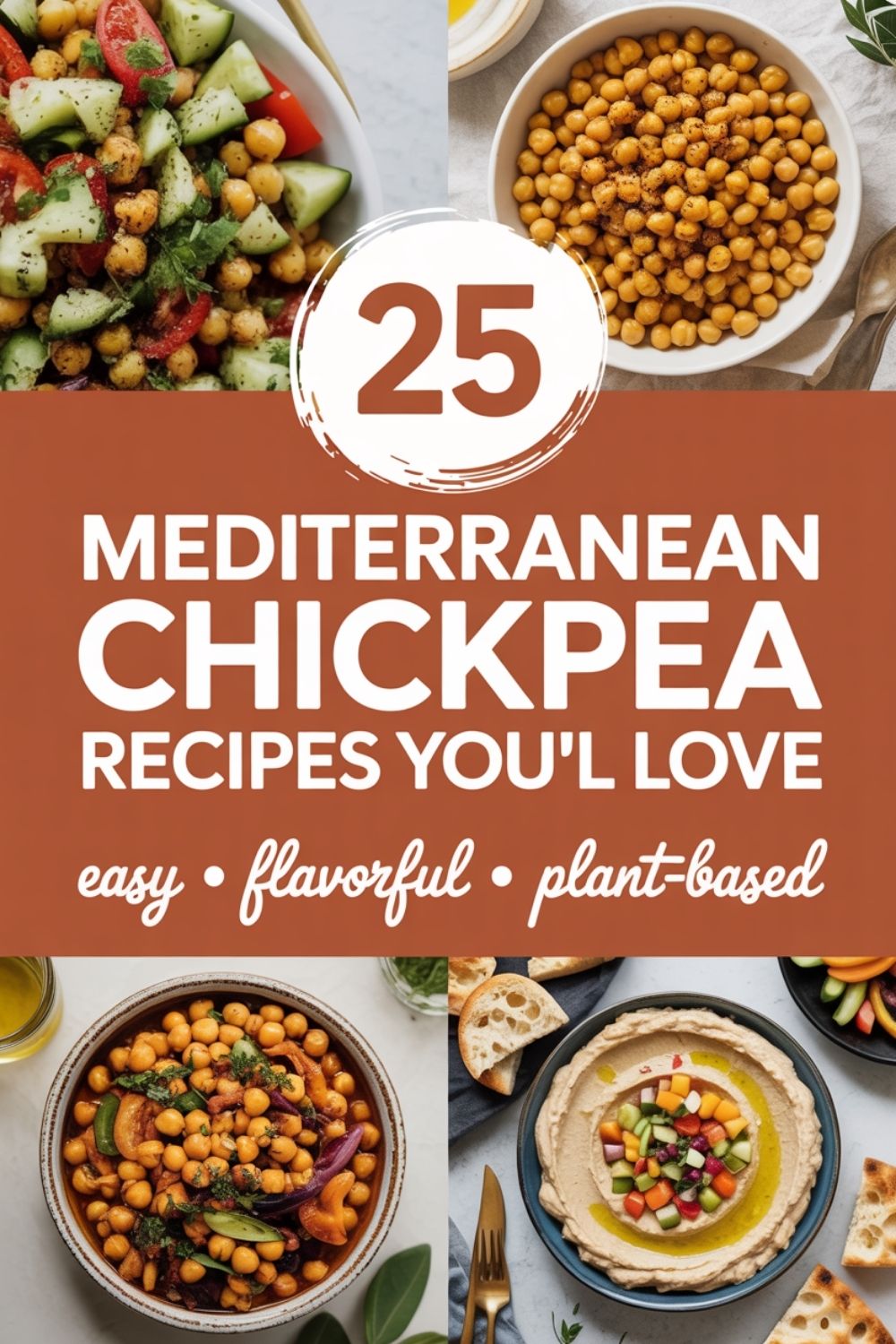
25 Mediterranean Chickpea Recipes You’ll Love
Look, I get it. You’re standing in your kitchen staring at a can of chickpeas, wondering if you should make hummus for the millionth time. Been there, done that, got the tahini-stained apron. But here’s the thing—chickpeas are like that reliable friend who shows up in totally different outfits and somehow pulls off each look effortlessly.
Mediterranean cuisine treats chickpeas like the rockstars they are. We’re talking crispy, creamy, spicy, tangy—basically every texture and flavor combo you didn’t know you needed. And the best part? These little golden nuggets are ridiculously good for you. I’m talking 14.5 grams of protein per cup, tons of fiber, and enough vitamins to make your multivitamin jealous.
Today I’m sharing 25 Mediterranean chickpea recipes that’ll make you forget all about that boring hummus routine. From breakfast scrambles to dinner stews to snacks that’ll make you question why you ever bought chips, these recipes are about to change your chickpea game forever.
Why Mediterranean Chickpeas Hit Different
Mediterranean cooking doesn’t just toss chickpeas into random dishes and call it a day. There’s actual thought behind it. The region’s been cooking with these legumes for literally thousands of years, and they’ve figured out every possible way to make them delicious.
The secret? It’s all about layering flavors. Cumin, paprika, garlic, lemon, olive oil—these aren’t just ingredients, they’re a flavor symphony. And chickpeas? They’re the perfect canvas. They soak up whatever you throw at them while maintaining that satisfying bite.
Plus, chickpeas are ridiculously versatile from a health standpoint. According to Mayo Clinic, they’re naturally low in saturated fat while packing nearly 20 grams of protein in just a half-cup serving. They’re also loaded with folate, iron, vitamin C, and phosphorus—basically everything your body actually wants.
Breakfast Chickpeas That’ll Make You Rethink Morning Eggs
Breakfast chickpeas sound weird until you try them, and then you’ll wonder why you wasted so much time on boring oatmeal. Mediterranean breakfasts are all about protein and veggies, and chickpeas nail both.
1. Mediterranean Chickpea Scramble
This is like shakshuka’s cooler, less fussy cousin. Sauté chickpeas with onions, bell peppers, and tomatoes, hit them with cumin and paprika, and crack a few eggs on top. Let everything simmer together until the eggs are just set. Get Full Recipe.
I use this cast iron skillet for mine because it distributes heat perfectly and goes straight from stovetop to table. No weird cold spots, no sticking—just perfectly cooked eggs every time.
Lodge Pre-Seasoned Cast Iron Skillet – 12 Inch
This is the workhorse skillet that lives on my stovetop permanently. Perfect for chickpea scrambles, crispy roasted chickpeas, and one-pan Mediterranean dishes. The pre-seasoned surface gets better with every use, and the even heat distribution means no burnt spots or undercooked centers.
Why This Skillet Changes Everything:
- Heavy-duty construction holds heat like nothing else – perfect for crispy chickpeas
- Pre-seasoned and ready to use right out of the box
- Goes from stovetop to oven to table seamlessly
- Naturally non-stick when properly maintained
- Literally lasts forever – this is a buy-it-once kitchen essential
2. Spiced Chickpea Hash
Crispy potatoes, golden chickpeas, caramelized onions, and enough spices to wake up your taste buds. Top with a fried egg and some za’atar, and you’ve got yourself a breakfast that’ll make you actually excited to wake up. Get Full Recipe.
3. Chickpea and Spinach Breakfast Bowl
Garlicky chickpeas, wilted spinach, sun-dried tomatoes, and a squeeze of lime. It’s tangy, it’s savory, it’s ridiculously healthy. Plus it takes like 15 minutes, which means more time for coffee. Get Full Recipe.
“I started making the chickpea scramble for my Sunday meal prep, and honestly, it’s been a game changer. I’ve dropped 12 pounds in two months just by swapping my usual breakfast sandwich for this. Plus my cholesterol numbers finally made my doctor smile.”
Salads That Actually Fill You Up
Mediterranean chickpea salads are nothing like those sad desk lunches you’re thinking of. These are substantial, flavor-packed meals that happen to be served cold. The Harvard School of Public Health notes that chickpeas retain most of their nutrients even when canned, making them perfect for quick meal prep.
4. Classic Mediterranean Chickpea Salad
Chickpeas, cucumbers, tomatoes, red onion, Kalamata olives, and feta, all dressed in a punchy lemon-olive oil vinaigrette. This is the salad that converts people who “don’t like salad.” Get Full Recipe.
I mix mine in this large glass mixing bowl because you can actually see what you’re tossing, and it doesn’t hold onto smells like plastic does.
5. Marinated Chickpea Bowl
Let chickpeas hang out with roasted red peppers, sun-dried tomatoes, olives, and herbs in a garlicky marinade overnight. The next day, you’ve got lunch sorted for the entire week. Get Full Recipe.
6. Chickpea and Avocado Salad
Creamy avocado meets hearty chickpeas with fresh herbs, lemon, and a drizzle of quality olive oil. It’s simple, it’s beautiful, and it tastes way fancier than the five minutes it takes to make. Get Full Recipe.
Want to level up your meal prep game? Check out these related guides: 7-Day Mediterranean Anti-Inflammation Meal Plan and 7-Day Mediterranean High-Fiber Meal Prep Plan for complete weekly strategies that include chickpea-based meals.
7. Balela (Lebanese Chickpea Salad)
This is what happens when chickpeas meet tomatoes, parsley, mint, lemon, and a generous pour of olive oil. It’s fresh, it’s herbaceous, and it’s proof that simple ingredients can create magic. Get Full Recipe.
Warm Bowls and Stews for Actual Comfort
When you need something that feels like a hug but won’t leave you in a food coma, these chickpea stews deliver. They’re packed with vegetables, swimming in aromatic spices, and substantial enough to carry you through to your next meal.
8. Mediterranean Chickpea Stew with Spinach
Tomato-based, loaded with spinach, fragrant with garlic and spices. This one-pot wonder comes together in 20 minutes and tastes like you simmered it for hours. Get Full Recipe.
For this, I always reach for my Dutch oven—it’s heavy enough to hold heat but not so massive that I can’t lift it when it’s full.
Le Creuset Enameled Cast Iron Dutch Oven – 5.5 Quart
If you’re serious about Mediterranean cooking, a quality Dutch oven is non-negotiable. This Le Creuset is the gold standard – it braises chickpeas to perfection, distributes heat evenly for stews, and looks gorgeous enough to serve directly at the table. Mine is 8 years old and still looks brand new.
What Makes This Worth The Investment:
- Enameled interior never needs seasoning and cleans up effortlessly
- Perfect size for 4-6 servings of stews, soups, and braised dishes
- Superior heat retention means chickpeas cook evenly every time
- Oven-safe up to 500°F – stovetop to oven without switching pans
- Lifetime warranty – seriously, this thing outlives most relationships
9. Braised Chickpeas Greek Style
Chickpeas braised with tomatoes, olive oil, and oregano until they’re tender and bathed in a rich sauce. Serve with crusty bread for maximum satisfaction. Get Full Recipe.
10. Harissa Chickpea Bowl
Spicy harissa paste transforms chickpeas into something bold and exciting. Add roasted veggies, tahini drizzle, and fresh herbs, and you’ve got a bowl that’s equal parts comfort and adventure. Get Full Recipe.
11. Lemon Chickpea Orzo
Pasta meets chickpeas in a bright, lemony sauce with plenty of fresh herbs. It’s light but filling—perfect for those nights when you want comfort food that won’t weigh you down. Get Full Recipe.
For more complete meal ideas that incorporate chickpeas and other Mediterranean staples, explore the 14-Day Mediterranean Weight Loss Plan or the 30-Day Mediterranean Wellness Plan.
The Complete Mediterranean Recipe Collection
Ready to transform your entire approach to Mediterranean eating? This comprehensive digital cookbook contains over 200 authentic Mediterranean recipes, including 50+ chickpea-based dishes you won’t find anywhere else.
- 200+ chef-tested Mediterranean recipes with step-by-step instructions
- Complete nutritional breakdown for every dish
- Shopping lists organized by recipe category
- Meal prep guides for batch cooking chickpeas and staples
- Bonus section: Mediterranean pantry essentials and spice blends
Snacks That Don’t Involve Hummus (But We Love Hummus Too)
Don’t get me wrong, hummus is great. But chickpeas have so much more to offer in the snack department. Let’s explore the crispy, crunchy possibilities.
12. Roasted Spiced Chickpeas
Drain, dry, season, roast. That’s literally it. These crispy little protein bombs are dangerously addictive and way better for you than chips. Try smoked paprika and garlic powder, or go wild with curry spices. Get Full Recipe.
I line my baking sheets with these silicone mats because chickpeas tend to stick when roasted, and these make cleanup basically nonexistent.
13. Za’atar Roasted Chickpeas
Za’atar brings a unique herby, tangy flavor that makes these roasted chickpeas taste like they came from a fancy Middle Eastern market. Spoiler: they didn’t. Get Full Recipe.
14. Sweet Cinnamon Chickpeas
Yes, dessert chickpeas are a thing, and they’re fantastic. Toss with cinnamon, a touch of maple syrup, and roast until crispy. Perfect for when you need something sweet but don’t want actual dessert. Get Full Recipe.
Dinner Mains That Center Chickpeas
Chickpeas don’t have to be the sidekick. These recipes prove they can totally carry the main event.
15. Mediterranean Chickpea Curry
This isn’t traditional Mediterranean per se, but the spice trade brought curry influences to the region centuries ago. Coconut milk, tomatoes, warming spices, and chickpeas create a dish that’s both exotic and comforting. Get Full Recipe.
16. Chickpea and Vegetable Tagine
Moroccan-style slow-cooked stew with chickpeas, vegetables, dried fruit, and a complex spice blend. It’s sweet, savory, and absolutely worth the minimal effort. Get Full Recipe.
If you’re following a specific eating pattern, the 14-Day High-Fiber Mediterranean Plan for Beginners includes several chickpea-forward dinners that fit perfectly into your weekly routine.
Mediterranean Meal Planner & Grocery List App
Stop stressing over what’s for dinner. This intuitive meal planning app takes the guesswork out of Mediterranean eating with automated grocery lists, customizable meal plans, and built-in chickpea recipe favorites.
- Drag-and-drop meal planning for the entire week
- Auto-generated grocery lists sorted by store section
- 500+ Mediterranean recipes with chickpea filter options
- Pantry inventory tracker to minimize food waste
- Sync across all devices – plan on laptop, shop with your phone
17. Crispy Chickpea Grain Bowls
Roasted chickpeas over quinoa or farro with roasted vegetables, tahini sauce, and all the fresh toppings. Customize it based on what’s in your fridge. Get Full Recipe.
“My whole family was skeptical about ‘meatless Monday,’ but the chickpea tagine changed everything. Even my husband, who claims he needs meat at every meal, asked for seconds. We’ve now expanded to three plant-based dinners a week.”
18. One-Pan Chickpea Bake
Everything goes on one sheet pan—chickpeas, vegetables, olive oil, spices—and the oven does all the work. Dinner with almost zero cleanup? Sign me up. Get Full Recipe.
For sheet pan cooking, I’m obsessed with these rimmed baking sheets. They’re heavy enough not to warp in high heat, and the edges keep everything contained.
Pasta and Grain Dishes Elevated by Chickpeas
When chickpeas meet pasta or grains, something magical happens. You get complete proteins, satisfying textures, and meals that somehow taste indulgent while being incredibly nutritious.
19. Chickpea Pasta with Arugula
Quick-cooking pasta tossed with chickpeas, peppery arugula, garlic, lemon, and Parmesan. Fresh, fast, and genuinely delicious. Get Full Recipe.
20. Mediterranean Chickpea Couscous
Fluffy couscous studded with chickpeas, roasted vegetables, fresh herbs, and a tangy vinaigrette. It’s like a warm salad that actually counts as dinner. Get Full Recipe.
Looking for more high-protein Mediterranean options? The 14-Day Mediterranean High-Protein Anti-Inflammatory Plan features chickpeas alongside other protein-rich Mediterranean ingredients for balanced nutrition.
21. Chickpea Risotto
Creamy risotto gets a protein boost from chickpeas and stays surprisingly light. Add peas and lemon for brightness, or go wild with mushrooms and truffle oil. Get Full Recipe.
The Classics You Can’t Skip
Some chickpea dishes are famous for good reason. Here are the ones that belong in everyone’s recipe rotation.
22. Authentic Hummus
Smooth, creamy, with that perfect tahini-lemon-garlic balance. Homemade hummus is genuinely better than store-bought, and once you make it yourself, there’s no going back. Get Full Recipe.
The secret to ultra-smooth hummus? A decent food processor. You don’t need anything fancy, just something powerful enough to get chickpeas completely silky.
Cuisinart 14-Cup Food Processor
Look, you can try making hummus in a blender, but trust me—you’ll hate your life. This Cuisinart food processor turns chickpeas into cloud-like hummus in under 3 minutes. The 14-cup capacity means you can make a full batch without working in batches, and the powerful motor handles chickpeas like they’re butter.
Why You’ll Use This Daily:
- 720-watt motor powerful enough to pulverize chickpeas into silk
- 14-cup capacity perfect for meal prep and batch cooking
- Multiple blade options for different textures and preparations
- Wide feed tube fits whole vegetables – less chopping
- Dishwasher-safe parts make cleanup actually bearable
23. Baked Falafel
Crispy on the outside, fluffy on the inside, packed with herbs. These are baked instead of fried, which means you can eat like six of them without feeling terrible. Get Full Recipe.
24. Chickpea Flatbreads
Chickpea flour transforms into amazing flatbreads that are naturally gluten-free and high in protein. Top with za’atar and olive oil, or use as a base for whatever toppings your heart desires. Get Full Recipe.
25. Greek Chickpea Soup (Revithia)
Simple, rustic, and deeply satisfying. Just chickpeas, olive oil, lemon, and herbs simmered into a velvety soup. It’s peasant food at its finest—humble ingredients, extraordinary flavor. Get Full Recipe.
The Health Benefits You’re Actually Getting
Let’s talk about why chickpeas deserve their superfood status. Beyond the impressive protein content, these legumes bring serious nutritional value to your plate.
First up, fiber. One cup of chickpeas delivers about 12.5 grams of fiber—nearly half your daily requirement. This isn’t just good for digestion; fiber helps stabilize blood sugar levels, keeps you full longer, and supports heart health. Research from Cleveland Clinic highlights how chickpeas’ soluble fiber can help lower cholesterol levels naturally.
Then there’s the vitamin and mineral lineup. Chickpeas pack in folate, iron, phosphorus, and manganese. They’re also rich in choline, which supports brain and nervous system function. The iron content is particularly notable for plant-based eaters looking to maintain healthy iron levels without meat.
And here’s something cool: chickpeas have a low glycemic index. This means they won’t spike your blood sugar like refined carbs do, making them an excellent choice for anyone managing blood sugar or looking to maintain steady energy throughout the day.
IMO, one of the most underrated benefits is how chickpeas support gut health. That soluble fiber feeds beneficial gut bacteria, which influences everything from immunity to mood. If you’re dealing with inflammation or digestive issues, adding more chickpeas to your diet is a gentle, effective strategy.
For folks focused on gut health specifically, the 7-Day Gut-Healing Mediterranean Menu incorporates chickpeas in ways that maximize their digestive benefits.
Making Chickpeas Work for Your Lifestyle
The beauty of chickpeas is their flexibility. Whether you’re meal prepping for the week, whipping up a quick lunch, or planning a fancy dinner party, chickpeas adapt to your needs.
For meal prep warriors, cooked chickpeas last about a week in the fridge. You can roast a big batch, add them to salads throughout the week, or turn them into quick curries and stews. They also freeze beautifully—portion them into freezer bags and you’ve got instant dinner insurance.
If you’re cooking from dried chickpeas, here’s the deal: yes, they take longer, but the texture and flavor are noticeably better. Soak them overnight, then simmer for about an hour until tender. The effort is minimal, and you’ll end up with chickpeas that hold their shape better and taste fresher than canned.
That said, canned chickpeas are totally valid. Just rinse them well to remove excess sodium. I always keep this colander strainer on hand—it’s fine-meshed enough that chickpeas don’t slip through, and it makes rinsing quick.
Planning ahead? These comprehensive plans make chickpea integration effortless: 30-Day High-Fiber Anti-Inflammation Program and 30-Day Anti-Inflammation Challenge.
Chickpeas for Different Dietary Approaches
Whether you’re plant-based, gluten-free, low-carb-ish, or just trying to eat more whole foods, chickpeas fit the bill. They’re naturally vegan, packed with plant protein, and work across most dietary frameworks.
For folks eating fully plant-based, chickpeas are clutch. They provide that substance and satisfaction that makes meatless meals feel complete. Paired with whole grains, you’re getting all essential amino acids—basically complete protein without any animal products.
Gluten-free eaters love chickpeas because chickpea flour opens up a world of possibilities. Flatbreads, pancakes, even pasta made from chickpea flour—all naturally gluten-free and higher in protein than wheat-based versions.
And if you’re watching carbs but not going full keto, chickpeas occupy that sweet spot. They’re complex carbs with enough protein and fiber to keep blood sugar stable. They won’t derail your goals the way refined carbs would.
The 7-Day Mediterranean Vegan Anti-Inflammation Plan shows how chickpeas shine in plant-based eating patterns, while the 14-Day Anti-Inflammatory Eating Plan for Women demonstrates their versatility across various nutritional needs.
Common Chickpea Cooking Mistakes to Avoid
Even though chickpeas are forgiving, there are a few pitfalls worth avoiding. First, underseasoning. Chickpeas need bold flavors—don’t be shy with spices, garlic, lemon, and salt.
Second, adding acidic ingredients too early when cooking dried chickpeas. Tomatoes, lemon juice, or vinegar can prevent chickpeas from softening properly. Add those flavors at the end, after your chickpeas are fully tender.
Third, skipping the drying step before roasting. If you want crispy roasted chickpeas, you need to dry them thoroughly after draining. Pat them with paper towels or let them air dry for 30 minutes. Wet chickpeas = soggy chickpeas, no matter how long you roast them.
Fourth, overcrowding the pan when roasting. Give your chickpeas space to breathe. Crowded chickpeas steam instead of crisp, and nobody wants that.
Finally, not saving that aquafaba. That thick liquid from cooked or canned chickpeas is culinary gold. It whips into vegan meringue, makes incredible mayo, and can bind veggie burgers. Just drain it into a glass jar and refrigerate for up to a week.
Chickpea Flavor Combinations That Always Work
Some ingredient pairings are just meant to be. With chickpeas, these combinations deliver every single time.
Lemon and garlic are the classic duo. They brighten chickpeas’ earthiness and add aromatic depth. Throw in some olive oil and you’ve got the foundation for countless dishes.
Cumin and paprika bring warmth and depth. Smoked paprika especially adds complexity that makes simple chickpea dishes taste like they’ve been simmering for hours.
Fresh herbs—parsley, cilantro, mint, dill—add brightness and color. They cut through richness and make heavy dishes feel lighter.
Tahini and chickpeas are obviously besties (hello, hummus), but don’t limit tahini to just that. Drizzle it over roasted chickpeas, stir it into chickpea stews, or thin it out for grain bowl dressings.
Feta and chickpeas create this amazing salty-creamy-hearty combination. The feta adds richness while chickpeas provide substance.
And finally, harissa paste and chickpeas are fire together—literally. That North African chili paste transforms chickpeas from mild-mannered to bold and exciting in one spoonful.
For creative flavor ideas that extend beyond chickpeas, check out the 7-Day Mediterranean Clean Eating Plan.
Budget-Friendly Mediterranean Eating with Chickpeas
Let’s be real—eating healthy can get expensive. But chickpeas are one of the most budget-friendly proteins available. Dried chickpeas cost pennies per serving, and even canned varieties are affordable compared to meat or fish.
You can build entire meals around chickpeas for less than three dollars per serving. Add some inexpensive vegetables like onions, carrots, and tomatoes, season generously, and you’ve got nutritious meals that don’t drain your bank account.
Buying dried chickpeas in bulk saves even more money. I keep mine in these airtight storage containers because they seal tight and stack nicely. Plus you can see exactly what you have without digging through the pantry.
The key to budget-friendly chickpea cooking is smart pantry stocking. Keep good olive oil, garlic, canned tomatoes, basic spices, and dried or canned chickpeas on hand. With these staples, you can create dozens of different meals without special shopping trips.
The 14-Day High-Fiber Budget Meal Plan shows exactly how to eat well without spending a fortune, with chickpeas playing a starring role.
Making Chickpeas Work for Busy Schedules
Between work, life, and everything else, spending hours in the kitchen isn’t realistic for most people. That’s where chickpeas shine—they’re quick-cooking superheroes.
Canned chickpeas go from pantry to plate in minutes. Rinse, season, heat—done. You can have a curry simmering in less time than it takes to order delivery.
For even faster meals, keep cooked chickpeas portioned in the freezer. Defrost in the microwave or toss frozen directly into soups and stews. No planning required.
Prep chickpeas on Sunday for the week ahead. Roast several batches with different seasonings. Make a big batch of hummus. Cook a large pot of chickpea stew. Your weeknight dinner struggles just got solved.
I swear by these glass meal prep containers for storing prepped chickpea dishes. They’re microwave-safe, don’t stain, and you can see what’s inside without opening them.
The 7-Day Anti-Inflammation Plan for Busy Women is specifically designed for time-crunched schedules and features several quick chickpea meals.
Need breakfast sorted fast? The 7-Day Mediterranean High-Fiber Breakfast Plan includes chickpea breakfast options you can prep ahead and grab on busy mornings.
Chickpeas for Family Meals
Getting the whole family to eat healthy can feel like negotiating peace treaties. But chickpeas have this magical ability to please both adventurous eaters and picky kids.
The key is preparation. Crispy roasted chickpeas appeal to kids who love crunchy snacks. Chickpea pasta looks like regular pasta but packs way more nutrition. Blended into sauces or soups, chickpeas add substance without announcing themselves.
Start with familiar flavors. Mediterranean-spiced chickpeas might be a hard sell for kids used to chicken nuggets, but mild, slightly sweet preparations work better as entry points. Once they’re used to the texture, gradually introduce bolder flavors.
The 14-Day Mediterranean Family Meal Plan takes the guesswork out of feeding everyone, with chickpea recipes designed to satisfy varied tastes and ages.
Pro tip: involving kids in cooking increases their willingness to try new foods. Let them mash chickpeas for hummus or toss them with seasonings before roasting. When they’ve participated in making it, they’re more invested in eating it.
Addressing the Bloating Issue
Let’s address the elephant in the room—or rather, the gas. Chickpeas, like all legumes, can cause digestive discomfort for some people. But there are ways to minimize this.
First, rinse canned chickpeas thoroughly. That canning liquid contains oligosaccharides, which are the main culprits behind gas. A good rinse removes a lot of them.
If cooking dried chickpeas, soak them for at least 12 hours and change the water a few times. This helps break down those problematic sugars. Some people add a strip of kombu (dried seaweed) to the cooking water, which supposedly helps with digestibility.
Start with smaller portions if you’re new to eating chickpeas regularly. Your gut bacteria need time to adjust. Eating a massive chickpea curry when you’re not used to legumes is asking for trouble.
Spices like cumin, fennel, and ginger aid digestion and reduce bloating. This is why so many Mediterranean and Middle Eastern chickpea recipes feature these warming spices—it’s not just about flavor.
And finally, stay hydrated. Fiber needs water to do its job properly. Without adequate hydration, that fiber can cause more problems than it solves.
Seasonal Chickpea Cooking
While chickpeas themselves are available year-round, pairing them with seasonal vegetables takes your dishes from good to incredible.
Summer chickpeas love fresh tomatoes, cucumbers, basil, and zucchini. Think bright salads, cold chickpea dishes, and grilled vegetables with chickpeas on the side.
Fall welcomes heartier preparations—chickpeas with roasted squash, apples, kale, and warming spices. The weather cools down, and suddenly you want chickpea stews bubbling on the stove.
Winter is all about comfort. Chickpea soups, braised dishes, and one-pot meals hit the spot. Root vegetables, citrus, and hearty greens pair beautifully with chickpeas during cold months.
Spring brings fresh peas, asparagus, new potatoes, and herbs. Lighter chickpea preparations feel right as the weather warms up again.
The 7-Day Anti-Inflammation Reset incorporates seasonal thinking into its chickpea-inclusive meal plans.
Mediterranean Diet Tracker & Food Journal
The secret to lasting results? Consistency and awareness. This beautifully designed digital tracker helps you monitor your Mediterranean eating journey, track chickpea intake for gut health, and celebrate your wins along the way.
- Daily meal logging with Mediterranean food scoring system
- Fiber and protein intake calculator (perfect for chickpea tracking)
- Weekly progress photos and measurements tracker
- Symptom diary for inflammation and digestive health
- Printable PDF format plus editable digital version
Frequently Asked Questions
Can you eat chickpeas every day?
Absolutely. Eating chickpeas daily is perfectly safe and actually beneficial for most people. They provide consistent protein, fiber, and essential nutrients without any of the concerns associated with processed foods. Just introduce them gradually if you’re not used to eating legumes regularly, and make sure you’re drinking enough water to help process all that fiber.
Are canned chickpeas as healthy as dried?
Yes, nutritionally they’re almost identical. Canned chickpeas retain nearly all their nutrients, though they’re higher in sodium. Simply rinse them well before using to remove about 40% of the sodium. Dried chickpeas give you more control over texture and seasoning, but canned versions are a convenient, healthy option for quick meals.
How do you make chickpeas more digestible?
Rinse canned chickpeas thoroughly or soak dried ones for at least 12 hours before cooking. Add digestive spices like cumin, fennel, or ginger to your recipes. Start with smaller portions and gradually increase as your digestive system adapts. Cooking chickpeas with a strip of kombu seaweed can also help break down complex sugars that cause gas.
Can chickpeas help with weight loss?
They definitely can. Chickpeas are high in both protein and fiber, which keep you full longer and help prevent overeating. They have a low glycemic index, meaning they won’t spike your blood sugar and cause cravings later. Plus, they’re nutrient-dense but relatively low in calories—you’re getting maximum nutrition without excessive calories.
What’s the best way to store cooked chickpeas?
Store cooked chickpeas in an airtight container in the refrigerator for up to one week, or freeze them for up to three months. For freezing, spread them on a baking sheet first until frozen solid, then transfer to freezer bags. This prevents them from clumping together so you can grab exactly how much you need.
Your Chickpea Journey Starts Now
Here’s the thing about chickpeas—they’re not trying to be fancy or complicated. They’re just solid, reliable, nutritious food that happens to taste amazing when you treat them right. Whether you’re meal prepping for the week, throwing together a quick lunch, or cooking dinner for your family, chickpeas have your back.
Start simple. Pick one or two recipes from this list that sound good and give them a shot. Maybe it’s the classic hummus, or those crispy roasted chickpeas, or a comforting stew. Don’t overthink it.
Once you get comfortable with chickpeas, you’ll start seeing them as the versatile kitchen staple they truly are. They’ll save your weeknight dinners, make your meal prep easier, and honestly just make eating healthier feel way less restrictive and way more delicious.
So grab a can (or soak some dried ones if you’re feeling ambitious), pick a recipe, and get cooking. Your taste buds and your body will thank you. And who knows—maybe you’ll finally understand why Mediterranean cultures have been obsessed with these little golden nuggets for thousands of years.