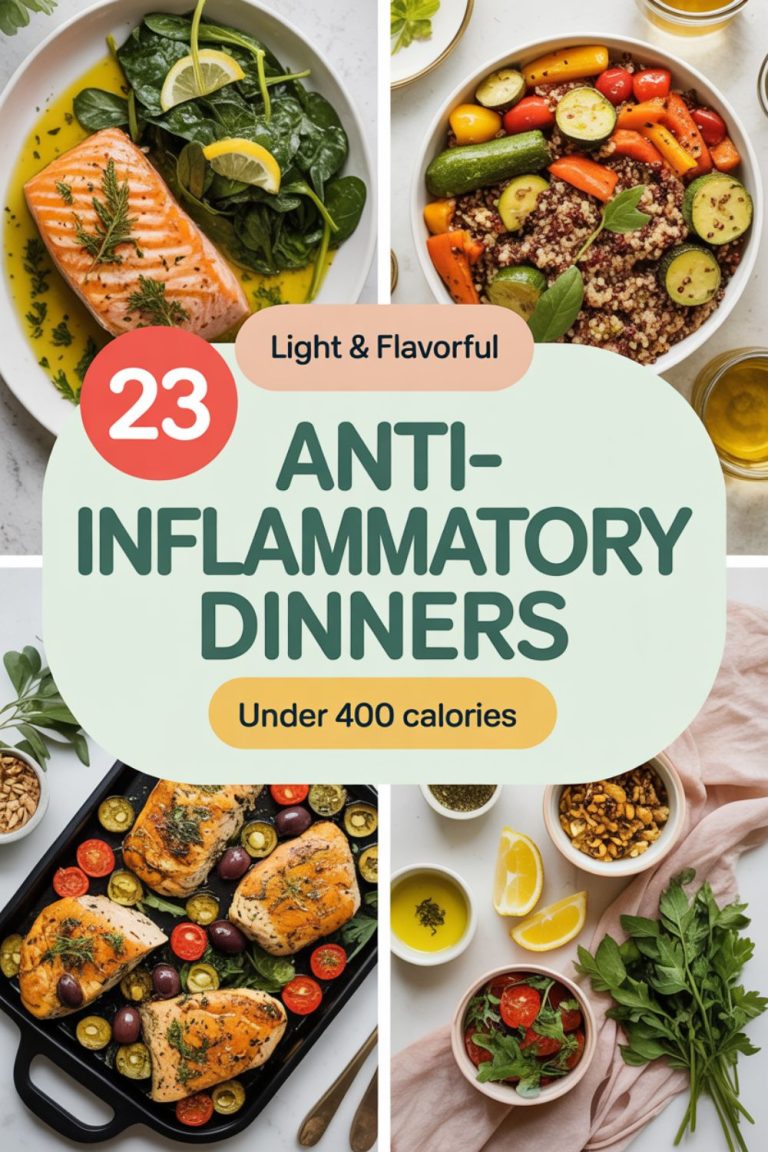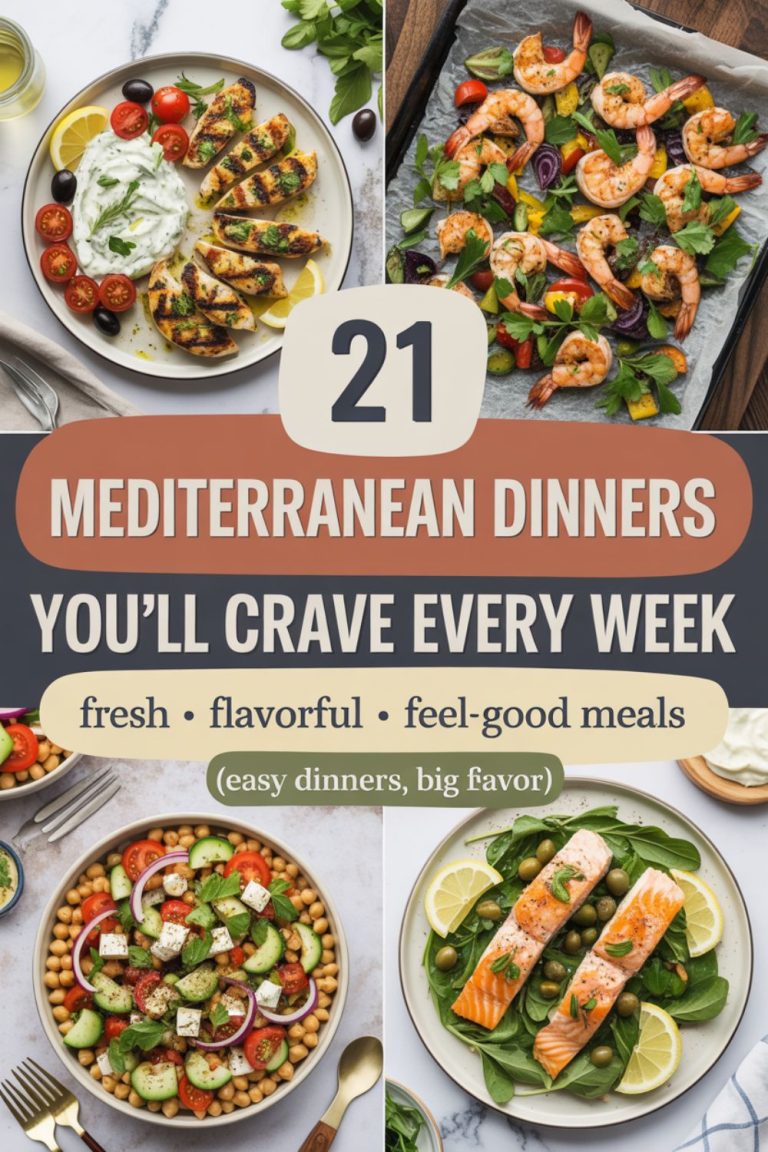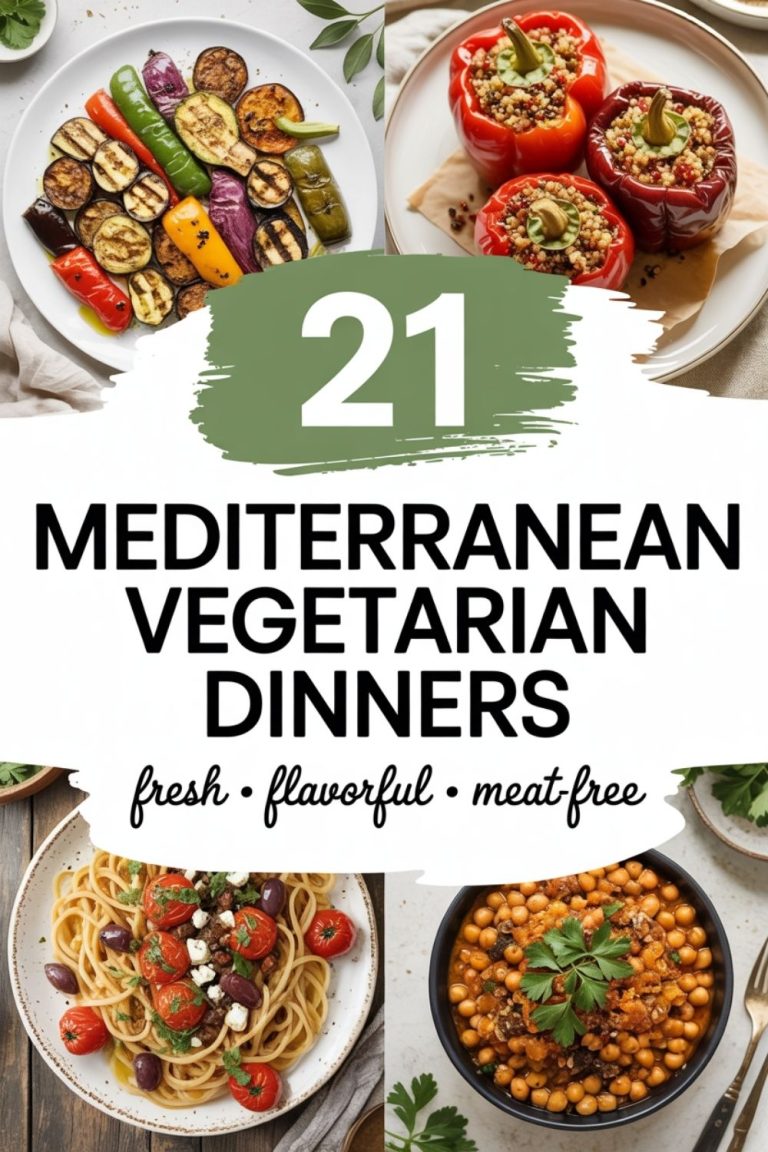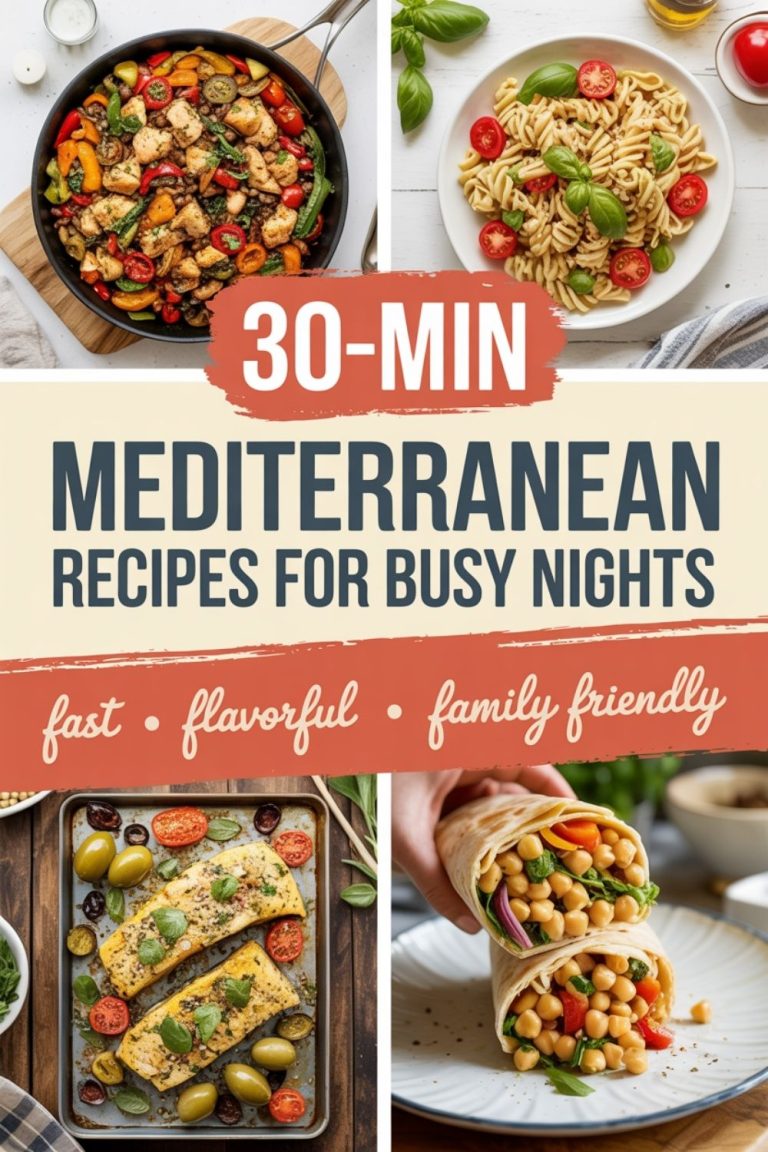

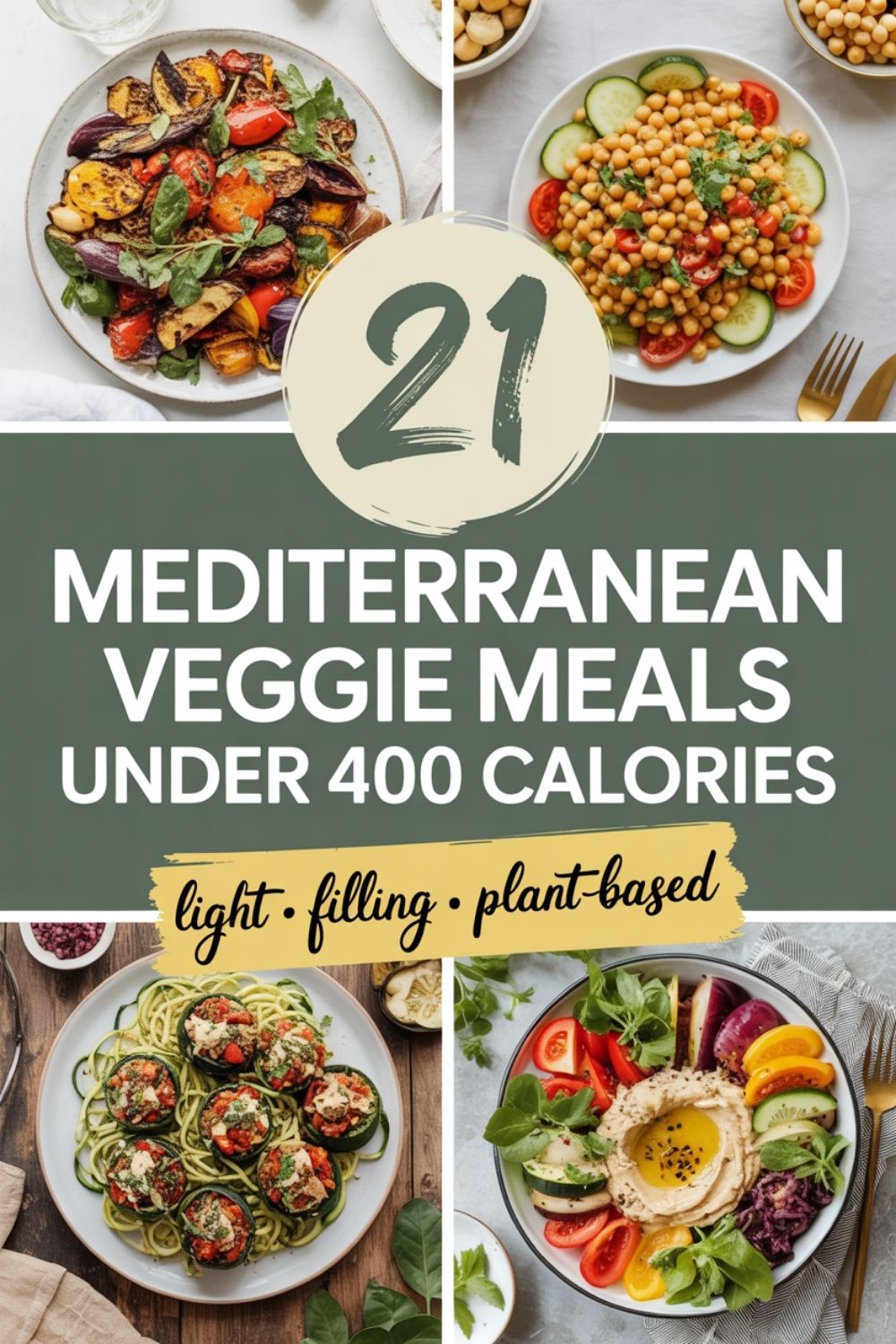
21 Mediterranean Veggie Meals Under 400 Calories
Look, I’m not going to waste your time with some fluffy intro about how vegetables are good for you. You already know that. What you probably want is a solid list of Mediterranean-inspired veggie meals that won’t leave you feeling like you’re eating cardboard while simultaneously watching your calorie count like a hawk.
The Mediterranean diet has been getting attention lately, and honestly, it deserves it. Research shows it reduces cardiovascular disease risk by up to 25% over time. But here’s the thing—you don’t need to move to Greece or start pressing your own olive oil to benefit from this way of eating.
I’ve pulled together 21 vegetable-forward Mediterranean meals that clock in under 400 calories. These aren’t sad salads or boring steamed broccoli. They’re actual meals with flavor, substance, and enough variety to keep you from ordering takeout on Tuesday.
Why Mediterranean Veggies Hit Different
There’s a reason people living around the Mediterranean Sea have some of the longest lifespans on the planet. Their diet centers on vegetables, legumes, whole grains, and healthy fats—not complicated meal plans or expensive superfoods.
The beauty of Mediterranean cooking is that vegetables aren’t an afterthought. They’re the main event, dressed up with olive oil, garlic, lemon, and fresh herbs. Studies indicate the anti-inflammatory properties come from this combination of plant foods rather than any single ingredient.
And before you start thinking this is just another restrictive diet, it’s not. The Mediterranean approach is more about what you add to your plate than what you take away. You’re loading up on fiber-rich vegetables that keep you full without packing on calories.
Want to build out a complete weekly plan? This 7-day Mediterranean anti-inflammation meal plan walks you through structured meal prep without the guesswork.
The Calorie Sweet Spot
Why 400 calories? It’s not arbitrary. Most people need around 1,800-2,200 calories daily, depending on activity level. If you’re eating three main meals, 400 calories gives you room for snacks without going overboard.
But here’s what makes these meals work: they’re loaded with fiber and water. A cup of raw spinach has five calories. A cup of chopped zucchini? About 20 calories. You can pile your plate high and still come in under budget.
The digital food scale I use makes tracking portions way less annoying. No more eyeballing and wondering if that’s really a half-cup of chickpeas or if you’re lying to yourself.
Premium Glass Meal Prep Container Set (5-Pack)
These aren’t your flimsy plastic containers that stain after one tomato-based meal. I’ve been using this 5-piece glass container set for two years and they still look brand new.
Why they’re worth it:
- Oven-safe up to 450°F (reheat directly from fridge)
- Leak-proof lids that actually seal
- Stackable design saves 40% more fridge space
- Dishwasher safe and stain-resistant glass
Perfect for prepping 3-5 Mediterranean meals at once without everything tasting like plastic.
If you’re specifically looking to manage inflammation while keeping calories in check, the 14-day anti-inflammatory eating plan for women provides structured guidance with calorie-controlled meals.
Building Your Mediterranean Veggie Plate
Every solid Mediterranean meal follows a simple formula. You need a vegetable base, a protein source (beans, lentils, or occasionally fish), healthy fats (olive oil, nuts), and something acidic (lemon, vinegar) to brighten everything up.
Start with your vegetables—think eggplant, zucchini, tomatoes, peppers, leafy greens. Roast them with olive oil, salt, and whatever herbs you’ve got lying around. Toss in some chickpeas or white beans for protein. Finish with a squeeze of lemon and maybe some crumbled feta if you’re feeling fancy.
The whole thing takes maybe 30 minutes if you’re moving slow. And unlike those meal kit services, you’re not stuck eating the same rotation of five meals until you lose your mind.
Looking for more plant-forward options? The 7-day Mediterranean vegan plan eliminates all animal products while keeping meals satisfying and under control.
21 Mediterranean Veggie Meals That Actually Taste Good
Breakfast Options (Yes, Savory Breakfasts Exist)
1. Shakshuka with Extra Vegetables
Eggs poached in a spiced tomato sauce loaded with bell peppers, onions, and zucchini. The eggs bring protein, the vegetables bring volume, and the whole thing sits around 320 calories. I use a cast iron skillet for this because it goes from stovetop to table and somehow makes everything taste better.
2. Greek-Style Veggie Scramble
Scrambled eggs with spinach, tomatoes, red onion, and a sprinkle of feta. About 280 calories and takes literally five minutes. If you’re doing this regularly, a non-stick ceramic pan saves you from using extra oil.
3. Roasted Red Pepper and Tomato Hash
Dice up bell peppers, tomatoes, and onions. Roast until slightly charred. Top with a poached egg or skip it for a vegan version. Comes in at 240 calories without the egg, 310 with it. Get Full Recipe
For complete breakfast planning that takes the guesswork out, check out the 7-day Mediterranean high-fiber breakfast plan with detailed prep instructions and shopping lists.
Lunch Bowls and Plates
4. Mediterranean Lentil Bowl
Cooked lentils over arugula with roasted cherry tomatoes, cucumber, red onion, and a lemon-tahini dressing. Around 380 calories and genuinely filling. The mason jars I prep these in keep everything fresh for days.
5. Grilled Vegetable Platter with Hummus
Zucchini, eggplant, bell peppers, and red onion grilled and served with a generous scoop of hummus. The vegetables are practically calorie-free, so the hummus is where you need to pay attention. Total: 340 calories. Get Full Recipe
6. Stuffed Bell Peppers (Vegetarian Version)
Bell peppers stuffed with quinoa, diced tomatoes, onions, and herbs. Each pepper comes in around 290 calories. I make six at once and eat them throughout the week. My glass meal prep containers keep them from getting soggy.
7. Greek Salad with White Beans
Traditional Greek salad—cucumbers, tomatoes, red onion, olives, feta—with white beans added for protein. About 360 calories and surprisingly substantial. The key is not drowning it in dressing.
Speaking of complete meal ideas, this 14-day Mediterranean weight loss plan provides balanced lunch and dinner combinations that work together as a system.
Dinner Mains
8. Ratatouille (The Real Version, Not the Pixar Movie)
Eggplant, zucchini, bell peppers, and tomatoes stewed together with garlic and herbs. Traditionally served over polenta, but I just eat it straight because I’m lazy. Around 260 calories per generous serving. Get Full Recipe
9. Chickpea and Spinach Stew
Chickpeas simmered with tons of spinach, tomatoes, and warming spices. Costs maybe three dollars to make and feeds you for days. Sits at 310 calories per bowl.
10. Cauliflower Steaks with Olive Tapenade
Thick-cut cauliflower roasted until golden, topped with a salty olive spread. Sounds fancy, tastes amazing, takes minimal effort. About 280 calories.
11. Mediterranean Vegetable Soup
Zucchini, tomatoes, white beans, kale, and whatever else needs using up in your fridge. The beauty of soup is you can’t really mess it up. Around 240 calories per bowl, and it freezes perfectly.
If you’re looking for more anti-inflammatory recipes that support gut health, the 7-day gut-healing Mediterranean menu focuses specifically on vegetables and preparation methods that reduce inflammation.
12. Baked Eggplant with Tomato and Basil
Sliced eggplant layered with fresh tomatoes and basil, baked until tender. Light on cheese or skip it entirely. Comes in around 290 calories and makes your kitchen smell incredible.
13. Zucchini Noodles with Marinara and White Beans
Spiralized zucchini topped with homemade marinara and white beans. The spiralizer I bought three years ago finally gets regular use. About 310 calories and honestly satisfies pasta cravings better than you’d think.
Hearty Plates and One-Pan Meals
14. Roasted Vegetable Mezze Plate
Roasted eggplant, zucchini, cherry tomatoes, and chickpeas served with tzatziki and whole wheat pita. It’s essentially a deconstructed meal you can eat with your hands. Around 390 calories total.
15. Artichoke and White Bean Skillet
Canned artichoke hearts (because fresh ones are a pain) sautéed with white beans, garlic, lemon, and greens. One pan, 15 minutes, 330 calories. I use my stainless steel skillet for this because nothing sticks.
16. Moroccan-Spiced Vegetable Tagine
Carrots, zucchini, chickpeas, and tomatoes cooked with warming spices like cumin and cinnamon. Traditionally made in a tagine pot, but a regular Dutch oven works fine. About 350 calories per serving. Get Full Recipe
For those who want structured variety, the 30-day Mediterranean wellness plan rotates through different vegetable combinations to prevent boredom while staying on track.
17. Green Bean and Tomato Stew
Fresh green beans braised with tomatoes, onions, and olive oil until melt-in-your-mouth tender. A staple in many Mediterranean households and shockingly simple. Around 220 calories.
18. Stuffed Zucchini Boats
Hollowed-out zucchini filled with a mixture of quinoa, sun-dried tomatoes, olives, and herbs. Each boat is about 270 calories. My baking sheet with raised edges prevents any juices from spilling over in the oven.
19. Caprese-Style Portobello Mushrooms
Large portobello caps topped with fresh tomatoes, basil, and a bit of mozzarella, then baked. It’s essentially pizza without the crust, which sounds sad but actually isn’t. About 240 calories per mushroom.
Light Dinners and Side-Dish Mains
20. Roasted Brussels Sprouts with Pomegranate
Brussels sprouts roasted until crispy, tossed with pomegranate seeds and a balsamic reduction. Sweet, savory, and way more interesting than plain roasted vegetables. Around 180 calories, so pair it with something else or double the portion.
21. Mediterranean Cauliflower Rice Bowl
Cauliflower rice sautéed with tomatoes, olives, artichokes, and fresh herbs. Add some chickpeas or white beans if you want more protein. Total comes to about 310 calories and feels like a complete meal. The food processor makes ricing cauliflower way less annoying than doing it by hand.
Looking for smoothie-based meal options that still incorporate Mediterranean principles? The 7-day anti-inflammatory smoothie plan includes vegetable-forward smoothies that work as meal replacements.
Making These Meals Work in Real Life
Here’s the part where most articles tell you to meal prep everything on Sunday and stick to the plan no matter what. That’s garbage advice if you have an actual life.
Instead, pick three or four of these meals that sound good. Buy ingredients for those. Make them when you have time. Eat leftovers when you don’t. Revolutionary, I know.
Most vegetables are extremely low in calories, which means you have room to adjust portions based on hunger. Ate a light breakfast? Make a bigger lunch. Had a heavy lunch? Scale back dinner. Your body is pretty good at telling you what it needs if you actually listen.
The stackable storage containers I use save a ton of fridge space when you’re batch cooking. Nothing worse than making a week’s worth of food and realizing you have nowhere to put it.
For complete family-friendly options that everyone will actually eat, try the 14-day Mediterranean family meal plan designed to accommodate different tastes while keeping things healthy.
The Fiber Factor Nobody Talks About
You want to know the real secret to staying full on vegetable-based meals? Fiber. Most people get maybe 15 grams daily when they should be hitting 25-30 grams minimum.
Every single meal on this list delivers serious fiber because vegetables, legumes, and whole grains are fiber powerhouses. That fiber slows digestion, stabilizes blood sugar, and keeps you from raiding the pantry two hours after dinner.
Clinical research points to fiber as one of the Mediterranean diet’s key protective factors against chronic disease. It’s not just about weight—it’s about long-term health.
If high-fiber eating is your priority, the 14-day high-fiber Mediterranean plan specifically targets fiber goals while keeping meals interesting and calorie-conscious.
Common Mistakes to Avoid
Drowning Everything in Olive Oil
Olive oil is healthy. Olive oil is also 120 calories per tablespoon. Use it, but measure it. The difference between one tablespoon and three can blow your calorie budget without you even noticing.
Forgetting About Protein
Vegetables alone won’t keep you full. Add beans, lentils, chickpeas, or occasionally some fish. Protein matters for satiety and muscle maintenance.
Making Everything Complicated
You don’t need seventeen ingredients and three hours to make good food. Most Mediterranean cooking is stupid simple—good ingredients, minimal fuss. Don’t overthink it.
For those managing multiple health priorities, the 14-day Mediterranean high-protein anti-inflammatory plan balances protein needs with inflammation control without complicated recipes.
Budget-Friendly Mediterranean Eating
People assume Mediterranean food is expensive because of specialty items like pine nuts and saffron. You don’t need those. The foundation is cheap: onions, tomatoes, zucchini, canned beans, olive oil.
Shop seasonally. Buy whatever vegetables are on sale. Frozen works just as well as fresh for most recipes and sometimes better because you’re not racing against spoilage.
A vacuum sealer changed my food waste situation completely. Buy in bulk, portion it out, seal it, freeze it. Nothing goes bad before you use it.
Cast Iron Skillet Set with Helper Handle (10″ & 12″)
Every Mediterranean cook needs a reliable skillet. I’ve cooked probably 200 shakshuka batches in this cast iron skillet duo and they just keep getting better with age.
Why cast iron works perfectly for Mediterranean cooking:
- Even heat distribution prevents burnt vegetables
- Goes from stovetop to oven to table seamlessly
- Pre-seasoned and ready to use (no break-in period)
- Helper handle makes maneuvering heavy vegetable dishes safer
The 10-inch is perfect for single servings or side dishes. The 12-inch handles family-sized ratatouille or vegetable tagine. Both develop incredible non-stick surfaces over time.
The 14-day high-fiber budget meal plan specifically addresses cost concerns while maintaining nutritional quality and Mediterranean principles.
Adapting to Your Lifestyle
If You’re Always Busy
One-pan meals are your friend. Throw vegetables and beans on a sheet pan, roast at 425°F for 25 minutes, done. The 7-day plan for busy women is built around minimal prep time and maximum efficiency.
If You Hate Meal Prep
Just wash and chop vegetables when you buy them. Store them in containers. That’s it. You’ve done 80% of the work for the week.
If You’re Cooking for One
Make full recipes anyway and eat leftovers. Food tastes better the next day once flavors meld. Or freeze portions in individual containers for lazy nights.
Dealing with Common Complaints
“I don’t like vegetables” usually means “I’ve only had steamed vegetables with no seasoning.” Roasted vegetables with proper salt, garlic, and olive oil are a completely different experience.
“This won’t fill me up” is what everyone thinks until they try it. Fiber and water volume are incredibly satiating. Give it a legitimate shot for two weeks before deciding it doesn’t work.
“I need meat to feel satisfied” might be true for you. The Mediterranean diet includes fish and occasionally chicken. These recipes are vegetable-forward, not strictly vegetarian. Add protein as needed.
For those transitioning from a standard diet, the 7-day Mediterranean clean eating plan eases you in gradually without drastic changes.
Mediterranean Meal Planner & Calorie Tracker
Honestly, trying to track these meals in a regular app gets annoying fast. Most tracking apps aren’t built for Mediterranean-style eating with all the vegetables and homemade combinations.
This Mediterranean-specific meal planner actually understands the difference between a grain bowl and a standard salad. It pre-loads Mediterranean recipes with accurate calorie counts, tracks your vegetable servings automatically, and gives you weekly shopping lists based on what you’re planning to eat.
What makes it worth it: Built-in database of 500+ Mediterranean meals, automatic macro calculations for veggie-heavy dishes, and a feature that suggests substitutions when you’re missing ingredients. Way better than manually entering “¾ cup roasted zucchini with ½ tablespoon olive oil” every single time.
The Anti-Bloat Bonus
Something nobody mentions: eating this way significantly reduces bloating for most people. Processed foods, excess sodium, and inflammatory ingredients are the usual culprits behind that uncomfortable, puffy feeling.
Mediterranean vegetables are naturally low in sodium and high in potassium, which helps balance fluid retention. The fiber keeps your digestive system moving smoothly instead of backed up.
If bloating is a specific concern, check out the 7-day Mediterranean anti-bloat plan designed specifically to minimize digestive discomfort while keeping meals satisfying.
Seasonal Swaps and Flexibility
Don’t get too attached to specific vegetables. If zucchini is expensive, use eggplant. No fresh tomatoes? Canned work fine in most recipes. Bell peppers cost too much? Skip them and add extra onions.
The Mediterranean diet is fundamentally flexible. It’s a template, not a rigid system. The principles matter more than specific ingredients.
Winter vegetables like butternut squash, kale, and Brussels sprouts work just as well as summer tomatoes and zucchini. Adjust based on what’s available and affordable where you live.
Complete Mediterranean Veggie Recipe eBook Bundle
Look, I love finding recipes online too, but scrolling through seventeen paragraphs about someone’s trip to Santorini just to find out how long to roast eggplant gets old.
This Mediterranean vegetable recipe eBook collection has 200+ vegetable-forward recipes organized by calorie count, prep time, and main ingredient. Everything under 400 calories is clearly marked, and each recipe includes actual photos of the finished dish—not AI-generated nonsense.
Why it’s actually useful: Recipes are tested and include common substitutions right in the instructions. Plus, it’s downloadable, so you can reference it on your phone while cooking without ads or pop-ups interrupting you mid-recipe. The batch cooking section alone has saved me hours every week.
What About Eating Out?
Mediterranean restaurants are everywhere now, which makes this easier than most eating styles. Order vegetable-forward dishes. Ask for dressing on the side. Skip the pita or cut it in half.
Most restaurants will accommodate requests. “Can I get extra vegetables instead of rice?” usually isn’t a problem. The worst they can say is no.
I keep a reusable food container in my car for splitting restaurant portions in half immediately. Out of sight, out of mind, and you have lunch tomorrow.
Tracking Without Obsessing
You don’t need to weigh every cherry tomato. Most of these vegetables are so low in calories that being approximate is fine. Where you need accuracy is oils, nuts, cheese, and higher-calorie additions.
A tablespoon of olive oil matters. An extra half-cup of zucchini doesn’t. Prioritize your attention accordingly.
IMO, people who track every single thing burn out fast. Track the stuff that moves the needle. Estimate the rest. You’ll be fine.
Hormonal Balance and Mediterranean Eating
Here’s something most people don’t connect: what you eat directly affects your hormones, and hormones control everything from energy levels to how your body stores fat.
The Mediterranean approach naturally supports hormonal balance because it reduces inflammatory foods that mess with insulin and cortisol. Steady blood sugar means stable energy, better mood, and less fat storage around your midsection.
For women dealing with hormonal fluctuations, the 14-day anti-inflammation hormone-balancing plan addresses these specific concerns with targeted meal combinations.
Mediterranean Diet Progress Tracker & Habit Journal
Tracking isn’t just about calories—it’s about patterns. Are you actually eating enough vegetables? Getting variety? Staying consistent?
This digital Mediterranean diet tracker goes beyond basic food logging. It tracks vegetable servings by color (because nutrient diversity matters), monitors your fiber intake automatically, and shows you weekly patterns so you can spot what’s actually working.
Game-changing features: Quick-log buttons for common Mediterranean meals, a weekly reflection section that helps identify triggers for getting off track, and visual progress charts that actually motivate you instead of making you feel guilty. It syncs across devices, so you can log breakfast on your phone and review your week on your laptop.
Frequently Asked Questions
Can I really stay full on 400 calories per meal?
Yes, when those calories come primarily from high-fiber vegetables, legumes, and quality fats. The volume of food you can eat at 400 calories is surprisingly large when you focus on nutrient-dense, low-calorie vegetables. Most people find these meals more filling than higher-calorie processed options because fiber slows digestion and stabilizes blood sugar.
Do I need to eat all 21 meals, or can I repeat favorites?
Absolutely repeat favorites—that’s how real people eat. The list gives you variety so you don’t get bored, but if you find five meals you love, rotate through those. Consistency beats variety when it comes to sustainable eating habits. Just make sure you’re getting different colored vegetables across the week for varied nutrients.
What if I’m still hungry after these meals?
First, make sure you’re drinking enough water—thirst often masquerades as hunger. Second, you can always add more vegetables to any meal without significantly impacting calories. If you’re genuinely still hungry, add another serving of beans or a small handful of nuts for extra protein and healthy fats.
Are these meals suitable for meal prep?
Most of them, yes. Soups, stews, and roasted vegetable dishes typically improve after a day or two as flavors develop. Salads are trickier—prep the components separately and assemble daily. Things like shakshuka are best fresh but can be reheated if needed. Use your judgment based on texture preferences.
Can I add meat or fish to these vegetable-based meals?
Definitely. The Mediterranean diet includes fish and poultry in moderation. Adding 3-4 ounces of grilled fish or chicken to any of these meals will increase the calorie count but also boost protein. Just adjust portions of other ingredients to stay within your target calorie range if that matters to you.
The Bottom Line
Mediterranean vegetable meals under 400 calories aren’t about deprivation or eating boring food to hit some arbitrary calorie target. They’re about loading up on genuinely good food that happens to be nutrient-dense and lower in calories.
You don’t need to make all 21 meals. Pick a few that sound good, try them, see what works. Adjust based on your preferences, your schedule, and what vegetables you can actually find at a reasonable price.
The Mediterranean approach works because it’s sustainable. You’re not white-knuckling through restrictive meal plans or choking down food you hate. You’re eating real meals with actual flavor that keep you satisfied without the calorie overload.
Start simple. Pick three meals from this list. Make them this week. See how you feel. That’s it. No grand commitments, no all-or-nothing thinking. Just try it and see what happens.
Most people who stick with this way of eating don’t do it because they’re trying to lose weight anymore. They do it because they feel better, have more energy, and genuinely enjoy the food. The weight management becomes a side effect, not the main goal.
So there you have it—21 Mediterranean veggie meals that won’t leave you feeling deprived or hungry. No magic, no gimmicks, just vegetables prepared in ways that actually taste good and keep you full. Try a few, adjust as needed, and see if this works for you.