
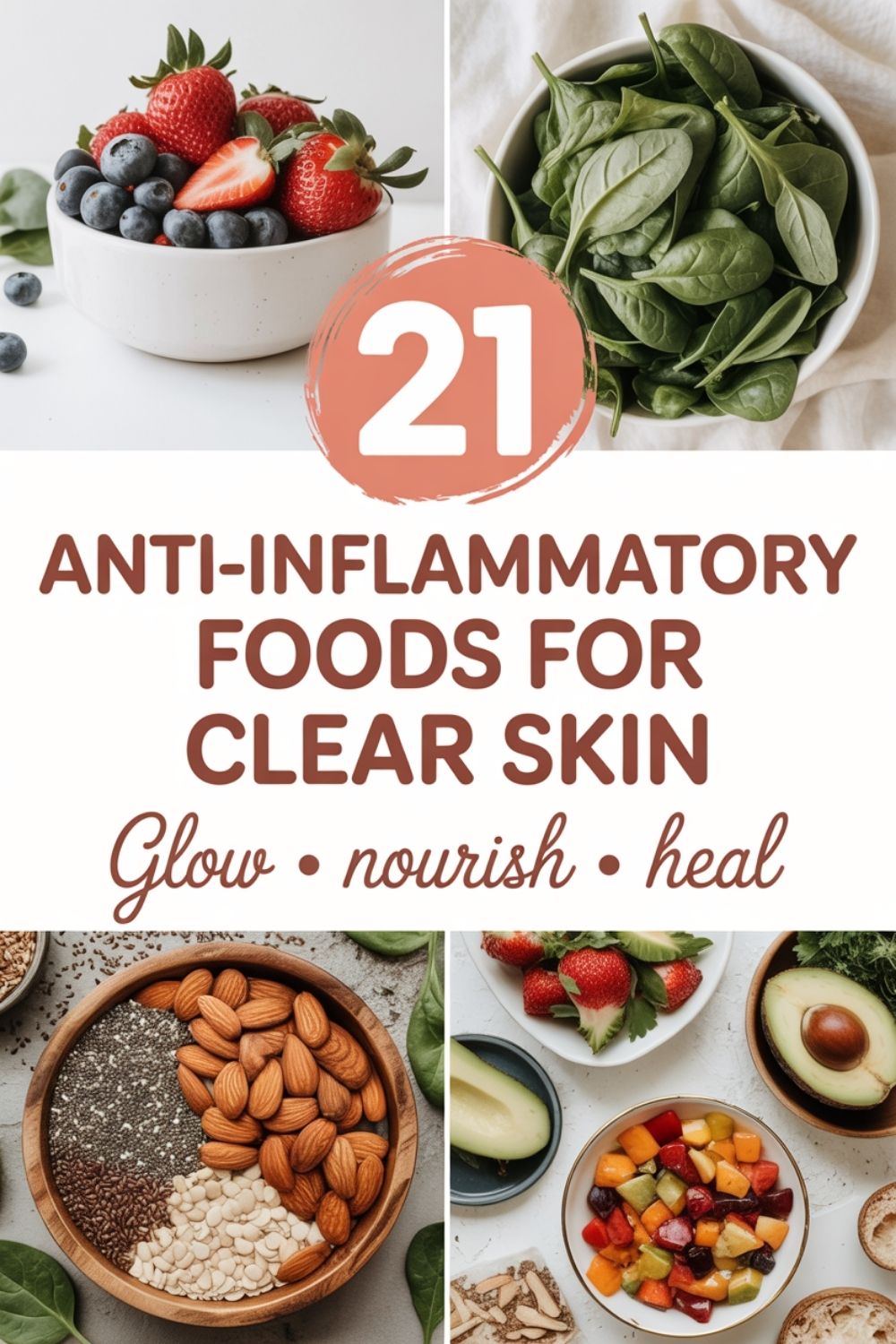
21 Anti-Inflammatory Foods for Clear Skin
Listen, I used to think skincare was all about what you slather on your face. Turns out, I was only half right. The real magic happens when you fuel your body with the right stuff—and I’m talking about foods that actually calm inflammation instead of cranking it up like a teenager’s spotify playlist.
Your skin is basically a mirror of what’s happening inside your body. When inflammation runs wild, it shows up as breakouts, redness, dullness, and those fine lines nobody asked for. But here’s the good news: you can fight back with your fork.
I’ve spent years figuring out which foods actually move the needle when it comes to clear, glowing skin. No gimmicks, no magic pills—just real food that works. Ready to meet the 21 anti-inflammatory all-stars that’ll transform your complexion from the inside out?
Why Inflammation Wrecks Your Skin (And What You Can Do About It)
Before we jump into the food list, let’s talk about why inflammation is basically your skin’s worst enemy. When your body is in a constant state of inflammation, it triggers a cascade of reactions that break down collagen, ramp up oil production, and leave you looking tired and puffy.
Think of inflammation like a fire alarm that won’t shut off. A little inflammation? That’s normal—your immune system doing its job. But chronic inflammation is like that alarm blaring 24/7, and your skin pays the price. According to Harvard Health, many major diseases including skin conditions have been linked to ongoing inflammation.
The foods you eat can either fan those flames or help put them out. Research published in the National Institutes of Health shows that diet significantly impacts inflammatory skin diseases like psoriasis, acne, and eczema. So yeah, what’s on your plate actually matters.
📊 Anti-Inflammatory Meal Tracker & Skin Journal
Struggling to connect which foods trigger breakouts? This printable meal and skin tracker helps you log what you eat alongside daily skin observations. After 30 days, you’ll have clear patterns showing exactly which foods make your skin glow and which ones cause chaos. Includes symptom tracking, inflammation markers, and mood correlations.
✓ Track meals, skin reactions & inflammation markers
✓ Identify your personal trigger foods
✓ PDF format – print or use digitally
The 21 Anti-Inflammatory Foods Your Skin Will Thank You For
1. Fatty Fish (Salmon, Mackerel, Sardines)
If I could only pick one food for clear skin, fatty fish would be it. We’re talking salmon, mackerel, sardines—basically anything swimming in omega-3 fatty acids. These healthy fats are like little firefighters for inflammation, and they keep your skin supple and hydrated.
I aim for wild-caught salmon at least twice a week. Yeah, it’s pricier than the farmed stuff, but your skin (and heart) will notice the difference. Can’t stand fish? Algal oil supplements are a solid backup since fish actually get their omega-3s from algae anyway.
2. Blueberries
These little purple powerhouses are loaded with anthocyanins—fancy antioxidants that protect your collagen from breaking down. I toss a handful into my morning smoothie or just eat them straight from the fridge when I’m too lazy for anything elaborate.
Blueberries are also stupidly easy to keep on hand. Grab a bag of frozen ones, and you’re set for weeks. They’re just as nutritious as fresh, and way cheaper.
3. Leafy Greens (Spinach, Kale, Swiss Chard)
Yeah, yeah, eat your greens. But seriously—spinach, kale, and Swiss chard are packed with vitamins A, C, and E, which fight free radical damage and boost skin elasticity. They’re also loaded with fiber, which helps keep your gut happy (and a happy gut means clearer skin).
I’ll be honest: I don’t love kale raw. But massaged with a bit of olive oil and lemon? Game changer. Or just throw it into a soup where you won’t even taste it. No judgment here.
If you’re looking for more ways to incorporate these into your routine, you might love this 7-day Mediterranean anti-inflammation meal plan that makes eating greens actually enjoyable.
4. Turmeric
This golden spice isn’t just for curry. Turmeric contains curcumin, which is one of the most powerful anti-inflammatory compounds you can eat. It literally helps turn off inflammation at the cellular level.
Here’s the catch: your body doesn’t absorb curcumin that well on its own. You need black pepper to activate it. So whenever I use turmeric, I add a pinch of black pepper. I keep this spice grinder on my counter specifically for fresh turmeric and black pepper blends—makes it stupid easy.
5. Tomatoes
Tomatoes are bursting with lycopene, an antioxidant that boosts your skin’s natural UV protection and reduces redness. Fun fact: cooked tomatoes actually have more available lycopene than raw ones. So that marinara sauce? Totally counts.
I always have a few cans of organic crushed tomatoes in my pantry. They’re perfect for quick pasta sauces, soups, or shakshuka when I want something that feels fancy but takes zero effort.
6. Walnuts
Walnuts are one of the few plant-based sources of omega-3s, plus they’re loaded with vitamin E and antioxidants. They also make a killer snack when you’re staring into the fridge at 3 PM wondering what to eat.
I like to toast them lightly in a pan (or use my mini toaster oven so I don’t have to babysit them) and sprinkle them over salads or oatmeal. Adds texture and a slightly sweet, earthy flavor.
7. Avocado
If you’re not already obsessed with avocados, where have you been? They’re packed with healthy monounsaturated fats, vitamin E, and compounds that maintain skin integrity and hydration. Plus, they’re creamy and delicious—what’s not to love?
I go through about four avocados a week. Toast, salads, smoothies, or just straight up with a spoon and some sea salt. Living my best millennial life over here.
OXO Good Grips 3-in-1 Avocado Slicer
Look, I’ve ruined too many avocados trying to pit them with a knife like some kind of culinary hero. This avocado tool splits, pits, and slices in one motion—no more brown spots from bruising or stabbing yourself. The plastic blade is sharp enough to work but safe enough that you won’t end up in urgent care.
Speaking of breakfast ideas, you might also love these Mediterranean high-fiber breakfast options that feature avocado in creative ways.
8. Sweet Potatoes
Sweet potatoes get their gorgeous orange color from beta-carotene, which your body converts into vitamin A. This nutrient promotes skin cell turnover and helps prevent clogged pores—basically, it keeps your skin fresh and smooth.
I meal prep these every week. Just pierce them with a fork, wrap in foil, and roast at 400°F for about 45 minutes. Then I’ve got easy sides or quick meals ready to go all week.
9. Green Tea
Green tea is loaded with polyphenols and antioxidants that reduce inflammation and protect against UV damage. It’s also way gentler on your system than coffee (though I’m definitely not giving up my morning espresso).
I drink a cup most afternoons when I need something warm but don’t want the caffeine crash. Just don’t oversteep it—bitter green tea is nobody’s friend.
10. Extra Virgin Olive Oil
EVOO is a staple of the Mediterranean diet for good reason. It’s rich in oleic acid and polyphenols that fight inflammation and keep your skin looking youthful. According to research on the anti-inflammatory diet from Johns Hopkins, olive oil is a cornerstone of inflammation-fighting eating patterns.
I use it for everything—salad dressings, sautéing veggies, drizzling over roasted vegetables. Just make sure you’re buying the real deal. Look for dark bottles and terms like “cold-pressed” or “first cold press.”
11. Broccoli
Broccoli contains sulforaphane, a compound with serious anti-inflammatory and antioxidant properties. It may help protect skin health and even slow down aging effects. Basically, it’s a tiny tree that makes you look younger.
I’ll admit, I used to hate broccoli until I learned to roast it properly. Toss it with olive oil, garlic, and a pinch of red pepper flakes, then roast at 425°F until it’s crispy on the edges. Trust me on this one. If you want to make meal prep even easier, check out this Mediterranean high-fiber meal prep plan that includes perfectly seasoned roasted veggies.
12. Dark Chocolate (70% Cocoa or Higher)
Yes, chocolate made the list. But we’re talking real dark chocolate here—at least 70% cocoa. It’s loaded with flavonoids that reduce inflammation and protect your skin from damage. The sugar-loaded milk chocolate bars don’t count, sorry.
I keep these individually wrapped dark chocolate squares in my desk drawer for when I need something sweet but don’t want to derail my skin progress. One or two pieces hits the spot without overdoing it.
13. Chia Seeds
Don’t let their size fool you—chia seeds pack a nutritional punch with omega-3s, fiber, and minerals. The key is grinding them fresh before use to get maximum benefits.
I dump a tablespoon into my smoothies or make chia pudding by soaking them in almond milk overnight. Add some berries and a drizzle of honey, and you’ve got breakfast or dessert that’s actually good for your skin.
14. Ginger
Ginger has been used for centuries to fight inflammation, and modern research backs it up. It contains gingerol, a compound with powerful anti-inflammatory and antioxidant effects.
I grate fresh ginger into stir-fries, smoothies, and tea. You can also find crystallized ginger if you want a slightly sweet snack that still delivers the anti-inflammatory benefits.
15. Strawberries and Raspberries
All berries are great, but strawberries and raspberries deserve their own shoutout. They’re high in vitamin C, which supports collagen production, and loaded with antioxidants that protect against free radical damage.
I buy them fresh in season and frozen the rest of the year. Frozen berries are perfect for smoothies, and you don’t have to worry about them going bad in two days like fresh ones do.
For more berry-powered meals, try this 7-day anti-inflammatory smoothie plan that makes getting your daily berries ridiculously easy.
16. Garlic
Garlic contains sulfur compounds that have anti-inflammatory properties and support immune function. Plus, it makes everything taste better, which is reason enough to use it liberally.
I probably use garlic in 80% of my savory cooking. Minced, roasted, or pressed through this garlic press that actually works (unlike the three before it that broke immediately).
17. Almonds
Almonds are rich in vitamin E, healthy fats, and fiber. They help maintain skin barrier function and reduce inflammatory responses. Just watch your portions—they’re calorie-dense, and it’s way too easy to demolish half a jar while watching TV.
I portion out a quarter cup into small containers for grab-and-go snacks. Keeps me honest about serving sizes.
18. Quinoa
This pseudo-grain is actually a complete protein, meaning it contains all nine essential amino acids. It’s also high in fiber and has anti-inflammatory properties. Research shows people who eat whole grains like quinoa have lower levels of inflammatory markers compared to those who eat refined grains.
I cook a big batch on Sunday and use it throughout the week for grain bowls, salads, or as a side dish. It’s basically the chameleon of grains—takes on whatever flavor you throw at it.
19. Bell Peppers
Bell peppers, especially red ones, are loaded with vitamin C and beta-carotene. They’re also high in quercetin, an antioxidant that reduces inflammation. Plus, they add a satisfying crunch to just about everything.
I slice them up for snacks with hummus, toss them in stir-fries, or roast them for meal prep. This vegetable chopper makes the prep work laughably easy—no more crying over cutting boards.
20. Fermented Foods (Yogurt, Kimchi, Sauerkraut)
Your gut health and skin health are deeply connected. Probiotic-rich fermented foods support a healthy microbiome, which reduces inflammation and improves skin clarity. If your gut is a mess, your skin will be too.
I eat plain Greek yogurt almost every morning with berries and nuts. On the savory side, I keep kimchi and sauerkraut in my fridge for adding to bowls, eggs, or eating straight from the jar (don’t judge).
Ball Wide Mouth Mason Jars (Set of 12)
I’m obsessed with these wide mouth mason jars for storing everything—overnight oats with berries, chia pudding, chopped veggies, homemade dressings with turmeric and ginger. The wide opening makes them actually usable (unlike those narrow ones where half your food gets stuck), and they’re glass so no weird chemical leaching into your anti-inflammatory meals.
21. Beets
Beets are high in betalains, pigments with strong anti-inflammatory properties. They also support liver detoxification, which helps your body clear out inflammatory compounds more efficiently.
I’ll be real—I’m not a huge fan of the earthy taste. But roasted with some olive oil and balsamic vinegar? Pretty darn good. Or you can do what I usually do and toss them into smoothies where you can’t really taste them but still get the benefits.
For a complete approach to reducing inflammation through food, check out this 30-day anti-inflammation challenge that walks you through incorporating all these foods into your routine.
Foods to Avoid (Because They’re Basically Skin Sabotage)
Now that we’ve covered what to eat, let’s talk about what to skip. These are the usual suspects that crank up inflammation and wreak havoc on your complexion.
Refined Sugar: This stuff spikes insulin, increases oil production, and accelerates aging through a process called glycation. It’s in way more foods than you think—sauces, dressings, “healthy” granola bars. Check those labels.
Refined Carbohydrates: White bread, pasta, pastries—they cause blood sugar spikes that promote inflammation. Swap them for whole grain alternatives like quinoa, brown rice, or whole wheat options.
Fried Foods: High in trans fats and inflammatory oils. They’re not doing your heart or your skin any favors. If you’re craving crispy stuff, an air fryer can satisfy that craving with way less inflammatory damage.
Dairy (For Some People): This one’s controversial because dairy doesn’t affect everyone the same way. But for some folks, it triggers acne due to hormones and sugars in milk. If you suspect dairy is a problem, try plant-based alternatives like oat or almond milk for a few weeks and see what happens.
Excess Omega-6 Fatty Acids: Found in vegetable oils like corn, soybean, and sunflower oil. The ratio of omega-6 to omega-3 matters, and most people consume way too much omega-6, which can actually promote inflammation.
How to Actually Eat This Way (Without Losing Your Mind)
Look, I get it. Reading a list of 21 foods is one thing. Actually incorporating them into your life is another. Here’s how I make it work without turning into a full-time meal prep robot.
Start Small: Don’t try to overhaul everything overnight. Pick three foods from this list and focus on adding them to your routine this week. Next week, add three more. Build the habit gradually.
Meal Prep Smart: I cook a big batch of quinoa, roast a sheet pan of vegetables, and prep some protein on Sundays. Then I mix and match throughout the week. It’s not fancy, but it works.
Keep It Simple: You don’t need complicated recipes. A piece of salmon with roasted broccoli and sweet potato is a perfectly good anti-inflammatory meal. Don’t overthink it.
Make Smoothies Your Friend: When I’m rushed, I throw spinach, frozen berries, chia seeds, and almond milk in a blender. Takes three minutes, and I’ve knocked out a bunch of these foods before I’m even fully awake.
If you’re struggling with where to start, this anti-inflammation plan for busy women breaks everything down into manageable steps.
🍽️ Mediterranean Anti-Inflammatory Recipe eBook
Ready to stop Googling “what should I eat for clear skin” every single day? This comprehensive Mediterranean recipe collection includes 100+ anti-inflammatory recipes designed specifically for skin health. Every recipe features ingredients from this list, complete with prep times, nutritional breakdowns, and skin-benefit callouts.
✓ 100+ breakfast, lunch, dinner & snack recipes
✓ Shopping lists organized by week
✓ Skin-specific nutritional annotations
✓ Instant digital download
The Skin-Gut Connection You Can’t Ignore
Here’s something wild: your gut and your skin are in constant communication. When your gut is inflamed or your microbiome is out of balance, it shows up on your face. Acne, eczema, rosacea—they’re all connected to gut health.
That’s why fermented foods and fiber-rich options are so important. They feed the good bacteria in your gut, which helps reduce systemic inflammation and keeps your skin clear. It’s not just about topical treatments—you’ve got to heal from the inside.
For a gut-focused approach to better skin, try this gut-healing Mediterranean menu that prioritizes foods rich in probiotics and prebiotics.
Supplements: Do You Need Them?
Ideally, you’d get everything from food. Realistically? Sometimes supplements help fill the gaps, especially if you’re not a fish person or have dietary restrictions.
I take an omega-3 supplement most days because I don’t always hit my fish quota. I also use a quality probiotic when I’ve been traveling or eating like garbage and need to reset my gut.
But here’s the thing: supplements should supplement, not replace, real food. You can’t out-supplement a crappy diet. Focus on the food first, then add supplements if needed.
Beyond Food: The Lifestyle Factors That Matter
Food is huge, but it’s not the only player in the clear skin game. Sleep, stress, and exercise all impact inflammation levels too. According to research from the National Institutes of Health, lifestyle behaviors including sleep and exercise significantly affect inflammatory skin conditions.
Sleep: When you don’t sleep enough, your body pumps out stress hormones and inflammatory compounds. Aim for 7-8 hours. Your skin literally repairs itself while you sleep—don’t skip this step.
Stress Management: Chronic stress = chronic inflammation. Find what works for you—meditation, walks, yoga, or just sitting quietly with your coffee before the chaos starts. I’m not good at this one, but I’m working on it.
Exercise: Moderate exercise has anti-inflammatory effects. Just don’t go crazy with high-intensity workouts every day—that can actually increase inflammation. Balance is key.
Cooking Methods That Preserve (Or Destroy) Nutrients
How you cook these foods matters almost as much as which foods you choose. Some methods preserve anti-inflammatory compounds, while others destroy them.
Best Methods: Steaming, light sautéing, and roasting at moderate temperatures (under 425°F) help retain nutrients. Silicone baking mats are great for roasting without sticking or needing tons of oil.
Ninja Foodi 8-Quart Multi-Cooker
Real talk: this multi-cooker changed my meal prep game completely. It pressure cooks, slow cooks, steams, and air fries—all methods that preserve the anti-inflammatory properties of these foods. I use it for steaming salmon with ginger and garlic, pressure cooking sweet potatoes in 10 minutes, or making big batches of quinoa without babysitting the stove. Worth every penny.
Avoid: Deep frying and grilling at high heat create advanced glycation end products (AGEs) that promote inflammation. If you do grill, stick to vegetables and fish rather than red meat, which produces more inflammatory compounds when charred.
Raw vs. Cooked: Some nutrients are more available when cooked (like lycopene in tomatoes), while others are best raw (like vitamin C in bell peppers). Mix it up for maximum benefit.
For meal ideas that use the best cooking methods, check out this Mediterranean family meal plan with techniques that preserve nutrients while making food actually taste good.
📱 Clear Skin Meal Planner App
Meal planning for clear skin shouldn’t require a degree in nutrition. This anti-inflammatory meal planning app generates custom weekly plans based on your skin concerns (acne, redness, aging, sensitivity). Automatically creates shopping lists, tracks your anti-inflammatory food intake, and even sends reminders to prep ingredients. Works offline too.
✓ Personalized plans for your skin type
✓ Auto-generated grocery lists
✓ Ingredient prep reminders
✓ Progress photos & skin tracking built-in
Frequently Asked Questions
How long does it take to see skin improvements from anti-inflammatory eating?
Most people notice changes within 2-4 weeks, though it varies based on your starting point and consistency. Your skin cells turn over about every 28 days, so give it at least a month before judging results. Some people see reduced redness or fewer breakouts within the first week, while deeper changes like improved texture and tone take longer.
Can I eat anti-inflammatory foods and still have occasional treats?
Absolutely. This isn’t about perfection—it’s about consistency. Following an 80/20 approach (eating anti-inflammatory foods 80% of the time) works well for most people. The key is making sure your baseline diet supports skin health, then occasional indulgences won’t derail your progress. Just don’t let “occasional” turn into every day.
Will anti-inflammatory foods help with acne scars or just active breakouts?
These foods primarily help reduce active inflammation, which means fewer new breakouts and less redness. For existing scars, the vitamin C and antioxidants in these foods support collagen production, which can gradually improve skin texture over time. But for significant scarring, you’ll probably need targeted treatments like retinoids or professional procedures alongside the dietary changes.
Do I need to cut out dairy completely for clear skin?
Not necessarily. Dairy affects people differently—some see major improvements by cutting it out, while others notice zero difference. Try eliminating it for 3-4 weeks and see what happens to your skin. If you don’t see changes, dairy probably isn’t your trigger. If you do improve, you might be able to tolerate small amounts of fermented dairy like yogurt or kefir, which have different inflammatory properties than milk or cheese.
Are organic versions of these foods necessary?
Ideally, yes for certain foods—especially the “Dirty Dozen” like strawberries, spinach, and kale that tend to have higher pesticide residues. But if budget is tight, don’t let it stop you from eating these foods at all. Frozen organic options are often cheaper than fresh and just as nutritious. The benefits of eating conventional berries still outweigh not eating them at all.
Making It Stick: Your Action Plan
Here’s your realistic game plan for making anti-inflammatory eating a lifestyle, not a temporary diet that you abandon after two weeks.
Week 1-2: Add three new anti-inflammatory foods to your current routine. Maybe that’s starting your day with berries and walnuts in your oatmeal, having salmon twice this week, and snacking on bell peppers with hummus. Don’t change everything—just add.
Week 3-4: Start crowding out inflammatory foods by replacing them with better options. Swap your afternoon chips for almonds. Choose quinoa instead of white rice. Use olive oil instead of vegetable oil. Small swaps, big impact.
Month 2: Get more strategic with meal planning. Pick one of the meal plans I linked earlier and follow it for a week. See how you feel, notice what works, and adjust from there. This 7-day Mediterranean clean eating plan is a solid starting point.
Month 3 and Beyond: By now, this should feel pretty natural. You’ll know which foods make you feel and look great, and which ones trigger breakouts or inflammation. Keep refining based on what your skin (and body) tells you.
The Bottom Line
Your skin is your body’s largest organ, and it’s constantly communicating what’s happening inside. Feed it anti-inflammatory foods consistently, and you’ll see the difference—not just in your complexion, but in how you feel overall.
These 21 foods aren’t magic bullets. You won’t wake up tomorrow with perfect skin just because you ate some blueberries. But give it time, stay consistent, and you’ll start noticing changes. Fewer breakouts. Less redness. More glow. Better texture.
The cool part? You’re not just improving your skin—you’re reducing inflammation throughout your entire body, which means you’re setting yourself up for better long-term health. Clear skin is just the visible bonus.
Start small, be patient with yourself, and remember that progress isn’t always linear. Some weeks will be better than others, and that’s completely normal. The goal isn’t perfection—it’s creating sustainable habits that support the skin (and life) you actually want.
Now go stock your kitchen with some of these foods and see what happens. Your future skin will thank you.