
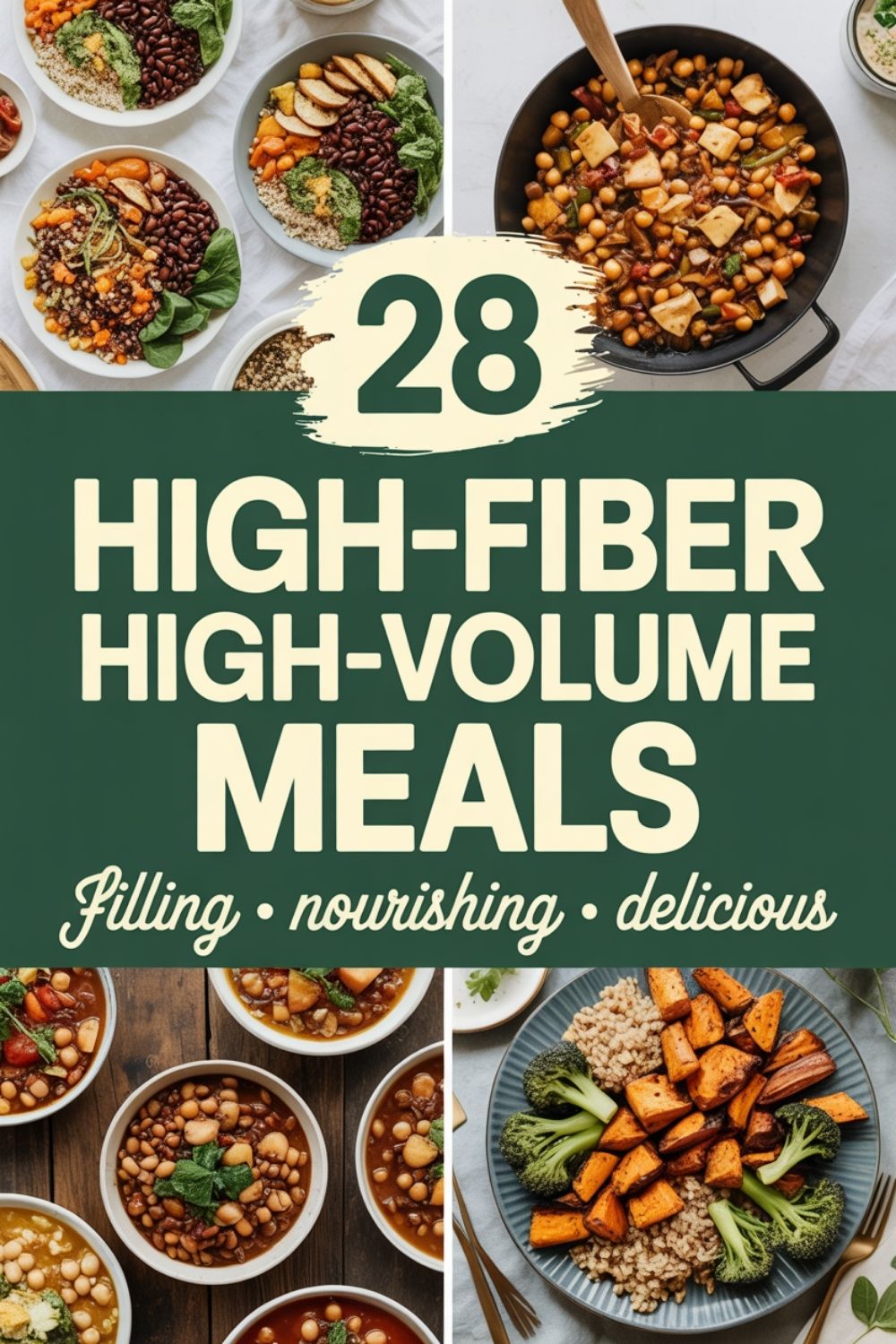
28 High-Fiber High-Volume Meals That’ll Actually Fill You Up
Look, I get it. You’re tired of eating meals that leave you rummaging through the pantry an hour later like some kind of snack-seeking missile. You want to feel full without eating your weight in butter or adding another notch to your belt. That’s where high-fiber, high-volume meals swoop in like the hero nobody asked for but everyone desperately needs.
The concept is brilliantly simple: eat more food, consume fewer calories, and actually feel satisfied. We’re talking about meals that fill your plate and your stomach without sending your calorie count into the stratosphere. Research shows that fiber doesn’t just keep things moving in your digestive tract—it also helps control blood sugar, supports heart health, and even assists with weight management.
Here’s the deal: most of us are eating like we’re afraid of vegetables. The average person consumes less than half the recommended daily fiber intake. That’s not just bad for your bathroom schedule; it’s sabotaging your satiety signals and making weight management way harder than it needs to be.
What Makes a Meal High-Volume and High-Fiber?
Before we jump into the meal ideas, let’s talk science for a second—don’t worry, I’ll keep it brief. High-volume eating, sometimes called the Volumetrics approach, focuses on foods with lots of water and fiber but relatively few calories. Think vegetables, fruits, whole grains, and legumes.
When you pile your plate with these foods, you’re essentially gaming the system. Your stomach has stretch receptors that signal fullness based on volume, not just calories. So a massive bowl of veggie-packed soup can trigger those “I’m satisfied” signals just as effectively as a tiny portion of calorie-dense food—except you actually ate enough to feel full.
According to clinical research, dietary fiber is linked to lower rates of cardiovascular disease, type 2 diabetes, and colorectal cancer. The benefits go way beyond just feeling full—we’re talking about serious long-term health perks.
The Fiber-Volume Connection
Fiber is like the scaffolding of plant foods. It adds bulk without adding calories, slows digestion (which keeps you fuller longer), and feeds the beneficial bacteria in your gut. There are two types worth knowing about: soluble fiber dissolves in water and forms a gel-like substance in your digestive system, while insoluble fiber stays intact and helps keep things moving smoothly.
Most high-volume foods are naturally high in both types of fiber. When you combine that fiber content with high water content—like in cucumbers, tomatoes, or berries—you get foods that take up serious real estate in your stomach without packing in the calories.
💡 Pro Tip
If you’re ramping up fiber intake, do it gradually and drink plenty of water. Your digestive system needs time to adjust, or you’ll spend quality time dealing with bloating and discomfort. Trust me on this one.
📊 High-Fiber Meal Tracker & Planner
Trying to hit your daily fiber goals without tracking feels like throwing darts blindfolded. This printable high-fiber meal planner and tracker helps you plan weekly meals, track your fiber intake, and monitor how different foods affect your satiety and energy levels. Includes pre-calculated fiber counts for 200+ common foods, weekly grocery lists, and a symptom tracker to identify which high-volume foods work best for your body.
What makes it useful: Pre-filled fiber values save you from constantly Googling nutrition info, and the visual progress tracker actually keeps you accountable without feeling restrictive.
Breakfast: Start Your Day With Volume
1. Overnight Oats With Berries and Chia Seeds
Mix half a cup of rolled oats with a cup of unsweetened almond milk, a tablespoon of chia seeds, and whatever berries you’ve got lying around. Let it sit overnight, and boom—breakfast is ready when you wake up. The oats and chia seeds expand as they absorb liquid, giving you a massive bowl of fiber-rich goodness for minimal calories.
I use this glass meal prep container set to make five servings at once. Sunday night prep, weekday morning hero status achieved.
Glass Meal Prep Containers with Airtight Lids (5-Pack)
These aren’t your flimsy plastic containers that warp in the microwave and stain after one spaghetti incident. We’re talking thick, tempered glass that goes from freezer to microwave to dishwasher without breaking a sweat. The airtight lids actually seal—no more discovering sad, dried-out leftovers.
Why you’ll love it: The portion control markings take the guesswork out of measuring servings, and they’re clear so you can see what’s inside without playing refrigerator roulette.
2. Veggie-Loaded Egg White Scramble
Scramble a cup of egg whites with diced bell peppers, mushrooms, spinach, and tomatoes. Season with whatever spices make you happy. You can pile your plate high with vegetables, and the egg whites add protein without much fat. If you’re feeling fancy, throw in some herbs.
For more morning fuel ideas, check out this 7-day Mediterranean high-fiber breakfast plan that takes the guesswork out of your mornings.
3. High-Fiber Smoothie Bowl
Blend frozen berries, a banana, spinach, and unsweetened almond milk until thick. Pour into a bowl and top with sliced fruit, a sprinkle of granola, and some chia seeds. The key here is making it thick enough to eat with a spoon—you want volume, not a drinkable smoothie.
I swear by this high-speed blender for getting that perfect thick consistency. No chunks of frozen fruit trying to escape mid-blend.
4. Greek Yogurt Parfait With Berries
Layer non-fat Greek yogurt with mixed berries and a small handful of high-fiber cereal or granola. The yogurt provides protein and probiotics, while the berries add fiber and antioxidants. You can make this massive and still keep it reasonable calorie-wise.
5. Whole Grain Toast With Avocado and Tomatoes
Toast two slices of whole grain bread, smash half an avocado on top, and pile on sliced tomatoes, microgreens, and a sprinkle of everything bagel seasoning. The bread and veggies give you fiber, while the avocado adds healthy fats that keep you satisfied.
If you’re curious about more Mediterranean-inspired starts to your day, this 7-day Mediterranean anti-inflammation meal plan includes breakfast options that prioritize both flavor and nutrition.
“I started making overnight oats every Sunday, and honestly, it’s been a game-changer. I used to skip breakfast because I was always rushing, but now I just grab a jar from the fridge. Down 12 pounds in two months, and I’m not even trying that hard.” — Jessica M., community member
Lunch: Midday Meals That Actually Satisfy
6. Giant Salad With Grilled Chicken
Start with a massive base of mixed greens, add shredded carrots, cucumber, bell peppers, cherry tomatoes, and chickpeas. Top with grilled chicken breast and a light vinaigrette. This is volume eating at its finest—you can eat a mixing bowl full of this and still be in calorie-deficit territory.
The secret is variety. If you’re eating the same boring salad every day, you’ll quit faster than a New Year’s gym membership. Mix up your vegetables, switch between different proteins, and experiment with dressings.
7. Lentil and Vegetable Soup
Cook lentils with diced tomatoes, carrots, celery, onions, and vegetable broth. Season with garlic, cumin, and paprika. Lentils are fiber powerhouses, and soup is inherently high-volume thanks to all that liquid. According to nutrition experts, legumes like lentils are among the best sources of dietary fiber you can find.
I make this in my programmable slow cooker on Sunday and eat it all week. Set it, forget it, have lunch ready for days.
8. Quinoa Buddha Bowl
Layer cooked quinoa with roasted vegetables (think broccoli, cauliflower, sweet potato), chickpeas, and a tahini dressing. Quinoa is a complete protein and packs in fiber, while the roasted veggies add volume without many calories.
9. Turkey and Veggie Wrap
Use a large whole grain tortilla and stuff it with sliced turkey breast, lettuce, tomatoes, cucumbers, shredded carrots, and hummus. Roll it tight and slice it in half. The wrap itself adds fiber, and you can load it with so many vegetables that it becomes almost too big to eat. Almost.
Speaking of wraps and Mediterranean flavors, this 7-day gut-healing Mediterranean menu has several lunch ideas that focus on digestive health alongside fiber.
10. Vegetable Stir-Fry With Brown Rice
Stir-fry a ridiculous amount of vegetables—snap peas, broccoli, bell peppers, mushrooms, bok choy—with a small amount of oil, garlic, and ginger. Serve over brown rice. The vegetables provide the volume, the brown rice adds fiber and staying power.
For perfect stir-fries, I use this carbon steel wok. Heats evenly, doesn’t stick, and you can toss vegetables around like you actually know what you’re doing.
Pre-Seasoned Carbon Steel Wok (14-inch)
Non-stick pans are great until they’re not. This carbon steel wok develops a natural non-stick patina the more you use it, gets screaming hot for proper vegetable stir-frying, and will literally outlive you. It’s lighter than cast iron but just as durable, and the 14-inch size is perfect for cooking those massive vegetable portions without crowding.
Why you’ll love it: You can cook an entire pound of vegetables without steaming them into mush. The high heat and sloped sides mean everything gets that restaurant-quality char.
💡 Quick Win
Prep your vegetables on Sunday night and store them in clear containers at eye level in your fridge. You’ll thank yourself all week when lunch assembly takes five minutes instead of twenty.
11. Black Bean and Corn Salad
Mix black beans, corn, diced bell peppers, red onion, cilantro, and lime juice. This can be eaten on its own or scooped onto whole grain crackers. Black beans are fiber-dense, and you can eat a massive serving without overdoing calories.
12. Chicken and Vegetable Skewers
Thread chicken breast pieces, cherry tomatoes, bell peppers, zucchini, and onions onto skewers. Grill or bake. The vegetables bulk up the meal, and the chicken provides lean protein. You can eat several skewers and still stay within reasonable calorie limits.
For additional high-protein options that complement volume eating, check out this 14-day Mediterranean high-protein anti-inflammatory plan.
Dinner: End Your Day Satisfied
13. Zucchini Noodles With Marinara and Turkey Meatballs
Spiralize zucchini into noodles, sauté briefly, and top with marinara sauce and lean turkey meatballs. You can eat an enormous plate of zucchini noodles for a fraction of the calories in regular pasta. Plus, the vegetables add both volume and nutrients.
I spiralize with this handheld spiralizer because it’s easier to clean than the countertop versions and takes up zero space in my kitchen.
14. Stuffed Bell Peppers
Hollow out bell peppers and stuff them with a mixture of ground turkey, quinoa, diced tomatoes, and spices. Bake until the peppers are tender. Each pepper becomes a fiber-rich vessel for a satisfying meal, and you can eat two whole peppers without feeling guilty.
15. Cauliflower Fried Rice
Pulse cauliflower in a food processor until it resembles rice. Stir-fry with eggs, peas, carrots, and soy sauce. This gives you all the satisfaction of fried rice with way more volume and fiber, way fewer calories.
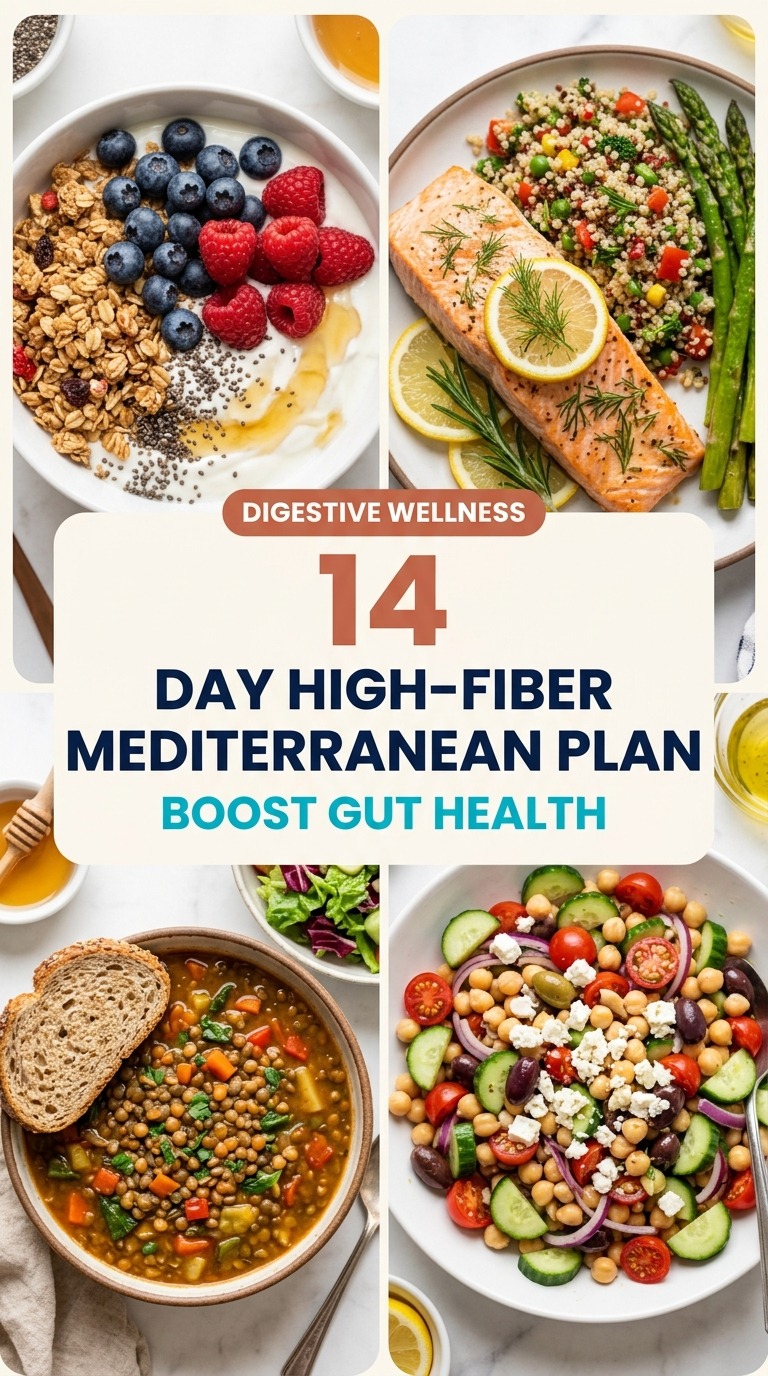
For those following structured plans, this 14-day high-fiber Mediterranean plan includes several cauliflower-based recipes that maximize volume.
16. Grilled Salmon With Roasted Brussels Sprouts
Season salmon with lemon and herbs, grill or bake. Roast Brussels sprouts with a tiny bit of olive oil until crispy. The salmon provides omega-3s and protein, while the Brussels sprouts add fiber and volume. You can eat a mountain of roasted Brussels sprouts and still be in good shape calorie-wise.
17. Spaghetti Squash Bolognese
Roast spaghetti squash, scrape out the strands, and top with a lean beef or turkey Bolognese sauce. Spaghetti squash is mostly water and fiber, so you can eat a huge portion without the calorie load of traditional pasta.
I roast mine in this ceramic baking dish that distributes heat perfectly and makes cleanup actually bearable.
“My husband was skeptical about cauliflower fried rice. Now he asks for it instead of regular rice. We’ve both lost weight without feeling like we’re on a diet, and honestly, that’s the best part.” — Rachel P., community member
18. Chicken Fajita Bowl
Sauté chicken breast strips with bell peppers and onions in fajita seasoning. Serve over cauliflower rice or a bed of lettuce with salsa, a small amount of cheese, and a dollop of Greek yogurt. The vegetables provide volume, and you can customize portions based on how hungry you are.
19. Eggplant Lasagna
Slice eggplant lengthwise, layer with marinara sauce, part-skim ricotta, and a sprinkle of mozzarella. Bake until bubbly. You get all the comfort of lasagna with added fiber and nutrients from the eggplant, minus the heavy pasta.
If you’re looking for family-friendly options that sneak in extra vegetables, this 14-day Mediterranean family meal plan has several crowd-pleasers.
20. Shrimp and Broccoli Stir-Fry
Stir-fry shrimp with a massive amount of broccoli florets, garlic, and ginger. Shrimp is low in calories and high in protein, while broccoli adds fiber and volume. You can eat a huge portion and still stay on track.
Snacks and Sides: Volume Without the Guilt
21. Air-Popped Popcorn
Air-pop popcorn and season with nutritional yeast or spices. Three cups of air-popped popcorn is only about 100 calories but takes up serious space in your stomach. It’s basically the ultimate high-volume snack.
I use this air popper that’s stupid-simple to use and doesn’t require oil. Pop, season, devour.
22. Cucumber and Hummus
Slice cucumbers and dip in hummus. Cucumbers are mostly water, so you can eat a ton of them. The hummus adds protein and healthy fats, making this snack actually satisfying.
23. Apple Slices With Almond Butter
Slice an apple and pair with a tablespoon of almond butter. The apple provides fiber and volume, while the almond butter adds healthy fats and protein. Just watch the almond butter portion—that stuff is calorically dense.
24. Carrot and Celery Sticks With Greek Yogurt Dip
Cut carrots and celery into sticks and dip in Greek yogurt mixed with herbs and garlic powder. You can eat a ridiculous amount of raw vegetables and barely make a dent in your calorie budget.
For those tackling bloating alongside fiber intake, this 7-day Mediterranean anti-bloat plan balances high-fiber foods with digestive-friendly options.
25. Roasted Chickpeas
Drain and rinse canned chickpeas, toss with spices, and roast until crispy. These are fiber bombs that you can munch by the handful. They’re satisfying, crunchy, and way better for you than chips.
I roast mine on this silicone baking mat that makes cleanup a joke and prevents sticking without added oil.
💡 Pro Tip
Keep pre-cut vegetables visible in clear containers at the front of your fridge. If healthy snacks are convenient, you’ll actually eat them instead of raiding the pantry for crackers at 3 PM.
26. Berry and Chia Seed Pudding
Mix chia seeds with unsweetened almond milk and let sit until it forms a pudding consistency. Top with fresh berries. Chia seeds absorb liquid and expand, creating volume and providing omega-3s and fiber.
27. Edamame
Steam edamame and sprinkle with sea salt. These little pods are packed with fiber and protein. You can eat a whole bowl while watching TV and actually feel good about your snacking choices.
28. Vegetable Soup
Make a big pot of vegetable soup with whatever vegetables need to be used up. Keep the broth light and pack in as many veggies as possible. Soup is inherently high-volume, and you can have a massive bowl for minimal calories.
I batch-cook soup in this 8-quart stockpot and freeze portions in individual containers. Future you will be grateful.
8-Quart Stainless Steel Stockpot with Steamer Insert
This beast handles everything from massive batches of vegetable soup to steaming a week’s worth of broccoli. The heavy-bottom construction prevents burning, the steamer insert is clutch for vegetables, and the 8-quart capacity means you cook once and eat multiple times. Stainless steel won’t react with acidic ingredients like tomatoes, so your soup actually tastes like soup.
Why you’ll love it: The steamer insert transforms this into two tools. Make soup in the pot while steaming vegetables on top—efficiency level: expert. The clear lid lets you monitor without releasing heat.
If you need more structured meal planning inspiration, this 7-day Mediterranean high-fiber meal prep plan walks you through exactly what to make and when. Get Full Recipe.
Making Volume Eating Work in Real Life
Here’s the thing about high-fiber, high-volume eating: it works, but you have to actually do it consistently. You can’t eat like this Monday through Wednesday and then spend the weekend demolishing pizza and expecting results.
The beauty of this approach is that it doesn’t feel like a diet. You’re eating more food, not less. Your plate looks full. Your stomach feels satisfied. You’re just making smarter choices about what fills that plate and stomach.
Grocery Shopping Strategy
Your grocery cart should be colorful and heavy. Seriously—produce is heavy. If your cart feels light, you’re probably not buying enough vegetables and fruits. Stock up on frozen vegetables too; they’re just as nutritious as fresh and won’t go bad before you use them.
Focus on the perimeter of the grocery store where the fresh foods live. The middle aisles are where processed foods hang out, and while you don’t need to avoid them entirely, they shouldn’t be the foundation of your shopping trip.
Meal Prep Is Your Friend
I know, I know—everyone talks about meal prep like it’s some magical solution. But honestly, spending a few hours on Sunday chopping vegetables, cooking grains, and prepping proteins makes the entire week easier. You’re way more likely to stick with high-volume eating when the work is already done.
You don’t need to prep every single meal. Even just having vegetables chopped and proteins cooked means you can throw together a meal in minutes instead of ordering takeout because you’re too tired to cook.
For those ready to commit to a longer challenge, this 30-day high-fiber anti-inflammation program provides daily meal plans that take the guesswork out completely.
Eating Out Without Derailing
High-volume eating doesn’t mean you can never eat at restaurants. It just means making smarter choices when you do. Start with a salad or broth-based soup. Choose grilled proteins over fried. Ask for extra vegetables instead of fries. It’s not complicated; it just requires being intentional.
Most restaurants will accommodate reasonable requests. Don’t be that person who makes the server’s life hell with a million modifications, but asking for vegetables instead of rice or a side salad instead of fries is totally normal.
Dealing With Social Situations
Someone will inevitably comment on your food choices. Maybe it’s the family member who thinks you’re being difficult at Thanksgiving, or the coworker who questions why you’re eating “rabbit food” at lunch. Smile, nod, and keep doing what works for you.
You don’t owe anyone an explanation for how you eat. If people are genuinely curious, share what’s working for you. If they’re being judgmental, their opinion doesn’t need to live rent-free in your head.
“I was worried about eating high-fiber at restaurants, but honestly, most places have plenty of options. I just order smart—grilled fish with double vegetables instead of the pasta special. Still enjoy eating out, just make different choices.” — Marcus L., community member
The Science Behind Feeling Full
Your body has multiple signals for fullness, and understanding them helps make high-volume eating more effective. There are stretch receptors in your stomach that respond to physical volume. There are hormones like leptin and ghrelin that regulate hunger and satiety. And there’s your brain, which processes visual cues about portion sizes.
High-fiber foods slow gastric emptying, meaning food stays in your stomach longer. Health professionals note that the fluid and fiber in high-volume foods slow digestion, making you feel fuller for extended periods and helping control appetite naturally.
When you combine high fiber content with high water content, you’re hitting multiple satiety signals at once. Your stomach stretches from the volume. Digestion slows from the fiber. Blood sugar stays stable instead of spiking and crashing. It’s a multi-pronged approach to feeling satisfied.
Water Content Matters
Foods with high water content—like cucumbers, tomatoes, watermelon, and lettuce—take up space in your stomach without adding many calories. A cup of lettuce has about 5 calories. A cup of cucumber has about 16. You can literally eat bowls of these foods and barely impact your calorie intake.
Contrast that with calorie-dense foods like nuts or cheese. A quarter cup of almonds has about 200 calories. It’s not that nuts are bad—they’re nutritious and satisfying—but they don’t provide volume. You need both types of foods in your diet, but understanding the difference helps you make strategic choices.
Fiber’s Role in Blood Sugar
Fiber slows the absorption of sugar into your bloodstream, preventing those energy spikes and crashes that leave you hunting for snacks an hour after eating. Stable blood sugar means stable energy and fewer cravings.
This is why a bowl of oatmeal with berries keeps you fuller longer than a bagel with cream cheese, even if they have similar calories. The fiber content makes all the difference in how your body processes the food and how satisfied you feel afterward.
Those managing inflammation alongside weight goals might benefit from this 14-day anti-inflammatory eating plan for women that prioritizes fiber-rich, volume-friendly foods.
Common Mistakes to Avoid
Going Too Hard Too Fast
If you’re currently eating 10 grams of fiber per day and suddenly jump to 40 grams, your digestive system will stage a revolt. Bloating, gas, cramping—it’s not pretty. Increase fiber gradually, drink plenty of water, and give your gut time to adjust.
Forgetting About Protein and Healthy Fats
A giant salad is great, but if it’s just lettuce and vegetables with no protein or healthy fats, you’ll be starving in an hour. Balance is key. Include lean proteins, healthy fats from sources like avocado or nuts, and complex carbohydrates alongside all those vegetables.
Not Drinking Enough Water
Fiber needs water to do its job effectively. If you’re eating high-fiber foods but not drinking enough water, you might actually en