
14-Day Mediterranean High-Fiber Weight Loss Plan
14-Day Mediterranean High-Fiber Weight Loss Plan
So you want to lose weight, feel less bloated, and actually enjoy your food in the process? Yeah, same. The Mediterranean high-fiber combo is honestly one of the most effective — and least miserable — ways to do it. No calorie-counting spreadsheets. No sad iceberg lettuce. Just real, colorful, filling food that works with your body instead of against it.
I’ve personally followed variations of this plan multiple times, and the difference in energy levels alone is worth it. Add the weight loss on top, and it’s kind of a no-brainer. Let’s get into it.
Why Mediterranean + High Fiber Is Such a Powerful Combo
The Mediterranean diet on its own is already a nutritional powerhouse — olive oil, legumes, fish, fresh produce, whole grains. But when you intentionally stack it with high-fiber foods, something really clicks for weight loss.
Fiber keeps you full. It slows digestion, stabilizes blood sugar, and basically tells your hunger hormones to calm down. The Mediterranean diet is already naturally rich in fiber, so you’re not forcing anything weird — you’re just being intentional about it.
- Soluble fiber (from oats, legumes, fruits) slows digestion and feeds good gut bacteria
- Insoluble fiber (from veggies, whole grains) keeps things moving and adds bulk
- Combined, they reduce calorie intake naturally — without you feeling deprived
Studies consistently show that people on Mediterranean-style eating patterns maintain weight loss better long-term than those on restrictive diets. FYI, that’s not a coincidence — it’s because the food actually tastes good, so people stick with it.
What to Eat (and What to Ditch)
Before we map out the 14 days, let’s get clear on the building blocks.
Foods to Load Up On
- Legumes: Chickpeas, lentils, black beans, white beans — fiber champions, every one of them. If you’re not already cooking with lentils regularly, you’re seriously missing out. Check out these 25 Mediterranean lentil recipes packed with plant protein for some genuinely crave-worthy ideas.
- Whole grains: Farro, bulgur, barley, quinoa, oats — not white bread, sorry
- Vegetables: Especially leafy greens, artichokes, broccoli, Brussels sprouts, carrots
- Fruits: Berries, figs, pears, apples — all high-fiber superstars
- Healthy fats: Extra virgin olive oil, avocado, nuts, seeds
- Lean protein: Fish (especially oily fish like sardines and salmon), eggs, Greek yogurt, chicken
Foods to Reduce or Skip
- Processed snack foods
- Refined white carbs (white bread, white pasta)
- Added sugars and sugary drinks
- Heavily processed meats
- Deep-fried anything
You’re not eliminating joy from your life — you’re just upgrading it. 🙂
The 14-Day Plan Breakdown
This plan works in two phases: Week 1 is your reset, and Week 2 is your rhythm. By day 14, eating this way should feel natural rather than forced.
If you want a version you can print out and stick on your fridge, the 14-day high-fiber Mediterranean plan for beginners with a printable PDF is a fantastic companion to what we’re covering here.
Week 1: The Reset (Days 1–7)
The first week focuses on clearing out processed food noise and flooding your body with fiber-rich Mediterranean staples. Expect some digestive adjustment — totally normal when you ramp up fiber intake. Drink plenty of water. Seriously, hydration is non-negotiable when you eat more fiber.
Days 1–2: Simple and Familiar
- Breakfast: Greek yogurt with berries and a tablespoon of ground flaxseed
- Lunch: Big lentil soup with crusty whole grain bread
- Dinner: Baked salmon with roasted broccoli and quinoa
- Snack: Apple slices with almond butter
Days 3–4: Introduce Legumes Heavily
- Breakfast: Oats with chopped walnuts, cinnamon, and sliced banana
- Lunch: Chickpea and cucumber salad with lemon-olive oil dressing
- Dinner: Stuffed bell peppers with bulgur, tomatoes, and feta
- Snack: Hummus with carrot sticks and celery
Days 5–6: Ramp Up Veggies
- Breakfast: Spinach and egg scramble with whole grain toast
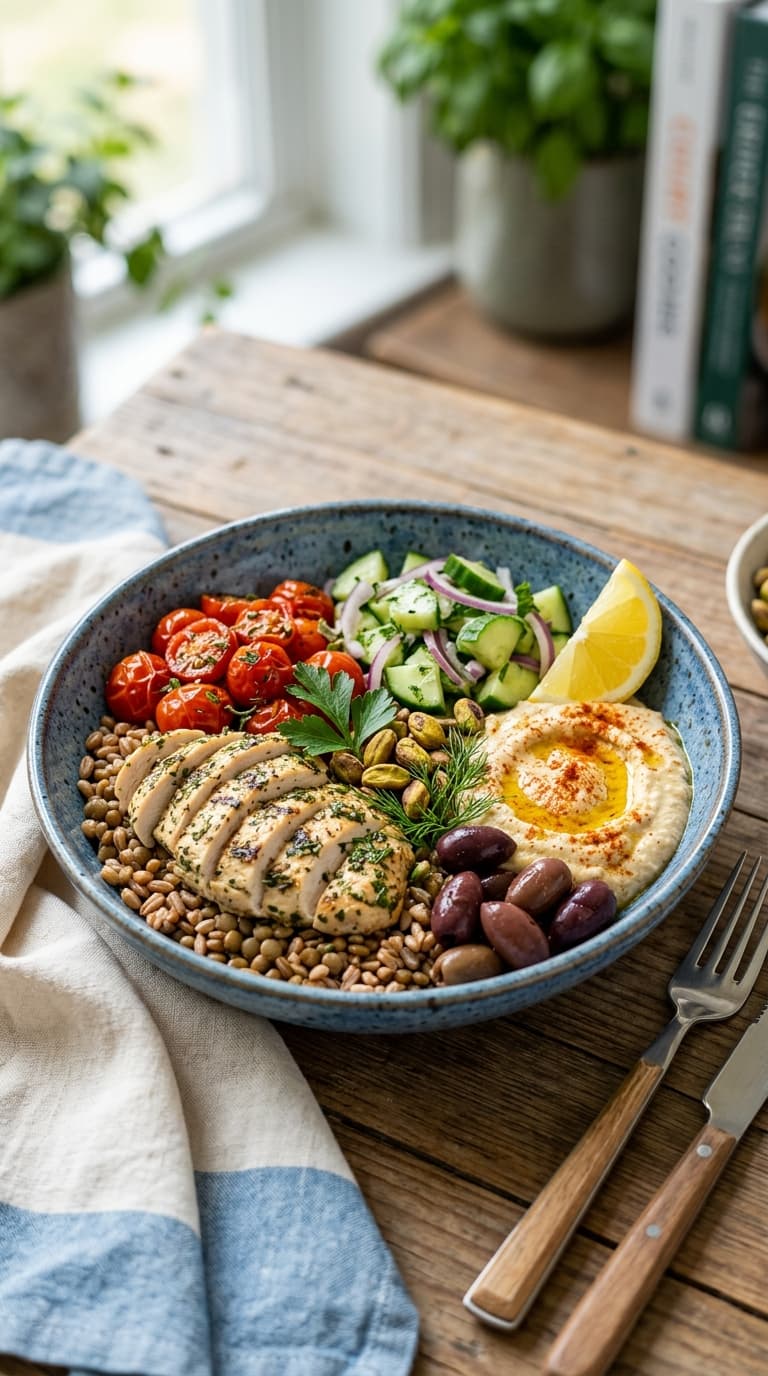
- Lunch: Tabbouleh with grilled chicken and pita
- Dinner: White bean and kale soup — honestly one of my personal favorites. Rich, earthy, and genuinely filling. If you want inspo, these gut-healing Mediterranean soups are next-level good.
- Snack: A pear or a small handful of mixed nuts
Day 7: Reset Checkpoint
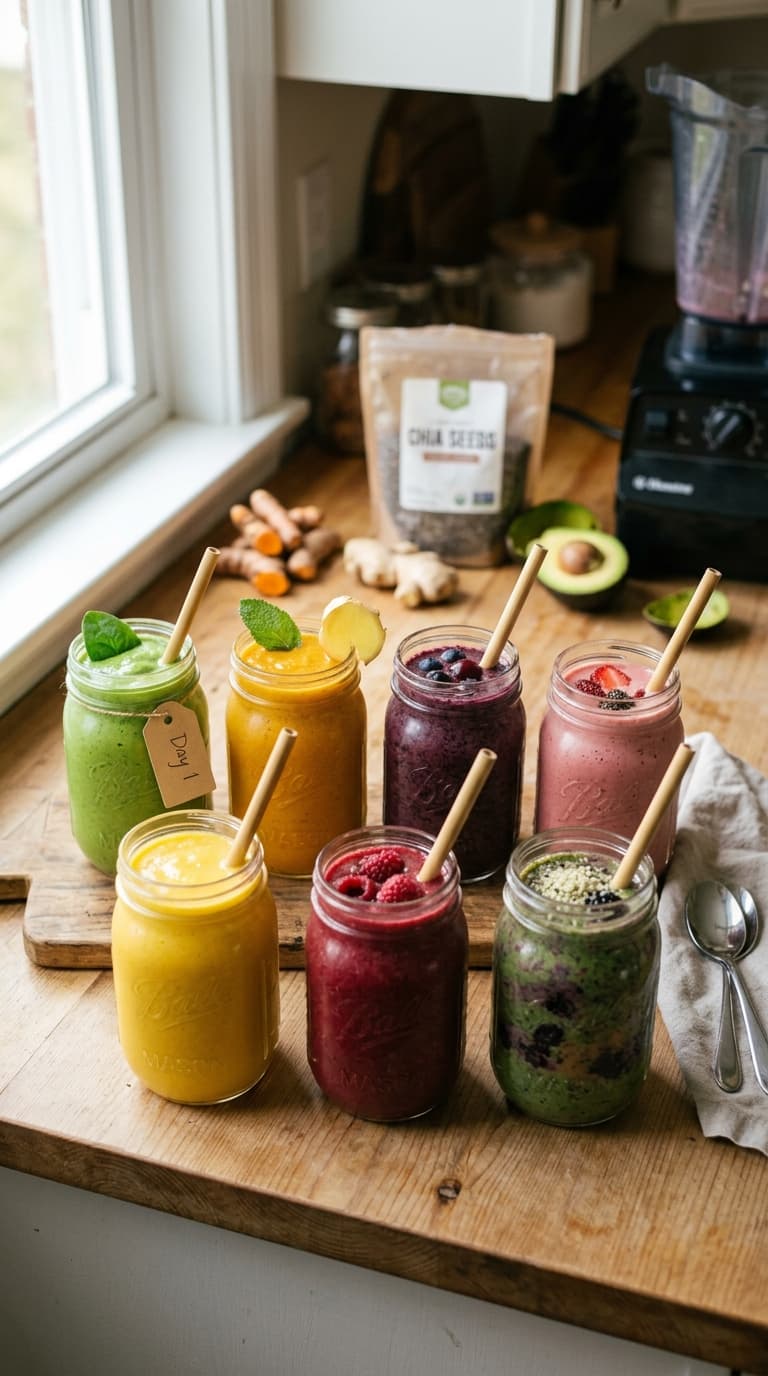
- Breakfast: Smoothie with spinach, frozen berries, Greek yogurt, and chia seeds
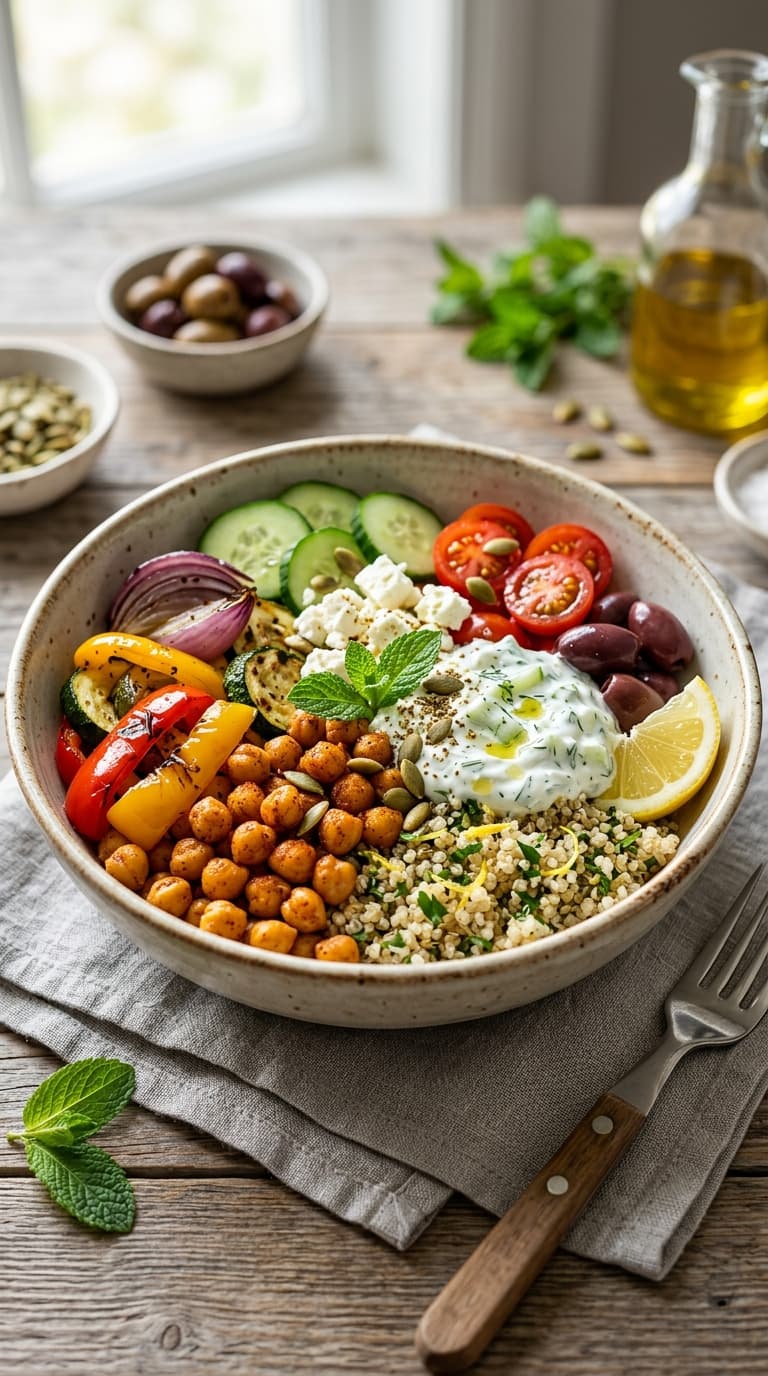
- Lunch: Mediterranean grain bowl with farro, roasted veggies, olives, and tahini
- Dinner: Grilled sardines or mackerel with a simple tomato-cucumber salad
- Snack: A small bowl of mixed berries
By the end of week one, most people report less bloating, better energy, and noticeably reduced cravings. Your gut bacteria are basically throwing a party right now.
Week 2: The Rhythm (Days 8–14)
Week 2 is where things click. Your body adjusts to the higher fiber intake, your hunger patterns stabilize, and you start feeling the momentum. This is also where you can start personalizing more based on what you loved from week one.
Days 8–9: Prioritize Protein + Fiber Combos
- Breakfast: High-fiber Mediterranean breakfast — think whole grain toast with smashed avocado and a poached egg
- Lunch: Falafel wrap in whole wheat pita with hummus, tomatoes, and greens
- Dinner: Shrimp with white beans, garlic, and wilted spinach in olive oil
- Snack: Edamame or roasted chickpeas — 25 Mediterranean chickpea recipes will give you endless ways to work these in
Days 10–11: Keep It Colorful
- Breakfast: Overnight oats with pomegranate seeds, honey, and pistachios
- Lunch: Big Greek salad with chickpeas, kalamata olives, cucumbers, and feta
- Dinner: Baked cod over a bed of roasted eggplant, zucchini, and tomatoes
- Snack: Sliced bell peppers with tzatziki
Days 12–13: Meal Prep Mode
These are great days to cook in batches. Make a big pot of lentil or vegetable soup, cook a grain in bulk, roast a tray of mixed veggies. Efficiency is your best friend on a plan like this — when food is already prepped, you’re far less likely to reach for something processed. For batch cooking ideas, these Mediterranean make-ahead recipes are genuinely useful.
- Breakfast: Barley porridge with dried figs and a drizzle of olive oil
- Lunch: Leftover grain bowl — pile on the roasted veggies, add a fried egg on top
- Dinner: Chicken with artichoke hearts, lemon, capers, and a side of barley
- Snack: High-fiber snacks that actually fill you up — almonds, fruit, or seed crackers with nut butter
Day 14: Celebrate the Finish
- Breakfast: Full Mediterranean spread — olives, eggs, whole grain bread, sliced tomatoes, cucumber, and labneh
- Lunch: A beautiful Mediterranean salad — not the sad kind, the kind with roasted beets, arugula, walnuts, and goat cheese
- Dinner: Whatever Mediterranean dish brought you the most joy this past two weeks. You earned it.
- Snack: A small square of dark chocolate. Yes, really. You’re welcome.
The Fiber Math: How Much Do You Actually Need?
Most people eat around 10–15 grams of fiber a day. The recommended amount is 25–38 grams depending on your age and gender. This plan gets you comfortably into that range without being obsessive about it.
Here’s roughly where your fiber is coming from each day:
- 1 cup cooked lentils = ~16g fiber
- 1 cup chickpeas = ~12g fiber
- 1 medium pear = ~5.5g fiber
- 1 cup broccoli = ~5g fiber
- 1 tablespoon chia seeds = ~5g fiber
- 1 cup cooked oats = ~4g fiber
Stack a few of these throughout the day and you’re easily hitting your target. No supplements required — just real food.
Practical Tips to Make This Plan Actually Work
Look, a plan is only as good as its execution. Here are a few things I’ve learned from doing this myself:
Don’t Go Too Fast on Fiber
If you currently eat minimal fiber, don’t jump from 10g to 38g overnight. Your gut will not thank you. IMO, ramp up over the first three or four days gradually and drink water constantly.
Prep Legumes in Bulk
Canned beans are perfectly fine — rinse them well. But if you cook dried lentils and chickpeas in big batches on Sunday, you’ll save money and have fiber-rich protein ready all week. Pair this with a 7-day Mediterranean meal prep approach and your weekday stress levels will drop noticeably.
Don’t Fear Olive Oil
A lot of people starting out on this plan still hold onto the fat-phobic mindset. Extra virgin olive oil is not the enemy — it’s a core part of why this diet works. The polyphenols in quality olive oil actively support gut health and reduce inflammation. Use it generously on salads, for roasting, and for sautéing.
Snacking Smart Matters
The difference between staying on track and falling off usually comes down to what you reach for between meals. Keep olives, nuts, hummus, cut veggies, and fruit within easy reach. If your kitchen is stocked, you won’t grab chips. Simple as that.
How This Plan Supports Weight Loss Specifically
Here’s what’s actually happening in your body during these 14 days:
Fiber fills the stomach and slows gastric emptying — meaning you physically feel full longer after meals. You eat less without consciously trying to eat less. That’s the magic.
Blood sugar stays more stable because soluble fiber slows glucose absorption. No big spikes, no dramatic crashes, no 3pm zombie mode. If you’re interested in seeing how this pairs with anti-inflammatory eating for even stronger results, the 14-day anti-inflammatory eating plan for women takes a really complementary approach.
Gut bacteria diversity improves, which is increasingly linked to healthy body weight regulation. The prebiotics in fiber feed your beneficial bacteria, and they repay you by producing short-chain fatty acids that support metabolism.
Calorie density drops naturally. High-fiber foods tend to be lower in calories per gram than processed foods. You can eat a genuinely satisfying volume of food and still maintain a calorie deficit without tracking every bite.
What to Drink on This Plan
Water is your foundation — aim for at least 2 liters a day, more if you’re active. Beyond that:
- Herbal teas (fennel and peppermint are especially great for digestion)
- Black coffee in moderation — fine and actually beneficial in small amounts
- Green tea — polyphenols galore
- Lemon water first thing in the morning
Alcohol? Keep it minimal. The odd glass of red wine is very Mediterranean and totally okay. A nightly bottle is not. :/
For more drink ideas that support the anti-inflammatory goals of this plan, these anti-inflammation drinks you can make at home are worth bookmarking.
What Happens After Day 14?
Honestly, the best outcome of this plan is that you don’t feel like you need to stop. The foods become familiar, the habits get automatic, and the results give you motivation to keep going.
If you want to extend the structure, a 30-day Mediterranean wellness plan is a natural next step. Or if you want to keep the anti-inflammatory focus going long-term, the 30-day high-fiber anti-inflammation program builds beautifully on everything you’ve established in these two weeks.
The point is — this isn’t meant to be a temporary thing you white-knuckle through. It’s meant to shift how you relate to food.
Final Thoughts
Fourteen days is genuinely enough time to feel a real difference — in your weight, your energy, your digestion, and your mood. The Mediterranean high-fiber approach works because it doesn’t ask you to suffer. It asks you to eat more of the good stuff and let your body do the rest.
Start with day one. Keep it simple. Don’t obsess over perfection — one imperfect day doesn’t erase six great ones. And if you find meals you genuinely love along the way? Double down on those. That’s how this becomes a lifestyle rather than a “plan.”
You’ve got 14 days. What are you waiting for? 🙂