
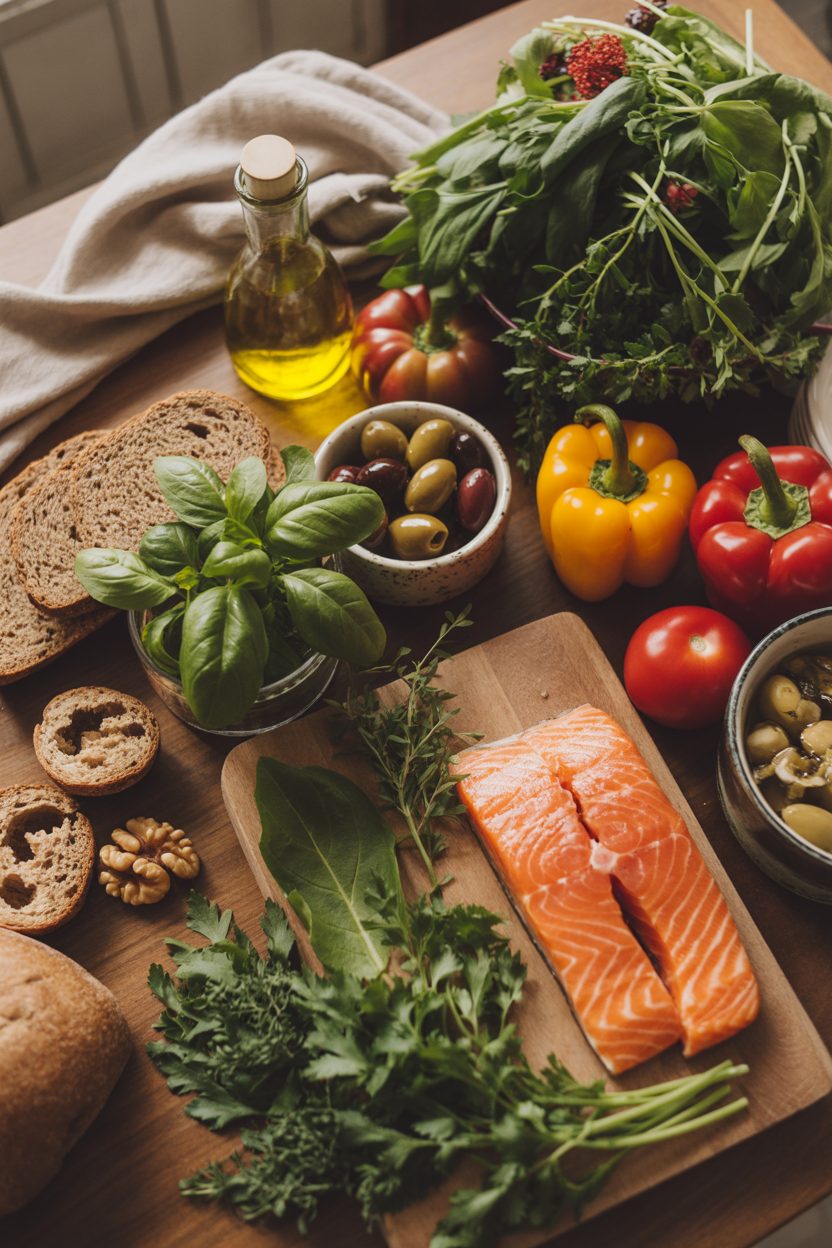
7-Day Mediterranean Anti-Inflammation Meal Plan (Printable PDF)
Let’s get real for a second—inflammation is basically your body throwing a tantrum. And if you’re dealing with chronic inflammation, you know it’s not just about achy joints or brain fog. It’s the underlying troublemaker behind everything from autoimmune conditions to stubborn weight gain that won’t budge no matter how many salads you eat.
Here’s where the Mediterranean diet swoops in like your cool aunt who always has the best life advice. It’s not some restrictive eating plan that makes you miserable. It’s actually how people in Greece, Italy, and Spain have been eating for centuries—lots of olive oil, colorful veggies, fish, and yes, even wine in moderation. The best part? It’s one of the most researched anti-inflammatory eating patterns out there, and it doesn’t feel like a diet at all.
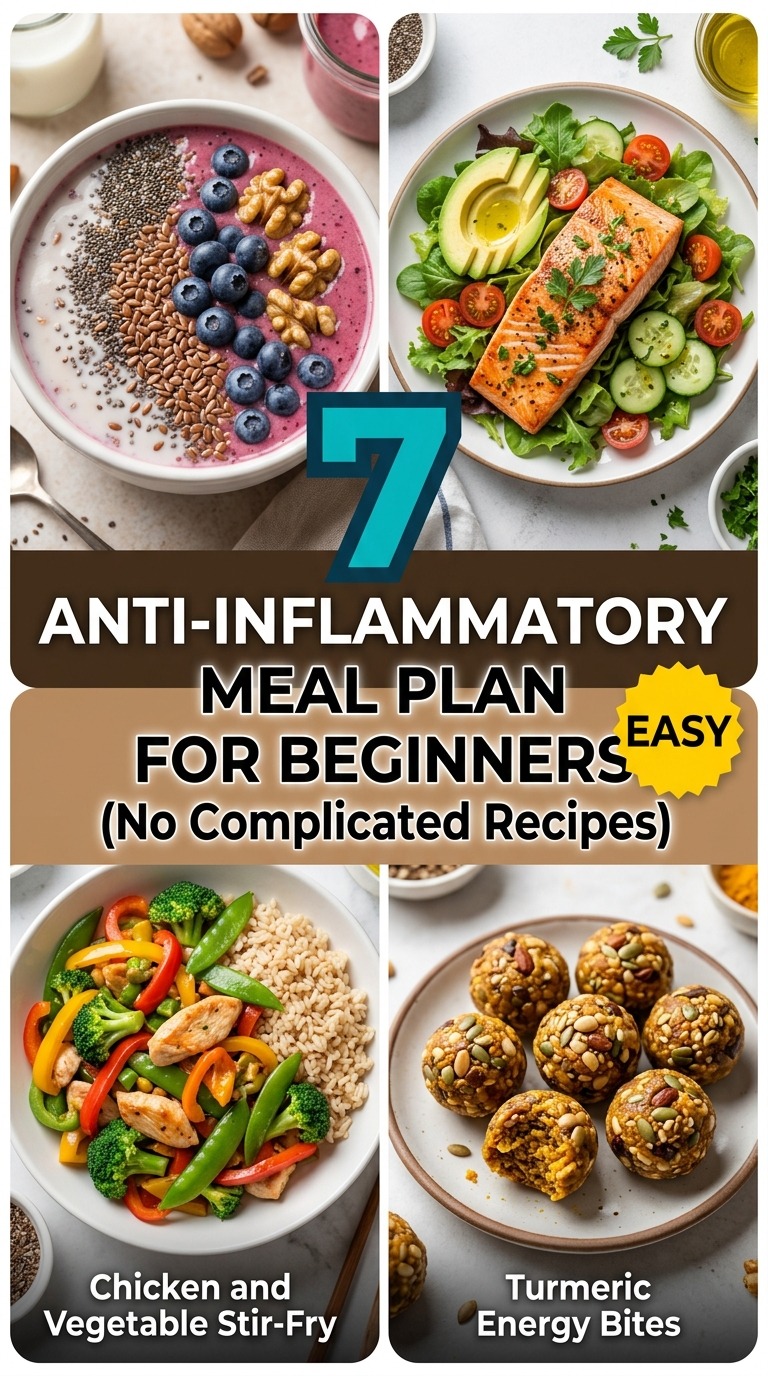
I’ve put together a full 7-day Mediterranean anti-inflammation meal plan that you can actually stick to. No weird ingredients you can’t pronounce, no spending three hours in the kitchen every night. Just real food that tastes incredible and happens to fight inflammation like a boss.

Why the Mediterranean Diet Actually Works for Inflammation
The science behind this isn’t rocket surgery. The Mediterranean diet is loaded with omega-3 fatty acids, antioxidants, and polyphenols—basically the holy trinity of anti-inflammatory compounds. According to research on chronic inflammation, this eating pattern can significantly reduce inflammatory markers in your body within just a few weeks.
Think about it this way: processed foods and sugar are like throwing gasoline on the inflammation fire. The Mediterranean approach does the opposite—it’s all about dousing those flames with nutrient-dense, whole foods that your body actually recognizes and can use.
Extra virgin olive oil alone deserves its own fan club. It contains oleocanthal, a compound that works similarly to ibuprofen in reducing inflammation. Wild-caught fatty fish brings those omega-3s that your joints and brain desperately need. And the rainbow of vegetables? They’re packed with antioxidants that neutralize free radicals before they can cause cellular damage.
The Mediterranean diet also emphasizes fiber-rich foods, which feed your gut bacteria. Your gut health and inflammation levels are more connected than you might think—a happy gut means less systemic inflammation.
What Makes This Meal Plan Different
I’m not going to sit here and pretend every Mediterranean meal plan is created equal. Some are basically just pasta with olive oil (delicious, but not exactly inflammation-fighting material). This plan is specifically designed to maximize anti-inflammatory foods while keeping your taste buds happy.
Each day includes:
- High omega-3 content from fatty fish, walnuts, and flaxseeds
- Antioxidant-rich produce in every color of the rainbow
- Healthy fats primarily from olive oil, avocados, and nuts
- Lean proteins including fish, legumes, and occasional poultry
- Whole grains that provide fiber without spiking blood sugar
- Herbs and spices like turmeric, garlic, and oregano that pack serious anti-inflammatory punch
Everything is measured and portioned so you can actually follow it without needing a nutrition degree. Plus, I’ve included prep tips that’ll save your sanity during the week.
Your 7-Day Anti-Inflammation Meal Plan
Day 1: Easing Into It
Breakfast: Greek yogurt bowl with walnuts, berries, and a drizzle of honey. Add ground flaxseed for extra omega-3s.
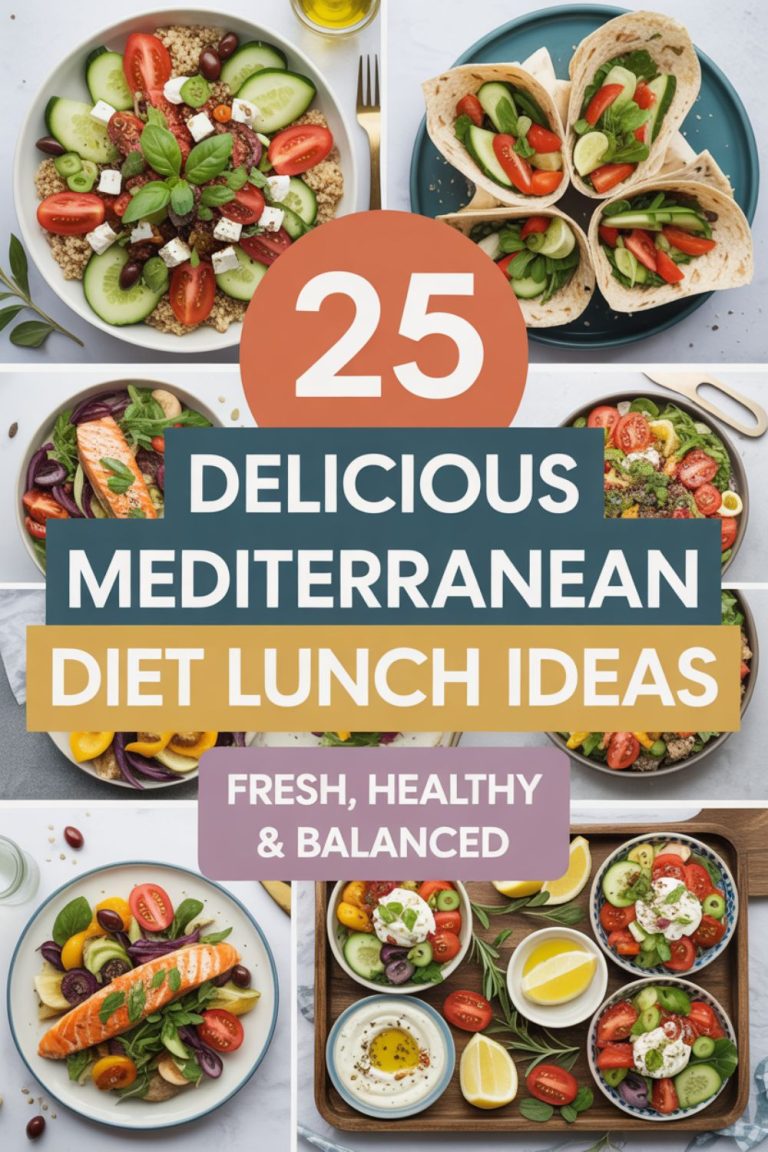
Lunch: Mediterranean chickpea salad with cucumbers, tomatoes, red onion, Kalamata olives, and lemon-olive oil dressing. Serve with whole grain pita.
Dinner: Baked salmon with garlic and herbs, roasted Brussels sprouts with balsamic glaze, and quinoa pilaf.
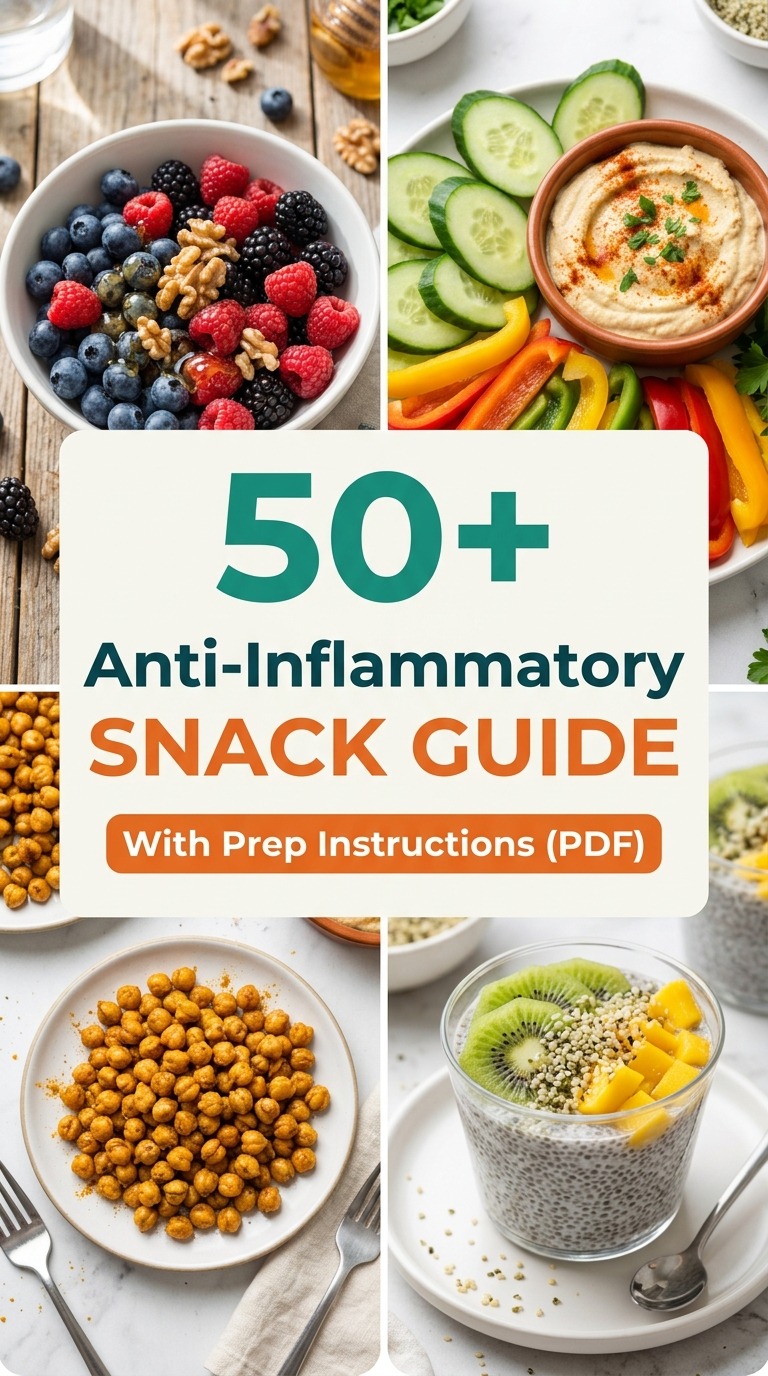
Snack: Hummus with raw veggie sticks (bell peppers, carrots, celery).
The first day sets the tone. You’re getting fatty fish, fermented dairy, legumes, and a ton of vegetables. Your gut bacteria are already throwing a party.
Day 2: Building Momentum
Breakfast: Overnight oats made with almond milk, chia seeds, sliced almonds, and fresh figs or berries.
Lunch: Lentil soup with spinach, tomatoes, and cumin. Pair with a small mixed green salad.
Dinner: Grilled chicken breast marinated in lemon and oregano, roasted Mediterranean vegetables (zucchini, eggplant, bell peppers), and a side of bulgur wheat.
Snack: Apple slices with almond butter.
Lentils are criminally underrated. They’re packed with fiber and plant-based protein, plus they’re incredibly filling without being heavy.
For more morning inspiration that keeps inflammation in check, you might also love exploring high-protein breakfast ideas that use Mediterranean staples or trying a nutrient-dense smoothie bowl packed with antioxidants.
Day 3: Flavor Explosion
Breakfast: Shakshuka—eggs poached in spiced tomato sauce with bell peppers and onions. Serve with whole grain toast.
Lunch: Tuna salad with white beans, cherry tomatoes, arugula, and olive oil dressing. Add fresh basil.
Dinner: Baked cod with a pistachio-herb crust, sautéed kale with garlic, and roasted sweet potato wedges.
Snack: A handful of mixed nuts (walnuts, almonds, pistachios).
Shakshuka is one of those dishes that looks fancy but takes maybe 20 minutes. The spices—cumin, paprika, cayenne—all have anti-inflammatory properties. Plus, it’s just ridiculously good.
Day 4: Keeping It Fresh
Breakfast: Whole grain toast with mashed avocado, cherry tomatoes, and a poached egg. Sprinkle with za’atar or everything bagel seasoning.
Lunch: Greek salad with grilled shrimp, feta cheese, cucumbers, tomatoes, red onion, and olives. Dress with olive oil and red wine vinegar.
Dinner: Turkey meatballs in marinara sauce (use lean ground turkey with herbs), served over zucchini noodles or whole wheat pasta.
Snack: Greek yogurt with a small handful of berries.
By day four, you should notice your energy levels stabilizing. That afternoon crash? It’s probably taking a vacation.
If you’re enjoying these protein-rich combinations, you might want to check out Mediterranean chicken recipes that offer similar anti-inflammatory benefits or explore more complete meal plans designed around gut health.
Day 5: Midweek Power
Breakfast: Smoothie bowl with spinach, banana, mixed berries, almond butter, and topped with granola, chia seeds, and sliced almonds.
Lunch: Quinoa tabbouleh with loads of parsley, mint, tomatoes, cucumber, and lemon juice. Add grilled chicken if you need extra protein.
Dinner: Grilled sardines or mackerel with roasted cauliflower and a side of farro salad with dried cranberries and walnuts.
Snack: Sliced bell peppers with tzatziki sauce.
Sardines and mackerel are omega-3 powerhouses. I know they’re not everyone’s favorite, but trust me—when they’re grilled with lemon and herbs, they’re actually delicious. If you absolutely can’t do it, swap for salmon. Get Full Recipe.
Day 6: Weekend Prep
Breakfast: Vegetable frittata with spinach, tomatoes, onions, and feta cheese. Make a big one and save leftovers.
Lunch: Mediterranean lentil bowl with roasted vegetables, tahini dressing, and a sprinkle of hemp seeds.
Dinner: Baked halibut with lemon and capers, roasted asparagus, and wild rice.
Snack: Dark chocolate (70% cacao or higher) with a few almonds.
Yes, dark chocolate made the list. It’s rich in polyphenols and can actually help reduce inflammation. IMO, any eating plan that includes chocolate is automatically superior.
Speaking of satisfying meals that don’t feel restrictive, you might enjoy these Mediterranean salmon dishes or explore plant-based Mediterranean options if you’re looking to incorporate more meatless meals.
Day 7: Finish Strong
Breakfast: Chia pudding made with coconut milk, topped with mango, kiwi, and unsweetened coconut flakes.
Lunch: White bean and arugula soup with rosemary and garlic. Serve with a slice of whole grain sourdough.
Dinner: Moroccan-spiced chicken thighs with couscous, roasted carrots with harissa, and a side of sautéed Swiss chard.
Snack: Fresh fruit salad with mint and a squeeze of lime.
By the end of week one, your body should feel noticeably different. Less bloated, more energized, maybe even sleeping better. The cumulative effect of eating this way adds up fast.
Smart Shopping for Your Anti-Inflammation Week
Let’s talk strategy. You don’t need to buy everything on day one—that’s a recipe for food waste and a drained bank account. Here’s how I’d break it down:
Your pantry essentials:
- Extra virgin olive oil (get the good stuff)
- Canned tomatoes and tomato paste
- Dried herbs and spices (oregano, basil, cumin, turmeric, paprika)
- Whole grains (quinoa, bulgur, farro, brown rice)
- Legumes (chickpeas, lentils, white beans)
- Nuts and seeds (walnuts, almonds, chia, flax, hemp)
- Raw honey and pure maple syrup
Weekly fresh items:
- Fatty fish (salmon, sardines, mackerel, cod)
- Leafy greens (spinach, kale, arugula)
- Colorful vegetables (bell peppers, tomatoes, zucchini, eggplant)
- Fresh herbs (parsley, basil, mint, cilantro)
- Greek yogurt and feta cheese
- Eggs
- Seasonal fruit (berries, citrus, stone fruits)
I use these glass meal prep containers for portioning everything out on Sundays. Game changer for staying consistent during chaotic weekdays.
Meal Prep Tips That Actually Work
Sunday afternoon is your friend. Dedicate two hours to prep, and you’ll coast through the week like you have your life together (even if you absolutely don’t).
What to prep ahead:
- Cook your grains: Make quinoa, brown rice, and farro in batches. They keep for 5 days in the fridge.
- Chop vegetables: Dice onions, peppers, and cucumbers. Store separately in airtight containers.
- Wash and prep greens: Wash, spin dry, and store leafy greens with a paper towel to absorb moisture.
- Make dressings: Whisk up a big batch of olive oil and lemon dressing. Keeps for a week.
- Hard boil eggs: These are lifesavers for quick protein additions.
- Portion nuts and seeds: Pre-portion snacks so you’re not accidentally eating an entire container of almonds at 10 PM.
I’ve found that having a good set of measuring cups and a reliable kitchen scale takes the guesswork out of portions. This digital scale is stupid-cheap and surprisingly accurate.
For longer-term storage, especially if you’re batch-cooking soups or sauces, these freezer-safe containers are clutch. You can prep two weeks’ worth of lentil soup and just defrost as needed.
The Anti-Inflammation All-Stars
Let’s spotlight the MVP ingredients in this meal plan because they’re doing the heavy lifting:
Olive Oil: The cornerstone of Mediterranean eating. It’s loaded with monounsaturated fats and oleocanthal, which inhibits inflammatory enzymes. Use it liberally—drizzle it on everything from salads to cooked vegetables.
Fatty Fish: Salmon, sardines, mackerel, and herring are omega-3 superstars. These essential fatty acids directly combat inflammation at the cellular level. Aim for at least 2-3 servings per week.
Leafy Greens: Spinach, kale, and arugula are packed with vitamins A, C, E, and K, plus minerals like magnesium and iron. They’re also high in antioxidants that protect against oxidative stress.
Berries: Blueberries, strawberries, and raspberries contain anthocyanins—powerful antioxidants that reduce inflammatory markers. Fresh or frozen works equally well.
Nuts and Seeds: Walnuts in particular are inflammation-fighting champions with their high omega-3 content. Almonds, chia seeds, and flaxseeds round out the team with fiber, protein, and healthy fats.
Legumes: Chickpeas, lentils, and beans provide plant-based protein and fiber that supports gut health. A healthy gut equals less systemic inflammation.
Turmeric and Garlic: These aren’t just flavor enhancers—they’re legitimate anti-inflammatory powerhouses. Curcumin in turmeric and allicin in garlic both have well-documented health benefits.
If you’re curious about other inflammation-fighting ingredients, exploring anti-inflammatory smoothie recipes or learning about gut-healthy Mediterranean options can expand your recipe arsenal even further.
Common Mistakes to Avoid
Look, I’ve made every mistake in the book, so let me save you some trouble:
Skimping on fat: This isn’t a low-fat diet. You need those healthy fats for nutrient absorption and satiety. Don’t be afraid of olive oil, avocados, and nuts.
Not eating enough vegetables: You should be eating vegetables at every meal, not just dinner. Breakfast shakshuka, lunch salads, dinner roasted veggies—make it happen.
Forgetting about herbs and spices: These aren’t optional garnishes. Fresh herbs and ground spices contribute significant anti-inflammatory compounds. Season generously.
Relying too heavily on grains: Yes, whole grains are part of the Mediterranean diet, but vegetables should still take up the most real estate on your plate. Don’t let pasta become the star of every meal.
Not drinking enough water: Hydration helps flush out toxins and supports every cellular process. Aim for at least 8 glasses daily, more if you’re active.
Inconsistency: One Mediterranean meal doesn’t undo months of inflammatory eating. You need consistent, long-term adherence to see real benefits.
Adapting the Plan for Your Life
Real talk—not everyone’s life looks the same. Maybe you’re vegan, maybe you have food allergies, maybe you just really hate eggplant. That’s cool. This plan is flexible.
For vegetarians: Swap fish for more legumes, tofu, tempeh, or eggs. Double up on nuts and seeds to maintain omega-3 intake, or consider an algae-based supplement.
For vegans: Replace Greek yogurt with coconut or almond yogurt. Use nutritional yeast instead of feta. Incorporate more beans, lentils, and quinoa for protein.
For those with nut allergies: Focus on seeds (pumpkin, sunflower, hemp) instead. Use tahini for creamy dressings.
For busy professionals: Lean heavily on meal prep and simple recipes. Sheet pan dinners and one-pot meals are your friends. This sheet pan collection has saved me countless times.
For families: Make components that everyone can customize. Build-your-own grain bowls, taco nights with Mediterranean flavors, or pasta with various veggie add-ins.
The key is maintaining the principles—lots of vegetables, healthy fats, lean proteins, and whole grains—while adapting the specifics to fit your needs.
Beyond the Plate: Lifestyle Factors
Here’s something most meal plans won’t tell you: diet is just one piece of the anti-inflammation puzzle. Your stress levels, sleep quality, and movement patterns all play huge roles.
Sleep: Chronic sleep deprivation triggers inflammatory responses. Aim for 7-9 hours per night. Create a consistent bedtime routine and keep your bedroom cool and dark.
Stress management: Elevated cortisol levels promote inflammation. Find what works for you—meditation, yoga, walking, journaling, or just saying no to things that drain you.
Movement: Regular exercise reduces inflammatory markers, but overtraining can increase them. Find a sustainable balance. Walking 30 minutes daily is honestly plenty for most people.
Alcohol moderation: Red wine in moderation is traditionally part of the Mediterranean lifestyle, but excessive alcohol consumption definitely promotes inflammation. Stick to 1 glass max per day for women, 2 for men.
Social connection: This might sound weird in a meal plan article, but eating with others—sharing meals, cooking together—is a core part of Mediterranean culture and contributes to overall wellbeing.
Related Recipes You’ll Love
Looking for more ideas? Here are some recipes that pair perfectly with this meal plan:
More Breakfast Ideas: Quick Mediterranean egg dishes that come together in minutes, or hearty whole grain porridge options for cooler mornings.
Lunch Inspiration: Try these Mediterranean grain bowl variations, satisfying salad combinations that actually keep you full, or soup recipes designed for easy batch cooking.
Quick Snack Options: Energy balls made with dates and nuts, homemade hummus variations, or simple Mediterranean-style snack plates.
Making It Stick Long-Term
A week is great for resetting and experiencing how good you can feel, but the real magic happens when this becomes your default way of eating. So how do you make it stick?
Start with one meal: If overhauling everything feels overwhelming, just focus on breakfast. Master your morning routine with Mediterranean principles, then expand from there.
Build your flavor toolkit: Invest in good olive oil, a variety of spices, and fresh herbs. When food tastes amazing, you’ll actually want to eat it.
Find your people: Cook with friends, share meals, join online communities focused on Mediterranean eating. Having support makes consistency way easier.
Plan for restaurants: Most restaurants can accommodate Mediterranean-style eating. Look for grilled fish, salads, vegetable sides, and olive oil-based preparations.
Don’t aim for perfection: You’re going to have pizza sometimes. You’ll eat cake at birthday parties. That’s called being human. What matters is what you do most of the time, not occasionally.
Track how you feel: Keep a simple journal noting your energy levels, joint pain, digestion, and mood. When you see tangible improvements, it reinforces the behavior.
I keep a small notebook in my kitchen for meal ideas and ingredient lists. This leather journal is overpriced but honestly kind of perfect—it lies flat and doesn’t fall apart when you inevitably spill olive oil on it.
The Printable PDF: Your Kitchen Companion
I’ve created a downloadable PDF version of this entire meal plan that includes:
- Full 7-day meal schedule with portions
- Complete shopping list organized by category
- Meal prep instructions and timeline
- Quick reference guide for anti-inflammatory foods
- Space for notes and modifications
Print it out and stick it on your fridge. Make notes in the margins about what you loved or what you’d swap next time. Spill coffee on it. Actually use it.
The PDF format makes it easy to reference while cooking without dealing with your phone’s screen timing out every two minutes. You can also easily share it with family members or meal prep partners.
Conclusion
Fighting inflammation doesn’t require suffering through bland, restrictive meals or spending your life savings at fancy health food stores. The Mediterranean approach proves that the most effective anti-inflammatory diet is also one of the most delicious and sustainable ways to eat.
This 7-day plan gives you a solid foundation, but think of it as a starting point rather than a rigid rulebook. Pay attention to how your body responds. Notice which meals make you feel energized and which leave you feeling heavy. Adjust accordingly.
The beauty of Mediterranean eating is that it’s not actually a diet—it’s a lifestyle that humans have thrived on for millennia. There’s a reason people in the Mediterranean region have some of the longest lifespans and lowest rates of chronic disease in the world.
Give yourself this week to reset, reduce inflammation, and remember what it feels like when your body isn’t constantly fighting itself. Your joints, your brain, your gut, and your taste buds will all thank you.