
7-Day Mediterranean Vegan Anti-Inflammation Plan
Being vegan doesn’t automatically mean you’re eating anti-inflammatory foods. You can be vegan while living on pasta, bread, and vegan cookies—trust me, I’ve seen it done. And while the Mediterranean diet is famous for its anti-inflammatory benefits, most plans lean heavily on fish and dairy. So what happens when you want the inflammation-fighting power of Mediterranean eating but you’re committed to plant-based living?
You get this plan. Seven days of meals that combine Mediterranean principles with vegan eating and anti-inflammatory powerhouses. No fish, no dairy, no eggs, no animal products whatsoever. Just plants prepared in ways that maximize their inflammation-fighting potential while tasting incredible. Because let’s be real—nobody sticks with eating patterns that feel like punishment, vegan or not.
This isn’t about replacing fish with fake fish or Greek yogurt with sad coconut alternatives. This is about celebrating the naturally vegan components of Mediterranean eating—the legumes, whole grains, nuts, seeds, vegetables, fruits, and olive oil that form the foundation. These foods are anti-inflammatory champions in their own right. They don’t need animal products to work their magic.

Why Vegan Mediterranean Works for Inflammation
Most people assume you need fish for omega-3s or dairy for calcium to fight inflammation effectively. Not true. Plants provide everything you need if you know which ones to emphasize and how to combine them.
According to research on plant-based diets and inflammation, vegan eating patterns naturally reduce inflammatory markers—often more effectively than omnivorous diets. Why? Plants are loaded with antioxidants, polyphenols, and fiber that directly combat inflammation. They’re naturally free of the inflammatory compounds found in some animal products. And they support gut bacteria diversity, which is crucial for inflammation control.
The Mediterranean approach enhances this by emphasizing specific anti-inflammatory plant foods:
Olive oil delivers oleocanthal, a compound that works similarly to ibuprofen in reducing inflammation. Extra virgin olive oil is liquid gold for plant-based anti-inflammatory eating.
Legumes provide protein, fiber, and resistant starch that feeds beneficial gut bacteria. Chickpeas, lentils, white beans, and black beans are Mediterranean staples that happen to be vegan superstars.
Nuts and seeds supply omega-3 fatty acids (especially walnuts, chia, flax, and hemp), vitamin E, and magnesium—all crucial anti-inflammatory nutrients that vegans sometimes struggle to get adequate amounts of.
Colorful vegetables pack polyphenols and antioxidants that neutralize free radicals before they trigger inflammatory responses. The Mediterranean diet is basically an excuse to eat vegetables at every meal.
Whole grains deliver fiber and nutrients that support stable blood sugar and healthy gut bacteria. Quinoa, farro, bulgur, and brown rice are naturally vegan and naturally anti-inflammatory.
Herbs and spices like turmeric, garlic, oregano, basil, and parsley contain concentrated anti-inflammatory compounds. Mediterranean cuisine uses these generously, making every meal more flavorful and more therapeutic.
This combination addresses inflammation from multiple angles simultaneously. You’re not just eating plants—you’re strategically using specific plants that work synergistically to reduce inflammatory markers throughout your body.
The Five Essential Principles
This seven-day plan operates on five core principles that maximize anti-inflammatory benefits while ensuring nutritional completeness:
Principle 1: Include omega-3s daily. Since you’re not eating fish, emphasize walnuts, chia seeds, ground flaxseed, and hemp hearts at every meal. These provide ALA omega-3s that your body converts to the EPA and DHA typically found in fish.
Principle 2: Load up on legumes. Every single day includes at least one substantial legume serving. They provide protein, fiber, iron, and resistant starch that supports gut health and reduces inflammation.
Principle 3: Use extra virgin olive oil liberally. This isn’t a low-fat diet. Olive oil provides anti-inflammatory fats and helps you absorb fat-soluble vitamins from vegetables. Drizzle it on everything.
Principle 4: Eat the rainbow consistently. Different colored plants contain different anti-inflammatory compounds. Variety ensures comprehensive inflammation reduction and supports diverse gut bacteria populations.
Principle 5: Include anti-inflammatory spices at every meal. Turmeric, garlic, ginger, cinnamon, and fresh herbs aren’t optional garnishes—they’re medicine disguised as flavor.
These principles ensure you’re getting complete nutrition while maximizing anti-inflammatory benefits. You’re not just avoiding animal products—you’re actively eating foods that heal.
Your 7-Day Plan
Day 1: Monday
Breakfast: Overnight oats with almond milk, chia seeds, walnuts, blueberries, and cinnamon. Add ground flaxseed for extra omega-3s.
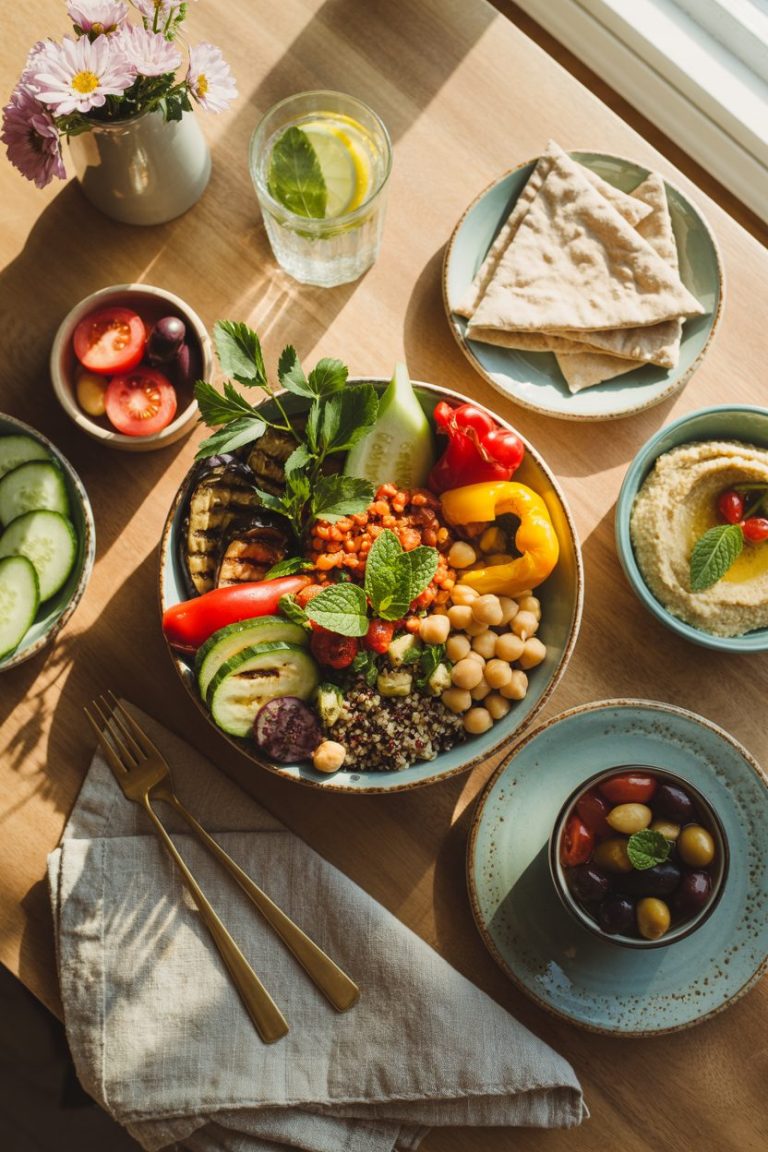
Lunch: Large Mediterranean chickpea salad with cucumbers, tomatoes, red onion, Kalamata olives, fresh parsley, and lemon-olive oil dressing. Serve with whole grain pita.
Dinner: Lentil and vegetable stew with turmeric, cumin, and fresh ginger. Serve over quinoa with a large side salad dressed with tahini-lemon dressing.
Snacks: Apple slices with almond butter, carrot sticks with hummus.
Monday eases you into the week with familiar flavors and simple preparations. The overnight oats require zero morning effort—you literally just grab them from the fridge. The chickpea salad is the Mediterranean classic that happens to be completely vegan already. Get Full Recipe for those overnight oats if you want exact proportions that maximize both nutrition and taste.
Chickpeas deliver about 15 grams of protein and 12 grams of fiber per cup. They’re filling, satisfying, and naturally anti-inflammatory. Plus, they’re stupid cheap and endlessly versatile.
If you’re enjoying these legume-based meals, you might also love Mediterranean lentil bowl variations or try chickpea-based dinner ideas that keep protein high while fighting inflammation.
Day 2: Tuesday
Breakfast: Smoothie with spinach, banana, frozen berries, almond butter, hemp seeds, and almond milk. Add fresh ginger and turmeric for extra anti-inflammatory punch.
Lunch: White bean and kale soup with garlic, rosemary, and olive oil. Serve with whole grain sourdough bread.
Dinner: Roasted vegetable and quinoa bowl with tahini dressing. Include eggplant, bell peppers, zucchini, and cherry tomatoes. Top with toasted pine nuts.
Snacks: Handful of walnuts, bell pepper strips with baba ganoush.
Tuesday’s smoothie packs incredible nutrition into one glass. The combination of leafy greens, berries, healthy fats, and plant protein keeps you satisfied for hours. I use this high-speed blender that pulverizes everything into silky smoothness—worth the investment if you’re making smoothies regularly.
White bean soup is comfort food that happens to fight inflammation. The beans provide protein and fiber, the kale adds iron and antioxidants, and the garlic and rosemary deliver anti-inflammatory compounds. Make a huge pot and eat it all week.
Day 3: Wednesday
Breakfast: Whole grain toast with mashed avocado, cherry tomatoes, and hemp seeds. Drizzle with olive oil and sprinkle with za’atar or everything bagel seasoning.
Lunch: Mediterranean lentil salad with roasted vegetables, fresh herbs, and lemon-olive oil dressing.
Dinner: Stuffed bell peppers with quinoa, black beans, tomatoes, and spices. Side of roasted Brussels sprouts with balsamic glaze.
Snacks: Fresh berries with almonds, cucumber slices with tahini.
Avocado provides monounsaturated fats that reduce inflammation and support nutrient absorption. One avocado delivers about 10 grams of fiber plus potassium, folate, and vitamins C, K, and B6. It’s basically a superfood that happens to taste like butter.
Stuffed bell peppers look fancy but they’re ridiculously easy. Halve the peppers, stuff with a quinoa-bean mixture, bake for 30 minutes. Done. I use this baking dish that fits six pepper halves perfectly and cleans up easily.
Speaking of satisfying plant-based dinners, check out Mediterranean stuffed vegetable recipes or explore quinoa-based main dishes that deliver complete nutrition in one bowl.
Day 4: Thursday
Breakfast: Chia pudding made with coconut milk, topped with mango, raspberries, and sliced almonds. Add a drizzle of maple syrup.
Lunch: Falafel bowl with hummus, tabbouleh, pickled vegetables, and tahini sauce over mixed greens.
Dinner: Moroccan chickpea and vegetable tagine with couscous. Include carrots, sweet potatoes, tomatoes, and warming spices like cumin, coriander, and cinnamon.
Snacks: Date and walnut energy balls, sliced bell peppers.
Chia pudding is the MVP of vegan breakfasts. Three tablespoons of chia seeds deliver 5 grams of protein, 10 grams of fiber, and massive amounts of omega-3s. Mix with plant milk the night before, and breakfast is ready when you wake up.
Falafel is naturally vegan and packed with herbs like parsley and cilantro that provide anti-inflammatory benefits. You can make them from scratch or buy pre-made ones—either way, they’re delicious and satisfying. Get Full Recipe for crispy baked falafel that doesn’t require deep-frying.
Day 5: Friday
Breakfast: Smoothie bowl with acai, banana, spinach, and almond milk, topped with granola, fresh berries, coconut flakes, and chia seeds.
Lunch: Lentil and vegetable soup with turmeric and ginger. Serve with a large mixed green salad.
Dinner: Zucchini noodles with marinara sauce, white beans, and fresh basil. Side of roasted broccoli with lemon and garlic.
Snacks: Apple with cashew butter, handful of pistachios.
Friday’s zucchini noodles give you that pasta satisfaction without the inflammatory refined carbs. The white beans add protein and make the meal substantial. This is the kind of dinner where you feel like you’re indulging even though you’re eating incredibly healthy food.
I spiralize zucchini using this handheld spiralizer that takes up minimal drawer space and actually works without requiring engineering skills or excessive strength.
Day 6: Saturday
Breakfast: Tofu scramble with turmeric, nutritional yeast, spinach, mushrooms, and cherry tomatoes. Serve with whole grain toast and avocado.
Lunch: Quinoa tabbouleh with loads of parsley, mint, cucumber, tomatoes, and lemon dressing. Add chickpeas for extra protein.
Dinner: Eggplant and chickpea curry over brown rice. Include coconut milk, turmeric, ginger, and fresh herbs.
Snacks: Fresh figs with walnuts, carrot sticks with hummus.
Tofu scramble is the vegan breakfast that converts skeptics. When you season it properly with turmeric (for color and anti-inflammatory benefits), nutritional yeast (for cheesy flavor and B vitamins), and garlic, it’s legitimately delicious. Press your tofu first using this tofu press that removes excess water without the hassle of paper towels and heavy books.
Eggplant is criminally underrated. It soaks up flavors beautifully, provides fiber and antioxidants, and has a meaty texture that makes plant-based meals satisfying. Roast it until it’s golden and slightly caramelized for maximum flavor.
For more plant-based protein options that keep meals interesting, try creative tofu preparations or explore legume-forward curry recipes that deliver bold flavors alongside anti-inflammatory benefits.
Day 7: Sunday
Breakfast: Whole grain pancakes topped with almond butter, sliced banana, and a drizzle of maple syrup. Side of fresh berries.
Lunch: Mediterranean grain bowl with farro, roasted vegetables, white beans, arugula, and tahini-lemon dressing.
Dinner: Black bean and sweet potato chili with cumin, smoked paprika, and fresh cilantro. Serve with avocado slices and whole grain cornbread.
Snacks: Fresh pear, handful of almonds.
Sunday’s chili is the perfect end to the week. Make a huge pot, and you have easy lunches for the following week. The combination of black beans and sweet potatoes provides complete protein, massive fiber, and incredible satisfaction. Top with avocado for healthy fats and cilantro for extra anti-inflammatory compounds.
By day seven, you should notice real improvements. Better digestion, more stable energy, reduced bloating, clearer skin, better sleep, and possibly reduced joint pain or stiffness. These changes aren’t placebo—they’re your body responding to reduced inflammatory load.
Meeting Your Nutritional Needs
Vegan eating requires attention to certain nutrients. This plan specifically addresses potential gaps:
Protein: Every meal includes substantial protein from legumes, whole grains, nuts, seeds, or tofu. You’re easily hitting 60-80 grams daily.
Omega-3s: Daily inclusion of walnuts, chia seeds, ground flaxseed, and hemp hearts provides ALA omega-3s. Consider an algae-based supplement for direct EPA and DHA if you want extra insurance.
Iron: Lentils, chickpeas, spinach, and other leafy greens provide non-heme iron. Pair them with vitamin C sources (tomatoes, bell peppers, lemon) to enhance absorption.
Calcium: Leafy greens, tahini, almonds, and fortified plant milks provide calcium. This plan easily delivers 1000+ mg daily.
Vitamin B12: This is the one nutrient you absolutely must supplement as a vegan. Take a B12 supplement or use fortified nutritional yeast regularly.
Zinc: Legumes, nuts, seeds, and whole grains provide zinc. Soaking and sprouting legumes enhances zinc absorption.
Vitamin D: Most people need supplementation regardless of diet. Get your levels tested and supplement accordingly.
FYI, meeting all these needs through whole foods is completely doable on a vegan diet. This plan proves it. You’re not relying on processed vegan substitutes or supplements for basic nutrition—you’re getting it from real food.
The Anti-Inflammatory All-Stars
Let me break down the ingredients doing the heavy lifting:
Extra Virgin Olive Oil: Use it generously. The oleocanthal content reduces inflammation systemically. Aim for 3-4 tablespoons daily across meals.
Legumes: Chickpeas, lentils, black beans, and white beans provide protein, fiber, and resistant starch. They support gut health while reducing inflammation.
Walnuts: The richest plant source of omega-3s. A quarter cup provides 2.5 grams of ALA. Eat them daily.
Turmeric: Contains curcumin, one of the most powerful natural anti-inflammatory compounds. Always pair with black pepper to increase absorption by 2000%.
Leafy Greens: Kale, spinach, and arugula provide antioxidants, magnesium, and compounds that directly reduce inflammatory markers.
Berries: Blueberries, raspberries, and strawberries deliver anthocyanins that combat oxidative stress and inflammation at the cellular level.
Chia and Flax Seeds: Both provide omega-3s and fiber. Ground flaxseed offers lignans that support hormone metabolism and reduce inflammation.
Garlic and Ginger: Both contain compounds that inhibit inflammatory pathways. Use them liberally in cooking.
Tahini: Made from sesame seeds, it provides calcium, healthy fats, and anti-inflammatory compounds. It’s also delicious and versatile.
Understanding why these foods work helps you continue eating this way beyond the seven days. You’re not just following rules—you’re using food as medicine.
Simple Meal Prep Strategy
IMO, meal prep is non-negotiable if you want to stick with this for a full week. Dedicate 90 minutes on Sunday, and you’ll cruise through the week.
Sunday Prep Tasks:
Cook grains in bulk:
- 3 cups dry quinoa (makes 9 cups cooked)
- 2 cups dry brown rice (makes 6 cups cooked)
- 1.5 cups dry farro (makes 4.5 cups cooked)
Prepare legumes:
- Cook 2 cups dry lentils in vegetable broth
- Open and rinse 3 cans of chickpeas and black beans
Roast vegetables:
- 3 sheet pans of mixed vegetables (bell peppers, zucchini, eggplant, broccoli, Brussels sprouts)
- Toss with olive oil, garlic, and herbs
Make sauces and dressings:
- Tahini-lemon dressing
- Olive oil and lemon dressing
- Marinara sauce
Prep breakfast items:
- Overnight oats in jars for 3-4 mornings
- Chia pudding for 2-3 mornings
Other prep:
- Hard boil tofu (press and cube for quick scrambles)
- Wash and chop vegetables for salads
- Portion nuts and seeds into snack containers
With these components ready, meals assemble in 10 minutes. You’re not cooking from scratch when you’re tired and hungry—you’re just combining prepped ingredients. I store everything in these glass containers with secure lids that keep food fresh all week and stack without toppling.
For organizing all those containers and keeping track of what’s what, these reusable labels stick to anything, write on easily, and come off cleanly when you’re done.
Eating Out as a Vegan Mediterranean
Restaurant eating is totally doable. Most Mediterranean restaurants have naturally vegan options or can easily modify dishes:
At Mediterranean restaurants:
- Hummus and baba ganoush with vegetables or pita
- Falafel with salad and tahini
- Tabbouleh and other grain salads
- Roasted vegetables with olive oil
- Lentil or white bean soup
At Italian restaurants:
- Pasta with marinara and vegetables (verify no cheese in sauce)
- Bruschetta without cheese
- Minestrone soup
- Large salads with olive oil dressing
General tips:
- Don’t be shy about asking for modifications
- Request vegetables cooked in olive oil, not butter
- Ask for tahini, olive oil, or balsamic for dressing
- Many places will gladly make vegetable-heavy dishes vegan
One restaurant meal won’t derail your week. Just make reasonable choices and get back to the plan at your next meal. Get Full Recipe for restaurant-style dishes you can make at home when you want that eating-out experience with complete control over ingredients.
Common Concerns Addressed
Concern: “Will I get enough protein?” Answer: Yes. This plan delivers 60-80 grams daily from legumes, whole grains, nuts, seeds, and tofu. That’s plenty for most people.
Concern: “I’m worried about being hungry all the time.” Answer: If you’re hungry, add more healthy fats—extra olive oil, more nuts, larger avocado portions. These foods provide satiety without inflammation.
Concern: “Isn’t this diet too carb-heavy?” Answer: These are complex carbs with fiber that digest slowly and don’t spike blood sugar. They’re nothing like refined carbs that drive inflammation.
Concern: “I don’t want to eat soy.” Answer: The only soy in this plan is tofu on day six. Skip it and use chickpea flour for the scramble, or just have overnight oats that morning instead.
Concern: “This seems expensive.” Answer: Legumes, grains, and vegetables are among the cheapest foods available. You’re actually saving money by not buying meat, fish, and dairy.
Concern: “My family eats meat—will I be cooking separate meals?” Answer: Make these as base meals and let them add their protein if they want. Most people love these dishes exactly as written.
For more solutions to common vegan Mediterranean challenges, explore plant-based meal planning strategies or check out budget-friendly vegan Mediterranean options that keep costs reasonable.
Related Recipes You’ll Love
Looking for more Mediterranean vegan anti-inflammatory inspiration? Here are some recipes that fit perfectly:
More Breakfast Ideas: Try plant-based smoothie bowls, vegan overnight oat variations, or tofu scramble combinations that start your day with sustained energy.
Satisfying Lunch Options: Explore legume-based salads, grain bowl variations, or hearty vegan soups that keep you full for hours.
Easy Dinner Solutions: Check out one-pot vegan Mediterranean meals, vegetable-forward mains, or curry and stew recipes that deliver comfort and nutrition.
Smart Snack Choices: Browse energy ball recipes, hummus variations, or nut and seed combinations for between-meal hunger.
Conclusion
Seven days proves that vegan Mediterranean eating delivers serious anti-inflammatory benefits without requiring animal products. You’ve eaten satisfying, delicious food while reducing inflammatory load throughout your body. The combination of legumes, whole grains, vegetables, fruits, nuts, seeds, and olive oil provides everything you need—protein, healthy fats, fiber, vitamins, minerals, and powerful anti-inflammatory compounds.
This isn’t about deprivation or restriction. It’s about celebrating plants and using them strategically to reduce inflammation. The foods are naturally filling because they’re packed with fiber and healthy fats. The meals are naturally satisfying because they combine complementary flavors and textures. The approach is naturally sustainable because you’re eating real food that tastes good.
By day seven, you’ve experienced what your body feels like without constant inflammatory assault. Better energy, improved digestion, reduced bloating, clearer thinking, better sleep—these improvements are your body responding to plant-based anti-inflammatory nutrition. And you’ve proven to yourself that vegan Mediterranean eating isn’t about sacrifice—it’s about abundance.
Keep going. Use these seven days as a template for long-term eating. Adjust recipes based on your preferences. Experiment with different vegetables, grains, and legumes. Focus on the principles rather than rigid rules. Your body thrives on plants when you give it the right ones in the right combinations. This week proved it.