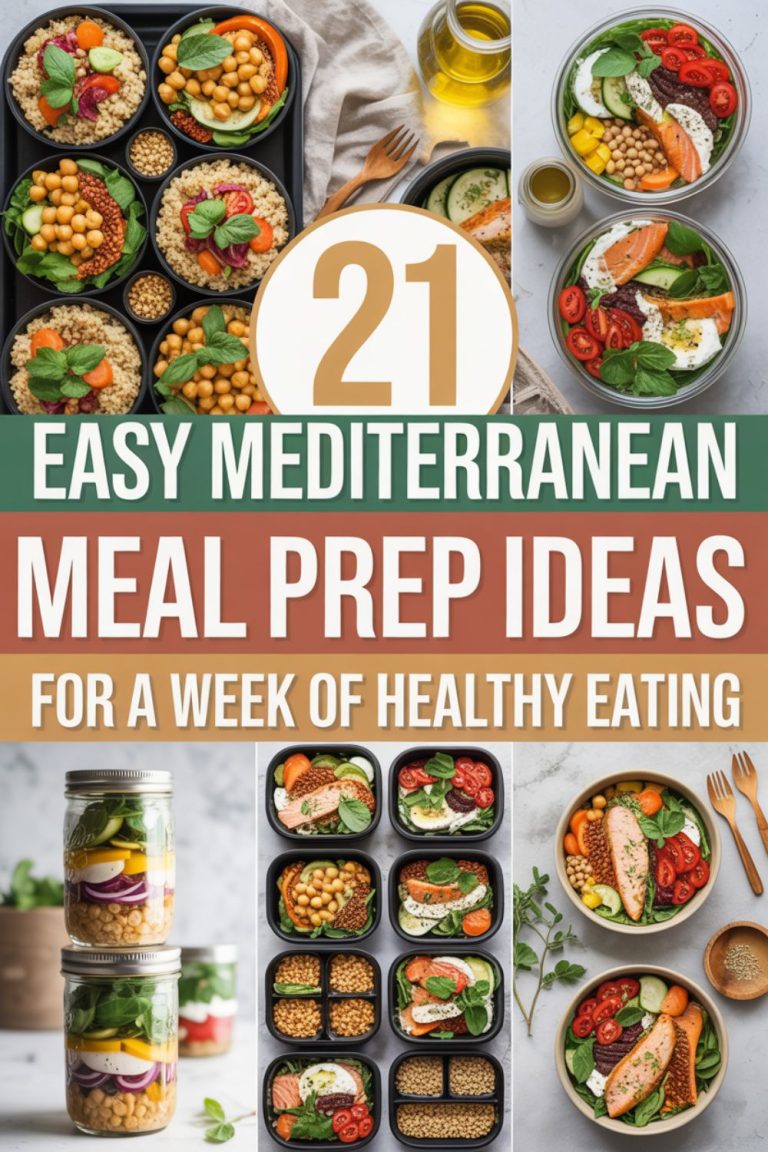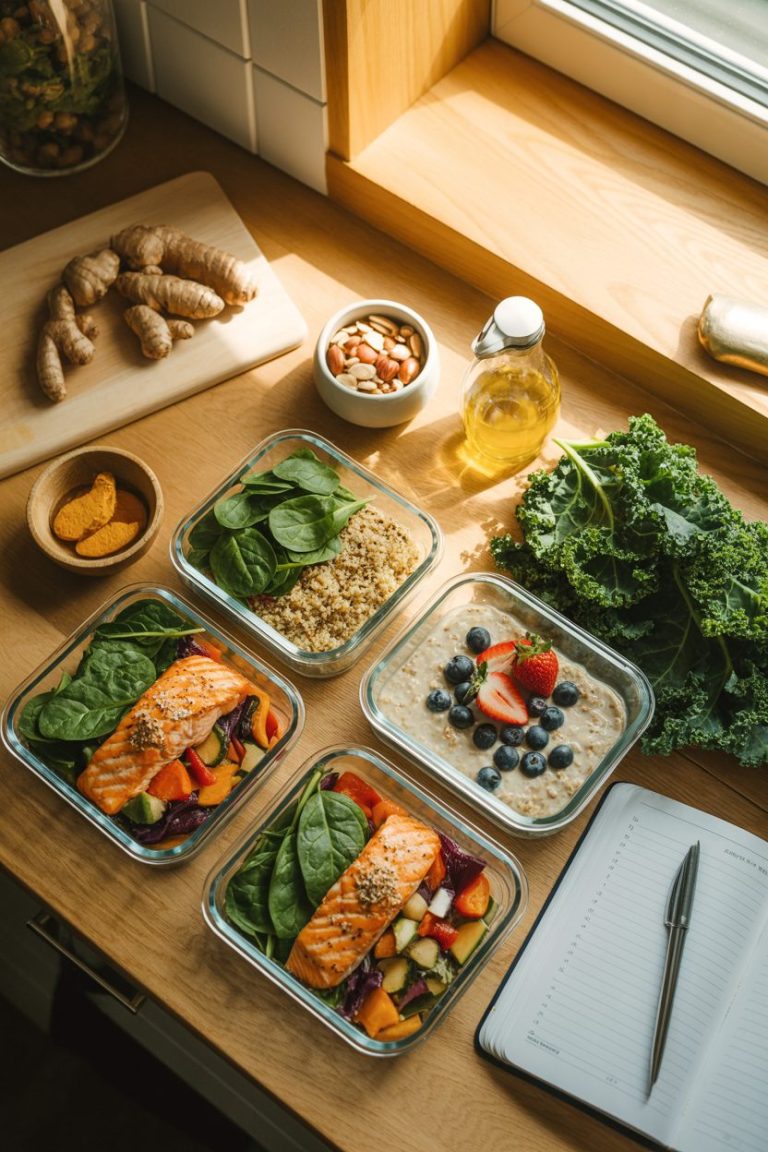
7-Day Mediterranean Meal Plan for Beginners
Look, I get it. You’ve probably heard about the Mediterranean diet a million times by now. Everyone’s grandmother swears by it, every health magazine features it, and your friend who went to Greece once won’t stop talking about how “life-changing” olive oil is.
But here’s the thing—they’re not wrong. This isn’t some trendy diet that’ll have you eating only purple foods on Tuesdays or whatever nonsense is popular this week. The Mediterranean way of eating has been around for centuries, and research consistently shows it reduces cardiovascular disease risk by up to 25% while making food actually enjoyable. Wild concept, right?
I’m not here to lecture you about antioxidants or give you a boring nutrition textbook. Instead, I’m going to walk you through exactly how to eat Mediterranean-style for a full week without losing your mind, your wallet, or your will to live. No complicated recipes that require seventeen specialty ingredients you’ll use once. No meal prep that takes your entire Sunday. Just real food that tastes good and happens to be ridiculously healthy.

What Makes Mediterranean Eating Different (And Why You’ll Actually Stick With It)
Before we jump into the meal plan, let’s clear something up. The Mediterranean diet isn’t really a “diet” in the depressing, restrictive sense. It’s more like… a lifestyle approach to eating that people in Greece, Italy, and Spain have followed forever because that’s just how they eat.
No one in Crete is counting macros or feeling guilty about having bread with dinner. They’re just eating fresh, whole foods that happen to be loaded with healthy fats, fiber, and all the good stuff your body actually needs. Studies point to the diet’s anti-inflammatory and antioxidant properties as major reasons why it works so well for long-term health.
The basic foundation is simple:
- Lots of vegetables and fruits—like, genuinely lots, not the sad handful you tell yourself counts
- Whole grains instead of refined carbs—think quinoa, farro, whole wheat pasta
- Healthy fats from olive oil, nuts, and fatty fish—yes, fat is not the enemy, get over it
- Moderate amounts of fish and poultry—red meat takes a backseat here
- Limited dairy, mostly yogurt and cheese—because cheese makes everything better
- Herbs and spices instead of salt—flavor without the sodium bomb
What I love about this approach is that nothing is forbidden. Want a glass of red wine with dinner? Go for it. Craving some cheese? Totally fine. It’s all about balance and eating mostly real, unprocessed foods. If you’re interested in similar balanced approaches, this anti-inflammation plan takes the same principles even further.
Day 1: Easing Into Mediterranean Eating
Breakfast: Greek Yogurt Bowl with Honey and Walnuts
Start your week with something stupidly simple. Plain Greek yogurt (the full-fat kind, because we’re not doing that fat-free nonsense here) topped with a drizzle of honey, a handful of walnuts, and whatever fresh berries you can find. If you don’t have berries, sliced banana works just fine.
Greek yogurt packs about 15-20 grams of protein per cup, which means you won’t be raiding the snack drawer by 10 AM. The walnuts add omega-3s, and honey gives you just enough sweetness without sending your blood sugar on a roller coaster ride. I like using this small honey dipper because it makes me feel fancy while also controlling portions.
Lunch: Mediterranean Chickpea Salad
Toss together chickpeas (from a can, we’re not monsters), cherry tomatoes, cucumber, red onion, Kalamata olives, and feta cheese. Dress it with olive oil, lemon juice, and some dried oregano. Done. Takes maybe ten minutes if you’re moving at a reasonable pace.
The beauty of this salad is that it gets better as it sits, so you can make a big batch on Sunday night and eat it all week. The chickpeas provide fiber and plant-based protein—about 15 grams per cup—which is clutch if you’re trying to eat less meat. Speaking of plant-based Mediterranean options, you might want to check out this vegan Mediterranean plan for even more ideas.
Dinner: Baked Salmon with Roasted Vegetables
Season a salmon fillet with lemon, garlic, and dill. Throw it on a parchment-lined baking sheet along with chopped zucchini, bell peppers, and cherry tomatoes. Drizzle everything with olive oil. Bake at 400°F for about 20 minutes. That’s it. You now have a restaurant-quality meal with minimal effort.
Salmon is loaded with omega-3 fatty acids, which are basically brain food. The vegetables give you fiber, vitamins, and all that jazz. If you want to bulk it up, serve over quinoa or with some crusty whole grain bread. Get Full Recipe
For more protein-focused Mediterranean meals that keep you satisfied, try this high-protein plan or explore this gut-healing menu for digestive benefits.
Day 2: Building Momentum
Breakfast: Whole Grain Toast with Avocado and Tomato
Toast some whole grain bread (actually whole grain, not the fake kind that just has brown coloring). Mash half an avocado on top, add sliced tomato, a sprinkle of sea salt, and red pepper flakes if you’re feeling spicy. Drizzle with olive oil because apparently that’s the law in Mediterranean eating.
This breakfast gives you healthy fats, fiber, and enough substance to power through your morning. Plus it’s Instagram-worthy, if that’s your thing. I use this avocado slicer tool because I’m terrible at pit removal and value my fingers.
Lunch: Lentil Soup with Spinach
Make a big pot of lentil soup with vegetable broth, lentils, diced tomatoes, carrots, celery, spinach, and garlic. Season with cumin and paprika. This is one of those “make once, eat all week” situations that’ll save your lunch situation.
Lentils are powerhouses—high in protein, loaded with fiber, and dirt cheap. A cup of cooked lentils has about 18 grams of protein and 16 grams of fiber. Compare that to the sad sandwich you were planning to eat, and suddenly lentil soup seems pretty appealing. Get Full Recipe
Dinner: Grilled Chicken with Tzatziki and Greek Salad
Marinate chicken breast in lemon juice, olive oil, garlic, and oregano for at least 30 minutes (or just buy pre-marinated if you’re short on time—no judgment). Grill or pan-sear until cooked through. Serve with tzatziki sauce and a classic Greek salad loaded with cucumbers, tomatoes, olives, and feta.
Tzatziki is basically Greek yogurt, cucumber, garlic, and dill. It’s cooling, refreshing, and turns plain chicken into something special. You can make your own or buy it from the store. I keep these glass meal prep containers stocked with homemade tzatziki because it keeps for about a week and makes everything taste better.
Day 3: Getting Into the Rhythm
Breakfast: Overnight Oats with Figs and Almonds
Mix oats, almond milk, chia seeds, and a touch of honey in a jar the night before. In the morning, top with sliced fresh or dried figs and slivered almonds. This is the “I’m too busy to function in the morning” breakfast that still makes you feel like you have your life together.
Oats provide soluble fiber that helps with cholesterol, while chia seeds add omega-3s and even more fiber. Figs bring natural sweetness and a unique flavor that screams Mediterranean. Plus you can prep five jars at once and have breakfast sorted for most of the week. For more make-ahead breakfast ideas, check out this high-fiber breakfast plan.
Lunch: Whole Wheat Pita with Hummus and Vegetables
Stuff a whole wheat pita with hummus, shredded lettuce, tomatoes, cucumbers, and whatever other vegetables you have lying around. Add some crumbled feta if you’re feeling fancy. This is peak lazy lunch territory, and I mean that as a compliment.
Hummus is made from chickpeas, which we’ve established are nutritional champions. It’s high in protein and fiber while being surprisingly satisfying. When choosing store-bought hummus, just check that the ingredients list isn’t a novel—should basically be chickpeas, tahini, lemon, and garlic. Get Full Recipe
Dinner: Shrimp Scampi with Zucchini Noodles
Sauté shrimp in olive oil with tons of garlic, white wine (or chicken broth), lemon juice, and red pepper flakes. Serve over spiralized zucchini that you’ve quickly sautéed until just tender. This feels indulgent but is actually light and packed with nutrients.
Shrimp cooks in literally three minutes, making this a perfect weeknight dinner. The zucchini noodles give you vegetables without the heavy feeling of regular pasta. I use this handheld spiralizer because the big countertop ones are a pain to clean and take up way too much space.
Looking for more quick weeknight Mediterranean options? Try this plan designed for busy schedules or this clean eating approach.
Day 4: Halfway There
Breakfast: Shakshuka (Eggs in Tomato Sauce)
Simmer diced tomatoes with bell peppers, onions, and spices (cumin, paprika, a little cayenne). Make wells in the sauce and crack eggs directly into them. Cover and cook until the eggs are set to your liking. Serve with crusty bread for dipping.
Shakshuka is one of those dishes that sounds way fancier than the effort required. It’s basically a one-pan breakfast that happens to be loaded with vegetables and protein. The runny yolk mixing with the spiced tomato sauce is borderline addictive. Plus you can make it in this cast iron skillet and serve it directly from the pan like you’re in a trendy brunch spot. Get Full Recipe
Lunch: Quinoa Tabbouleh
Make traditional tabbouleh but swap bulgur for quinoa. Mix cooked quinoa with finely chopped parsley, mint, tomatoes, cucumber, lemon juice, and olive oil. The herb-to-grain ratio should be aggressive—this isn’t a grain salad with some herbs sprinkled on top.
Quinoa is technically a seed but cooks like a grain and packs a complete protein punch with all nine essential amino acids. The massive amount of fresh herbs provides antioxidants and makes the whole thing taste bright and fresh. This is another make-ahead lunch champion that improves with time.
Dinner: Mediterranean Stuffed Bell Peppers
Hollow out bell peppers and stuff them with a mixture of ground turkey, brown rice, diced tomatoes, onions, garlic, and Mediterranean spices. Top with a little feta cheese and bake until the peppers are tender and everything is heated through.
This is comfort food that doesn’t leave you in a food coma afterward. The peppers add extra vegetables and a slight sweetness, while the filling is hearty and satisfying. You can prep these ahead and bake them when you’re ready to eat. I use this glass baking dish because metal pans can react with acidic ingredients like tomatoes.
Day 5: Smooth Sailing
Breakfast: Smoothie Bowl with Mediterranean Flair
Blend frozen berries, banana, Greek yogurt, and a handful of spinach (you won’t taste it, I promise). Pour into a bowl and top with granola, sliced almonds, chia seeds, and a drizzle of honey. Eat it with a spoon like civilized ice cream.
Smoothie bowls are basically acceptable-for-breakfast ice cream, and I stand by that description. The frozen fruit makes it thick and creamy, while the toppings add texture and crunch. The spinach sneaks in extra nutrients without affecting the taste. For more smoothie-based meal ideas, explore this smoothie meal plan.
Lunch: White Bean and Tuna Salad
Mix canned white beans and canned tuna with red onion, cherry tomatoes, fresh basil, lemon juice, and olive oil. Season with salt and pepper. Serve over greens or with crackers. This is probably the fastest lunch you’ll make all week.
Both white beans and tuna are pantry staples that last forever and come together in minutes. The beans provide fiber and plant protein, while the tuna adds omega-3s and more protein. It’s filling without being heavy, which is exactly what you want from lunch. Get Full Recipe
Dinner: Moroccan Chicken Tagine
This sounds exotic but is actually just chicken thighs cooked in a flavorful sauce with onions, carrots, dried apricots, chickpeas, and warm spices like cumin, cinnamon, and ginger. Serve over couscous or with bread for soaking up the sauce.
The combination of savory and slightly sweet from the apricots is what makes this dish special. Chicken thighs stay moist and tender during cooking, unlike chicken breasts that dry out if you look at them wrong. You can make this in a Dutch oven or slow cooker for even easier preparation.
If you’re enjoying these Mediterranean dinners, you might also like this family-friendly Mediterranean plan with more crowd-pleasing options.
Join Our Mediterranean Eating Community
Want daily Mediterranean recipes, meal prep tips, and motivation delivered straight to your phone? Join over 10,000 people in our WhatsApp community who are transforming their health one delicious meal at a time. Get exclusive recipes, quick cooking hacks, and support from people on the same journey.
Join Our WhatsApp ChannelDay 6: Almost There
Breakfast: Fruit and Nut Plate with Cheese
Arrange fresh fruit (grapes, figs, apple slices), a small portion of cheese (try manchego or feta), and a handful of mixed nuts on a plate. Add some whole grain crackers if you want more substance. This is the “breakfast board” that requires zero cooking.
Sometimes breakfast doesn’t need to be complicated. This combination gives you protein, healthy fats, and carbs in a way that feels indulgent but is actually nutritious. It’s also portable if you need to eat on the go. I keep these small cheese knives handy because regular knives make soft cheese look like a crime scene.
Lunch: Falafel Bowl
Make or buy falafel (let’s be real, making them from scratch is a project). Serve over greens with quinoa, diced cucumber, tomato, pickled turnips, and tahini sauce. This is basically deconstructed falafel that’s way less messy to eat.
Falafel are chickpea fritters that manage to be crispy on the outside and soft on the inside. They’re packed with protein and fiber, and the tahini sauce adds healthy fats and calcium. Store-bought falafel have gotten pretty good lately, so don’t feel guilty about taking shortcuts. Get Full Recipe
Dinner: Baked Cod with Tomatoes and Olives
Place cod fillets in a baking dish with cherry tomatoes, Kalamata olives, capers, garlic, and white wine. Drizzle with olive oil and bake until the fish flakes easily. The cooking liquid becomes a light sauce that’s perfect with crusty bread or over pasta.
Cod is mild, flaky, and cooks quickly without much fuss. The Mediterranean flavors from the tomatoes, olives, and capers make it interesting without being overwhelming. This is elegant enough for company but easy enough for a regular weeknight. The key is not to overcook the fish—it should be just opaque and tender.
Day 7: Finishing Strong
Breakfast: Vegetable Frittata
Whisk eggs with a splash of milk and pour into a hot oven-safe skillet with sautéed vegetables (spinach, tomatoes, onions, whatever needs using up). Sprinkle with feta cheese and finish in the oven until set. Slice into wedges and eat warm or at room temperature.
Frittatas are the weekend breakfast that doubles as meal prep for the week ahead. They keep well in the fridge and reheat beautifully. You can eat them hot, cold, or room temperature, which makes them incredibly versatile. This is where a nonstick oven-safe pan really earns its keep. Get Full Recipe
Lunch: Mediterranean Grain Bowl
Build a bowl with farro or brown rice as the base. Top with roasted vegetables, chickpeas, cucumber, tomatoes, olives, feta, and a lemon-tahini dressing. This is the “clean out your fridge” lunch that somehow always ends up delicious.
Grain bowls are infinitely customizable based on what you have available. The formula is simple: grain + protein + vegetables + dressing + something crunchy or creamy. Mix and match based on your preferences and what’s in season. For more complete meal prep approaches, check out this high-fiber meal prep plan.
Dinner: Lamb Meatballs in Tomato Sauce
Mix ground lamb with breadcrumbs, egg, garlic, cumin, and fresh mint. Form into meatballs and brown them in a pan, then simmer in tomato sauce until cooked through. Serve over pasta or with crusty bread.
Lamb has a distinctive flavor that pairs beautifully with Mediterranean spices. The mint adds freshness that cuts through the richness of the meat. If lamb isn’t your thing, use ground beef or turkey instead—the recipe works with any ground meat. These freeze well too, so consider making a double batch.
Making This Work in Real Life
Here’s the truth nobody tells you about meal plans—they’re great on paper but life happens. You’ll get home late from work, forget to defrost something, or just really not feel like cooking on a particular day. That’s normal and fine.
The point of this seven-day plan isn’t to follow it like scripture. It’s to give you a framework and show you what Mediterranean eating actually looks like in practice. Mix and match the meals based on what you have time for. Repeat the ones you love. Skip the ones that don’t appeal to you.
Some practical tips that actually help:
- Batch cook grains—Make a big pot of quinoa, brown rice, or farro on Sunday. It keeps all week and becomes the foundation for quick meals.
- Keep your pantry stocked—Canned chickpeas, tomatoes, beans, olive oil, and pasta mean you always have meal options even when fresh food runs out.
- Embrace simple meals—Not everything needs to be a production. Some nights dinner is Greek yogurt with fruit and nuts. That counts.
- Prep vegetables ahead—Wash and chop vegetables when you buy them. Future you will be grateful.
- Use quality ingredients—Extra virgin olive oil, good feta, ripe tomatoes. When you’re eating simply, quality matters more.
I keep certain glass food storage containers specifically for meal prep because they don’t stain or hold odors like plastic. It sounds bougie but makes the whole process more pleasant. If you want a more structured approach to Mediterranean meal planning, explore this 14-day weight loss plan or this 30-day wellness program.
Mediterranean Meal Prep Made Easy
Stop wasting hours meal planning every week. This comprehensive Mediterranean meal planning bundle includes done-for-you shopping lists, batch cooking guides, and 100+ quick recipes organized by season. Perfect for beginners who want structure without the overwhelm.
- Weekly meal plans with zero guesswork
- Printable grocery lists sorted by store section
- Prep-ahead instructions to save 5+ hours weekly
- Family-friendly recipes kids actually eat
The Science Behind Why This Works
You might be wondering why the Mediterranean diet gets so much hype when there are approximately seven million other diets out there. Fair question. The research is actually pretty compelling when you look at it.
Studies have identified five key mechanisms that explain the Mediterranean diet’s health benefits: lowering cholesterol levels, providing protection against oxidative stress and inflammation, influencing hormones related to cancer development, restricting certain amino acids that affect aging pathways, and promoting beneficial gut bacteria that support metabolic health.
Translation: this way of eating helps your body function better on multiple levels simultaneously. It’s not just about weight loss—though that often happens naturally—it’s about reducing inflammation, improving heart health, supporting brain function, and potentially adding years to your life.
The diet is rich in monounsaturated fats from olive oil and nuts, omega-3 fatty acids from fish, and fiber from whole grains and vegetables. These nutrients work together to lower bad cholesterol, reduce blood pressure, and improve blood sugar control. The high intake of antioxidants from fruits, vegetables, and red wine (in moderation) helps protect cells from damage.
But here’s what I find most interesting—research shows that adhering to this eating pattern, combined with moderate exercise and not smoking, can reduce the risk of early death by up to 80 percent. That’s not a typo. Eighty percent.
For those dealing with specific health concerns, Mediterranean eating can be particularly beneficial. If you’re managing inflammation, the abundance of anti-inflammatory foods makes a real difference. If you’re working on gut health, the fiber and fermented foods support digestive wellness. The approach is flexible enough to address various health goals without feeling restrictive.
Budget-Friendly Mediterranean Eating
Let’s address the elephant in the room—some people assume eating Mediterranean style means dropping fifty bucks on imported olives and artisanal olive oil every week. That’s nonsense. You can absolutely do this on a normal grocery budget.
Here’s how to make it work without going broke:
- Buy dried beans and lentils—They’re dirt cheap, last forever, and just require some planning ahead to soak and cook.
- Choose seasonal produce—Whatever vegetables are in season will be cheaper and taste better. Summer zucchini, fall squash, winter citrus.
- Use canned fish strategically—Canned sardines and tuna provide omega-3s at a fraction of the cost of fresh fish.
- Skip specialty items—You don’t need imported Italian pasta. The whole wheat pasta from the regular grocery store works just fine.
- Make your own basics—Hummus costs pennies to make at home versus several dollars for a container.
- Buy whole chickens instead of parts—More economical per pound, and you can use the carcass for soup stock.
I use these reusable produce bags for buying bulk items like nuts, grains, and beans. Saves money and reduces waste. If budget is a primary concern, this budget-focused high-fiber plan shows you how to eat well without breaking the bank.
What About Snacks?
Nobody wants to talk about snacks in meal plans, but let’s be honest—you’re going to get hungry between meals. Mediterranean snacking is actually pretty straightforward and doesn’t involve reaching for processed garbage.
Good Mediterranean snack options include:
- A handful of raw almonds or walnuts
- Fresh fruit with a small piece of cheese
- Carrots or cucumber with hummus
- Greek yogurt with a drizzle of honey
- Olives and whole grain crackers
- A small handful of dried figs or dates
The key is choosing whole foods that combine protein, healthy fats, and fiber so they actually keep you satisfied. A piece of fruit alone will have you hungry again in thirty minutes. A piece of fruit with some nuts? That’ll hold you over until your next meal.
Japanese Vegetable Chopper & Mandoline Set
The secret to eating more vegetables? Making them less annoying to prep. This multi-blade chopper dices onions, tomatoes, and cucumbers in seconds without the crying or finger casualties. Includes a safety holder so you can slice down to the last bit. Mediterranean salads just got 10 minutes faster.
I keep small portioned snack containers in my bag because let’s face it—if hunger hits and you don’t have something ready, you’ll end up at the vending machine making questionable choices.
Your Mediterranean Kitchen Essentials Guide
Confused about which olive oil to buy or what kitchen tools you actually need? This digital guide breaks down exactly what to stock in your Mediterranean pantry, which brands to trust, and the 10 tools that make cooking easier. No more standing confused in the grocery aisle.
- Complete pantry staples checklist with brand recommendations
- Kitchen tools buying guide (what’s worth it vs what’s hype)
- Budget-friendly shopping strategies that actually work
- Ingredient substitution chart for when you’re missing something
Adapting the Plan for Your Life
Maybe you’re vegetarian. Maybe you hate fish. Maybe you have food allergies or live with picky eaters. The beauty of Mediterranean eating is that it’s adaptable enough to work for almost anyone.
For vegetarians: The plan already leans heavily plant-based. Just swap fish and chicken for more legumes, tofu, or tempeh. You’ll still get plenty of protein from beans, lentils, nuts, and Greek yogurt.
For vegans: Replace dairy with plant-based alternatives. Use cashew cream instead of yogurt, nutritional yeast instead of cheese, and make sure you’re getting B12 from fortified foods or supplements. This vegan Mediterranean plan has more specific guidance.
For picky eaters or families: Start with familiar flavors and gradually introduce new ingredients. Kids who won’t touch olives might love pasta with tomato sauce. Build from there. This family meal plan offers more kid-friendly options.
For people who hate cooking: Focus on the simplest meals—salads, grain bowls, things that require minimal actual cooking. Use quality prepared ingredients like rotisserie chicken, pre-made hummus, and bagged salads. No shame in shortcuts.
Common Mistakes to Avoid
I’ve seen people try to adopt Mediterranean eating and somehow make it unnecessarily complicated or miss the point entirely. Here are the most common mistakes:
Using cheap olive oil: If you’re going to invest in one ingredient, make it extra virgin olive oil. The cheap stuff is often mixed with other oils and tastes like nothing. Quality olive oil actually has flavor and provides better health benefits.
Not eating enough vegetables: Vegetables should make up a huge portion of your meals, not just be a sad side dish. Fill half your plate with vegetables at every meal.
Fearing carbs or fat: This isn’t a low-carb or low-fat diet. You need whole grains and healthy fats. Don’t try to make this into something it’s not.
Ignoring portion sizes with nuts and cheese: Yes, they’re healthy. No, you can’t eat unlimited amounts. A serving of nuts is about a small handful. Cheese is measured in ounces, not handfuls.
Thinking Mediterranean means Italian food every night: Italian cuisine is part of it, but so is Greek, Spanish, Turkish, and North African food. Mix it up.
Forgetting about herbs and spices: These add flavor without calories and many have anti-inflammatory properties. Use them liberally instead of relying on salt.
Eating Out the Mediterranean Way
You can’t meal prep every meal forever. Eventually you’ll eat at restaurants, and that’s fine. Mediterranean principles work in most restaurants if you know what to look for.
At Mediterranean restaurants, you’re golden—obviously. Order grilled fish, salads, vegetable dishes, and whole grains. Go easy on the pita bread and don’t eat an entire basket before your meal arrives.
At other restaurants, look for grilled proteins, salads with oil-based dressings, steamed or roasted vegetables, and whole grains when available. Ask for olive oil and vinegar for your salad instead of heavy cream-based dressings. Request that they go light on butter and cheese.
Fast food is trickier but not impossible. Many places now offer salads, grain bowls, or Mediterranean-inspired options. Choose grilled over fried, load up on vegetables, and skip the sugary drinks. It won’t be perfect, but it’s better than throwing in the towel completely.
Long-Term Success Strategies
A week is great for getting started, but the real magic happens when Mediterranean eating becomes your normal way of eating rather than something you’re “trying out.” Here’s how to make that transition stick:
Don’t aim for perfection: Some days you’ll eat pizza or Chinese takeout. That’s life. One meal doesn’t undo everything else. Just get back to Mediterranean eating at your next meal.
Focus on addition, not subtraction: Instead of obsessing over what you’re cutting out, focus on adding more vegetables, whole grains, and healthy fats. The less healthy stuff naturally takes up less space on your plate.
Make it social: Cook Mediterranean meals with friends or family. Share recipes. Make it a communal experience rather than something you’re doing alone. Food is meant to be enjoyed with others.
Keep learning: Try new recipes, new ingredients, new cooking techniques. The more varied your meals, the less likely you are to get bored and fall back into old habits.
Listen to your body: Notice how you feel eating this way. More energy? Better digestion? Sleeping better? These positive changes reinforce the behavior and make it easier to stick with long-term.
If you’re looking to deepen your commitment, this 30-day program or this anti-inflammation challenge can help you establish longer-term habits.
Never Run Out of Healthy Meal Ideas
Tired of eating the same meals on repeat? Our WhatsApp channel sends you fresh Mediterranean recipes, grocery shopping lists, and meal planning strategies every week. No spam, just practical food tips you can actually use. Plus, get instant answers to your cooking questions from our community of home cooks.
Get Free Recipes on WhatsAppFrequently Asked Questions
Can I lose weight on the Mediterranean diet?
Absolutely, though weight loss isn’t the primary focus—it’s more of a side effect of eating whole, unprocessed foods. Most people naturally reduce calories without feeling deprived because Mediterranean meals are filling and satisfying. The emphasis on fiber, protein, and healthy fats keeps you fuller longer, which means less mindless snacking. Don’t expect dramatic overnight results, but steady, sustainable weight loss is very common.
Is the Mediterranean diet expensive?
It can be if you buy only imported specialty ingredients, but it doesn’t have to be. Focus on seasonal produce, dried beans and lentils, canned fish, and regular grocery store staples. Skip the fancy olive oil from Tuscany and buy a decent quality one from your regular store. The bulk of your meals should come from affordable whole foods like vegetables, grains, beans, and eggs, with fish and lean meats in moderate amounts.
What if I don’t like fish?
Fish is recommended but not mandatory. You can get omega-3 fatty acids from walnuts, chia seeds, and flaxseeds instead. Focus more on plant-based proteins like beans, lentils, and chickpeas, along with poultry and eggs. The Mediterranean diet is flexible enough to work without fish, though you might want to consider an omega-3 supplement to ensure you’re getting those beneficial fats.
Do I have to give up meat completely?
Not at all. The Mediterranean approach includes meat, just less frequently and in smaller portions than the typical Western diet. Think of meat as a supporting player rather than the star of every meal. Aim for fish and poultry most of the time, with red meat reserved for occasional meals—maybe once or twice a week. When you do eat meat, choose quality over quantity and balance it with plenty of vegetables.
Can I drink coffee on the Mediterranean diet?
Yes, coffee is totally fine and actually quite common in Mediterranean cultures. Just watch what you add to it—skip the sugary syrups and flavored creamers. Black coffee, espresso, or coffee with a small amount of milk are all good choices. Herbal teas are also popular and provide additional antioxidants. Moderate wine consumption with meals is also traditional, though it’s optional and definitely not required for health benefits.
Your Next Steps
So there you have it—a complete week of Mediterranean eating that doesn’t require a culinary degree or a trust fund. You’ve got breakfast, lunch, and dinner sorted with recipes that are actually realistic for everyday life. No seventeen-ingredient recipes that take three hours. No ingredients you’ll use once and never touch again. Just real food that tastes good and happens to be incredibly healthy.
Here’s my suggestion: Don’t try to be perfect right out of the gate. Pick three or four meals from this plan that appeal to you most and start there. Make them this week. See how you feel. Then gradually add more Mediterranean-style meals as you get comfortable.
Maybe you’ll discover that you actually love chickpeas, or that cooking with fresh herbs transforms everything, or that you feel noticeably better when you’re not eating processed junk at every meal. Or maybe you’ll just appreciate having a framework for eating that doesn’t make you feel deprived or guilty all the time.
The Mediterranean diet has survived for centuries because it works—not just for health outcomes in scientific studies, but for actual human beings living actual lives. It’s sustainable, enjoyable, and flexible enough to adapt to your preferences and circumstances. That’s why it consistently ranks as one of the best diets year after year, not because it’s trendy, but because it’s fundamentally sound.
30-Day Mediterranean Transformation Program
Ready to go all-in? This complete program includes daily meal plans, grocery lists, recipe videos, progress tracking tools, and a private community group. Everything you need to make Mediterranean eating your permanent lifestyle—not just another diet you try for a week.
- 30 days of fully planned breakfasts, lunches, and dinners
- Step-by-step cooking videos for every recipe
- Private Facebook group with daily check-ins and support
- Habit tracking worksheets and progress journals
- Bonus: Anti-inflammatory meal add-ons and dessert recipes
Start small, be patient with yourself, and remember that progress matters more than perfection. Your body will thank you, your taste buds will adjust (and then thank you too), and you might just find that eating this way becomes second nature.
Now stop reading and go make something delicious. Your Mediterranean eating journey starts with the next meal, not next Monday or next month. The ingredients are probably already in your kitchen. What are you waiting for?