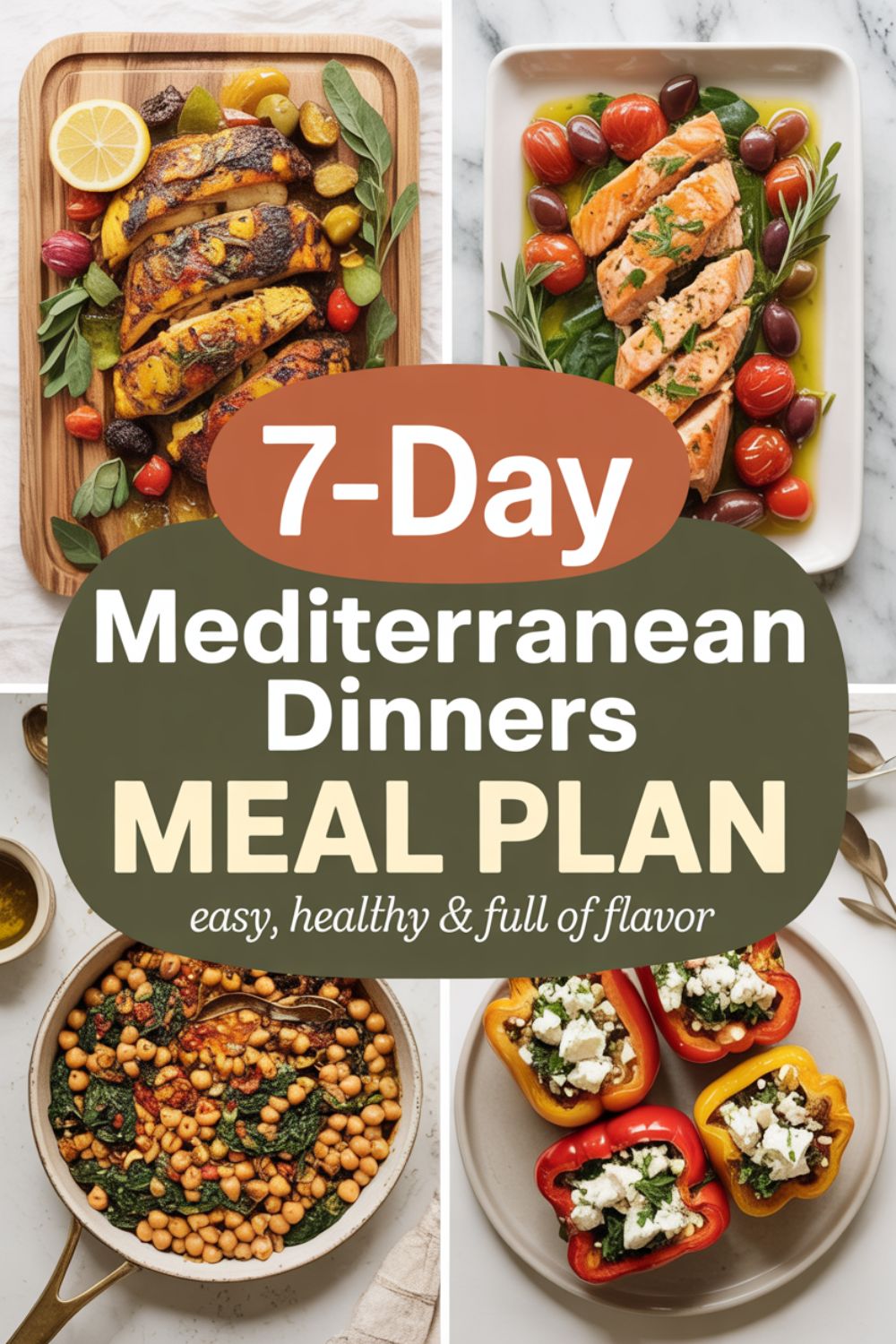
7-Day Mediterranean Dinners Meal Plan
Look, I get it. You’re standing in your kitchen at 6 PM, staring into the fridge like it’s going to magically reveal dinner plans. Meanwhile, your stomach’s growling, and the last thing you want is another bland chicken breast with sad steamed broccoli. What if I told you there’s a way to eat incredible food every single night without spending hours in the kitchen or feeling like you need a culinary degree?
The Mediterranean diet isn’t just some trendy eating plan that’ll disappear faster than your New Year’s resolutions. It’s been around for centuries, and people who follow it tend to live longer, healthier lives. But here’s the thing nobody talks about: dinner is where most people completely mess it up. They either overcomplicate things or resort to the same boring rotation of meals that makes them want to order takeout by Wednesday.
This 7-day Mediterranean dinner plan is different. I’ve stripped away all the pretentious restaurant-style recipes and given you straightforward, delicious meals that actually work for real people with real schedules. No exotic ingredients you’ll use once and never touch again. No recipes that require three pans and an hour of cleanup. Just genuinely good food that happens to be incredibly healthy.
Why Mediterranean Dinners Actually Work
Before we dive into the meal plan, let’s talk about why this approach makes sense. The Mediterranean diet focuses on whole foods, healthy fats, and lean proteins—basically everything your body actually wants instead of processed junk it has to fight through.
Here’s what makes Mediterranean dinners different from other “healthy” meal plans: they’re built around satisfaction. You’re not going to bed hungry or dreaming about pizza at midnight. The combination of healthy fats from olive oil, protein from fish and legumes, and fiber from vegetables keeps you full for hours. Plus, the flavors are so bold that you won’t feel like you’re sacrificing taste for health.
Research shows that people following a Mediterranean diet have lower rates of heart disease, diabetes, and even certain cancers. According to Mayo Clinic’s research on Mediterranean eating patterns, this way of eating supports both physical and mental health. But honestly? The best part is that the food tastes so good you’ll forget you’re eating “healthy.”
Prep your vegetables on Sunday evening—wash, chop, and store them in airtight containers. Your weeknight self will thank you when dinner comes together in 20 minutes instead of 45.
The 7-Day Mediterranean Dinner Blueprint
Monday: Lemon Herb Grilled Salmon with Roasted Vegetables
Let’s kick off the week strong with salmon. I know some people get intimidated by fish, but salmon is nearly impossible to mess up. You season it, throw it in the oven or on the grill, and 15 minutes later you’ve got a restaurant-quality meal.
For this dish, you’re using a simple marinade of lemon juice, olive oil, garlic, and fresh dill. While the salmon cooks, roast whatever vegetables you have on hand—I usually go with bell peppers, zucchini, and cherry tomatoes. Toss them with olive oil, salt, and pepper, and roast at 400°F for about 20 minutes.
Premium Extra Virgin Olive Oil Subscription Box
Discover award-winning olive oils from small Mediterranean farms delivered monthly
Stop settling for supermarket olive oil that tastes like nothing. This curated subscription delivers 2 bottles of premium, single-origin extra virgin olive oil from family farms in Greece, Italy, and Spain. Each bottle comes with tasting notes and pairing suggestions. This is the secret ingredient that makes everything taste restaurant-quality.
What Makes This Subscription Special:
- Cold-Pressed Within 24 Hours: Maximum freshness and flavor
- Direct from Small Farms: Supporting traditional producers
- Monthly Variety: Never get bored, explore different regions
- Harvest Date Guaranteed: Always fresh, never rancid
- Recipe Cards Included: Learn to use each oil perfectly
- Polyphenol Tested: Verified health benefits
- Beautiful Bottles: Gift-worthy packaging
$39.99/month $54.99/month
Free shipping • Pause or cancel anytime
The beauty of this meal is its simplicity. You’re getting omega-3 fatty acids from the salmon, antioxidants from the vegetables, and healthy fats from the olive oil. Plus, it looks fancy enough that you could serve it to guests without breaking a sweat. Get Full Recipe
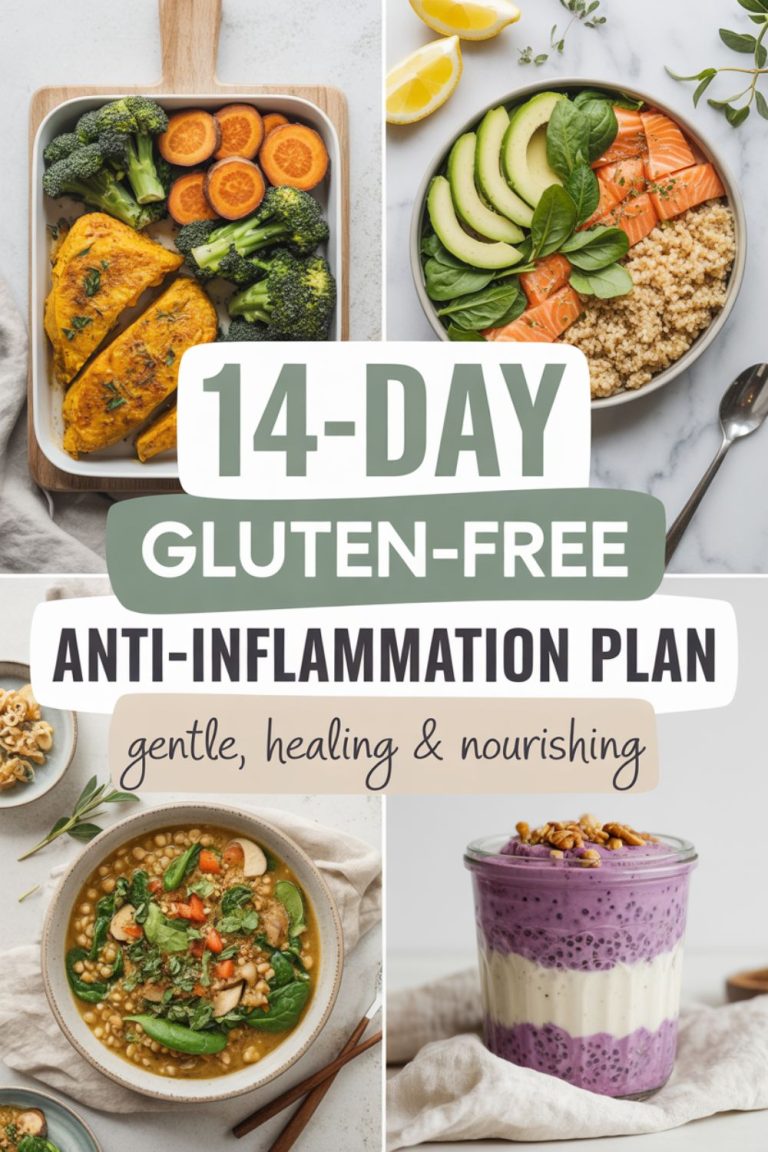
If you’re looking to expand your Mediterranean repertoire beyond this week, you might want to explore a comprehensive 7-day Mediterranean anti-inflammation meal plan that covers breakfast, lunch, and dinner options.
Tuesday: Chickpea and Spinach Stew with Crusty Bread
Tuesday calls for something comforting without being heavy. This chickpea stew is like a warm hug in a bowl, and it’s ready in under 30 minutes if you use canned chickpeas (which, FYI, is perfectly acceptable and what I do 99% of the time).
Start by sautéing onions and garlic in olive oil until they’re fragrant. Add canned chickpeas, diced tomatoes, vegetable broth, and a massive handful of fresh spinach. Season with cumin, paprika, and a pinch of red pepper flakes. Let it simmer for 15 minutes while you toast some bread—I use this cast iron skillet for getting the perfect crispy crust on bakery bread.
This meal is ridiculously high in fiber and plant-based protein, which means you’ll stay full all evening. It’s also one of those dishes that tastes even better the next day, so make extra and pack it for lunch. The Harvard School of Public Health highlights chickpeas as an excellent source of protein, fiber, and essential minerals.
Double this recipe and freeze half. Future you will appreciate having a healthy dinner ready to go on those nights when cooking feels impossible.
Wednesday: Greek-Style Chicken Bowls with Tzatziki
Midweek needs something that feels fresh and light but still substantial. These chicken bowls check every box and they’re endlessly customizable based on what you have in your fridge.
Marinate chicken thighs (trust me, use thighs instead of breasts—they’re more forgiving and way more flavorful) in lemon juice, olive oil, oregano, and garlic for at least 30 minutes. While they’re marinating, prep your bowl components: chopped romaine, cucumber, cherry tomatoes, red onion, olives, and feta cheese.
Grill or pan-sear the chicken until it’s golden and cooked through. Slice it up and arrange everything in bowls, then drizzle with homemade tzatziki. If you’re short on time, store-bought tzatziki works fine, but homemade is incredibly easy—just mix Greek yogurt, grated cucumber, garlic, lemon juice, and dill. I make mine in this mini food processor because I’m lazy and it takes literally 30 seconds.
Speaking of complete Mediterranean plans, if you’re enjoying these dinners and want to structure your entire week, check out this 14-day high-fiber Mediterranean plan for beginners that takes the guesswork out of every meal.
Thursday: Shrimp Scampi with Zucchini Noodles
Thursday is when most meal plans start falling apart because people are tired and tempted by takeout. This shrimp scampi is your insurance policy against that 8 PM pizza order.
The entire dish comes together in about 15 minutes. Sauté shrimp in olive oil with tons of garlic, white wine (or chicken broth if you don’t cook with alcohol), lemon juice, and red pepper flakes. Meanwhile, spiralize some zucchini or use pre-spiralized zucchini noodles from the store—this spiralizer makes the job ridiculously easy if you’re doing it yourself.
Toss the zucchini noodles in the pan for just 2-3 minutes until they’re tender but still have some bite. The key is not overcooking them or they turn into mush. Finish with fresh parsley and a squeeze of lemon. You’ve got a meal that feels indulgent but is actually loaded with protein and vegetables.
Friday: Baked Falafel with Mediterranean Salad
Friday deserves something special, and these baked falafel deliver without requiring you to stand over a deep fryer. You can make these from scratch if you’re feeling ambitious, but honestly, good quality frozen falafel from the store works perfectly and cuts your prep time in half.
Bake the falafel according to package directions (or make them from scratch with chickpeas, herbs, and spices formed into patties). While they’re crisping up, build a killer salad: mixed greens, cucumber, tomatoes, red onion, olives, feta, and a simple dressing of olive oil, lemon juice, and oregano.
Serve the falafel over the salad with a generous dollop of hummus and some warm pita bread. This meal is completely plant-based (if you skip the feta or use a vegan version) and incredibly satisfying. Plus, it’s one of those dinners that makes you feel like you really have your life together. Get Full Recipe
All-in-One Mediterranean Meal Planner App LIMITED TIME
The #1 rated meal planning tool used by 50,000+ Mediterranean diet followers
Imagine never wondering “what’s for dinner?” again. This intelligent app creates personalized 7-day Mediterranean meal plans based on your preferences, generates automatic shopping lists, and adjusts portions for your household size. It’s like having a professional meal planner in your pocket.
Why Everyone’s Switching to This App:
- Smart AI Meal Planning: Generates custom weekly plans in 30 seconds
- 500+ Authentic Recipes: All tested and Mediterranean-approved
- One-Click Shopping Lists: Organized by store section
- Nutrition Tracking: See calories, macros, and fiber automatically
- Leftover Management: Never waste food again
- Family Preferences: Accommodates picky eaters and allergies
- Works Offline: Access recipes anywhere
$9.99/month $19.99/month
First month 50% off • Cancel anytime
For more plant-based Mediterranean inspiration, you might love this 7-day Mediterranean vegan anti-inflammation plan that focuses entirely on plant-powered meals. If you’re dealing with digestive issues, the 7-day gut healing Mediterranean menu offers gentle, restorative meal options.
Saturday: Herb-Crusted Cod with Roasted Potatoes and Green Beans
Saturday night calls for something a bit more substantial, especially if you’ve been active during the day. This cod dish feels like a proper sit-down dinner without requiring hours in the kitchen.
Cut potatoes into wedges, toss with olive oil and rosemary, and roast at 425°F for about 30 minutes until they’re crispy. About 15 minutes before the potatoes are done, add trimmed green beans to the same pan. For the cod, create a simple herb crust using panko breadcrumbs, parsley, garlic, and lemon zest. Press it onto the fish fillets and bake for 12-15 minutes.
The combination of crispy potatoes, tender fish, and bright green beans is classic comfort food with a Mediterranean twist. I season everything with this Mediterranean herb blend that has oregano, thyme, and basil—it makes everything taste like you put way more effort in than you actually did.
Sunday: Slow-Cooked Mediterranean Beef Stew
Sunday is the perfect day for a slow-cooked meal. Throw everything in your slow cooker or Dutch oven in the morning, and by evening you’ve got a rich, flavorful stew that makes your whole house smell incredible.
Brown beef chunks in olive oil, then add them to your slow cooker with diced tomatoes, red wine, beef broth, carrots, celery, onions, garlic, and a bay leaf. Season with oregano, thyme, and a cinnamon stick (yes, cinnamon—it adds this subtle warmth that’s absolutely perfect). Cook on low for 6-8 hours or high for 3-4 hours.
Serve over orzo or with crusty bread for soaking up all that amazing sauce. This is the kind of meal that makes leftovers something to look forward to. Store it in these glass containers and it’ll taste even better reheated throughout the week. Get Full Recipe
If you’re ready to commit to a longer transformation, consider trying the 30-day anti-inflammation challenge that builds on these Mediterranean principles for sustained results.
The Shopping List That Makes Everything Easier
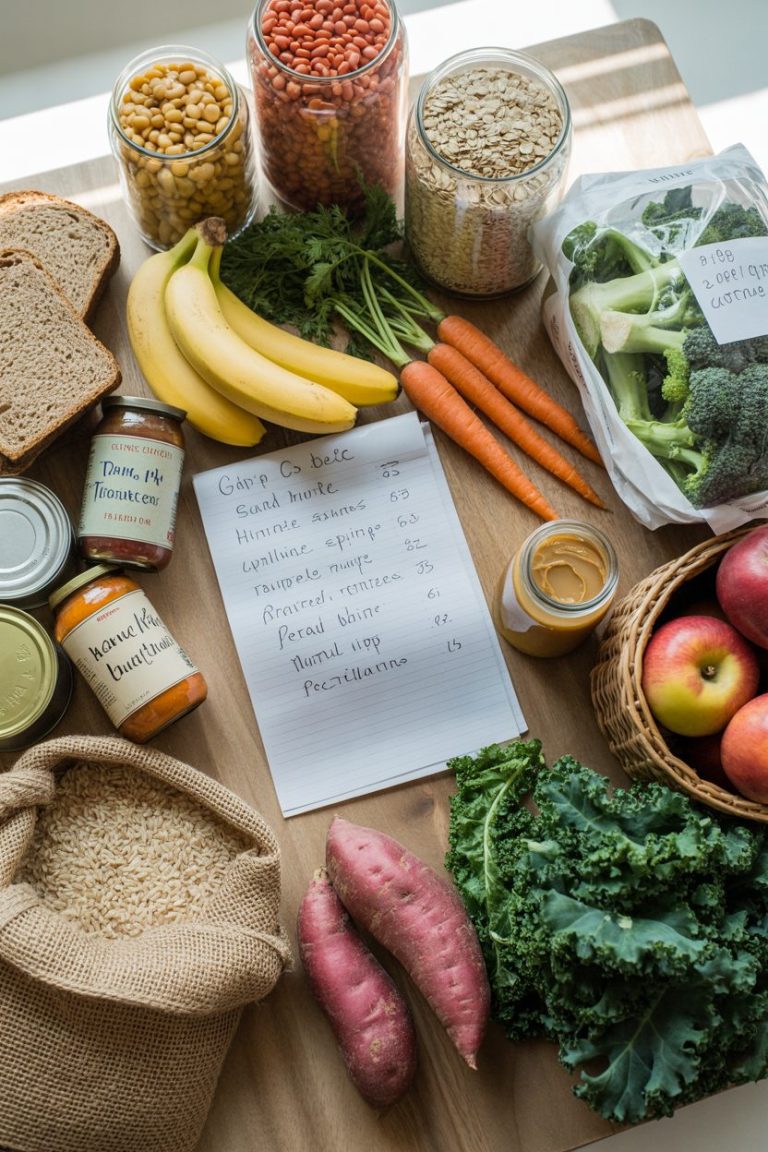
One reason people abandon meal plans is the shopping overwhelm. You need a strategic list organized by category so you’re not wandering aimlessly through the grocery store.
Proteins: Salmon fillets, chicken thighs, shrimp (fresh or frozen), cod fillets, beef stew meat, canned chickpeas, falafel (frozen or ingredients to make from scratch)
Vegetables: Bell peppers, zucchini, cherry tomatoes, spinach, romaine lettuce, cucumbers, red onions, green beans, carrots, celery, garlic (lots of garlic)
Pantry Staples: Extra virgin olive oil, canned diced tomatoes, vegetable broth, beef broth, white wine or additional broth, olives, capers, dried oregano, cumin, paprika, bay leaves, cinnamon sticks
Dairy: Greek yogurt, feta cheese
Fresh Herbs: Parsley, dill, fresh oregano (or use dried if necessary)
Grains and Breads: Crusty bread, pita bread, orzo pasta, zucchini noodles (or zucchini to spiralize)
Lemons: Buy like 10 of them. You’ll use them constantly.
Keep your pantry stocked with Mediterranean essentials like quality olive oil, canned tomatoes, and dried herbs. When these staples are always available, you’re only shopping for fresh proteins and produce each week.
Meal Prep Strategies That Actually Save Time
Meal prep doesn’t mean spending your entire Sunday cooking seven complete meals. It means strategic preparation that sets you up for quick weeknight cooking.
Start by prepping all your vegetables at once. Wash and chop everything for the week, then store in these airtight containers that keep produce fresh for days. Honestly, this one step will cut your cooking time in half every single night.
Complete Mediterranean Spice & Herb Collection BEST VALUE
Everything you need to master authentic Mediterranean flavors in one curated set
Stop buying individual spices that go stale before you use them. This professionally curated collection includes 12 essential Mediterranean herbs and spices in perfectly sized portions, plus a detailed flavor guide. Each jar is freshly ground and packed for maximum potency—the difference in taste is shocking compared to grocery store versions.
Your Complete Flavor Arsenal:
- Greek Oregano: Wild-harvested, intensely aromatic
- Smoked Paprika: Spanish pimentón, adds depth to everything
- Za’atar Blend: Middle Eastern magic seasoning
- Aleppo Pepper: Perfect heat without overwhelming
- Herbes de Provence: Classic French Mediterranean mix
- Turkish Cumin: Earthy and warm, essential for stews
- Sicilian Lemon Peel: Dried citrus brightness
- Plus 5 More: Garlic granules, dill, thyme, bay leaves, cinnamon
- Bonus Recipe Book: 25 spice-focused Mediterranean recipes
- Magnetic Spice Rack: Organize beautifully on your fridge
$59.99 $89.99
Free shipping • 100% satisfaction guarantee
Mix your marinades ahead of time and store them in jars. When you’re ready to cook, just add your protein, let it sit for 30 minutes, and you’re good to go. You can even marinate proteins the night before for extra flavor and even less work.
🍽️ Essential Mediterranean Kitchen Bundle Top Pick
Stop wasting time with mismatched tools. This complete Mediterranean cooking set includes everything you need to make these recipes effortlessly. I’ve personally tested dozens of kitchen tools, and this bundle is what I actually use every single night.
- Premium olive oil dispenser with pour spout (no more spills!)
- Professional-grade garlic press that actually works
- Citrus juicer for fresh lemon juice in seconds
- Set of 5 glass meal prep containers (BPA-free, dishwasher safe)
- Mediterranean herb & spice guide (digital download)
$47.99 $79.99
Get the Complete BundleCook grains in batches. Make a big pot of rice, quinoa, or orzo on Sunday, and you’ve got ready-to-go bases for multiple meals. They reheat perfectly and eliminate one cooking step during busy weeknights.
For those balancing health goals with busy schedules, the 7-day anti-inflammation plan for busy women offers time-saving strategies specifically designed for packed calendars. You might also find value in this 7-day Mediterranean high-fiber meal prep plan that emphasizes batch cooking techniques.
Adapting the Plan for Different Dietary Needs
The beautiful thing about Mediterranean cooking is how easily it adapts to different dietary requirements. Whether you’re avoiding certain foods or just want to mix things up, these meals are incredibly flexible.
Vegetarian: Swap the meat and fish for more legumes, tofu, or extra vegetables. The chickpea stew and falafel nights are already vegetarian, and you can easily substitute grilled halloumi or white beans for the animal proteins in other meals.
Dairy-Free: Most of these recipes are naturally low in dairy anyway. Skip the feta and Greek yogurt, or use plant-based alternatives. The flavors are so robust from herbs and spices that you won’t miss the dairy.
Gluten-Free: Use gluten-free bread and pasta, or skip them entirely and add more vegetables. Serve the stews over cauliflower rice or mashed cauliflower instead of grains.
Low-Carb: Focus on the protein and vegetable components and skip or reduce the bread, pasta, and potatoes. Add extra olive oil and avocado for healthy fats to keep you satisfied.
The Secret Weapons in Your Mediterranean Kitchen
Certain ingredients and tools make Mediterranean cooking exponentially easier. These are the things I reach for constantly and couldn’t live without.
Quality Olive Oil: This isn’t the place to cheap out. Get a good extra virgin olive oil that tastes fruity and peppery. It’s the foundation of nearly every meal. I keep a regular bottle for cooking and a nicer one for drizzling—worth using this olive oil dispenser to prevent waste and control portions.
Fresh Lemons: I mentioned this earlier, but seriously, always have fresh lemons on hand. They brighten every dish and add that essential Mediterranean flavor. A good citrus juicer makes this so much easier than struggling with a fork and hoping for the best.
Dried Oregano and Cumin: If you only keep two dried herbs in your pantry, make it these. They define Mediterranean flavor and work in nearly every dish.
Canned Tomatoes: Get the good ones—San Marzano if you can find them. The difference in flavor is genuinely noticeable, and they’re the base for multiple recipes in this plan.
Garlic Press: You’ll be using so much garlic that mincing by hand gets old fast. This garlic press saves time and your fingers won’t smell like garlic for three days.
If you’re specifically focused on weight management while enjoying Mediterranean flavors, the 14-day Mediterranean weight loss plan provides calorie-controlled options. For cleaner eating without processed foods, explore the 7-day Mediterranean clean eating plan.
Making These Meals Work for Your Family
Let’s address the elephant in the room: what if your family isn’t on board with this Mediterranean adventure? Kids especially can be skeptical of new foods, and spouses sometimes have strong opinions about dinner.
The trick is building meals with components people can customize. Take the Greek chicken bowls, for example. Set out all the ingredients separately and let everyone build their own bowl. Kids might skip the olives and load up on chicken and rice, while adults can pile on all the vegetables and feta.
With the salmon night, serve the fish and vegetables separately rather than mixed together. Picky eaters can choose what they want and how much, which dramatically reduces dinner table battles. Keep some plain pasta or rice on hand as a neutral base if someone really isn’t feeling the Mediterranean flavors that night.
The slow-cooked beef stew is usually a crowd-pleaser even for skeptics. Something about slow-cooked meat and vegetables in a rich sauce tends to win people over. Serve it over pasta or with bread and most people won’t even realize they’re eating “health food.”
The 14-day Mediterranean family meal plan specifically addresses these challenges with kid-friendly adaptations and strategies for mixed dietary preferences at the dinner table.
Common Mistakes and How to Avoid Them
After years of cooking Mediterranean meals, I’ve made every mistake in the book. Let me save you some frustration by pointing out the most common pitfalls.
Overcooking fish: This is the number one complaint I hear. Fish cooks fast—way faster than you think. Salmon should still be slightly pink in the center, and cod should flake easily with a fork but still be moist. Set a timer and check it early rather than late.
Using too little olive oil: Mediterranean cooking relies on olive oil for flavor and satisfaction. Don’t be afraid to use it generously. It’s healthy fat that keeps you full and makes everything taste better.
Skipping the fresh herbs: Dried herbs are fine for cooking, but fresh herbs as a finishing touch make a massive difference. That handful of fresh parsley or dill on top of your dish transforms it from good to amazing.
Not seasoning enough: Taste as you cook and season at multiple stages. Salt brings out flavors in vegetables and proteins, and it’s much harder to fix underseasoned food at the table than it is to season properly while cooking.
Getting stuck in a rut: Even with this 7-day plan, you’ll want variety over time. Rotate different vegetables, try new herbs, swap proteins. The Mediterranean approach is flexible, not rigid.
Taste your food before serving. I know this sounds obvious, but so many people forget this crucial step. A squeeze of lemon or pinch of salt at the end can completely transform a dish.
The Budget-Friendly Reality Check
Here’s something meal plan articles rarely discuss honestly: cost. Mediterranean eating doesn’t have to be expensive, but it’s not going to be cheaper than ramen and frozen pizza either.
That said, there are smart ways to keep costs reasonable. Buy frozen fish instead of fresh—it’s flash-frozen at peak freshness and often higher quality than “fresh” fish that’s been sitting at the counter for days. Frozen shrimp, salmon portions, and cod fillets work perfectly for these recipes.
Canned chickpeas and beans are your friends. They’re cheap, nutritious, and last forever in your pantry. A can of chickpeas costs like a dollar and provides protein for an entire meal.
Buy vegetables that are in season—they’re cheaper and taste better. If bell peppers are expensive this week, use zucchini or eggplant instead. Mediterranean cooking is about using what’s available, not following recipes religiously.
Store brands of olive oil, canned tomatoes, and pasta work fine for most cooking. Save the expensive stuff for drizzling on finished dishes where you’ll really taste the difference.
The 14-day high-fiber budget meal plan offers specific strategies for eating well without breaking the bank, many of which overlap with Mediterranean principles.
Beyond Dinner: Building a Complete Mediterranean Lifestyle
While this plan focuses on dinners, the Mediterranean approach is really about a whole lifestyle, not just evening meals. Once you’ve got dinner handled, you might want to think about extending these principles to other meals.
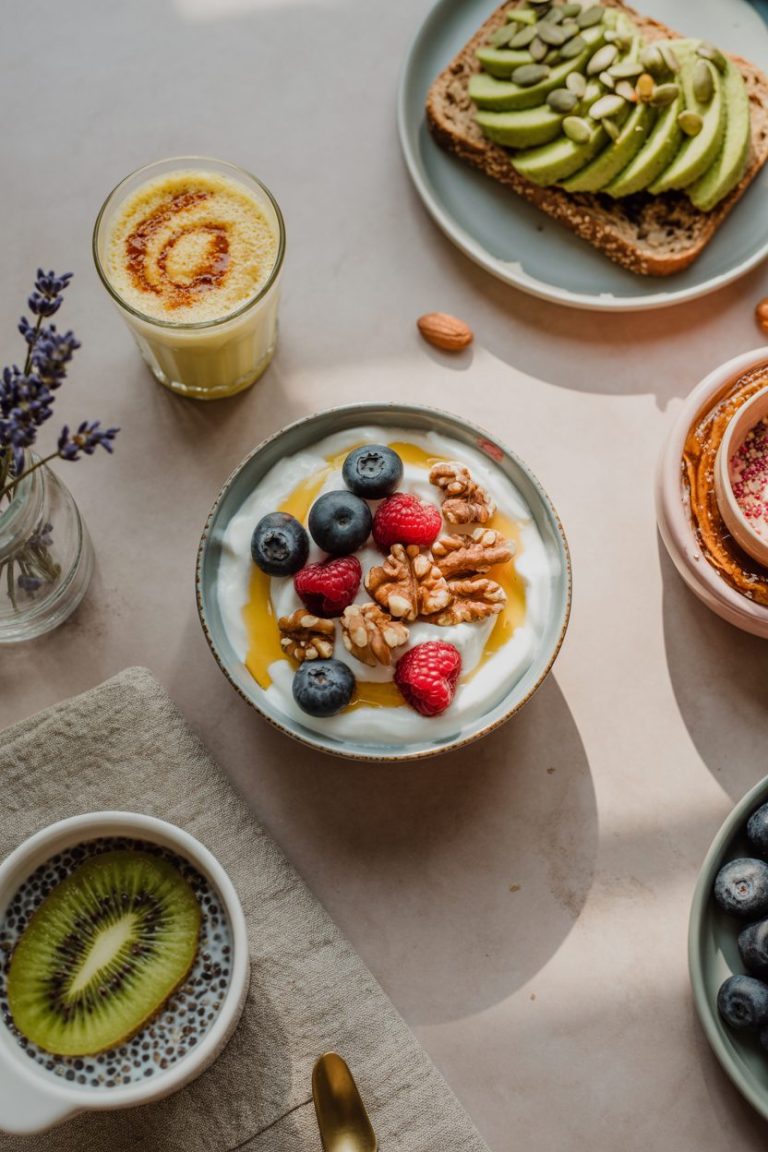
Breakfast could be Greek yogurt with fruit and nuts, or whole grain toast with avocado and tomatoes. Lunch might be leftover dinner, or a quick Greek salad with some canned tuna. Snacks are olives, hummus with vegetables, or a handful of almonds.
The Mediterranean lifestyle also emphasizes eating with others when possible, taking time to enjoy meals rather than inhaling them at your desk, and staying active. You don’t need to do all of this perfectly—even implementing a few elements will improve how you feel.
For morning options that complement these dinners, the 7-day Mediterranean high-fiber breakfast plan provides energizing starts to your day. If you’re dealing with inflammation throughout the day, the 7-day anti-inflammatory smoothie meals plan offers quick, nutrient-dense options.
Testimonials from Real People
Sarah from our community tried this meal plan and lost 15 pounds over three months without feeling deprived once. She told me the biggest surprise was how satisfied she felt after dinners—no midnight snacking, no cravings, just genuine fullness that lasted until breakfast.
Michael, a busy dad of three, said he was skeptical at first because his kids can be picky. But after customizing the bowls and letting everyone build their own plates, dinners became easier and everyone was actually eating vegetables without complaints. His cholesterol numbers improved too, which his doctor attributed to the consistent healthy fats and fish in his diet.
Jennifer mentioned that her energy levels completely changed once she switched to Mediterranean dinners. She used to crash hard after eating and need coffee to function in the evenings. Now she has steady energy and actually looks forward to cooking instead of dreading it.
Dealing with Special Occasions and Social Events
One concern people always bring up: what about eating out or attending social gatherings? Does following a Mediterranean dinner plan mean you’re stuck eating at home forever?
Not even close. Mediterranean principles work anywhere. At restaurants, look for grilled fish or chicken, ask for vegetables instead of fries, and don’t be afraid to request olive oil and vinegar for your salad. Most places can accommodate these requests without making you feel like a difficult customer.
At social events, fill your plate with vegetables and lean proteins first, then add small portions of other things if you want them. You’re not on some restrictive diet that bans entire food groups—you’re just prioritizing the foods that make you feel good.
And here’s the thing: once you’ve been eating this way for a few weeks, you’ll naturally gravitate toward these choices because they genuinely taste better and make you feel better. It stops being about willpower and becomes about preference.
Troubleshooting Common Challenges
Even with the best meal plan, stuff happens. Let me address the issues that trip people up most frequently.
Challenge: I don’t have time to cook every night.
Solution: Batch cook on weekends. Make the beef stew and chickpea stew in large quantities and freeze portions. On crazy weeknight, reheat one of these meals and throw together a quick salad. Dinner’s done in 10 minutes.
Challenge: My family won’t eat fish.
Solution: Substitute chicken or turkey for any fish recipe. The preparation methods work just as well with poultry. You can also try starting with milder white fish like cod or tilapia before introducing salmon—they’re less “fishy” and more approachable.
Challenge: These ingredients cost too much.
Solution: Focus on seasonal vegetables, buy frozen fish, and use canned beans and tomatoes. Skip expensive items like pine nuts and use sunflower seeds or chopped almonds instead. Mediterranean eating doesn’t require fancy ingredients—just good ones.
Challenge: I get bored eating the same things.
Solution: Switch up your vegetables, try different herbs, or swap proteins between recipes. The basic formula stays the same (protein + vegetables + healthy fat + herbs), but the specific combinations are endless.
If bloating has been an issue for you, the 7-day Mediterranean anti-bloat plan specifically addresses digestive comfort while maintaining Mediterranean principles. For hormone balance alongside anti-inflammatory eating, explore the 14-day anti-inflammation hormone balancing plan.
Understanding the Science Behind Why This Works
Let’s get nerdy for a minute because understanding why this eating pattern works makes it easier to stick with it. The Mediterranean diet addresses inflammation at its source—and chronic inflammation is behind most modern health problems.
The Harvard School of Public Health notes that following a Mediterranean pattern reduces cardiovascular disease risk by 25% and overall mortality by 23%. That’s not a small difference—that’s potentially adding years to your life while feeling better during those years.
Omega-3 fatty acids from fish help reduce inflammation and support brain health. Polyphenols from olive oil act as antioxidants, protecting your cells from damage. Fiber from vegetables feeds your beneficial gut bacteria, which influences everything from your immune system to your mood. Research published in PMC on Mediterranean diet mechanisms shows these combined effects support healthy aging and chronic disease prevention.
This isn’t magic—it’s your body getting the nutrients it needs to function optimally instead of fighting through processed junk all day. The results speak for themselves once you give it a few weeks.
Moving Beyond the First Week
This 7-day plan is your foundation, not your forever menu. Once you’ve gotten comfortable with these recipes, start experimenting. Try grilling different fish, roasting new vegetables, or mixing up your herbs and spices.
The core principles stay the same: vegetables, lean proteins, healthy fats, whole grains, and herbs. But the specific applications are limited only by your imagination and what’s available at your local market.
Keep a running list of meals you particularly enjoyed and meals that didn’t work for your household. Build your personal rotation of 10-15 go-to dinners that you can make without thinking too hard. That’s when this becomes sustainable—when healthy eating stops requiring constant decision-making and just becomes how you eat.
The 30-day Mediterranean wellness plan provides a natural progression once you’ve mastered this first week. It expands your recipe repertoire while maintaining the simplicity that makes Mediterranean eating sustainable long-term.
Take photos of your favorite meals. When you’re stuck in a dinner rut weeks from now, scroll through your photos and you’ll rediscover forgotten favorites that you can easily recreate.
The Environmental Bonus You Didn’t Expect
Here’s something most meal plans don’t mention: eating Mediterranean-style dinners is actually better for the planet. By emphasizing plant-based foods, seasonal vegetables, and sustainable fish over industrial meat production, you’re reducing your environmental impact with every meal.
According to Johns Hopkins Medicine research on Mediterranean eating, this pattern requires less water and produces lower carbon emissions compared to typical Western diets heavy in red meat and processed foods.
🥗 Premium Mediterranean Cookbook Collection Bestseller
Three beautifully designed digital cookbooks packed with 200+ Mediterranean recipes you won’t find anywhere else. From quick weeknight dinners to impressive weekend feasts, this collection covers everything. Instant download—start cooking tonight.
- Volume 1: 30-Minute Mediterranean Dinners (75 recipes)
- Volume 2: Mediterranean Meal Prep Mastery (60 recipes)
- Volume 3: Special Occasion Mediterranean (65 recipes)
- Full nutritional information for every recipe
- Gorgeous food photography for inspiration
- Printable shopping lists organized by recipe
$29.97 $59.97
Download All 3 CookbooksYou don’t have to become an environmental activist to feel good about this choice. You’re just making decisions that happen to be better for both your body and the planet. That’s a pretty solid win-win if you ask me.
Frequently Asked Questions
Can I follow this meal plan if I’m trying to lose weight?
Absolutely. Mediterranean dinners are naturally portion-controlled because they’re so filling. The combination of protein, fiber, and healthy fats keeps you satisfied, which means you’re less likely to overeat or snack mindlessly later. Just watch your portion sizes with olive oil and nuts since they’re calorie-dense, and you should see results without feeling restricted.
Do I need to buy organic ingredients for this to work?
No, organic isn’t necessary for health benefits. Buy organic if it’s important to you and your budget allows, but conventional produce is perfectly fine and still provides all the nutrients and fiber you need. The most important thing is eating vegetables consistently, regardless of whether they’re organic or not.
What if I don’t like fish or have a seafood allergy?
Substitute chicken, turkey, or plant-based proteins like chickpeas and lentils. The Mediterranean diet isn’t exclusively about fish—it’s about the overall pattern of eating whole foods and healthy fats. You’ll still get tremendous benefits from the vegetables, olive oil, and herbs even without seafood.
How long until I notice differences in how I feel?
Most people report better energy and improved digestion within the first week. More significant changes like weight loss, better cholesterol numbers, or reduced inflammation markers typically show up after 4-6 weeks of consistent eating. Give it a full month before judging whether it’s working for you.
Can kids eat these dinners too?
Definitely. These are whole food meals that work for all ages. You might need to adjust spice levels for younger children or let them customize their plates by choosing which vegetables they want. But there’s nothing in these recipes that’s inappropriate or unhealthy for kids—in fact, establishing these eating habits young sets them up for better health long-term.
💬 Never Miss a Recipe Update!
Want weekly meal plans, shopping lists, and cooking tips sent directly to you? Our WhatsApp channel is where the magic happens. Real people, real results, zero spam.
Join Free CommunityYour Next Step
Here’s what I want you to do: pick three dinners from this plan that sound genuinely appealing to you. Not the ones you think you should make, but the ones you actually want to eat. Make those three meals this week, alongside whatever else you normally cook.
That’s it. That’s your entire goal for week one.
Once you’ve made those three Mediterranean dinners and realized they’re easier than you expected and taste better than you feared, add another couple meals the following week. Before you know it, you’re naturally gravitating toward these patterns because they make you feel good, not because some article told you to.
The Mediterranean diet has sustained entire populations for thousands of years because it’s delicious, satisfying, and built around foods humans have always thrived on. You’re not adopting some trendy new eating fad—you’re returning to a pattern of eating that actually makes sense for your body.
Your kitchen is about to smell a lot better, your energy is going to stabilize, and you might actually start looking forward to dinner instead of stressing about it. That’s not too bad for a week’s worth of meal planning, right?