7-Day Anti-Inflammation Reset (Simple Meals)
Your body is screaming at you. Joint pain that makes getting out of bed feel like a full workout. Brain fog so thick you can’t remember what you were just talking about. Bloating that has you reaching for elastic waistbands by noon. Skin that’s acting like you’re 15 again despite being decades past that. Chronic inflammation is behind all of it, and it’s not going away on its own.
Here’s the good news—you can actually reset your inflammatory response in just seven days. Not cure everything forever, but give your body a legitimate break from the constant inflammatory assault. The catch? You need to commit fully for one week. No cheating, no “just this once,” no half-measures. Seven days of simple, anti-inflammatory meals that require minimal cooking skills and zero exotic ingredients.
This reset is designed for real people with real lives. No three-hour meal prep sessions. No ingredients you need to special-order from obscure websites. No recipes that require culinary school training. Just straightforward meals using foods you can find at any grocery store, prepared using techniques you already know. Simple doesn’t mean ineffective—it means sustainable and actually doable.
Why Seven Days Works
You might be skeptical that one week makes any difference. I get it. But inflammation isn’t like a chronic disease that takes years to develop and years to reverse. It’s a dynamic process that responds quickly to dietary changes.
According to research on anti-inflammatory diets, inflammatory markers like C-reactive protein begin dropping within days of eliminating inflammatory triggers and adding anti-inflammatory foods. Your gut microbiome shifts within 24-48 hours of dietary changes. Your body wants to heal—you just need to stop actively preventing it from doing so.
Seven days gives you enough time to:
- Clear inflammatory foods from your system
- Let your gut lining begin repairing
- Experience noticeable improvements in symptoms
- Break the cycle of inflammatory eating patterns
- Build confidence that this actually works
It’s not about perfection forever. It’s about proving to yourself that you have control over how your body feels. Once you experience what “normal” feels like without constant inflammation, you’re motivated to maintain those habits long-term.
The Three Simple Rules
Forget complicated meal plans and confusing guidelines. This reset has exactly three rules:
Rule 1: Eat only whole, unprocessed foods for seven days. Nothing from a package with more than five ingredients. Nothing with added sugar, artificial sweeteners, or preservatives. Real food only.
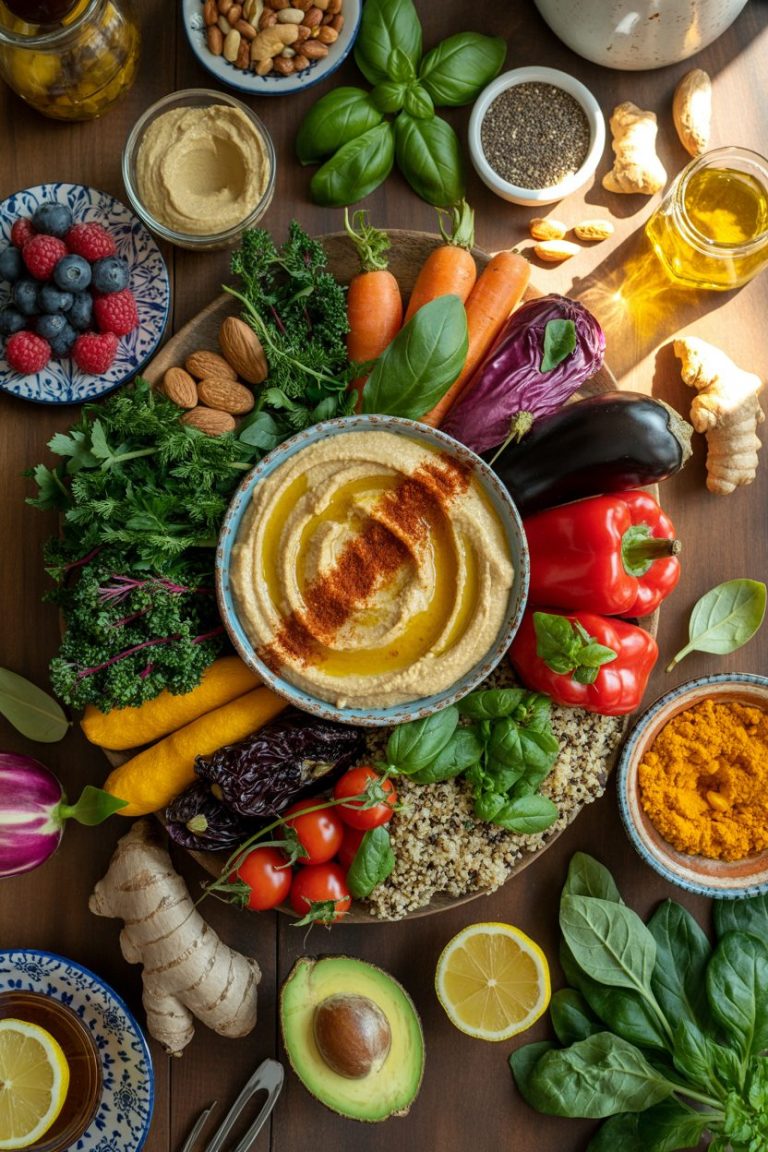
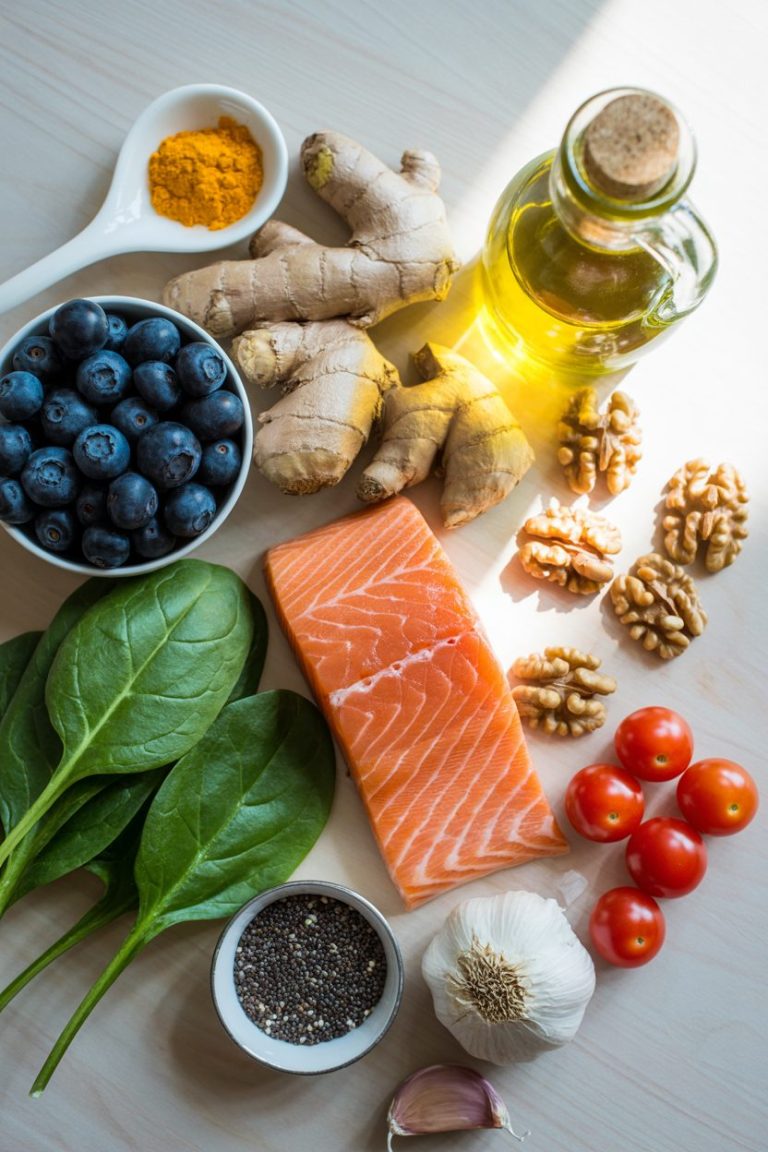
Rule 2: Include anti-inflammatory foods at every meal. Each meal needs at least two of these: leafy greens, fatty fish, berries, nuts, olive oil, turmeric, ginger, or garlic. These aren’t optional add-ons—they’re the foundation.
Rule 3: Eliminate all inflammatory triggers completely. No sugar, no alcohol, no processed foods, no refined carbs, no vegetable oils, no fried foods, no dairy, no gluten. Seven days. You can do anything for seven days.
These rules are non-negotiable. Half-measures won’t give you the reset you need. But they’re also simple enough that you don’t need a nutrition degree to follow them.
Your 7-Day Reset Plan
Day 1: Monday
Breakfast: Scrambled eggs with spinach, tomatoes, and avocado. Cook in olive oil, season with turmeric and black pepper.
Lunch: Large salad with mixed greens, grilled chicken breast, cucumber, bell peppers, walnuts, and olive oil-lemon dressing.
Dinner: Baked salmon with roasted broccoli and cauliflower. Season with garlic and herbs, drizzle with olive oil.
Snacks: Apple slices with almond butter, carrot sticks with guacamole.
Monday sets the tone. You’re probably experiencing some mental resistance—”I can’t have my morning coffee with cream?” or “No bread with dinner?” Push through. Your body is starting to shift out of its inflammatory state. Stay hydrated, drink herbal tea, and remind yourself it’s only seven days.
The turmeric and black pepper combination is key—black pepper increases curcumin absorption by 2000%. I keep this pepper grinder filled with fresh peppercorns because pre-ground pepper loses its piperine content quickly.
Day 2: Tuesday
Breakfast: Smoothie with spinach, banana, blueberries, almond butter, chia seeds, and coconut milk. Add fresh ginger.
Lunch: Grilled chicken salad with arugula, strawberries, avocado, pumpkin seeds, and balsamic vinegar-olive oil dressing.
Dinner: Turkey meatballs (no breadcrumbs) in homemade tomato sauce over zucchini noodles. Side of roasted Brussels sprouts.
Snacks: Handful of walnuts, bell pepper strips with guacamole.
Tuesday often brings the first signs of improvement. Maybe you slept slightly better, or you woke up with less joint stiffness. Maybe your afternoon energy didn’t completely crash. These small wins matter—they prove this is working. Get Full Recipe for those turkey meatballs if you want exact proportions.
Zucchini noodles are stupid easy if you have the right tool. I use this spiralizer that doesn’t require manual dexterity or excessive arm strength. Three zucchinis become a week’s worth of noodles in maybe 5 minutes.
If you’re enjoying these veggie-forward meals, you might also love simple Mediterranean vegetable dishes or try easy zucchini-based recipes that keep things interesting.
Day 3: Wednesday
Breakfast: Sweet potato hash with eggs and sautéed kale. Cook everything in coconut oil with garlic.
Lunch: Tuna salad (canned wild-caught tuna, olive oil, lemon juice, diced cucumber, tomatoes) over mixed greens.
Dinner: Grilled chicken breast with roasted asparagus and a large side salad with olive oil dressing.
Snacks: Fresh berries, handful of almonds.
Wednesday is typically the hardest day. You’re past the initial motivation but haven’t experienced dramatic enough results to coast on momentum. Your body might be detoxing from sugar and processed foods, causing headaches or fatigue. This is temporary. Push through day three, and day four feels completely different.
Stay hydrated—like really hydrated. Inflammation causes water retention, and as inflammation decreases, your body releases that excess fluid. You need to support the process with adequate water intake. I drink from this large water bottle that holds 32 ounces because refilling tiny bottles all day is annoying.
Day 4: Thursday
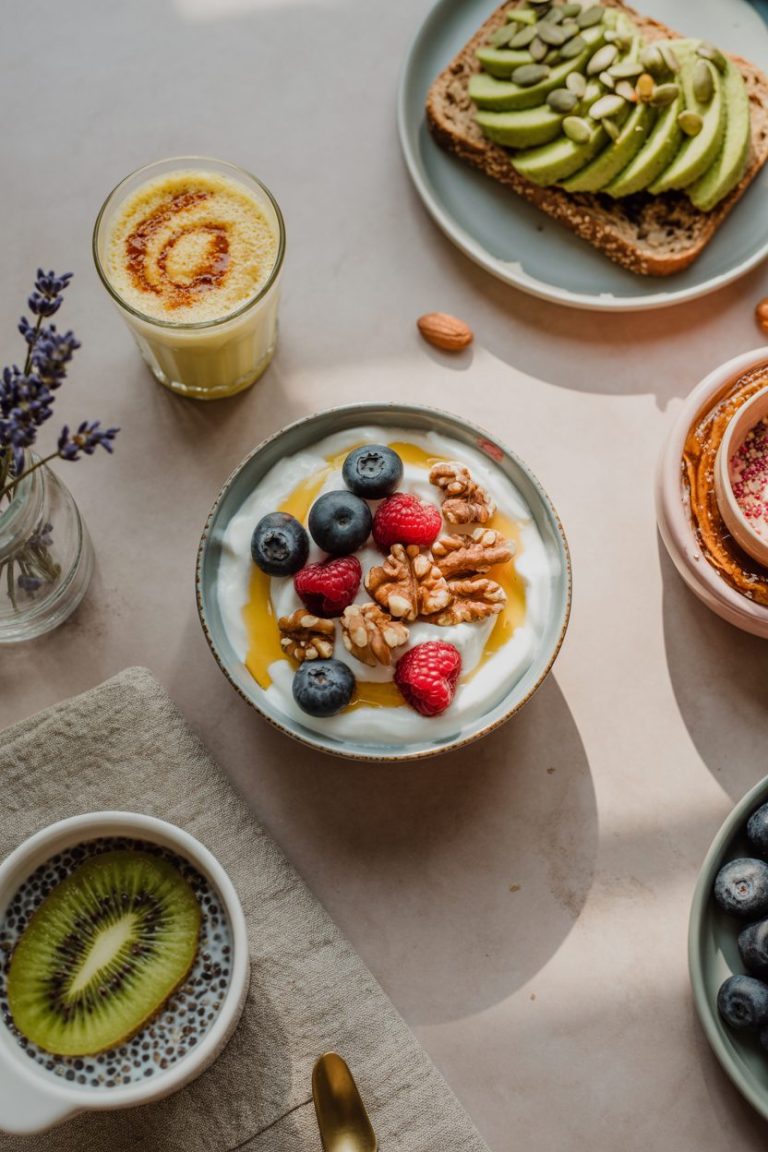
Breakfast: Coconut yogurt (unsweetened) with blueberries, raspberries, walnuts, and a drizzle of raw honey. Sprinkle with cinnamon.
Lunch: Chicken and vegetable soup (homemade broth, shredded chicken, carrots, celery, zucchini, spinach, herbs).
Dinner: Baked cod with roasted sweet potato and sautéed green beans in garlic and olive oil.
Snacks: Apple with cashew butter, cucumber slices with tahini.
Thursday is when things start clicking. Most people notice significantly better sleep by this point. Maybe you’re waking up feeling actually rested instead of groggy. Your digestion is probably smoother—less bloating, more regular. Your skin might look clearer. These aren’t placebo effects—they’re your body responding to reduced inflammatory load.
Homemade soup is the MVP of this reset. Make a huge pot, and you have easy lunches for days. Get Full Recipe for the most anti-inflammatory soup combinations that taste amazing reheated.
Day 5: Friday
Breakfast: Scrambled eggs with mushrooms, spinach, and cherry tomatoes. Side of sliced avocado.
Lunch: Large salad with mixed greens, grilled salmon, cucumber, radishes, pumpkin seeds, and olive oil-lemon dressing.
Dinner: Grilled chicken thighs with roasted cauliflower and a side of sautéed kale with garlic.
Snacks: Fresh berries with almonds, carrot sticks with tahini.
Friday brings noticeable energy improvements. That mid-afternoon crash you’ve accepted as normal? Probably absent or significantly reduced. Your mental clarity is sharper—you’re not searching for words or losing your train of thought constantly. This is what normal feels like when your body isn’t fighting constant inflammation.
IMO, chicken thighs are criminally underrated. More flavor than breasts, harder to overcook, and the fat content keeps them juicy. Season with herbs and lemon, and they’re perfect. I use this meat thermometer to hit 165°F perfectly every time.
Speaking of flavorful protein options, check out simple chicken preparations or explore anti-inflammatory fish dishes that make weeknight dinners easy.
Day 6: Saturday
Breakfast: Smoothie bowl with coconut milk, spinach, mango, topped with blueberries, sliced almonds, and chia seeds.
Lunch: Chicken and vegetable stir-fry (bell peppers, broccoli, snap peas, carrots) over cauliflower rice. Season with ginger and garlic.
Dinner: Baked salmon with roasted Brussels sprouts and a large side salad with avocado and olive oil dressing.
Snacks: Apple slices with almond butter, handful of walnuts.
Saturday is when you realize you can actually do this long-term. The meals aren’t complicated or miserable. You’re eating real food that tastes good. You feel significantly better than you did six days ago. The prospect of maintaining some version of this beyond the seven days doesn’t feel overwhelming anymore.
Cauliflower rice is a game-changer for keeping meals simple while avoiding inflammatory grains during the reset. You can buy it pre-riced, or make your own in this food processor in literally 30 seconds. Way easier than dealing with actual rice when you’re trying to keep things simple.
Day 7: Sunday
Breakfast: Sweet potato toast (thick-sliced roasted sweet potato) topped with mashed avocado and a poached egg. Sprinkle with everything bagel seasoning.
Lunch: Tuna salad lettuce wraps with tomatoes, cucumber, and olive oil-lemon dressing.
Dinner: Grilled chicken breast with roasted vegetables (zucchini, bell peppers, onions, eggplant) drizzled with olive oil and herbs.
Snacks: Fresh berries, handful of cashews.
Sunday concludes your reset. Take stock of everything that’s changed. How’s your energy? Your sleep? Your digestion? Your joint pain? Your mental clarity? Your skin? Compare how you feel now to how you felt seven days ago. That difference is what inflammation was costing you.
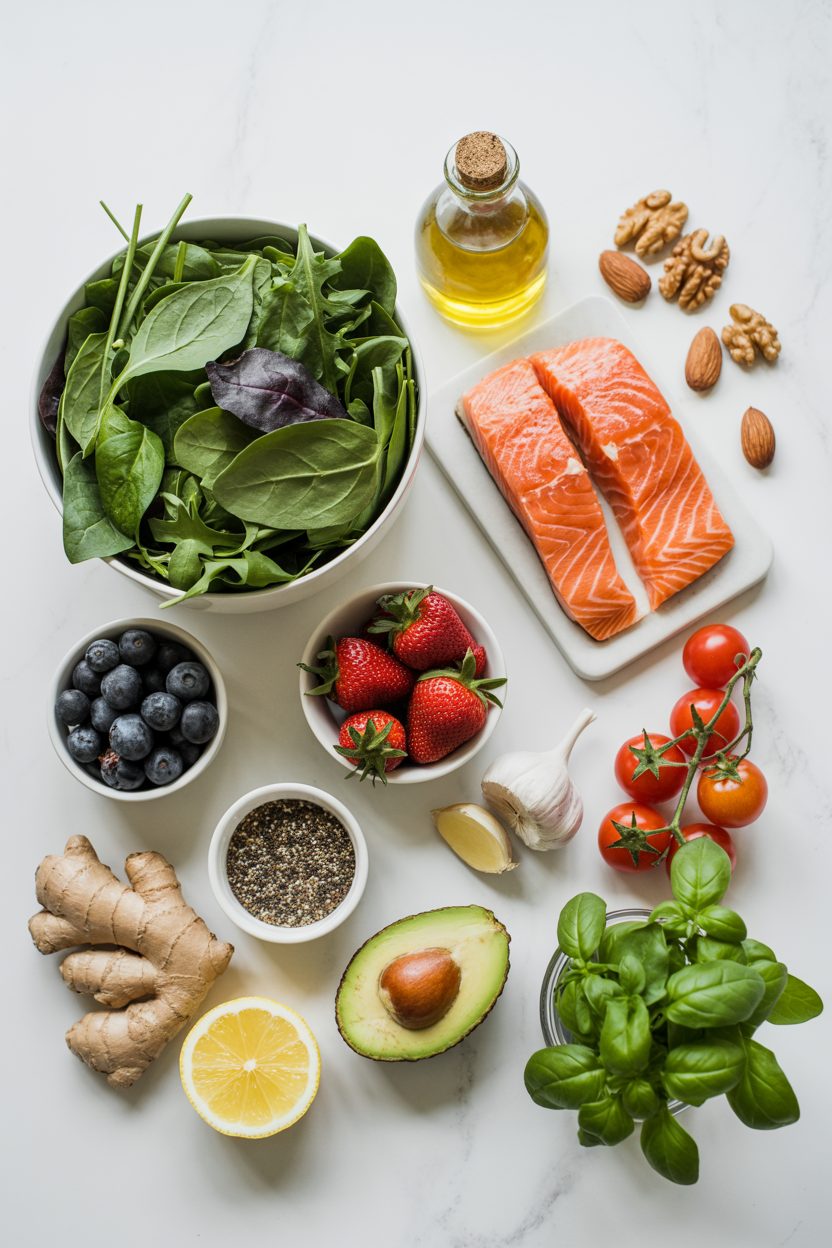
The Anti-Inflammatory All-Stars
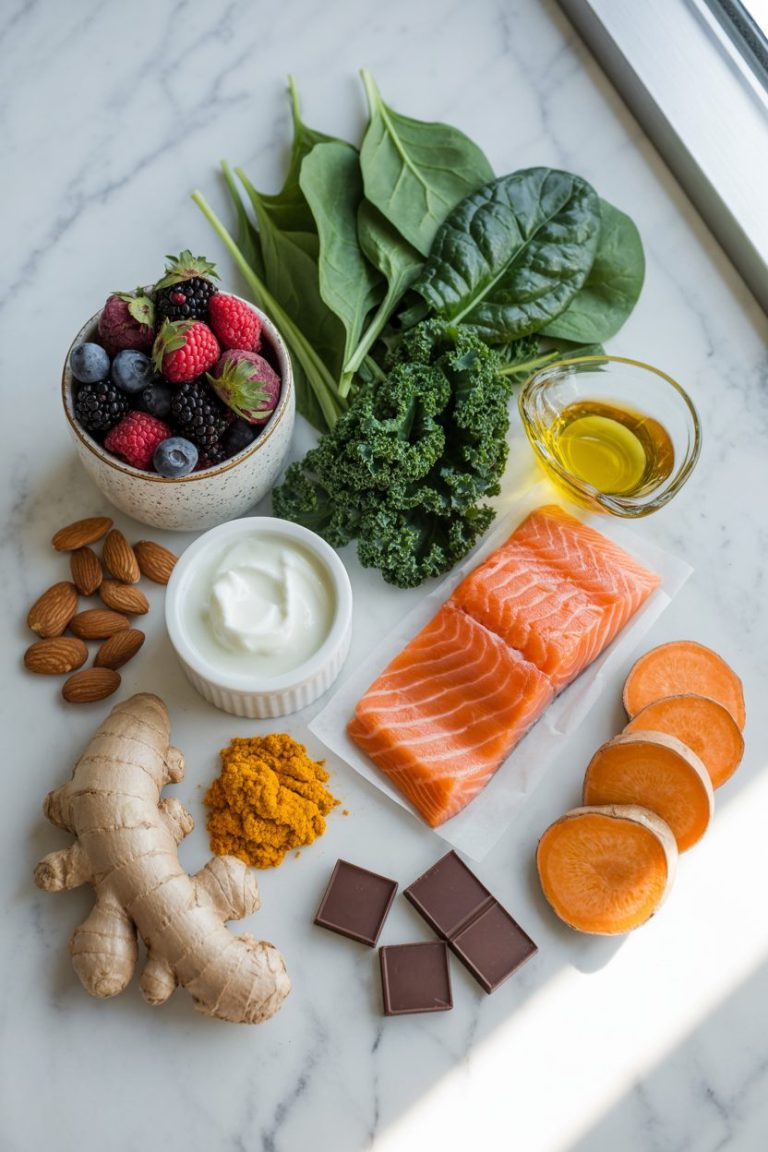
These ingredients carried you through the week because they actively fight inflammation:
Wild-Caught Fatty Fish: Salmon, sardines, and tuna provide omega-3 fatty acids (EPA and DHA) that directly reduce inflammatory compounds called prostaglandins. Eat fatty fish at least 3-4 times during the week.
Leafy Greens: Spinach, kale, and arugula contain antioxidants and magnesium that combat oxidative stress and reduce inflammatory markers. Include them at every lunch and dinner.
Berries: Blueberries, strawberries, and raspberries deliver anthocyanins—powerful antioxidants that reduce inflammation at the cellular level. Perfect for breakfast or snacks.
Extra Virgin Olive Oil: Contains oleocanthal, a compound that works similarly to ibuprofen in reducing inflammation. Use it liberally for cooking and dressing salads.
Turmeric and Ginger: Both contain compounds (curcumin and gingerols) with powerful anti-inflammatory effects. Add turmeric to eggs, ginger to smoothies and stir-fries.
Nuts and Seeds: Walnuts, almonds, chia seeds, and pumpkin seeds provide omega-3s, vitamin E, and magnesium. They’re perfect snacks or salad toppers.
Avocados: Rich in monounsaturated fats and antioxidants that reduce inflammatory markers. Include them daily for satiety and nutrient absorption.
Garlic: Contains allicin and other sulfur compounds that inhibit inflammatory pathways. Use it in almost every savory meal.
Understanding why these foods work makes you more likely to keep eating them after the reset ends.
What to Expect Each Day
Let me be honest about how this week typically unfolds:
Days 1-2: Mental challenge more than physical. You’re dealing with cravings and habit disruption. Your body is starting to adjust but you’re not feeling dramatically different yet. Stay focused on why you’re doing this.
Day 3: Often the hardest day. Possible detox symptoms like headaches, fatigue, or irritability as your body processes the elimination of inflammatory foods. This is temporary and means it’s working.
Days 4-5: Breakthrough moment. Sleep improves noticeably, energy stabilizes, bloating reduces significantly. You start believing this is actually working.
Days 6-7: Feeling good becomes your new normal. Joint pain has reduced, mental clarity improves, digestion is smoother. You’re planning how to maintain these benefits long-term.
FYI, everyone’s timeline varies slightly based on how inflammatory their baseline diet was and their individual physiology. Some people feel amazing by day two. Others need the full week to experience significant changes. Trust the process.
For more options to keep variety during your reset week, explore anti-inflammatory meal combinations or try simple reset-friendly recipes that follow these same principles.
Simple Shopping List
You don’t need a complicated grocery list. Here’s everything for the week:
Proteins:
- Eggs (2 dozen)
- Wild-caught salmon (3 fillets)
- Chicken breasts and thighs (2 pounds each)
- Ground turkey (1 pound)
- Canned wild-caught tuna (3 cans)
- White fish like cod or halibut (2 fillets)
Vegetables:
- Leafy greens (spinach, kale, arugula, mixed greens)
- Broccoli, cauliflower, Brussels sprouts
- Zucchini (for noodles and roasting)
- Bell peppers (multiple colors)
- Asparagus, green beans
- Cherry tomatoes, cucumbers
- Sweet potatoes
- Carrots, celery
- Mushrooms
- Fresh ginger and garlic
Fruits:
- Blueberries, strawberries, raspberries
- Apples
- Bananas
- Lemons
- Mango (for smoothies)
Fats:
- Extra virgin olive oil
- Coconut oil
- Avocados (6-8)
- Raw nuts (walnuts, almonds, cashews)
- Raw seeds (chia, pumpkin)
- Almond butter, cashew butter
- Tahini
Other:
- Coconut milk (unsweetened, full-fat)
- Coconut yogurt (unsweetened)
- Fresh herbs (basil, cilantro, parsley)
- Dried herbs and spices (turmeric, cinnamon, garlic powder)
- Raw honey (minimal use)
That’s it. No weird superfoods, no expensive specialty items. Just real food that fights inflammation.
Meal Prep Makes It Doable
You don’t need hours of prep, but spending 60-90 minutes on Sunday makes the week infinitely easier:
Sunday Prep Tasks:
- Wash and chop all vegetables
- Hard boil a dozen eggs
- Grill or bake 3-4 chicken breasts
- Make a large pot of chicken soup
- Spiralize zucchini for the week
- Mix olive oil and lemon dressing
- Portion nuts into snack containers
- Prep smoothie bags with pre-measured ingredients
With these components ready, meals come together in 10-15 minutes. You’re assembling, not cooking from scratch three times daily. This knife set makes vegetable prep significantly faster—sharp knives are genuinely a game-changer.
Store everything in these glass containers that keep food fresh without leaching chemicals into your carefully chosen anti-inflammatory meals. They’re pricey but worth it for food safety and longevity.
Common Challenges and Solutions
Challenge: “I’m so hungry between meals.” Solution: Add more healthy fats—extra avocado, more nuts, generous olive oil. Fat provides satiety that helps you make it 4-5 hours between meals comfortably.
Challenge: “I have a headache and feel terrible on day 2-3.” Solution: This is your body detoxing from sugar and processed foods. Stay hydrated, rest when possible, and know it passes within 24-48 hours. Don’t quit right when it’s about to get better.
Challenge: “These meals are too simple—I’ll get bored.” Solution: Use different seasonings and herbs to vary flavors. Monday’s chicken with Italian herbs tastes completely different from Thursday’s chicken with ginger and garlic. Same ingredient, totally different meal.
Challenge: “I’m eating out for work on Wednesday.” Solution: Order grilled fish or chicken with steamed vegetables. Ask for olive oil on the side. Most restaurants can accommodate simple requests. Skip the bread basket and dessert.
Challenge: “My family isn’t doing this with me.” Solution: These meals work for everyone. Make the protein and vegetables, and they can add their rice or bread if they want. You’re not forcing anyone else to reset—you’re just taking care of yourself.
Challenge: “I’m craving sugar constantly.” Solution: Eat berries when cravings hit. The natural sweetness helps, and the antioxidants support your reset. Also, cravings typically peak on days 2-3 and then decrease dramatically.
Beyond Day Seven: Maintaining Results
The reset proves what’s possible. Now you decide how to maintain those results:
Option 1: Strict Maintenance – Continue eating this way most of the time, allowing occasional indulgences (80/20 rule).
Option 2: Modified Approach – Reintroduce some foods one at a time to identify your personal triggers. Keep the anti-inflammatory foods as your foundation.
Option 3: Regular Resets – Return to normal eating but do a 7-day reset monthly or quarterly to keep inflammation in check.
There’s no single right answer. The goal is finding what’s sustainable for your life while maintaining the improvements you’ve experienced. Get Full Recipe for long-term anti-inflammatory eating strategies that go beyond the initial reset.
Most people find that even when they do reintroduce inflammatory foods, they naturally eat less of them. Once you know how good you can feel, willingly choosing to feel worse becomes harder.
Related Recipes You’ll Love
Looking for more simple anti-inflammatory meal ideas? Here are some recipes that fit perfectly:
More Breakfast Options: Try quick egg-based dishes, anti-inflammatory smoothie combinations, or simple sweet potato preparations that start your day right.
Easy Lunch Ideas: Explore protein-packed salads, simple soup recipes, or lettuce wrap variations that keep things light and fresh.
Simple Dinner Solutions: Check out baked fish preparations, one-pan chicken dinners, or vegetable-forward meals that minimize cleanup.
Reset-Friendly Snacks: Browse nut and seed combinations, fruit-based options, or vegetable-based snacks for between-meal hunger.
Conclusion
Seven days seems simultaneously too short to matter and impossibly long when you’re craving your morning muffin. But it’s the perfect length for a legitimate inflammation reset. Long enough for your body to respond measurably, short enough that you can commit fully without feeling like you’re sacrificing forever.
These simple meals prove that anti-inflammatory eating doesn’t require culinary expertise, hours in the kitchen, or ingredients you’ve never heard of. Eggs, vegetables, fish, chicken, nuts, berries, and olive oil—that’s basically the entire plan. Nothing complicated, nothing expensive, nothing you need to learn how to prepare.
The simplicity is strategic. When meals are easy, you actually follow through. When you follow through consistently for seven days, you experience real results. When you experience real results, you’re motivated to maintain the habits that got you there.
Start tomorrow. Commit to seven days of simple, anti-inflammatory meals. Track how you feel—your energy, sleep, pain levels, digestion, and mental clarity. By day seven, you’ll know exactly what inflammation has been costing you. And once you know that, going back to feeling that way becomes a conscious choice rather than an inevitable state. Your body deserves this reset. Give it these seven days.