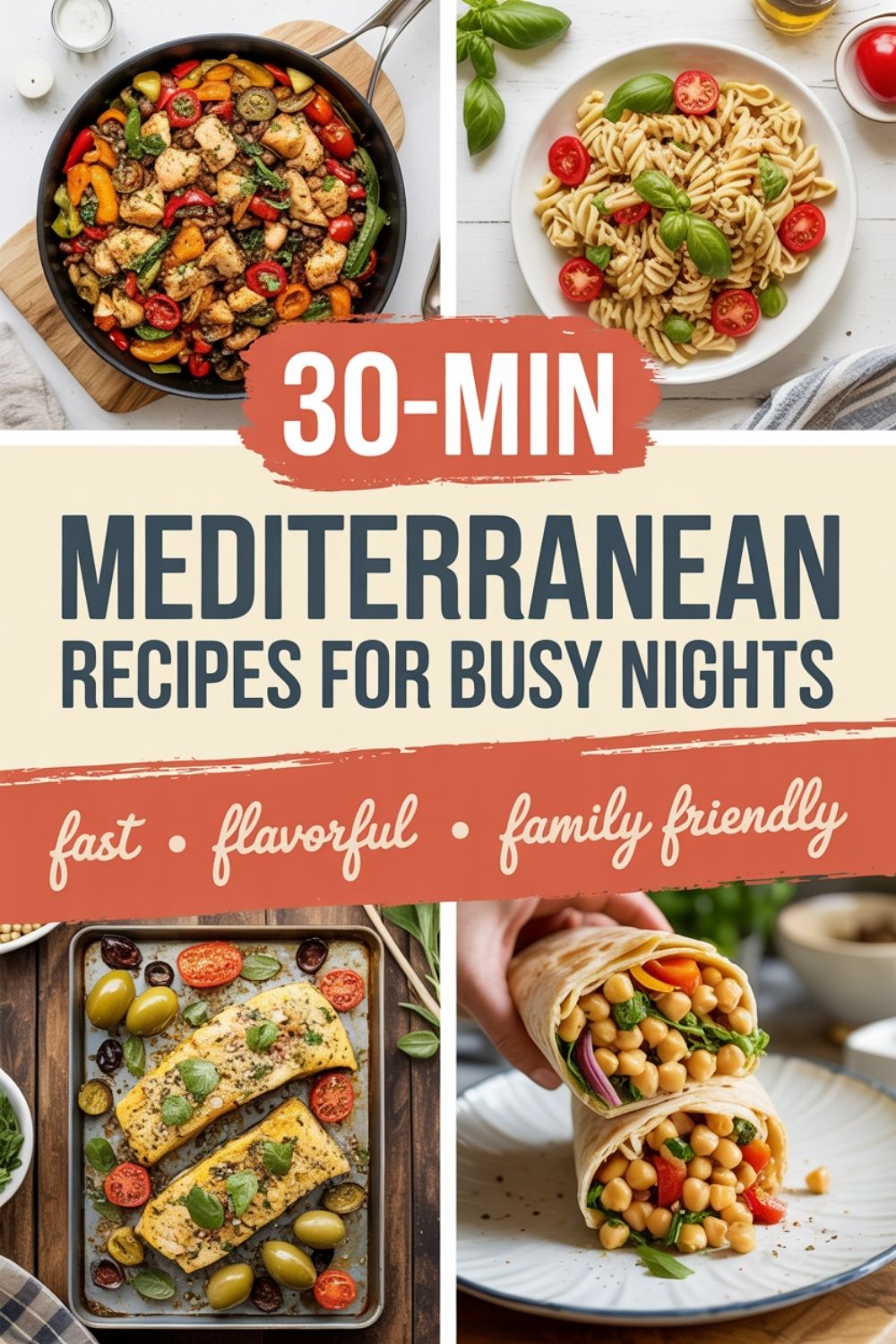
30-Min Mediterranean Recipes for Busy Nights
Look, I get it. You’re staring at your kitchen at 6:47 PM with exactly zero energy left after the day you’ve had, and the last thing you want to do is spend an hour cooking. But you also know that hitting up the drive-through again isn’t going to make you feel any better. This is where Mediterranean cooking becomes your weeknight superhero.
Here’s the thing about Mediterranean recipes that nobody tells you upfront: they’re not complicated. Despite what those glossy cookbooks want you to believe, you don’t need seventeen ingredients or special cooking techniques. Most of these dishes come together faster than your pizza delivery would arrive, and they actually make you feel good after eating them.
I’ve spent years testing quick Mediterranean recipes because, honestly, I’m lazy when it comes to weeknight dinners. I want something that tastes incredible, doesn’t wreck my kitchen, and leaves me feeling energized instead of stuffed and sluggish. The research backs up what your body already knows—this way of eating significantly reduces cardiovascular disease risk while keeping you satisfied.
Why 30 Minutes Actually Matters
I’m going to be straight with you—when recipes claim “30 minutes,” they’re usually lying. They don’t count the prep time, or they assume you’ve got everything mise en place like you’re running a professional kitchen. Not here.
These recipes hit that 30-minute mark from the moment you walk into your kitchen to the moment you’re sitting down with a fork. No hidden prep work, no “marinate overnight” surprises. Just real cooking for real people with real schedules.
The Mediterranean approach makes this possible because it relies on fresh, quality ingredients that don’t need much fussing. A perfectly ripe tomato doesn’t need to be cooked for an hour to taste good. Good olive oil doesn’t need a elaborate sauce to shine. This is cooking that respects both your time and your ingredients.
Your Mediterranean Speed-Cooking Arsenal
Before we get into actual recipes, let’s talk about what makes Mediterranean cooking fast. It’s not magic—it’s just being smart about what you keep on hand.
The Pantry Essentials
Your pantry is where the speed happens. Stock these, and you’re already halfway to dinner:
- Canned chickpeas and white beans – Protein and fiber in seconds, no soaking required
- Quality olive oil – Not the cheap stuff; get something you’d actually want to taste. I use this organic extra virgin olive oil for everything
- Whole grain pasta – Cooks in 8-10 minutes and actually keeps you full
- Canned tomatoes – San Marzano if you can find them, but honestly any good quality diced tomatoes work
- Garlic – Fresh, always. Those jarred minced ones taste like sadness
- Dried herbs – Oregano, basil, thyme. Fresh is better, but dried won’t ruin your life
I keep all my dry goods in these airtight glass containers because I got tired of discovering stale crackers and weevils. Plus, being able to actually see what you have makes meal planning less painful.
Mediterranean 30-Minute Recipe Collection
If you’re serious about making quick Mediterranean dinners a regular thing, I can’t recommend this comprehensive Mediterranean recipe ebook enough. It’s specifically designed for people who don’t have time to spend hours in the kitchen.
- Over 100 recipes that actually take 30 minutes or less (they timed them)
- Complete shopping lists organized by week to eliminate decision fatigue
- Nutrition information for every recipe, including anti-inflammatory markers
- Prep-ahead strategies that save you 10+ hours per month
- Printable meal planning templates that sync with your calendar
What I love about this ebook is that it doesn’t assume you’re starting with a fully stocked Mediterranean pantry or that you know what za’atar is. It meets you where you are and builds from there.
Get the Recipe Collection →Fresh Ingredients That Last
The trick is buying fresh ingredients that don’t punish you for having a life. Nobody needs wilted spinach guilt on a Wednesday.
- Lemons – They last weeks and transform everything
- Cherry tomatoes – Longer shelf life than regular tomatoes, no chopping required
- Cucumbers – Surprisingly resilient in the crisper drawer
- Feta cheese – Stored in brine, it lasts forever (okay, weeks, but still)
- Frozen spinach – Same nutrients as fresh, zero waste, always ready
Speaking of which, if you’re looking to build more structured eating patterns, the 7-Day Mediterranean Anti-Inflammation Meal Plan takes all this pantry wisdom and turns it into a complete weekly strategy.
The Five Fastest Mediterranean Dinner Formulas
Every 30-minute Mediterranean recipe is basically a remix of these five formulas. Master these, and you can improvise dinner without even looking at a recipe.
Formula #1: The Sheet Pan Situation
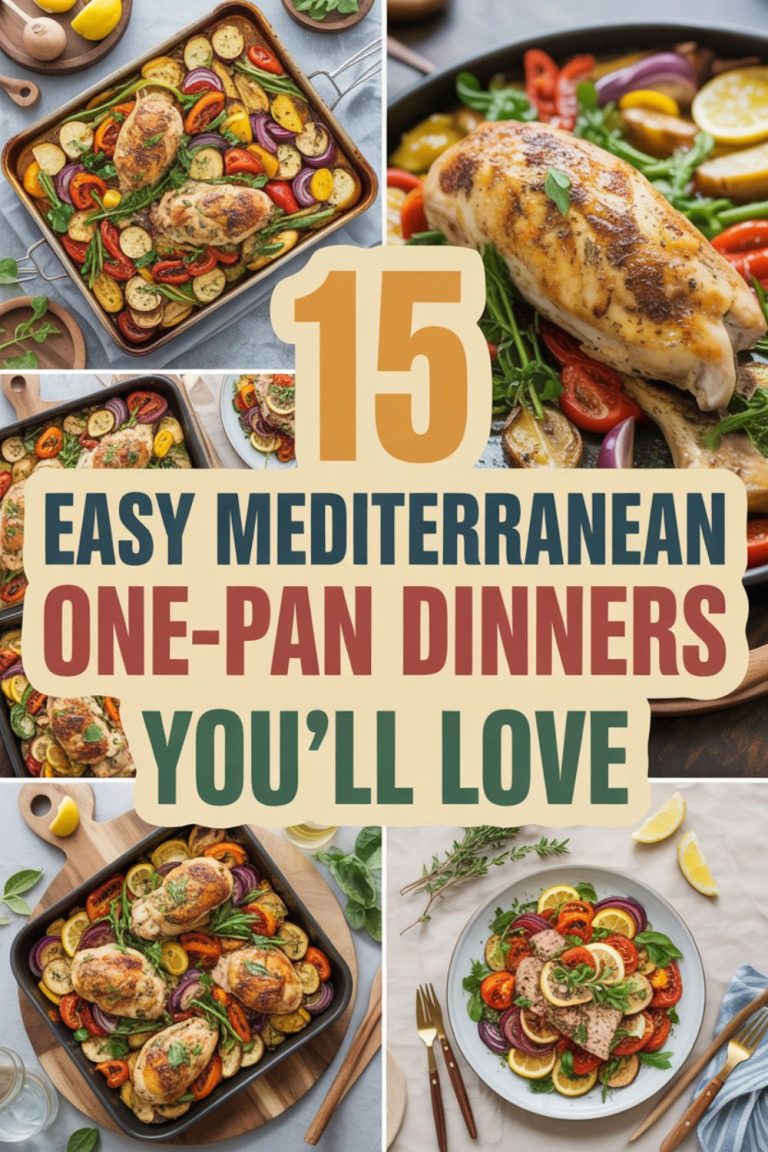
Throw protein and vegetables on a sheet pan, drizzle with olive oil, season, roast at 425°F for 20-25 minutes. That’s it. That’s the whole thing.
My go-to is salmon (or chicken thighs if that’s your thing) with cherry tomatoes, red onion wedges, and bell peppers. While it roasts, make a quick tahini sauce—just tahini, lemon juice, garlic, and water whisked together. The anti-inflammatory properties of this combination make it more than just dinner—it’s actually helping your body.
Clean up? One pan. You’re welcome.
Formula #2: The Grain Bowl Blueprint
Cook grain (quinoa is fastest at 15 minutes), pile on raw and cooked vegetables, add protein, drizzle with dressing. Mix. Eat.
I use this rice cooker for quinoa because I am fundamentally opposed to watching pots. Set it and forget it while you prep everything else. Top with whatever vegetables didn’t die in your fridge, some chickpeas, cucumber, tomatoes, and a handful of whatever herbs are still alive on your windowsill.
The dressing is just olive oil, lemon, and oregano. Don’t overthink it.
Premium Cold-Pressed Extra Virgin Olive Oil Set
Listen, I’ve wasted money on mediocre olive oil for years before discovering this organic cold-pressed EVOO from Greece. The difference is night and day when you’re making simple Mediterranean dishes where olive oil is a main flavor component.
Perfect for: Dressings, finishing drizzles, dipping with bread, and any recipe where olive oil shines. This isn’t cooking oil—this is the good stuff.
Check Current Price →Formula #3: The Pasta Power Move
Mediterranean pasta isn’t drowning in cream sauce—it’s light, vegetable-forward, and doesn’t require a nap afterward.
While pasta boils, sauté garlic in olive oil, add whatever vegetables cook quickly (zucchini, spinach, cherry tomatoes), toss with the cooked pasta, maybe add some white beans for protein, finish with lemon zest and parmesan. Done in the time it takes to boil pasta.
I keep a microplane zester in my utensil drawer specifically for lemon zest because it makes everything taste like you tried harder than you did.
Professional 8-Inch Chef’s Knife
I’ll be honest—I cooked with dull, cheap knives for way too long, and it made everything harder. Then I invested in this German-made chef’s knife and literally cut my prep time in half.
What makes it worth it: High-carbon stainless steel holds an edge forever, perfectly balanced weight, and comes with a lifetime warranty. Plus the ergonomic handle means your hand doesn’t cramp during meal prep.
See Knife Details →For meal planning that takes this concept further, the 14-Day High-Fiber Mediterranean Plan shows you how to build these quick pastas into a sustainable eating pattern.
Formula #4: The Skillet Scramble
One skillet, heat olive oil, add aromatics (onion, garlic), throw in your main ingredient (chickpeas, white beans, eggs), add greens, season aggressively, finish with lemon.
Shakshuka is the famous version of this—eggs poached in spiced tomato sauce—but honestly, you can shakshuka almost anything. I’ve shakshuka’d cannellini beans, I’ve shakshuka’d leftover roasted vegetables, I’ve shakshuka’d things that have no business being shakshuka’d. It all works.
The key is a good cast iron skillet that distributes heat evenly. Mine is so seasoned at this point it’s basically nonstick.
Formula #5: The Wrap Attack
Warm up whole wheat pitas or flatbreads, smear with hummus or mashed white beans, pile with fresh vegetables, add protein if desired, roll, eat with your hands like nature intended.
These are faster than sandwiches and taste better. Use rotisserie chicken if you’re not cooking protein from scratch, or just load up on hummus and vegetables. The Mediterranean diet emphasizes plant-based meals, so meat-free wraps totally count as a complete dinner.
If you’re navigating family dinners, check out the 14-Day Mediterranean Family Meal Plan which adapts these quick formulas for feeding multiple people with different preferences.
Three Recipes That Actually Take 30 Minutes
Let’s get specific. These are recipes I make probably once a week each because they’re truly fast and reliably delicious.
Lemon Chickpea Orzo with Spinach
This tastes expensive and complicated. It’s neither.
Boil orzo (8 minutes). While that’s happening, sauté garlic in olive oil, add chickpeas and cook until slightly crispy, throw in spinach until wilted, drain orzo and add it to the pan, add lemon juice and zest, season with salt and pepper, top with feta. Get Full Recipe.
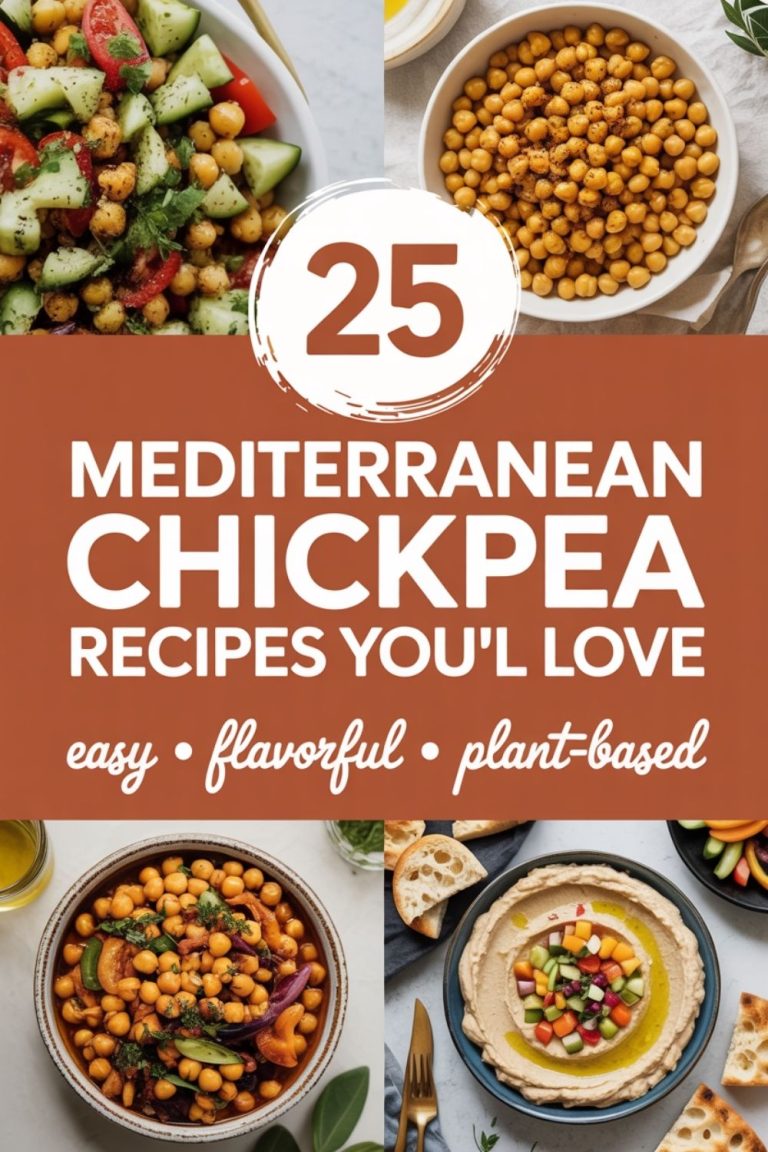
The crispy chickpeas are key—they add texture and make the whole thing feel more interesting than “I dumped pasta and vegetables in a bowl.” Plus, chickpeas deliver serious protein and fiber without any meat, which keeps this light but filling.
I use this colander for draining pasta because I’m clumsy and have definitely burned myself with steam from regular ones.
Pan-Seared Fish with Tomato Olive Salsa
Fancy enough for company, easy enough for Tuesday.
Pat fish dry (I use whatever white fish is on sale—cod, halibut, even tilapia works), season with salt and pepper, sear in hot olive oil for 3-4 minutes per side. While fish cooks, chop cherry tomatoes, olives, fresh basil, mix with olive oil and red wine vinegar. Serve fish topped with salsa. Get Full Recipe.
The salsa does all the work here—it’s bright, acidic, and makes the fish taste like you know what you’re doing. The omega-3 fatty acids in fish combined with the antioxidants in tomatoes and olives make this a nutritional powerhouse that happens to take less time than ordering delivery.
White Bean and Tomato Stew
This is comfort food that doesn’t make you hate yourself after.
Sauté onion and garlic until soft, add canned diced tomatoes and their juice, add drained white beans, season with oregano and red pepper flakes, simmer for 15 minutes while you ignore it, finish with fresh basil and a drizzle of good olive oil. Serve with crusty bread for mopping. Get Full Recipe.
On nights when I truly cannot deal, I make this. It’s warm, it’s satisfying, it requires almost no actual cooking skill, and it tastes like you simmered it for hours. The stew keeps getting better over the next few days too, so leftovers are actually exciting.
For more structured approaches to weeknight cooking, the 30-Day Anti-Inflammation Challenge provides daily recipes that follow these same quick-cooking principles.
The Meal Prep Shortcuts Nobody Talks About
Real talk: meal prep doesn’t have to mean spending your entire Sunday in the kitchen preparing identical containers of chicken and broccoli. That’s a special kind of hell.
Mediterranean meal prep is different—you’re prepping components, not complete meals. This gives you flexibility during the week while still saving time.
Prep Once, Eat All Week
Spend 20 minutes on Sunday doing this:
- Cook a big batch of quinoa or farro
- Roast a sheet pan of vegetables (whatever’s cheap: bell peppers, zucchini, eggplant)
- Make a jar of vinaigrette (olive oil, lemon, Dijon, garlic, herbs)
- Wash and chop raw vegetables (cucumber, tomatoes, lettuce)
- Cook a protein if you want (chicken, fish, or just open some cans of chickpeas)
Now you can mix and match all week. Monday is a grain bowl. Tuesday is pasta with roasted vegetables. Wednesday is a wrap. Thursday is whatever you feel like. Same ingredients, different combinations, zero boredom.
I store everything in these glass meal prep containers because plastic ones absorb smells and I’m not about my Wednesday lunch tasting like Monday’s garlic.
The Freezer Is Your Friend
Some things freeze beautifully and make weeknight cooking even faster:
- Cooked grains in individual portions
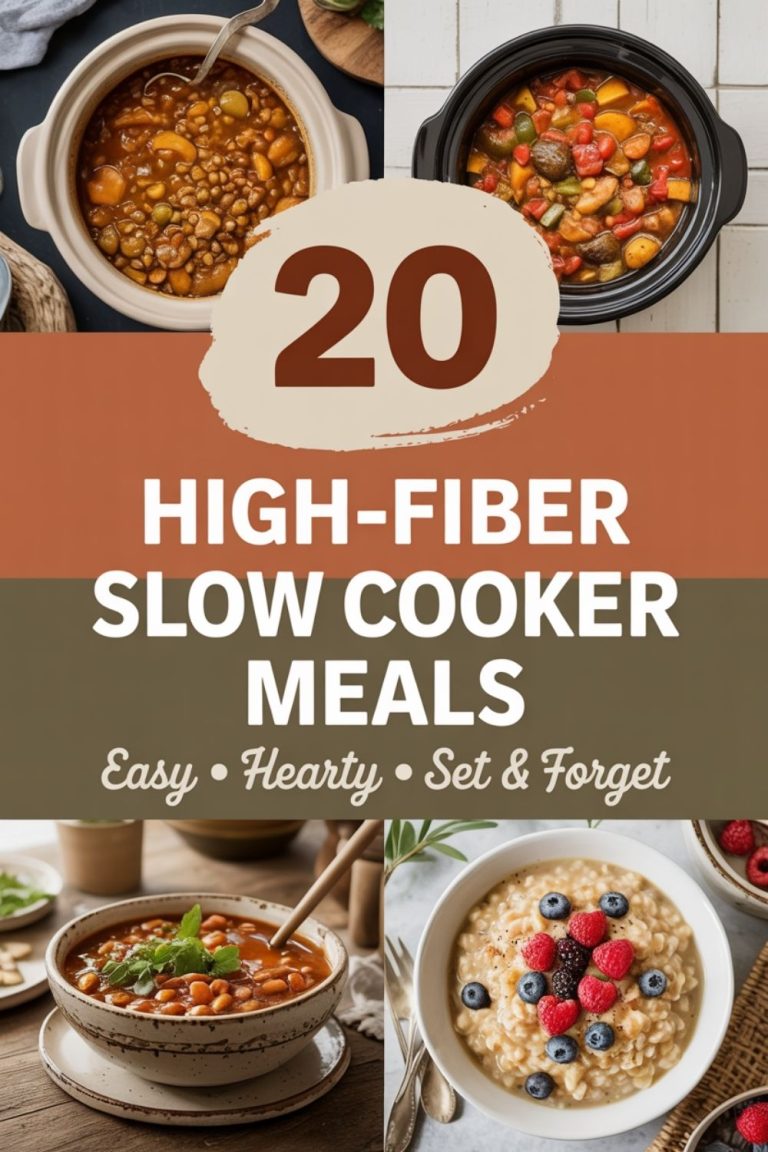
- Bean-based soups and stews
- Chopped fresh herbs in olive oil (freeze in ice cube trays)
- Pesto (makes any pasta instantly better)
- Homemade marinara sauce
Things that don’t freeze well: anything with a lot of water (cucumber, lettuce), dairy-heavy sauces, and cooked pasta (gets mushy). Learn from my mistakes.
If you’re serious about getting organized, the 7-Day Mediterranean High-Fiber Meal Prep Plan walks you through exactly what to prep and when.
When You’re Too Tired to Even Think
Some nights, even 30 minutes feels like too much. I get it. You’re running on fumes, and the idea of chopping even one onion makes you want to cry.
Here’s your nuclear option: the five-ingredient, no-recipe emergency dinners.
The Pantry Pasta
Cook pasta. While it’s boiling, heat olive oil with garlic (sliced thin so it doesn’t burn). Toss drained pasta with the garlic oil, add red pepper flakes, top with parmesan if you have it. Add a can of drained chickpeas if you need protein. Literally cannot mess this up.
The Egg Situation
Scramble eggs with feta, tomatoes, and spinach. Serve with whole grain toast. Is it breakfast? Is it dinner? Who cares, it’s food and it took seven minutes.
The Hummus Plate
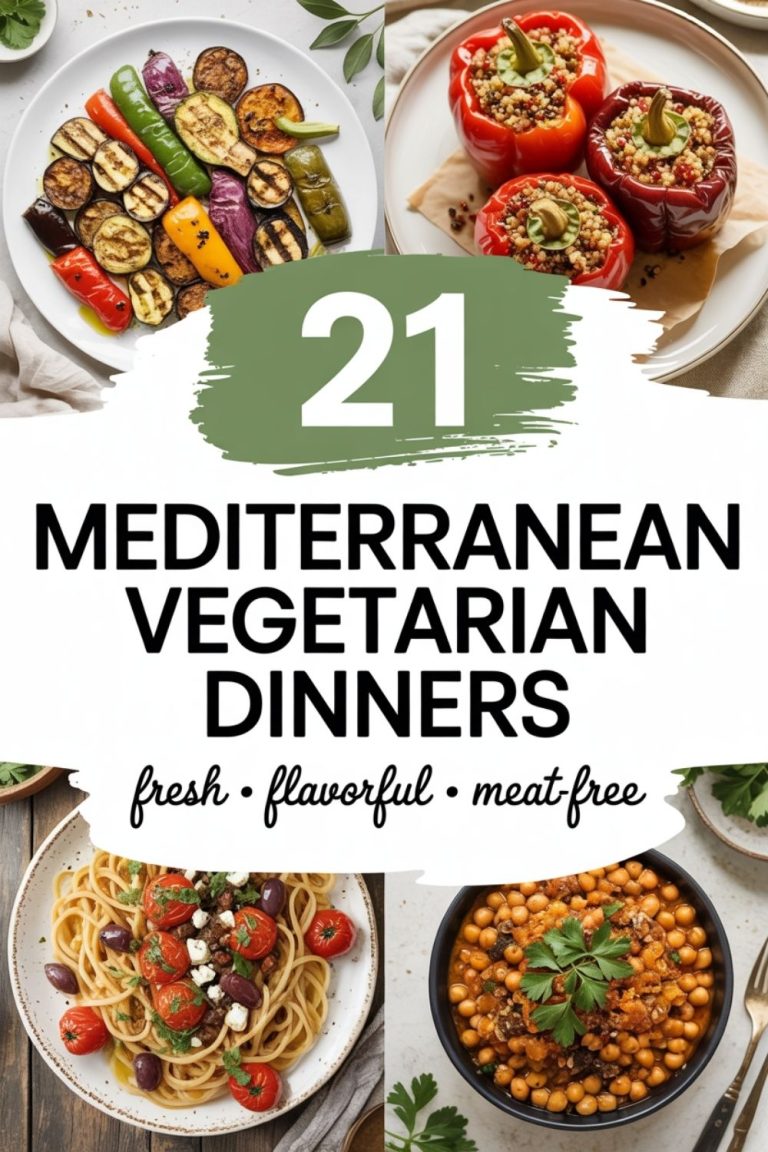
This isn’t cooking—it’s assembly. Hummus, raw vegetables, olives, whole grain pita, maybe some feta. Arrange on a plate. Eat. Sometimes the best dinner is the one that requires zero heat.
For those really exhausting weeks, the 7-Day Anti-Inflammation Plan for Busy Women includes even more minimal-effort recipes designed for when life is overwhelming.
The Equipment That Actually Matters
You don’t need a lot of fancy equipment for Mediterranean cooking. In fact, the simpler the better. But these few things make the 30-minute timeline actually achievable.
The Non-Negotiables
A sharp chef’s knife changes everything. I resisted spending money on a good knife for years, then finally bought this chef’s knife and realized I’d been making cooking unnecessarily hard. Chopping vegetables takes half the time now.
A large skillet with a lid—specifically this 12-inch stainless steel skillet—handles everything from sautéing to one-pan dinners. Get one that can go from stovetop to oven if you’re feeling ambitious.
Good cutting boards matter more than you think. I have two—one large bamboo board for vegetables and one plastic one for anything raw that might kill me. The bamboo one is also easier on your knife edge.
Glass Meal Prep Container Set (14-Piece)
Plastic containers are the worst—they stain, they smell, and honestly they’re kind of gross after a while. I switched to these glass meal prep containers two years ago and I’m never going back.
Perfect for: Storing prepped ingredients separately, packing lunches that don’t smell like yesterday’s dinner, and keeping Mediterranean components fresh all week. The different sizes handle everything from dressings to full grain bowls.
The Nice-to-Haves
An instant-read thermometer takes the guesswork out of cooking fish and chicken. I use this digital thermometer and haven’t served raw chicken or overcooked fish since.
A salad spinner is surprisingly useful. Wet lettuce makes sad salads. Dry lettuce makes happy salads. This salad spinner lives on my counter because I use it that often.
A citrus juicer—even just a handheld one—makes getting lemon juice way easier. You use lemon in basically every Mediterranean recipe, so anything that speeds that up is worth it.
Common Mistakes That Slow You Down
I’ve made every possible mistake in pursuit of fast Mediterranean dinners. Learn from my pain.
Starting with a Cold Pan
Heat your pan before adding oil. Heat your oil before adding food. This seems obvious but I still catch myself being impatient. Cold pans mean food sticks and cooks unevenly. Give it two minutes to preheat.
Overcrowding the Pan
When you pile too much into a pan, everything steams instead of browning. Brown equals flavor. Steam equals sadness. Cook in batches if needed, or just use a bigger pan.
Not Tasting as You Go
Season throughout cooking, not just at the end. Taste constantly. Add salt in layers. This is how restaurant food tastes better than home cooking—they season properly at every stage.
Forgetting About Acid
If something tastes flat, it probably needs acid—lemon juice, vinegar, or tomatoes. Mediterranean cooking is all about balance, and acid brightens everything. When in doubt, add lemon.
Using Terrible Olive Oil
That cheap olive oil from the back of your pantry that’s been open for two years? Throw it out. Rancid oil tastes bad and ruins otherwise good food. Buy smaller bottles of quality olive oil and use them within a few months.
If you’re looking for more breakfast-specific ideas that follow these time-saving principles, the 7-Day Mediterranean High-Fiber Breakfast Plan has quick morning options that set you up for success all day.
Making It Work for Your Life
The honest truth is that no recipe or meal plan works if it doesn’t fit your actual life. Mediterranean cooking is flexible enough to adapt to whatever chaos you’ve got going on.
If You Hate Meal Planning
Keep your pantry stocked with the essentials I listed earlier, and just shop for a few fresh ingredients once a week. You don’t need a detailed plan—you need ingredients that can become multiple different meals.
If You’re Feeding Picky Eaters
Build-your-own situations are your friend. Make a grain bowl bar where everyone assembles their own combination. Make pasta and let people choose their own toppings. Wraps work great for this too. The Mediterranean Family Meal Plan has more strategies for handling different preferences at one table.
If You’re Cooking for One
These recipes all scale down easily, and honestly, a lot of them are better as leftovers anyway. Make the full batch and eat it for lunch the next day. Or freeze portions for future nights when cooking feels impossible.
If You’re on a Budget
Mediterranean cooking can be incredibly cheap—beans, lentils, pasta, seasonal vegetables, and olive oil are all affordable. Skip the fancy imported olives and expensive cheese. A can of chickpeas costs less than a dollar and makes a complete meal. The 14-Day High-Fiber Budget Meal Plan shows you exactly how to eat well without spending a fortune.
If You’re Plant-Based
Most of these recipes are already vegetarian or easily adaptable. Mediterranean cooking doesn’t rely heavily on meat anyway. The 7-Day Mediterranean Vegan Anti-Inflammation Plan takes the meat out entirely and you won’t miss it.
The Real Secret to Sustainable Quick Cooking
Here’s what nobody tells you about cooking fast dinners consistently: it’s not about the recipes. It’s about the habits.
The people who successfully cook quick, healthy dinners most nights aren’t doing anything magical. They’re just doing a few small things consistently:
- They keep their kitchens minimally organized (you don’t need perfection, just functionality)
- They shop once or twice a week with a loose plan
- They prep a little bit on slower days to make fast days easier
- They’re okay with repetition—eating the same base ingredients in different combinations
- They forgive themselves for nights when it doesn’t happen
That last one is crucial. Some nights you’re going to order pizza. Some nights you’re going to eat cereal for dinner. That’s fine. The goal isn’t perfection—it’s having enough good nights that you feel energized and healthy most of the time.
IMO, the people who burn out on healthy eating are the ones who make it an all-or-nothing situation. If you miss one night, you haven’t failed. You’ve just had a normal human experience.
For a more structured reset approach, the 7-Day Anti-Inflammation Reset offers simple meals that help you get back on track without feeling restrictive.
Building Your Own 30-Minute Recipes
Once you understand the formulas, you can improvise Mediterranean dinners without even looking at recipes. This is where cooking becomes actually fun instead of just another chore.
The Formula
Every successful 30-minute Mediterranean dinner has these components:
- A base – Grain, pasta, or bread
- Protein – Beans, fish, chicken, eggs, or cheese
- Vegetables – At least two kinds, raw or cooked
- Fat – Olive oil, always
- Acid – Lemon, vinegar, or tomatoes
- Aromatics – Garlic, onion, or herbs
Pick one from each category, apply heat (or don’t), and you’ve got dinner. It really is that simple once you internalize the pattern.
Flavor Combinations That Always Work
Some ingredient combinations are basically foolproof:
- Tomato + basil + garlic = classic Italian
- Lemon + oregano + olive = Greek vibes
- Cumin + paprika + chickpeas = Moroccan-ish
- Tahini + lemon + garlic = Middle Eastern
Stick to these proven flavor profiles when you’re improvising, and it’s hard to make something truly bad.
For those interested in weight management alongside these quick dinners, the 14-Day Mediterranean Weight Loss Plan shows how these fast meals fit into a sustainable weight loss approach.
When Life Gets Really Chaotic
There are weeks when even 30-minute recipes feel ambitious. Maybe you’re traveling, maybe work is insane, maybe life just life’d all over your plans.
During these times, Mediterranean eating becomes about assembly rather than cooking:
- Rotisserie chicken + pre-washed salad + store-bought hummus = dinner
- Canned tuna + white beans + arugula + lemon = protein-packed salad
- Store-bought soup + whole grain bread + side salad = complete meal
- Greek yogurt + cucumbers + tomatoes + olive oil = lazy tzatziki situation
This isn’t giving up—it’s being realistic. The Mediterranean diet isn’t about elaborate home cooking. It’s about eating real, whole foods most of the time. Sometimes those whole foods come pre-cooked, and that’s completely fine.
The 30-Day Mediterranean Wellness Plan includes these flexible options for when life gets unpredictable.
The Breakfast Situation
Quick sidebar about breakfast, because mornings are usually even more rushed than evenings, and Mediterranean breakfasts are criminally underrated.
Greek yogurt with fruit and nuts takes two minutes. Whole grain toast with mashed avocado and tomato takes three minutes. Leftover grain bowls from dinner work great cold for breakfast. Scrambled eggs with feta and vegetables—five minutes, tops.
The point is, Mediterranean eating works for every meal, not just dinner. And breakfast options are often even faster than dinner because raw ingredients (yogurt, fruit, bread) require zero cooking.
If you want to streamline mornings specifically, the 7-Day Anti-Inflammatory Smoothie Meals Plan offers blend-and-go options that follow Mediterranean principles.
Dealing with Dietary Restrictions
Mediterranean cooking is naturally accommodating to most dietary restrictions, which is one reason it’s so sustainable long-term.
Gluten-Free
Swap regular pasta for gluten-free versions, use rice or quinoa instead of wheat-based grains, skip the bread or use gluten-free alternatives. Most Mediterranean recipes don’t rely heavily on wheat anyway.
Dairy-Free
Skip the feta and parmesan, add extra nuts or seeds for richness, use tahini-based sauces instead of yogurt-based ones. Honestly, nutritional yeast on pasta is weirdly delicious and gives that cheesy flavor without actual cheese.
Low-Carb
Focus on the protein and vegetable components, skip or minimize grains and pasta, use cauliflower rice or zucchini noodles as bases. The 14-Day Mediterranean High-Protein Anti-Inflammatory Plan emphasizes protein while keeping the Mediterranean flavor profiles intact.
Nut Allergies
Most Mediterranean recipes don’t rely on nuts (unlike some other healthy eating patterns), so this is actually pretty easy. Just skip the occasional pine nuts in pesto or almonds in salads. Seeds work as substitutes in most cases.
The Shopping Strategy
How you shop determines whether you’ll actually cook these quick dinners or end up ordering takeout.
The Weekly Shop
I shop once a week, usually Sunday or Monday, with this approach:
- Pick 3-4 main vegetables for the week (whatever’s in season and cheap)
- Choose 2 proteins (usually one fish, one can situation like chickpeas)
- Restock pantry staples as needed
- Buy herbs fresh only if I have specific plans; otherwise dried works fine
- Get lemons because I always need lemons
This takes maybe 30 minutes at the grocery store and sets me up for the week. No elaborate meal planning required—just ingredients that can become multiple different things.
Mediterranean Meal Planner & Grocery List App
Honestly, meal planning used to stress me out until I started using this Mediterranean-focused meal planner app. It’s built specifically around Mediterranean ingredients and cooking patterns, which means it actually understands how this style of eating works.
- AI-powered grocery lists that group items by store section (saves so much time)
- Recipe substitution suggestions when you’re missing ingredients
- Automatic scaling for different household sizes
- Pantry inventory tracker so you stop buying duplicate chickpeas
- Integration with popular grocery delivery services
- Customizable for dietary restrictions (gluten-free, dairy-free, etc.)
The best feature? It learns your preferences over time and suggests recipes based on what you actually cook, not just what’s trendy. No more scrolling through fifty recipes you’ll never make.
Try the Meal Planner Free →The Pantry Check
Before shopping, I check what’s actually in my pantry. Sounds obvious, but I’ve bought so many duplicate cans of chickpeas because I didn’t check first. Now I keep a running list on my phone using this meal planning app that tracks inventory.
For budget-conscious shopping strategies, the High-Fiber Budget Meal Plan includes specific shopping lists that maximize value.
Frequently Asked Questions
Can I really make Mediterranean meals in 30 minutes or less?
Absolutely, and I’m counting from the moment you walk into the kitchen until you sit down to eat. The key is using quality ingredients that don’t need elaborate preparation—think canned beans, pre-washed greens, and quick-cooking proteins like fish or eggs. Mediterranean cooking relies on fresh flavors rather than long cooking times, which makes it perfect for weeknight speed.
What if I can’t find certain Mediterranean ingredients where I live?
The beauty of Mediterranean cooking is that it’s based on principles, not specific exotic ingredients. Can’t find za’atar? Use oregano and thyme. No fresh feta? Use any good quality cheese you have. The core components—olive oil, vegetables, legumes, whole grains—are available everywhere. Focus on the cooking methods and flavor balance rather than tracking down specialty items.
How do I keep these meals interesting if I’m eating them several times a week?
Rotate your proteins and vegetables based on what’s in season, experiment with different herb combinations, and vary your cooking methods. One week do grain bowls, next week focus on sheet pan dinners, then switch to pasta-based meals. The same ingredients taste completely different depending on how you combine and cook them. Also, don’t underestimate the power of different sauces—tahini, pesto, vinaigrettes, and tomato-based sauces can transform the same base ingredients into totally different meals.
Are these recipes actually healthy or just fast?
They’re both, which is the whole point. Mediterranean eating patterns are backed by decades of research showing benefits for heart health, inflammation reduction, and overall longevity. These quick recipes aren’t shortcuts that sacrifice nutrition—they’re simply efficient ways to prepare inherently healthy ingredients. You’re getting whole grains, lean proteins, healthy fats, and plenty of vegetables in every meal.
What’s the best way to start if I’m completely new to Mediterranean cooking?
Start with one or two recipes from the formulas I outlined—maybe a grain bowl and a sheet pan dinner. Master those, then gradually add more variety. Don’t try to overhaul your entire diet overnight. Stock your pantry with the basics I listed, and you’ll find that Mediterranean cooking becomes easier as you get familiar with the flavor profiles and techniques. The learning curve is gentler than you think because the recipes themselves are straightforward.
Making It Stick Long-Term
The final piece of the puzzle is sustainability. Anyone can cook healthy dinners for a week. Making it work for months and years requires a different mindset.
FYI, the people who successfully maintain Mediterranean eating patterns long-term share some common traits: they’re flexible, they don’t aim for perfection, and they focus on what they’re adding (vegetables, whole grains, healthy fats) rather than what they’re restricting.
They also give themselves permission to adapt recipes to their preferences. Don’t like olives? Leave them out. Hate fish? Use chicken or beans. The Mediterranean diet is a framework, not a rigid set of rules.
Mediterranean Diet & Anti-Inflammatory Food Tracker
If you’re using Mediterranean eating to manage inflammation or specific health goals, this digital food and symptom tracker is incredibly helpful. It’s designed specifically for people following anti-inflammatory eating patterns.
- Track meals, energy levels, inflammation symptoms, and sleep quality in one place
- Pre-loaded Mediterranean food database (no manually entering “chickpeas” every day)
- Identifies your personal trigger foods and patterns over time
- Weekly and monthly reports showing inflammation trends
- Hydration and activity tracking integrated with meal logs
- Works offline and syncs across devices
I used this for three months and discovered that I feel significantly better when I eat fish twice a week versus just once. Small insights like that actually make a difference when you’re trying to optimize how you feel day-to-day.
Start Tracking Your Progress →The 30-Day Mediterranean Wellness Plan helps you build these sustainable habits gradually rather than trying to change everything at once.
Your New Evening Routine
Here’s what 30-minute Mediterranean dinners actually look like in practice on a random weeknight:
You get home around 6:30 PM. You’re tired. You briefly consider ordering food but remember you have everything you need for that lemon chickpea orzo you like.
You put water on to boil for pasta while you chop garlic. By the time the water boils, you’ve added the orzo and started crisping chickpeas in a pan. While that’s happening, you wash some spinach. The orzo finishes, you drain it, toss everything together with lemon and feta, and you’re eating by 7:00 PM.
Total active cooking time? Maybe fifteen minutes. The rest was just waiting for water to boil. You feel good about what you ate, you didn’t destroy your kitchen, and you have time to actually relax before bed.
That’s the goal. Not Instagram-perfect meals that took three hours to make. Just reliable, delicious food that fits into your actual life.
Conclusion
Look, I’m not going to tell you that cooking Mediterranean dinners in 30 minutes will change your life or solve all your problems. But it will make your evenings a little easier, your body a little healthier, and your relationship with cooking a little better.
The recipes are simple. The ingredients are accessible. The techniques are straightforward. You don’t need special equipment, exotic ingredients, or culinary school training. You just need decent ingredients, a hot pan, and 30 minutes.
Start with one recipe. Make it a few times until it becomes automatic. Then add another. Before you know it, you’ll have a rotation of quick, healthy dinners that you can make without thinking.
And on the nights when it doesn’t happen? When you order pizza or eat scrambled eggs over the sink? That’s fine too. The goal is progress, not perfection. The goal is feeling good most of the time, not all of the time.
Mediterranean cooking isn’t about restriction or complicated rules. It’s about eating real food that tastes good and makes you feel good. And yeah, it turns out you can do that in 30 minutes on a Tuesday night. Who knew?