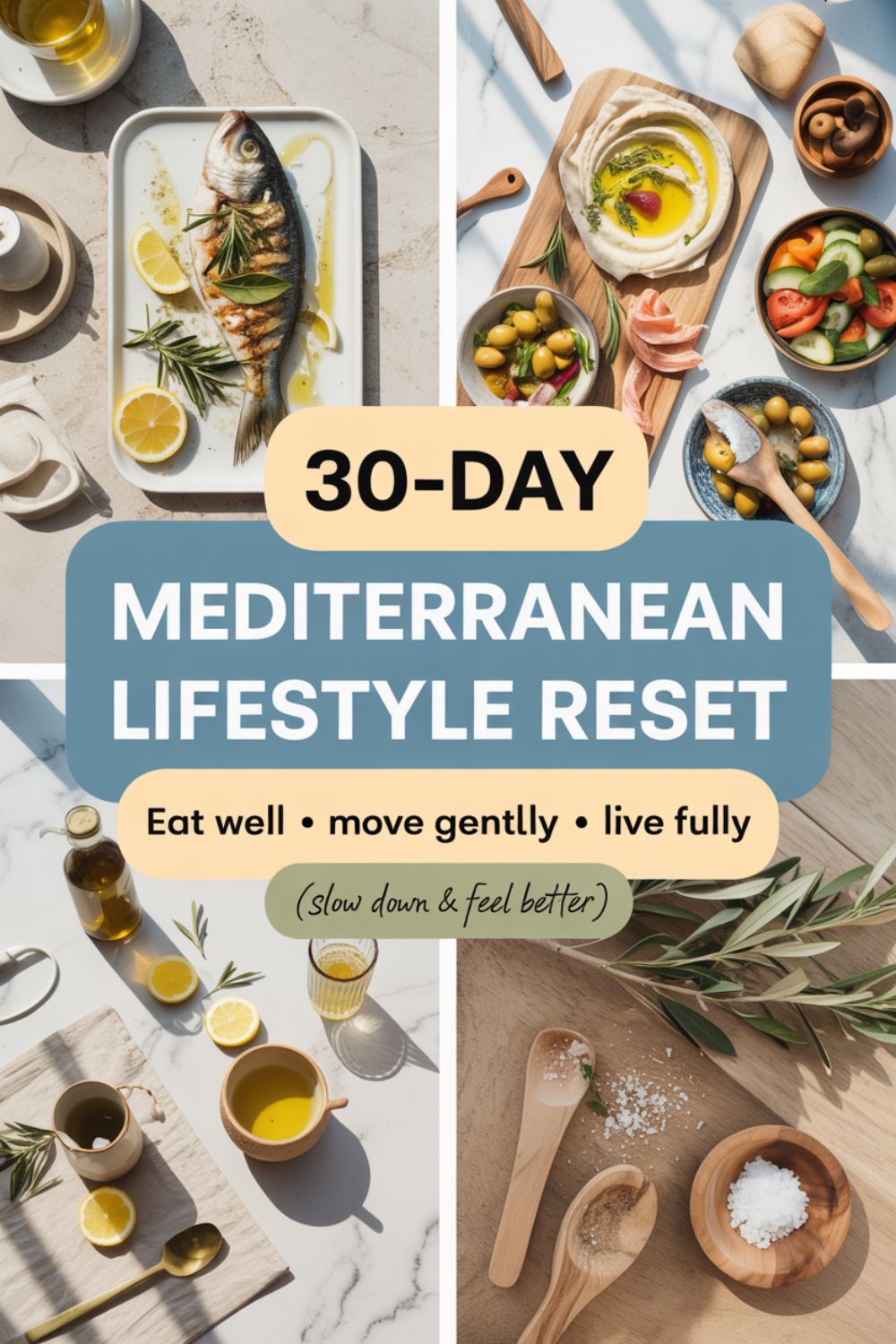
30-Day Mediterranean Lifestyle Reset
Look, I’m not going to sugarcoat this—most of us have strayed pretty far from eating actual food. You know the drill: grab-and-go breakfasts that barely qualify as nutrition, midday slumps fixed with caffeine and sugar, dinners that come from boxes with ingredient lists longer than your grocery receipt. But here’s the thing about the Mediterranean approach—it’s not another restrictive diet that makes you miserable for three weeks before you crack and demolish an entire sleeve of cookies.
Think of this 30-day reset as your personal rebellion against the processed food industrial complex. We’re talking olive oil instead of mystery vegetable oils, actual vegetables that grew in dirt, fish that swam in the ocean, and bread that doesn’t contain seventeen types of preservatives. The Mediterranean lifestyle has been around for thousands of years, and it’s not because people were obsessed with abs—it’s because this way of eating actually works with your body instead of against it.
I’ve spent the better part of a year diving deep into this lifestyle, and what surprised me most wasn’t the weight loss or the energy boost—though those were nice. It was how my brain fog lifted, how my afternoon crashes disappeared, and how food became enjoyable again instead of just fuel or comfort. Ready to see what happens when you eat like people from one of the longest-living regions on Earth? Let’s do this.
Understanding What Makes Mediterranean Different
Here’s where most diet articles lose me—they start preaching about “superfoods” and “miracle nutrients.” But the Mediterranean approach isn’t about one magical ingredient. It’s about the whole damn package working together. Research from Harvard’s School of Public Health confirms that women following this eating pattern saw a 25% reduced risk of cardiovascular disease over twelve years. That’s not a small number, folks.
The foundation is dead simple: lots of plants, healthy fats from olive oil and nuts, fish a few times a week, moderate amounts of dairy and poultry, and red meat only occasionally. Wine in moderation if that’s your thing. No calorie counting, no measuring, no apps that make you feel guilty for eating a piece of bread. According to molecular research published in the National Institutes of Health, the diet’s benefits stem from its anti-inflammatory properties and how it influences your gut microbiome—basically, the trillions of bacteria in your digestive system that affect everything from your mood to your immune function.
What hooked me was learning that this isn’t just about losing weight or looking good for summer. Studies show it can reduce your risk of type 2 diabetes, improve cognitive function, and help manage inflammation that contributes to chronic diseases. We’re talking about food that actually makes your body work better instead of just filling a void.
Don’t try to overhaul everything on day one. Pick three Mediterranean swaps this week—maybe olive oil for butter, fish for beef, and whole grain bread for white. Your taste buds need time to adjust, and dramatic changes usually lead to dramatic backsliding.
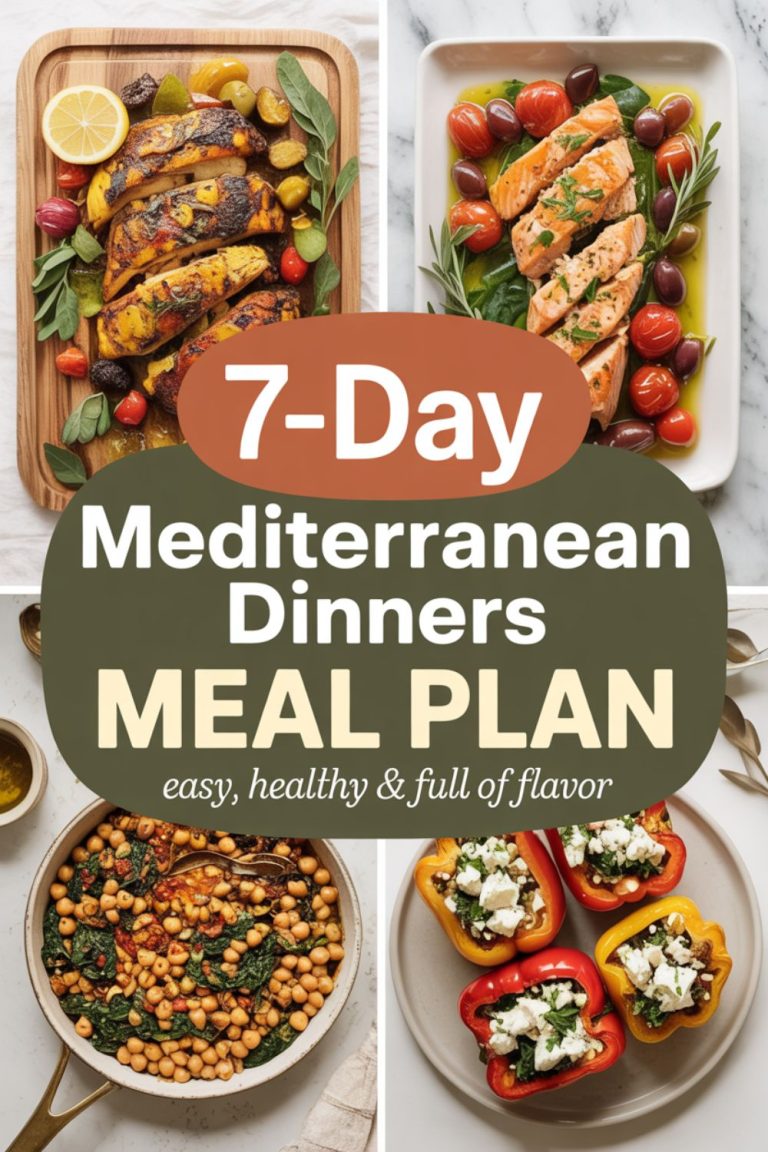
If you’re looking for a structured approach to get started, check out this 7-day Mediterranean anti-inflammation meal plan that takes the guesswork out of your first week. Sometimes having a roadmap makes all the difference between actually doing it and just thinking about doing it.
Week One: The Foundation Phase
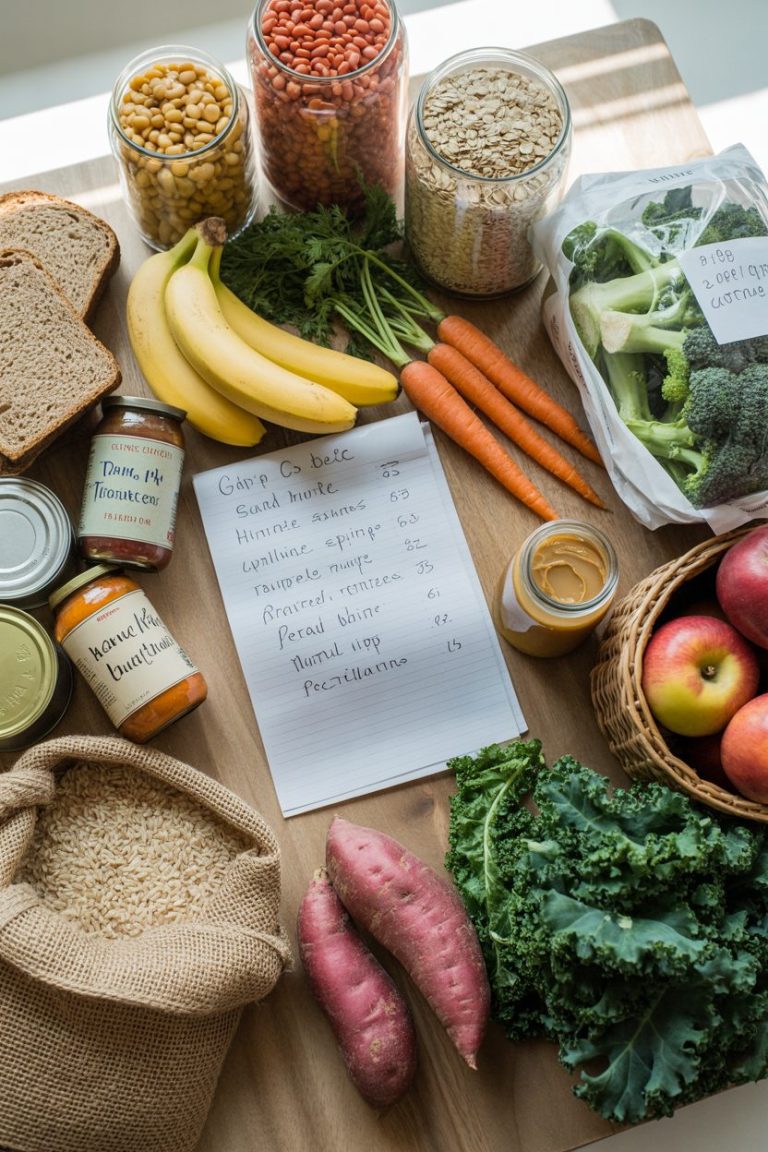
The first week is about establishing your baseline without making yourself crazy. You’re not throwing out everything in your pantry—though I won’t judge if you want to. Start by adding Mediterranean staples before you subtract anything. Stock up on good olive oil (yes, it costs more, but you’ll taste the difference), grab some canned tomatoes, dried beans, whole grains like farro or bulgur, and a variety of nuts.
Your morning routine sets the tone. Forget sugary cereals or skipping breakfast entirely. Think Greek yogurt with honey and walnuts, whole grain toast with avocado and tomatoes, or a simple veggie omelet cooked in olive oil. I keep this small cast-iron skillet next to my stove because it heats evenly and makes cleanup stupid easy. No fancy equipment needed—just reliable basics that actually work.
Building Your Mediterranean Pantry
This is where people either get it right or end up eating sad salads for a week before quitting. Your pantry is your insurance policy against making poor choices when you’re hungry and tired. Stock up on:
- Extra virgin olive oil – The real stuff, not the cheap blends. You’ll use it for everything from cooking to drizzling.
- Canned goods – Chickpeas, white beans, tomatoes, and artichoke hearts are weeknight lifesavers.
- Whole grains – Farro, quinoa, bulgur, brown rice, and real whole grain pasta.
- Nuts and seeds – Almonds, walnuts, pine nuts, and sesame seeds for tahini.
- Herbs and spices – Fresh basil, oregano, thyme, plus dried versions for convenience.
- Quality proteins – Canned tuna, sardines (trust me on this), and frozen fish fillets.
I organize everything in clear glass storage containers because seeing what you have prevents that “I have nothing to eat” panic that leads straight to the drive-through. Plus, whole grains and nuts stay fresher when they’re sealed properly.
“I was skeptical about giving up my morning bagel and cream cheese, but after trying overnight oats with fresh berries for a week, I actually started craving them. My energy levels by mid-morning were noticeably better.” — Rachel, community member
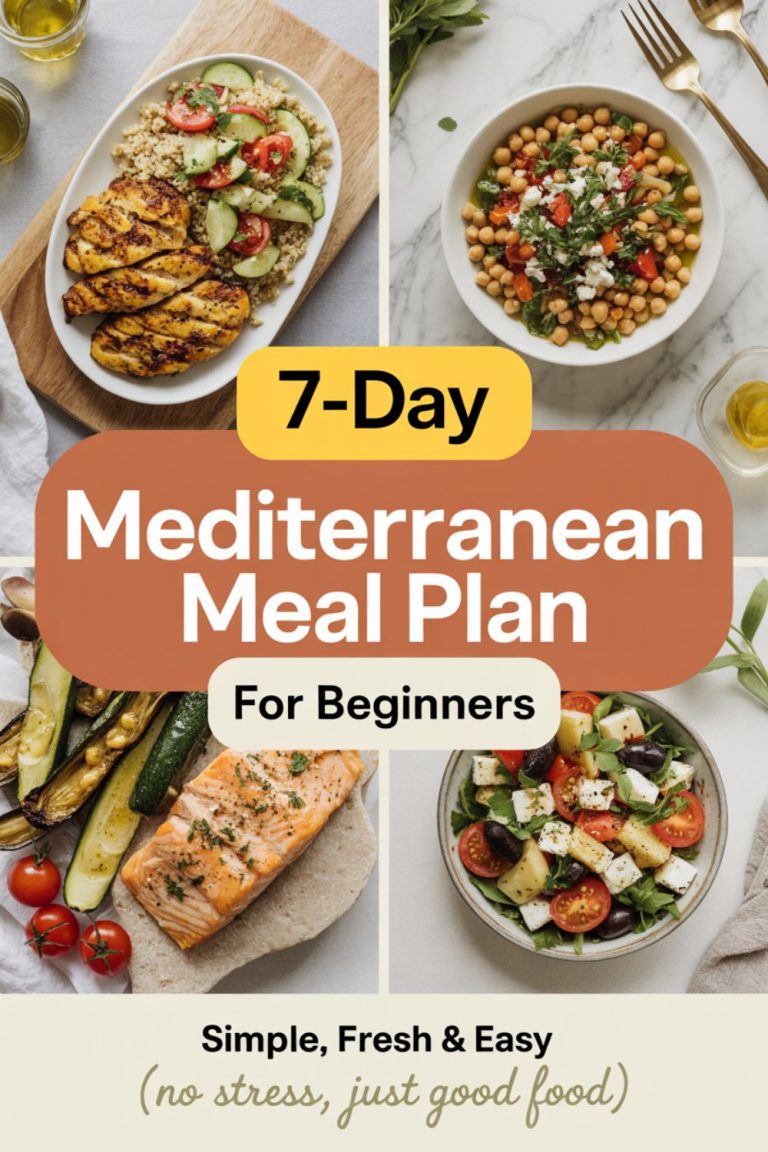
For complete meal planning that takes the thinking out of the equation, the 14-day high-fiber Mediterranean plan gives you breakfast, lunch, and dinner mapped out. Some of us need that level of structure, especially in the beginning.
Week Two: Getting Into The Rhythm
By week two, you should be feeling less like you’re on a “diet” and more like you’re just eating differently. This is when the magic starts happening—your taste buds begin recalibrating. Foods you thought were flavorful before might suddenly taste oversalted or artificially sweet. That’s not your imagination; it’s your palate adjusting to real flavors instead of engineered ones.
Now’s the time to experiment with batch cooking. Sunday afternoon, make a big pot of lentil soup, roast a sheet pan of vegetables, and cook a batch of whole grains. These become building blocks for quick meals throughout the week. Toss those roasted veggies with farro and feta for lunch. Add the lentils to a salad. Mix the grains with some sautéed greens and a fried egg for breakfast.
Mastering The Mediterranean Lunch
Lunch is where most people stumble. You’re at work or running errands, and convenience wins. But Mediterranean lunches can be just as quick as grabbing fast food—and infinitely more satisfying. Think grain bowls, loaded salads with protein, or simple veggie-packed wraps.
My go-to formula: whole grain base + raw or roasted vegetables + protein (chickpeas, fish, chicken) + healthy fat (olives, avocado, tahini) + herbs and lemon. Mix and match based on what you have. It’s basically impossible to mess up.
Premium Glass Meal Prep Container Set
These aren’t your flimsy plastic containers that warp in the microwave. Borosilicate glass handles temperature changes without cracking, lids actually seal properly, and they stack perfectly in the fridge. After two years of daily use, mine look brand new.
Check Current PriceI prep everything in these compartmented lunch containers so ingredients stay separate until I’m ready to eat. Nobody wants soggy salad, and keeping the dressing on the side is crucial. Takes five minutes in the morning, saves you from sad desk lunches all week.
Looking for more structured lunch ideas? The 7-day Mediterranean high-fiber meal prep plan focuses specifically on make-ahead options that actually taste good cold or reheated.
Keep a jar of tahini in your fridge and a lemon on your counter. Mix equal parts tahini, lemon juice, and water with a pinch of salt and garlic. Congratulations, you just made restaurant-quality sauce in 30 seconds. Drizzle it on literally everything.
The Anti-Inflammatory Connection
Let’s talk about why your joints might feel better and why that brain fog is lifting. Studies on gut microbiota composition show that Mediterranean eating patterns dramatically shift the bacteria in your digestive system toward beneficial species. These bacteria produce short-chain fatty acids that reduce inflammation throughout your entire body.
Chronic inflammation is basically your immune system throwing a tantrum that never ends. It’s linked to everything from heart disease to depression to that general feeling of being tired and achy for no clear reason. The combination of omega-3 fatty acids from fish, polyphenols from olive oil, and fiber from whole grains and vegetables actively calms this inflammatory response.
I noticed the difference around day twelve. My usual afternoon joint stiffness—I’d blamed on getting older and sitting at a desk—just sort of disappeared. My skin looked clearer. Even my sleep improved, which I hadn’t expected at all. According to research published in medical journals, these aren’t placebo effects; they’re measurable biological changes happening at the cellular level.
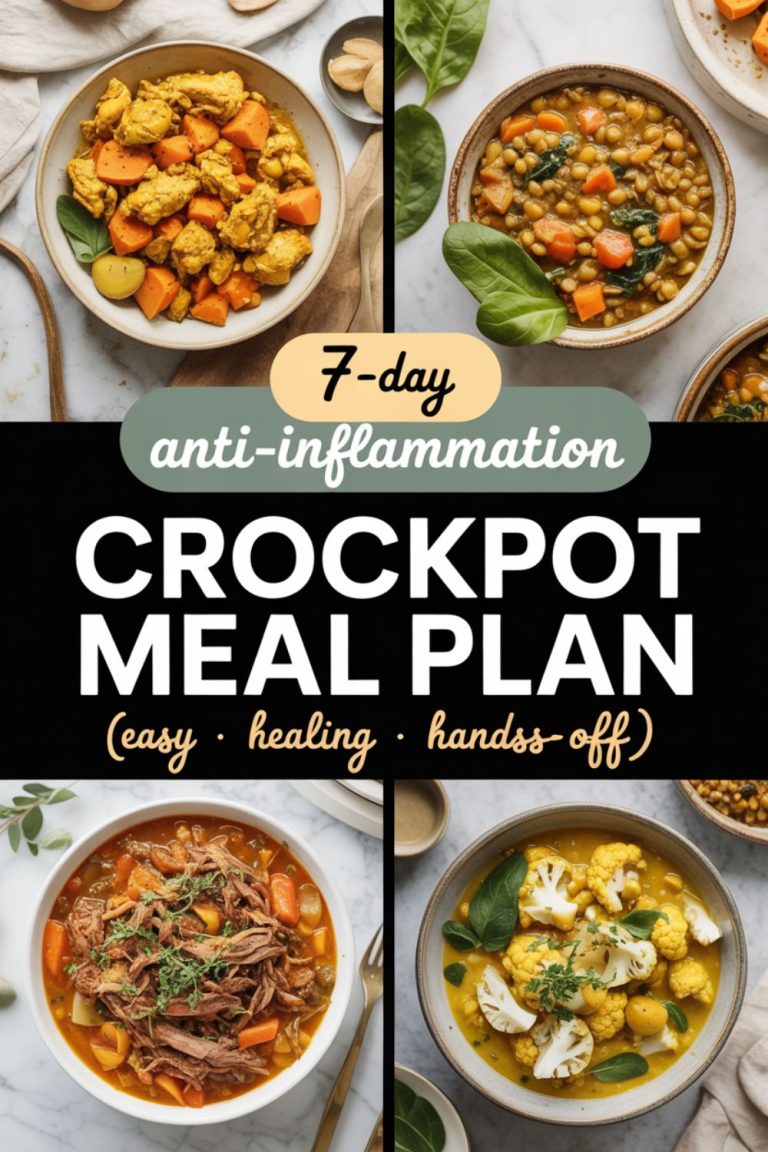
If inflammation is your primary concern, the 30-day anti-inflammation challenge specifically targets foods and combinations that combat inflammatory markers. It pairs well with the Mediterranean approach and adds specific anti-inflammatory boosters.
Why Your Gut Health Matters More Than You Think
Your gut isn’t just about digestion—it’s basically your second brain. Around 90% of your serotonin gets produced in your digestive tract. That’s right, the neurotransmitter that regulates your mood is being manufactured by bacteria in your intestines. Research from Harvard Health found that people following a Mediterranean diet showed reduced inflammation and beneficial changes in their gut microbiome composition.
The fiber from vegetables, fruits, legumes, and whole grains feeds the good bacteria. The polyphenols from olive oil act as prebiotics. Even fermented foods like yogurt and occasionally aged cheeses contribute beneficial probiotics. You’re essentially renovating your internal ecosystem, and the tenants are much better behaved when you feed them properly.
For targeted gut healing strategies, check out the 7-day gut healing Mediterranean menu that focuses specifically on foods that support digestive health and microbial balance.
Mediterranean Meal Prep Masterclass
Stop winging it every week. This complete digital course walks you through everything from grocery shopping strategies to batch cooking techniques that actually save time. Created by registered dietitians who understand real life doesn’t allow for 4-hour Sunday meal prep sessions.
- 50+ Mediterranean recipes with prep-ahead instructions
- Weekly meal planning templates you can customize
- Video tutorials for knife skills and cooking techniques
- Shopping lists organized by store section
Week Three: Fine-Tuning and Expanding
You’re halfway through, and by now, this should feel less like an experiment and more like just how you eat. Week three is about refinement—trying new recipes, exploring different vegetables you’ve never cooked before, and maybe attempting to make your own hummus (which is embarrassingly easy and tastes infinitely better than store-bought).
This is also when you might hit a small plateau or feel a bit bored. Normal. The solution isn’t to abandon ship; it’s to expand your repertoire. Try sheet pan dinners with different spice combinations. Experiment with various types of fish beyond salmon—sardines, mackerel, and anchovies are nutrient powerhouses and budget-friendly. Make a big batch of ratatouille. Roast a whole chicken with lemon and herbs.
Getting Creative With Vegetables
If you’re eating vegetables out of obligation rather than enjoyment, you’re doing it wrong. Properly prepared vegetables are legitimately delicious—I’m talking caramelized, roasted, charred, and seasoned correctly. Roasting is your friend. High heat (425°F) transforms even boring vegetables into something you’ll actually crave.
Cut your veggies into similar-sized pieces, toss with olive oil, salt, and whatever spices you’re feeling, and spread them out on a baking sheet. I use these silicone baking mats for literally everything because vegetables slide right off and cleanup takes ten seconds. No scrubbing, no cursing at stuck-on bits.
Authentic Greek Extra Virgin Olive Oil – 1L
Stop buying that clear bottle garbage from the bottom shelf. Real EVOO should taste peppery and slightly bitter—that’s how you know it’s full of those beneficial polyphenols. This comes from a family-owned grove in Kalamata and it’s the difference between “fine” and “holy crap this is good.”
Shop NowTry vegetables you’ve been ignoring: fennel, turnips, kohlrabi, romanesco, various types of squash. Half the fun of this eating style is discovering that foods you thought you hated are actually great when prepared differently. Turns out, mushy steamed broccoli isn’t representative of what broccoli can be.
Complete Mediterranean Pantry Starter Kit
Skip the guesswork and get everything you need in one place. This curated collection includes premium olive oil, authentic spice blends, specialty grains, and hard-to-find ingredients that make Mediterranean cooking actually work. No more wandering grocery aisles wondering what “za’atar” is or which olive oil to buy.
- Extra virgin olive oil from family-owned Greek groves
- 5 essential Mediterranean spice blends (pre-mixed and ready)
- Ancient grains variety pack (farro, bulgur, freekeh)
- Digital recipe booklet with 30 pantry staple recipes
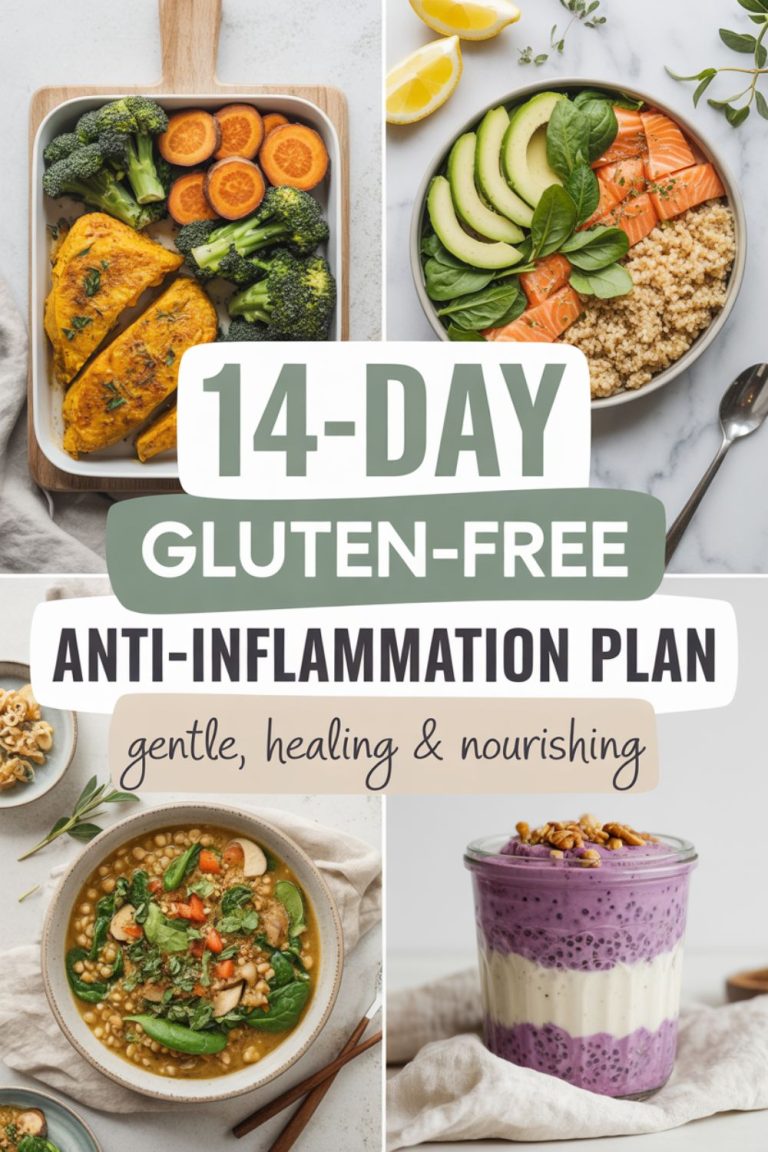
Speaking of vegetables, the 14-day anti-inflammatory eating plan for women includes hormone-balancing vegetable combinations that are particularly beneficial during different phases of your cycle.
“Three weeks in, I realized I hadn’t thought about my usual mid-afternoon snack attack in days. I was actually satisfied after meals, which never happened when I was eating processed foods.” — Lisa, community member
The Social Side of Mediterranean Eating
Here’s something most articles skip: the Mediterranean lifestyle isn’t just about what you eat—it’s about how you eat. Meals are social events, not fuel stops between meetings. You sit down. You take your time. You actually taste your food instead of shoveling it in while scrolling through your phone.
I started putting my phone in another room during dinner. Sounds ridiculous, but it changed everything. Meals became actual breaks instead of just another task to complete. I noticed when I was full. I enjoyed the food more. My digestion even seemed better, which makes sense—eating in a stressed state messes with how your body processes food.
Try inviting people over for simple Mediterranean meals. Make it casual—a big salad, some grilled fish or chicken, crusty bread, and olives. Open a bottle of wine if that’s your thing. The point isn’t to impress anyone with your culinary skills; it’s to share food and conversation without the pressure of formal entertaining.
Dealing With Social Situations
Someone’s going to offer you cake at a birthday party. Your coworker’s going to suggest pizza for lunch. Your well-meaning relative will insist you try their famous mac and cheese. And here’s the secret: you can say yes to these things occasionally without derailing everything.
The Mediterranean approach isn’t about perfection or restriction—it’s about pattern. Most of your meals follow this template, and sometimes they don’t. That’s fine. One slice of birthday cake doesn’t undo three weeks of eating well, just like one salad doesn’t fix three weeks of eating garbage.
When eating out, Mediterranean-friendly options exist almost everywhere. Greek restaurants are obvious choices. Italian places have grilled fish, pasta with marinara, and salads. Even steakhouses usually have salmon and vegetable sides. The trick is making decisions proactively instead of defaulting to whatever sounds good in the moment.
Week Four: Making It Stick
You’re in the home stretch, but here’s the real question: what happens on day 31? The goal wasn’t to survive 30 days of eating differently—it was to establish new defaults. By now, reaching for olive oil instead of butter should feel automatic. Choosing fish over beef should seem like the obvious choice. Snacking on nuts instead of chips shouldn’t require willpower.
This final week is about identifying which habits stuck and which ones need more reinforcement. Maybe meal prep still feels like a chore—find ways to simplify it further or schedule it differently. Maybe you’re still struggling with breakfast—establish three go-to options that require minimal thought. The easier you make the good choices, the more likely they become permanent.
Tracking Your Progress Beyond The Scale
Sure, you might have lost weight, but that’s honestly the least interesting metric. How’s your energy? Your sleep? Your digestion? Your mood? Your skin? Your mental clarity? These are the real indicators that your body is responding to better fuel.
I kept a simple journal—not calories or macros, just how I felt each day. By week four, the pattern was obvious. More energy, fewer cravings, better focus, less anxiety about food. The physical changes were nice, but the mental shift was what made me realize this wasn’t a temporary experiment.
For ongoing support and variety, the 30-day Mediterranean wellness plan extends beyond just nutrition to include lifestyle factors like stress management and movement that complement the dietary changes.
Take progress photos and measurements if you want, but also write down three non-physical improvements you’ve noticed. Those are the changes that’ll keep you motivated when the initial excitement wears off.
Budget-Friendly Mediterranean Eating
Let’s address the elephant in the room: people assume eating healthy means spending a fortune. It doesn’t. The Mediterranean diet can actually be cheaper than eating processed foods if you approach it strategically. Beans, lentils, and eggs are incredibly affordable protein sources. Seasonal produce costs less. Canned fish is budget-friendly. Whole grains bought in bulk save money.
Skip the organic everything obsession unless you’ve got money to burn. The “dirty dozen” list exists for a reason—prioritize organic for thin-skinned fruits and vegetables like berries and leafy greens, but conventional onions and avocados are fine. Frozen vegetables are just as nutritious as fresh and often cheaper. Canned tomatoes are actually better for cooking than fresh in many applications.
I plan meals around what’s on sale. Chicken thighs cost half as much as breasts and taste better. Whole fish is cheaper than fillets if you’re comfortable dealing with bones. Buying a whole chicken and breaking it down yourself saves significant money. These aren’t hardships—they’re smart strategies that also happen to be more traditional Mediterranean approaches.
The 14-day high-fiber budget meal plan specifically addresses how to eat well without breaking the bank, with detailed shopping lists and cost-saving strategies.
Meal Prep That Doesn’t Make You Want To Cry
Meal prep has been oversold as this elaborate Sunday ritual that takes four hours. That’s nonsense. Efficient meal prep takes maybe 90 minutes and sets you up for the entire week. Cook once, eat multiple times. That’s the whole philosophy.
Make a big pot of beans or lentils. Roast two sheet pans of vegetables with different seasonings. Cook a batch of whole grains. Prepare a couple of simple proteins. Now you have mix-and-match components that create dozens of different meals. Monday’s lemon-herb chicken with roasted vegetables becomes Tuesday’s grain bowl with different toppings becomes Wednesday’s salad.
I portion everything into these glass meal prep containers because plastic absorbs smells and gets gross over time. Glass might cost more upfront, but it lasts forever and doesn’t make your food taste like old spaghetti sauce.
Special Considerations and Adaptations
The beauty of Mediterranean eating is its flexibility. Vegetarian? Focus more on legumes, nuts, and dairy. Vegan? Plenty of traditional Mediterranean dishes are naturally plant-based—hummus, falafel, various bean stews. Gluten-free? Use quinoa instead of bulgur, rice instead of pasta. The core principles adapt to almost any dietary restriction.
For Families and Picky Eaters
Getting kids or reluctant partners on board requires stealth and strategy. Don’t announce you’re changing everyone’s diet—just start making meals that happen to be Mediterranean. Most kids like pasta with tomato sauce, grilled chicken, roasted potatoes, and fruit. Those are all Mediterranean foods.
Build familiarity gradually. Introduce one new vegetable per week alongside foods they already like. Let them help cook—kids are more likely to eat things they helped prepare. Make food fun without being weird about it. The goal isn’t raising perfect eaters overnight; it’s slowly expanding their repertoire.
The 14-day Mediterranean family meal plan includes kid-friendly options and strategies for introducing new foods without the dinner table becoming a battlefield.
Mediterranean Eating for Specific Health Goals
Weight loss? The high fiber and protein content naturally promotes satiety, making it easier to maintain a calorie deficit without feeling deprived. Check out the 14-day Mediterranean weight loss plan for targeted approaches.
Blood sugar management? The emphasis on whole grains, legumes, and healthy fats helps stabilize glucose levels. Athletic performance? The balance of carbohydrates and protein supports both endurance and recovery.
Looking for high-protein options? The 14-day Mediterranean high-protein anti-inflammatory plan ramps up the protein content while maintaining anti-inflammatory properties.
“I was dealing with constant bloating and digestive issues. After switching to a Mediterranean eating pattern for a month, those problems basically disappeared. I can’t remember the last time I felt this comfortable after eating.” — Marcus, community member
Common Mistakes and How to Avoid Them
Let’s talk about where people screw this up. First mistake: thinking “Mediterranean” means unlimited pasta and bread. Grains are part of it, sure, but they’re not the star. Vegetables and olive oil are the foundation. Pasta is a side dish, not the entire meal.
Second mistake: buying the cheapest olive oil at the grocery store. That’s probably not actually olive oil—it’s a blend of refined oils with a little olive oil for label compliance. Get the real stuff. It costs more, but you’ll use less because the flavor is stronger.
Third mistake: thinking you can just add Mediterranean foods to your existing diet without removing anything. If you’re eating salmon for dinner but you also had fast food for lunch and processed snacks all day, you’re not really following a Mediterranean pattern—you’re just eating more food.
Fourth mistake: not eating enough fat. I know decades of low-fat propaganda are hard to shake, but olive oil, nuts, and fatty fish are essential. They’re what make you feel satisfied and what carry the fat-soluble vitamins from all those vegetables. Eating dry salads with fat-free dressing defeats the entire purpose.
Navigating the Inevitable Plateaus
Around week three or four, you might notice the initial excitement wearing off. This is normal and expected. The honeymoon phase ends, reality sets in, and suddenly meal prep feels like a chore again. Push through this phase because it’s temporary.
Mix things up. Try a new cuisine that fits the Mediterranean template—Lebanese, Turkish, Spanish, North African. They all use similar ingredients in different combinations. The variety prevents boredom without requiring you to learn an entirely new system.
If you need a structured break from planning, the 7-day Mediterranean clean eating plan offers a simplified approach that strips things down to basics when you need a reset within your reset.
Beyond Food: The Full Mediterranean Lifestyle
Eating Mediterranean-style is just one piece. The traditional Mediterranean lifestyle includes daily movement (not gym workouts, just walking and being active), strong social connections, adequate sleep, stress management, and time spent outdoors. These factors work together synergistically.
You don’t need to move to Greece or Italy to adopt these principles. Take a walk after dinner instead of collapsing on the couch. Eat meals with other people when possible. Go to bed at a reasonable hour. Find ways to decompress that don’t involve screens or alcohol. These aren’t diet tips—they’re lifestyle factors that amplify the benefits of eating well.
For busy schedules specifically, the 7-day anti-inflammation plan for busy women includes time-saving strategies and meals that work around hectic schedules.
Your Kitchen Tools Actually Matter
You don’t need much, but what you have should work properly. A sharp knife makes vegetable prep infinitely easier. I use this ceramic knife sharpener weekly because dull knives are dangerous and frustrating. A good cutting board—I prefer bamboo cutting boards because they’re gentle on knife edges and naturally antimicrobial. A reliable skillet, a decent pot for soups and grains, and a sheet pan or two.
The one splurge I recommend? A quality immersion blender. Making soups, sauces, and hummus becomes absurdly easy when you can blend directly in the pot or bowl. I’ve had this immersion blender for three years and use it multiple times a week. Worth every penny for the time it saves and the cleanup it eliminates.
Mediterranean Kitchen Tools Bundle
Good tools make the difference between cooking being a chore and actually enjoying the process. This collection includes the exact items professional chefs recommend for Mediterranean cooking—minus the professional price tags. Everything is tested, durable, and designed to make prep work faster.
- Professional-grade chef’s knife with lifetime warranty
- Bamboo cutting board set (3 sizes for different tasks)
- Cast iron skillet pre-seasoned and ready to use
- Herb scissors with 5 blades (chop herbs in seconds)
- Silicone baking mat set (non-stick, easy cleanup)
For storing herbs and keeping them fresh longer, these herb keeper containers actually work. Fresh herbs stop being an expensive garnish that wilts in three days and become something you actually use throughout the week.
Breakfast Strategies That Actually Work
Breakfast stumps most people because we’ve been conditioned to think it requires either cereal or a full production. Mediterranean breakfasts are simpler and more satisfying. Greek yogurt with nuts and honey takes two minutes. Whole grain toast with avocado and tomato takes three. Leftover vegetables with a fried egg takes five.
My favorite trick? Baked egg cups. Whisk eggs with vegetables, cheese, and herbs, pour into a muffin tin, bake at 350°F for twenty minutes. Make a dozen on Sunday, grab two throughout the week, heat for thirty seconds. Breakfast sorted with actual nutrition instead of sugar crash by 10 AM.
If smoothies are your thing, the 7-day anti-inflammatory smoothie meals plan includes Mediterranean-inspired combinations that work as complete meals, not just snacks. Get Full Recipe for the green goddess smoothie that tastes nothing like grass clippings, I promise.
For pure breakfast focus, the 7-day Mediterranean high-fiber breakfast plan eliminates decision fatigue with a full week mapped out.
Quick Morning Wins
Not a morning person? Neither am I. That’s why I prep breakfast components the night before. Overnight oats take two minutes to assemble before bed. Chia pudding sets up while you sleep. Hard-boiled eggs keep for a week. Cut fruit lasts several days in the fridge.
The trick is making morning decisions the night before when you still have brain cells functioning. Decide what you’re eating, prep what you can, and morning-you just has to assemble and eat. I keep these small glass jars specifically for overnight oats and chia pudding—perfect single-serving size and I can grab one on my way out the door.
Restaurant and Takeout Survival Guide
You’re going to eat out. You’re going to order takeout. The goal isn’t eliminating these entirely—it’s making better choices when they happen. Mediterranean restaurants are obvious wins. Greek places have grilled meats, salads, hummus, and vegetables. Lebanese restaurants offer similar options with different spices.
But even at less obvious places, you can find decent choices. Asian restaurants usually have steamed or grilled options with vegetables. Mexican places have grilled fish or chicken, beans, and plenty of vegetable sides. Skip the cheese-covered everything and massive tortillas. Even burger joints often have salads or grilled chicken sandwiches you can get without the bun.
The real enemy is convenience foods you grab without thinking—drive-through breakfast sandwiches, gas station snacks, vending machine lunches. These require advance planning to avoid. Pack snacks. Bring lunch. Keep emergency options in your car or desk. Being hungry with no good choices available is how you end up eating trash.
What About Wine and Alcohol?
Traditional Mediterranean culture includes moderate alcohol consumption, primarily red wine with meals. Moderate means one glass for women, two for men per day—not saving them up for the weekend. The health benefits come from compounds in red wine called polyphenols, but you can get similar benefits from grapes, berries, and other fruits if you don’t drink.
I’m not going to preach about alcohol being poison or essential—do what works for you. If you enjoy a glass of wine with dinner and it doesn’t cause problems, that fits within a Mediterranean lifestyle. If you don’t drink, you’re not missing out on anything critical. The lifestyle works either way.
What doesn’t fit? Drinking as a stress management tool, consuming alcohol instead of eating proper meals, or using drinks as a reward system. That’s not Mediterranean culture—that’s just using alcohol problematically with a fancy name attached.
The Mental Shift That Changes Everything
The biggest difference between this working long-term versus being another failed diet attempt is changing how you think about food. It’s not fuel. It’s not the enemy. It’s not a reward or punishment system. Food is just food—something that should nourish you, taste good, and be enjoyed without guilt or anxiety.
That means eating when you’re hungry and stopping when you’re satisfied. It means choosing foods that make you feel good physically without obsessing over every ingredient. It means enjoying a piece of cake at a celebration without spiraling into self-flagellation or thinking you’ve “ruined everything.”
This mental shift takes longer than 30 days for most people. You’ve spent years or decades developing your current relationship with food. One month of eating differently doesn’t erase all that programming. But it’s a start. It’s enough time to notice that eating well makes you feel better, that whole foods satisfy you differently than processed ones, and that healthy eating doesn’t have to be miserable.
Stop calling foods “good” or “bad.” That moral language creates unnecessary guilt and anxiety. Foods are more nourishing or less nourishing, more satisfying or less satisfying. That’s it. Removing the moral judgment removes a lot of the stress.
Troubleshooting Common Issues
Constipation during the transition? You’ve dramatically increased fiber intake. Drink more water and give your system time to adjust. Most people are chronically dehydrated anyway—aim for half your body weight in ounces daily.
Feeling hungry all the time? You might not be eating enough fat or protein. Add more olive oil, nuts, or protein sources to your meals. Fat and protein provide satiety that carbohydrates alone don’t.
Food tastes bland? You’ve been eating oversalted, over-flavored processed foods. Your taste buds need recalibration time. Use more herbs, spices, lemon juice, and good olive oil. The flavors will become more apparent as you adjust.
Not losing weight? Weight loss isn’t automatic with healthy eating. You still need a calorie deficit. The Mediterranean diet makes it easier to maintain that deficit because the food is more filling, but it’s not magic. If weight loss is your goal, you might need to track portions for a while.
For specific anti-bloating strategies, the 7-day Mediterranean anti-bloat plan addresses digestive issues and foods that minimize bloating while maintaining nutritional balance.
Making Peace With Imperfection
You’re going to have days where you eat fast food. You’re going to have weeks where meal prep doesn’t happen. You’re going to go through phases where cooking feels like an unbearable chore. All of this is normal and fine. The Mediterranean lifestyle isn’t about perfection—it’s about pattern.
Most meals follow the template. Most days you make decent choices. Most weeks you cook more than you order takeout. The “most” is what matters. One bad day doesn’t undo consistent good days. One lazy week doesn’t erase a month of effort.
Stop the all-or-nothing thinking that makes you give up entirely when you slip up. You didn’t fail—you’re human. Get back to your normal pattern the next meal or the next day. No guilt, no punishment, no dramatic pronouncements about starting over Monday. Just continue.
Planning Beyond The 30 Days
Day 31 should look a lot like day 30. And day 32 should look like day 31. The point wasn’t surviving a month—it was establishing new defaults that continue indefinitely. By now, certain aspects should feel automatic. Others might still require conscious effort. That’s fine.
Keep the habits that stuck easily. Work on strengthening the ones that feel shaky. Maybe you’re solid on dinner but breakfast still needs attention. Focus there. Maybe meal prep clicked but restaurant choices are still challenging. Practice that skill specifically.
Consider subscribing to the 30-day high-fiber anti-inflammation program for continued structure and variety, or cycle through different weekly plans to prevent monotony.
For ongoing support with hormone balance specifically, the 14-day anti-inflammation hormone balancing plan addresses how Mediterranean eating supports hormonal health throughout your cycle.
Need Accountability? We’ve Got You
Join 2,000+ members in our WhatsApp community who share recipes, celebrate progress, and keep each other on track. Real people, real results, zero judgment.
Join the Community NowFrequently Asked Questions
Can I follow a Mediterranean diet if I’m vegetarian or vegan?
Absolutely. The Mediterranean diet is naturally plant-forward, with many traditional dishes being vegetarian or easily adapted. Focus on legumes, nuts, seeds, whole grains, and plenty of vegetables for protein and nutrients. The vegan Mediterranean plan specifically addresses this adaptation. You’ll get plenty of nutrition without animal products—just make sure you’re eating enough calories and variety.
How much does it cost to eat Mediterranean-style?
It can actually be cheaper than eating processed foods if you shop smart. Focus on seasonal produce, buy whole grains and legumes in bulk, choose affordable proteins like eggs and canned fish, and use frozen vegetables when fresh is expensive. The biggest cost is quality olive oil, but you’ll use less than you think. Most people find their grocery bills stay the same or decrease because they’re not buying expensive processed convenience foods.
Will I lose weight on a Mediterranean diet?
Many people do lose weight naturally because the high fiber and protein content promotes satiety, making it easier to maintain a calorie deficit without feeling deprived. However, weight loss isn’t automatic—you can overeat healthy foods too. The Mediterranean diet makes weight management easier, but you still need to pay attention to portion sizes if weight loss is your specific goal.
What if I don’t like fish or seafood?
No problem. While fish is a component of traditional Mediterranean eating, it’s not mandatory. Focus on other protein sources like legumes, eggs, poultry, and occasional lean meats. You might miss out on some omega-3 fatty acids, which you can supplement or get from walnuts, flaxseeds, and chia seeds. The overall pattern still works without seafood.
How long before I notice health benefits?
Most people notice improved energy and digestion within the first week. Reduced inflammation and better blood sugar control typically show up within two to three weeks. More significant changes like improved cholesterol levels, weight loss, and reduced disease risk markers take several months of consistent eating. The mental benefits—less food anxiety, improved relationship with eating—develop gradually over time.
Final Thoughts
Here’s what I wish someone had told me before I started: this isn’t about being perfect. It’s not about never eating processed food again or achieving some impossible standard. It’s about shifting your baseline so that most of the time, you’re eating foods that make you feel good and support your health.
The Mediterranean lifestyle works because it’s sustainable. You’re not white-knuckling your way through restrictive rules or counting points or feeling guilty about normal human desires. You’re eating real food that tastes good, in amounts that satisfy you, without the constant mental warfare that comes with traditional dieting.
Thirty days is enough time to break some old patterns and establish new ones. It’s enough to notice physical differences and mental shifts. It’s enough to prove to yourself that eating well doesn’t have to be miserable. But it’s just the beginning. The real benefits come from making this your default way of eating, not a temporary experiment.
So here’s my challenge: give it an honest month. Not perfect, not restrictive, just consistently choosing Mediterranean-style foods more often than not. See how you feel. Notice what changes. Pay attention to the subtle shifts in energy, mood, and how your body responds to food. Then decide if it’s worth continuing.
I’m betting you’ll find it’s not even a hard decision. When you feel this much better, going back to your old eating patterns sounds about as appealing as voluntarily choosing to feel tired, bloated, and foggy-headed all the time. But hey, that’s just my experience. You’ll have to see for yourself.