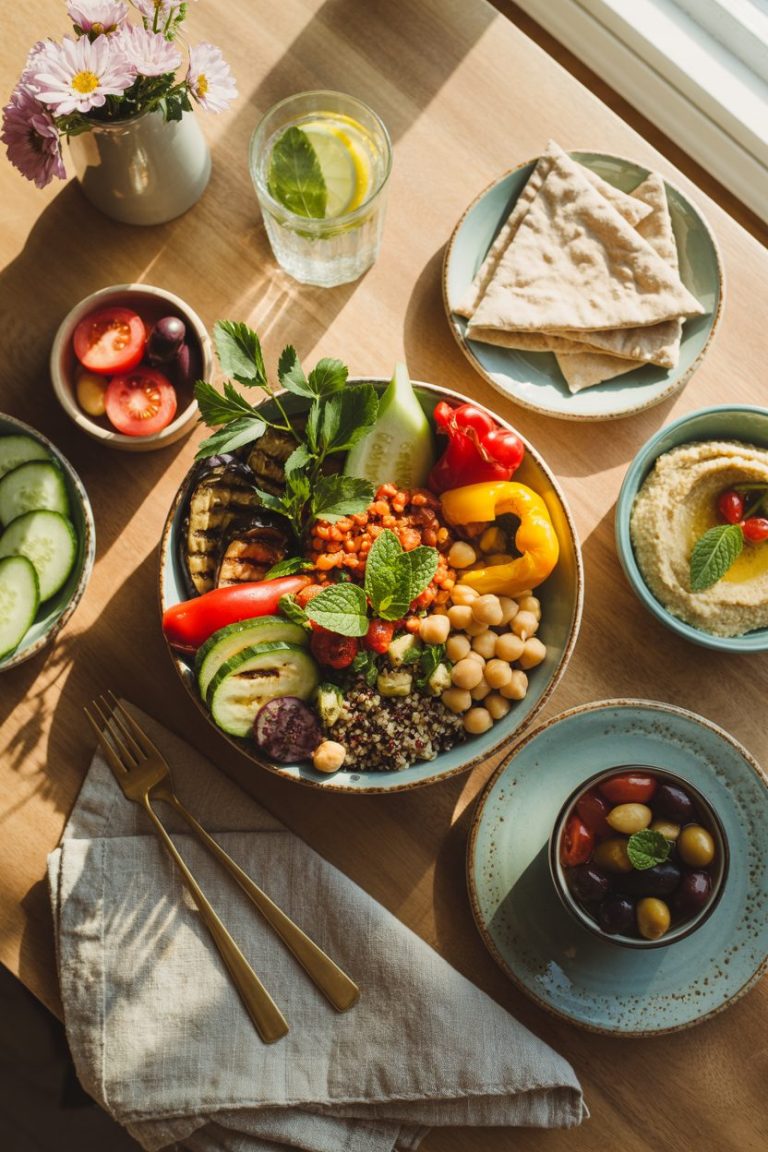

30-Day Anti-Inflammation Challenge (Easy!) – PDF
Inflammation is sneaky. It creeps up on you with joint pain that you blame on “getting older,” brain fog you attribute to not enough coffee, and bloating you accept as normal after every meal. But here’s the truth—chronic inflammation is behind most of the health issues we’re dealing with today, from autoimmune conditions to stubborn weight that refuses to budge.
The good news? You can actually turn things around in 30 days. I’m not talking about some extreme elimination diet that makes you miserable or supplements that cost more than your rent. This is a straightforward, doable challenge that focuses on adding anti-inflammatory foods to your life rather than obsessing over what you can’t eat.
I’ve designed this 30-day challenge to be ridiculously easy to follow. No meal prep marathons, no obscure ingredients, no cooking skills beyond “can boil water.” Just simple swaps and additions that stack up to create serious anti-inflammatory benefits.

Why 30 Days Actually Matters
You might be wondering why 30 days specifically. Isn’t that kind of arbitrary? Not really. Research shows that it takes about 3-4 weeks for your body to adapt to dietary changes and for you to start feeling tangible differences.
Your gut bacteria begin shifting within days of changing your diet, but the real benefits—reduced joint pain, clearer thinking, better sleep, less bloating—those take a few weeks to manifest. According to research on inflammation and diet, people who consistently follow anti-inflammatory eating patterns see measurable reductions in inflammatory markers within a month.
Plus, 30 days is long enough to build habits but short enough that you can actually commit without feeling like you’re signing your life away. It’s the sweet spot between “I can do anything for a week” and “this is my life forever now.”
The challenge isn’t about perfection. You’re going to have days where you eat pizza or skip the vegetables. That’s called being human. What matters is what you do most of the time, and this challenge sets you up to succeed more often than not.
The Five Simple Rules
Forget complicated tracking apps and calorie counting. This challenge has exactly five rules, and they’re all focused on what to add rather than what to eliminate:
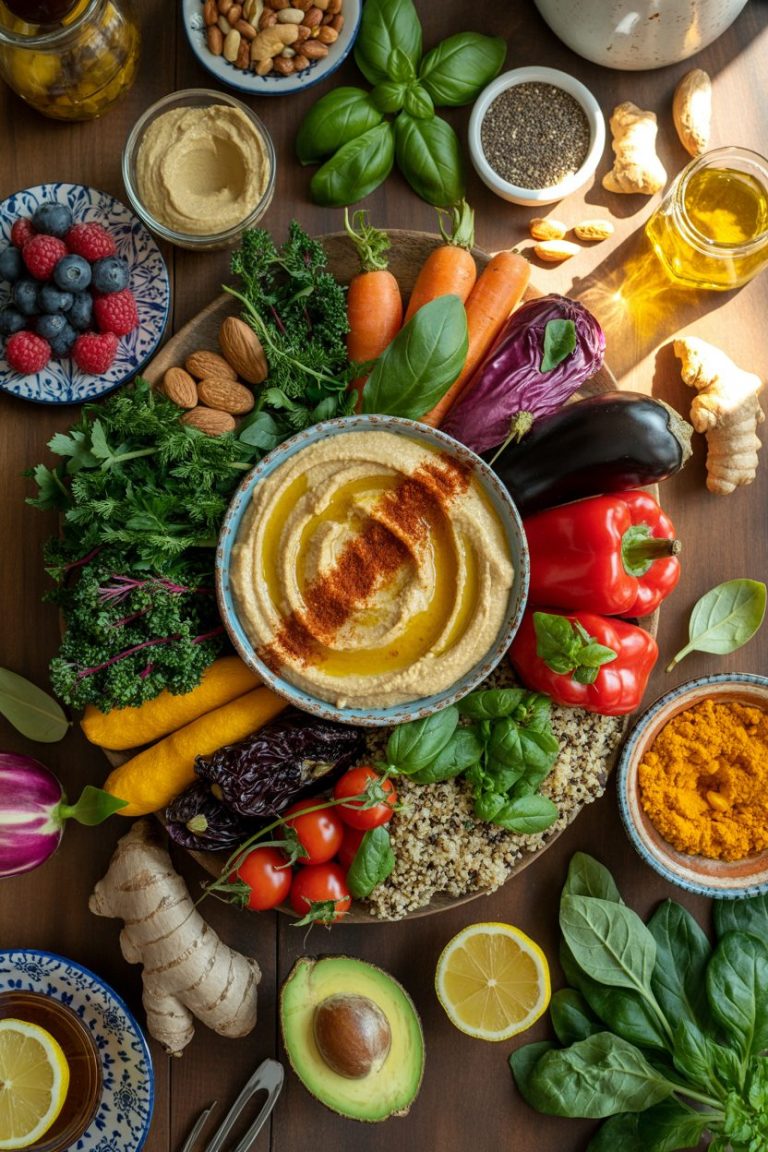
Rule 1: Eat something green every day. Leafy greens, broccoli, Brussels sprouts, green beans, asparagus, kiwi—doesn’t matter. Just get something green in your body daily.
Rule 2: Include omega-3s at least four times per week. Fatty fish, walnuts, chia seeds, flaxseeds, or algae oil supplements all count. Your joints and brain desperately need these fats.
Rule 3: Add one anti-inflammatory spice to at least one meal daily. Turmeric, ginger, garlic, cinnamon, oregano, or cayenne. These aren’t optional flavor enhancers—they’re powerful anti-inflammatory compounds.
Rule 4: Swap refined grains for whole grains whenever possible. Brown rice instead of white, whole wheat bread instead of white, quinoa instead of couscous. Simple swaps, big impact.
Rule 5: Eat the rainbow throughout the week. Different colored produce contains different antioxidants. Red tomatoes, orange sweet potatoes, yellow peppers, purple cabbage, blue berries. Variety matters.
That’s it. Five rules you can remember without writing them down. No meal timing restrictions, no forbidden foods, no complicated calculations.
Week One: Foundation Building
Days 1-3: Starting Simple
The first three days are about easing in without overwhelming yourself. Start with one meal per day focused on anti-inflammatory foods.
Breakfast suggestions: Greek yogurt with berries and walnuts, oatmeal with cinnamon and sliced banana, or scrambled eggs with spinach and tomatoes. Pick one and rotate through them.
Why this works: You’re establishing a routine without disrupting your entire life. Starting with breakfast sets a positive tone for the day and gives you early momentum.
I keep this electric kettle on my counter for quick oatmeal—boil water, pour over oats, let sit while you shower. Done.
Days 4-7: Adding Lunch
By day four, you’re comfortable with anti-inflammatory breakfasts. Now add lunch into the mix.
Lunch ideas: Large salads with grilled chicken and olive oil dressing, lentil soup with vegetables, or grain bowls with roasted vegetables and tahini. Get Full Recipe for that grain bowl if you want exact proportions.
The key is keeping ingredients simple and reusing components. If you roast vegetables for dinner, make extra for tomorrow’s lunch bowl.
Speaking of easy lunch prep, you might love exploring quick Mediterranean lunch ideas or trying mason jar salad combinations that you can prep ahead without things getting soggy.
Week One Goals
By the end of week one, you should:
- Have eaten something green every single day
- Included omega-3s at least twice
- Used anti-inflammatory spices multiple times
- Feel slightly more energized (even if it’s subtle)
Don’t stress if you miss a day or two. Just get back on track the next meal. Progress over perfection always wins.
Week Two: Building Momentum
Days 8-10: Dinner Gets an Upgrade
You’ve got breakfast and lunch handled. Now we focus on dinner—the meal most people find hardest to keep healthy because exhaustion hits around 6 PM.
Simple dinner formula: Protein + lots of vegetables + whole grain or legume + healthy fat. Baked salmon with roasted broccoli and quinoa. Grilled chicken with sweet potato and Brussels sprouts. Turkey chili with beans and brown rice.
The secret: Sheet pan dinners are your friend. Throw protein and vegetables on a pan, drizzle with olive oil, season with garlic and herbs, roast at 400°F for 25 minutes. Get Full Recipe for foolproof sheet pan combinations.
I use these rimmed baking sheets for everything—they’re heavy enough not to warp but light enough to handle easily. Game changer for weeknight cooking.
Days 11-14: Snack Smarter
This is where a lot of people sabotage their progress. You’re eating great meals but then hitting the vending machine at 3 PM or demolishing a bag of chips after dinner.
Anti-inflammatory snack ideas:
- Apple slices with almond butter
- Carrot sticks with hummus
- Handful of walnuts or almonds
- Greek yogurt with berries
- Dark chocolate (70% cacao or higher) with a few nuts
- Bell pepper strips with guacamole
Prep these on Sunday so they’re grab-and-go during the week. I portion nuts into small containers using these reusable snack bags that actually seal properly.
Week Two Milestones
You should notice:
- Less afternoon energy crashes
- Slightly better digestion (less bloating after meals)
- Maybe sleeping a bit better
- Increased confidence that you can actually do this
For more anti-inflammatory snack inspiration, check out energy ball recipes or explore savory Mediterranean snack options that keep you satisfied between meals.
Week Three: Leveling Up
Days 15-18: Experimenting with New Flavors
By week three, the basics are automatic. Now you can get creative and try new recipes that excite you rather than just going through the motions.
Try incorporating:
- Turmeric golden milk lattes
- Ginger-garlic stir-fries
- Moroccan-spiced chickpea dishes
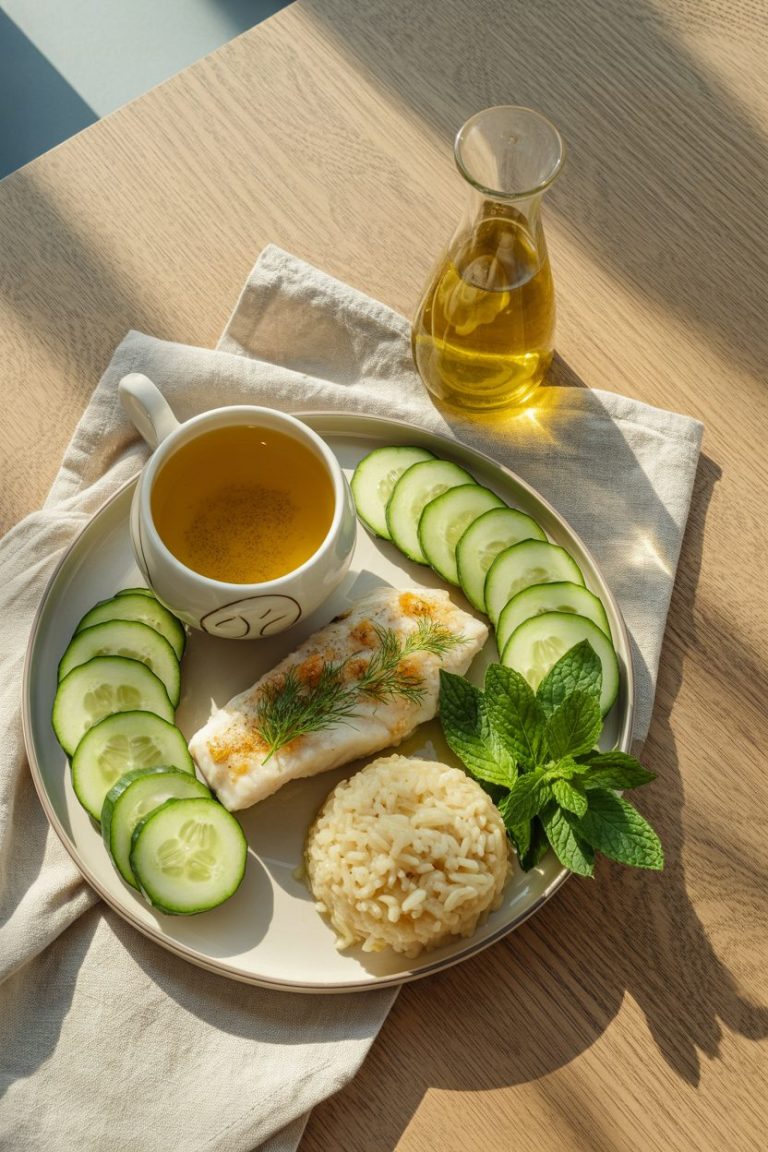
- Mediterranean fish with herbs and lemon
- Colorful Buddha bowls with multiple vegetables
The goal is finding anti-inflammatory meals you genuinely love, not just tolerate. When food tastes amazing, you stick with it long after the challenge ends.
IMO, investing in good spices makes all the difference. I keep this spice organizer stocked with turmeric, ginger, garlic powder, cinnamon, cumin, and cayenne. Everything’s visible and easy to grab.
Days 19-21: Addressing Inflammation Triggers
This is a good time to think about what might be working against your anti-inflammatory efforts. You don’t need to eliminate everything forever, but awareness helps.
Common inflammatory triggers:
- Excessive sugar (especially in drinks and processed foods)
- Trans fats and highly processed oils
- Refined carbohydrates (white bread, pastries, sugary cereals)
- Excessive alcohol
- Too much red meat
- Processed meats (bacon, sausage, deli meat)
Notice I said “excessive.” You don’t have to be perfect. But if you’re drinking three sodas daily or eating fast food five times per week, that’s actively working against your anti-inflammatory eating.
Simple swaps make a huge difference—water or herbal tea instead of soda, olive oil instead of vegetable oil, whole grain bread instead of white. Small changes compound.
Week Three Progress Check
Three weeks in, you should experience:
- Noticeably more stable energy throughout the day
- Reduced joint pain or stiffness (if you had any)
- Less brain fog and better mental clarity
- Improved digestion and less bloating
- Better sleep quality
- Maybe even some weight loss (as a side effect, not the goal)
If you’re not feeling these changes yet, don’t panic. Everyone’s timeline is different. Some people notice differences within days, others need 4-5 weeks. Keep going.
Week Four: Making It Stick
Days 22-25: Building Your Personal Formula
By now, you know what works for your schedule, taste preferences, and budget. This week is about refining your approach for long-term success.
Identify your go-to meals:
- Which three breakfasts do you actually enjoy eating?
- Which lunch options are easiest to prep?
- What dinner recipes can you make on autopilot?
- Which snacks keep you satisfied?
Write these down. These become your default rotation—the meals you return to when life gets chaotic and you don’t have energy for recipe hunting.
For me, it’s overnight oats for breakfast, grain bowls for lunch, and sheet pan dinners most nights. Simple, repeatable, and I never get tired of them because I vary the vegetables and seasonings.
If you’re loving the grain bowl approach, explore Buddha bowl variations or try protein-packed bowl combinations that keep things interesting week after week.
Days 26-30: Planning Beyond the Challenge
The last five days are about transition planning. How do you maintain anti-inflammatory eating without the structure of a formal challenge?
Strategies for long-term success:
- Keep your pantry stocked with anti-inflammatory staples (olive oil, whole grains, nuts, spices)
- Meal prep one day per week (even just 90 minutes helps)
- Build in flexibility for social events and restaurants
- Focus on adding good foods rather than restricting
- Find a support system (friends, online communities, or family members doing this with you)
The challenge gives you structure, but real change happens when these habits become automatic. You don’t want to be thinking “I should eat more vegetables” forever—you want reaching for vegetables to be your default.
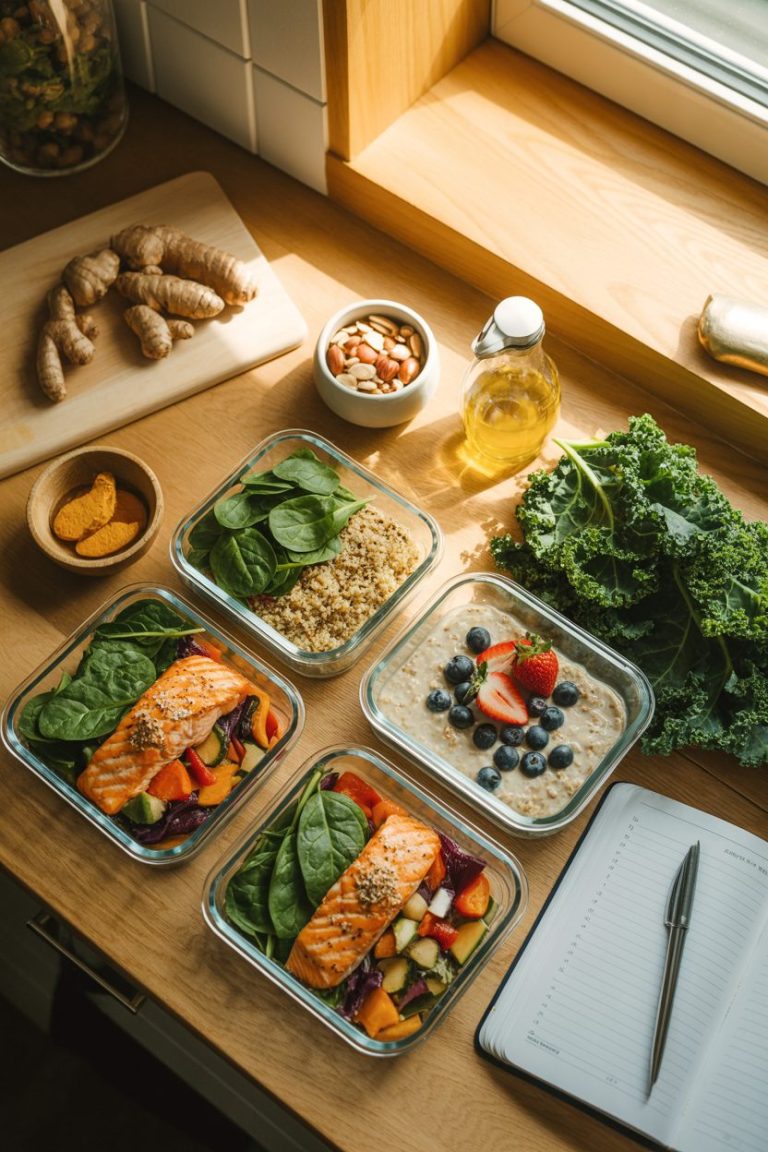
I batch prep using these glass containers every Sunday—they’re microwave safe, don’t absorb odors, and actually stack without falling over in the fridge.
Week Four Reflection
By day 30, take stock of everything that’s changed:
- How do you feel compared to day one?
- Which inflammatory symptoms have improved?
- What surprised you about this process?
- Which habits feel sustainable long-term?
- What challenges still remain?
This reflection helps you understand what’s working so you can keep doing it. The challenge might end at 30 days, but the benefits don’t have to.
The Anti-Inflammatory All-Stars
Let’s spotlight the foods doing the heavy lifting in this challenge because understanding why they work makes you more likely to keep eating them:
Fatty Fish: Salmon, sardines, mackerel, and herring contain EPA and DHA—omega-3 fatty acids that directly reduce inflammatory compounds in your body. Aim for 2-3 servings per week minimum.
Leafy Greens: Spinach, kale, collards, and Swiss chard are loaded with antioxidants and magnesium. They protect against oxidative stress that triggers inflammation.
Berries: Blueberries, strawberries, raspberries, and blackberries contain anthocyanins—powerful antioxidants that reduce inflammatory markers. Fresh or frozen works equally well.
Nuts and Seeds: Walnuts are omega-3 champions. Almonds provide vitamin E. Chia and flax seeds offer both omega-3s and fiber. All reduce inflammation when eaten regularly.
Turmeric: Contains curcumin, a compound with anti-inflammatory effects comparable to some medications. Pair with black pepper to increase absorption by 2000%.
Ginger: Contains gingerols that inhibit inflammatory pathways. Works particularly well for gut-related inflammation and nausea.
Garlic: Allicin and other sulfur compounds in garlic reduce inflammatory cytokines. Use fresh garlic rather than powder for maximum benefit.
Olive Oil: Extra virgin olive oil contains oleocanthal, which works similarly to ibuprofen in reducing inflammation. Use liberally on vegetables and salads.
Green Tea: Rich in EGCG, a polyphenol with powerful anti-inflammatory and antioxidant properties. Drink it hot or iced throughout the day.
For more ways to incorporate these ingredients, try anti-inflammatory smoothie recipes or check out turmeric-based meal ideas that make these superfoods taste incredible.
Common Challenges and Solutions
Let me save you some frustration by addressing the issues everyone runs into:
Challenge: “I don’t have time to cook from scratch every day.” Solution: You don’t need to. Batch cooking on weekends, using a slow cooker, or assembling meals from pre-prepped components all work. This programmable Instant Pot handles everything from rice to stews while you do other things.
Challenge: “Anti-inflammatory foods are too expensive.” Solution: Focus on affordable options—dried beans, lentils, frozen vegetables, canned salmon, eggs, and seasonal produce. You don’t need exotic superfoods to reduce inflammation.
Challenge: “My family won’t eat this way.” Solution: Make components everyone can customize. Taco night with whole wheat tortillas, beans, lots of vegetable toppings. Pasta with marinara, meatballs for them, extra vegetables for you. Build-your-own grain bowls.
Challenge: “I’m still hungry after eating anti-inflammatory meals.” Solution: You might not be eating enough healthy fats or protein. Add more nuts, seeds, olive oil, avocados, and lean proteins. Fiber-rich foods fill you up, but you need adequate calories too.
Challenge: “I travel constantly for work.” Solution: Pack nuts, seeds, and dark chocolate for snacks. Choose grilled fish or chicken with vegetables at restaurants. Ask for olive oil and lemon instead of heavy sauces. Most places can accommodate simple requests.
Challenge: “I’m not seeing results yet.” Solution: Give it more time. Some people respond quickly, others need 6-8 weeks. Also check if you’re inadvertently consuming inflammatory triggers that counteract your good efforts.
Beyond Food: Lifestyle Factors
Food is crucial, but it’s not the only piece of the anti-inflammatory puzzle. These factors amplify or undermine your dietary efforts:
Sleep: Chronic sleep deprivation triggers inflammatory responses. Aim for 7-9 hours nightly. Establish a consistent sleep schedule and keep your bedroom cool and dark.
Stress Management: Elevated cortisol promotes inflammation throughout your body. Find stress relief that works for you—meditation, yoga, walking, journaling, or just saying no to things that drain you.
Movement: Regular exercise reduces inflammatory markers. But overtraining increases them. Find a sustainable balance—30 minutes of moderate activity most days is plenty for most people.
Hydration: Water helps flush inflammatory compounds from your system. Aim for at least 8 glasses daily, more if you’re active or in hot weather.
Alcohol Moderation: Excessive alcohol consumption promotes inflammation. If you drink, keep it to 1 drink per day for women, 2 for men, and prioritize red wine over other options.
Social Connection: Loneliness and isolation actually increase inflammatory markers. Regular social interaction supports overall wellbeing and reduces inflammation at the cellular level.
FYI, you don’t need to optimize everything simultaneously. Focus on food first, then gradually incorporate these lifestyle factors as they feel manageable.
Tracking Your Progress
Numbers don’t tell the whole story, but they can be helpful for seeing patterns you might otherwise miss. Consider tracking:
Subjective measures:
- Energy levels (rate 1-10 daily)
- Joint pain or stiffness (note severity and location)
- Digestive symptoms (bloating, regularity, discomfort)
- Sleep quality (how rested you feel upon waking)
- Mental clarity (brain fog, focus, memory)
- Mood (stability, irritability, overall outlook)
Optional objective measures:
- Weight (if relevant to your goals)
- Inflammatory blood markers (C-reactive protein, ESR)
- Blood sugar levels (if you have prediabetes or diabetes)
- Blood pressure
I use this simple wellness journal to track how I feel each day—takes maybe 2 minutes but reveals patterns I wouldn’t notice otherwise.
The subjective measures often show improvements before lab work changes. Trust what your body tells you, even if the numbers haven’t caught up yet.
Meal Prep Strategies That Actually Work
You don’t need to spend all Sunday cooking, but strategic prep makes weekdays infinitely easier. Here’s my approach:
Sunday prep session (90 minutes):
- Cook 2-3 types of whole grains in large batches
- Roast a big pan of vegetables
- Wash and chop vegetables for the week
- Make 1-2 large batches of soup or stew
- Prepare overnight oats for 3-4 mornings
- Hard boil a dozen eggs
- Portion out nuts and seeds into snack containers
Wednesday evening refresh (30 minutes):
- Wash more fresh produce
- Prep any proteins needed for later in the week
- Refill overnight oats if needed
This approach gives you building blocks to assemble quick meals without starting from scratch every time. Dinner becomes “reheat soup, make a quick salad” rather than “what am I even making?”
Store everything in clear containers so you can see what you have. These stackable meal prep containers are ridiculously practical—they don’t topple over in the fridge and go from fridge to microwave without issues.
Restaurant and Social Eating
The challenge doesn’t mean you become a hermit who never eats out. You just need a strategy:
At restaurants:
- Scan the menu for grilled fish, chicken, or plant-based proteins
- Load up on vegetable sides
- Ask for olive oil and lemon instead of cream sauces
- Choose whole grain options when available
- Skip the bread basket or have one piece max
- Share desserts if you’re having them
At social events:
- Eat a small anti-inflammatory snack before going so you’re not ravenous
- Focus on vegetable-based appetizers and dishes
- Bring something anti-inflammatory to share
- Don’t stress about one meal—just get back on track afterward
When traveling:
- Pack nuts, seeds, and dark chocolate for flights
- Look up restaurants near your destination beforehand
- Book hotels with mini fridges if possible
- Hit grocery stores for fresh fruit, yogurt, and vegetables
The goal isn’t perfection—it’s consistency. One restaurant meal won’t undo weeks of anti-inflammatory eating. Just don’t let one meal turn into three days of inflammatory eating.
Related Recipes You’ll Love
Looking for more ideas? Here are some recipes that pair perfectly with this challenge:
More Breakfast Ideas: Try quick Mediterranean egg dishes, anti-inflammatory smoothie bowls, or make-ahead breakfast options that save time on busy mornings.
Satisfying Lunch Options: Explore grain bowl combinations, hearty soup recipes, or creative salad ideas that actually keep you full until dinner.
Easy Dinner Solutions: Check out sheet pan Mediterranean dinners, one-pot meals, or simple fish preparations that come together in under 30 minutes.
Snack Solutions: Browse homemade energy bite recipes, savory snack options, or anti-inflammatory snack plates for when you need something quick.
The Printable PDF: Your Challenge Companion
I’ve created a comprehensive downloadable PDF that includes:
- Full 30-day challenge calendar with daily focus areas
- Shopping lists organized by week
- Quick reference guide to anti-inflammatory foods
- Meal planning templates
- Progress tracking sheets
- Recipe suggestions for each week
- Tips and troubleshooting guide
Print it out, stick it on your fridge, and use it as your roadmap. Mark off each day as you complete it—there’s something satisfying about seeing your progress visually.
After Day 30: What’s Next?
The challenge might end at 30 days, but the benefits don’t have to. Here’s how to make anti-inflammatory eating your default rather than a temporary project:
Maintain what’s working: Keep the habits that felt easy and sustainable. If you loved starting the day with anti-inflammatory breakfasts, continue that pattern.
Iterate on what’s hard: If meal prep felt overwhelming, simplify your approach. If certain foods didn’t work for you, find alternatives you actually enjoy.
Stay flexible: Life happens. Travel, celebrations, busy seasons—all of these will disrupt your routine. That’s normal. What matters is getting back on track afterward, not never straying.
Keep learning: As you discover new recipes and foods you love, your anti-inflammatory eating naturally expands. You’re not stuck eating the same 10 meals forever.
Find your people: Connect with others who eat this way, either in person or online. Support and accountability make sustainable change so much easier.
Focus on how you feel: The best motivation is noticing the benefits. When you feel energized, sleep well, and move without pain, you naturally want to keep doing what got you there.
Conclusion
Thirty days isn’t magic, but it’s enough time to experience real, tangible differences in how your body feels and functions. Chronic inflammation didn’t develop overnight, and it won’t disappear overnight either. But consistent, anti-inflammatory eating creates meaningful change faster than most people expect.
This challenge proves that reducing inflammation doesn’t require suffering through bland food or spending a fortune on supplements. It’s about simple, sustainable shifts—adding more vegetables, including omega-3s regularly, using anti-inflammatory spices, choosing whole grains, and eating colorful produce.
The rules are simple enough to remember without writing them down. The meals are straightforward enough to prepare without culinary training. The results are significant enough to motivate you to keep going.
Start tomorrow. Download the PDF, hit the grocery store, and commit to these 30 days. Track how you feel along the way. Notice what changes—your energy, your digestion, your sleep, your mood, your pain levels. Let those improvements fuel your motivation.
By day 30, anti-inflammatory eating won’t feel like a challenge anymore. It’ll just be how you eat. And your body—with less pain, more energy, and better health—will thank you for it.