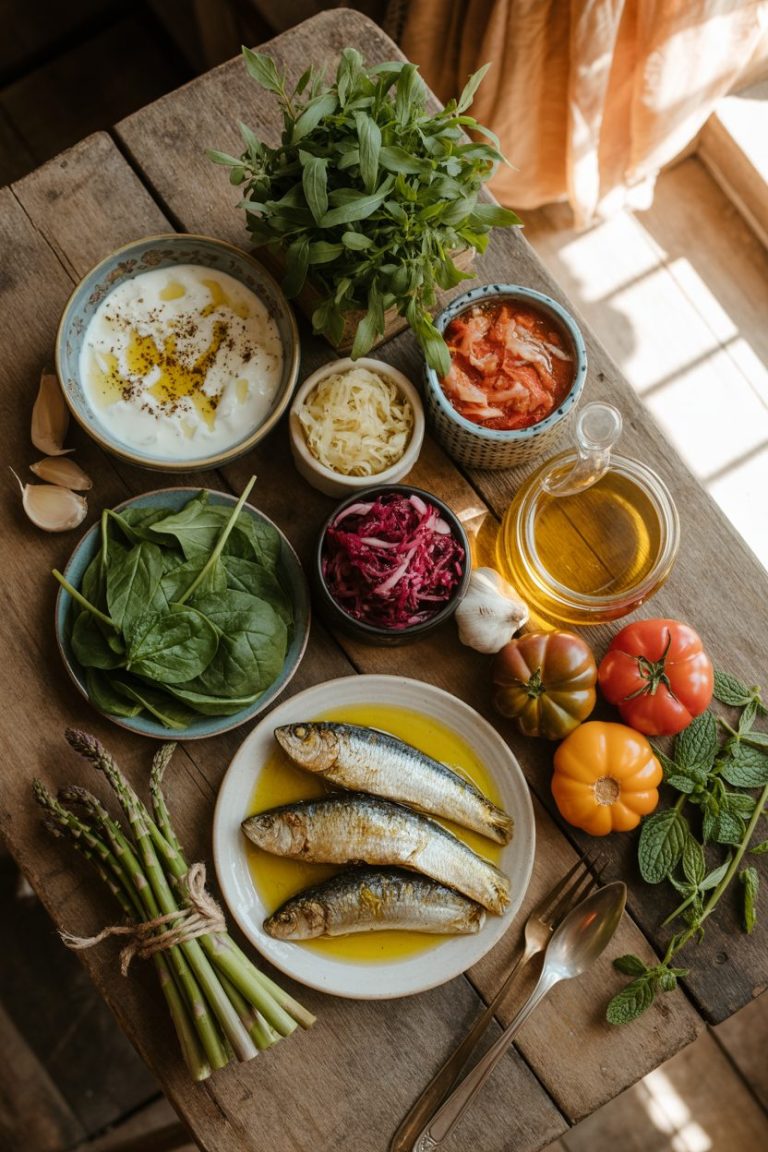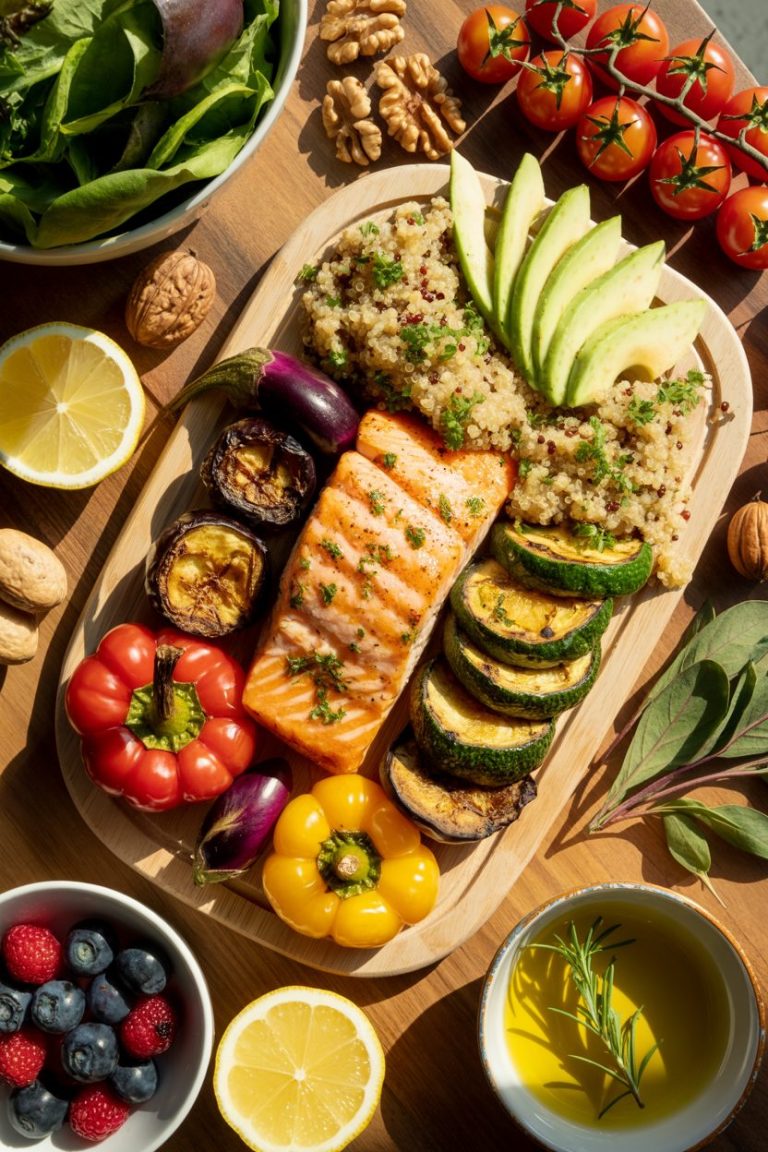
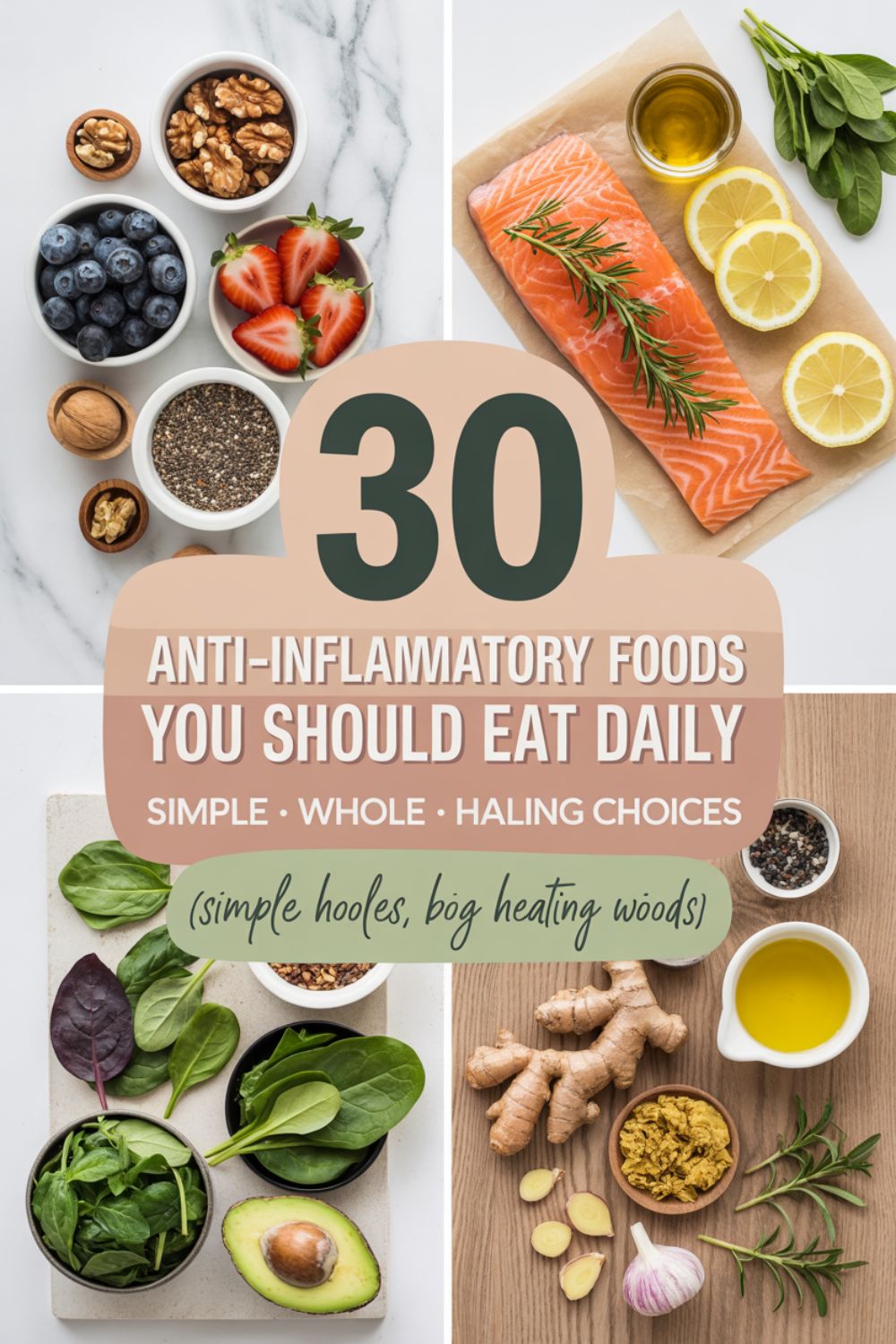
30 Anti-Inflammatory Foods You Should Eat Daily
Listen, I get it. Your joints ache, your energy tanks by 2 PM, and you’re constantly feeling bloated or foggy. Welcome to the chronic inflammation club—nobody wants to be here, but here we are. The good news? Your kitchen might already have the solutions sitting in your pantry or fridge.
I’m not going to promise you’ll wake up tomorrow feeling like a teenager again. But what I will tell you is this: adding these 30 anti-inflammatory foods to your daily routine can genuinely shift how your body feels from the inside out. And no, you don’t need to eat like a rabbit or spend your entire paycheck at Whole Foods.
Ready to stop feeling like garbage? Let’s talk about the foods that can actually help.
Why Anti-Inflammatory Foods Matter More Than You Think
Before we dive into the list, let’s talk about what inflammation actually is—and why you should care. According to Harvard Medical School, chronic inflammation isn’t just about a sore knee or a headache. It’s a sneaky process that’s linked to heart disease, diabetes, cancer, arthritis, and even Alzheimer’s.
Think of inflammation like a fire alarm in your body. When there’s an actual threat—like a cut or infection—the alarm goes off, and your immune system rushes in to save the day. That’s acute inflammation, and it’s helpful. But chronic inflammation? That’s like a fire alarm that won’t shut up even though there’s no fire. Your body stays in constant red-alert mode, and that wears everything down over time.
The crazy part is that what you eat plays a massive role in either fueling that false alarm or calming it down. Foods loaded with antioxidants, omega-3s, and polyphenols act like firefighters, dousing the flames before they spread.
The Top 30 Anti-Inflammatory Foods to Add to Your Plate
Alright, let’s get to the good stuff. Here are 30 foods you should be eating as often as possible. I’ve organized them into categories to make your grocery shopping easier—you’re welcome.
Fatty Fish: Your Omega-3 Powerhouses
1. Salmon
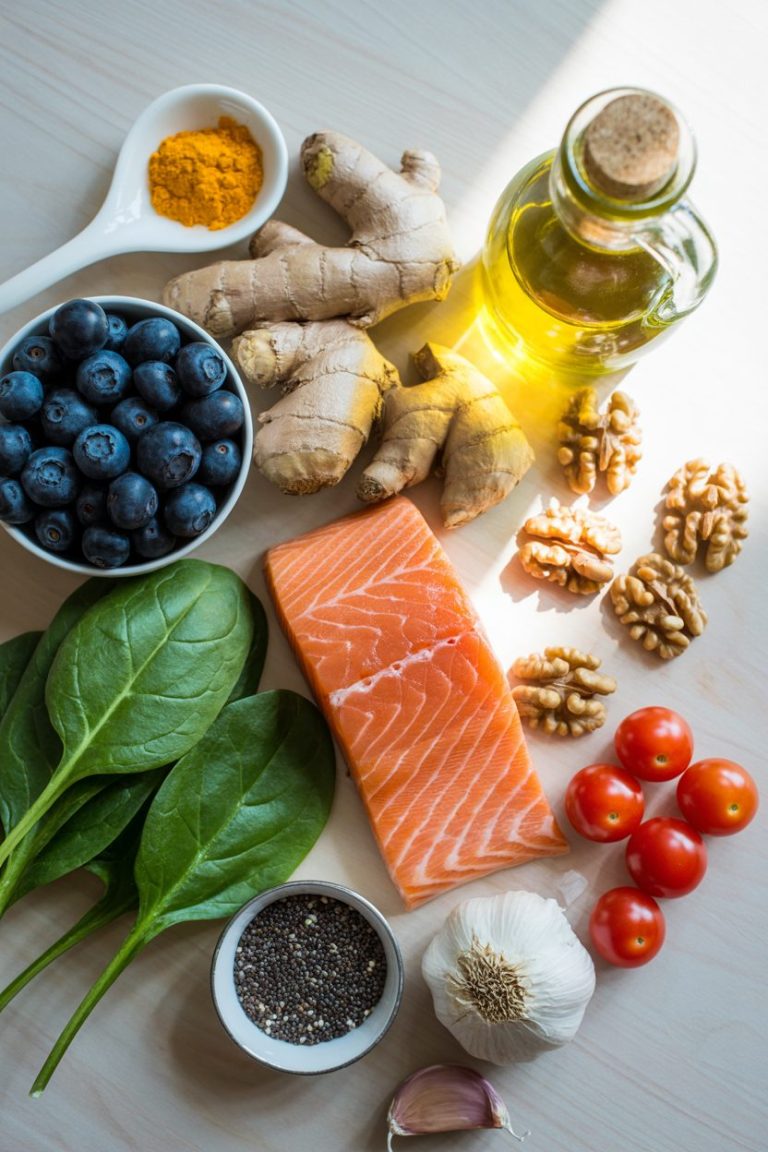
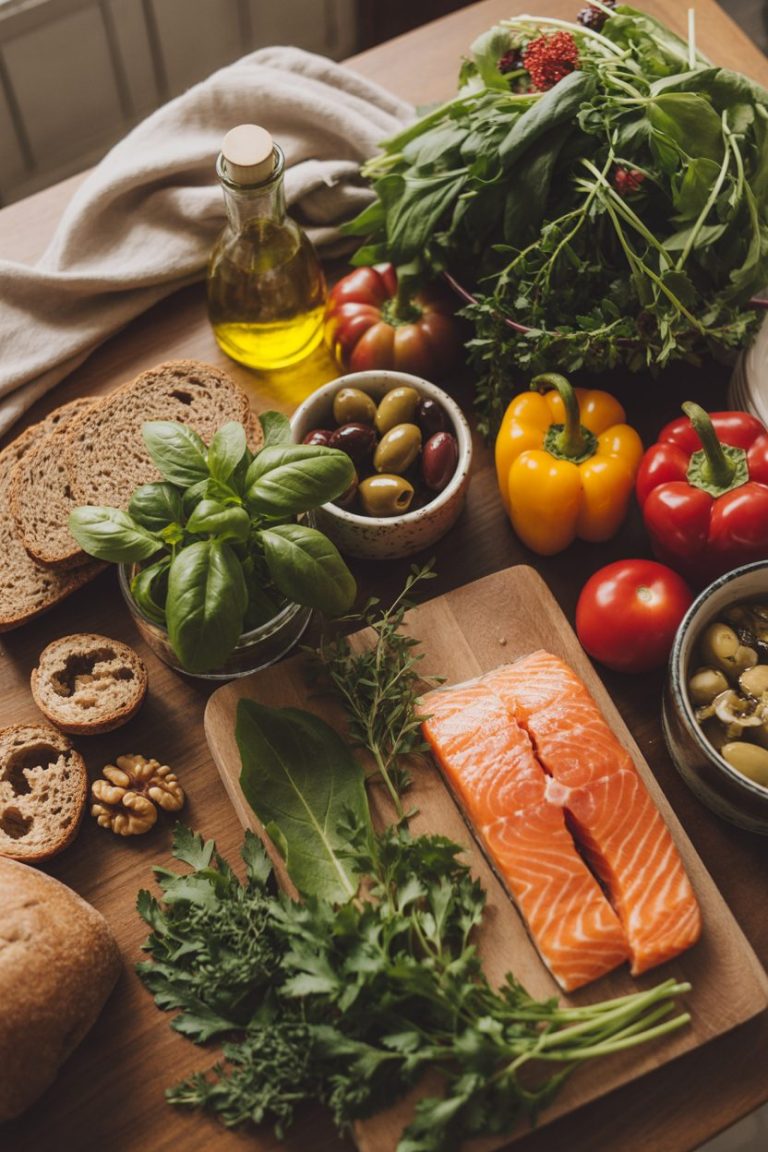
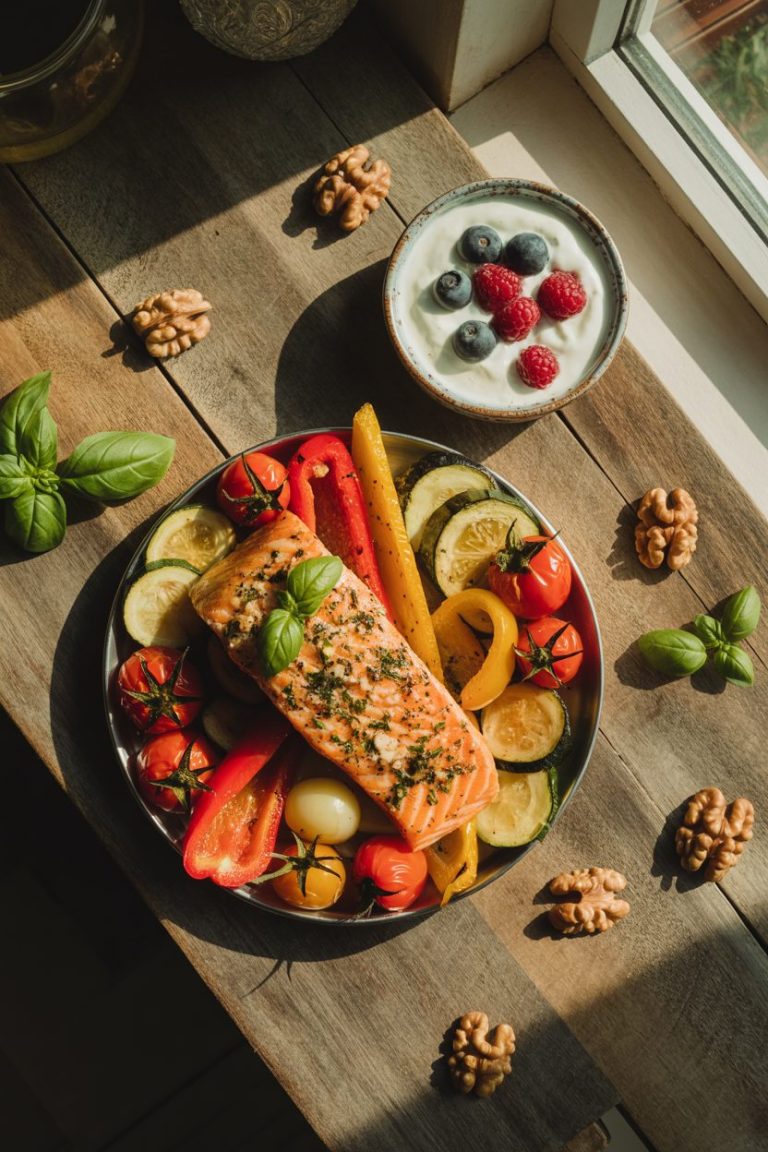
Wild-caught salmon is loaded with EPA and DHA, the omega-3 fatty acids that research shows can significantly reduce inflammatory markers. I try to eat this at least twice a week, and honestly, it’s one of the easiest wins on this list.
2. Mackerel
If you haven’t tried mackerel, you’re missing out. It’s oilier than salmon, which means even more omega-3s. Plus, it’s usually cheaper, so your wallet wins too.
3. Sardines
Yeah, yeah, I know sardines get a bad rap. But these tiny fish pack serious nutritional punch and are one of the most sustainable seafood options. If you can get past the stigma, your joints will thank you.
4. Anchovies
Before you make a face, hear me out. Anchovies dissolved into pasta sauces or salad dressings add incredible umami flavor while delivering anti-inflammatory benefits. You won’t even taste the fishiness.
NutriBullet Pro 900W Personal Blender
Honestly, this changed my entire morning routine. I blend spinach, berries, chia seeds, and walnuts in under 60 seconds. The 900-watt motor pulverizes everything—no chunks, no excuses.
Includes: 900W motor base, 32oz cup, 24oz cup, to-go lids, extractor blade, recipe book
Looking for easy ways to incorporate more fish into your routine? Check out this 14-day Mediterranean high-protein anti-inflammatory plan that makes meal prep stupidly simple.
Berries: Nature’s Candy (That’s Actually Good for You)
5. Blueberries
These little guys are packed with anthocyanins, compounds that research has shown help reduce oxidative stress and inflammation. I literally keep frozen blueberries on hand at all times for smoothies.
6. Strawberries
High in vitamin C and polyphenols, strawberries aren’t just delicious—they’re inflammation-fighting machines. Studies suggest they can lower inflammatory markers associated with heart disease.
7. Blackberries
These dark beauties contain high levels of antioxidants that combat free radical damage. Plus, they’re high in fiber, which your gut bacteria absolutely love.
8. Raspberries
Raspberries bring both flavor and serious anti-inflammatory benefits to the table. The fiber content also helps keep your digestive system running smoothly—if you know what I mean.
I usually toss a handful of mixed berries into my morning routine. Speaking of which, if you’re looking for breakfast inspiration, you might love this 7-day Mediterranean high-fiber breakfast plan that’s loaded with berry-based recipes.
Transform Your Kitchen: Complete Anti-Inflammatory Meal Prep Bundle
Everything you need to succeed with anti-inflammatory eating – meal plans, shopping lists, prep guides, and recipe cards all in one digital bundle.
- 30 days of complete meal plans with zero guesswork
- Printable shopping lists organized by grocery section
- Video tutorials for proper food prep techniques
- 100+ anti-inflammatory recipes with nutritional info
- Inflammation tracking journal to monitor your progress
Special Price: $47 (Regular $97) – Instant digital download
Leafy Greens: Yes, Your Mom Was Right
9. Spinach
Popeye wasn’t messing around. Spinach is loaded with vitamins A, C, and K, plus tons of antioxidants. I throw it into everything—smoothies, omelets, pasta. It’s the ultimate stealth vegetable.
10. Kale
I know kale became a bit of a joke, but there’s a reason it’s everywhere. It’s genuinely one of the most nutrient-dense foods on the planet, packed with quercetin and kaempferol that fight inflammation.
11. Swiss Chard
Don’t sleep on chard. Those colorful stems aren’t just pretty—they contain betalains, powerful antioxidants that reduce inflammatory markers in your body.
12. Arugula
That peppery bite you taste? That’s from compounds called glucosinolates, which have been studied for their anti-inflammatory and cancer-fighting properties. Arugula makes every salad infinitely better, IMO.
Cruciferous Vegetables: The Unsung Heroes
13. Broccoli
Broccoli contains sulforaphane, an antioxidant that actively decreases inflammation by reducing cytokines and NF-κB molecules that trigger inflammatory responses. Research backs this up—eat your broccoli.
14. Brussels Sprouts
I get it, you hated these as a kid. But properly roasted Brussels sprouts are legitimately delicious, and they’re loaded with the same anti-inflammatory compounds as broccoli.
15. Cauliflower
Cauliflower is having a moment, and for good reason. It’s versatile, low in calories, and packed with antioxidants that help your body fight inflammation. This food processor makes cauliflower rice in seconds—total game changer.
For complete meal inspiration that centers around these vegetables, try this 7-day Mediterranean clean eating plan that takes the guesswork out of meal planning.
Healthy Fats: Not All Fat Is Evil
16. Extra Virgin Olive Oil
This is non-negotiable in my kitchen. Real EVOO contains oleocanthal, a compound that works similarly to ibuprofen in fighting inflammation. Just make sure you’re buying the real deal—fake olive oil is a genuine problem in the industry.
17. Avocados
Beyond being Instagram-worthy, avocados contain carotenoids and tocopherols linked to reduced cancer risk. Research shows eating avocado can reduce inflammatory markers like IL-1β and CRP.
18. Walnuts
These brain-shaped nuts are rich in alpha-linolenic acid (ALA), a plant-based omega-3 that reduces inflammatory markers. I keep a jar of raw walnuts on my counter for easy snacking.
19. Almonds
Packed with vitamin E, fiber, and monounsaturated fats, almonds are an easy anti-inflammatory snack. Just watch portion sizes—they’re calorie-dense and easy to overeat (ask me how I know).
20. Chia Seeds
These tiny seeds punch way above their weight class with omega-3s, fiber, and antioxidants. I throw them into everything. Get Full Recipe for my go-to chia pudding that I meal prep every Sunday.
Spices and Herbs: Tiny But Mighty
21. Turmeric
Curcumin, the active compound in turmeric, is one of the most researched anti-inflammatory substances on the planet. Studies show it can help with arthritis, diabetes, and other inflammatory conditions. Always pair it with black pepper—the piperine helps your body absorb it way better.
22. Ginger
Fresh ginger contains gingerol, which has powerful anti-inflammatory and antioxidant effects. I grate it into stir-fries, smoothies, and tea. This microplane grater makes the job painless.
23. Garlic
Garlic contains sulfur compounds that inhibit inflammatory pathways in your body. Plus, it makes everything taste better, so there’s literally no downside here.
24. Cinnamon
Beyond making your kitchen smell amazing, cinnamon has been shown to reduce inflammation markers. I add it to coffee, oatmeal, and even savory dishes.
Pyrex 18-Piece Glass Food Storage Container Set
Meal prep without these is like trying to fight inflammation without eating vegetables—technically possible but unnecessarily difficult. These glass containers have survived three years of weekly meal prep abuse in my kitchen.
Set includes: 9 containers with lids (various sizes from 1 cup to 7 cup), BPA-free locking lids, lifetime warranty
Speaking of flavor combinations, this 7-day anti-inflammation reset is full of simple meals that use these spices in creative ways you probably haven’t thought of.
Other Inflammation-Fighting All-Stars
25. Green Tea
Green tea contains EGCG (epigallocatechin-3-gallate), a polyphenol that research links to reduced risk of heart disease, cancer, and Alzheimer’s. Johns Hopkins Medicine highlights green tea as one of the top anti-inflammatory beverages.
26. Dark Chocolate
Yes, chocolate made the list. Dark chocolate (70% cacao or higher) contains flavonols that fight inflammation. This is not permission to eat an entire bar, but a few squares daily? Go for it.
27. Tomatoes
Rich in lycopene, vitamin C, and potassium, tomatoes are excellent inflammation fighters. Interestingly, cooking them actually increases the bioavailability of lycopene, so tomato sauce counts.
28. Mushrooms
Varieties like shiitake, portobello, and oyster mushrooms contain compounds that reduce inflammation when cooked. Raw mushrooms? Not so much. So sauté away.
29. Grapes
Grapes contain resveratrol and anthocyanins, both powerful anti-inflammatory compounds. Red and purple grapes pack the biggest punch due to their higher antioxidant content.
30. Beets
These ruby-red vegetables contain betalains, pigments with strong anti-inflammatory properties. I used to hate beets until I tried roasting them with olive oil and sea salt. Now I’m a convert.
If you’re feeling overwhelmed about where to start, this 30-day anti-inflammation challenge breaks everything down into manageable daily steps with simple recipes and shopping lists.
How to Actually Eat These Foods (Without Losing Your Mind)
Knowing what to eat is one thing. Actually doing it? That’s where most people fall off the wagon. Here’s my brutally honest advice after years of trial and error.
Start Small and Build Up
Don’t try to overhaul your entire diet on Monday. That’s a recipe for burnout and a Thursday night pizza binge. Instead, pick 3-5 foods from this list that you actually think you’ll eat, and focus on those for a couple weeks.
For me, it started with adding berries to breakfast, eating salmon twice a week, and using olive oil instead of other cooking oils. Those three changes alone made a noticeable difference in how I felt.
Meal Prep Is Your Best Friend
I know, I know. Meal prep sounds boring and time-consuming. But spending two hours on Sunday means you won’t resort to drive-thru when you’re starving at 6 PM on Wednesday. These glass containers have changed my meal prep game—no plastic taste, microwave-safe, and they stack perfectly.
Roast a big batch of vegetables (broccoli, Brussels sprouts, beets), cook some salmon or chicken, and portion everything out. Add different spices throughout the week so you don’t get bored.
For specific weekly meal prep strategies that actually work, check out this 7-day Mediterranean high-fiber meal prep plan that includes shopping lists and step-by-step instructions.
Make Swaps, Not Sacrifices
This isn’t about deprivation. It’s about smart substitutions. Use olive oil instead of vegetable oil. Snack on walnuts instead of chips. Add spinach to your smoothie. Swap white rice for cauliflower rice occasionally (not always—carbs aren’t evil).
These small changes add up without making you feel like you’re on some restrictive diet that’s doomed to fail.
The Anti-Inflammatory Cookbook: 500+ Recipes That Actually Taste Good
Stop eating boring “health food” – this digital cookbook proves anti-inflammatory eating can be delicious, easy, and family-friendly.
- 500+ tested recipes organized by meal type and cooking time
- Quick 15-minute meals for busy weeknights
- Batch cooking guides for meal prep champions
- Kid-friendly options that even picky eaters love
- Ingredient substitution guide for allergies and preferences
- Bonus: 52 weeks of seasonal meal ideas
Digital Edition: $37 – Download instantly to any device
Smoothies Are Underrated
Real talk: smoothies let you cram multiple anti-inflammatory foods into one meal without thinking too hard. Berries, spinach, chia seeds, avocado, ginger, turmeric—throw them all in a decent blender and you’re set.
I blend mine with unsweetened almond milk and maybe a scoop of protein powder. It takes five minutes, and I’m getting like six items from this list in one go.
If you want tried-and-tested combinations, this 7-day anti-inflammatory smoothie meals plan has recipes that actually taste good, not like grass clippings.
Join Our Free WhatsApp Community
Want daily anti-inflammatory recipes, meal prep tips, and motivation from people on the same journey? Join over 10,000 members in our free WhatsApp channel where we share quick wins, answer questions, and keep each other accountable.
Join the WhatsApp ChannelFoods to Limit or Avoid
While we’re focused on what to add, let’s quickly talk about what to minimize. According to research published by the National Institutes of Health, certain foods actively promote inflammation and can counteract all your hard work.
The usual suspects:
- Refined carbohydrates – White bread, pastries, most commercial cereals
- Fried foods – French fries, fried chicken, anything from a deep fryer
- Sugary beverages – Soda, sweetened coffee drinks, most fruit juices
- Processed meats – Hot dogs, lunch meats, bacon (I know, it hurts)
- Trans fats – Check labels for “partially hydrogenated oils”
- Excessive alcohol – Moderate is fine; excessive is not
Notice I said “limit,” not “eliminate.” I’m not about to tell you that you can never have pizza or a burger again. Life’s too short for that nonsense. But if these foods make up the bulk of your diet, your inflammation isn’t going anywhere.
Specific Benefits You Might Actually Notice
So what can you realistically expect if you commit to eating more anti-inflammatory foods? Here’s what I’ve experienced personally and what research supports:
Reduced Joint Pain and Stiffness
This was the first thing I noticed. My knees stopped aching when I climbed stairs. Studies show that omega-3 fatty acids can reduce joint tenderness and stiffness in people with rheumatoid arthritis. Your results may vary, but it’s worth trying before loading up on NSAIDs.
Better Energy and Less Brain Fog
Chronic inflammation affects your brain chemistry. When you reduce systemic inflammation, many people report clearer thinking and more consistent energy throughout the day. I’m not talking about caffeine-jittery energy—more like sustained, steady alertness.
Improved Digestion
Your gut health and inflammation are deeply connected. Adding fiber-rich anti-inflammatory foods helps feed beneficial gut bacteria, which can reduce digestive issues like bloating and discomfort.
For a targeted approach to gut health, this 7-day gut-healing Mediterranean menu specifically addresses digestive inflammation with foods that support your microbiome.
Weight Management
Here’s the thing: anti-inflammatory foods tend to be nutrient-dense and satisfying. You’re less likely to overeat when you’re nourishing your body properly. Plus, reducing inflammation can help regulate hormones that control hunger and metabolism.
If weight loss is a specific goal, check out this 14-day Mediterranean weight loss plan that focuses on anti-inflammatory foods while creating a sustainable calorie deficit.
Better Sleep Quality
Inflammation interferes with sleep, and poor sleep increases inflammation. It’s a vicious cycle. Breaking that cycle with dietary changes can genuinely improve sleep quality over time.
Making It Work on a Budget
Let’s address the elephant in the room: some anti-inflammatory foods are expensive. Wild-caught salmon and fresh berries aren’t cheap. But there are absolutely budget-friendly options.
Budget-friendly anti-inflammatory foods:
- Canned salmon or sardines – Way cheaper than fresh and just as nutritious
- Frozen berries – Same antioxidants, fraction of the cost
- Dried beans and lentils – Pennies per serving, loaded with fiber
- Frozen spinach – Lasts forever, costs almost nothing
- Eggs – Inexpensive protein with anti-inflammatory properties
- Cabbage – Seriously underrated cruciferous veggie
- Oats – Cheap, versatile, anti-inflammatory
Buy in bulk when you can, especially for nuts, seeds, and spices. These airtight storage containers keep everything fresh way longer than those flimsy plastic bags.
Anti-Inflammatory Lifestyle Masterclass: Transform Your Health in 90 Days
Go beyond just recipes – this comprehensive video course teaches you the science, strategy, and sustainable habits for long-term inflammation control.
- 12 modules of video lessons (over 8 hours of content)
- Personalized inflammation assessment quiz
- Expert interviews with functional medicine doctors
- Supplement guide: what works, what’s waste of money
- Stress management & sleep optimization protocols
- Private community access with weekly Q&A sessions
- Lifetime access + all future updates free
Investment: $197 – Payment plan available (3 payments of $67)
For more budget-conscious planning, this 14-day high-fiber budget meal plan proves you don’t need to spend a fortune to eat anti-inflammatory foods.
Special Considerations and Personalization
Here’s something important: anti-inflammatory eating isn’t one-size-fits-all. Some people have sensitivities or conditions that require modifications.
For Vegans and Vegetarians
You can absolutely follow an anti-inflammatory diet without animal products. Focus on plant-based omega-3s (walnuts, chia, flax), lots of vegetables, legumes, and whole grains. This plant-based omega-3 supplement can help fill gaps if needed.
This 7-day Mediterranean vegan anti-inflammation plan is specifically designed for plant-based eaters who want to reduce inflammation.
For Women’s Hormonal Health
Inflammation and hormones are intricately linked. Many women find that anti-inflammatory eating helps with PMS, PCOS, and menopause symptoms. Focus on phytoestrogen-rich foods like flaxseeds and fiber to support hormone metabolism.
Check out this 14-day anti-inflammation hormone balancing plan if hormonal issues are your primary concern.
For High Protein Needs
If you’re active or trying to build muscle, you need more protein than the average person. The good news is that many anti-inflammatory foods are protein-rich: fatty fish, eggs, legumes, nuts, and seeds.
This 14-day Mediterranean high-protein anti-inflammatory plan balances protein needs with anti-inflammatory principles.
Common Mistakes People Make
I’ve made every mistake in the book, so learn from my failures:
Expecting Overnight Results
Dietary changes take time to show effects. Some people notice differences in a few weeks; for others, it takes months. Stick with it. Inflammation builds up over years—it’s not going to disappear in five days.
Going Too Extreme
Don’t eliminate entire food groups or eat only five things. That’s not sustainable, and you’ll burn out fast. Variety is important both for nutrition and for actually enjoying your meals.
Ignoring Portion Sizes
Even healthy fats like nuts and olive oil are calorie-dense. You can absolutely eat too much of a good thing. Pay attention to portions, especially with calorie-dense foods.
Not Paying Attention to Quality
Not all olive oil is created equal. Not all salmon is wild-caught. Not all dark chocolate has enough cacao. Quality matters when you’re trying to reduce inflammation. Read labels, do a bit of research, and buy the best quality you can reasonably afford.
Forgetting About Hydration
Water doesn’t directly fight inflammation, but dehydration can worsen inflammatory conditions. Drink enough water. Use a decent water bottle that you’ll actually carry around. It’s basic, but it matters.
Combining Anti-Inflammatory Eating with Lifestyle Changes
Food is huge, but it’s not everything. You can eat all the salmon and blueberries in the world, but if you’re chronically stressed, sleeping four hours a night, and never moving your body, inflammation will still be a problem.
Movement and Exercise
Regular physical activity reduces inflammatory markers. You don’t need to become a gym rat—even daily walks make a significant difference. The key is consistency over intensity.
Sleep Quality
Poor sleep drives inflammation like crazy. Aim for 7-9 hours consistently. Create a bedtime routine, keep your room cool and dark, and limit screen time before bed. It’s unsexy advice, but it works.
Stress Management
Chronic stress keeps your body in fight-or-flight mode, which promotes inflammation. Find what works for you—meditation, yoga, therapy, journaling, whatever. Just do something to manage stress actively.
Omega-3 Triple Strength Fish Oil Supplement (2000mg)
Look, I prioritize eating salmon twice a week, but let’s be real—some weeks that doesn’t happen. This supplement fills the gaps without the fishy burps that cheaper brands give you. Third-party tested, sustainably sourced, and actually works.
Supply: 180 softgels (3-month supply), burpless formula, wild-caught fish from sustainable fisheries
Avoiding Inflammatory Triggers
Smoking, excessive alcohol, and environmental toxins all promote inflammation. Obviously, quit smoking if you do. Limit alcohol to moderate amounts. Use natural cleaning products when possible. Small changes add up.
Tracking Your Progress
How do you know if this is actually working? Here are some markers to pay attention to:
- Energy levels – Are you waking up more refreshed? Do you have consistent energy throughout the day?
- Pain levels – Has joint pain or general achiness improved?
- Digestion – Less bloating, more regular bowel movements?
- Mental clarity – Can you focus better? Is brain fog lifting?
- Mood – Inflammation affects neurotransmitters. Better diet often means better mood.
- Sleep quality – Are you falling asleep easier and waking less during the night?
Keep a simple journal—even just notes in your phone. Track how you feel daily for a few weeks. Patterns will emerge.
If you want structured tracking with meals already planned out, this 30-day Mediterranean wellness plan includes daily check-ins and progress markers to keep you accountable.
Real-World Application: A Sample Day
Let’s get practical. Here’s what a realistic anti-inflammatory eating day looks like for me:
Breakfast: Overnight oats with blueberries, walnuts, chia seeds, and cinnamon. Green tea on the side.
Mid-morning snack: Apple slices with almond butter.
Lunch: Big salad with spinach, arugula, cherry tomatoes, avocado, grilled salmon, and olive oil dressing. Get Full Recipe for my go-to lemon olive oil dressing that takes 30 seconds.
Afternoon snack: A small handful of walnuts and a few squares of dark chocolate.
Dinner: Roasted chicken with turmeric and garlic, roasted Brussels sprouts and beets, side of quinoa.
See? Nothing crazy. Nothing that requires a culinary degree. Just real food that fights inflammation.
When to Consider Professional Help
Look, I’m not a doctor. If you have serious chronic inflammation, autoimmune conditions, or persistent symptoms that aren’t improving, please talk to a healthcare professional. Dietary changes are powerful, but they’re not magic, and some conditions require medical intervention.
A registered dietitian can help personalize an anti-inflammatory eating plan for your specific needs. A functional medicine doctor can run tests to identify underlying issues. Don’t try to DIY everything if you’re dealing with serious health problems.
Frequently Asked Questions
How long does it take to see results from an anti-inflammatory diet?
Most people notice subtle changes within 2-3 weeks—better energy, less bloating, maybe reduced joint stiffness. Significant improvements typically show up around the 4-6 week mark. That said, everyone’s different. Your inflammation didn’t develop overnight, so give your body time to heal. Stick with it for at least 30 days before deciding it’s not working.
Can I still eat carbs on an anti-inflammatory diet?
Absolutely. The key is choosing the right carbs. Whole grains, sweet potatoes, quinoa, and legumes are anti-inflammatory. It’s the refined carbs—white bread, pastries, sugary cereals—that you want to minimize. Carbs aren’t the enemy; highly processed carbs are. Don’t fall for the keto cult unless it’s genuinely right for your body.
Are supplements necessary, or can I get everything from food?
Ideally, you want to get most nutrients from whole foods because they contain compounds that work synergistically in ways supplements can’t replicate. That said, omega-3 supplements (especially for people who don’t eat fish), vitamin D, and curcumin supplements can be helpful additions. Talk to your doctor before starting any supplement regimen, especially if you’re on medications.
What’s the single best anti-inflammatory food I should eat daily?
If I had to pick just one? Fatty fish like salmon. The omega-3 content is unmatched, and research consistently shows it reduces multiple inflammatory markers. But honestly, variety is more important than any single superfood. Eating a wide range of anti-inflammatory foods gives you different antioxidants, polyphenols, and compounds that work together better than any one food alone.
Will this help with autoimmune conditions like rheumatoid arthritis or lupus?
Many people with autoimmune conditions report improvements in symptoms when following an anti-inflammatory diet, and research supports this. However, dietary changes should complement—not replace—medical treatment. Work with your rheumatologist or specialist to integrate diet into your overall treatment plan. Some people might also benefit from elimination diets to identify food sensitivities that worsen inflammation.
Can I drink coffee on an anti-inflammatory diet?
Yes! Coffee actually contains antioxidants and has been shown to have anti-inflammatory properties when consumed in moderation (2-3 cups daily). The problems arise when you’re adding tons of sugar and artificial creamers. Stick to black coffee, or use a splash of unsweetened almond milk. Just don’t rely on caffeine to mask poor sleep habits—that’ll backfire.
Get Weekly Meal Plans Delivered Free
Every Monday, we send out a new anti-inflammatory meal plan with shopping lists and prep instructions straight to your phone. No spam, just practical help. Join our WhatsApp community and never wonder “what’s for dinner?” again.
Get Free Weekly PlansFinal Thoughts
Here’s the bottom line: chronic inflammation is a real problem affecting millions of people, but it’s not inevitable. The foods you put in your body every single day either fuel inflammation or fight it. There’s no neutral ground here.
You don’t need to eat perfectly. You don’t need to give up every food you enjoy. You don’t need to spend your entire grocery budget at specialty stores. What you do need is consistency with these 30 anti-inflammatory foods, making them a regular part of your routine rather than occasional additions.
Start where you are. Pick three foods from this list that seem doable and focus on those for the next two weeks. Once they become habit, add a few more. Small, sustainable changes beat dramatic overhauls every single time.
Your body has an incredible capacity to heal when you give it the right tools. These 30 foods? They’re some of the best tools available. Use them.
And look, if you’re feeling overwhelmed about where to start or how to put this all together into actual meals, that’s totally normal. This meal planning journal has been a lifesaver for me in staying organized without overthinking everything.
You’ve got this. Your future self—the one with less pain, more energy, and better health—is counting on the choices you make today. Make them count.