
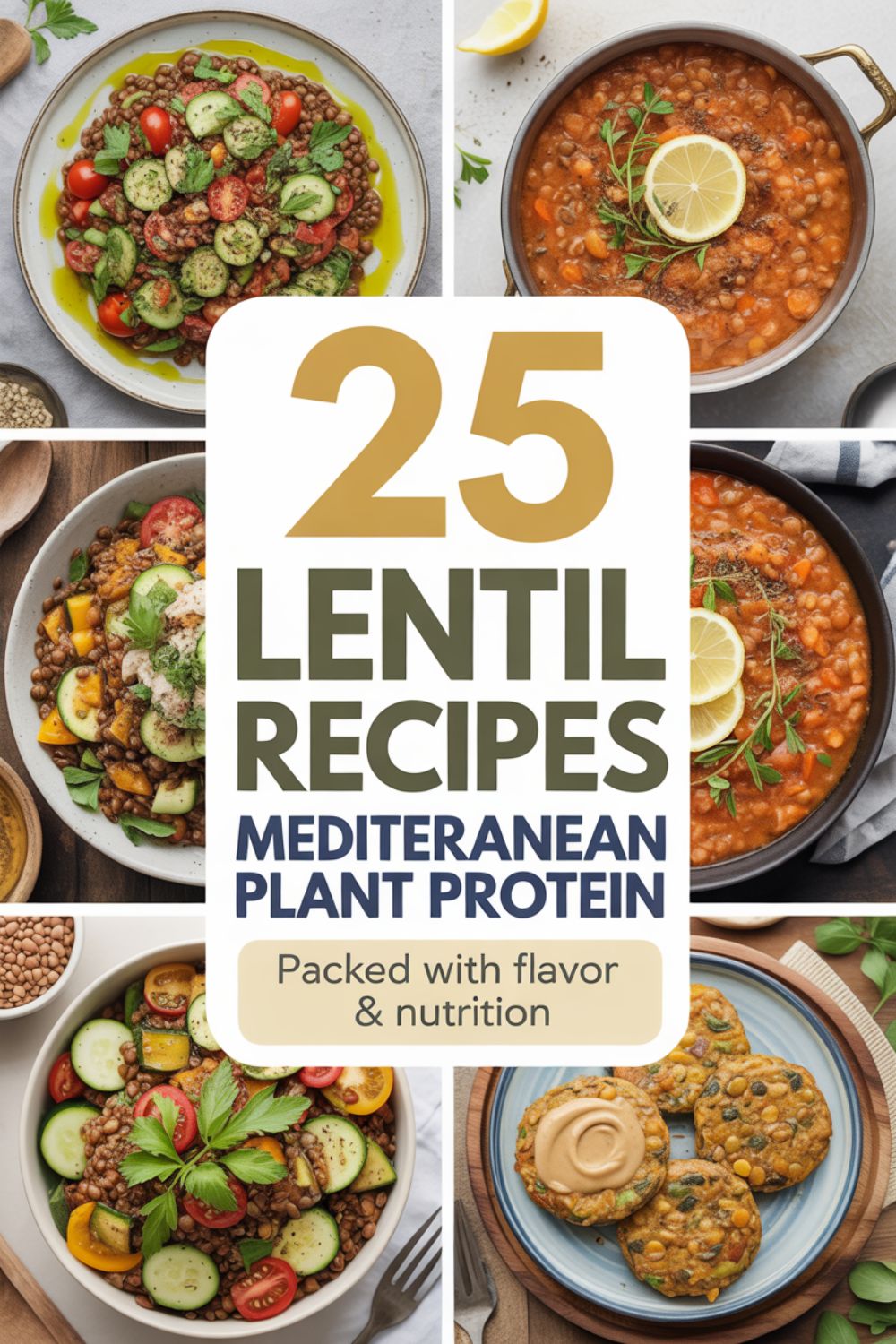
25 Mediterranean Lentil Recipes Packed with Plant Protein
Look, I’m not gonna sugarcoat it—if you haven’t jumped on the lentil train yet, you’re seriously missing out. These tiny nutritional powerhouses have been fueling Mediterranean communities for literally thousands of years, and there’s a damn good reason for that. They’re cheap, they’re versatile, and they pack more protein than most people realize.
I spent the last few months experimenting with lentil recipes, and honestly? I’m kind of obsessed. Whether you’re trying to cut back on meat, save some cash at the grocery store, or just want to feel less sluggish after lunch, lentils are your answer. The Mediterranean approach to cooking them is especially brilliant because it’s not about making lentils taste like something else—it’s about letting them shine alongside bold flavors like garlic, lemon, olive oil, and fresh herbs.
What I love most is how forgiving they are. Overcooked pasta? Disaster. Overcooked lentils? Still totally edible, maybe even better in some dishes. They’re the friend who shows up to help you move and doesn’t complain about the stairs.
Why Lentils Are the MVP of Mediterranean Cooking
Here’s something that blew my mind when I first learned it: lentils can deliver up to 12 grams of protein in just a half-cup serving. That’s legitimately impressive for something that costs less than a fancy coffee. And unlike meat, they come with zero cholesterol and loads of fiber that actually helps your digestive system instead of, you know, clogging it up.
The Mediterranean diet has been studied extensively, and research from Harvard’s School of Public Health shows it’s consistently linked to lower rates of heart disease and increased longevity. Lentils play a huge role in that equation. They’re not just filler—they’re actively working to keep you healthy.
What makes lentils especially valuable is their dual citizenship in the food world. According to Michigan State University’s nutrition research, lentils qualify as both a vegetable and a protein, which is pretty rare. They’re giving you fiber, folate, potassium, iron, and zinc all in one neat package.
Rinse your dried lentils in a fine-mesh strainer before cooking. You’d be surprised what kind of debris sneaks into those bags, and nobody wants to bite down on a tiny pebble mid-meal.
I used to think all lentils were basically the same, just different colors. Wrong. Red lentils break down into a creamy texture perfect for soups and dals. Green and brown lentils hold their shape beautifully in salads. Black lentils (also called beluga lentils) have this almost caviar-like appearance and a rich, earthy flavor that makes them ideal for fancy-ish dinner parties where you want to impress without actually working that hard.
The Protein Punch You Didn’t Know You Needed
Let’s talk numbers for a second because they’re actually pretty wild. Lentil seeds contain approximately 26% crude protein on average, which puts them in the same league as many meat sources. The difference? You’re getting that protein bundled with fiber, complex carbohydrates, and a whole pharmacy’s worth of vitamins and minerals.
For anyone following a plant-based diet or just trying to reduce their meat consumption, lentils are a complete game-changer. They’re one of the reasons high-protein Mediterranean meal plans work so well—you’re getting substantial nutrition without feeling like you’re constantly eating chicken breast.
The anti-inflammatory properties of lentils are also worth mentioning. Their polyphenol content acts as an antioxidant, helping to reduce inflammation in your body. If you’re dealing with joint pain, digestive issues, or just general inflammation from stress and poor sleep (guilty), adding more lentils to your diet might actually help.
Speaking of inflammation, you might want to check out some anti-inflammatory meal plans that incorporate lentils as a staple ingredient. They’re designed to make the whole process stupid simple.
Red Lentils vs. Green Lentils vs. Brown Lentils
Red lentils are your speedsters. They cook in about 15-20 minutes and completely fall apart, which makes them perfect for thick, creamy soups and Indian-style dals. I keep a bag of these on hand for those nights when I forgot to plan dinner and need something fast. Throw them in a pot with some broth, garlic, and curry powder, and you’ve got a meal.
Green and brown lentils are the workhorses. They take a bit longer to cook (around 25-30 minutes) but maintain their shape, making them ideal for salads, grain bowls, and dishes where you want some texture. I particularly love French green lentils (Puy lentils) because they have this peppery bite that elevates basically any dish.
Black lentils are the fancy ones. They’re smaller, firmer, and have this gorgeous glossy appearance when cooked. I use them when I’m trying to make something that looks impressive without requiring actual culinary skills. Toss them with roasted vegetables and a lemon vinaigrette, and suddenly you’re a sophisticated home cook.
For breakfast inspiration that includes lentils in surprising ways, check out this 7-day Mediterranean breakfast plan. Yes, lentils for breakfast. Trust me on this one.
25 Mediterranean Lentil Recipes That Actually Taste Good
Alright, let’s get to the good stuff. I’ve tested all of these recipes, and I’m sharing the ones that passed the “would I actually make this again” test. Some are traditional, some are my own twisted versions, but all of them are legitimately delicious.
Soups and Stews
1. Classic Mediterranean Lentil Soup – This is your base recipe. Lentils, tomatoes, garlic, onions, and a generous pour of olive oil. It’s the kind of soup that tastes better the next day when all the flavors have married. I make a huge batch on Sundays and eat it all week. Get Full Recipe
2. Greek Lentil Soup (Fakes) – The Greek version amps things up with red wine vinegar and bay leaves. It’s tangy, hearty, and the kind of meal that makes you feel like you’re eating at a taverna overlooking the Aegean instead of your kitchen table. Get Full Recipe
3. Moroccan Lentil Stew with Harissa – If you like heat, this is your jam. The harissa paste brings that North African spice blend that’s smoky, spicy, and slightly sweet. I serve this over couscous or with crusty bread for dipping. Get Full Recipe
4. Turkish Red Lentil Soup (Mercimek Çorbası) – Incredibly creamy despite having no dairy, thanks to the red lentils breaking down completely. This is comfort food in its purest form. Add a squeeze of lemon right before serving—it makes all the difference. Get Full Recipe
5. Italian Lentil Soup with Kale – Tuscan-style with plenty of garlic, rosemary, and kale. The earthiness of the lentils pairs perfectly with the slight bitterness of the kale. This is the soup I make when I’m pretending to be healthy. Get Full Recipe
Don’t salt your lentils at the beginning of cooking. Salt can toughen the skins and make them take forever to soften. Season toward the end instead.
Salads and Sides
6. Mediterranean Lentil Salad with Feta – Cold lentil salads are criminally underrated. This one has cucumbers, tomatoes, red onion, feta, and a lemon-oregano dressing. It’s perfect for meal prep because it actually gets better after sitting in the fridge. Get Full Recipe
7. Warm Lentil Salad with Roasted Vegetables – Roasted bell peppers, zucchini, and eggplant tossed with warm lentils and fresh mint. The key here is getting a good char on those vegetables—don’t be shy with the oven temperature. Get Full Recipe
8. Lentil Tabbouleh – A protein-boosted version of the classic parsley salad. I use cooked lentils instead of (or in addition to) bulgur wheat. More filling, more protein, same fresh flavors. Get Full Recipe
9. Lentils with Caramelized Onions and Spinach – The caramelized onions take this from “meh” to “oh damn.” Yeah, they take 30 minutes to properly caramelize, but you can do it while the lentils cook. Totally worth it. I use this heavy-bottomed skillet for even caramelization—it’s a total game-changer for not burning the onions. Get Full Recipe
10. Lentil and Beet Salad – Earthy meets earthy in the best possible way. Roasted beets, lentils, goat cheese, and walnuts with a balsamic reduction. Fancy enough for company, easy enough for Tuesday night. Get Full Recipe
If you’re looking for more gut-friendly recipe ideas that incorporate lentils, this gut-healing Mediterranean menu is solid gold. The fiber content alone does wonders for your digestive system.
Main Courses
11. Lentil Moussaka – A vegetarian take on the Greek classic. Layers of lentils, eggplant, and béchamel sauce. It’s rich, it’s indulgent, and it completely destroys the myth that vegetarian food is boring. Get Full Recipe
12. Lentil and Mushroom Stuffed Peppers – Bell peppers stuffed with a lentil-mushroom mixture, topped with a tomato sauce and a little cheese. The umami from the mushrooms makes these taste almost meaty. Get Full Recipe
13. Spanish Lentils with Chorizo – Okay, not entirely vegetarian, but a little chorizo goes a long way in flavoring a big pot of lentils. The smoky paprika is key here. Get Full Recipe
14. Lentil and Eggplant Ragu – Serve this over pasta and nobody will miss the meat, I promise. The lentils and eggplant create this meaty, satisfying texture that clings to pasta perfectly. I use this Dutch oven to make big batches—it distributes heat so evenly you can just let it simmer without babysitting. Get Full Recipe
15. Greek-Style Lentil Burgers – Lentils mashed with feta, sun-dried tomatoes, and oregano, formed into patties. These actually hold together (unlike some veggie burgers that just fall apart on the grill). Get Full Recipe
Kitchen Tools That Make Lentil Cooking Easier
Physical Products
Fine-Mesh Strainer – Essential for rinsing lentils and removing any debris. Get one with a comfortable handle because you’ll use it constantly.
Large Heavy-Bottom Pot – Lentils can stick and burn if your pot has thin spots. A good heavy pot distributes heat evenly and prevents those annoying burnt bits at the bottom.
Immersion Blender – For those creamy red lentil soups. Way easier than transferring hot liquid to a regular blender and risking a kitchen explosion.
Digital Resources
Mediterranean Meal Prep Guide eBook – Walks you through batch-cooking lentils and other staples for the week. Takes the guesswork out of meal planning.
Plant-Based Protein Calculator App – Helps you track whether you’re actually getting enough protein when transitioning to more plant-based meals. Surprisingly helpful.
Seasonal Mediterranean Recipe Collection – Digital cookbook focused on using whatever’s in season. Great for keeping your lentil game varied throughout the year.
One-Pot Wonders
16. One-Pot Lentils and Rice (Mujadara) – A Middle Eastern classic that’s basically the definition of comfort food. Lentils, rice, caramelized onions. That’s it. Simple, satisfying, perfect. Get Full Recipe
17. Lentil and Vegetable Tagine – Moroccan-spiced lentils with whatever vegetables you have on hand. The preserved lemons really make this sing, but if you can’t find them, extra fresh lemon works too. Get Full Recipe
18. Mediterranean Lentil Curry – Not traditional, but combining Mediterranean ingredients with curry spices creates something genuinely special. I use this curry powder blend—it’s got the perfect balance of warmth without overwhelming heat. Get Full Recipe
For more ideas on incorporating lentils into a complete eating plan, check out this 14-day Mediterranean weight loss plan. It’s designed to be sustainable, not some crash diet nonsense.
Creative Preparations
19. Lentil Falafel – Using lentils instead of chickpeas makes these faster to prepare since you don’t need to soak anything overnight. They’re slightly softer than traditional falafel but just as flavorful. Get Full Recipe
20. Lentil “Meatballs” – These work great in tomato sauce over pasta or in a sub sandwich. The secret is adding some breadcrumbs and an egg to help them bind. Get Full Recipe
21. Lentil Hummus – Yep, you can make hummus with lentils. It’s smoother than traditional chickpea hummus and has a slightly different flavor profile that works great with roasted red peppers blended in. Get Full Recipe
22. Crispy Lentil Fritters – Pan-fried until golden and crispy on the outside, soft in the middle. I eat these as a snack, in pita pockets, or on top of salads. The cast iron skillet I use gets them perfectly crispy without sticking. Get Full Recipe
23. Lentil and Herb Stuffed Tomatoes – Hollow out some big tomatoes, stuff them with herbed lentils, bake until the tomatoes are soft and slightly caramelized. Beautiful and delicious. Get Full Recipe
Cooked lentils freeze beautifully. Make a big batch, portion them out in freezer bags, and you’ve got ready-to-go protein for future meals. They’ll keep for up to 3 months.
Breakfast and Brunch Options
24. Savory Lentil Breakfast Bowl – I know, lentils for breakfast sounds weird. But hear me out: warm lentils topped with a poached egg, sautéed greens, and hot sauce. It’s filling, protein-packed, and keeps you satisfied until lunch. Get Full Recipe
25. Mediterranean Lentil Shakshuka – Eggs poached in a lentil-tomato sauce with feta and olives. It’s like regular shakshuka but with way more protein and staying power. Perfect for brunch. Get Full Recipe
Looking for more plant-based Mediterranean inspiration? This vegan anti-inflammation plan uses lentils in creative ways throughout the week.
How to Cook Lentils Perfectly Every Time
Here’s the thing about lentils—they’re pretty foolproof, but there are some tricks that make them go from good to great. First, the ratio: I use 3 cups of liquid to 1 cup of dried lentils. Some people go with 2:1, but I find 3:1 gives you more control over the final texture.
Don’t overcook them unless you specifically want them mushy (like for soup). Red lentils cook fast—15 to 20 minutes max. Green and brown lentils need 25 to 30 minutes. You want them tender but not falling apart, unless the recipe calls for it.
Aromatics make all the difference. While the lentils simmer, I always throw in a bay leaf, maybe a smashed garlic clove, and whatever dried herbs I’m feeling that day. It infuses so much more flavor than just plain water or broth.
The finishing touch matters too. Before serving, I always taste and adjust. Usually needs more salt than you think, a squeeze of lemon to brighten everything up, and a drizzle of good olive oil. The extra virgin olive oil I swear by has this peppery finish that transforms the dish—worth the splurge.
Storage and Meal Prep Tips
Cooked lentils keep in the fridge for about 5 days in an airtight container. This makes them perfect for meal prep. I usually cook a big batch on Sunday and use them throughout the week in different ways—salad on Monday, soup on Wednesday, mixed into a grain bowl on Friday.
When you’re reheating lentils, add a splash of water or broth because they tend to absorb liquid as they sit. Nobody wants dry, sad lentils.
If you’re batch cooking for the week, check out this high-fiber meal prep plan. It’s structured to make the whole process less overwhelming.
For those storage containers, I use these glass meal prep containers—they don’t stain, they’re microwave-safe, and you can see what’s inside without opening everything.
The Health Benefits You’re Actually Getting
Beyond the obvious protein and fiber, lentils are doing some pretty cool stuff for your body. The metabolic benefits of Mediterranean dietary patterns have been well-documented, and lentils play a significant role in these outcomes.
The fiber content helps regulate blood sugar levels, which is why lentils have a low glycemic index. You get steady energy instead of the spike-and-crash you get from processed carbs. This is particularly valuable for anyone managing diabetes or just trying to avoid that 2 PM energy slump.
The folate in lentils is crucial for cell growth and function. It’s especially important during pregnancy, but honestly, most of us could use more folate in our diets. Same goes for iron—lentils are packed with it, which is fantastic for anyone who doesn’t eat much red meat.
And then there’s the gut health aspect. The fiber feeds your beneficial gut bacteria, which affects everything from digestion to mood to immune function. It’s wild how something as simple as eating more lentils can have such wide-ranging effects on your overall health.
For more information on how diet impacts inflammation, this resource on Mediterranean eating from Johns Hopkins Medicine provides evidence-based insights into the anti-inflammatory benefits of this approach.
If inflammation is a concern for you, this 30-day anti-inflammation challenge incorporates lentils strategically throughout the month.
Comparing Lentils to Other Protein Sources
Let’s be real for a minute. Lentils aren’t going to give you the exact same nutrition profile as chicken breast or steak. But that’s not really the point. What they do offer is a different package of nutrients that complements other protein sources beautifully.
Compared to animal proteins, lentils are lower in calories, have zero cholesterol, and come with fiber (which animal proteins don’t have at all). The trade-off is that plant proteins aren’t always “complete” proteins containing all essential amino acids, but if you’re eating a varied diet, this isn’t really an issue. Pair lentils with whole grains, and you’ve got all your bases covered.
Compared to other plant proteins like quinoa or chickpeas, lentils are cheaper and cook faster. They’re also more versatile IMO—chickpeas have a very distinct flavor, whereas lentils are more of a blank canvas that takes on whatever flavors you give them.
For busy folks trying to balance nutrition with convenience, this anti-inflammation plan for busy women shows how lentils fit into a realistic weekly routine.
Common Mistakes to Avoid
Biggest mistake? Not rinsing your lentils. I learned this the hard way when I bit into what I thought was a lentil but was actually a small rock. Rinse them. Always.
Second mistake: cooking them in salted water from the start. I mentioned this earlier, but it bears repeating—salt toughens the skins and extends cooking time. Season at the end.
Third: using old lentils. They don’t really go “bad” in the traditional sense, but lentils that have been sitting in your pantry for two years will take forever to cook and might never really soften properly. Buy them from a store with good turnover, and use them within a year of purchase.
Fourth: thinking all lentils are interchangeable in recipes. They’re not. Red lentils will turn your salad into mush. Brown lentils won’t give you that creamy soup texture. Use the right lentil for the job.
Fifth: forgetting the acid. A squeeze of lemon or splash of vinegar at the end brightens up lentils like nothing else. Don’t skip this step—it’s the difference between “fine” and “actually really good.”
If your lentils are taking forever to cook, your water might be too hard. Add a pinch of baking soda to the cooking water—it helps soften them faster.
Making Lentils Kid-Friendly
Kids can be picky, but I’ve found some strategies that work. First, start with red lentils in soup form. The texture is creamy and familiar, not weird and beany. Blend it smooth if you have to—nobody has to know there are lentils in there.
Second, incorporate them into familiar foods. Lentil “meat” sauce over pasta is usually a hit. The lentils blend in with the tomato sauce, and kids who already like spaghetti don’t notice the difference. Some do notice and complain anyway, but you know, parenthood.
Third, make it fun. Lentil “meatballs” work great because kids like foods they can pick up with their hands. Form them into fun shapes if that helps. I’m not above bribery when it comes to vegetables and legumes.
For families trying to transition to healthier eating, this Mediterranean family meal plan is designed with both adults and kids in mind.
Budget-Friendly Meal Planning with Lentils
Here’s where lentils really shine: they’re stupid cheap. A pound of dried lentils costs maybe two bucks and makes enough food to feed you for days. Compare that to meat prices, and the savings are kind of ridiculous.
The key to maximizing your budget is buying in bulk and planning meals that use the same base ingredients in different ways. Cook a big batch of lentils, then use them across multiple meals throughout the week. Monday’s lentil soup becomes Wednesday’s lentil salad becomes Friday’s lentil tacos. Different flavors, same base ingredient.
Pair lentils with other budget-friendly Mediterranean staples—canned tomatoes, dried herbs, onions, garlic, olive oil—and you can eat really well on very little money. Add seasonal vegetables when they’re cheap, and you’ve got a sustainable eating pattern that doesn’t destroy your wallet.
This high-fiber budget meal plan shows exactly how to stretch your grocery budget while still eating nutritious, satisfying meals.
For pantry staples, I always keep these airtight storage containers on hand—they keep your dried lentils fresh and prevent pantry moths from becoming your new roommates.
Frequently Asked Questions
Do I really need to soak lentils before cooking them?
Nope, and that’s one of the best things about lentils. Unlike most dried beans, lentils cook perfectly fine without soaking. You can go from pantry to plate in under 30 minutes with most varieties. That said, if you have extra time and want to reduce cooking time even further, a quick 30-minute soak won’t hurt. Just don’t feel obligated.
Can I substitute one color of lentil for another in recipes?
Sometimes yes, sometimes no. Red lentils break down and get mushy, so they’re perfect for soups and dals but terrible for salads. Green and brown lentils hold their shape well, making them interchangeable for most applications. Black lentils are similar to green and brown but have a firmer texture and richer flavor. When in doubt, stick with what the recipe calls for, especially if you’re new to cooking lentils.
How long do cooked lentils last in the fridge?
Cooked lentils will keep in an airtight container in the fridge for about 5 days, sometimes up to a week if they’re stored properly. You’ll know they’ve gone bad if they start smelling funky or developing an off color. For longer storage, freeze them in portion-sized bags for up to 3 months.
Are canned lentils as good as cooking them from dried?
Canned lentils are fine in a pinch and they’re super convenient, but cooking from dried gives you way more control over texture and sodium content. Plus, dried lentils are cheaper. That said, if choosing between canned lentils and no lentils, go with canned. They’re still nutritious and better than nothing when you’re short on time.
Why do my lentils sometimes cause digestive discomfort?
Lentils are high in fiber, and if your body isn’t used to that much fiber, you might experience some bloating or gas at first. Start with smaller portions and gradually increase your intake as your digestive system adjusts. Also, make sure you’re drinking plenty of water—fiber needs water to do its job properly. Rinsing lentils well before cooking can also help reduce some of the compounds that cause gas.
Final Thoughts on Mediterranean Lentil Cooking
After cooking my way through dozens of lentil recipes over the past few months, I’ve come to genuinely appreciate how versatile and underrated these little legumes are. They’re not trendy or flashy, but they’re reliable, nutritious, and way more delicious than people give them credit for.
The Mediterranean approach to cooking lentils—with plenty of olive oil, fresh herbs, bright citrus, and aromatic vegetables—transforms them from boring health food into something you’d actually crave. And the fact that they’re helping your heart, gut, and overall health while being easy on your wallet? That’s just a bonus.
Start with one or two recipes that sound appealing, get comfortable with cooking lentils, and then branch out from there. You don’t need to overhaul your entire diet overnight. Small changes, consistently made, add up to significant results over time. And honestly, once you nail a really good lentil soup or salad, you’ll wonder why you didn’t start cooking with them sooner.