
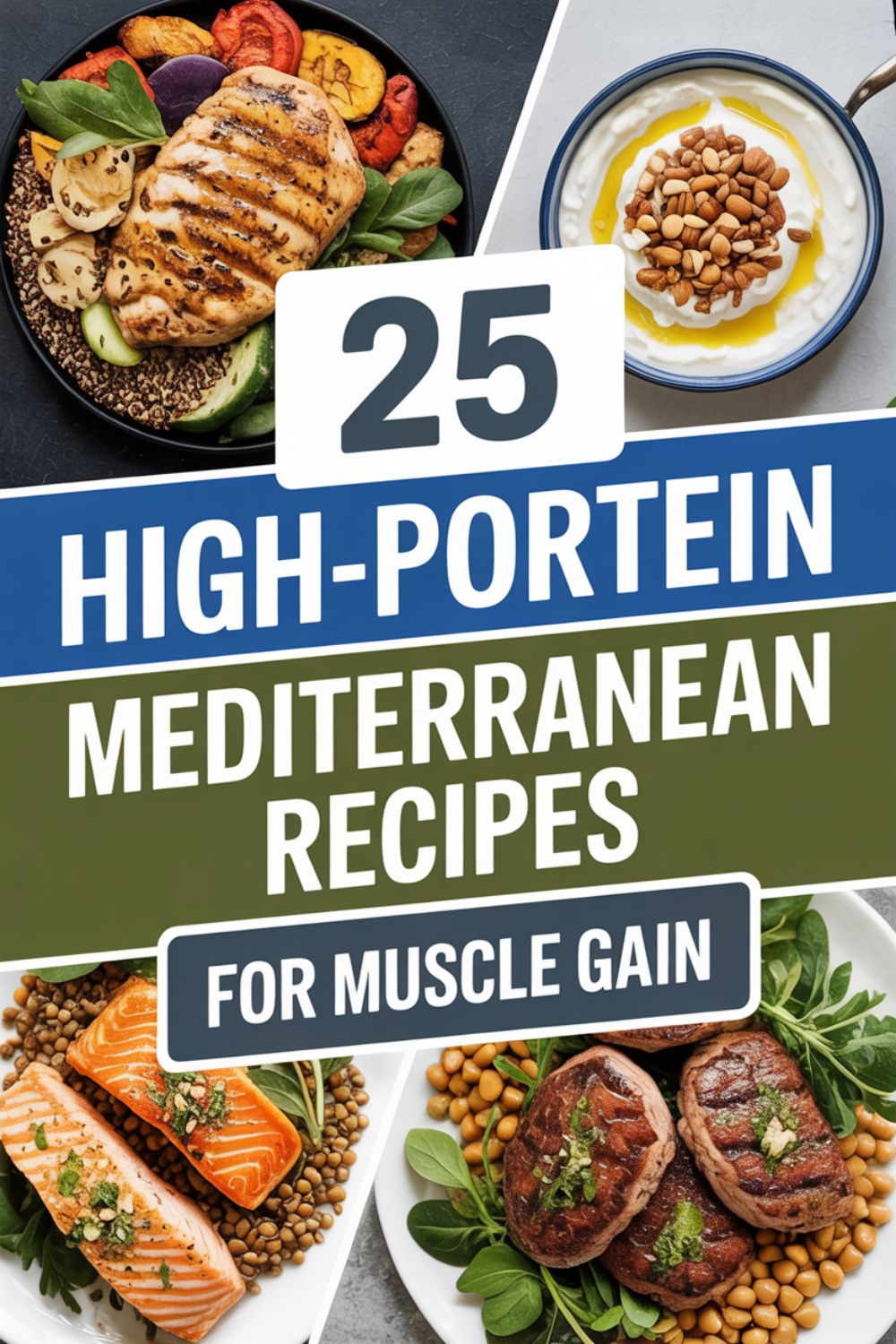
25 High-Protein Mediterranean Recipes for Muscle Gain
Look, I’m just going to say it—building muscle while eating like you’re on a perpetual vacation in Santorini sounds too good to be true, right? Wrong. The Mediterranean diet isn’t just for heart health nuts and people who romanticize Greek islands (though guilty as charged on both counts). It’s actually a killer foundation for packing on lean muscle, and I’ve got the receipts to prove it.
Here’s the thing most people don’t realize: the Mediterranean approach to eating is naturally loaded with lean proteins, healthy fats, and complex carbohydrates—basically the holy trinity of muscle building. We’re talking grilled fish that melts in your mouth, chickpeas that actually fill you up, and enough olive oil to make your joints feel like they’ve been oiled (in a good way).
Forget the bland chicken breast and broccoli routine. I’m about to walk you through 25 recipes that’ll have you gaining muscle while eating food that doesn’t taste like cardboard. And yeah, these recipes actually work because they’re backed by research showing Mediterranean diets can improve muscle endurance and power.
Why Mediterranean Meets Muscle Science Better Than You Think
Before we dive into the recipes (see what I did there?), let’s talk science for a hot second. The Mediterranean diet wasn’t designed in some lab by bodybuilders—it evolved over centuries in regions where people stayed active and lived ridiculously long lives. But here’s where it gets interesting for us muscle-minded folks.
Research suggests that athletes following Mediterranean eating patterns need to bump protein to about 20% of total calories instead of the traditional 15%. That’s not a massive shift, but it matters. Think of it as taking something already excellent and fine-tuning it for gains.
The beauty of this approach? You’re getting omega-3 fatty acids from fish that reduce inflammation and speed recovery. You’re loading up on antioxidants from vegetables and olive oil that combat the oxidative stress from training. And you’re fueling workouts with slow-burning carbs that don’t spike your blood sugar like a rollercoaster.
The Protein Puzzle: Mediterranean Style
Now, I know what you’re thinking. “But where’s the protein?” Fair question. Traditional Mediterranean eating emphasizes fish and legumes over massive steaks, which honestly freaks out some gym bros. But here’s the deal—you can absolutely hit your protein targets (we’re talking 1 gram per pound of body weight) with strategic choices.
Greek yogurt is your secret weapon. A single cup packs nearly 20 grams of protein, and unlike regular yogurt, it’s thick enough to replace sour cream in recipes. I’ve used this Greek yogurt maker for years, and it’s paid for itself ten times over. Making your own means you control the protein content and save cash.
Fish is another no-brainer. Salmon, tuna, mackerel—they’re all protein-dense and loaded with nutrients your muscles actually need for recovery. Wild-caught is ideal, but let’s be real, it’s expensive. Frozen wild-caught salmon works just fine and costs half as much.
Speaking of salmon, one of my go-to recipes is a simple herb-crusted salmon with lemon and garlic. Takes 20 minutes, packs 40+ grams of protein per serving, and tastes like something from a restaurant. Get Full Recipe
Legumes: The Underrated Muscle Builder
Chickpeas, lentils, black beans—these aren’t just hippie food. One cup of cooked lentils delivers about 18 grams of protein plus fiber that keeps you full and supports gut health. And let’s talk about hummus for a second because it’s basically edible gold.
Homemade hummus beats store-bought every single time. You need a decent food processor (I swear by this Cuisinart model), some tahini, chickpeas, lemon, and garlic. Five minutes of work, and you’ve got a high-protein dip that makes vegetables actually exciting.
The fiber content in legumes also helps regulate your glycemic response, which matters more than you’d think. Stable blood sugar means stable energy, which means better workouts and better recovery. It’s all connected.
Looking for complete protein-packed meal ideas? Check out this 14-day Mediterranean high-protein anti-inflammatory plan that maps out exactly how to structure your eating for maximum gains.
Breakfast Recipes That Actually Build Muscle
Breakfast is where most people screw up their protein intake. You cannot, I repeat, cannot build muscle optimally if you’re starting your day with toast and jam. You need protein, stat.
1. Greek Yogurt Power Bowl
Layer thick Greek yogurt with chopped walnuts, fresh berries, a drizzle of honey, and a sprinkle of cinnamon. Boom—35 grams of protein, healthy fats, and antioxidants. I use these glass meal prep bowls to portion everything out on Sunday nights.
2. Mediterranean Egg White Scramble
Eight egg whites, sautéed spinach, diced tomatoes, crumbled feta, and fresh oregano. Cook it in olive oil (yes, even for eggs). The egg whites give you pure protein without excess fat, while the veggies and feta add flavor and nutrients. Pairs perfectly with whole grain toast.
3. Protein-Packed Shakshuka
This North African dish that’s popular across the Mediterranean is basically eggs poached in a spicy tomato sauce with peppers and onions. Use whole eggs for this one—the yolks provide vitamins and the sauce is loaded with lycopene. Serve with whole grain pita for dipping.
“I started incorporating these Mediterranean breakfast ideas three months ago, and I’ve gained 8 pounds of lean muscle while my energy levels stayed consistent all day. No more mid-morning crashes.” — Marcus T., Austin, TX
4. High-Protein Overnight Oats
Mix rolled oats with Greek yogurt, milk, chia seeds, and a scoop of vanilla protein powder. Let it sit overnight. In the morning, top with sliced almonds and fresh figs. The combination of oats and protein powder gives you both slow and fast-digesting proteins. Get Full Recipe
5. Smoked Salmon and Cream Cheese Plate
This isn’t just for Sunday brunch. Smoked salmon on whole grain crackers with a schmear of whipped cream cheese (or Greek yogurt mixed with fresh dill) delivers quality protein and omega-3s. Add cucumber slices and capers for extra Mediterranean flair.
For more morning inspiration, you might love this collection of high-fiber Mediterranean breakfast ideas that keep you full and energized.
Lunch Recipes for Sustained Energy
Lunch needs to accomplish two things: refuel you from your morning and set you up for an afternoon that doesn’t involve a nap. These recipes do both while sneaking in 30-50 grams of protein.
6. Grilled Chicken Souvlaki Bowl
Marinate chicken breast chunks in lemon juice, garlic, oregano, and olive oil. Grill them on skewers (or in a grill pan—I use this Lodge cast iron grill pan that gives perfect char marks). Serve over quinoa with tzatziki, cucumbers, tomatoes, and red onion.
7. Tuna and White Bean Salad
This is stupid simple and stupid effective. Mix canned tuna with cannellini beans, cherry tomatoes, red onion, parsley, lemon juice, and olive oil. The beans add plant-based protein and fiber while the tuna delivers the animal protein your muscles crave.
8. Mediterranean Lentil Soup with Chicken
Cook lentils with diced chicken breast, carrots, celery, tomatoes, and a blend of cumin and coriander. This soup is ridiculously filling, loaded with protein and fiber, and actually tastes better the next day. Make a huge batch and freeze portions.
9. Falafel Bowl with Tahini Sauce
Now, traditional falafel is fried, which isn’t ideal for every meal. But baked falafel made with chickpeas and fresh herbs works great. Serve over bulgur wheat with plenty of tahini sauce (which is basically ground sesame seeds—more protein!), and load up on vegetables. Get Full Recipe
10. Sardine and Avocado Toast
Hear me out before you make that face. Sardines are nutritional powerhouses—loaded with protein, omega-3s, calcium, and vitamin D. Mash them up with avocado, lemon juice, and red pepper flakes. Spread on whole grain toast. It’s an acquired taste, but your muscles will thank you.
If you’re trying to balance your meals throughout the day, this 7-day Mediterranean anti-inflammation meal plan shows you how to structure breakfast, lunch, and dinner for optimal results.
Dinner Recipes That Support Recovery
Dinner is your recovery meal. You’ve trained, you’ve worked, your body needs nutrients to rebuild. These recipes prioritize protein while keeping things interesting enough that you’ll actually want to eat them.
11. Herb-Crusted Baked Cod
Cod is criminally underrated. It’s mild, affordable, and packs about 20 grams of protein per 3-ounce serving. Top it with a mixture of panko breadcrumbs, fresh parsley, lemon zest, and garlic. Bake until flaky. Serve with roasted vegetables and quinoa.
12. Turkish-Style Kofta with Yogurt Sauce
Ground turkey or lean beef mixed with grated onion, cumin, paprika, and fresh mint. Form into oval patties and grill. The yogurt sauce (Greek yogurt with cucumber and dill) adds extra protein and cools down the spices perfectly.
13. Baked Salmon with Olive Tapenade
A salmon fillet topped with a chunky olive tapenade (olives, capers, garlic, olive oil) and baked until the fish flakes easily. The healthy fats from both the salmon and olives support hormone production, which is crucial for muscle building.
This is one of those recipes where quality ingredients matter. Wild-caught salmon just tastes better. I get mine from this online seafood supplier that delivers frozen portions right to my door. Get Full Recipe
14. Chicken and Chickpea Tagine
This Moroccan-inspired stew combines chicken thighs (yes, thighs—they’re juicier and have more flavor) with chickpeas, dried apricots, tomatoes, and warming spices like cinnamon and ginger. The slow cooking makes everything tender, and the protein combo is outstanding.
15. Grilled Lamb Chops with Mint Pesto
Lamb isn’t something you eat every day, but when you do, make it count. Marinated lamb chops grilled to medium-rare perfection, served with a fresh mint and pine nut pesto. The iron content in lamb supports oxygen delivery to muscles during training.
Need help planning a full week? This Mediterranean family meal plan includes dinner recipes the whole household will actually eat.
Snacks and Sides That Secretly Pack Protein
Snacking gets a bad rap, but strategic snacking between meals can help you hit your protein targets without forcing down another full meal. These Mediterranean-inspired snacks are actually functional.
16. Roasted Chickpeas
Drain and dry canned chickpeas, toss with olive oil and spices (I like cumin and smoked paprika), and roast at 400°F until crispy. They’re crunchy, satisfying, and about 15 grams of protein per cup. Way better than chips.
17. Stuffed Dates with Almond Butter
This sounds fancy but takes zero skill. Pit Medjool dates, fill with almond butter, and optionally sprinkle with sea salt. The dates provide quick energy while the almond butter adds protein and healthy fats. Perfect pre-workout fuel.
18. Whipped Feta Dip
Blend feta cheese with Greek yogurt, olive oil, lemon juice, and a touch of honey. Use it as a dip for vegetables or a spread for whole grain crackers. The protein-to-calorie ratio is fantastic, and it tastes way more indulgent than it is.
19. Mediterranean Protein Balls
Mix together chopped dates, almonds, pistachios, tahini, honey, and a scoop of vanilla protein powder. Roll into balls and refrigerate. These are clutch for post-workout when you need something quick. I store mine in these silicone containers that make grabbing one super easy. Get Full Recipe
20. Grilled Halloumi Skewers
Halloumi is a Cypriot cheese that doesn’t melt when you grill it. Thread cubes of halloumi with cherry tomatoes and bell peppers on skewers and grill until charred. The cheese alone provides about 20 grams of protein per serving, and the grilling adds this amazing smoky flavor.
For quick snack ideas that won’t derail your progress, check out this anti-inflammation plan designed for busy schedules.
Complete Meal Recipes for Serious Gains
Sometimes you need a one-dish meal that covers all your bases—protein, carbs, healthy fats, and vegetables. These recipes are about efficiency without sacrificing results.
21. Mediterranean Sheet Pan Chicken
Chicken thighs, chickpeas, red onion, bell peppers, and cherry tomatoes all roasted together with olive oil, lemon, and za’atar spice blend. Everything cooks on one pan (hello, easy cleanup), and you get a complete meal with serious protein.
22. Seafood Paella
This Spanish rice dish is loaded with shrimp, mussels, and sometimes chicken. The saffron-infused rice provides complex carbs while the seafood delivers lean protein. It’s festive enough for company but practical enough for meal prep. IMO, paella is one of the most underrated muscle-building meals.
23. Greek-Style Baked Orzo with Shrimp
Orzo pasta baked with shrimp, feta, tomatoes, garlic, and fresh dill. The shrimp cook quickly and provide about 20 grams of protein per serving. The feta adds calcium and more protein, while the orzo gives you easily digestible carbs.
“These complete meal recipes changed everything for me. I was struggling to eat enough to support my training, but now I actually look forward to meals. Up 12 pounds in four months, and my lifts keep going up.” — Jessica L., Denver, CO
24. Tuscan White Bean and Sausage Stew
Italian chicken sausage, cannellini beans, kale, tomatoes, and garlic simmered in chicken broth. This stew is thick, hearty, and incredibly filling. The beans and sausage together create a protein powerhouse that’ll keep you satisfied for hours. Get Full Recipe
25. Mediterranean Stuffed Peppers
Bell peppers stuffed with a mixture of ground turkey, quinoa, diced tomatoes, feta cheese, and Mediterranean spices. Baked until the peppers are tender and the filling is hot. Each pepper is basically a complete meal in edible packaging.
Want a structured approach to complete meals? This 30-day Mediterranean wellness plan includes balanced recipes for every meal.
Kitchen Tools That Make These Recipes Actually Happen
Look, I’m not trying to sell you stuff you don’t need. But after making these recipes about a thousand times, these are the tools that genuinely make the difference between “yeah I’ll cook” and “screw it, I’m ordering takeout.”
You can’t prep Mediterranean food with a dull knife. All that chopping of herbs, vegetables, and proteins requires something sharp. This 8-inch chef’s knife is the workhorse of my kitchen and costs less than one month of meal delivery.
For searing fish, grilling vegetables, and getting that perfect char on proteins, cast iron is unbeatable. This 12-inch Lodge skillet will literally outlive you if you take care of it.
Hummus, pesto, falafel, and so many other Mediterranean staples start in a food processor. This Cuisinart model handles everything from tahini to chopping nuts without breaking a sweat.
If you want done-for-you meal plans with shopping lists and exact macros, check out this beginner-friendly 14-day Mediterranean plan. Takes all the guesswork out.
Mediterranean cooking requires spices—lots of them. These magnetic spice jars stick to your fridge and keep everything organized and accessible. Game changer for small kitchens.
Understanding which ingredients fight inflammation helps you build better muscle recovery. This 30-day anti-inflammation guide breaks it down in simple terms.
Making It Work: Practical Tips Nobody Tells You
Theory is great, but let’s talk about actually implementing this stuff in real life. Because I’ve been there—motivated on Sunday, eating cereal for dinner by Thursday.
Meal Prep Is Non-Negotiable
You don’t need to prep every single meal, but having components ready makes everything easier. Cook your proteins in bulk, prep your vegetables, and make big batches of grains. Mixing and matching throughout the week keeps things interesting without requiring hours of cooking daily.
I dedicate Sunday afternoons to prep. Put on a podcast, pour some coffee (or wine, no judgment), and knock out the work. Future you will be grateful.
Quality Matters More Than You Think
Mediterranean cooking is simple, which means ingredient quality really shows. Extra virgin olive oil that tastes like grass and pepper is worth the extra few bucks. Fresh herbs instead of dried make a massive difference. Wild-caught fish is noticeably better than farmed.
That said, don’t let perfect be the enemy of good. Frozen wild-caught fish beats no fish at all. Jarred roasted red peppers are perfectly fine. The goal is sustainability, not Instagram-perfect meals.
Protein Timing Myths and Real Talk
You’ve probably heard you need protein within 30 minutes post-workout or your muscles will shrivel and die. That’s mostly nonsense. What actually matters is total daily protein intake spread reasonably across meals.
Aim for 25-40 grams of protein per meal, eaten every 3-4 hours. Your body can only process so much protein at once, so six small protein doses work better than two massive ones.
For structured eating timing, this high-fiber meal prep plan shows you exactly when to eat what.
Adapting for Different Goals
Building muscle while losing fat requires different strategies than pure bulking. Mediterranean eating adapts beautifully to both scenarios—you just tweak the ratios.
For Cutting
Emphasize lean proteins like fish and chicken breast. Increase vegetables to stay full on fewer calories. Use olive oil more sparingly (it’s healthy but calorie-dense). Keep carbs moderate and timed around workouts.
The Mediterranean weight loss plan shows you how to structure meals for fat loss while preserving muscle.
For Bulking
Add more healthy fats—nuts, olive oil, avocados. Increase portion sizes of whole grains and legumes. Don’t be afraid of fattier fish like salmon and sardines. Snack strategically between meals.
The caloric surplus needed for muscle growth is easier to achieve with Mediterranean foods because they’re so nutrient-dense. You can eat more food without feeling stuffed.
For Maintenance and Performance
This is where Mediterranean eating really shines. The balanced macronutrient profile supports consistent energy levels, solid recovery, and sustainable eating patterns. You’re not cutting or bulking—you’re just eating well and training hard.
For balanced eating throughout the week, check out this gut-healing Mediterranean menu that prioritizes both performance and overall health.
Frequently Asked Questions
Can you actually build muscle on a Mediterranean diet?
Absolutely. Studies show that Mediterranean eating patterns can support muscle growth when protein intake is adequate (around 20% of total calories). The combination of lean proteins, healthy fats, and complex carbs provides everything your muscles need for growth and recovery. The key is being strategic about protein sources and portions.
How much protein should I eat daily for muscle gain?
Aim for roughly 1 gram of protein per pound of body weight if you’re actively training for muscle growth. On a Mediterranean diet, this means emphasizing fish, Greek yogurt, legumes, and lean poultry while maintaining the healthy fats and vegetables that make this eating pattern so beneficial. Spread your protein intake across 4-5 meals for optimal absorption.
Is Mediterranean eating expensive?
It doesn’t have to be. Focus on seasonal produce, buy fish frozen instead of fresh, and use canned legumes instead of dried when time is tight. Staples like olive oil, quinoa, and Greek yogurt cost more upfront but stretch further than you’d think. Meal prepping also drastically reduces costs compared to buying lunch daily or ordering takeout.
Can I use protein powder on a Mediterranean diet?
Sure. While not traditional, adding a high-quality protein powder to smoothies or Greek yogurt bowls can help you hit your protein targets without eating massive quantities of food. Choose unflavored or vanilla options that won’t clash with Mediterranean flavors. Just remember that whole foods should still be your primary protein source.
What’s the biggest mistake people make with Mediterranean muscle-building?
Not eating enough protein. Traditional Mediterranean eating emphasizes plant foods and fish, which is great for health but can fall short for muscle building if you’re not deliberate about portions. Track your protein intake for a week to make sure you’re actually hitting your targets—most people overestimate how much they’re eating.
Final Thoughts
Building muscle doesn’t require suffering through tasteless meals or following some restrictive program designed by someone who’s never cooked a real meal. Mediterranean eating gives you a framework that’s both effective and actually enjoyable—which, let’s be honest, is the only way you’re going to stick with it long enough to see real results.
These 25 recipes aren’t magic. They’re just solid, protein-rich meals based on ingredients that people have been thriving on for thousands of years. The magic happens when you consistently eat well, train hard, sleep enough, and give your body time to adapt and grow.
Start with a few recipes that sound good to you. Master those. Then expand your repertoire. Build the habit before you worry about optimizing every detail. Your muscles will grow just fine on grilled fish, chickpeas, and olive oil as long as you’re putting in the work at the gym.
Now get cooking. Your future jacked self is counting on you.