25 High-Fiber Mediterranean Meals for Better Digestion
Let’s talk about something we all deal with but rarely admit ruins our day: feeling bloated, sluggish, and generally uncomfortable after meals. I spent years thinking this was just normal until I discovered the magic combination of Mediterranean eating and high-fiber foods. Game changer doesn’t even begin to cover it.
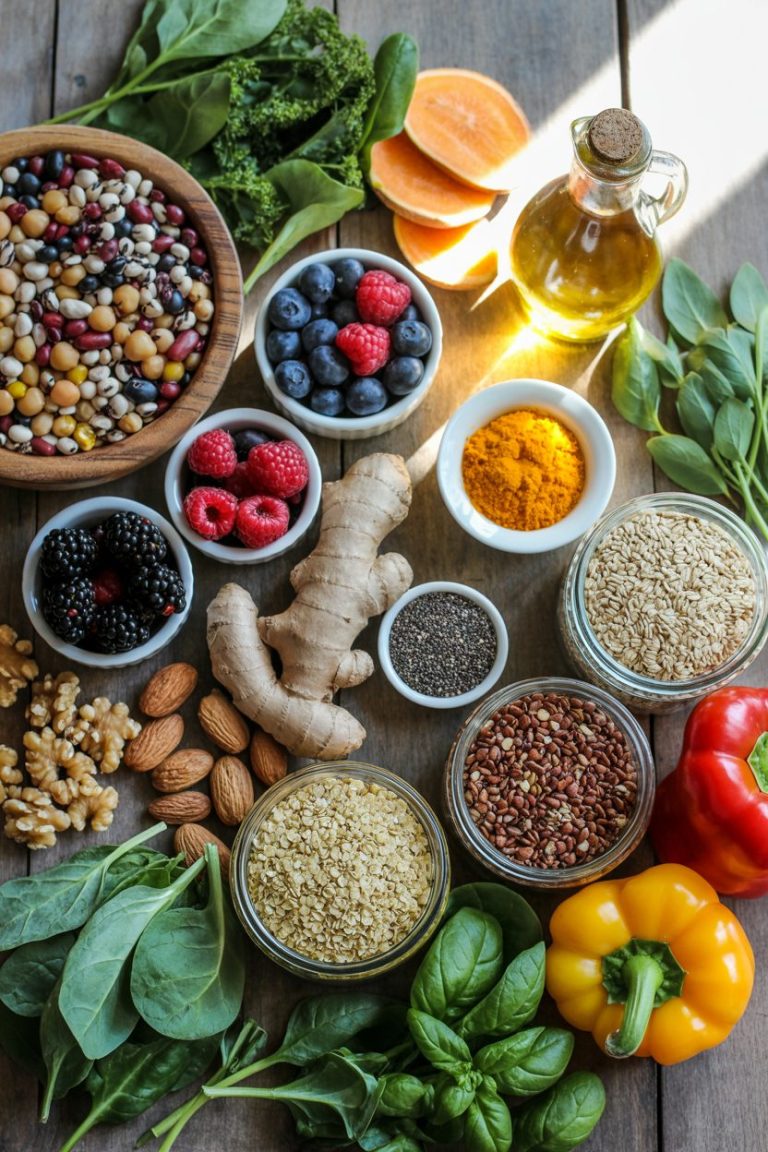
Here’s the thing about fiber that nobody really explains well: it’s not just about keeping things moving, if you know what I mean. Fiber feeds your gut bacteria, regulates blood sugar, keeps you full for hours, and actually helps your body absorb nutrients better. The Mediterranean diet naturally packs in fiber through whole grains, legumes, vegetables, and fruits—without making you feel like you’re eating cardboard.
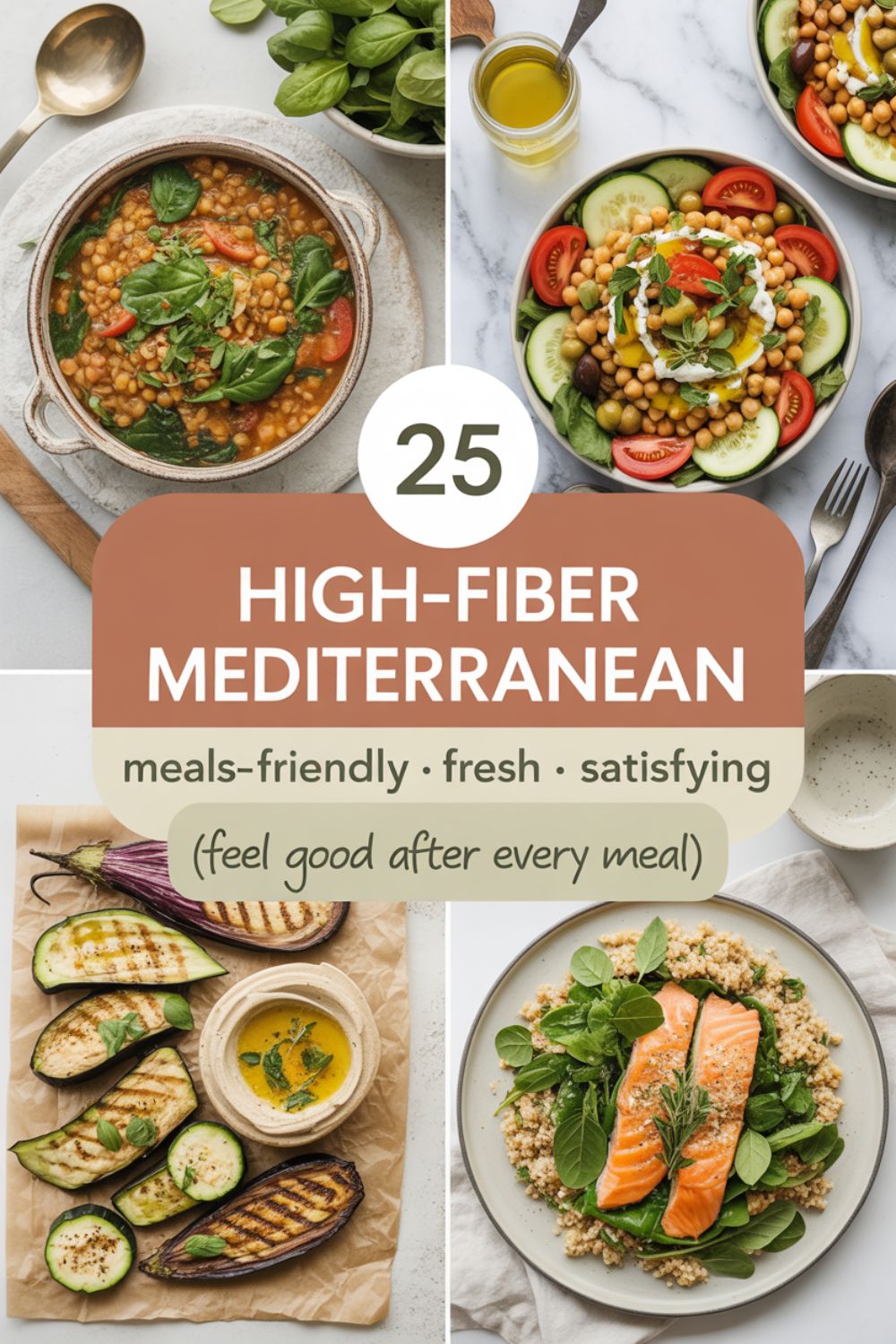
I’m sharing 25 meals that completely transformed how I feel throughout the day. These aren’t boring salads or bland bean dishes. We’re talking flavorful, satisfying food that happens to be incredibly good for your digestive system.
Why Your Gut Actually Needs This
Before we jump into recipes, let me explain why fiber matters so much—and why the Mediterranean approach works better than just chugging fiber supplements. Your digestive system is basically a complex ecosystem, and fiber acts as fuel for the good bacteria living there.
According to Mayo Clinic research on dietary fiber, most adults need 25-35 grams daily, but the average person barely hits 15 grams. That gap? That’s where all those digestive issues creep in. The Mediterranean diet naturally bridges that gap through whole foods rather than processed fiber additives.
What makes the Mediterranean approach brilliant is the variety. You’re getting soluble fiber from oats and legumes, insoluble fiber from whole grains and vegetables, plus resistant starch from cooled potatoes and rice. Each type feeds different beneficial bacteria and supports different aspects of digestion.
Pro Tip: Start slow if you’re new to high-fiber eating. Jumping from 15 to 35 grams overnight will leave you uncomfortable. Add 5 grams per week and drink plenty of water—your gut will thank you.
Breakfast Options That Actually Keep You Full
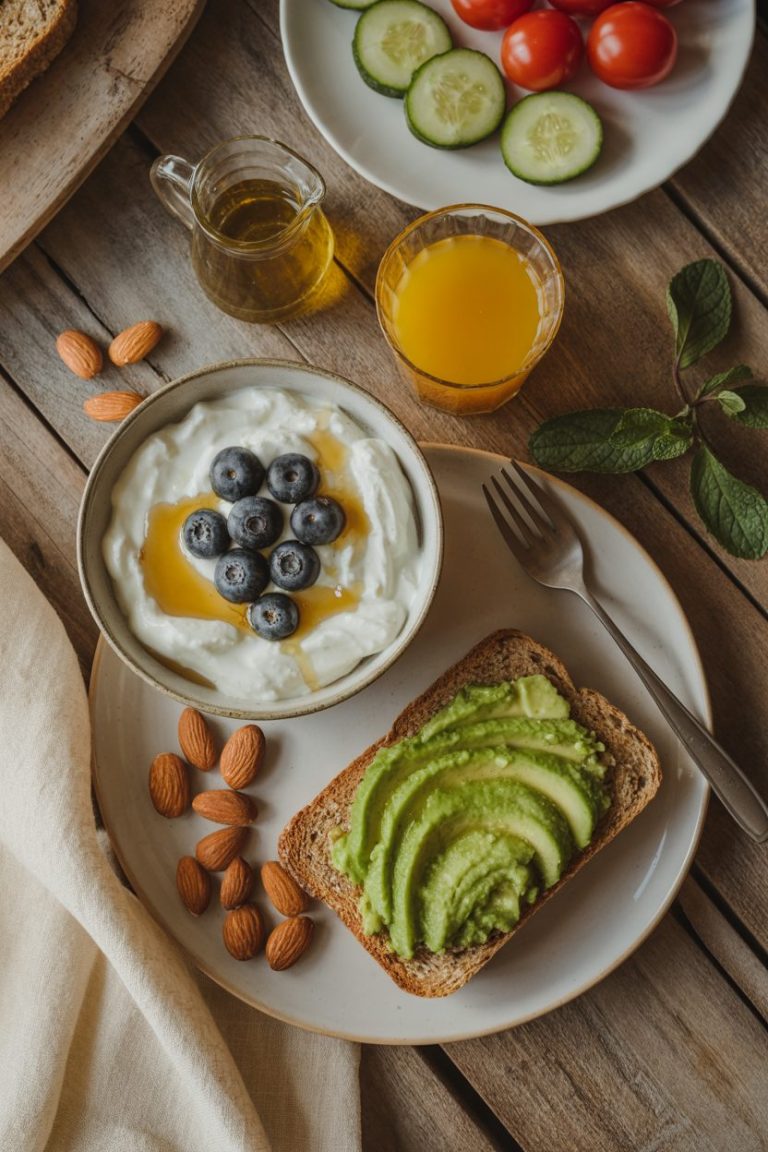
Forget those sugary cereals that leave you starving by 10 AM. Mediterranean breakfast staples combine fiber, protein, and healthy fats to keep your energy stable all morning. I used to be a chronic snacker until I switched up my breakfast game.
1. Greek Yogurt Parfait with Figs and Walnuts
Layer thick Greek yogurt with fresh or dried figs, crushed walnuts, and a drizzle of honey. The figs pack about 5 grams of fiber per serving, plus they’re naturally sweet enough that you barely need added sugar. I use this glass parfait jar for meal prep—makes five at once and they stay fresh for days.
2. Whole Grain Toast with Smashed White Beans and Tomatoes
This sounds fancy but takes literally five minutes. Mash canned white beans with olive oil, garlic, and lemon juice, spread on toasted whole grain bread, top with cherry tomatoes. One serving gives you 8-10 grams of fiber and tastes way better than avocado toast, IMO. Get Full Recipe
3. Overnight Oats with Chia Seeds and Berries
The OG make-ahead breakfast. Mix rolled oats, chia seeds, almond milk, and berries the night before. The chia seeds alone add 10 grams of fiber, plus they create this pudding-like texture that’s oddly satisfying. I prep these in these small mason jars—perfect portion sizes and easy to grab on busy mornings.
Mediterranean Meal Prep Essential: The Ultimate Kitchen Tool Kit
If you’re serious about making Mediterranean eating sustainable, you need the right tools. I wasted months struggling with mismatched containers and flimsy equipment before investing in a proper setup.
What makes this kit game-changing:
- Glass meal prep containers that don’t stain or retain smells (unlike plastic)
- Portion-controlled sizes that prevent overeating and food waste
- Stackable design saves fridge space—fits twice as much as random containers
- Microwave, dishwasher, and freezer safe for ultimate convenience
- Leak-proof lids that actually work (no more salad dressing disasters in your bag)
I use these every single week for my Mediterranean meal prep. They’ve paid for themselves ten times over in reduced food waste alone. The grain and legume batches stay fresh for 5+ days, and the glass doesn’t absorb odors from garlic and onions like plastic does.
Check Out the Meal Prep KitFor more morning inspiration, the 7-day Mediterranean high-fiber breakfast plan has tons of variety if you get bored easily like me. Also worth checking out the anti-inflammatory smoothie meals for those mornings when chewing feels like too much work.
4. Shakshuka with Whole Grain Pita
Eggs poached in spicy tomato sauce with bell peppers and onions. The vegetables bring fiber, the eggs bring protein, and dipping whole grain pita makes it a complete meal. This dish originated in North Africa and made its way through the Mediterranean for good reason—it’s ridiculously flavorful and filling.
Premium Fiber Supplement: The Secret Weapon for Gut Health
When you need extra support alongside Mediterranean meals
Look, I’m all about getting fiber from whole foods first. But some days you fall short, and that’s where a quality supplement bridges the gap. This isn’t your grandmother’s Metamucil.
What makes this supplement stand out:
- Prebiotic blend that feeds beneficial gut bacteria—not just bulk fiber
- Organic psyllium husk plus inulin from Jerusalem artichoke for complete coverage
- Zero gritty texture—dissolves completely in water, smoothies, or even coffee
- Flavorless formula that doesn’t ruin your drinks (seriously tested this extensively)
- 8 grams per serving helps you hit daily goals on challenging days
- Non-GMO and gluten-free with third-party testing for purity
I keep this on hand for travel or hectic weeks when my Mediterranean meal prep falls apart. It’s not a replacement for real food, but it’s excellent backup. No cramping, no bloating—just smooth, gentle support that works with your body.
One container lasts about 45 days, and honestly, my digestion stays consistent even when life gets chaotic.
Check Out the Premium Fiber Supplement5. Barley Porridge with Cinnamon and Apples
Think oatmeal but nuttier and chewier. Barley has more fiber than oats and keeps you full way longer. Cook it with cinnamon, top with diced apples and a handful of almonds. I cook a big batch in my Instant Pot every Sunday—reheats perfectly throughout the week.
“I started following these Mediterranean breakfast ideas and my afternoon energy crashes completely disappeared. Lost 12 pounds in two months without even trying, just from staying fuller longer.” — Maria R., community member
Lunch Ideas That Won’t Leave You Sluggish
The afternoon slump is real, and it’s usually because lunch was either too heavy or too light. These Mediterranean meals hit that perfect balance where you feel satisfied but not weighed down. No more post-lunch food coma.
6. Lentil Soup with Lemon and Spinach
Lentils are fiber powerhouses—one cup cooked gives you 15 grams. This soup combines red lentils, fresh spinach, tomatoes, and a generous squeeze of lemon. The brightness from the lemon cuts through the earthiness and makes it actually crave-worthy. Get Full Recipe
7. Chickpea Salad with Cucumber and Feta
I make this every week without fail. Canned chickpeas, diced cucumber, cherry tomatoes, red onion, crumbled feta, olive oil, and red wine vinegar. Chickpeas provide 12 grams of fiber per cup plus plant-based protein that keeps hunger at bay. Tastes better the next day after everything marinates together.
8. Mediterranean Quinoa Bowl with Roasted Vegetables
Quinoa is technically a complete protein, but it also packs 5 grams of fiber per cup. Roast whatever vegetables you have—zucchini, bell peppers, eggplant, onions—toss with cooked quinoa, add olives and a tahini drizzle. I roast veggies on these silicone baking mats—zero sticking, zero cleanup.
Speaking of bowls, you might want to check out the high-protein anti-inflammatory plan if you’re trying to build muscle while eating clean. The Mediterranean clean eating plan also has some killer lunch combinations.
The High-Fiber Mediterranean Cookbook That Changed My Kitchen
Real talk: I used to wing Mediterranean cooking and wonder why my meals tasted bland compared to restaurants. Then I found this cookbook and everything clicked.
Why this cookbook is different:
- 150+ recipes specifically optimized for fiber content without sacrificing flavor
- Clear fiber counts per serving so you can track your daily intake easily
- Meal prep strategies for each recipe—tells you what freezes well, what keeps for days
- Shopping lists organized by store section (saves so much time)
- Substitution guides for dietary restrictions and preferences
- Beautiful photos that actually look like what you’ll cook (not professionally styled nonsense)
This isn’t just another pretty cookbook that sits on your shelf. The recipes are tested by real home cooks, use accessible ingredients, and include timing tips for busy schedules. I reference mine 3-4 times per week minimum.
Get the High-Fiber Mediterranean Cookbook9. Whole Wheat Pasta with White Bean and Tomato Sauce
Pasta doesn’t have to be a gut bomb if you do it right. Whole wheat pasta has triple the fiber of regular pasta. Make a quick sauce by sautéing garlic, adding canned white beans and crushed tomatoes, simmering until thick. The beans blend into the sauce so even picky eaters won’t notice them.
10. Stuffed Bell Peppers with Brown Rice and Lentils
Hollow out bell peppers, stuff them with a mixture of cooked brown rice, lentils, diced tomatoes, and herbs. Bake until the peppers are tender. Each pepper delivers about 10 grams of fiber plus vitamins A and C. These freeze beautifully—I make a dozen at once using this 9×13 baking dish and freeze individually.
Quick Win: Batch-cook grains and legumes on Sunday. Store them separately in the fridge and mix-and-match throughout the week. Turns meal prep into a 10-minute assembly job instead of cooking from scratch daily.
Digital Meal Planning System: Your Mediterranean Diet Success Blueprint
Here’s what nobody tells you about healthy eating: the cooking is easy, but planning what to cook every single day is exhausting. That’s where most people quit.
This digital system includes:
- 12 weeks of pre-planned Mediterranean high-fiber menus with automatic shopping lists
- Printable meal prep guides that break down Sunday prep into 90-minute sessions
- Customizable templates so you can swap recipes based on preferences or what’s on sale
- Fiber tracking sheets that show you’re hitting 25-35g daily without obsessing
- Budget calculator that helped me cut my grocery bill by 30% (no joke)
- Mobile-friendly format—access on your phone while shopping
I bought this after my third failed attempt at “just winging it” with Mediterranean eating. The structure eliminated decision fatigue completely. No more 5pm panic about what’s for dinner. No more ordering takeout because you forgot to defrost something. Just follow the plan, and everything works.
The system pays for itself in one month of reduced food waste and fewer restaurant meals. Plus it’s instantly downloadable—start using it today.
Get the Mediterranean Meal Planning SystemDinner Dishes That Satisfy Without the Food Coma
Dinner is where most people either nail it or completely derail their digestive health. These Mediterranean dinners are hearty enough to satisfy your hunger but won’t leave you feeling like you need to lie down immediately after eating.
11. Baked Cod with Artichokes and Tomatoes
Artichokes are criminally underrated for fiber—one medium artichoke has 7 grams. Bake cod fillets with canned artichoke hearts, cherry tomatoes, olives, and white wine. The fish cooks in 15 minutes and you’ve got a restaurant-quality meal. Get Full Recipe
12. Eggplant and Chickpea Stew
This North African-inspired stew combines cubed eggplant, chickpeas, tomatoes, and warming spices like cumin and cinnamon. Eggplant skin contains most of the fiber, so don’t peel it. Serve over bulgur or whole grain couscous for an extra fiber boost. According to Harvard Health’s fiber research, combining different fiber sources in one meal optimizes digestive benefits.
13. Grilled Chicken with Freekeh and Roasted Brussels Sprouts
Freekeh is roasted green wheat—it’s chewy, smoky, and has more fiber than quinoa. One cup cooked gives you 8 grams. Brussels sprouts add another 4 grams per cup. I roast them in my cast-iron skillet until they’re crispy on the outside and tender inside.
If you’re feeding a family and need more variety, the Mediterranean family meal plan has dinners even picky kids will eat. The plan for busy women is also clutch when time is tight.
14. Salmon with Lentil and Kale Sauté
Pan-sear salmon while you sauté cooked lentils with chopped kale, garlic, and lemon juice. The combination of omega-3s from salmon and fiber from lentils supports both gut health and brain function. Kale wilts down significantly, so don’t be shy with the amount you start with.
15. Moroccan Vegetable Tagine with Whole Wheat Couscous
This slow-cooked stew features carrots, zucchini, bell peppers, chickpeas, dried apricots, and almonds in a spiced tomato base. The dried fruit adds natural sweetness and extra fiber. Serve over whole wheat couscous, which has more fiber than the regular version. FYI, you can make this in a slow cooker and come home to dinner already done.
Complete Mediterranean Spice Collection: Unlock Authentic Flavors
The difference between “meh” and “restaurant-quality” meals
Here’s a confession: I used to think Mediterranean food was bland because I was using the wrong spices. Turns out, quality matters—a lot. This curated collection completely transformed my cooking.
This collection includes everything you need:
- Authentic za’atar blend with wild thyme from the Mediterranean mountains
- Premium smoked paprika that adds depth to everything from chickpeas to fish
- Hand-ground cumin and coriander—the aroma alone is worth it
- Real saffron threads for those special meals (a little goes so far)
- Sumac for brightness on salads and roasted vegetables
- Airtight containers that keep spices fresh for 12+ months
- Recipe guide included showing exactly how much to use for each dish
I used to buy random spices from the grocery store and wonder why my Mediterranean meals tasted flat. This collection uses high-quality sources and proper grinding techniques. The difference is immediately noticeable—my family actually asks for seconds now.
One purchase sets you up for months of authentic Mediterranean cooking. No more buying individual spices you’ll use once and forget about.
Get the Mediterranean Spice Collection“These dinners changed everything for my family. My kids actually ask for seconds, and I’m not dealing with anyone’s stomach complaints anymore. We’re all sleeping better too.” — Jennifer K., tried the Mediterranean approach for 60 days
Snacks and Sides Worth Making
Snacking doesn’t have to sabotage your fiber goals. These Mediterranean-inspired options actually contribute to your daily fiber intake instead of just being empty calories between meals.
16. Hummus with Vegetable Crudités
Classic for a reason. Chickpea-based hummus paired with carrot sticks, bell pepper strips, cucumber slices, and whole grain crackers. Two tablespoons of hummus plus veggies gives you 4-5 grams of fiber. I make hummus in my food processor in under five minutes—way cheaper and tastier than store-bought.
17. Stuffed Grape Leaves with Brown Rice
These little parcels are surprisingly filling. Grape leaves stuffed with brown rice, pine nuts, herbs, and lemon juice. Each serving provides about 3 grams of fiber plus they’re fun to eat. You can find jarred grape leaves in most grocery stores now.
18. White Bean Dip with Whole Grain Crackers
Blend canned white beans with garlic, olive oil, rosemary, and lemon juice until smooth. Similar to hummus but milder and creamier. Serve with whole grain crackers or use as a sandwich spread. Get Full Recipe
19. Roasted Chickpeas with Spices
Toss drained chickpeas with olive oil and your favorite spices—paprika, cumin, garlic powder—and roast until crispy. These are dangerously addictive. One cup provides 12 grams of fiber and satisfies that crunchy snack craving. I roast them on parchment paper sheets for easy cleanup.
20. Baba Ganoush with Whole Wheat Pita
Roasted eggplant blended with tahini, garlic, and lemon. The smokiness from charring the eggplant makes this way more interesting than plain hummus. One medium eggplant has about 16 grams of fiber, and you’re eating it in dip form—genius.
High-Performance Blender: Your Mediterranean Kitchen MVP
The one appliance that makes everything easier
I resisted buying a quality blender for years, thinking my cheap one was “good enough.” Then I borrowed a friend’s and realized what I’d been missing. This investment changed my entire meal prep routine.
Why this blender dominates for Mediterranean cooking:
- Crushes chickpeas into silky hummus in 60 seconds—no gritty texture
- Makes nut butters from scratch (almond, tahini, cashew) way cheaper than buying
- Blends hot soups like lentil or roasted red pepper without transferring to another pot
- Powerful enough for frozen fruit smoothies that actually blend smooth
- Self-cleaning feature—add water and soap, blend, rinse. Done in 30 seconds
- Variable speed control for everything from salsas to nut milks
- 7-year warranty because it’s actually built to last (mine’s going strong after 4 years)
This isn’t just for smoothies. I use it for hummus, white bean dips, tahini sauce, roasted red pepper spreads, cauliflower rice, and even grinding my own spice blends. It handles everything I throw at it without overheating or struggling.
Yes, it’s an investment. But I calculated that making my own hummus and nut butters pays it back in about 8 months. Plus it makes sticking to Mediterranean eating so much more convenient.
Shop the High-Performance BlenderPro Tip: Prep a week’s worth of snacks Sunday evening. Portion hummus and dips into small containers, cut veggies, roast chickpeas. You’ll actually eat healthy snacks if they’re as convenient as grabbing chips.
Lighter Options and Meal Prep Champions
Sometimes you want something substantial but not heavy. These meals work great for lunch or light dinners, and most of them improve over a few days in the fridge.
21. Greek-Style Bean Salad
Combine canned mixed beans, diced tomatoes, cucumber, red onion, Kalamata olives, and crumbled feta with olive oil and oregano. This gets better after sitting for a day as the flavors meld. One serving easily hits 12-15 grams of fiber. Get Full Recipe
22. Tabbouleh with Extra Vegetables
Traditional tabbouleh uses bulgur wheat—great fiber source—but I amp it up by adding extra diced vegetables like bell peppers and radishes. The parsley isn’t just garnish; it adds fiber and aids digestion. Stays fresh for 3-4 days, making it perfect for meal prep.
The 7-day high-fiber meal prep plan has more recipes designed to be made ahead. If you’re on a budget, definitely look at the high-fiber budget plan—fiber-rich foods don’t have to be expensive.
23. Grilled Vegetable and White Bean Salad
Grill zucchini, eggplant, bell peppers, and red onions until charred. Toss with canned white beans, arugula, and a balsamic vinaigrette. The combination of charred vegetables and creamy beans is ridiculously satisfying. I use this grill pan year-round—works on the stove when it’s too cold for outdoor grilling.
24. Mediterranean Lentil Wraps
Spread hummus on whole wheat tortillas, add cooked lentils, diced cucumber, tomatoes, lettuce, and a drizzle of tahini sauce. Roll tightly and slice in half. These pack 10-12 grams of fiber per wrap and travel well for lunch. Way better than sad desk salads.
25. Farro Salad with Roasted Vegetables and Goat Cheese
Farro is an ancient grain with a nutty flavor and chewy texture. One cup cooked provides 8 grams of fiber. Mix with roasted vegetables—I love butternut squash, red onion, and Brussels sprouts—add crumbled goat cheese and a maple-balsamic dressing. This is legitimately restaurant-quality. Get Full Recipe
Making It Work in Real Life
Look, I’m not going to pretend that switching to high-fiber Mediterranean eating is always easy. The first week or two, your digestive system might rebel a bit. That’s normal. You’re feeding bacteria that have been starving while others die off—it’s basically a gut renovation project.
Here’s what actually helped me stick with it: I didn’t try to be perfect. Some days I ate all the fiber-rich meals. Other days I had pizza. The difference was that most days, I was giving my gut what it needed. That consistency is what created the results, not perfection.
Meal prep makes this sustainable. I spend maybe two hours on Sunday cooking grains, roasting vegetables, and making a couple of dips. Then during the week, I’m just assembling meals rather than cooking from scratch every night. It’s the difference between sticking with it and burning out by Wednesday.
If you’re dealing with specific inflammation issues, the 7-day anti-inflammation meal plan pairs perfectly with high-fiber eating. For something more comprehensive, the 30-day wellness plan addresses fiber, inflammation, and overall gut health together.
Frequently Asked Questions
How long before I notice better digestion?
Most people feel a difference within 3-5 days, but your gut microbiome takes about 2-4 weeks to really adapt. The first week can be uncomfortable as your system adjusts—that’s temporary. By week three, you should notice more regular digestion, less bloating, and steadier energy levels throughout the day.
Can I eat high-fiber meals if I have IBS?
This depends on your specific triggers, and you should definitely talk to your doctor first. Some people with IBS do better with soluble fiber (oats, beans) than insoluble fiber (whole wheat, raw vegetables). The Mediterranean diet is flexible enough to adapt—you might start with smaller portions of fiber-rich foods and gradually increase while monitoring your symptoms.
Do I need to eat all 25 meals, or can I repeat favorites?
Variety is ideal for feeding different gut bacteria, but honestly? Eating 5-6 different high-fiber Mediterranean meals on rotation is way better than eating zero. I probably cycle through about eight favorite recipes most weeks and branch out when I’m feeling ambitious. Don’t let perfect be the enemy of good enough.
What if I’m not used to eating beans and legumes?
Start small and build up tolerance. Begin with 1-2 tablespoons of beans or lentils in a meal and increase gradually over several weeks. Also, rinse canned beans thoroughly to remove excess oligosaccharides that cause gas. Your digestive system will adapt—mine did, and I used to avoid beans like the plague.
Can kids eat these meals, or are they too high in fiber?
Kids absolutely can eat these meals. The American Academy of Pediatrics recommends fiber intake of age plus 5 grams (so a 7-year-old needs about 12 grams daily). These Mediterranean meals are naturally nutrient-dense and can be portioned appropriately for children. Most kids actually like the flavors once they try them—the variety helps too.
Final Thoughts
I’ll be honest with you—eating for better digestion isn’t always convenient in a world designed around quick fixes and processed food. But the difference in how you feel makes it worth the extra effort. No more afternoon crashes, no more uncomfortable bloating, no more wondering why you can’t seem to maintain steady energy.
These 25 Mediterranean meals gave me my quality of life back. I’m not exaggerating when I say that fixing my gut health improved everything from my mood to my skin to how well I sleep at night.