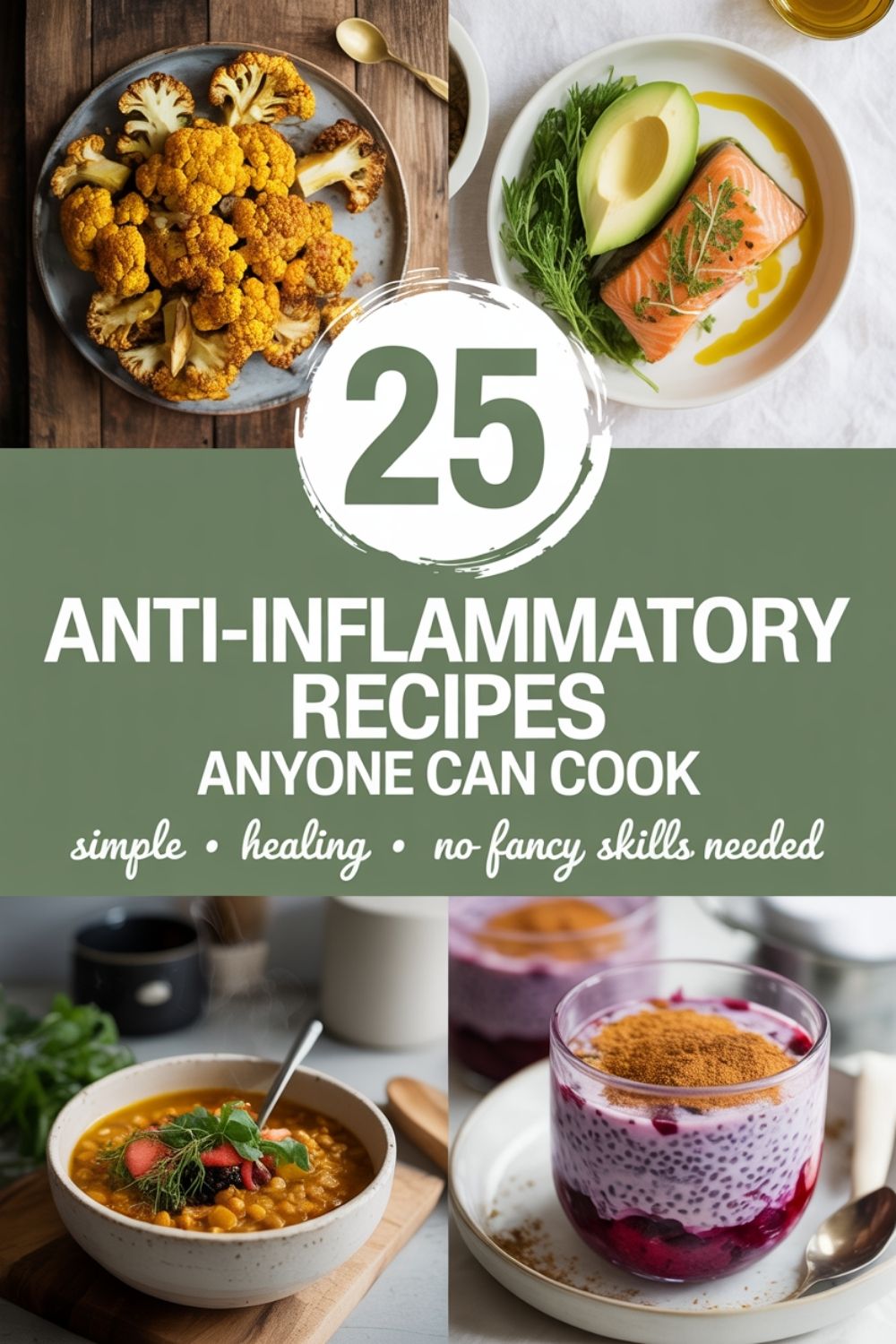
25 Anti-Inflammatory Recipes Anyone Can Cook
Let’s talk about inflammation for a second. Not the kind where you stub your toe and it swells up—that’s actually your body doing its job. I’m talking about the sneaky, chronic kind that lurks in your body for months or years, messing with everything from your joints to your brain to your gut. The good news? You can fight back with what’s on your plate.
I’ve spent years experimenting with anti-inflammatory eating, and here’s what I’ve learned: it doesn’t have to be complicated, expensive, or taste like cardboard. These 25 recipes are proof that eating to reduce inflammation can be delicious, ridiculously easy, and something you’ll actually want to make on a Tuesday night when you’re exhausted.
Ready to eat your way to feeling better? Let’s get into it.
Why Anti-Inflammatory Eating Actually Matters
Before we jump into recipes, let’s get one thing straight. Chronic inflammation isn’t just some buzzword wellness influencers throw around. Research from Harvard Medical School shows that long-term inflammation is linked to serious conditions like heart disease, diabetes, arthritis, and even Alzheimer’s. It’s basically your body’s alarm system that forgot to turn off.
The Mediterranean diet has been studied extensively for its inflammation-fighting powers. Johns Hopkins Medicine notes that this eating pattern emphasizes omega-3 fatty acids, vitamin C, and polyphenols—all powerful compounds that help calm your body’s inflammatory response.
What causes this inflammation? Sometimes it’s stress, lack of sleep, or environmental toxins. But often, it’s what we eat. Processed foods, refined sugars, and unhealthy fats can trigger inflammatory responses in your body. The flip side? Whole foods packed with antioxidants, healthy fats, and phytochemicals can help shut that inflammation down.
Breakfast Recipes That Fight Inflammation
1. Turmeric Golden Milk Overnight Oats
These overnight oats are my go-to when I need breakfast to basically make itself. Turmeric contains curcumin, a compound that’s been shown to reduce inflammatory markers in multiple studies. Mix rolled oats with almond milk, a teaspoon of turmeric, a pinch of black pepper (it helps your body absorb the curcumin), cinnamon, and a drizzle of honey. Let it sit in the fridge overnight, and boom—breakfast is ready when you stumble into the kitchen half-asleep. Get Full Recipe.
2. Berry Blast Chia Pudding
Chia seeds are loaded with omega-3s, and berries are antioxidant powerhouses. This pudding takes about two minutes to throw together. Combine chia seeds with coconut milk, add a handful of blueberries and strawberries, maybe some maple syrup if you’re feeling it, and refrigerate. I use these glass meal prep containers to make a week’s worth at once. Game changer.
3. Spinach and Wild Salmon Scramble
Wild-caught salmon for breakfast might sound fancy, but leftover salmon from dinner works perfectly here. Scramble some eggs with fresh spinach, flake in that salmon, and you’ve got a protein-packed, omega-3-rich breakfast that’ll keep you full until lunch. I always keep a quality non-stick skillet around for this—makes cleanup stupidly easy.
4. Anti-Inflammatory Green Smoothie
Smoothies get a bad rap because people load them with sugar, but done right, they’re brilliant. Blend spinach, half a banana, frozen pineapple (bromelain is anti-inflammatory), fresh ginger, flaxseeds, and coconut water. If you don’t have a decent blender, you’ll want one that can actually pulverize greens instead of leaving you with a chunky mess.
5. Walnut and Cinnamon Quinoa Porridge
Quinoa isn’t just for lunch. Cook it in almond milk, add cinnamon, top with walnuts and a few slices of apple. Walnuts are one of the best plant sources of omega-3s, and cinnamon helps regulate blood sugar. If you’re meal prepping, this keeps well all week in the fridge. Get Full Recipe.
Looking for more morning inspiration? These recipes pair beautifully with a 7-day Mediterranean high-fiber breakfast plan or this anti-inflammatory smoothie meals plan if you’re on a time crunch.
Vitamix High-Performance Blender – The Anti-Inflammatory Kitchen Workhorse
Look, I resisted buying a high-end blender for years because the price tag made me wince. But after six months of daily use, I can’t imagine my anti-inflammatory cooking routine without it. This thing pulverizes everything—frozen berries, leafy greens, tough ginger root, soaked nuts for cream sauces.
Why it’s worth the investment:
- Smooth, actually smooth smoothies: No chunks of kale or gritty chia seeds. Everything becomes silky.
- Hot soup function: The friction from the blades heats ingredients. Make that ginger-turmeric soup in 6 minutes, start to finish.
- Built like a tank: 10-year warranty. I’ve blended frozen fruit without liquid and it didn’t even slow down.
- Self-cleaning: Drop of dish soap, warm water, blend for 30 seconds. Done.
The 64-ounce container is perfect for meal prep—I make four servings of smoothie base on Sunday and portion it out. If you’re serious about incorporating more anti-inflammatory smoothies, soups, and sauces into your routine, this pays for itself in convenience alone.
Investment: Around $400-$500Check Current Price
Lunch Recipes to Power Your Afternoon
6. Mediterranean Chickpea Salad
This salad is ridiculously versatile. Toss chickpeas with cucumber, tomatoes, red onion, kalamata olives, and feta cheese. Dress it with olive oil, lemon juice, and oregano. Chickpeas provide plant-based protein and fiber, both of which help stabilize blood sugar and reduce inflammation. I prep a big batch on Sunday using this salad spinner to keep everything crisp.
7. Ginger-Turmeric Carrot Soup
Carrots are loaded with beta-carotene, which your body converts to vitamin A—an important nutrient for immune function. Sauté onions and garlic, add chopped carrots, vegetable broth, fresh ginger, and turmeric. Simmer until the carrots are soft, then blend until smooth. A immersion blender makes this insanely easy—no transferring hot liquid to a regular blender and risking a kitchen explosion.
8. Quinoa and Roasted Vegetable Bowl
Roast whatever vegetables you have—bell peppers, zucchini, eggplant, broccoli. Serve over quinoa with a tahini dressing (tahini, lemon juice, garlic, water). The variety of vegetables means you’re getting a wide range of antioxidants. Different colors = different phytonutrients. It’s like eating a rainbow, but less weird. Get Full Recipe.
9. Wild-Caught Tuna Avocado Lettuce Wraps
Skip the mayo-heavy tuna salad and mix canned wild tuna with mashed avocado, diced celery, and a squeeze of lemon. Serve in butter lettuce cups. The healthy fats from avocado replace inflammatory mayo, and you still get that creamy texture. FYI, wild-caught tuna has a better omega-3 profile than conventional tuna.
10. Lentil and Kale Power Salad
Cook green or brown lentils until tender, then toss with massaged kale (massage it with a bit of olive oil to break down the fibers), roasted sweet potato cubes, and pumpkin seeds. Dress with a simple vinaigrette. Lentils are incredibly high in fiber, which feeds your gut bacteria—and a healthy gut means less inflammation throughout your body.
If you’re really getting into anti-inflammatory eating, check out the 7-day Mediterranean anti-inflammation meal plan for more structured guidance, or try the 14-day high-fiber Mediterranean plan if you want to focus on digestive health too.
Complete Anti-Inflammatory Meal Planning System
Tired of guessing what to eat each week? I’ve been using this comprehensive anti-inflammatory meal planner for months, and it’s genuinely changed how I approach meal prep. It’s specifically designed for Mediterranean-style anti-inflammatory eating—no generic meal plans here.
What makes it worth it:
- Pre-calculated grocery lists organized by store section (saves me 20+ minutes every shopping trip)
- Macro tracking built in—see exactly how much omega-3, fiber, and anti-inflammatory compounds you’re getting
- Customizable for dietary restrictions (gluten-free, dairy-free, vegetarian options included)
- Weekly meal prep guides with time-saving strategies
Dinner Recipes Worth Getting Excited About
11. Baked Wild Salmon with Garlic and Herbs
Salmon is basically the poster child for anti-inflammatory eating. It’s packed with EPA and DHA, two omega-3 fatty acids that directly reduce inflammatory markers in your body. Season salmon fillets with minced garlic, fresh dill, lemon slices, salt, and pepper. Bake at 400°F for about 15 minutes. I line my baking sheet with parchment paper because I’m too lazy to scrub baked-on fish residue.
12. Sheet Pan Chicken with Rainbow Vegetables
Toss chicken thighs (dark meat has more anti-inflammatory nutrients than white meat) with bell peppers, red onion, and Brussels sprouts. Drizzle everything with olive oil, add rosemary and thyme, roast at 425°F until crispy. Sheet pan dinners are clutch for busy weeknights—everything cooks together, and cleanup is minimal. Get Full Recipe.
13. Turmeric Coconut Curry with Chickpeas
This curry is stupid easy and tastes way more complex than the effort required. Sauté onions, add curry powder, turmeric, and ginger. Pour in coconut milk and vegetable broth, add chickpeas and spinach, simmer for 20 minutes. Serve over brown rice or cauliflower rice. The combination of turmeric and black pepper in curry powder enhances curcumin absorption by up to 2,000%. Not a typo.
14. Grass-Fed Beef and Vegetable Stir-Fry
Grass-fed beef has a better omega-3 to omega-6 ratio than conventional beef. Slice it thin, stir-fry quickly in a carbon steel wok with broccoli, snap peas, and bok choy. Season with fresh ginger, garlic, and coconut aminos (a less inflammatory soy sauce alternative). The key is high heat and quick cooking—keeps the vegetables crisp and the beef tender.
15. Mediterranean Stuffed Bell Peppers
Cut bell peppers in half, fill them with a mixture of cooked quinoa, diced tomatoes, spinach, olives, and feta cheese. Bake until the peppers are tender. Bell peppers are rich in vitamin C and carotenoids, both powerful antioxidants. Plus, they’re just pretty to look at on your plate.
16. Miso-Glazed Cod with Bok Choy
Miso is a fermented food, which means it’s great for gut health—and gut health directly impacts inflammation levels. Marinate cod fillets in white miso paste mixed with a bit of honey and rice vinegar. Bake at 400°F, then serve with steamed bok choy. The fish spatula I use makes flipping delicate fish foolproof. Get Full Recipe.
17. One-Pot Lentil and Vegetable Stew
Throw lentils, diced tomatoes, carrots, celery, onions, garlic, and vegetable broth into a pot. Add cumin, coriander, and a bay leaf. Simmer for 45 minutes. That’s it. One pot, minimal effort, maximum nutrition. Lentils are insanely high in fiber and polyphenols—both help reduce systemic inflammation.
18. Grilled Mackerel with Lemon and Capers
Mackerel is one of the fattiest fish you can eat, which in this case is a very good thing. It’s loaded with omega-3s and vitamin D. Grill it with lemon slices and capers. If you’re nervous about cooking fish, a fish grilling basket prevents it from falling apart or sticking to the grates.
Want complete meal planning done for you? The 14-day anti-inflammatory eating plan for women takes all the guesswork out of dinner planning, or try the Mediterranean family meal plan if you’re cooking for a crowd.
The Ultimate Anti-Inflammatory Recipe Ebook
Okay, so I’m slightly obsessed with this anti-inflammatory cookbook. It’s not just another generic “healthy recipes” book—every single recipe is specifically formulated to fight inflammation using Mediterranean principles and backed by nutritional science.
Why I keep coming back to it:
- 150+ recipes organized by inflammation-fighting ingredients (turmeric section alone is worth it)
- Each recipe includes inflammation score and key nutrients breakdown
- Substitution guides for common allergens and dietary preferences
- Meal prep notes and freezer-friendly indicators on every recipe
- Bonus section on anti-inflammatory spice blends you can make in bulk
I printed mine and keep it in the kitchen because I reference it constantly. Digital version includes hyperlinked index for quick searching.
Get The CookbookSnacks and Sides That Actually Satisfy
19. Roasted Turmeric Cauliflower
Toss cauliflower florets with olive oil, turmeric, black pepper, and garlic powder. Roast at 425°F until golden and crispy. Cauliflower contains sulforaphane, a compound that activates anti-inflammatory pathways in your body. I use silicone baking mats for roasting vegetables—nothing sticks, and they’re reusable forever.
20. Avocado and White Bean Dip
Blend white beans, ripe avocado, lemon juice, garlic, and olive oil until smooth. Serve with raw vegetables or whole-grain crackers. This dip is loaded with fiber and healthy fats, and it’s way more satisfying than hummus (though hummus is great too). Get Full Recipe.
21. Spiced Roasted Chickpeas
Drain and dry canned chickpeas thoroughly, toss with olive oil and whatever spices you’re feeling (cumin and paprika is my go-to), then roast at 400°F for 30-40 minutes until crispy. These are dangerously addictive and infinitely better for you than chips. Keep them in an airtight container, or they’ll get soft.
22. Cucumber and Tomato Salad with Fresh Herbs
Dice cucumbers and tomatoes, add fresh basil and parsley, dress with olive oil and red wine vinegar. Simple, refreshing, and packed with anti-inflammatory compounds. Tomatoes contain lycopene, which is actually more bioavailable when tomatoes are cooked, but this salad is still beneficial—and perfect for summer.
23. Walnut and Date Energy Balls
Blend walnuts, dates, a tablespoon of chia seeds, and a pinch of cinnamon in a food processor. Roll into balls. Store in the fridge. These are my secret weapon when I need something sweet but don’t want to crash from sugar. The mini food processor I use for this is a lifesaver for small batches.
Premium Extra Virgin Olive Oil – Your Liquid Anti-Inflammatory Gold
Not all olive oils are created equal, and I learned this the hard way after years of buying whatever was cheapest at the grocery store. This single-estate EVOO genuinely tastes different—peppery, grassy, with that throat-tickle that indicates high polyphenol content.
What makes it special:
- High in oleocanthal: This is the compound that acts like natural ibuprofen in your body. You want maximum anti-inflammatory punch? This delivers.
- Cold-pressed within hours of harvest: Oxidation is the enemy of beneficial compounds. Fast processing preserves them.
- Lab-tested purity: No cutting with cheap seed oils (yes, this is a real problem in the olive oil industry).
- Dark glass bottle: Protects the oil from light degradation.
I use this for finishing dishes, salad dressings, and drizzling over cooked vegetables. For high-heat cooking, I’ll use regular olive oil or avocado oil to save money, but for raw applications where you taste the oil? This is non-negotiable in my kitchen now.
Price Range: $25-$40 per bottleShop Premium EVOO
Sweet Treats That Won’t Sabotage Your Progress
24. Dark Chocolate and Berry Bark
Melt dark chocolate (70% cacao or higher—the higher, the better), spread it on a parchment-lined baking sheet, top with fresh berries and chopped nuts, freeze until solid, then break into pieces. Dark chocolate contains flavonoids that reduce inflammation, and you need very little to feel satisfied. IMO, this is proof that anti-inflammatory eating doesn’t have to be miserable. Get Full Recipe.
25. Baked Cinnamon Apples with Walnuts
Core apples, fill the centers with chopped walnuts, cinnamon, and a tiny drizzle of maple syrup. Bake until tender. Apples are high in quercetin, a flavonoid with anti-inflammatory properties. This dessert feels indulgent but is basically just dressed-up fruit.
For more meal prep strategies and complete plans, explore the 7-day Mediterranean high-fiber meal prep plan or jump into the 30-day anti-inflammation challenge for a comprehensive approach.
Making This Work in Real Life
Here’s the thing nobody tells you about anti-inflammatory eating: it’s not about perfection. You don’t need to eat perfectly 100% of the time to see benefits. Research shows that even modest increases in anti-inflammatory foods can make a measurable difference in inflammation markers.
Start with one or two recipes that genuinely appeal to you. Don’t force yourself to eat kale if you hate kale—there are plenty of other anti-inflammatory foods. The goal is to crowd out the inflammatory stuff by adding more of the good stuff, not to white-knuckle your way through foods you despise.
Meal prep is your friend here. I’m not talking about spending your entire Sunday in the kitchen—just cooking a few base components makes weeknight cooking exponentially easier. Cooked grains, roasted vegetables, and one protein source give you endless combinations.
Also, don’t underestimate the power of herbs and spices. Turmeric, ginger, garlic, cinnamon, rosemary—these aren’t just flavor enhancers. They’re concentrated sources of anti-inflammatory compounds. I keep a spice rack organizer so I can actually see what I have instead of buying duplicate jars of cumin every grocery trip.
Organic Turmeric Curcumin Supplement – For Days You Need Extra Support
Real talk: food should always come first, but this turmeric supplement has become my backup on days when inflammation flares up or I’m traveling and can’t control my diet as well. Not all turmeric supplements work—many have poor absorption.
Why this one actually works:
- Includes BioPerine (black pepper extract): Increases curcumin absorption by up to 2,000%. Without this, your body barely absorbs turmeric.
- 95% curcuminoids standardized extract: You’re getting the active compounds that actually reduce inflammation, not just ground turmeric root.
- Third-party tested: Verified for purity and potency. You’re getting what the label claims.
- Includes ginger extract: Works synergistically with turmeric for enhanced anti-inflammatory effects.
I take one capsule daily with a fat-containing meal (curcumin is fat-soluble). On particularly bad inflammation days—long flights, stressful weeks, or if I’ve eaten more processed food than usual—I’ll take two. My rheumatologist actually suggested I try this alongside dietary changes, and it’s been helpful for managing chronic joint inflammation.
Important: Talk to your doctor before adding supplements, especially if you’re on blood thinners or have gallbladder issues. Turmeric can interact with certain medications.
Typical Cost: $20-$30 for 2-month supplyView Supplement Details
And look, if you’re dealing with specific inflammation-related conditions—arthritis, autoimmune issues, chronic pain—talk to your doctor or a registered dietitian. Food is powerful, but it’s not a replacement for medical care. It’s a complement to it.
Anti-Inflammatory Food & Symptom Tracker App
This is hands-down the most useful tool I’ve found for figuring out which foods actually work for MY body. This inflammation tracking app connects your food intake with how you actually feel—energy levels, joint pain, digestive issues, brain fog, all of it.
Game-changing features:
- Scan barcodes or search 500,000+ foods with inflammation ratings already built in
- Daily symptom logging with customizable categories (I track joint stiffness, energy, and skin clarity)
- AI-powered insights that show correlations between specific foods and your symptoms
- Export reports for your doctor with weekly/monthly inflammation trends
- Recipe suggestions based on foods that work best for you personally
After tracking for just three weeks, I discovered that nightshades were triggering my joint pain—something I never would’ve figured out without the data. Total revelation.
Try The Tracker AppIf you’re ready to take this further, consider trying the 7-day gut-healing Mediterranean menu or the 7-day anti-inflammation reset for a structured approach to getting started.
Frequently Asked Questions
How long does it take to see results from an anti-inflammatory diet?
Most people start noticing improvements within 2-4 weeks, though everyone’s different. You might notice better energy, reduced joint pain, or improved digestion first. More significant changes in inflammation markers typically show up after a few months of consistent eating. The key word here is consistent—occasional anti-inflammatory meals won’t move the needle much.
Can I still eat meat on an anti-inflammatory diet?
Absolutely. The key is choosing quality and quantity wisely. Grass-fed beef, wild-caught fish, and pasture-raised poultry have better fatty acid profiles than conventional options. Fish, especially fatty fish like salmon and mackerel, are particularly beneficial. Just balance meat with plenty of vegetables, and you’re golden.
Are all oils inflammatory?
Not at all. Extra virgin olive oil is actually one of the most anti-inflammatory foods you can eat—it contains oleocanthal, which works similarly to ibuprofen in your body. Avocado oil is also great. The oils to avoid are highly processed seed oils like corn, soybean, and vegetable oil, which are high in omega-6 fatty acids and can promote inflammation when consumed in excess.
Do I need to take supplements, or is food enough?
Food should always be your first priority because you get the whole package of nutrients, fiber, and beneficial compounds working together. That said, some people benefit from omega-3 supplements (especially if you don’t eat fish), vitamin D (if you’re deficient), or turmeric/curcumin supplements. Talk to your doctor before starting any supplements—more isn’t always better, and some can interact with medications.
Is it expensive to eat an anti-inflammatory diet?
It can be, but it doesn’t have to be. Wild-caught salmon and grass-fed beef are pricier, sure. But staples like lentils, beans, oats, frozen vegetables, and canned fish are incredibly affordable. Shop seasonally, buy frozen produce (it’s just as nutritious), and focus on plant-based meals a few times a week. The high-fiber budget meal plan proves you can eat well without destroying your bank account.
Final Thoughts
Fighting inflammation through food isn’t some trendy wellness fad—it’s backed by decades of research and can genuinely improve how you feel day to day. Research published in the National Center for Biotechnology Information demonstrates that adherence to anti-inflammatory diets significantly reduces the risk of chronic diseases including cardiovascular disease, type 2 diabetes, and certain malignancies. These 25 recipes aren’t magic bullets, but they’re solid, delicious foundations for eating in a way that supports your body instead of working against it.
You don’t need to make all 25 recipes this week or transform into someone who only eats kale and quinoa. Pick a few that sound good, try them out, see how you feel. Maybe you’ll notice you have more energy, maybe your joints will ache less, maybe your digestion will improve. Or maybe you’ll just enjoy eating food that tastes good and happens to be good for you.
The beauty of anti-inflammatory eating is that it’s not restrictive—it’s about adding more of the good stuff rather than obsessing over eliminating everything fun. Recent studies from 2024 show that key dietary components like berries, leafy greens, fatty fish rich in omega-3, walnuts, and olive oil work together to modulate inflammation, support gut health, and promote overall wellbeing. Start small, be consistent, and give your body time to respond. Your future self will thank you.
Now get cooking. Your body’s waiting for you to feed it something that actually helps it function the way it’s supposed to.