
22 Mediterranean Lunches Perfect for Work
Look, I’m going to be honest with you. I’m tired of sad desk lunches. You know the ones—those soggy sandwiches that taste like cardboard mixed with regret, or the leftover takeout that somehow manages to be both greasy and dry at the same time. If you’re nodding along right now, you’re my people.
Here’s the thing about Mediterranean lunches: they’re basically the opposite of boring. We’re talking vibrant flavors, actual nutrients that make you feel like a functional human being after lunch, and dishes that genuinely taste better the next day. Yeah, you read that right. These lunches improve with time, which is pretty much witchcraft as far as I’m concerned.
The Mediterranean approach to eating isn’t just about throwing some olives on a plate and calling it a day. Research from Harvard shows that people following this eating pattern have lower risks of heart disease and live longer overall. The diet emphasizes whole grains, olive oil, fresh produce, and lean proteins—all while keeping things ridiculously delicious.
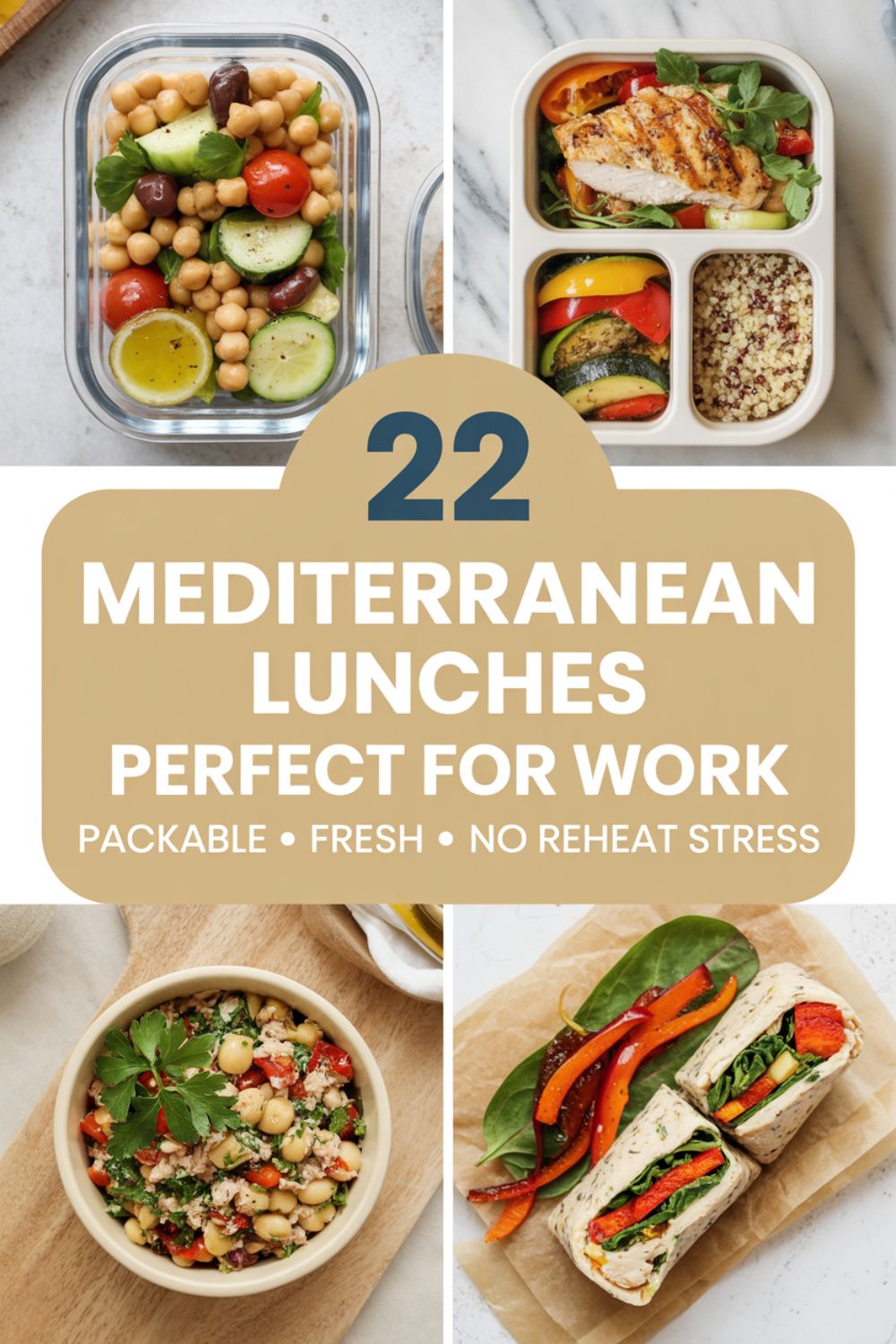
What makes these lunches work for your actual job isn’t just that they taste good. They pack in enough protein and fiber to keep you alert through that 3 PM meeting instead of face-planting into your keyboard. Plus, most of these can be prepped ahead, which means less time stressing about lunch and more time doing literally anything else.
Why Mediterranean Food Actually Works for Work Lunches
Before we get into the specific recipes, let’s talk about why this whole thing actually makes sense for your work life. Mediterranean cuisine has this magical quality where it doesn’t require reheating to be amazing. Cold quinoa salad? Delicious. Room temperature chickpea bowl? Still incredible.
The secret sauce here—pun absolutely intended—is olive oil. Studies show that extra virgin olive oil helps reduce inflammation and supports heart health thanks to its polyphenol content. When you dress your lunch components in good quality oil, they stay moist and flavorful even hours later.
Another massive win is the fiber content. Beans, whole grains, and vegetables keep you satisfied without that post-lunch food coma that makes you want to nap under your desk. According to clinical research, the Mediterranean dietary pattern helps control weight and reduces inflammation—which is pretty important when you’re sitting at a desk all day.
The Grain Bowl Revolution
1. Classic Mediterranean Quinoa Bowl
Start with cooked quinoa as your base—this ancient grain packs about 8 grams of protein per cup and keeps you full for hours. Top it with diced cucumber, cherry tomatoes, red onion, chickpeas, feta cheese, and a hefty drizzle of olive oil mixed with lemon juice. Throw in some fresh parsley and you’ve got yourself a lunch that doesn’t quit.
The beauty here is customization. Not a feta person? Skip it. Want more protein? Add some grilled chicken. This bowl is forgiving and versatile, which is exactly what you need when meal prepping for the week. Get Full Recipe
2. Farro and Roasted Vegetable Bowl
Farro is chewier than quinoa and has this nutty flavor that’s borderline addictive. Roast whatever vegetables you have—bell peppers, zucchini, eggplant—toss them with the farro, add some toasted pine nuts (trust me on this), and finish with a balsamic drizzle.
I usually roast my veggies on a silicone baking mat because nothing sticks and cleanup is basically nonexistent. Game changer for Sunday meal prep when you’re already exhausted from adulting.
3. Bulgur Wheat Tabbouleh Bowl
Tabbouleh is traditionally more herbs than grain, but for lunch purposes, I flip that ratio. Cook your bulgur wheat, let it cool, then mix it with tons of fresh parsley, mint, tomatoes, and lemon juice. The grain soaks up all those bright flavors and somehow tastes even better on day three.
Speaking of grain-based meals, if you’re trying to add more fiber to your diet, you might want to check out this 14-day high-fiber Mediterranean plan that walks you through building sustainable eating habits. It’s particularly helpful if you’re new to this whole Mediterranean thing and don’t know where to start.
Protein-Packed Options That Don’t Need a Microwave
4. Chicken Souvlaki Salad
Marinate chicken in olive oil, lemon, garlic, and oregano, then grill it up. Slice it over romaine lettuce with cucumbers, tomatoes, red onion, and tzatziki. The marinade does all the heavy lifting here—your chicken stays juicy even when cold.
For the tzatziki, I use a mini food processor to grate the cucumber super fine. Less watery, more creamy, and you won’t spend 20 minutes wrestling with a box grater like some kind of medieval punishment.
Professional Chef’s Knife Set for Meal Prep
Listen, I resisted buying a quality knife set for years because I figured “a knife is a knife.” I was so wrong. This set makes chopping vegetables for Mediterranean meal prep almost enjoyable—and I’m someone who used to dread it.
- Razor-sharp Japanese steel that stays sharp for months
- Ergonomic handles that don’t give you hand cramps during long prep sessions
- Includes everything you need: chef’s knife, paring knife, serrated knife, and kitchen shears
- Non-stick coating makes cleaning stupidly easy
- Comes with a sleek wooden block that looks good on your counter
The chef’s knife alone cut my vegetable prep time in half. Tomatoes slice cleanly instead of squishing, cucumbers are perfectly uniform, and fresh herbs don’t bruise. If you’re serious about meal prepping Mediterranean lunches, this is the investment that makes everything easier.
5. Tuna and White Bean Salad
This is ridiculously simple and hits all the right notes. Mix canned tuna with white beans, cherry tomatoes, red onion, capers, and a lemon-olive oil dressing. Pack it with some whole grain crackers and you’re done. High protein, healthy fats, and actual flavor—what more do you want from a work lunch?
Quality matters here though. Get the good tuna packed in olive oil, not that water-packed stuff that tastes like disappointment. Your lunch deserves better. Get Full Recipe
6. Greek Lentil Salad
Lentils are criminally underrated. Cook them until tender but not mushy, then toss with diced bell peppers, sun-dried tomatoes, feta, and a red wine vinaigrette. They’re loaded with protein and fiber, which means you’ll actually stay full until dinner instead of raiding the office snack drawer at 4 PM.
Wrap It Up (Literally)
7. Hummus and Veggie Wrap
Take a whole wheat wrap, spread a thick layer of hummus, then pile on roasted red peppers, cucumbers, spinach, and red onion. Roll it tight and cut it in half. This might sound basic, but when you use quality ingredients, basic becomes brilliant.
Make your own hummus if you have time—just throw chickpeas, tahini, lemon, and garlic in a decent blender and you’re golden. Store-bought works too though; no judgment here.
8. Falafel Wrap with Tahini Sauce
Make or buy some falafel (let’s be real, weeknight cooking has limits), warm them up, and stuff them in a wrap with lettuce, tomatoes, pickles, and tahini sauce. The falafel stays crispy on the outside even when cold, and the tahini keeps everything moist without being soggy. Get Full Recipe
9. Greek-Style Turkey Wrap
Layer sliced turkey, feta, lettuce, tomatoes, and cucumber in a wrap with a smear of tzatziki. Add some banana peppers if you like a little kick. It’s like a Greek salad you can eat with your hands, which is objectively the best way to eat lunch at your desk.
If you’re looking for more structured meal prep ideas, this 7-day Mediterranean high-fiber meal prep plan breaks down exactly what to cook and when. It’s particularly useful for people who freeze at the grocery store trying to figure out what to buy.
Jar Salads That Won’t Get Soggy
10. Layered Mediterranean Mason Jar Salad
The trick to jar salads is layering correctly. Dressing goes on the bottom, then hearty vegetables like cucumbers and tomatoes, followed by proteins like chickpeas or grilled chicken, then greens on top. When you’re ready to eat, dump it in a bowl and everything mixes perfectly.
I use wide-mouth quart jars because they’re easier to pack and you can actually fit your fork in there. Regular mouth jars turn lunch into an archaeological dig, and nobody has time for that.
Insulated Lunch Bag with Ice Pack
Here’s something nobody talks about: even the best Mediterranean lunch is ruined if it sits at room temperature for five hours. This insulated bag keeps everything perfectly chilled until lunchtime, and it’s saved me from more questionable food safety situations than I care to admit.
- Thick insulation keeps food cold for up to 8 hours (tested it myself)
- Includes two reusable ice packs that actually stay frozen
- Multiple compartments for containers, utensils, and napkins
- Leak-proof lining—because dressing spills are inevitable
- Adjustable shoulder strap for commuters and bikers
- Actually looks professional, not like a kid’s lunchbox
I commute on public transit and my Greek salads with feta cheese stay perfectly fresh even on hot summer days. The ice packs fit perfectly in the side pockets and the whole thing wipes clean in seconds. Worth every penny if you’re bringing lunch to work regularly.
11. Greek Chopped Salad in a Jar
Chop everything small—cucumbers, tomatoes, bell peppers, red onion, olives, feta. Put your vinaigrette at the bottom, layer everything else, and top with romaine. Shake it up at lunch and you’ve got a perfectly dressed salad with zero wilting issues.
12. Chickpea and Artichoke Jar Salad
This combination is weirdly addictive. Chickpeas and marinated artichoke hearts with cherry tomatoes, red onion, and fresh dill in a lemon-olive oil dressing. The artichokes add this tangy, briny element that makes the whole thing sing. Get Full Recipe
Hot Lunch Options (When Your Office Has a Microwave)
13. Greek-Style Stuffed Peppers
Bell peppers stuffed with ground turkey, rice, tomatoes, feta, and herbs. Make them on Sunday, refrigerate in individual portions, and microwave at work. They heat evenly and taste like actual restaurant food instead of depressing office cuisine.
14. Mediterranean Veggie Soup
A tomato-based soup loaded with zucchini, eggplant, chickpeas, and white beans. This is what I make when I have random vegetables that need using. Throw everything in a big soup pot, simmer for 30 minutes, and you’ve got lunch for days.
The soup actually improves after sitting overnight because all the flavors meld together. Pack it in leak-proof thermos containers and you can even skip the microwave entirely if you pour it in hot in the morning.
15. One-Pot Greek Orzo
Cook orzo pasta with tomatoes, spinach, chickpeas, and feta all in one pot. It’s like risotto’s easier, more forgiving cousin. Reheats beautifully and doesn’t dry out like regular pasta tends to do.
For more anti-inflammatory focused meals that work great for weekly meal prep, the 7-day anti-inflammation meal plan has some excellent options that reduce the whole-body inflammation many of us deal with from stress and processed foods.
Snackable Lunches for Meetings
16. Mediterranean Bento Box
This is perfect for those days when you have back-to-back meetings and need to eat between calls. Pack hummus, whole grain pita wedges, cherry tomatoes, cucumber slices, olives, feta cubes, and maybe some grapes. Everything’s bite-sized and you can eat it without making a mess on video calls.
17. Mezze Plate
Similar concept but more substantial. Include dolmas (stuffed grape leaves), roasted red peppers, marinated artichokes, olives, feta, hummus, and whole grain crackers. It’s basically an adult lunchable except it won’t make you feel like garbage afterward. Get Full Recipe
18. Greek-Style Snack Plate
Tzatziki as your dip, surrounded by cucumber spears, baby carrots, bell pepper strips, cherry tomatoes, and some whole grain crackers. Add some sliced turkey or hard-boiled eggs if you need more protein. This is my go-to when I’m working through lunch but still need to eat something resembling real food.
The Sandwiches That Don’t Suck
19. Mediterranean Veggie Sandwich
Layer hummus, roasted red peppers, cucumber, tomato, red onion, and spinach on whole grain bread. The hummus acts as a moisture barrier so your bread doesn’t turn to mush. This sandwich legitimately tastes better after sitting for a few hours because the flavors have time to mingle.
20. Greek Turkey Sandwich
Sliced turkey, feta, tomatoes, red onion, and spinach with a smear of tzatziki on whole wheat bread. Add some banana peppers if you’re feeling spicy. It’s like a gyro but portable and socially acceptable to eat at your desk.
21. Grilled Eggplant and Red Pepper Sandwich
Grill or roast thick slices of eggplant and red peppers until they’re soft and slightly charred. Layer them with fresh mozzarella, basil, and a drizzle of balsamic glaze on ciabatta bread. This is one of those sandwiches that makes your coworkers jealous when you open it up. Get Full Recipe
If you’re juggling work and trying to eat better without spending your entire weekend in the kitchen, this 7-day anti-inflammation plan for busy women is designed specifically for people with actual lives. It includes quick prep strategies and realistic recipes.
The Emergency Lunch Option
22. Pantry Mediterranean Bowl
This is what you make when you forgot to meal prep and need something now. Canned chickpeas, drained and rinsed. Canned artichoke hearts, chopped. Sun-dried tomatoes from a jar. Olives. Mix it all with olive oil, lemon juice, dried oregano, and eat it with some whole grain crackers or stuff it in a pita. Takes five minutes and tastes like you actually tried.
Keep these ingredients stocked in your pantry or desk drawer and you’ll never have to resort to sad vending machine snacks again. I learned this the hard way after one too many bags of stale pretzels masquerading as lunch.
Making It Actually Work for Your Week
Here’s the reality check: these lunches only work if you actually make them. Revolutionary, I know. The key is finding your prep rhythm. Some people do everything Sunday afternoon. Others batch-cook grains and proteins on Sunday, then assemble lunches each morning. Figure out what doesn’t make you want to throw your meal prep containers out the window.
I personally do what I call “component cooking.” Make a big batch of quinoa or farro. Roast a sheet pan of vegetables. Grill or bake some chicken. Then mix and match throughout the week. Monday might be quinoa with roasted veggies and chicken. Wednesday could be the same ingredients wrapped in a whole wheat tortilla. Same components, different presentations, and you don’t feel like you’re eating the exact same thing five days straight.
Storage matters too. Those glass meal prep containers with compartments I mentioned earlier? Worth every penny. They keep wet and dry ingredients separate, stack nicely in the fridge, and don’t stain like plastic containers that eventually look like they’ve been through a war zone.
Digital Kitchen Scale for Portion Control
Okay, I know weighing food sounds tedious and diet-culture-ish, but hear me out. When you’re meal prepping multiple lunches, a kitchen scale ensures you’re getting consistent portions and actually know how much you’re eating. Plus it’s way more accurate than eyeballing “one cup of quinoa.”
- Precise measurements to 0.1 gram accuracy
- Tare function lets you weigh ingredients in your container (no extra dishes)
- Switches between grams, ounces, pounds—whatever you need
- Slim design stores flat in a drawer
- Easy-to-clean tempered glass surface
- Auto-off feature saves battery life
I use mine every Sunday to portion out grains, proteins, and toppings for the week. It takes the guesswork out of meal prep and helps ensure I’m actually getting enough protein and fiber in each lunch. The tare function alone is worth it—weigh your container, zero it out, add ingredients, and you know exactly what you’re working with.
For more complete meal planning strategies that take the guesswork out of what to eat, the 14-day Mediterranean weight loss plan includes shopping lists and exact portions. It’s particularly helpful if you’re trying to be more intentional about your eating without obsessing over every calorie.
The Dressing Situation
Let’s talk about dressings because they can make or break your lunch. Most Mediterranean meals use a simple combination of olive oil, lemon juice or vinegar, garlic, and herbs. That’s it. You don’t need seventeen ingredients to make something taste good.
My go-to ratio: three parts olive oil to one part acid (lemon juice or vinegar), minced garlic, salt, pepper, and whatever dried herbs you like. Shake it up in a small jar and it keeps in the fridge for a week. Make it Sunday, use it all week, done.
If you’re feeling fancy, add a teaspoon of Dijon mustard to help emulsify everything. Or throw in some dried oregano and a pinch of red pepper flakes for a Greek-style vinaigrette. The point is to keep it simple so you’ll actually make it instead of buying those bottles of mystery liquid at the store.
I keep my dressings in small glass jars with tight-fitting lids. The kind that don’t leak when you shake them violently to remix everything before lunch. Because let me tell you, olive oil and lemon juice will absolutely separate, and you need a container that can handle some aggressive shaking.
The Ultimate Meal Prep Container Set
After testing dozens of containers, I finally found the ones that actually work for Mediterranean meal prep. These glass containers come with separate compartments to keep your ingredients fresh and prevent sogginess—the number one lunch killer.
- Leak-proof lids that actually seal (no more dressing disasters in your bag)
- Microwave and dishwasher safe—because who has time for hand-washing?
- Three compartments keep wet and dry ingredients separated
- Stackable design saves precious fridge space
- BPA-free glass that won’t stain or retain odors
Honestly, these transformed my meal prep game. No more soggy salads or containers that explode in my work bag.
Check Current PriceIf you’re working on reducing inflammation through diet, the 14-day anti-inflammatory eating plan focuses specifically on ingredients that help reduce inflammatory markers. It’s evidence-based without being preachy about it.
What to Do When You’re Bored
Even the best meal plan gets boring if you eat the same thing every single day. The solution isn’t to completely overhaul everything—it’s to rotate your bases and toppings.
Week one: quinoa bowls with different vegetables and proteins. Week two: switch to farro or bulgur wheat. Week three: do wraps instead of bowls. Same basic concept, different execution, and your brain thinks it’s eating something new.
Also, don’t underestimate the power of fresh herbs. Adding fresh parsley, mint, dill, or basil to your lunch transforms it from “fine” to “actually delicious.” I grow mine on my windowsill in small herb growing kits because buying fresh herbs at the store means they die in my fridge before I use them all. This way, I just snip what I need.
Switch up your proteins too. Chicken all week gets old. Do chickpeas one day, tuna the next, lentils after that, then maybe some grilled shrimp if you’re feeling fancy. Variety keeps you from standing in front of your fridge at 11 PM contemplating whether to just eat cereal for lunch tomorrow.
Premium Olive Oil Dispenser Set
Let’s be real—good olive oil is expensive, and you don’t want to waste a drop. This dispenser set makes it easy to drizzle the perfect amount without overdoing it or creating a greasy mess all over your counter.
- Precision pour spout for controlled drizzling (no more oil puddles)
- Dark glass protects olive oil from light degradation
- Includes labels for different oils and vinegars
- Non-drip design keeps your bottles and counters clean
- Perfect size for storing in the fridge door
I use these daily for my Mediterranean dressings and they’ve completely eliminated the “how much oil did I just pour” guessing game.
Get It HereThe 30-day Mediterranean wellness plan does a great job of rotating ingredients so you’re not eating identical meals week after week. It’s designed for people who get bored easily—so basically all of us.
Join Our Mediterranean Food Community
Want daily recipe ideas, meal prep tips, and real talk about making healthy eating actually work? Join over 10,000 people in our WhatsApp community where we share quick Mediterranean recipes, answer your cooking questions, and support each other’s wellness journey.
Join WhatsApp ChannelThe Budget Reality
IMO, Mediterranean eating can be expensive or cheap depending on how you approach it. Fresh produce in winter? Pricey. Canned chickpeas and dried lentils? Dirt cheap. The trick is knowing when to splurge and when to save.
Buy your grains in bulk. Quinoa, farro, bulgur wheat—all of them are way cheaper when you’re not buying those tiny expensive packages. Same with dried herbs and spices. That little jar of oregano at the grocery store costs five times more per ounce than buying it from the bulk section or an ethnic grocery store.
For vegetables, buy what’s in season or frozen. Frozen vegetables are nutritionally identical to fresh, sometimes better because they’re frozen at peak ripeness. Plus they won’t rot in your crisper drawer while you contemplate your life choices.
Protein is where you might spend more, but you can offset this by using more plant-based proteins. Chickpeas, lentils, and white beans are all complete proteins when combined with grains, and they cost almost nothing. Save the fancy tuna and grilled chicken for when you need it.
The 14-day high-fiber budget meal plan is specifically designed for people who want to eat well without maxing out their credit card. It focuses on affordable ingredients that don’t compromise on nutrition or taste.
All-in-One Salad Chopper & Bowl
Chopping vegetables for meal prep used to be my least favorite part of Sunday cooking. Then I got this genius tool that cuts prep time literally in half. You throw your veggies in the bowl, roll the blade over them, and boom—perfectly chopped salad ingredients.
- Chops vegetables in seconds without a cutting board (less cleanup!)
- Sharp stainless steel blade cuts through tomatoes, cucumbers, everything
- Doubles as a serving bowl—prep and serve in the same container
- Non-slip base keeps it stable while you’re aggressively chopping
- Lid included for storing prepped ingredients in the fridge
This thing paid for itself after the first Sunday when I prepped a week’s worth of salads in under 15 minutes. Game changer for meal prep haters.
See It In ActionNever Run Out of Lunch Ideas Again
Get exclusive meal prep hacks, weekly Mediterranean recipes, and join a community of real people crushing their health goals. No spam, just practical advice and support from people who actually get it.
Join Our WhatsApp CommunityFrequently Asked Questions
Can I prep Mediterranean lunches for the entire week?
Absolutely, and honestly, that’s the best way to make this sustainable. Most Mediterranean ingredients hold up really well for 4-5 days. The key is storing components separately when possible—keep dressings in small containers and add them right before eating. Grains, proteins, and most vegetables stay fresh all week when properly refrigerated. Just avoid prepping anything with avocado or fresh leafy greens more than a day or two ahead.
Do I need to heat these lunches or can I eat them cold?
That’s the beauty of Mediterranean food—most of it tastes incredible at room temperature or cold. Grain bowls, salads, wraps, and mezze plates are all designed to be eaten without reheating. Some dishes like stuffed peppers or soups obviously benefit from heating, but you’re not tied to finding a microwave. This makes Mediterranean lunches perfect for offices without kitchens or days when you’re eating lunch in your car between meetings.
Are Mediterranean lunches actually filling enough for a full workday?
Yes, if you’re building them right. The combination of whole grains, proteins, and healthy fats keeps you satisfied for hours. The fiber from beans and whole grains slows digestion, preventing those energy crashes that come from refined carbs. Make sure each lunch includes a protein source (chicken, fish, beans, or lentils), a whole grain, and plenty of vegetables. Add olive oil or nuts for healthy fats and you’ll easily make it from lunch to dinner without raiding the snack drawer.
What if I don’t like olives or feta—can I still eat Mediterranean?
Of course. Mediterranean eating is about the overall pattern, not specific ingredients. Skip the olives and use different toppings—sun-dried tomatoes, roasted red peppers, or capers all add that salty, briny element. Don’t like feta? Try mozzarella, goat cheese, or skip cheese entirely and add more nuts or seeds for texture. The principles matter more than perfect adherence to traditional ingredients. Focus on whole grains, vegetables, olive oil, and lean proteins, and you’re still eating Mediterranean whether or not you touch an olive.
How do I keep my lunch from getting soggy or gross by lunchtime?
Storage strategy is everything. Keep wet ingredients separate from dry ones using divided containers. Pack dressings in small separate containers and add them right before eating. For sandwiches and wraps, spread hummus or a thick spread directly on the bread as a moisture barrier—it prevents vegetables from making everything soggy. If you’re making grain bowls, don’t mix everything together until lunch. Layer ingredients in the container with the wettest on the bottom and leafy greens on top. And seriously, invest in quality containers with good seals. Those cheap takeout containers will leak and ruin everything.
Final Thoughts
Here’s what I’ve learned after years of trying to eat decent lunches at work: it doesn’t have to be complicated to be good. Mediterranean food proves this every single day. You don’t need fancy ingredients or hours of prep time. You just need decent olive oil, some whole grains, vegetables, and a protein source.
The work lunches that actually stick are the ones that fit into your real life. If you hate Sunday meal prep, don’t force it. Make extra at dinner and pack the leftovers. If you love batch cooking, spend a few hours on the weekend and coast through the week. There’s no single right way to do this.
What matters is that you’re eating something that makes you feel good, tastes good, and doesn’t leave you hungry or sluggish by 3 PM. These 22 Mediterranean lunches do exactly that. They’re practical, they’re delicious, and they don’t require you to become a different person who suddenly loves spending all weekend in the kitchen.
Start with one or two recipes that sound appealing. Make them a few times until they become automatic. Then add another one. Before you know it, you’ll have a rotation of solid lunch options and you’ll never have to stare sadly at another desk salad wondering where your life went wrong.
Your lunch break deserves better than whatever you’ve been settling for. Mediterranean eating makes “better” actually achievable, and that’s pretty much the whole point.