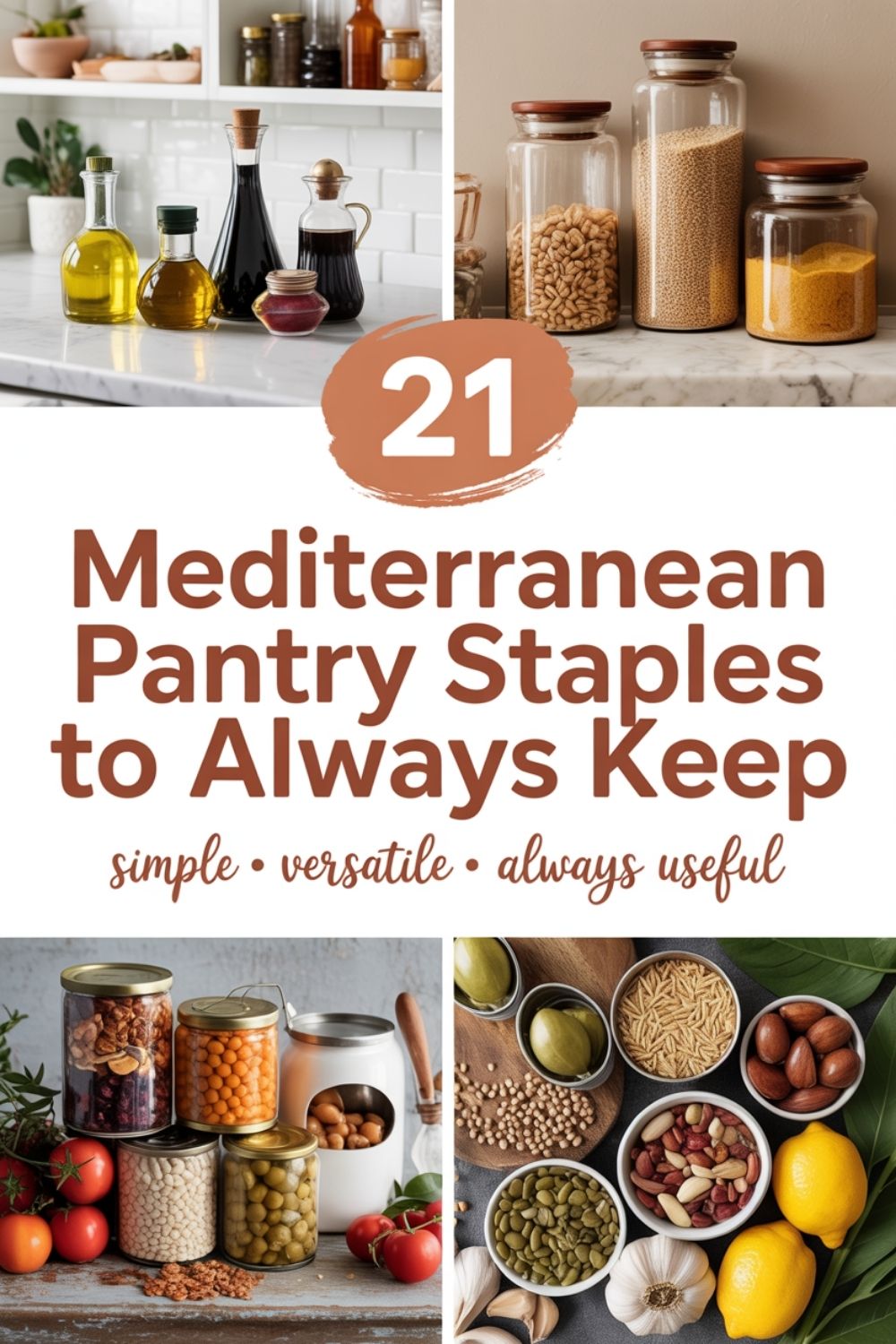
21 Mediterranean Pantry Staples to Always Keep
Look, I get it. You’re standing in your kitchen at 6 PM, stomach growling, staring at a pantry that looks like a graveyard of expired sauces and random pasta shapes you bought once and forgot about. We’ve all been there. But here’s the thing about Mediterranean cooking—it’s not about having every trendy ingredient under the sun. It’s about keeping the right staples on hand so you can throw together something delicious without spiraling into decision paralysis or ordering takeout for the third time this week.
I’ve spent years tweaking my pantry setup, and honestly? These 21 items have saved my weeknight dinners more times than I can count. No fancy cooking degree required. Just good ingredients and the common sense to keep them stocked.
Why Mediterranean Pantry Staples Actually Matter
Before we get into the list, let me tell you why this matters beyond just “eating healthy.” The Mediterranean diet has been named the world’s best diet for multiple years running, and it’s not because it’s restrictive or punishing. It’s because it works with how people actually want to eat—flavorful food that happens to be incredibly good for you.
Research shows that the Mediterranean dietary approach reduces cardiovascular disease risk, helps manage weight, and supports long-term health through its focus on plant foods, healthy fats, and whole grains. The anti-inflammatory properties alone make it worth the effort. But unlike most “diet” approaches, this one doesn’t feel like deprivation.
The secret? Having the right ingredients ready to go. When your pantry is stocked with these staples, you’re not scrambling to figure out dinner. You’re just cooking.
The Oils and Fats That Do the Heavy Lifting
1. Extra Virgin Olive Oil (The Real Deal)
This is non-negotiable. And no, that bottle you bought at the dollar store three years ago doesn’t count. You need good quality extra virgin olive oil—the kind that has a peppery bite and actually tastes like olives. I keep two bottles: one fancy one for finishing dishes and drizzling, and a slightly less expensive one for cooking.
The polyphenols in high-quality olive oil are what give it those impressive health benefits—they’re powerful antioxidants that protect your cells and reduce inflammation. Store it in a dark, cool place. Light and heat are olive oil’s enemies.
💡 Pro Tip: When shopping for olive oil, look for bottles with a harvest date (not just a “best by” date). Fresher is always better, and you want to use it within a year of harvest for maximum flavor and health benefits.
The Complete Mediterranean Pantry Guide & Recipe Collection
Struggling to know what to cook with all these ingredients? This digital cookbook includes 75+ Mediterranean recipes organized by pantry staple, plus shopping lists, meal prep guides, and a pantry organization checklist. Everything you need to master Mediterranean cooking from your own kitchen.
- 75+ tested Mediterranean recipes
- Pantry staple shopping lists by priority
- 30-day meal plan using common ingredients
- Quick reference guide for substitutions
- Printable pantry organization labels
IMO, the best kitchen investment you can make is a quality olive oil dispenser with a pour spout—it protects the oil from oxidation and makes it super easy to drizzle just the right amount without creating an oil slick on your counter.
Extra Virgin Olive Oil Gift Set – Cold Pressed Mediterranean Collection
Stop settling for mediocre olive oil. This curated set includes three premium cold-pressed extra virgin olive oils from different Mediterranean regions—each with distinct flavor profiles perfect for different uses. Includes a Greek oil for finishing, an Italian for everyday cooking, and a Spanish for dipping.
2. Tahini
If you think tahini is just for hummus, you’re missing out big time. This sesame seed paste adds creamy richness to dressings, sauces, and even baked goods. I go through a jar every couple of weeks. It’s also loaded with healthy fats, protein, and minerals like calcium and iron.
Pro tip: the oil separates and sits on top, which looks weird but is totally normal. Just stir it back in with a long spoon or butter knife. Store it in the fridge after opening to keep it fresh.
The Grains That Keep You Full
3. Whole Grain Pasta
Look, I love regular pasta as much as the next person, but whole grain pasta brings so much more to the table. More fiber, more nutrients, and it keeps you satisfied way longer. The texture is slightly nuttier, which I actually prefer now.
Keep a variety of shapes—penne for chunky sauces, spaghetti for lighter ones, and orzo for soups. And before anyone asks: yes, whole grain pasta tastes good if you don’t overcook it. Al dente is your friend.
Need some inspiration? Try making a quick Mediterranean pasta with whatever vegetables you have on hand. Get Full Recipe from our high-protein collection.
4. Farro
Farro is one of those ancient grains that sounds fancy but is actually super simple to cook. It has a chewy texture and slightly nutty flavor that works in everything from salads to soups. Plus, it’s packed with protein and fiber.
I batch-cook it on Sundays using my instant pot, then store it in the fridge for quick grain bowls throughout the week. Game changer.
Airtight Glass Food Storage Containers – 20-Piece Stackable Set
Keep your Mediterranean pantry staples fresh and organized with this complete storage solution. Crystal-clear borosilicate glass lets you see exactly what you have at a glance, while bamboo lids with silicone seals lock out moisture and pests. Includes chalkboard labels and a marker for easy identification.
5. Bulgur Wheat
This is the base for tabbouleh, but don’t stop there. Bulgur wheat cooks in like 15 minutes—literally just pour boiling water over it and let it sit. It’s the ultimate lazy person’s whole grain, and I say that with love.
Use it in place of rice, add it to soups for bulk, or make a breakfast porridge situation with cinnamon and honey. Super versatile.
💡 Quick Win: Make a big batch of cooked grains (farro, bulgur, or quinoa) on Sunday night. Store them in airtight containers in your fridge. You’ve just unlocked instant weeknight grain bowls, and your future self will thank you.
Mediterranean Anti-Inflammatory Meal Planner & Tracker
Stop guessing what to make for dinner. This interactive digital planner helps you plan your Mediterranean meals, track your pantry inventory, and monitor how you feel. Perfect for anyone following an anti-inflammatory lifestyle or just wanting to eat healthier without the stress.
- Weekly meal planning templates (digital & printable)
- Pantry inventory tracker with reorder alerts
- Inflammation symptom journal with food correlation tracker
- Auto-generated shopping lists from your meal plans
- 100+ Mediterranean recipe cards included
Looking for complete meal plans that incorporate these grains? Check out our 7-day Mediterranean high-fiber meal prep plan or explore the 30-day wellness program for comprehensive guidance.
The Legumes That Anchor Your Meals
6. Chickpeas (Garbanzo Beans)
I always keep both canned and dried chickpeas in my pantry. Canned for when I need dinner in 20 minutes, dried for when I’m feeling fancy and have time to soak them overnight. Chickpeas are protein powerhouses—perfect for making crispy roasted snacks, adding to salads, or blending into hummus.
One tip: if you’re using canned, rinse them really well. The liquid they’re packed in (aquafaba) is great for some recipes, but for most uses, you want to wash away that starchy coating.
7. Lentils (Multiple Varieties)
Red lentils, green lentils, brown lentils—they all have their place. Red lentils cook super fast and break down into a creamy texture, perfect for soups. Green and brown lentils hold their shape better, making them ideal for salads and grain bowls.
Fun fact: lentils are one of the best plant-based protein sources and they’re ridiculously cheap. They also don’t need soaking like other dried beans. Just rinse and cook.
8. White Beans (Cannellini)
These creamy white beans are my secret weapon for quick dinners. Toss them into pasta with garlic and greens. Mash them on toast with olive oil and lemon. Blend them into dips. They’re mild enough to take on whatever flavors you throw at them.
I store mine in glass jars with airtight lids so I can see what I have at a glance. Surprisingly satisfying to look at, too.
For morning inspiration using these protein-rich legumes, explore our Mediterranean high-fiber breakfast plan, which makes excellent use of beans and lentils in creative ways.
The Flavor Bombs
9. Capers
These tiny briny berries pack a serious punch. A spoonful of capers can transform a boring chicken breast or bland pasta into something that actually tastes like you tried. They’re salty, tangy, and a little bit funky in the best way.
Buy them packed in brine, not salt, unless you enjoy rinsing things for ten minutes. Store them in the fridge after opening, and they’ll last basically forever.
10. Kalamata Olives
Not all olives are created equal, and Kalamata olives are the MVPs of the olive world. They’re meaty, rich, and have this wine-forward flavor that’s hard to beat. I pit them myself using an olive pitter tool—takes seconds and saves you from biting into a pit mid-meal.
Toss them in salads, chop them into tapenade, or just eat them straight from the jar. No judgment here.
11. Sun-Dried Tomatoes
Here’s where people get it wrong: buy sun-dried tomatoes packed in olive oil, not the dry, leathery ones. The oil-packed ones are already soft, flavorful, and ready to use. Plus, you can use that flavored oil for cooking—it’s basically a two-for-one deal.
Chop them into pasta, add them to sandwiches, or blend them into dips. They add instant depth and that sweet-savory umami thing that makes food taste more expensive than it is.
12. Anchovies
I know, I know. People get weird about anchovies. But hear me out: you’re probably not going to eat them straight (though some people do). You’re going to melt them into olive oil as the base for pasta sauces, dressings, and braises. They dissolve completely and leave behind this incredible savory depth.
Buy them in jars or tins, keep them in the fridge, and try not to think too hard about what they are. Just trust the process.
💡 Pro Tip: If you’re new to cooking with anchovies, start with just one or two fillets minced into your garlic and olive oil base for pasta. They’ll melt into the sauce and add an incredible umami flavor without any fishy taste. Nobody will know they’re there, but everyone will ask what makes your pasta so good.
Speaking of flavor-packed meals, our 7-day anti-inflammation meal plan is loaded with recipes that make smart use of these Mediterranean flavor bombs to create meals that are both delicious and healing.
The Spices and Aromatics You Actually Use
13. Dried Oregano
Fresh herbs are great, but let’s be real: dried oregano is the workhorse of Mediterranean cooking. It doesn’t go bad quickly, it’s potent, and it brings that classic Mediterranean flavor to literally everything.
Buy it from a Mediterranean or Middle Eastern market if you can—it’s fresher and way cheaper than those tiny jars at the grocery store. Store it in an airtight spice jar away from light.
Authentic Mediterranean Spice & Herb Collection – 12 Premium Blends
Transform your cooking with this artisan spice collection sourced directly from Mediterranean farms. Includes za’atar, Aleppo pepper, sumac, Greek oregano, smoked paprika, cumin, and six more essential blends. Each spice comes in a magnetic tin that sticks to your fridge or included metal board for easy access and gorgeous organization.
14. Cumin
This warm, earthy spice shows up in tons of Mediterranean and Middle Eastern dishes. Cumin adds depth without heat, and it pairs beautifully with legumes, grains, and roasted vegetables.
I buy cumin seeds and grind them fresh when I remember, or just use the pre-ground stuff when I don’t. Both work fine.
15. Smoked Paprika
Regular paprika is fine, but smoked paprika is where the magic happens. It adds this subtle smokiness that makes people think you spent way more time cooking than you actually did.
Sprinkle it on roasted chickpeas, add it to tomato sauces, or dust it over hummus. It’s one of those spices that makes everything taste just a little bit better.
16. Garlic (Fresh and Granulated)
Yes, fresh garlic is superior. But also yes, granulated garlic has its place when you’re tired and can’t deal with peeling and mincing. Keep both on hand and use whichever one matches your energy level that day.
For fresh garlic, I use a garlic press that actually works—none of those flimsy ones that bend if you look at them wrong. Makes quick work of even the stickiest cloves.
The Acids That Balance Everything
17. Red Wine Vinegar
This is the vinegar you’ll reach for most often in Mediterranean cooking. It’s tangy without being harsh, and it brings brightness to dressings, marinades, and sauces. Don’t skimp on quality here—cheap red wine vinegar tastes like regret.
I also keep white wine vinegar and sherry vinegar around, but red wine is the MVP.
18. Fresh Lemons
I always have lemons in my fridge. Always. They last a decent amount of time, and you’ll be shocked how often you reach for them. Finishing a dish with a squeeze of fresh lemon juice is the easiest way to make it taste more vibrant.
Plus, the vitamin C and antioxidants in citrus fruits support your immune system and add another layer of nutritional value to your meals. Store them in your crisper drawer to keep them fresh longer.
For busy weeks when you need meals that come together fast, our anti-inflammation plan for busy women has tons of quick recipes that rely on bright, acidic ingredients like lemon to make simple ingredients shine.
The Sweeteners That Aren’t Just Sugar
19. Honey
Mediterranean cooking uses honey in both sweet and savory applications. Drizzle it over yogurt, add it to dressings for balance, or use it to caramelize roasted vegetables. Raw honey has more antioxidants and enzymes, but regular honey works fine too.
Pro tip: if your honey crystallizes, just warm the jar in a bowl of hot water. It’ll liquify right up.
20. Dates
Medjool dates are nature’s candy, and they have a permanent spot in my pantry. They’re sweet, sticky, and incredibly versatile. Blend them into smoothies, stuff them with nuts for a snack, or chop them into salads for a hit of natural sweetness.
They’re also packed with fiber, so they won’t spike your blood sugar the way refined sugar does. Store them in an airtight container in the pantry, or in the fridge if you want them to last even longer.
The Wild Card That Ties It All Together
21. Za’atar
This Middle Eastern spice blend deserves way more love than it gets. Za’atar is usually a mix of dried thyme, oregano, sumac, sesame seeds, and salt. It’s tangy, herby, and slightly nutty all at once.
Sprinkle it on everything: roasted vegetables, yogurt dips, flatbreads, even eggs. Mix it with olive oil and use it as a dip for bread. Once you start using za’atar, you’ll wonder how you lived without it.
I keep mine in a small glass jar with a shaker top so I can easily dust it over dishes right before serving.
How to Actually Use All This Stuff
Having the ingredients is one thing. Knowing what to do with them is another. Here’s my approach: I keep my most-used items at eye level in clear containers. Spices go in a drawer organized alphabetically (yes, I’m that person). Oils and vinegars stay in a cool, dark cabinet.
Every Sunday, I take 15 minutes to check what I’m low on and add it to my shopping list. Nothing fancy, just a quick inventory. This habit alone has saved me from those “we have nothing to eat” meltdowns when I’m staring at a fully stocked pantry.
Start with one meal a week that uses these ingredients. Maybe it’s a chickpea salad with lemon and olive oil, or pasta with white beans and garlic. Once you get comfortable with the basics, you’ll naturally start reaching for these ingredients more often.
The beauty of Mediterranean cooking is that it’s incredibly forgiving. You don’t need exact measurements or fancy techniques. You need good ingredients and the willingness to taste as you go. If something needs more acid, add lemon. If it needs depth, add garlic or anchovies. If it needs brightness, toss in some herbs.
💡 Pro Tip: Create a “pantry meal” rotation—five simple dishes you can make entirely from these staples without needing to shop. Mine includes lentil soup, pasta with white beans and greens, chickpea salad, grain bowls with tahini dressing, and impromptu hummus. Having these in your back pocket eliminates the “what’s for dinner” stress.
Mediterranean Kitchen Companion App
Your pantry staples are stocked—now what? This mobile app turns your ingredients into actual meals with voice-activated recipe search, smart substitution suggestions, and a “use what you have” feature that creates recipes based on what’s currently in your pantry. No more staring blankly at your shelves wondering what to make.
- Voice search: “What can I make with chickpeas and lemon?”
- Pantry scanner that tracks what you have and suggests recipes
- Cooking timers with step-by-step instructions
- Save and organize your favorite Mediterranean recipes
- Offline mode for recipes (perfect when your hands are covered in olive oil)
If you’re looking for structured guidance on building these habits, our 7-day Mediterranean clean eating plan walks you through the process step by step, with shopping lists and meal prep tips included.
Storing Your Staples Properly
Look, you can buy the best ingredients in the world, but if you store them like garbage, they’ll go bad and you’ll waste money. Here’s what actually matters:
Grains and legumes: Store them in airtight containers in a cool, dark place. They’ll last for months, sometimes over a year. I use stackable clear containers with locking lids so I can see what I have and how much is left.
Oils and vinegars: Keep them away from heat and light. That cute shelf above your stove? Terrible spot for olive oil. Instead, use a cabinet or pantry that stays relatively cool.
Spices: Buy them in small quantities because they lose potency over time. Whole spices last longer than ground ones. Store them in a drawer or cabinet—not on a rack next to your stove where heat will degrade them faster.
Nuts and seeds (including tahini): These contain oils that can go rancid. Keep opened packages in the fridge, especially in warm weather. You’ll thank me later when your nuts don’t taste like cardboard.
The Budget Reality Check
Let’s talk money for a second. Building up a Mediterranean pantry isn’t free, but it’s also not as expensive as you might think. You don’t need to buy everything at once. Start with the basics—olive oil, canned chickpeas, pasta, garlic, lemon, dried oregano—and build from there.
FYI, buying in bulk from Mediterranean or Middle Eastern markets will save you a ton of money, especially on spices, grains, and legumes. A pound of dried chickpeas costs less than three cans, and once you get into the habit of cooking from scratch, you’ll wonder why you ever paid a premium for the convenience.
Quality matters for some things (olive oil, vinegars), but for others (dried lentils, canned tomatoes), the store brand is usually fine. Spend your money where it counts and save everywhere else.
For those watching their budget, our high-fiber budget meal plan shows you exactly how to eat well on a Mediterranean diet without breaking the bank. It’s loaded with recipes that use inexpensive pantry staples in creative ways.
What About Fresh Ingredients?
Obviously, you’ll need fresh vegetables, herbs, proteins, and dairy to round out your meals. But the whole point of having these pantry staples is that they’re always there when the fridge is looking sparse. They’re your safety net.
Some weeks, I’ll have a fridge full of fresh produce and make elaborate salads and grain bowls. Other weeks, I’m scraping by on frozen spinach and whatever vegetables are still good. Both scenarios work because my pantry has my back.
Keep frozen vegetables on hand too—they’re picked at peak ripeness and frozen immediately, so they’re often more nutritious than “fresh” produce that’s been sitting around. Frozen spinach, peas, and artichokes are all Mediterranean diet staples that work beautifully in pasta dishes, soups, and stir-fries.
If you’re interested in plant-based eating, check out our Mediterranean vegan anti-inflammation plan, which relies heavily on pantry staples and shows you how to build complete meals without animal products.
Making It Work for Your Life
Here’s the thing nobody tells you about Mediterranean cooking: it’s adaptable. Got kids who won’t touch anything green? Fine. Start with pasta and chickpeas. Working crazy hours and barely have time to breathe? Cool. Keep it simple with grain bowls and canned beans.
The Mediterranean diet isn’t about perfection. It’s about consistently choosing whole, minimally processed foods that taste good and make you feel good. Some days that’s a gorgeous grain bowl with roasted vegetables and tahini dressing. Other days it’s pasta with canned tomatoes and whatever herbs didn’t die in your fridge.
I’ve been cooking this way for years, and I still have nights where dinner is scrambled eggs with feta and olives, or a can of white beans mashed on toast with olive oil and lemon. That’s the beauty of it—even the “lazy” meals are delicious and nutritious.
For those juggling family meals, our 14-day Mediterranean family meal plan offers recipes that please both adults and kids, making smart use of these pantry ingredients in ways that don’t feel restrictive or boring.
Common Mistakes to Avoid
Buying too much at once. I get the temptation to stock up, but unless you have a massive pantry, you’ll end up with expired ingredients you never used. Start small and build gradually.
Storing things wrong. I already mentioned this, but it bears repeating: heat, light, and air are the enemies of pantry staples. Invest in decent storage containers and keep things cool and dark.
Not tasting as you cook. Mediterranean cooking is all about balance—fat, acid, salt, heat. Taste your food and adjust. Add more lemon if it’s flat, more olive oil if it’s dry, more salt if it’s bland. Your taste buds are your best tool.
Buying low-quality olive oil. Seriously, this one will ruin your whole vibe. Good olive oil is worth every penny. It’s the foundation of almost every Mediterranean dish.
Letting things expire. Use a “first in, first out” system. When you buy new stuff, move the older stuff to the front. Check expiration dates occasionally and use up things before they go bad.
Frequently Asked Questions
How long do Mediterranean pantry staples actually last?
Most dried goods like pasta, grains, and legumes last 1-2 years when stored properly in airtight containers in a cool, dark place. Olive oil stays fresh for about 12-18 months from the harvest date (not the bottling date). Spices maintain their potency for about 1-2 years for ground spices and 2-3 years for whole spices. Canned goods are good for years, but quality starts declining after about 2 years. Always check for off smells or flavors before using anything that’s been sitting for a while.
Can I substitute regular pasta for whole grain pasta in Mediterranean recipes?
Absolutely, yes. While whole grain pasta offers more fiber and nutrients, regular pasta is still part of traditional Mediterranean eating. The key is portion control and what you pair it with—load it up with vegetables, healthy fats like olive oil, and lean proteins or legumes. If you’re transitioning, try mixing half whole grain and half regular pasta until your palate adjusts to the nuttier texture.
What’s the best way to organize a Mediterranean pantry for easy cooking?
Keep your most-used items at eye level and within easy reach—olive oil, garlic, canned tomatoes, pasta, and your go-to spices. Group similar items together: all grains in one area, all legumes in another, all canned goods together. Use clear, airtight containers so you can see what you have at a glance and know when you’re running low. I also recommend keeping a running grocery list on your phone or fridge so you can immediately jot down anything you use up.
Are canned chickpeas as healthy as dried ones I cook myself?
Nutritionally, they’re very similar. Canned chickpeas are just as nutritious as dried ones you cook yourself—they’re just pre-cooked for convenience. The main differences are that canned versions have added sodium (which you can reduce by rinsing them thoroughly) and they cost more per serving. Dried chickpeas are cheaper and give you more control over texture, but canned ones are perfect for weeknight cooking when you don’t have time to soak and simmer beans for hours.
Do I really need all 21 staples to start eating Mediterranean-style?
No way. Start with the core essentials: extra virgin olive oil, garlic, lemons, canned chickpeas or white beans, whole grain pasta, dried oregano, and red wine vinegar. That’s seven items that’ll get you through dozens of meals. Add other staples gradually as you find recipes you want to try. Building your pantry is a process, not a one-time shopping trip. Focus on the ingredients you’ll actually use based on the meals you realistically cook.
The Real Reason This Matters
Look, I could sit here and lecture you about heart health and inflammation and longevity. And yeah, those things matter. The Mediterranean diet is backed by decades of research showing real health benefits—reduced risk of heart disease, better cognitive function, healthier aging.
But the honest reason I cook this way? It makes me feel good. Not in some abstract “I’m being healthy” way, but in a tangible “I have energy and I’m not starving two hours after eating” way. The food tastes amazing, I don’t feel deprived, and I actually enjoy cooking because I’m working with quality ingredients that do most of the heavy lifting for me.
Having these staples on hand means I’m not scrambling to figure out what’s for dinner every night. I’m not ordering expensive takeout because I “have nothing to eat.” I’m not eating sad desk salads that leave me unsatisfied and reaching for snacks an hour later.
I’m eating real food that tastes good and happens to be incredibly good for me. That’s the whole point.
If you’re dealing with inflammation or digestive issues, our 7-day anti-inflammatory smoothie meals plan incorporates many of these ingredients in an easy-to-digest format. For bloating specifically, the Mediterranean anti-bloat plan focuses on gut-friendly combinations of these pantry staples.
Your Action Plan
Don’t overthink this. Pick five items from this list that you don’t currently have. Buy them this week. Cook one meal using those ingredients. See how it goes.
Next week, add a few more items. Try another recipe. Keep building slowly until you have a well-stocked pantry that supports the way you actually want to eat.
The goal isn’t to transform your entire kitchen overnight. The goal is to make small, sustainable changes that stick. Every time you choose olive oil over vegetable oil, or whole grain pasta over refined, or chickpeas over processed snacks, you’re moving in the right direction.
And here’s the best part: once these ingredients become your new normal, you won’t have to think about it anymore. You’ll automatically reach for the olive oil. You’ll instinctively grab the lentils when you need a quick protein. Your default dinner will shift from something processed and forgettable to something fresh and satisfying.
That’s when you know it’s working. Not when you’re white-knuckling your way through some restrictive diet plan, but when healthy eating becomes the path of least resistance.
💡 Quick Win: This week, make just ONE pantry-based Mediterranean meal. Try pasta with white beans, garlic, and greens. Or a chickpea salad with lemon and olive oil. Or a simple grain bowl with farro, roasted vegetables, and tahini dressing. Pick the one that sounds easiest and just do it. You’ll see how simple this really is.
Final Thoughts
Mediterranean eating gets hyped a lot, and honestly? It deserves it. But not because it’s some magical cure-all or because you need to eat exactly like someone in coastal Greece. It works because it’s built on principles that make sense: eat mostly plants, use good fats, don’t overthink it, and enjoy your food.
These 21 pantry staples give you the building blocks to cook that way without spending your entire paycheck at specialty stores or dedicating your whole Sunday to meal prep. They’re ingredients you’ll use over and over again, in countless combinations, for years.
Start where you are. Use what you have. Add what makes sense for your life. There’s no perfect way to do this, only your way. And trust me, once you get into the rhythm of cooking with these ingredients, you’ll wonder how you ever ate any other way.
Now go stock that pantry and make yourself something delicious. You’ve got this.