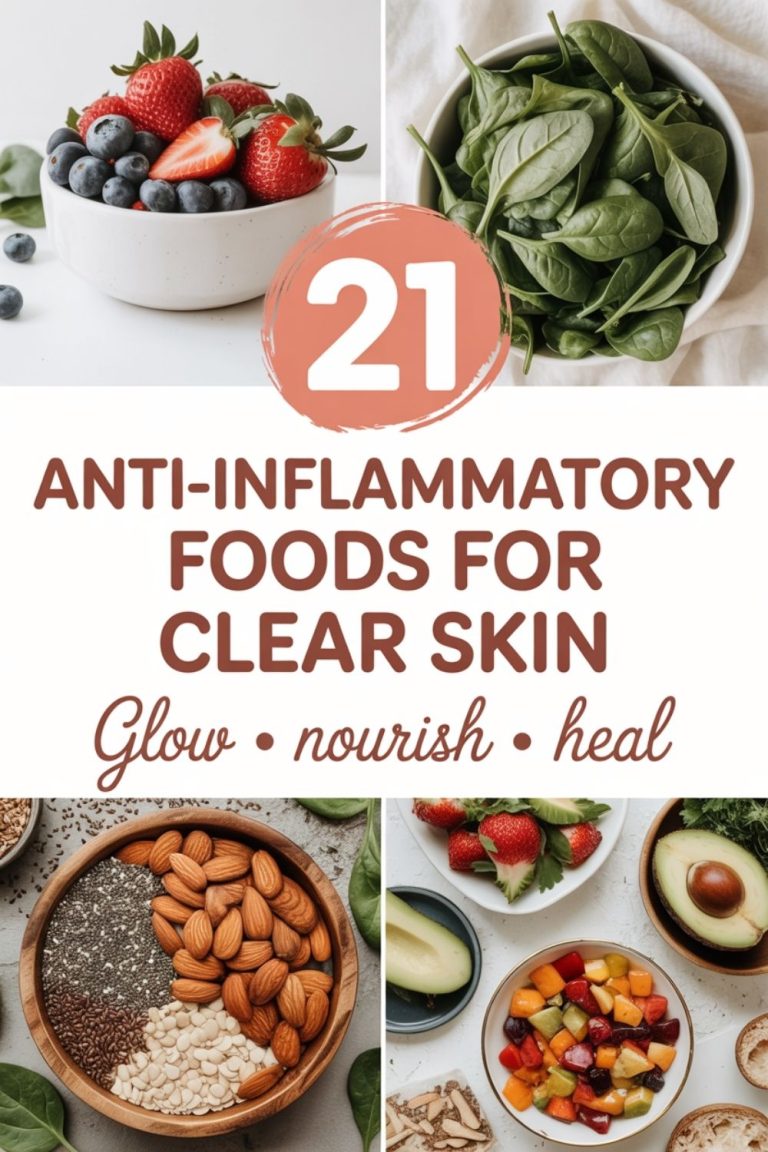
21 Anti-Inflammation Foods to Help You Sleep
Ever notice how a night of tossing and turning follows that greasy takeout dinner? Turns out your body’s been trying to tell you something all along.
Look, I’m not going to pretend I’ve always eaten like some wellness guru. There’ve been plenty of nights where pizza won over sleep quality. But here’s the thing—after years of dragging through mornings and fighting afternoon crashes, I finally started connecting the dots between what I ate and how I slept.
The science is pretty clear on this: inflammation messes with your sleep quality, and certain foods either fuel that fire or put it out. We’re not talking about some trendy diet here. This is about eating foods that actually let your body do what it’s supposed to do at night—repair, reset, and get you ready for tomorrow.

Why Your Sleep and Inflammation Are BFFs (or Enemies)
Before we jump into the food list, you need to understand something: inflammation isn’t always the villain. When you cut your finger or catch a cold, inflammation is actually your body’s security team rushing to the scene. Pretty cool, right?
The problem starts when that security team never clocks out. Chronic inflammation is like having an alarm system that won’t shut off—it’s exhausting for your body and absolutely murders your sleep quality.
Here’s where it gets interesting. Research shows that anti-inflammatory diets can genuinely improve sleep quality by calming down those overactive inflammatory pathways. Think of anti-inflammatory foods as the off-switch your body’s been looking for.
💡 Pro Tip: Don’t try to overhaul your entire diet overnight. Start by adding just two or three anti-inflammatory foods to your regular meals this week. Your body (and your sleep) will thank you.
🎯 The Complete Anti-Inflammatory Meal Planning Bundle
Struggling to plan anti-inflammatory meals week after week? This comprehensive digital bundle includes 90+ done-for-you Mediterranean anti-inflammatory recipes, complete weekly meal plans, shopping lists, and a meal prep guide. Each recipe is designed to fight inflammation while supporting better sleep quality.
What’s Inside:
- 30-day progressive meal plan with all 21 anti-inflammatory foods
- Printable grocery lists organized by store section
- Batch cooking guide to save 5+ hours per week
- Inflammation tracker to monitor your progress
The 21 Anti-Inflammation All-Stars
1. Fatty Fish (Salmon, Mackerel, Sardines)
If there’s one food that deserves a standing ovation for fighting inflammation, it’s fatty fish. We’re talking about salmon, mackerel, sardines—basically anything swimming around with omega-3 fatty acids.
These omega-3s (EPA and DHA, if you want to get technical) work like tiny firefighters in your bloodstream, putting out inflammatory hotspots. Plus, they help your brain produce melatonin, which is basically nature’s sleep medication.
I usually grab wild-caught salmon twice a week. Yeah, it’s pricier than the farmed stuff, but the omega-3 content is worth it. If you’re cooking for one like me, these individual vacuum-sealed portions are a game-changer—no waste, perfect serving size.
Premium Cold-Pressed Extra Virgin Olive Oil Set
This isn’t your supermarket olive oil. First cold-press Mediterranean olive oil from a single estate in Greece, packed with polyphenols and that peppery bite that tells you it’s the real deal. Comes in UV-protected dark glass bottles with pour spouts.
Perfect for: Daily cooking, salad dressings, finishing dishes
Check Current Price2. Blueberries
Blueberries are basically tiny purple warriors against inflammation. They’re loaded with anthocyanins—those are the compounds that give them that deep blue color and also happen to be incredibly anti-inflammatory.
The sleep connection? Blueberries contain natural melatonin and can help regulate your circadian rhythm. Toss a handful into your morning smoothie or evening yogurt. Speaking of smoothies, if you’re looking for more breakfast inspiration, check out this 7-day anti-inflammatory smoothie meals plan.
3. Turmeric
Okay, turmeric is having a moment, and for once, the hype is deserved. The active compound curcumin is one of the most powerful anti-inflammatory agents you can eat. Studies show it rivals some anti-inflammatory medications—minus the side effects.
Here’s the catch: curcumin isn’t easily absorbed by itself. You need to pair it with black pepper (specifically the piperine in black pepper) to boost absorption by up to 2,000%. I keep this turmeric-black pepper blend next to my stove and add it to basically everything—scrambled eggs, roasted vegetables, even my evening golden milk.
Organic Turmeric Curcumin Supplement with BioPerine
For those nights when cooking isn’t happening. These capsules deliver 1500mg of organic turmeric with 95% curcuminoids PLUS black pepper extract for maximum absorption. Third-party tested, no fillers, vegan-friendly. I take one with dinner on crazy-busy days.
Why it works: Standardized curcumin content ensures consistent anti-inflammatory benefits
View on Amazon“I started adding turmeric to my dinner routine about three months ago, and honestly? I’m sleeping through the night for the first time in years. It wasn’t instant, but somewhere around week two, I noticed I wasn’t waking up at 3 AM anymore.” — Rachel M., from our community
4. Leafy Greens (Kale, Spinach, Collards)
I know, I know—everyone says eat your greens. But hear me out. Leafy greens like kale, spinach, and collard greens are packed with antioxidants and vitamin E, both of which protect your cells from inflammatory damage.
They’re also loaded with magnesium, which is crucial for sleep. Magnesium helps activate your parasympathetic nervous system—the part that tells your body it’s safe to relax and sleep.
Not a fan of plain salads? Neither am I. I usually sauté spinach with garlic in this cast iron skillet that makes everything taste better. Or blend it into smoothies where you honestly can’t even taste it. Need more meal ideas? This 7-day Mediterranean high-fiber meal prep plan has some killer green-heavy recipes.
5. Walnuts
Walnuts are one of the few plant sources that pack a serious omega-3 punch. They’re also rich in melatonin—yes, actual melatonin naturally occurs in walnuts. A handful before bed isn’t just a snack; it’s basically sleep insurance.
The anti-inflammatory effects come from both the omega-3s and the polyphenols in the papery skin. Don’t peel them off even though they taste a bit bitter—that’s where the good stuff lives.
6. Extra Virgin Olive Oil
Research has shown that diets rich in healthy fats like olive oil are associated with better sleep quality. Extra virgin olive oil contains oleocanthal, a compound with anti-inflammatory effects similar to ibuprofen. Pretty wild, right?
Here’s the thing though: not all olive oils are created equal. You want the good stuff—cold-pressed, extra virgin, ideally in a dark bottle to protect it from light. I drizzle it on everything from salads to roasted vegetables. Pro tip: this oil dispenser helps you control portions and keeps oxygen out so it stays fresh longer.
7. Cherries
Tart cherries are nature’s sleep hack. They’re one of the few natural food sources of melatonin, and studies have shown that drinking tart cherry juice can increase sleep time and quality.
Beyond the melatonin, cherries are loaded with anthocyanins and other antioxidants that fight inflammation. I keep a bag of frozen tart cherries in my freezer year-round—they’re perfect for smoothies or just eating straight up as a late-night snack.
If you’re into meal planning, the 30-day anti-inflammation challenge includes several cherry-based recipes that make it easy to incorporate them regularly.
8. Tomatoes
Tomatoes are packed with lycopene, a powerful antioxidant that’s particularly effective at fighting inflammation. Fun fact: cooking tomatoes actually increases the bioavailability of lycopene, so that marinara sauce is doing more than just tasting good.
Vitamin C in tomatoes also helps regulate cortisol levels, and lower cortisol at night means better sleep. I usually roast cherry tomatoes with olive oil and garlic—takes ten minutes and tastes like you spent way more effort.
9. Ginger
Ginger has been used in traditional medicine for centuries, and modern science backs up why. The gingerols and shogaols in fresh ginger are potent anti-inflammatory compounds that can help reduce inflammatory markers in your body.
I grate fresh ginger into my evening tea using this micro-plane grater—way easier than chopping, and you get that intense ginger flavor without the chunks. Pair it with turmeric and a bit of honey for a sleep-friendly anti-inflammatory drink.
💡 Quick Win: Prep a week’s worth of ginger-turmeric tea concentrate on Sunday. Store it in the fridge, then just add hot water each evening. Five minutes of prep, seven nights of anti-inflammatory goodness.
10. Dark Chocolate
Yes, chocolate made the list. Life is worth living. Dark chocolate (70% cacao or higher) contains flavonoids that reduce inflammation and improve blood flow. The catch? It also has caffeine, so timing matters.
I have a couple squares around 3 PM—early enough that the minimal caffeine won’t mess with my sleep, but late enough to kill that afternoon sweet tooth. Look for dark chocolate with minimal added sugar and at least 70% cacao content.
11. Green Tea
Green tea is loaded with EGCG (epigallocatechin gallate), one of the most powerful anti-inflammatory compounds you can consume. It also contains L-theanine, an amino acid that promotes relaxation without sedation.
Here’s my routine: regular green tea in the morning (it does have caffeine), and decaf green tea in the evening. The decaf still has all the anti-inflammatory benefits without keeping you up.
12. Avocados
Avocados are inflammation-fighting powerhouses thanks to their healthy monounsaturated fats and various carotenoids and tocopherols. They’re also rich in magnesium and potassium, both crucial for quality sleep.
I usually have half an avocado with breakfast—mashed on whole-grain toast with a sprinkle of hemp seeds. The healthy fats keep me full until lunch and start the day on an anti-inflammatory note. For more breakfast ideas using avocados, Get Full Recipe from the Mediterranean high-fiber breakfast plan.
13. Bell Peppers
Bell peppers, especially the red ones, are vitamin C champions. One red bell pepper has more vitamin C than an orange, and vitamin C is a powerful antioxidant that fights inflammation.
The quercetin in bell peppers also has anti-inflammatory properties. I roast them with olive oil and add them to salads, omelets, or just eat them as a snack. They’re sweet enough that even veggie-skeptical people usually like them.
14. Garlic
Garlic contains sulfur compounds that give it both that pungent smell and impressive anti-inflammatory effects. The compound diallyl disulfide works to limit the effects of pro-inflammatory cytokines.
Fresh garlic is way more potent than the jarred stuff. I use this garlic press that actually gets all the garlic out without leaving half of it stuck inside. IMO, it’s the small kitchen tools that make healthy eating sustainable.
15. Beans and Legumes
Beans, lentils, chickpeas—they’re all fiber-rich anti-inflammatory superstars. The fiber feeds your gut bacteria, which produce anti-inflammatory compounds like butyrate.
Gut health and sleep are more connected than most people realize. A healthy gut microbiome produces neurotransmitters like serotonin, which gets converted to melatonin. So yeah, beans literally help you sleep.
Not into spending hours soaking and cooking dried beans? Same. I keep canned beans stocked and just rinse them well. The 14-day high-fiber budget meal plan has some surprisingly delicious bean-based recipes that don’t taste like you’re eating health food.
16. Strawberries
Strawberries are packed with antioxidants and anti-inflammatory compounds, particularly anthocyanins and ellagic acid. They’re also relatively high in vitamin C and manganese.
The natural sugars in strawberries can help regulate blood sugar levels throughout the night—no 3 AM wake-ups from blood sugar crashes. I keep frozen organic strawberries on hand for smoothies and as a quick dessert with a dollop of Greek yogurt.
17. Sweet Potatoes
Sweet potatoes are loaded with beta-carotene and anthocyanins (especially the purple varieties), both potent anti-inflammatory compounds. They’re also complex carbohydrates that help produce serotonin.
Evening carbs get a bad rap, but here’s the truth: complex carbs at dinner can actually improve sleep quality by increasing tryptophan availability to your brain. I usually roast sweet potato wedges with olive oil and paprika using this silicone baking mat—nothing sticks, and cleanup is basically nonexistent.
“I was skeptical about the whole ‘food affects sleep’ thing until I started eating more anti-inflammatory dinners. Added sweet potatoes to my rotation three nights a week, and I swear I’m sleeping deeper. Not a scientist, but I’m also not arguing with results.” — Tom K., community member
18. Almonds
Almonds are rich in vitamin E and magnesium—both crucial for fighting inflammation and promoting quality sleep. Just a handful provides about 19% of your daily magnesium needs.
I keep a small container of raw almonds in my desk drawer for that 4 PM slump. The combination of healthy fats, protein, and magnesium provides steady energy without the crash. For snack ideas that pair well with almonds, check out the 7-day gut-healing Mediterranean menu.
19. Pineapple
Pineapple contains bromelain, an enzyme with impressive anti-inflammatory properties. Bromelain is particularly good at reducing inflammation in the sinuses and joints.
Fresh pineapple has more bromelain than canned, but honestly, I use both. The convenience of canned pineapple (in its own juice, not syrup) wins on busy weeknights. Throw it in stir-fries, smoothies, or just eat it straight from the container.
20. Mushrooms
Mushrooms—especially varieties like shiitake, maitake, and lion’s mane—contain polysaccharides and other compounds with strong anti-inflammatory effects. They’re also one of the few plant sources of vitamin D.
Vitamin D deficiency has been linked to sleep disorders, so getting it through food is clutch. I sauté mushrooms in butter and garlic, then add them to eggs, pasta, or just eat them as a side.
21. Cinnamon
Cinnamon is loaded with polyphenols and other antioxidants that fight inflammation. It also helps regulate blood sugar, which prevents those middle-of-the-night wake-ups caused by blood sugar crashes.
I add cinnamon to pretty much everything—coffee, oatmeal, smoothies, even roasted vegetables. It’s one of those spices that adds flavor without any effort. Keep this Ceylon cinnamon on hand—it’s the “true” cinnamon with more antioxidants and a sweeter flavor than the common Cassia variety.
Organic Tart Cherry Juice Concentrate
This concentrate is basically liquid melatonin from Montmorency tart cherries—the variety with the highest melatonin content. Mix 2 tablespoons with water 30-60 minutes before bed. One bottle lasts about a month, and the difference in sleep quality is honestly shocking.
Bonus benefit: Reduces post-workout inflammation and muscle soreness
Get It HereNeed a structured way to incorporate these foods? The 7-day Mediterranean anti-inflammation meal plan rotates through most of these ingredients naturally, making it stupid easy to eat anti-inflammatory without thinking too hard about it.
How to Actually Use This Information (Without Losing Your Mind)
Look, reading a list of 21 foods is one thing. Actually changing your eating habits? That’s where most people face-plant. Let me give you the realistic version of how to do this.
Start small. Don’t try to eat all 21 foods this week. Pick three—maybe fatty fish, leafy greens, and berries. Add them to meals you’re already making. That’s it. No need to reinvent your entire diet overnight.
Once those three become normal, add another two. Then another two. Six months from now, you’ll be eating most of these foods regularly without even thinking about it.
💡 Pro Tip: Meal prep one anti-inflammatory ingredient each Sunday. Roast a bunch of vegetables, cook a batch of quinoa, or bake some salmon. Having one or two components ready makes throwing together anti-inflammatory meals during the week almost too easy.
Focus on addition, not restriction. Instead of thinking “I need to cut out inflammatory foods,” think “I’m adding more anti-inflammatory foods.” It’s a mental shift that makes a huge difference. When you fill up on the good stuff, there’s less room for the inflammatory junk anyway.
Speaking of complete meal plans that do the thinking for you, the 14-day Mediterranean weight loss plan and the 30-day Mediterranean wellness plan both emphasize anti-inflammatory foods while keeping things interesting enough that you won’t get bored.
The Timing Question Nobody Talks About
Here’s something interesting: when you eat matters almost as much as what you eat for sleep quality. You can eat all the anti-inflammatory foods in the world, but if you’re eating a massive meal right before bed, your sleep will suffer.
Studies suggest that diet quality and timing both influence sleep outcomes. Your digestive system needs time to do its thing before you try to sleep. Ideally, finish eating about 2-3 hours before bed.
That said, going to bed hungry also sucks for sleep. If you need something late, stick to light anti-inflammatory options: a small handful of walnuts, some tart cherry juice, or Greek yogurt with berries.
What About the Foods You Should Avoid?
Let’s be real for a second. Anti-inflammatory foods only get you halfway there. If you’re still pounding pro-inflammatory foods regularly, you’re basically running on a treadmill—lots of effort, no forward progress.
The biggest inflammatory culprits:
- Refined sugars and carbs: White bread, pastries, sugary drinks—they spike blood sugar and trigger inflammatory responses.
- Trans fats: Found in many fried foods and baked goods. Just avoid them entirely.
- Processed meats: Bacon, sausage, deli meats—delicious but inflammatory.
- Excessive alcohol: A drink or two might help you fall asleep, but it ruins sleep quality and promotes inflammation.
- Refined seed oils: Vegetable oil, corn oil, soybean oil used in most processed foods.
You don’t need to be perfect. But being aware helps you make better choices most of the time, which is honestly all that matters.
Looking for anti-inflammatory options that fit specific dietary needs? The 7-day Mediterranean vegan anti-inflammation plan and 14-day Mediterranean high-protein anti-inflammatory plan offer different approaches while keeping inflammation in check.
Beyond Food: The Sleep Hygiene Piece
Alright, I need to address the elephant in the room. Anti-inflammatory foods are powerful, but they’re not magic. If you’re eating perfectly but staying up until 2 AM scrolling Instagram, your sleep is still going to be trash.
Think of anti-inflammatory eating as one pillar of good sleep. The other pillars matter too:
- Consistent sleep schedule: Same bedtime and wake time, even on weekends. Your body loves routine.
- Dark, cool bedroom: Like cave conditions—dark, quiet, slightly cool.
- Limited screen time before bed: Blue light messes with melatonin production. I use these blue light blocking glasses if I have to look at screens in the evening.
- Regular exercise: But not too close to bedtime. Morning or afternoon workouts are best for sleep.
- Stress management: Whether it’s meditation, journaling, or just deep breathing—find something that works.
The 7-day anti-inflammation plan for busy women includes not just meal plans but also sleep hygiene tips that actually fit into a hectic schedule.
Quick Anti-Inflammatory Meal Ideas
Theory is great, but practical examples are better. Here are some simple anti-inflammatory meals that support good sleep:
Breakfast:
- Greek yogurt with blueberries, walnuts, and a drizzle of honey
- Scrambled eggs with spinach, tomatoes, and avocado
- Overnight oats with chia seeds, strawberries, and cinnamon
For more morning ideas, the 7-day Mediterranean high-fiber breakfast plan is solid. Get Full Recipe for those overnight oats if you want exact proportions.
Lunch:
- Salmon salad with mixed greens, cherry tomatoes, and olive oil dressing
- Lentil soup with carrots, celery, and plenty of garlic
- Quinoa bowl with roasted vegetables and tahini drizzle
Dinner:
- Baked salmon with roasted sweet potato and sautéed kale
- Stir-fried mushrooms and bell peppers over brown rice
- White bean and vegetable stew with crusty whole-grain bread
The key is keeping it simple. You don’t need fancy recipes or exotic ingredients. Most anti-inflammatory meals are just real, whole foods cooked simply.
For complete meal plans with grocery lists and prep instructions, the 14-day anti-inflammatory eating plan for women takes all the guesswork out. Everything’s already planned, portioned, and designed to reduce inflammation while improving sleep.
Supplements vs. Food: The Honest Truth
People always ask me about supplements. “Can’t I just take turmeric pills instead of cooking with it?” Technically, yes. Realistically? Food is better.
Here’s why: Whole foods contain hundreds of compounds that work synergistically. When you eat salmon, you’re not just getting omega-3s—you’re getting protein, selenium, B vitamins, and other nutrients that all work together. A fish oil pill gives you omega-3s and nothing else.
That said, I’m not anti-supplement. Some people genuinely need them due to dietary restrictions or absorption issues. But supplements should supplement an already solid diet, not replace it.
If you’re going to supplement anything for inflammation and sleep, the research is strongest for:
- Omega-3s: If you don’t eat fatty fish regularly
- Magnesium: Many people are deficient, and it’s crucial for sleep
- Vitamin D: Especially if you live somewhere with limited sunlight
Always check with your doctor before starting supplements, especially if you’re on medications.
Tracking Your Progress (Without Being Weird About It)
Look, I’m not suggesting you obsessively log every blueberry. But some basic tracking helps you connect the dots between what you eat and how you sleep.
I keep it dead simple: a notes app on my phone where I jot down what I ate for dinner and how I slept that night. After a few weeks, patterns emerge. Maybe you notice that beans at dinner help you sleep better, or that eating late consistently ruins your sleep quality.
Things worth noting:
- General meal composition at dinner
- Time you finished eating
- Sleep quality (just rate it 1-10, nothing fancy)
- How many times you woke up
- How you felt in the morning
Do this for a month and you’ll have real data about what works for YOUR body. Because here’s the thing—we’re all different. Some people thrive on higher carb dinners; others sleep better with more protein and fat. The food lists give you options; tracking helps you personalize.
💡 Quick Win: Set a phone reminder for 9 PM to check in with yourself. “Did I eat anti-inflammatory foods today? When did I finish my last meal?” Two questions, ten seconds. Keeps you mindful without being obsessive.
Making It Sustainable (The Real Challenge)
Anyone can eat perfectly for a week. The real challenge is making anti-inflammatory eating sustainable for months and years. Because that’s when the magic happens—chronic inflammation doesn’t reverse overnight.
Here’s what’s worked for me:
Don’t aim for perfection. Aim for consistency. If you eat anti-inflammatory foods 80% of the time, you’ll see results. That other 20%? Live your life. Have the pizza. Enjoy the birthday cake. The goal is overall patterns, not perfection.
Build habits, not rules. Rules feel restrictive and make you want to rebel. Habits just become what you do. My habit is having berries with breakfast every morning. I don’t think about it; I just do it. Find a few easy anti-inflammatory habits and make them automatic.
Keep it interesting. If you’re eating the same five foods every week, you’ll burn out. Rotate through different options from the list. Try new recipes. The 14-day Mediterranean family meal plan keeps things varied enough that nobody gets bored, kids included.
Prep when you have energy. I meal prep on Sunday afternoons when I’m not exhausted. Weeknight me is grateful when there’s already roasted vegetables in the fridge and cooked quinoa ready to go. FYI, these glass meal prep containers are worth every penny—they go from fridge to microwave without weird plastic chemicals leaching into your food.
📊 Sleep & Inflammation Tracker App
Want to see exactly how food affects YOUR sleep? This specialized tracking app lets you log meals, sleep quality, and inflammation symptoms in one place. The AI-powered insights help you identify which anti-inflammatory foods work best for your body within just 2 weeks.
Key Features:
- Daily food & sleep quality logging (takes under 60 seconds)
- Personalized inflammation score based on your symptoms
- Pattern recognition that shows food-sleep connections
- Built-in Mediterranean anti-inflammatory food database
- Weekly progress reports with actionable recommendations
The Social Eating Dilemma
Real talk: eating anti-inflammatory gets tricky when you’re social. Dinner parties, restaurants, family gatherings—not exactly anti-inflammatory food paradise, right?
Here’s my approach: I don’t make it a thing. I eat the anti-inflammatory options when they’re available and don’t stress when they’re not. If I’m at a restaurant, I’ll choose the salmon over the fried chicken, load up on vegetable sides, and call it good enough.
At family dinners, I bring a dish I know fits the bill—usually a big salad or roasted vegetables. That way I know there’s at least one option, and I’m contributing rather than being that person who can’t eat anything.
The key is not being rigid about it. Social connections and enjoying meals with people you care about matter for overall health too. Find the balance that works for you.
When to Expect Results
Everyone wants to know: “How fast will this improve my sleep?” And I get it—when you’re exhausted, you want results yesterday.
The honest answer: it depends. Some people notice better sleep within a week or two. For others, it takes a month or more. Chronic inflammation built up over years doesn’t reverse in days.
What you might notice first:
- Less morning grogginess (usually week 1-2)
- Fewer middle-of-the-night wake-ups (week 2-3)
- Falling asleep faster (week 2-4)
- Deeper, more restorative sleep (week 3-6)
- Better overall energy (week 4-8)
Be patient with the process. Keep a sleep log so you can actually see the improvements—they happen gradually, and it’s easy to miss them without tracking.
Looking for a structured challenge to commit to? The 30-day high-fiber anti-inflammation program gives you a clear timeline and daily guidance to see real results.
📘 The Mediterranean Anti-Inflammatory Recipe Ebook Collection
Over 150 chef-tested Mediterranean recipes specifically designed to reduce inflammation and improve sleep quality. Each recipe includes complete nutrition info, prep time, and anti-inflammatory score. Perfect for anyone who wants variety without the guesswork.
What Makes It Special:
- Recipes organized by inflammation-fighting power (mild, moderate, strong)
- 50+ quick dinners ready in under 30 minutes
- Sleep-optimized evening meals with timing guidance
- Substitution guide for common allergens and preferences
- Bonus: 14-day quick-start meal plan included
- Searchable PDF format works on any device
Frequently Asked Questions
Can anti-inflammatory foods really improve sleep that much?
Absolutely. Chronic inflammation interferes with sleep-regulating hormones like melatonin and disrupts your circadian rhythm. By reducing inflammation through diet, you’re addressing one of the root causes of poor sleep rather than just treating symptoms. Most people notice improvements within 2-4 weeks of consistent anti-inflammatory eating.
Do I have to eat all 21 foods regularly?
Not at all. Think of this list as options, not requirements. Start by incorporating 5-7 of these foods into your regular rotation and build from there. The key is variety and consistency over time, not trying to eat everything at once.
How long before bed should I stop eating?
Aim to finish your last meal 2-3 hours before bedtime. This gives your digestive system time to do the heavy lifting before you try to sleep. If you’re genuinely hungry closer to bedtime, stick with light options like a small handful of walnuts or some tart cherry juice.
Are frozen versions of these foods as effective as fresh?
In most cases, yes. Frozen berries, vegetables, and fish are often frozen at peak freshness and retain their anti-inflammatory properties. Sometimes they’re actually more nutritious than “fresh” produce that’s been sitting around for weeks. Buy what fits your budget and lifestyle.
Will I see other health benefits beyond better sleep?
Definitely. Reducing chronic inflammation impacts your entire body. Many people report improved energy levels, better digestion, clearer skin, reduced joint pain, better mood, and easier weight management. Better sleep is often just the most noticeable benefit first.
The Bottom Line
Here’s what it comes down to: food is information for your body. Every meal you eat sends signals—either inflammatory or anti-inflammatory. Over time, those signals shape your health, your energy, and yes, your sleep quality.
You don’t need to be perfect. You don’t need to eat like some wellness influencer. You just need to consistently choose more anti-inflammatory foods than inflammatory ones. Add some salmon, toss berries in your breakfast, cook with olive oil instead of vegetable oil, load up on vegetables. Small choices compound over time.
Your sleep matters. It affects everything—your mood, your productivity, your relationships, your physical health. If tweaking what you eat can help you sleep better, why wouldn’t you give it a shot?
Start with one or two foods from this list. Add them to meals you’re already making. Notice how you feel. Then add a couple more. Six months from now, anti-inflammatory eating will just be what you do, and you’ll probably be sleeping better than you have in years.
Worth it? I’d say so. Your future well-rested self will thank you.