18 Mediterranean One-Pan Meals (Easy!)
Look, I’ll be honest with you—I spent years thinking Mediterranean cooking was all about fancy ingredients and multiple pots simmering on the stove. Then I discovered the magic of one-pan Mediterranean meals, and everything changed. We’re talking about bold flavors, minimal cleanup, and dinner on the table faster than you can say “I’m too tired to cook.”
The Mediterranean diet isn’t just some trendy eating plan your yoga instructor mentioned. Research consistently shows it’s effective in reducing cardiovascular disease risk and overall mortality. But here’s the thing—you don’t need to complicate it. One pan, some quality ingredients, and you’re golden.
These 18 recipes are going to save your weeknight sanity. They’re the kind of meals where you toss everything on a sheet pan or into a skillet, let the oven or stovetop do its thing, and walk away with minimal babysitting required. No juggling five different pots. No sink full of dishes mocking you after dinner.

Why One-Pan Mediterranean Cooking Actually Makes Sense
Here’s what nobody tells you about traditional Mediterranean cooking—it was already pretty practical. These weren’t elaborate multi-course affairs for everyday meals. People worked hard, came home hungry, and needed to feed their families without turning their kitchens into disaster zones.
One-pan cooking fits perfectly into this philosophy. You’re maximizing flavor while minimizing effort, which is basically the entire point of Mediterranean cuisine. Plus, when everything cooks together, the flavors meld in ways that separate components just can’t achieve. That chicken fat rendering into the vegetables? The herbs infusing everything around them? That’s not laziness—that’s strategic deliciousness.
According to Mayo Clinic, this eating pattern emphasizes healthy fats, whole grains, fruits, vegetables, beans, nuts and seeds—all ingredients that work beautifully in one-pan preparations. And since we’re being real here, anything that gets more vegetables into your diet without you feeling like you’re forcing it down is a win.
The Mediterranean Pantry Essentials You Actually Need
Before we get into the recipes, let’s talk about what you should have on hand. I’m not going to give you some exhaustive list of 47 ingredients. That’s overwhelming and honestly unnecessary.
Extra virgin olive oil is your workhorse here. Get a decent one—not the $50 bottle, but not the $4 one either. Something in the middle that you won’t feel guilty using generously. Garlic, lemons, and fresh herbs (especially oregano, thyme, and parsley) are your flavor powerhouses.
Keep canned chickpeas, white beans, and diced tomatoes in your pantry. These are lifesavers when you need to bulk up a meal. Olives, capers, and sun-dried tomatoes add that briny, umami punch that makes Mediterranean food taste, well, Mediterranean.
For proteins, you’ll want chicken thighs (more forgiving than breasts), good quality white fish, and occasionally lamb if you’re feeling fancy. Shrimp works great too—cooks fast and absorbs flavors like a champ.
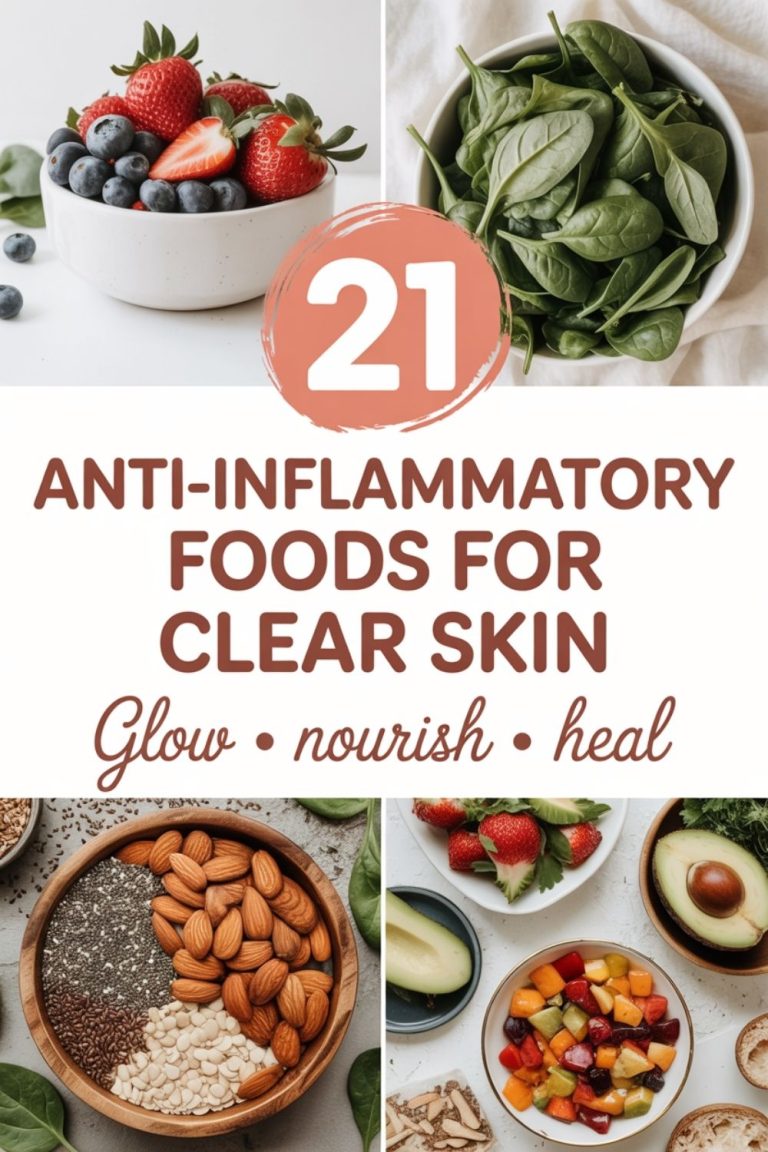
Speaking of flavors, the Mediterranean diet delivers major anti-inflammatory benefits through its combination of good fats from olive oil and omega-3s from fish, plus all those phytochemicals from vegetables and herbs. It’s basically designed to make your body happy.
If you’re looking to dive deeper into Mediterranean eating patterns, check out this 7-day Mediterranean anti-inflammation meal plan that takes the guesswork out of planning.
Sheet Pan Mediterranean Chicken with Vegetables
This is the recipe that converted me to one-pan cooking. You’ve got bone-in, skin-on chicken thighs (trust me on this—they stay juicy and the skin gets crispy), surrounded by whatever vegetables are looking good at the market. Bell peppers, zucchini, red onions, cherry tomatoes—all fair game.
The technique is stupid simple. Pat your chicken dry (this is crucial for crispy skin), season generously with salt, pepper, oregano, and garlic powder. Toss your vegetables with olive oil, lemon juice, and more herbs. Everything goes on the pan, chicken skin-side up, vegetables spread around. Roast at 425°F for about 35-40 minutes.
What makes this work is the chicken fat dripping onto the vegetables as it cooks. They basically roast in this incredible savory liquid gold. The lemon adds brightness, the herbs add complexity, and you end up with a complete meal that looks like you actually tried.
Greek-Style One-Pan Lamb and Potatoes
Lamb gets a bad rap for being complicated or too gamey, but when you cook it Mediterranean-style with potatoes, it’s actually pretty foolproof. The key is using lamb shoulder chops or a bone-in leg portion—these cuts stay tender during roasting and have enough fat to keep things moist.
Cube your potatoes (Yukon golds work beautifully here), toss them with olive oil, lemon, oregano, and garlic. Nestle your lamb pieces in among the potatoes. The potatoes will absorb all the lamb drippings and get incredibly crispy on the outside while staying creamy inside.
Add some kalamata olives toward the end of cooking, maybe some crumbled feta if you’re feeling it. The salty, briny elements cut through the richness of the lamb perfectly. This is comfort food that happens to be good for you.
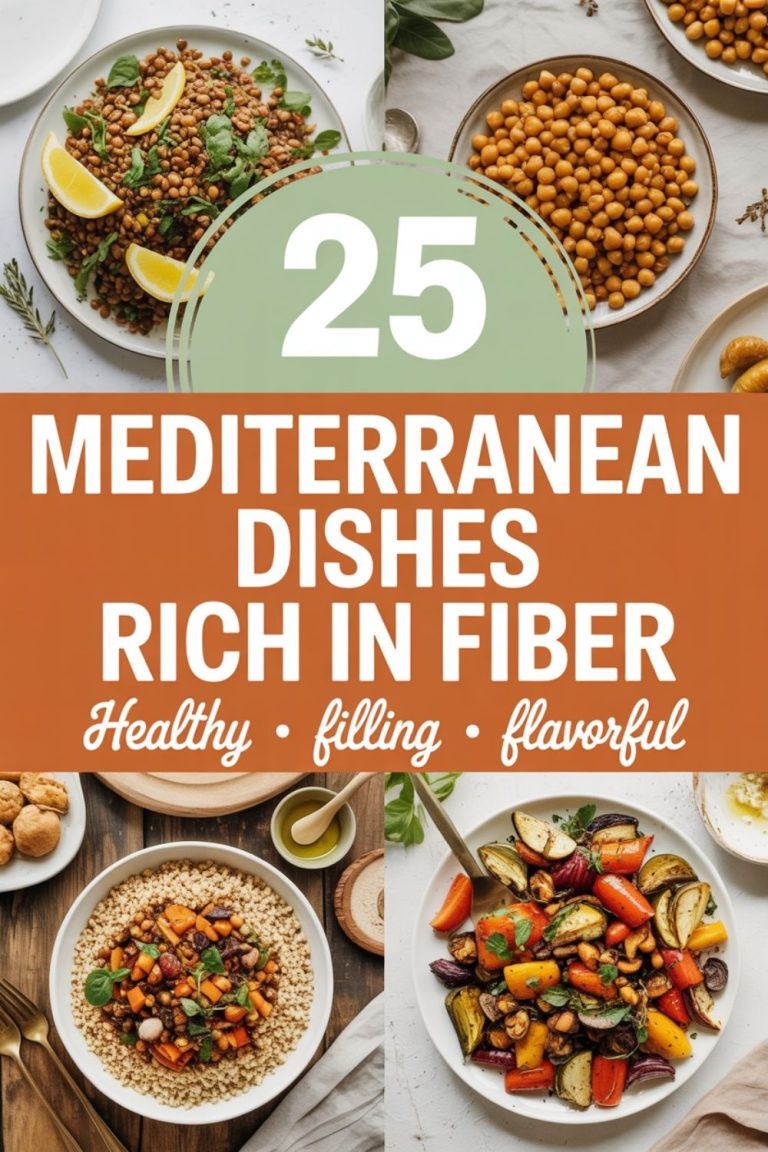
For those following a high-fiber approach, you might want to pair this with sides from a high-fiber Mediterranean plan to balance your plate.
One-Skillet Mediterranean Shrimp and Orzo
This recipe is what I make when I want something that feels restaurant-quality but takes about 25 minutes total. Orzo is this tiny rice-shaped pasta that cooks directly in the skillet with everything else, absorbing all the flavors as it goes.
Start by sautéing garlic and shallots in olive oil. Add your orzo and toast it for a minute—this adds a nutty flavor that’s subtle but worth it. Pour in some white wine (or chicken stock if you prefer), add diced tomatoes, and let it simmer until the orzo is almost tender.
Stir in your shrimp, some spinach, and fresh dill. The shrimp cooks in just a few minutes, the spinach wilts into the orzo, and you’ve got this creamy, flavorful situation happening. Finish with feta, lemon zest, and a crack of black pepper.
I use a deep-sided sauté pan for this one—you need something with enough capacity to hold the orzo and liquid without overflowing. Worth the investment if you make a lot of one-pan pastas.
The Protein Factor
One thing I love about Mediterranean one-pan meals is how easy it is to pack in protein without resorting to boring grilled chicken breast. Shrimp, as we just talked about, cooks fast and tastes amazing. Chickpeas add plant-based protein and fiber—they crisp up beautifully when roasted. White fish like cod or halibut stays flaky and mild, letting all those bold Mediterranean flavors shine.
If you’re focused on getting enough protein throughout the day, this Mediterranean high-protein plan has some great strategies for bumping up your intake while keeping things interesting.
Sheet Pan Greek Salmon with Asparagus and Tomatoes
Salmon is one of those proteins that sounds fancy but is actually hard to screw up. The natural oils keep it moist, and it pairs beautifully with Mediterranean flavors. This recipe uses salmon fillets surrounded by asparagus spears and cherry tomatoes.
Season your salmon with oregano, garlic powder, salt, and pepper. Drizzle with olive oil and lemon juice. Your vegetables get the same treatment. Everything roasts at 400°F for about 15-18 minutes, depending on how thick your salmon is.
The tomatoes burst and create this sauce-like situation on the pan. The asparagus gets tender with crispy tips. The salmon develops a beautiful crust while staying tender inside. Sprinkle some crumbled feta over everything straight from the oven and watch it melt slightly into all the nooks and crannies.
I line my pan with parchment paper for this one. Makes cleanup even easier, and nothing sticks. Just slide the whole thing off into the trash when you’re done.
One-Pan Mediterranean Baked Feta Pasta
Yeah, this went viral on TikTok, but hear me out—it’s popular for a reason. A whole block of feta cheese bakes in the center of a pan surrounded by cherry tomatoes, garlic, and olive oil. Everything roasts until the tomatoes burst and the feta gets soft and creamy.
You cook your pasta separately (okay, technically two pans, but the pasta pot doesn’t really count in my book—it’s just boiling water). Then you mash everything together right in the baking dish. The feta creates this creamy sauce, the tomatoes add sweetness and acidity, and the olive oil brings it all together.
Add fresh basil, maybe some red pepper flakes if you like heat. Toss in your cooked pasta and some pasta water to help everything emulsify. It’s ridiculously simple and tastes like you put way more effort in than you actually did.
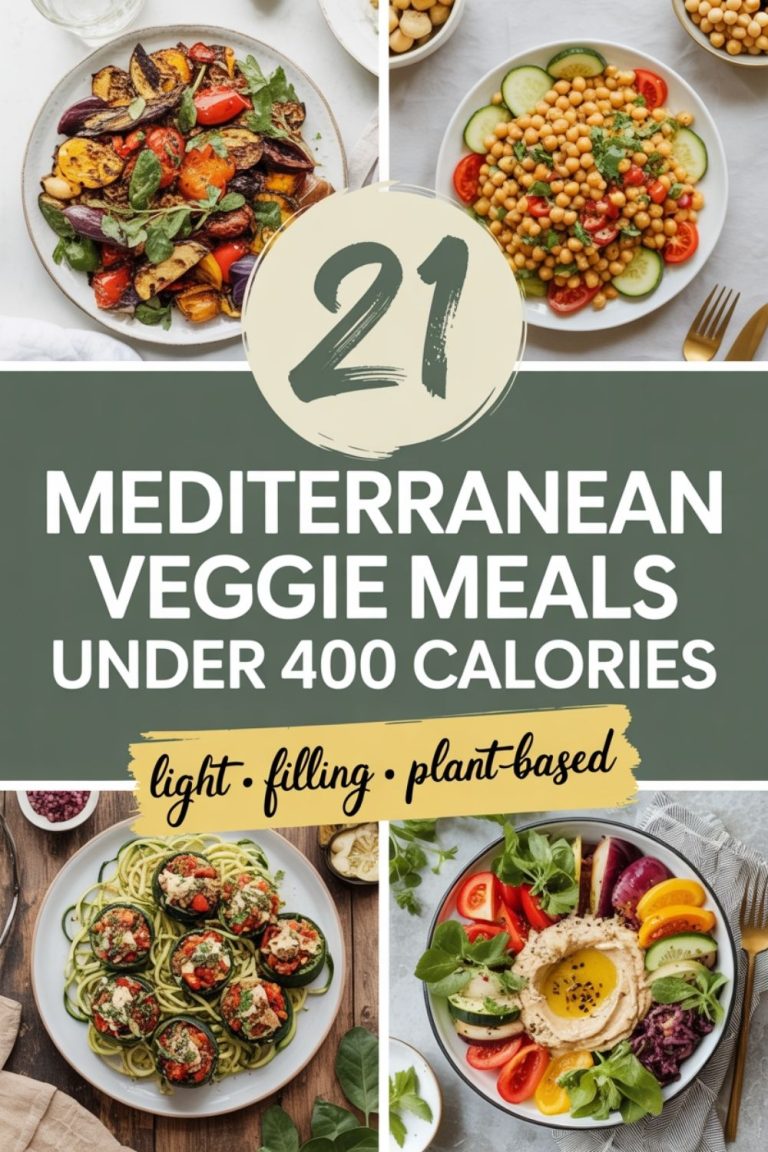
Looking for more plant-forward options? Check out this Mediterranean vegan plan that keeps all the flavor while skipping the animal products.
Mediterranean Skillet Chicken with Olives and Capers
This is my go-to when I need something that feels elegant but comes together fast. Chicken cutlets (pounded thin so they cook quickly) get a nice sear in your skillet, then you build a sauce right in the same pan with white wine, chicken stock, olives, and capers.
The briny elements are crucial here—they cut through the richness and add that distinctive Mediterranean flavor. I use a mix of green and kalamata olives because I like the variety, but use whatever you have. Capers are non-negotiable though. Their sharp, salty punch is what makes this work.
Finish with butter (yes, butter—not everything Mediterranean has to be strictly olive oil), fresh parsley, and lemon juice. The sauce becomes silky and glossy, clinging to the chicken beautifully. Serve it over orzo or couscous cooked separately, or just mop up the sauce with good bread.
My secret weapon for this is a meat mallet for pounding the chicken to an even thickness. Makes such a difference in cooking time and ensuring everything is done at the same time.
Sheet Pan Roasted Vegetable and Chickpea Bowls
This is the meal I make when I’m trying to use up random vegetables in the fridge. Literally anything works—cauliflower, broccoli, bell peppers, eggplant, zucchini, sweet potatoes. Cut everything into similar-sized pieces so they cook evenly.
Drain and dry a can of chickpeas really well—this is important for getting them crispy. Toss everything with olive oil, cumin, paprika, garlic powder, salt, and pepper. Roast at 425°F, stirring once halfway through, until the vegetables are tender and the chickpeas are golden and crunchy.
Serve over quinoa or brown rice with a dollop of tzatziki or tahini sauce. Maybe some fresh herbs on top. The crispy chickpeas add this satisfying crunch that makes the whole bowl more interesting texturally.
This is also meal-prep gold. Make a big batch on Sunday and you’ve got lunch sorted for half the week. The vegetables actually taste better the next day after the flavors have mingled.
If meal prep is your thing, you’ll appreciate the structure of a Mediterranean high-fiber meal prep plan that does the planning work for you.
One-Pan Lemon Herb Cod with Potatoes
Cod is criminally underrated. It’s mild, flaky, relatively inexpensive, and cooks fast. This recipe pairs it with fingerling potatoes that get par-cooked before the fish goes in, so everything finishes at the same time.
Start by roasting halved fingerling potatoes with olive oil, salt, and thyme for about 20 minutes. They should be mostly tender but not quite done. Then nestle your cod fillets in among the potatoes, drizzle everything with more olive oil and lemon juice, and return to the oven for another 12-15 minutes.
The fish steams gently while the potatoes finish cooking and get crispy edges. Add some green beans for the last 8 minutes if you want another vegetable in there. The whole thing comes together beautifully with minimal intervention.
Top with gremolata (just fancy chopped parsley, garlic, and lemon zest mixed together) right before serving. It adds freshness and makes the whole dish pop.
Making One-Pan Meals Work for Families
I get asked a lot about adapting these recipes for kids who might be picky. Honestly, the beauty of one-pan Mediterranean meals is their flexibility. Don’t like olives? Leave them off one portion of the pan. Kid won’t eat fish? Give them extra chickpeas for protein.
The flavors are generally pretty approachable—herbs, garlic, lemon. Nothing crazy spicy or weird. And there’s something about the casual presentation of a sheet pan meal that makes it feel less formal and intimidating than individually plated food.
For families looking for structure, this Mediterranean family meal plan has recipes specifically designed with multiple ages and preferences in mind.
Mediterranean Turkey Meatballs with Vegetables
Ground turkey gets a bad rap for being dry, but when you add Mediterranean ingredients—feta, oregano, garlic, and a bit of breadcrumb soaked in milk—it stays incredibly moist. Form these into meatballs and arrange them on a sheet pan with bell peppers, zucchini, and red onion.
Everything roasts together at 400°F. The meatballs brown nicely, the vegetables caramelize, and the rendered fat from the turkey (even lean turkey has some fat) helps flavor everything. Add a quick tzatziki sauce on the side and you’ve got a complete meal.
I use a small cookie scoop to portion my meatballs—they all come out the same size, which means they cook evenly. Game changer for meatball consistency.
One-Skillet Shakshuka
Shakshuka is basically eggs poached in a spiced tomato sauce, and it’s one of those meals that works for breakfast, lunch, or dinner. The tomato base cooks down with onions, bell peppers, garlic, cumin, and paprika until it’s thick and rich.
Make wells in the sauce and crack your eggs directly into them. Cover the skillet and let the eggs steam until the whites are set but the yolks are still runny. This usually takes about 8-10 minutes over medium-low heat.
Top with crumbled feta, fresh parsley or cilantro, and a drizzle of good olive oil. Serve with crusty bread for dipping. The runny yolks mix with the tomato sauce and create this incredible, rich situation that you mop up with the bread.
A well-seasoned cast iron skillet is perfect for this—it holds heat well and can go from stovetop to table looking rustic and gorgeous.
Sheet Pan Mediterranean Pork Tenderloin
Pork tenderloin is lean, cooks fast, and takes on Mediterranean flavors beautifully. This recipe seasons it with a simple rub of oregano, thyme, garlic powder, salt, and pepper. Surround it with Brussels sprouts, butternut squash cubes, and red onion wedges.
Everything roasts at 425°F for about 25-30 minutes. The vegetables get caramelized and sweet, the pork stays tender and juicy if you don’t overcook it (use a meat thermometer—pull it at 145°F and let it rest).
Drizzle the whole pan with balsamic glaze when it comes out of the oven. The sweet-tart flavor complements the pork perfectly and adds visual appeal. Slice the pork into medallions and serve everything family-style right from the pan.
For more ideas on balancing your meals throughout the week, explore this 30-day Mediterranean wellness plan that covers variety and nutrition.
One-Pan Greek Chicken with Tzatziki
Marinated chicken (thighs or breasts, your call) with lemon, garlic, oregano, and yogurt gets incredibly flavorful and stays moist during cooking. Let it marinate for at least 2 hours, overnight if you can manage it.
Arrange the chicken on a sheet pan with halved baby potatoes and thick slices of red onion. Roast until the chicken is golden and the potatoes are crispy. While that’s cooking, whip up a quick tzatziki—Greek yogurt, grated cucumber (squeeze out the excess water), garlic, dill, lemon juice, salt.
The cool, creamy tzatziki against the warm, savory chicken is what makes this work. Add a simple tomato and cucumber salad on the side and you’ve got a meal that feels complete and satisfying.
Mediterranean Skillet Sausage and Peppers
Italian sausage (or any sausage you like, really) sliced into rounds, bell peppers in multiple colors, red onion, and cherry tomatoes all go into a skillet together. This is peasant food at its finest—simple ingredients, bold flavors, minimal fuss.
The sausage renders its fat as it cooks, which flavors the vegetables beautifully. Add garlic, oregano, and a splash of white wine or chicken stock. Everything cooks down into this savory, slightly saucy mixture that’s perfect over polenta, pasta, or just eaten as-is with bread.
The key is not to crowd the pan. You want the vegetables to caramelize, not steam. If your skillet isn’t big enough, do this in two batches or use a large sauté pan instead.
One-Pan Mediterranean Baked Fish with Tomatoes and Herbs
Any firm white fish works here—halibut, sea bass, snapper. The fish gets nestled into a bed of sliced tomatoes, onions, and olives, then drizzled with olive oil and white wine. Fresh herbs (thyme, oregano, parsley) get scattered over everything.
Bake at 375°F for about 20 minutes, depending on the thickness of your fish. The tomatoes break down slightly and create a sauce, the onions soften and sweeten, and the fish stays incredibly moist from steaming in all that flavorful liquid.
Finish with fresh lemon juice and more herbs right before serving. This is light, fresh, and feels healthy without being boring or bland. Serve it over rice pilaf or with crusty bread to soak up the sauce.
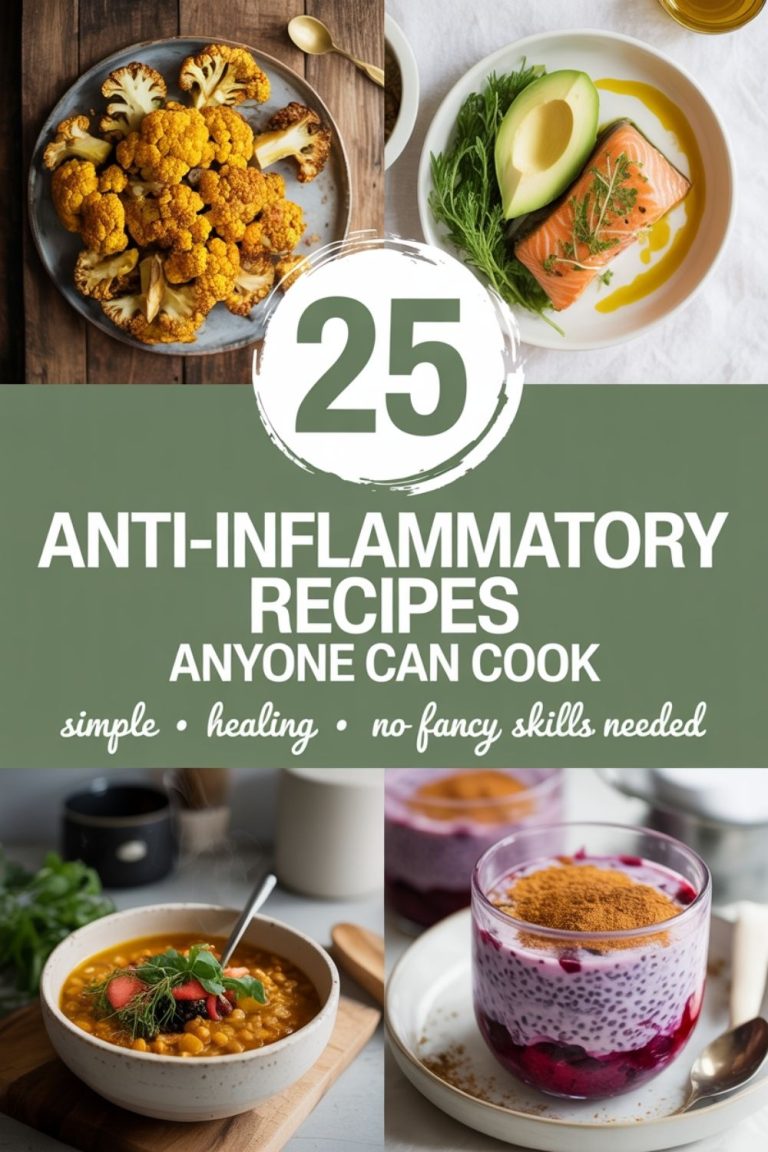
If you’re working on reducing inflammation through your diet, this high-fiber anti-inflammation program provides a comprehensive approach to meal planning.
Sheet Pan Mediterranean Breakfast Hash
Who says one-pan Mediterranean meals have to be dinner? This breakfast hash uses diced potatoes, bell peppers, onions, and crumbled feta, all roasted until crispy and golden. Make wells in the hash and crack eggs directly onto the pan for the last 10 minutes of cooking.
The eggs steam in the oven while the hash gets crispy underneath. Top with fresh herbs, maybe some cherry tomatoes that you add for the last 5 minutes so they just warm and soften slightly.
This is weekend breakfast material, but it’s also great for meal prep—make the hash without the eggs, portion it out, and reheat with a fried egg on top during the week.
For more breakfast inspiration that follows Mediterranean principles, this Mediterranean high-fiber breakfast plan has creative morning options beyond the usual.
One-Pan Lemon Garlic Chicken and Artichokes
Canned or jarred artichoke hearts are a pantry staple you should always have on hand. They add this meaty, slightly tangy element that works beautifully with chicken. This recipe uses chicken breasts (butterflied so they cook evenly), artichokes, lemon slices, and lots of garlic.
Everything gets arranged on the pan, drizzled with olive oil and white wine, then roasted until the chicken is golden and the artichokes get slightly crispy at the edges. The lemon slices soften and become almost candy-like, adding bursts of concentrated citrus flavor.
Add some Castelvetrano olives (the buttery green ones) and capers if you want more Mediterranean flair. Finish with fresh parsley and serve with a grain or just a big salad.
I keep a sharp chef’s knife and a good cutting board handy for this kind of prep—makes butterflying chicken and prepping vegetables so much faster and safer.
Mediterranean Skillet White Beans and Greens
This is the meal I make when I need something comforting but don’t want to feel weighed down afterward. White beans (cannellini or great northern) sautéed with garlic, onion, and kale or Swiss chard in a good amount of olive oil.
Add some vegetable stock, lemon juice, and red pepper flakes. Let it simmer until the greens are tender and the liquid has reduced slightly. The beans break down just a bit and make the sauce creamy without needing to add any cream.
Top with grated Parmesan or Pecorino Romano (yes, I know that’s Italian not Greek, but it works), more olive oil, and crusty bread on the side. This is the kind of simple, rustic food that reminds you why Mediterranean cuisine has been around for thousands of years.
Sheet Pan Za’atar Chicken with Cauliflower
Za’atar is this Middle Eastern spice blend that’s technically not exclusively Mediterranean, but it fits the flavor profile perfectly—earthy, citrusy, slightly nutty. If you haven’t tried it, you’re missing out. It’s amazing on roasted vegetables and chicken.
Coat your chicken pieces (I like drumsticks and thighs for this) with za’atar, olive oil, lemon juice, and salt. Toss cauliflower florets with the same mixture. Roast everything together until the chicken is crispy and the cauliflower is deeply caramelized with crispy edges.
The za’atar creates this incredible crust on both the chicken and the cauliflower. Serve with tahini sauce drizzled over everything, maybe some fresh mint and pomegranate seeds if you’re feeling fancy.
You can find za’atar at most grocery stores now, or order a quality za’atar blend online. Once you have it, you’ll start putting it on everything—trust me.
One-Pan Baked Risotto with Vegetables
Okay, so traditional risotto requires standing at the stove stirring constantly, which is basically the opposite of one-pan cooking philosophy. But baked risotto? That’s a different story. You toast your arborio rice with onions and garlic on the stovetop, add your liquid (stock and white wine), then transfer the whole pan to the oven.
Stir in diced zucchini, bell peppers, and peas halfway through. The rice absorbs the liquid and gets creamy without constant stirring. Finish with Parmesan, butter, lemon zest, and fresh herbs.
It’s not quite the same as traditional risotto—the texture is slightly different—but it’s delicious in its own right and saves you from being chained to the stove for 30 minutes.
A enameled cast iron Dutch oven works perfectly for this—goes from stovetop to oven easily and distributes heat evenly for consistent cooking.
Looking for more complete meal solutions? This anti-inflammation reset plan offers simple, whole-food-based Mediterranean meals that are easy to execute.
The Reality of One-Pan Cooking
Let me be real with you for a second—not everything in these recipes is literally one pan. Sometimes you’ll boil pasta separately, or make a quick sauce in a small saucepan while the main components roast. That’s okay. The point isn’t to be dogmatic about using exactly one piece of cookware.
The point is minimizing dishes, maximizing flavor, and making weeknight cooking less of a production. If adding one extra pot means your meal is significantly better, do it. Don’t make yourself crazy trying to adhere to some arbitrary rule.
That said, these recipes genuinely do make cooking easier and cleanup faster. You’re not juggling multiple components that need to finish at the exact same time. You’re not transferring things between pans. You’re keeping it simple, which is exactly what cooking at home should be.
Adapting for Different Dietary Needs
The beauty of Mediterranean one-pan meals is their inherent flexibility. Going gluten-free? Most of these recipes already are, or can easily be adapted. The ones with pasta or orzo can use gluten-free versions without any issues.
Plant-based? Swap the chicken for more chickpeas or white beans. Use vegetable stock instead of chicken stock. Skip the feta or use a plant-based version. The fundamental techniques and flavor profiles work just as well with plant proteins.
Watching your sodium intake? Control the salt you add and choose low-sodium stocks and canned goods. The fresh herbs, lemon, and garlic provide so much flavor that you can reduce salt significantly without sacrificing taste.
If you’re dealing with specific dietary restrictions or health goals, structured plans like this anti-inflammatory eating plan for women can help you navigate adaptations while staying on track.
Equipment That Actually Matters
You don’t need a kitchen full of fancy gadgets to make these recipes work. But a few key pieces make everything easier and more enjoyable.
A good rimmed sheet pan (half-sheet size) is essential. Get two if you can—you’ll use them constantly. Make sure they’re heavy-duty aluminum, not those flimsy ones that warp in the oven.
A 12-inch oven-safe skillet, either stainless steel or cast iron, handles all your stovetop-to-oven recipes. Cast iron needs seasoning and maintenance but lasts forever and adds a bit of iron to your food. Stainless is lower maintenance but doesn’t retain heat quite as well.
A reliable meat thermometer takes the guesswork out of cooking proteins. Chicken thighs are forgiving, but fish and pork can go from perfect to overdone in a matter of minutes. A thermometer ensures you nail it every time.
Parchment paper or silicone baking mats make cleanup even easier. I keep both on hand—parchment for high-heat roasting, silicone mats for lower temperatures and things that might stick.
Finally, a good quality wooden spoon and silicone spatula for stirring and scraping. Seems basic, but having the right tools makes cooking more pleasant.
Making These Recipes Your Own
These 18 recipes are frameworks, not rigid formulas. Don’t have cherry tomatoes? Use diced regular tomatoes. Hate olives? Leave them out or substitute sun-dried tomatoes. Can’t find za’atar? Use oregano and thyme instead.
Mediterranean cooking is fundamentally about using good ingredients, simple techniques, and letting flavors speak for themselves. It’s not about following recipes to the letter—it’s about understanding the principles and adapting them to what you have and what you like.
Experiment with different proteins, vegetables, and flavor combinations. The technique of one-pan roasting or skillet cooking stays the same. Once you understand how long different ingredients take to cook and how to layer flavors, you can improvise confidently.
That’s when cooking stops feeling like a chore and starts being genuinely enjoyable. When you can open your fridge, see what you have, and know you can turn it into something delicious without stressing or making a mess.
For those who want more structure while learning, check out this Mediterranean clean eating plan that builds skills progressively over a week.
Meal Prep and Planning Strategies
Here’s where one-pan Mediterranean meals really shine—they’re perfect for meal prep. Most of these recipes hold well in the fridge for 3-4 days, some even longer. The flavors often improve as they sit and meld together.
My strategy is usually to make 2-3 of these recipes on Sunday. That gives me variety throughout the week without eating the same thing five days in a row. Store them in glass meal prep containers so you can see what you have at a glance.
Some tips for successful meal prep: Let everything cool completely before storing. Separate components that might get soggy (like keeping grains separate from saucy elements until ready to eat). Store fresh herbs and lemon wedges separately to add right before eating—keeps things tasting fresh.
Reheat in the oven or toaster oven when possible rather than the microwave. It takes a few minutes longer but maintains the texture so much better, especially for anything that was crispy originally.
If you’re new to meal prep, a structured approach like this plan designed for busy women can help you build the habit without getting overwhelmed.
Frequently Asked Questions
Can I use frozen vegetables for these one-pan meals?
Absolutely, but with a caveat. Frozen vegetables often release water as they cook, which can make your dish soggy rather than roasted and caramelized. If you’re using frozen, spread them on a towel to thaw and dry them really well before adding to your pan. Or add them toward the end of cooking so they don’t overcook and become mushy. Fresh vegetables usually give better texture, but frozen works in a pinch and is often more budget-friendly.
How do I prevent my sheet pan meals from burning on the bottom?
Use parchment paper or a silicone mat as a barrier between your food and the pan. Also, make sure you’re using a heavy-duty sheet pan—thin, cheap pans conduct heat unevenly and are more prone to hot spots. Finally, check your oven temperature with an oven thermometer; many ovens run hot or have inconsistent heating that can cause burning.
What’s the best way to reheat one-pan Mediterranean meals?
The oven or toaster oven at 350°F is your best bet for maintaining texture, especially for roasted vegetables and proteins with crispy skin. Cover loosely with foil to prevent drying out, and heat for 10-15 minutes. The microwave works for things like the bean and greens skillet or the baked risotto, but skip it for anything that was crispy originally.
Can I double these recipes for larger families or meal prep?
Most sheet pan recipes double easily—just use two pans and rotate them halfway through cooking. For skillet recipes, you might need to cook in batches or use a larger pan to avoid crowding, which causes steaming instead of browning. IMO, it’s worth investing in a larger skillet if you’re regularly cooking for more than four people.
How can I add more vegetables to these recipes?
The beauty of one-pan meals is their flexibility. Add quick-cooking vegetables like spinach, kale, or cherry tomatoes in the last 5-10 minutes. Heartier vegetables like Brussels sprouts, cauliflower, or root vegetables can go in from the start. Just make sure everything is cut to similar sizes so cooking times align. You really can’t go wrong with adding more vegetables—they’ll absorb all those amazing Mediterranean flavors.
Wrapping This Up
Mediterranean one-pan meals aren’t just a cooking technique—they’re a lifestyle shift toward simpler, more enjoyable cooking. You’re not sacrificing flavor or nutrition for convenience. You’re actually embracing a way of eating that’s been proven healthy for generations while making it work for modern life.
These 18 recipes give you a solid foundation, but they’re just the beginning. Once you understand the basics—how to layer flavors, which ingredients cook at similar rates, how to adjust seasoning to your taste—you’ll find yourself improvising and creating your own variations.
The best part? You’re going to spend less time doing dishes and more time actually enjoying your meal. You’ll have more energy for the things that matter because you’re not exhausting yourself with complicated cooking projects every night.
Start with whichever recipe sounds most appealing to you. Maybe it’s the Greek salmon because you’ve been meaning to eat more fish. Maybe it’s the shakshuka because you’ve always wanted to try it. Maybe it’s just the simple chicken and vegetables because you know everyone will eat it without complaining.
Whatever you choose, you’re making cooking more manageable and more enjoyable. And that’s worth way more than any fancy, complicated recipe that leaves you stressed and surrounded by dirty dishes.