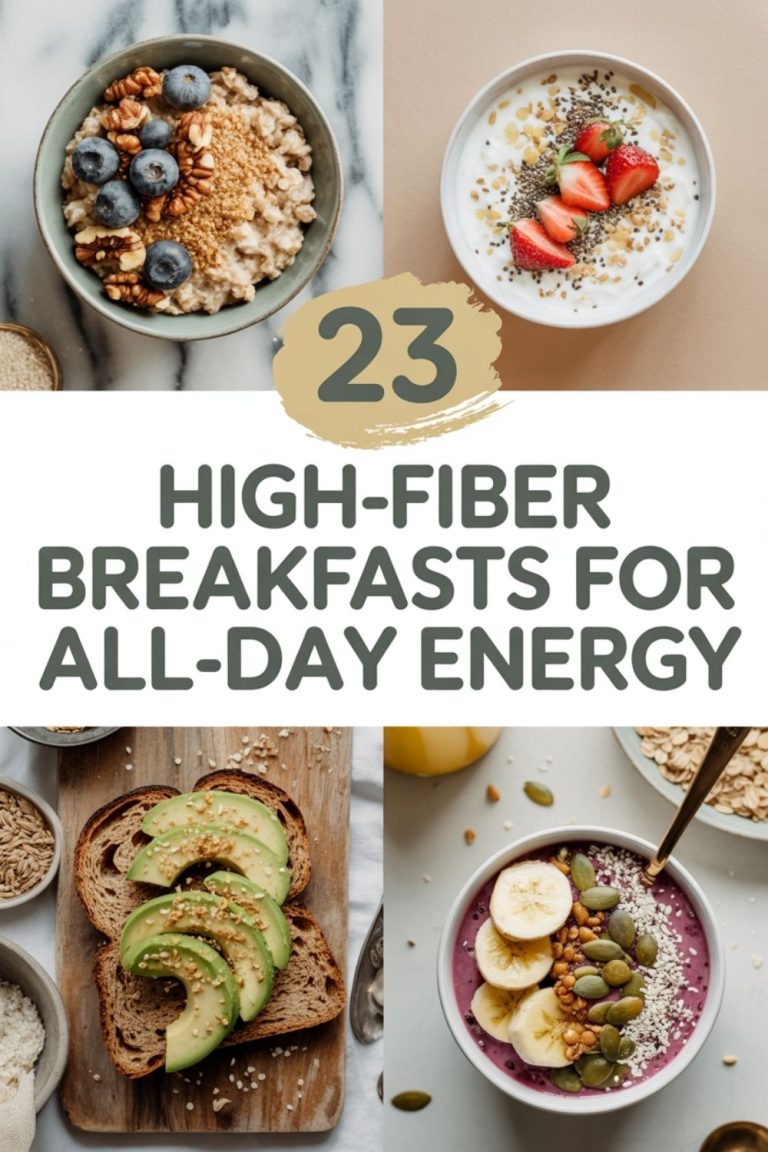
15 Anti-Inflammatory Breakfast Ideas to Start Strong
Look, I get it. You wake up, your joints feel stiff, maybe there’s a little brain fog happening, and the last thing you want to think about is whether your breakfast is secretly waging war on your body. But here’s the thing—what you eat first thing in the morning sets the tone for your entire day, inflammation-wise.
I spent years grabbing whatever was convenient—sugary cereal, those pastries that taste like cardboard dipped in frosting, maybe a breakfast sandwich that had more grease than actual nutrition. Then I started feeling like garbage by mid-morning, and my doctor mentioned inflammation markers that were, let’s just say, not ideal.
So I dove into the world of anti-inflammatory eating, specifically for breakfast. And honestly? It’s not as boring or restrictive as you might think. These 15 breakfast ideas actually taste good, they’re practical for real life, and they help keep inflammation in check. No weird supplements, no bland food that makes you want to cry into your coffee.

Why Breakfast Matters for Inflammation
Your body’s inflammatory response is like a light switch that’s supposed to flip on when needed (like fighting off an infection) and flip off when the threat’s gone. But with chronic inflammation, that switch gets stuck in the “on” position. And guess what? Research has shown that certain foods either fan those flames or help put them out.
Breakfast is prime real estate for anti-inflammatory foods because you’re breaking a fast (hence the name—clever, right?). Your body’s ready to absorb nutrients, and choosing the right ones can influence how your immune system behaves for the rest of the day. Omega-3 fatty acids, antioxidants, fiber, and certain vitamins all play a role in calming inflammation down.
Foods that spike your blood sugar—like refined carbs and added sugars—create an inflammatory response. It’s like throwing gasoline on a fire. But whole grains, healthy fats, lean proteins, and colorful fruits and vegetables? They’re more like a fire extinguisher.
The Anti-Inflammatory Breakfast Blueprint
Before we jump into the 15 ideas, let’s talk about what actually makes a breakfast anti-inflammatory. You want to hit a few key components:
- Omega-3 fatty acids: Found in fatty fish, chia seeds, flaxseeds, and walnuts. These bad boys directly combat inflammatory markers in your body.
- Antioxidants: Berries, dark leafy greens, and colorful veggies are loaded with these. They neutralize free radicals that trigger inflammation.
- Fiber: Whole grains, fruits, and vegetables keep your gut happy, and a healthy gut means less systemic inflammation.
- Quality protein: Eggs, Greek yogurt, and plant-based options help stabilize blood sugar and keep you full.
- Healthy fats: Avocados, nuts, seeds, and olive oil support your body’s natural anti-inflammatory processes.
Steer clear of the usual suspects: refined sugars, white bread, fried foods, and processed meats. They’re basically inflammation’s best friends, and you don’t need that energy in your life.
Prep your dry ingredients for overnight oats in mason jars on Sunday. Come Monday through Friday, you just add liquid and toppings. Five minutes of Sunday effort = zero-stress weekday mornings.
1. Golden Turmeric Overnight Oats
Overnight oats are the lazy person’s dream breakfast (I say that with love because I am that person). Mix rolled oats with almond milk, a teaspoon of turmeric, a pinch of black pepper (helps your body absorb the turmeric), a drizzle of maple syrup, and some chia seeds. Let it sit in the fridge overnight.
In the morning, top with fresh berries and a handful of walnuts. The turmeric contains curcumin, which is ridiculously good at fighting inflammation. One study found that curcumin can be as effective as some anti-inflammatory drugs but without the side effects. Plus, it gives your oats this gorgeous golden color.
I use this glass meal prep container set for overnight oats—makes portion control easy and they stack nicely in the fridge. If you want to get fancy, a mini frother blends everything together perfectly in about 10 seconds.
Join Our Anti-Inflammatory Community
Want daily breakfast ideas, meal prep tips, and support from people who actually get it? Join our WhatsApp channel where we share quick recipes, answer your questions, and keep each other motivated. No spam, just real talk about eating better.
Join WhatsApp Channel2. Smoked Salmon and Avocado Toast
Yeah, yeah, avocado toast is basic. But you know what else it is? Delicious and legitimately anti-inflammatory. Use whole grain or sourdough bread (real sourdough, not the fake stuff), mash half an avocado on top, layer on some smoked salmon, and finish with everything bagel seasoning and a squeeze of lemon.
Salmon is loaded with omega-3s, specifically EPA and DHA, which research suggests can significantly reduce inflammatory markers. The healthy fats in avocado help your body absorb all those good nutrients. FYI, wild-caught salmon tends to have higher omega-3 content than farmed.
For more anti-inflammatory meal inspiration, check out this 7-day Mediterranean anti-inflammation meal plan that pairs perfectly with these breakfast ideas.
3. Berry Chia Seed Pudding
Mix 3 tablespoons of chia seeds with a cup of coconut milk or almond milk, add a touch of vanilla extract and honey, and refrigerate for at least 4 hours (or overnight). Top with mixed berries—blueberries, strawberries, raspberries—and some sliced almonds.
Chia seeds are tiny but mighty. They’re packed with omega-3s, fiber, and antioxidants. Berries contain anthocyanins, which are powerful anti-inflammatory compounds. Blueberries in particular have been shown to reduce markers of inflammation and oxidative stress.
I prep these in these cute little glass jars with lids—perfect for grab-and-go mornings. A small wire whisk helps break up clumps when you’re mixing the chia seeds.
4. Veggie-Loaded Scrambled Eggs
Scramble 2-3 eggs with sautéed spinach, bell peppers, onions, and mushrooms. Cook them in a bit of olive oil or avocado oil. Top with fresh herbs like parsley or cilantro.
Eggs are an excellent source of protein and contain lutein and zeaxanthin, antioxidants that protect against inflammation. The vegetables add fiber and vitamins A, C, and K. Using olive oil for cooking adds oleocanthal, a compound with anti-inflammatory properties similar to ibuprofen.
Speaking of mornings that need structure, this 14-day high-fiber Mediterranean plan has been a game-changer for people who want variety without the decision fatigue.
Your Complete Anti-Inflammatory Breakfast Guide
Struggling to plan your mornings? This comprehensive breakfast guide takes all the guesswork out. Get 30 days of anti-inflammatory breakfast recipes, shopping lists, and meal prep strategies that actually fit into real life.
- 30 unique breakfast recipes with nutritional breakdowns
- Weekly shopping lists organized by store section
- Meal prep guides for batch cooking on Sundays
- Substitution charts for dietary restrictions
- Printable recipe cards for your kitchen
Chop all your veggies on Sunday night and store them in an airtight container. When you’re scrambling eggs at 6 AM on a Tuesday, you’ll thank yourself.
5. Green Anti-Inflammatory Smoothie
Blend together spinach or kale, half a banana, frozen pineapple, a tablespoon of ground flaxseed, a scoop of plant-based protein powder, and unsweetened almond milk. Add a small piece of fresh ginger for an extra anti-inflammatory kick.
Leafy greens are loaded with vitamins and antioxidants. Ginger contains gingerol, which has been shown to have powerful anti-inflammatory effects. The flaxseeds add omega-3s and fiber. And honestly, the pineapple makes it taste way better than it sounds.
I won’t drink smoothies without this high-speed blender—it pulverizes everything so you don’t get chunks of kale stuck in your teeth. Also, reusable silicone straws are clutch if you’re sensitive to cold.
6. Greek Yogurt Parfait with Walnuts and Berries
Layer plain Greek yogurt (not the sugary flavored stuff) with fresh berries, chopped walnuts, a drizzle of honey, and a sprinkle of cinnamon. That’s it. Simple, effective, delicious.
Greek yogurt is high in protein and contains probiotics that support gut health. A healthy gut microbiome is crucial for managing inflammation. Walnuts are one of the best sources of plant-based omega-3s, and cinnamon has been shown to reduce inflammatory markers.
For a complete anti-inflammatory approach, pair this with the 30-day anti-inflammation challenge—it covers meals, lifestyle habits, and stress management.
7. Quinoa Breakfast Bowl
Cook quinoa in almond milk (or water if you prefer), then top with sliced almonds, fresh fruit, a dollop of almond butter, and a sprinkle of cinnamon. You can make a big batch of quinoa and portion it out for the week.
Quinoa is a complete protein and contains more antioxidants than most grains. It’s also gluten-free and high in fiber, both of which can help reduce inflammation. The combination of protein, healthy fats, and complex carbs keeps your blood sugar stable.
I cook quinoa in this rice cooker because I’m incapable of watching a pot on the stove without burning something. Set it and forget it.
8. Sweet Potato and Egg Hash
Dice sweet potatoes and sauté them with a bit of olive oil until they’re crispy. Add in some kale or spinach at the end. Top with a fried or poached egg and some hot sauce if you’re into that.
Sweet potatoes are rich in beta-carotene and vitamin C, both powerful antioxidants. The combination of complex carbs and protein makes this incredibly satisfying. Plus, it tastes way more indulgent than it actually is.
If you need more inspiration for anti-inflammatory meals throughout the day, the 7-day gut-healing Mediterranean menu focuses on foods that reduce inflammation and support digestive health.
9. Almond Butter Banana Toast
Toast whole grain bread, spread almond butter on it, slice a banana on top, and drizzle with a tiny bit of honey. Sprinkle with chia seeds or hemp seeds for extra omega-3s.
Almond butter provides healthy fats and vitamin E, another anti-inflammatory nutrient. Bananas offer potassium and prebiotics that feed healthy gut bacteria. It’s like a more sophisticated version of your childhood PB&J, except it actually helps your body instead of spiking your blood sugar.
I’m obsessed with this almond butter—just almonds, no added oils or sugars. Keep it in one of these jar openers because natural nut butter jars are apparently designed to test your grip strength.
Vitamix E310 Explorian Blender
After testing 15+ blenders for smoothies and breakfast prep, this one consistently delivers the smoothest results. It pulverizes frozen fruit, handles leafy greens without leaving chunks, and actually lasts more than a year (looking at you, cheap blenders that die after three months).
Why It’s Perfect for Anti-Inflammatory Breakfasts:
- Powerful motor handles frozen berries and ice without struggling
- Makes silky-smooth chia seed and flaxseed smoothies
- Easy to clean (seriously, 30 seconds with soap and water)
- Compact size fits under most cabinets
- 10-year warranty backs up the quality
Why I love it: No more gritty smoothies or chunks of kale stuck in your teeth. This thing blends everything into velvet perfection, which means you’ll actually want to drink your anti-inflammatory smoothies instead of dreading them.
Freeze overripe bananas in chunks. They blend perfectly into smoothies and you won’t waste money on fruit that went bad.
10. Baked Oatmeal Cups with Blueberries
Mix oats, mashed banana, eggs, almond milk, cinnamon, and fresh blueberries. Divide into muffin tins and bake. These keep in the fridge for days and reheat perfectly.
Oats contain beta-glucan, a type of fiber that’s been shown to reduce inflammation. The blueberries add antioxidants, and baking them in muffin form makes them ridiculously convenient. Just grab one (or two, I won’t judge) on your way out the door.
For women specifically dealing with inflammation and hormonal issues, this 14-day anti-inflammatory eating plan for women addresses unique nutritional needs.
Pyrex Glass Meal Prep Containers (10-Pack)
If you’re serious about meal prepping anti-inflammatory breakfasts, these containers are non-negotiable. I’ve tried the cheap plastic ones, the fancy stainless steel sets, even those silicone collapsible things. These Pyrex containers win every single time.
What Makes Them Essential:
- Glass won’t absorb turmeric stains or berry colors
- Microwave, oven, freezer, and dishwasher safe
- Airtight lids keep overnight oats fresh all week
- See-through design (you know what’s inside without opening)
- Stackable design saves fridge space
Why I love it: Sunday meal prep takes 45 minutes, and I have breakfast sorted for the entire week. No more scrambling at 6 AM or hitting the drive-through because nothing’s ready. These containers have literally paid for themselves in money saved on impulse breakfast purchases.
11. Coconut Yogurt Bowl with Seeds and Fruit
If you’re dairy-free, coconut yogurt is your friend. Top it with ground flaxseed, pumpkin seeds, sunflower seeds, and your choice of fruit. Mango and kiwi work particularly well.
Coconut has medium-chain triglycerides that are easier to digest than other fats. Seeds provide zinc, magnesium, and omega-3s. It’s a lighter option that still packs an anti-inflammatory punch.
12. Veggie and Herb Omelet
Whisk eggs with fresh herbs (basil, parsley, chives), pour into a hot pan, add sautéed vegetables, and fold. Serve with a side of sliced tomatoes drizzled with olive oil.
Fresh herbs contain phytochemicals that fight inflammation. Tomatoes have lycopene, especially potent when eaten with a bit of fat (like olive oil or eggs). This combo is basically the Mediterranean diet in breakfast form.
The 7-day Mediterranean high-fiber meal prep plan takes this concept and runs with it—all the recipes are designed to reduce inflammation while being prep-friendly.
13. Anti-Inflammatory Breakfast Burrito
Use a whole wheat or almond flour tortilla, scramble some eggs, add black beans, avocado, salsa, and a handful of spinach. Roll it up.
Black beans provide fiber and plant-based protein. The combination of eggs, beans, and avocado gives you a complete amino acid profile plus healthy fats. It’s filling enough to keep you satisfied until lunch.
I wrap these in reusable beeswax wraps for easy transport. Game-changer for commuting or eating at your desk.
14. Tropical Acai Bowl
Blend frozen acai puree with banana, mango, and a splash of coconut water. Pour into a bowl and top with coconut flakes, granola (make sure it’s low-sugar), fresh fruit, and chia seeds.
Acai berries are insanely high in antioxidants. They’ve been shown to reduce markers of oxidative stress and inflammation. Plus, they taste like a tropical vacation, which is never a bad way to start your morning.
If you’re serious about long-term inflammation management, the 30-day high-fiber anti-inflammation program combines nutrition, meal planning, and lifestyle strategies.
15. Buckwheat Pancakes with Berry Compote
Make pancakes using buckwheat flour (despite the name, it’s gluten-free and not related to wheat). Cook down mixed berries with a tiny bit of honey to make a compote. Pour over your pancakes.
Buckwheat contains rutin, a powerful antioxidant that helps reduce inflammation. The berry compote adds even more anti-inflammatory compounds without the refined sugar you’d get from syrup. These pancakes have a slightly nutty flavor that’s honestly better than regular pancakes.
I make the batter in this batter dispenser—makes perfect, same-sized pancakes without the mess. Use a good nonstick griddle and you barely need any oil.
The Ultimate Meal Prep Starter Kit
Stop winging it every week. This digital toolkit gives you everything you need to meal prep like a pro—even if you’ve never done it before. Includes containers guides, timing charts, and foolproof systems that save hours.
- Step-by-step meal prep tutorials with photos
- Container size guide for perfect portions
- Time-saving kitchen hacks and shortcuts
- Food storage charts (what freezes, what doesn’t)
- Bonus: 50 make-ahead breakfast recipes
For a structured approach to anti-inflammatory eating, the 7-day anti-inflammation reset focuses on simple meals that reduce inflammation quickly.
Making It Work in Real Life
Here’s the truth: knowing what to eat is one thing. Actually doing it when you’re running late, when your kids are screaming, when you hit snooze three times—that’s where the rubber meets the road.
Batch cooking is your friend. I make a huge batch of overnight oats on Sunday. I hard-boil a dozen eggs. I portion out ingredients for smoothies in freezer bags. Yes, it takes an hour on Sunday afternoon, but it saves me from making terrible decisions all week.
Also, it’s okay to not be perfect. Some mornings, you’ll crush it with a beautiful chia pudding. Other mornings, you’ll grab whatever’s portable. The goal is progress, not perfection. Even choosing whole grain toast over a Pop-Tart is a win.
If you’re totally overwhelmed and need someone to tell you exactly what to eat, the 14-day Mediterranean family meal plan takes all the guesswork out. It’s designed for real families with real schedules.
What About Peanut Butter vs. Almond Butter?
Quick tangent because people ask this constantly: both are fine. Almond butter has slightly more vitamin E and magnesium, which are anti-inflammatory. Peanut butter has more protein. Honestly, pick whichever one doesn’t make you want to cry at the price tag.
Just make sure you’re buying versions with minimal ingredients—ideally just nuts and maybe salt. The ones with added sugar and hydrogenated oils defeat the purpose.
IMO, the best move is to get a small food processor and make your own. Toast nuts for 10 minutes, blend them for a few minutes, add a pinch of salt. Done. Way cheaper in the long run and you control exactly what goes in.
The Dairy Debate
Some people find that dairy triggers inflammation for them. Others have zero issues. If you’re not sure, try eliminating it for two weeks and see how you feel. There are plenty of dairy-free alternatives now—almond milk, coconut yogurt, oat milk—that work just as well in these recipes.
Greek yogurt and kefir contain probiotics that actually help reduce inflammation for many people. So it’s not a simple “dairy bad, no dairy good” situation. You have to figure out what works for your body.
One thing I’ve noticed: people who struggle with conventional dairy often do fine with goat milk or sheep milk products. The protein structure is slightly different and easier for some people to digest. Worth experimenting with if you’re on the fence.
Smart Substitutions That Actually Work
Not everyone has access to fancy ingredients or wants to spend a fortune on breakfast. Here are some budget-friendly swaps that still deliver anti-inflammatory benefits:
- Fresh berries → Frozen berries: Frozen berries are picked at peak ripeness and flash-frozen, so they retain their antioxidant content. Plus, they’re way cheaper and never go bad in your fridge.
- Chia seeds → Ground flaxseed: Both provide omega-3s and fiber. Flaxseed is usually less expensive and easier to find.
- Almond milk → Oat milk: Oat milk is typically cheaper and has a creamier texture for cooking. Just check the label for minimal added ingredients.
- Fresh herbs → Dried herbs: A little dried herb goes a long way. Use about 1/3 the amount of dried compared to fresh.
- Wild-caught salmon → Canned salmon: Still has the omega-3s, costs a fraction of the price. Make sure it’s wild-caught Alaskan salmon.
Nobody’s judging you for using frozen fruit or canned fish. The goal is to get anti-inflammatory nutrients into your body, not to win a cooking show.
The Role of Spices in Fighting Inflammation
We’ve talked about turmeric, but there are other spices that punch way above their weight class when it comes to inflammation:
Cinnamon helps regulate blood sugar and contains compounds that reduce inflammatory markers. I add it to almost everything—oatmeal, smoothies, yogurt, even scrambled eggs (sounds weird, tastes surprisingly good).
Ginger contains gingerol, which has powerful anti-inflammatory and antioxidant effects. Fresh ginger is ideal, but ground ginger works too. Add it to smoothies or make a quick ginger tea to sip with breakfast.
Garlic might seem odd for breakfast, but it’s incredible in egg dishes and savory breakfast options. It contains sulfur compounds that help reduce inflammation and support immune function.
Store your spices in airtight glass containers away from direct sunlight. They lose potency over time, so if your cinnamon smells like cardboard, it’s time to replace it.
Cuisinart Air Fryer Toaster Oven
This isn’t just about air frying (though it does that brilliantly). This thing has completely changed how I approach breakfast. It toasts, bakes, broils, and reheats—all without heating up your entire kitchen or waiting 15 minutes for a full oven to preheat.
Perfect for Anti-Inflammatory Breakfasts:
- Roasts sweet potato hash in 12 minutes (crispy outside, tender inside)
- Reheats meal-prepped breakfasts without making them soggy
- Toast function is perfect for avocado toast and almond butter toast
- Air fry setting makes vegetables crispy with minimal oil
- Fits a whole meal—eggs, veggies, and toast all at once
Why I love it: Morning efficiency skyrockets. While my coffee brews, this thing handles my entire breakfast—reheating overnight oats, crisping up sweet potatoes, or toasting bread. Multi-tasking at its finest, and your kitchen stays cool even in summer.
Hydration Matters More Than You Think
Here’s something nobody talks about enough: being dehydrated makes inflammation worse. Your body needs water to flush out inflammatory compounds and deliver nutrients to your cells.
Start your morning with a big glass of water before you even think about breakfast. I keep a large water bottle on my nightstand and chug it when my alarm goes off. Sounds simple, borderline stupid even, but it’s made a huge difference in how I feel.
If plain water bores you to tears, add a slice of lemon or cucumber. Both add a subtle flavor and lemon provides vitamin C, another anti-inflammatory nutrient.
What Real People Are Saying
Sarah from our community tried switching to anti-inflammatory breakfasts and noticed significant changes within three weeks. She dealt with chronic joint pain and brain fog for years. After consistently eating meals similar to these 15 ideas, her morning stiffness decreased noticeably and she had more stable energy throughout the day.
Mike, a 42-year-old who works in tech, struggled with afternoon crashes that killed his productivity. He started batch-prepping overnight oats and chia puddings on Sundays. Within a month, he found he didn’t need his usual 2 PM coffee anymore because his energy stayed consistent. He also dropped 12 pounds without trying, which he attributes to finally eating breakfasts that kept him full instead of grabbing whatever was convenient.
These aren’t miracle cures, but they’re real examples of what happens when you consistently fuel your body with foods that work with it instead of against it.
Common Mistakes to Avoid
Even with the best intentions, people make mistakes that undermine their anti-inflammatory efforts. Let me save you some frustration:
Mistake #1: Going too hard too fast. Don’t overhaul your entire breakfast routine overnight. Pick one or two recipes, get comfortable with them, then expand. Trying to be perfect from day one usually leads to burnout.
Mistake #2: Buying everything organic. Look, if you can afford all organic, great. But conventional berries and vegetables still have anti-inflammatory benefits. Focus on the “Dirty Dozen” list for what’s worth buying organic, and save money on the rest.
Mistake #3: Skipping breakfast altogether. Intermittent fasting works for some people, but if you’re dealing with inflammation, chronic stress, or blood sugar issues, skipping breakfast might make things worse. At least start with something small and see how your body responds.
Mistake #4: Not reading labels. That “healthy” granola you bought? It might have more sugar than a candy bar. Always check the ingredient list, not just the marketing claims on the front of the package.
Mistake #5: Giving up too soon. If you’ve been eating inflammatory foods for years, one week of anti-inflammatory breakfasts won’t fix everything. Give it at least a month before you decide it’s not working.
Traveling and Eating Out
What about when you’re not in your own kitchen? Hotels, airports, and restaurants make anti-inflammatory eating harder but not impossible.
At hotels, I pack individual packets of instant oats (the plain kind, not the flavored sugar bombs) and ask for hot water. Most hotels have berries and nuts at breakfast bars. Combine them and you’ve got a decent meal.
At restaurants, look for egg dishes with vegetables, avocado toast on whole grain bread, or oatmeal with berries. Skip the pancakes, waffles, and sugary pastries. Ask for olive oil instead of butter when possible.
In airports, you’re usually stuck with limited options. Greek yogurt parfaits, fresh fruit cups, and even a plain bagel with peanut butter beat most alternatives. Pack travel-size nut butter packets in your carry-on—they’re TSA-approved and lifesavers when options are terrible.
The Mental Game
Here’s something nobody warned me about: changing your breakfast routine requires mental adjustment, not just physical preparation. You’re breaking habits you’ve had for years, maybe decades.
There will be mornings when you want your old breakfast. That’s normal. Don’t beat yourself up about it. The goal isn’t to never eat pancakes again—it’s to make anti-inflammatory choices most of the time.
I use the 80/20 rule: 80% of the time, I stick with anti-inflammatory breakfasts. 20% of the time, if I’m at brunch with friends or there’s fresh-baked sourdough calling my name, I eat it and enjoy it without guilt. Balance is sustainable. Perfection is miserable.
For more comprehensive support in managing inflammation through nutrition and lifestyle, the 30-day Mediterranean wellness plan covers everything from meal planning to stress management.
Frequently Asked Questions
Can I meal prep these breakfasts ahead of time?
Absolutely. Overnight oats, chia pudding, and baked oatmeal cups all keep for 3-5 days in the fridge. You can also prep smoothie ingredients in freezer bags—just dump and blend in the morning. Even scrambled eggs can be made ahead and reheated, though they taste better fresh.
Will these breakfasts help with weight loss?
They can support weight loss because they’re high in fiber and protein, which keep you full longer and prevent blood sugar spikes. But weight loss is more complex than just breakfast choices. These meals are designed primarily to reduce inflammation, though stabilizing blood sugar and reducing inflammation often leads to easier weight management as a side effect.
How long before I notice a difference in my inflammation levels?
Some people notice improved energy and less joint stiffness within a week or two. For measurable changes in inflammatory markers (like C-reactive protein), you typically need to stick with anti-inflammatory eating for at least 4-6 weeks. Consistency matters more than perfection.
Are these breakfasts expensive to make?
They can be budget-friendly if you’re strategic. Buy frozen berries instead of fresh, use seasonal produce, buy nuts and seeds in bulk, and skip the fancy superfoods you don’t need. A basic anti-inflammatory breakfast of oatmeal with ground flaxseed and frozen blueberries costs less than $2 per serving.
Can I drink coffee with these breakfasts?
Yes! Coffee itself contains antioxidants and has been shown in some studies to have anti-inflammatory effects. Just watch what you put in it—skip the flavored creamers loaded with sugar and hydrogenated oils. A splash of unsweetened almond milk or a teaspoon of coconut oil works great.
The Bottom Line
Look, I’m not going to tell you that eating these breakfasts will cure everything wrong in your life. That would be ridiculous and irresponsible. But I can tell you from personal experience that switching to anti-inflammatory breakfasts made a noticeable difference in how I feel.
Less afternoon energy crashes. Less joint pain after workouts. Better digestion. Clearer skin. These aren’t magic foods—they’re just nutrient-dense options that support your body instead of actively working against it.
The science backs this up too. Studies have shown that dietary patterns rich in omega-3s, antioxidants, and fiber while low in refined carbs and processed foods lead to measurable reductions in inflammatory markers. But you don’t need a blood test to know if something’s working—you’ll feel it.
Start with one or two breakfasts from this list that sound doable to you. Make them a few times. Get comfortable with them. Then add another option. Before you know it, you’ll have a rotation of go-to breakfasts that taste good and make you feel better.
Your body deals with enough stress and inflammation from modern life—air pollution, stress, lack of sleep, sitting all day. Why add fuel to that fire with breakfast choices that spike your blood sugar and trigger inflammatory responses? Give yourself the advantage of starting each day with food that’s on your team.
If you’re looking for budget-friendly options that still deliver anti-inflammatory benefits, check out the 14-day high-fiber budget meal plan—it proves you don’t need expensive ingredients to eat well.
And if you mess up and grab a breakfast sandwich from a drive-through? Whatever. Tomorrow’s a new day. The goal is to make better choices most of the time, not to be perfect all the time. That’s not sustainable, and honestly, it’s not even enjoyable.
The cool thing about food is that every meal is a chance to make a choice that either supports your health or doesn’t. Breakfast just happens to be particularly important because it sets the metabolic tone for your entire day. Get that right, and everything else gets a little easier.
Anti-Inflammatory Kitchen Essentials Checklist
Not sure what tools you actually need? This curated guide cuts through the BS and shows you exactly what’s worth buying—and what’s just marketing hype. Save money and counter space with smart recommendations.
- Essential tools list for anti-inflammatory cooking
- Budget-friendly alternatives to expensive gadgets
- Brand comparisons and honest reviews
- Storage and organization hacks
- Exclusive discount codes for quality products
Whether you’re dealing with chronic inflammation, trying to prevent it, or just want to feel better in general, these 15 breakfast ideas give you a solid foundation. They’re not complicated, they don’t require culinary school training, and they definitely don’t require you to eat food that tastes like cardboard.
For complete meal planning that takes the guesswork out entirely, the 7-day Mediterranean clean eating plan provides structure while keeping things simple and delicious.
Get Weekly Breakfast Inspiration
Tired of eating the same thing every morning? Join our WhatsApp community for weekly breakfast rotations, shopping lists, and honest reviews of kitchen tools that actually work. Plus, we troubleshoot your meal prep disasters so you don’t have to suffer alone.
Join the Community NowNow go make yourself some overnight oats and stop stressing about breakfast. You’ve got this.