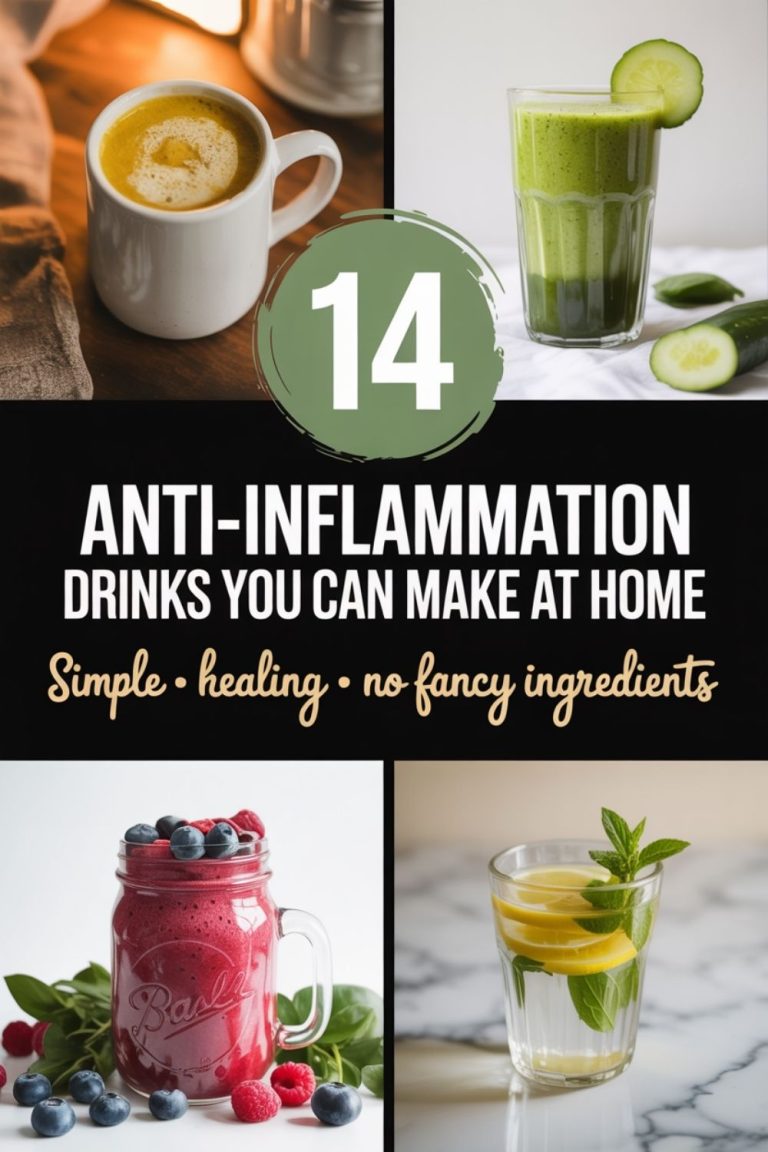
15 Anti-Inflammation Smoothies You Can Prep Fast
Let’s be real—your body’s basically waging a silent war against inflammation every single day. Whether it’s that achy knee that flares up after your morning jog or the brain fog that hits around 2 PM, chronic inflammation isn’t just annoying. It’s exhausting.
The good news? You don’t need to overhaul your entire life or spend hours meal-prepping to fight back. What if I told you that blending up a few strategic ingredients could actually help calm that internal fire? That’s exactly where anti-inflammation smoothies come in.
I’ve spent the better part of the last year testing smoothie combos that pack serious anti-inflammatory punch without tasting like lawn clippings. These 15 recipes are stupid-easy to throw together, use ingredients you can actually pronounce, and—here’s the kicker—they taste ridiculously good.

Why Your Body’s Throwing an Inflammation Party (And Why You Weren’t Invited)
Before we jump into recipes, let’s talk about what’s actually happening inside your body. Chronic inflammation has been linked to serious health conditions including heart disease, diabetes, and even Alzheimer’s. It’s basically your immune system going haywire, attacking healthy cells because it can’t figure out what the real threat is.
Think of inflammation like that overzealous friend who takes everything too seriously. A little bit? Totally fine—that’s your body healing. But when it becomes chronic, it’s like having that friend follow you around 24/7, freaking out about everything.
The standard Western diet doesn’t help. Processed foods, excess sugar, and refined carbohydrates basically throw gasoline on the inflammatory fire. But here’s where it gets interesting: certain foods contain compounds that actively help dial down inflammation. Research from Johns Hopkins shows that omega-3 fatty acids, antioxidants like vitamin C, and polyphenols found in colorful fruits and vegetables can significantly reduce inflammatory markers in your bloodstream.
🌿 The Complete Anti-Inflammatory Smoothie Recipe eBook
Tired of screenshot chaos and lost recipe notes? This comprehensive anti-inflammatory smoothie recipe collection includes 50+ tested recipes organized by health goal (joint support, gut healing, skin clarity, brain health), complete nutritional breakdowns, ingredient substitution guides, and a prep-ahead system that actually works for busy schedules. Each recipe includes inflammation-fighting scores so you know exactly what you’re getting.
- 50+ inflammation-busting smoothie recipes with full nutritional data
- Weekly meal prep guides and shopping lists
- Ingredient swaps for allergies and preferences
- Inflammation rating system for each recipe
The Anti-Inflammatory Smoothie Blueprint
Every killer smoothie needs a solid foundation. I’m not talking about some complicated formula here—just a few basic categories that, when combined, create magic.
The Liquid Base
Your liquid base sets the tone. I usually grab unsweetened almond milk or coconut water, both of which are naturally anti-inflammatory. Coconut water’s got electrolytes, which is clutch if you’re using these as post-workout fuel. If you’re not dairy-free, kefir works too—the probiotics are excellent for gut health, and a happy gut means less systemic inflammation.
The Greens (Don’t Roll Your Eyes)
I know, I know. But hear me out. Spinach and kale are loaded with vitamins A, C, and K, plus they’re packed with flavonoids that combat oxidative stress. The trick? Add them frozen and blend the hell out of them. No one wants chunky bits ruining their morning.
I keep bags of both in my freezer and grab a handful each time I blend. It’s become such a habit that I barely notice I’m drinking vegetables anymore.
🥤 Premium Glass Smoothie Jars with Lids (Set of 6)
Okay, real talk—I resisted buying proper smoothie jars for way too long. But these 16oz glass mason jars with airtight bamboo lids changed my entire meal prep game. No more plastic taste, no staining from turmeric, and they’re actually pretty enough to take Instagram-worthy photos (if that’s your thing). The wide mouth makes them stupid-easy to clean, and the measurement markings are clutch for portion control.
The Fruit Factor
Berries are your best friend in the anti-inflammation game. Blueberries, strawberries, raspberries—they’re all bursting with anthocyanins, which are potent antioxidants. Plus, they’re naturally sweet, so you don’t need to dump honey or agave into every blend. According to recent research on anti-inflammatory diets, polyphenolic compounds found in berries help regulate inflammatory pathways at the cellular level.
Pineapple’s another sleeper hit. It contains bromelain, an enzyme that helps reduce swelling and inflammation. I buy frozen pineapple chunks because they’re cheaper and you don’t have to deal with the whole “cutting a pineapple is basically surgery” situation.
📊 Anti-Inflammatory Food & Symptom Tracker
Here’s the thing about fighting inflammation—you need to know what’s actually working for YOUR body. This printable inflammation tracker system helps you connect the dots between what you eat and how you feel. Track your smoothie ingredients, energy levels, pain scores, digestive symptoms, and sleep quality all in one place. After two weeks, you’ll have clear patterns showing which ingredients move the needle for you.
- Daily symptom tracking sheets (pain, energy, digestion, mood)
- Food-symptom correlation charts
- Progress photos and measurement logs
- Ingredient effectiveness rating system
The Secret Weapons
This is where things get fun. Turmeric and ginger are the heavy hitters when it comes to fighting inflammation. Turmeric contains curcumin, which has been studied extensively for its anti-inflammatory properties. Just remember: add a pinch of black pepper to your smoothie. I know it sounds weird, but piperine (the compound in black pepper) increases curcumin absorption by up to 2,000%. Science is wild.
Ginger’s great for digestion and has powerful anti-inflammatory effects. I keep a knob of fresh ginger in the freezer and grate about half an inch into my blends. It adds this zingy kick that wakes you up better than coffee.
Speaking of which, if you’re serious about smoothie-making, invest in a decent high-speed blender. I fought this for years, thinking my cheap blender was “good enough.” It wasn’t. A proper blender makes everything silky smooth and actually breaks down those tough fibers.
15 Anti-Inflammation Smoothies That Don’t Suck
1. The Golden Milk Monster
This one’s my go-to when I need something that feels like a hug in a glass. It’s got all the benefits of golden milk but in smoothie form.
- 1 cup unsweetened almond milk
- 1 frozen banana
- 1 tsp turmeric powder
- ½ tsp cinnamon
- ¼ tsp ginger powder
- Pinch of black pepper
- 1 tbsp almond butter
- 1 tsp honey (optional)
Blend it all together until it’s creamy. The turmeric gives it this gorgeous golden color, and the cinnamon makes it taste almost dessert-like. The almond butter adds healthy fats that help with nutrient absorption and keep you full. Get Full Recipe
2. Berry Blast Anti-Inflammatory
This is probably the most beginner-friendly recipe on the list. It tastes like a dessert but packs serious anti-inflammatory benefits.
- 1 cup unsweetened coconut milk
- ½ cup frozen blueberries
- ½ cup frozen strawberries
- 1 handful spinach
- 1 tbsp chia seeds
- ½ inch fresh ginger, grated
The chia seeds add omega-3s and create this thick, almost pudding-like texture that I’m obsessed with. Let it sit for a minute after blending so the chia can do its thing.
If you’re looking for more breakfast inspiration that fights inflammation, you’ll want to check out this 7-day anti-inflammatory smoothie meals plan or browse through the Mediterranean high-fiber breakfast options that pair perfectly with these smoothies.
3. Green Goddess Healer
Don’t let the name fool you—this actually tastes good. The pineapple completely masks the greens.
- 1 cup coconut water
- 1 cup frozen pineapple
- 1 cup spinach
- ½ cucumber, chopped
- ½ inch fresh ginger
- Juice of ½ lemon
The cucumber makes this super hydrating, and the lemon adds brightness. It’s like a spa day in liquid form. I usually pour this into one of those insulated stainless steel tumblers and sip it throughout the morning.
4. Chocolate Cherry Recovery
This one’s killer after a tough workout. Tart cherries are loaded with compounds that reduce muscle soreness and inflammation.
- 1 cup unsweetened almond milk
- 1 cup frozen tart cherries
- 1 tbsp raw cacao powder
- 1 scoop plant-based protein powder
- 1 handful spinach
- 1 tsp vanilla extract
The cacao adds antioxidants and makes it taste like you’re drinking a chocolate milkshake. I use a clean plant-based protein powder with minimal ingredients—some of those commercial ones are basically candy bars in powder form.
💪 Organic Plant-Based Protein Powder (Vanilla)
After testing literally a dozen different protein powders that tasted like sadness mixed with chalk, I finally found this organic pea and hemp protein blend that doesn’t make me gag. It’s unflavored with a hint of vanilla, blends smooth without grittiness, and has 20g of protein per scoop. The ingredient list is refreshingly short—no weird chemicals, no artificial sweeteners, just actual food. Bonus: it doesn’t cause that weird bloating some protein powders do.
5. Tropical Turmeric Twist
When I’m craving something that feels vacation-y but still packs health benefits, this is my jam.
- 1 cup coconut milk
- ½ cup frozen mango
- ½ cup frozen pineapple
- 1 tsp turmeric
- ½ tsp vanilla extract
- Pinch of black pepper
The mango and pineapple combo is ridiculously good. Sometimes I’ll add a tablespoon of coconut oil for extra healthy fats, especially if I’m using this as a meal replacement. Get Full Recipe
6. Cinnamon Apple Pie Smoothie
This tastes like fall in a glass, and apples contain quercetin—a flavonoid that’s been shown to reduce inflammation.
- 1 cup unsweetened almond milk
- 1 small apple, cored and chopped
- 1 frozen banana
- 1 tsp cinnamon
- ¼ tsp nutmeg
- 1 tbsp almond butter
- Handful of spinach
The cinnamon isn’t just for flavor—it actually helps regulate blood sugar and has anti-inflammatory properties. I sometimes sprinkle extra cinnamon on top because I’m extra like that.
7. Beetroot Berry Booster
Fair warning: this will turn your tongue pink. But beets are incredible for reducing inflammation and improving blood flow.
- 1 cup coconut water
- 1 small cooked beet (or ½ cup frozen beet chunks)
- ½ cup frozen raspberries
- ½ cup frozen strawberries
- ½ inch ginger
- 1 tbsp hemp seeds
I buy the pre-cooked vacuum-sealed beets to save time. Just throw them straight into the blender—no peeling, no mess. The earthy flavor of the beets is balanced by the berries, and the hemp seeds add protein and omega-3s.
For more ways to incorporate anti-inflammatory eating into your routine, the 30-day anti-inflammation challenge offers a complete framework, and if you’re specifically focused on gut health, check out the gut-healing Mediterranean menu.
8. Matcha Green Machine
Matcha has more antioxidants than regular green tea, and it gives you a calm, focused energy without the jitters.
- 1 cup unsweetened almond milk
- 1 tsp matcha powder
- 1 frozen banana
- 1 cup spinach
- 1 tbsp cashew butter
- ½ tsp vanilla extract
Make sure you’re using ceremonial grade matcha—the culinary stuff can taste bitter. The banana makes it creamy and sweet without any added sugar.
9. Mango Ginger Refresher
This one’s light, refreshing, and perfect when you want something that doesn’t sit heavy in your stomach.
- 1 cup coconut water
- 1 cup frozen mango
- 1 inch fresh ginger, grated
- Juice of 1 lime
- Handful of mint leaves
The ginger-lime combo is chef’s kiss, and the mint makes it feel fancy. Sometimes I’ll freeze this in popsicle molds for a healthy dessert alternative.
🗓️ Mediterranean Anti-Inflammatory Meal Planner Pro
Making one anti-inflammatory smoothie is easy. Building an entire eating pattern that crushes inflammation? That’s where most people struggle. This Mediterranean-focused meal planning app generates personalized weekly meal plans that complement your smoothie routine perfectly. It combines anti-inflammatory principles with Mediterranean diet research, auto-generates shopping lists organized by store section, and includes macro tracking for those who care about that stuff.
- Automated Mediterranean anti-inflammatory meal plans
- Smart grocery lists that sync with your smoothie ingredients
- Recipe scaling for families or solo eating
- Inflammation score for every meal and snack
- Integration with popular grocery delivery apps
10. Avocado Spinach Powerhouse
Avocados are loaded with healthy fats and have serious anti-inflammatory benefits. This smoothie is thick enough to eat with a spoon.
- 1 cup unsweetened almond milk
- ½ avocado
- 2 cups spinach
- ½ cup frozen pineapple
- 1 tbsp lime juice
- 1 tsp spirulina (optional)
The avocado makes it ridiculously creamy, and you barely taste the spinach. Spirulina’s optional because it’s kind of an acquired taste, but it adds extra protein and anti-inflammatory compounds. Get Full Recipe
11. Pumpkin Spice Anti-Inflammatory
Yes, you can enjoy pumpkin spice and still be healthy. Pumpkin’s loaded with beta-carotene and vitamin C.
- 1 cup unsweetened almond milk
- ½ cup pumpkin puree
- 1 frozen banana
- 1 tsp pumpkin pie spice
- 1 tbsp almond butter
- Pinch of sea salt
This tastes like fall but works year-round. I keep canned pumpkin puree in my pantry specifically for this. Just make sure you’re grabbing pure pumpkin, not pumpkin pie filling—they’re totally different things.
12. Blueberry Walnut Brain Booster
Walnuts and blueberries are both incredible for brain health and reducing neuroinflammation.
- 1 cup unsweetened almond milk
- 1 cup frozen blueberries
- ¼ cup raw walnuts
- 1 tbsp ground flaxseed
- 1 tsp honey
- Handful of spinach
The walnuts add this amazing rich flavor and omega-3s. I buy them in bulk and store them in the freezer because they go rancid pretty quickly at room temperature.
13. Papaya Turmeric Sunrise
Papaya contains papain, an enzyme that aids digestion and has anti-inflammatory properties.
- 1 cup coconut milk
- 1 cup frozen papaya
- 1 tsp turmeric
- ½ tsp ginger powder
- Juice of ½ lime
- Pinch of black pepper
This is super tropical and bright. The turmeric gives it this gorgeous orange-yellow color that looks amazing in photos if you’re into that sort of thing.
Looking for complete meal plans that incorporate these principles? The 14-day Mediterranean high-protein anti-inflammatory plan is fantastic, or if you’re budget-conscious, try the high-fiber budget meal plan.
14. Raspberry Coconut Dream
Raspberries have one of the highest antioxidant contents of any fruit. Plus, they’re delicious.
- 1 cup coconut milk
- 1 cup frozen raspberries
- 2 tbsp unsweetened coconut flakes
- 1 tbsp chia seeds
- ½ tsp vanilla extract
This is dessert masquerading as health food. The coconut adds healthy fats, and the chia seeds thicken it up nicely. Sometimes I’ll top it with extra coconut flakes and a few fresh berries if I’m feeling bougie.
15. Peach Ginger Bliss
Peaches are underrated in the smoothie world. They’re high in vitamins A and C and taste incredible with ginger.
- 1 cup unsweetened almond milk
- 1 cup frozen peaches
- 1 inch fresh ginger
- 1 tbsp almond butter
- Handful of spinach
- ½ tsp cinnamon
The peach-ginger combo is surprisingly addictive. This one’s great in summer when you want something light and refreshing but still filling. Get Full Recipe
The Gear That Actually Matters
Look, I’m not going to tell you that you need a million gadgets to make smoothies. But a few key pieces of equipment make the whole process infinitely easier.
A high-powered blender is worth the investment if you’re going to make smoothies regularly. I resisted this for years, but the difference between a cheap blender and a good one is night and day. Your smoothies will be silkier, you won’t have chunks of spinach floating around, and frozen fruit actually gets properly pulverized.
⚡ Professional High-Speed Blender (1400W)
Look, I know this isn’t the cheapest option, but this 1400-watt high-speed blender with preset programs is genuinely life-changing if you make smoothies daily. It obliterates frozen fruit in seconds, creates that silky-smooth texture you get at juice bars, and the self-cleaning function means you literally just add water and soap, hit a button, and walk away. The tamper tool is genius for pushing down thick blends without stopping. After three years of daily use, mine still works like new.
If you’re on a budget, look for refurbished models. I’ve also heard great things about some of the mid-range options that perform almost as well as the expensive brands.
A set of reusable silicone storage bags makes prep so much easier. I portion out smoothie ingredients for the week and just grab one each morning. No thinking required before coffee, which is crucial.
Finally, invest in some decent glass mason jars or stainless steel tumblers. Plastic’s fine, but glass doesn’t hold onto smells or stains, and it’s better for the environment. Plus, smoothies just look better in glass. Is that superficial? Maybe. Do I care? Not really.
Common Mistakes (That I’ve Definitely Made)
Let me save you from some rookie errors. First, don’t add too much liquid. It’s easier to thin out a thick smoothie than fix a watery one. Start with less liquid than you think you need and add more as you go.
Second, frozen fruit is your friend, but frozen everything creates problems. If all your ingredients are frozen solid, your blender’s going to struggle. I usually use frozen fruit but room temperature or refrigerated greens and liquid.
Third, don’t skip the fat. Whether it’s nut butter, avocado, or coconut oil, adding healthy fats helps you absorb those fat-soluble vitamins (A, D, E, and K). Plus, it keeps you full longer and makes everything creamier.
And for the love of all that is holy, don’t dump random protein powders into your smoothies without tasting them first. Some of those things taste like chalk mixed with sadness. Find one you actually like, or skip it altogether and get protein from nut butters and seeds.
Making It Work for Real Life
The best smoothie is the one you’ll actually make. I know there are people out there who meal prep fifteen different smoothie bags every Sunday. Good for them. I’m not that person, and you might not be either.
My system is simple: I keep frozen fruit, frozen greens, and a few core ingredients (almond butter, protein powder, chia seeds) always stocked. Then I just riff based on what sounds good that morning.
If you’re dealing with specific health concerns, programs like the hormone-balancing anti-inflammation plan or the anti-inflammation plan for busy women offer structured approaches with complementary meal ideas.
Sometimes I’ll batch-blend a double or triple recipe and store it in the fridge for up to 24 hours. The texture changes slightly, but it beats skipping breakfast because you’re running late.
Customizing for Your Needs
Not all inflammation is created equal, and neither are our dietary needs. If you’re dealing with joint pain, focus on smoothies heavy in omega-3s and turmeric—the Chocolate Cherry Recovery and Golden Milk Monster are your best bets.
Got gut issues? The Berry Blast and Green Goddess Healer both contain ingredients that support digestive health. The ginger and pineapple specifically contain enzymes that aid digestion.
If you’re plant-based, all of these recipes work as-is. If you’re not dairy-free, feel free to swap in regular milk or Greek yogurt for extra protein—just know that conventional dairy can be inflammatory for some people, so pay attention to how your body responds.
For those watching their sugar intake, stick to lower-glycemic fruits like berries and green apples. Skip the banana and use avocado or cauliflower for creaminess instead. Frozen cauliflower in smoothies sounds insane, but you literally can’t taste it, and it makes things thick and creamy.
Your Questions Answered
Can I make these smoothies the night before?
Absolutely. Store them in an airtight container in the fridge for up to 24 hours. The texture might separate slightly—just give it a good shake before drinking. Some oxidation will occur, especially with ingredients like avocado or apple, but the nutritional benefits remain largely intact. FYI, adding a squeeze of lemon or lime helps prevent browning.
Will these smoothies help me lose weight?
They can support weight loss as part of a balanced diet, primarily because they’re nutrient-dense and help reduce the kind of chronic inflammation that can interfere with metabolism. However, watch your portions—it’s easy to overdo calories when you’re drinking them. Treat these as meal replacements rather than additions to full meals unless you’re using them post-workout.
How quickly will I notice anti-inflammatory benefits?
Everyone’s different, but many people report feeling less bloated and more energized within a few days. More significant changes—like reduced joint pain or clearer skin—typically take 2-4 weeks of consistent consumption. Remember, smoothies are just one piece of the puzzle. Sleep, stress management, and overall diet all play roles in inflammation levels.
Can I add protein powder to these recipes?
Definitely. A scoop of quality plant-based or whey protein (if you tolerate dairy) works in pretty much any of these recipes. I prefer unflavored or vanilla protein powders since they don’t clash with the fruit flavors. Just be aware that protein powder can make smoothies thicker, so you might need to add a bit more liquid.
Are fresh ingredients better than frozen for anti-inflammatory benefits?
Not necessarily. Frozen fruits and vegetables are typically flash-frozen at peak ripeness, which preserves their nutrient content. In some cases, frozen produce actually retains more vitamins than fresh produce that’s been sitting in your fridge for a week. Plus, frozen ingredients make smoothies cold and thick without needing ice, which just dilutes the flavor anyway.
The Bottom Line
Fighting inflammation doesn’t have to be complicated or involve choking down supplements that taste like punishment. These 15 smoothies are proof that anti-inflammatory eating can actually be enjoyable—even something you look forward to.
Start with one or two recipes that sound appealing and see how your body responds. Pay attention to how you feel—not just immediately, but over the course of a few weeks. Better energy? Less joint pain? Clearer skin? Those are all signs that you’re on the right track.
The key is consistency. Making one anti-inflammatory smoothie isn’t going to magically fix everything. But making them a regular part of your routine? That’s when you’ll start noticing real changes.
And look, I get it—life gets busy. Some weeks you’ll nail the smoothie routine, and other weeks you’ll be eating cereal straight from the box while standing over the sink. That’s fine. Progress over perfection, always.
The fact that you’re here, reading this, looking for ways to feel better in your own body? That’s what matters. So grab your blender, pick a recipe that sounds good, and get blending. Your future self will thank you.