14-Day High-Fiber Mediterranean Plan for Beginners (Printable PDF)
You know what nobody talks about enough? Fiber. It’s basically the unsung hero of digestive health, blood sugar control, and feeling full without wanting to raid the pantry at 9 PM. But here’s the thing—most people are getting maybe half the fiber they actually need. And that’s where things get uncomfortable, literally.
The Mediterranean diet naturally packs in fiber like it’s going out of style. We’re talking whole grains, legumes, vegetables, fruits, nuts, and seeds at every turn. It’s not some weird psyllium husk situation where you’re choking down supplements. It’s just real food that happens to keep your gut happy and your body running smoothly.
I’ve put together a full 14-day high-fiber Mediterranean plan specifically for beginners. Nothing complicated, nothing that requires a culinary degree. Just straightforward meals that’ll get you to that 25-35 gram daily fiber target without making you feel like you’re eating cardboard.

Why High-Fiber Mediterranean Eating Changes Everything
Let’s get one thing straight—fiber isn’t just about keeping you regular (though that’s definitely a perk). It’s about feeding your gut bacteria, stabilizing your blood sugar, lowering cholesterol, and keeping you satisfied so you’re not thinking about food every hour.
The Mediterranean approach to fiber is brilliant because it comes from diverse sources. You’re not just eating oatmeal every morning and calling it a day. You’re getting soluble fiber from oats and legumes, insoluble fiber from whole grains and vegetables, and resistant starch from cooled potatoes and beans. According to research on dietary fiber, this variety is exactly what your microbiome needs to thrive.
Most Americans get around 15 grams of fiber daily. The recommended amount? Women need 25 grams, men need 38 grams. That gap is causing more problems than you’d think—constipation, blood sugar spikes, increased hunger, and higher cholesterol levels.
The Mediterranean diet naturally bridges that gap without you even trying that hard. When vegetables and legumes are the foundation of your meals rather than an afterthought, hitting your fiber goals becomes almost automatic.
What Makes This Plan Beginner-Friendly
I’m not going to throw you into the deep end with obscure ingredients and three-hour recipes. This plan is designed for people who are new to both Mediterranean eating and high-fiber diets.
Here’s what that means practically:
- Gradual fiber increases to avoid the digestive distress that comes from jumping from 15 to 35 grams overnight
- Simple recipes with short ingredient lists and minimal prep
- Familiar foods prepared Mediterranean-style rather than completely foreign dishes
- Flexible portions that you can adjust based on your hunger and activity level
- Realistic meal prep that doesn’t require spending your entire Sunday in the kitchen
Each day includes detailed fiber counts so you can see where your intake is coming from. By week two, you’ll hit 25-35 grams consistently without even thinking about it.
Your First Week: Building the Foundation
Day 1: Starting Smart
Breakfast: Steel-cut oats with sliced banana, ground flaxseed, and chopped walnuts. Drizzle with honey. Fiber: 9g
Lunch: Lentil soup with carrots, celery, and tomatoes. Serve with whole grain crackers. Fiber: 11g
Dinner: Grilled chicken breast with roasted broccoli and quinoa pilaf with dried cranberries. Fiber: 8g
Snacks: Apple with almond butter, carrot sticks with hummus. Fiber: 6g
Total Daily Fiber: 34g
Day one sets you up right around 34 grams. If you’re currently eating way less fiber than this, consider starting at 20-25 grams and working up. Your gut will thank you for the gentler approach.
Day 2: Keeping Momentum
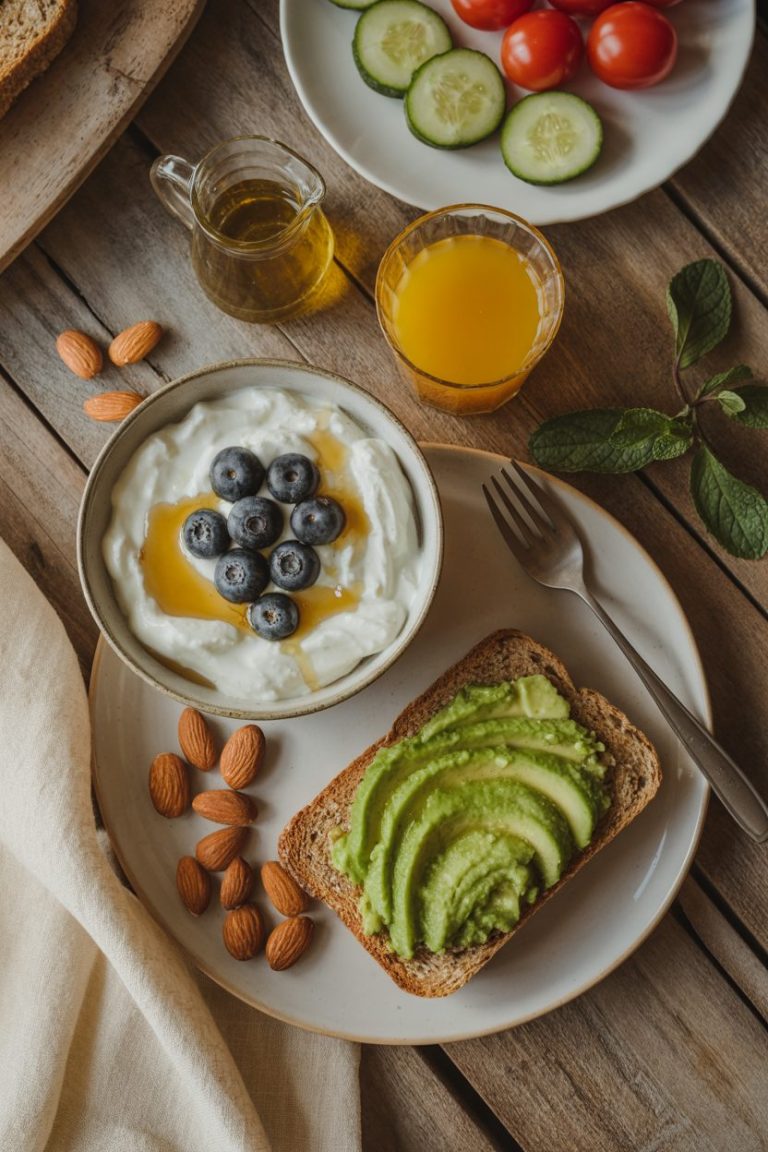
Breakfast: Whole grain toast with mashed avocado and a poached egg. Side of fresh berries. Fiber: 10g
Lunch: Mediterranean chickpea salad with cucumbers, tomatoes, red onion, and parsley. Whole wheat pita on the side. Fiber: 12g
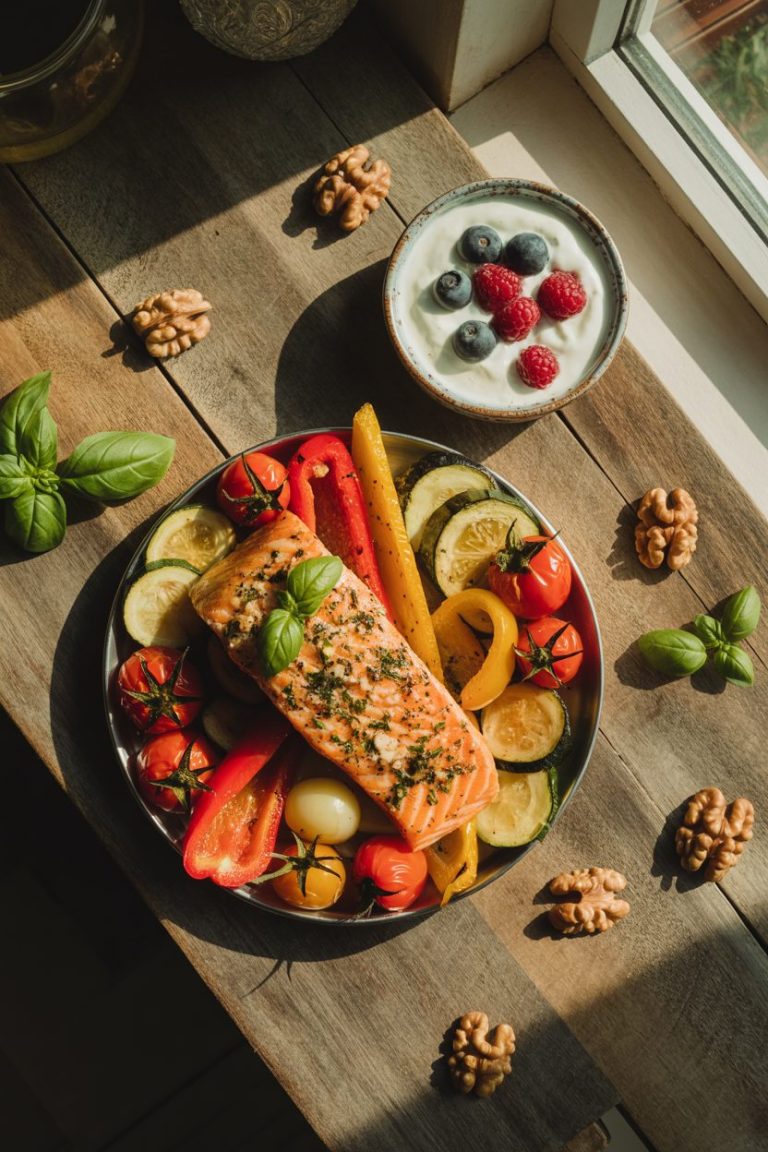
Dinner: Baked salmon with Brussels sprouts and farro salad with lemon dressing. Fiber: 9g
Snacks: Greek yogurt with raspberries, handful of almonds. Fiber: 5g
Total Daily Fiber: 36g
Chickpeas are fiber powerhouses—one cup delivers about 12 grams. They’re also stupid versatile. Throw them in salads, blend them into hummus, roast them for snacks, or toss them in soups. Get Full Recipe for that Mediterranean chickpea salad if you want the exact proportions.
Day 3: Finding Your Rhythm
Breakfast: Greek yogurt parfait with granola, chia seeds, sliced strawberries, and hemp hearts. Fiber: 8g
Lunch: White bean and kale soup with rosemary and garlic. Serve with whole grain sourdough. Fiber: 10g
Dinner: Whole wheat pasta with marinara sauce, roasted eggplant, and a side salad. Fiber: 13g
Snacks: Pear with walnuts, celery with tahini. Fiber: 6g
Total Daily Fiber: 37g
By day three, you might notice you’re staying full longer between meals. That’s fiber doing its job—slowing digestion and keeping blood sugar stable.
If you’re enjoying these soup-based lunches, you might want to explore hearty Mediterranean soup recipes or try some bean-based stew options that are perfect for batch cooking.
Day 4: Building Variety
Breakfast: Smoothie with spinach, banana, berries, almond butter, and ground flaxseed. Sprinkle of oats blended in. Fiber: 10g
Lunch: Quinoa tabbouleh loaded with parsley, mint, tomatoes, and cucumber. Add grilled shrimp or chicken. Fiber: 8g
Dinner: Turkey meatballs in tomato sauce over zucchini noodles. Side of roasted cauliflower. Fiber: 9g
Snacks: Orange slices, handful of pistachios. Fiber: 5g
Total Daily Fiber: 32g
Zucchini noodles are a sneaky way to add vegetables and fiber while keeping things light. I use this spiralizer that doesn’t take up half my kitchen drawer and actually works without creating a vegetable massacre.
Day 5: Midweek Power
Breakfast: Shakshuka with whole grain toast. The tomato-pepper base counts. Fiber: 7g
Lunch: Mediterranean lentil bowl with roasted sweet potato, spinach, tahini dressing, and pumpkin seeds. Fiber: 14g
Dinner: Grilled mackerel with asparagus and wild rice pilaf with dried apricots. Fiber: 8g
Snacks: Fresh figs, small handful of trail mix. Fiber: 6g
Total Daily Fiber: 35g
Lentil bowls are honestly the MVP of high-fiber eating. You can meal prep the components on Sunday and assemble them throughout the week. Get Full Recipe for that lentil bowl with all the fixings.
Day 6: Weekend Exploration
Breakfast: Whole grain pancakes with blueberries and a side of turkey sausage. Fiber: 8g
Lunch: Split pea soup with ham and carrots. Whole grain roll on the side. Fiber: 12g
Dinner: Baked cod with roasted root vegetables (carrots, parsnips, sweet potato) and bulgur wheat. Fiber: 10g
Snacks: Dates stuffed with almond butter, cucumber slices. Fiber: 5g
Total Daily Fiber: 35g
Split pea soup is criminally underrated. It’s cheap, it’s filling, and it delivers serious fiber. Plus, it tastes way better than it sounds.
Day 7: Week One Wrap
Breakfast: Chia pudding with coconut milk, topped with kiwi, mango, and unsweetened coconut flakes. Fiber: 11g
Lunch: Farro salad with roasted vegetables, feta cheese, and balsamic dressing. Fiber: 9g
Dinner: Moroccan chickpea stew with couscous and a side of sautéed Swiss chard. Fiber: 13g
Snacks: Apple slices, small handful of sunflower seeds. Fiber: 5g
Total Daily Fiber: 38g
By the end of week one, your body should be adjusting to the increased fiber. If you’re feeling bloated, make sure you’re drinking enough water—fiber needs liquid to do its job properly.
For more plant-forward options that pack in the fiber, check out vegetarian Mediterranean mains or explore whole grain side dish ideas that complement any protein.
Your Second Week: Leveling Up
Day 8: Back to Basics
Breakfast: Overnight oats with chia seeds, sliced pear, and pecans. Fiber: 10g
Lunch: Black bean and vegetable soup with cumin and lime. Serve with baked tortilla chips. Fiber: 12g
Dinner: Grilled lamb chops with roasted eggplant and barley pilaf. Fiber: 9g
Snacks: Pomegranate seeds, handful of almonds. Fiber: 5g
Total Daily Fiber: 36g
Barley is an underused grain that delivers huge fiber numbers—about 6 grams per cooked cup. It has a chewy texture that holds up well in pilafs and soups.
Day 9: Comfort Food Edition
Breakfast: Whole grain English muffin with ricotta, sliced strawberries, and a drizzle of balsamic glaze. Fiber: 7g
Lunch: Minestrone soup packed with beans, vegetables, and whole wheat pasta. Fiber: 11g
Dinner: Baked chicken thighs with roasted Brussels sprouts and sweet potato wedges. Fiber: 9g
Snacks: Edamame, fresh cherries. Fiber: 8g
Total Daily Fiber: 35g
Minestrone is basically a vegetable and bean party in a bowl. Every spoonful delivers fiber, vitamins, and satisfaction. This Dutch oven makes soup cooking so much easier—even heat, nothing sticks, and it looks pretty enough to leave on the stove.
Day 10: Fresh and Light
Breakfast: Smoothie bowl topped with granola, sliced banana, blueberries, and hemp seeds. Fiber: 12g
Lunch: Grilled vegetable and white bean wrap in a whole wheat tortilla with hummus. Fiber: 10g
Dinner: Pan-seared salmon with green beans and quinoa. Fiber: 7g
Snacks: Bell pepper strips with guacamole, dried apricots. Fiber: 7g
Total Daily Fiber: 36g
Wraps are clutch for using up leftover roasted vegetables. I grill extras whenever I’m cooking dinner and transform them into next-day lunches.
Day 11: Flavor Bomb Day
Breakfast: Vegetable frittata with spinach, tomatoes, and mushrooms. Side of whole grain toast. Fiber: 6g
Lunch: Red lentil curry over brown rice with a side of cucumber salad. Fiber: 13g
Dinner: Grilled sardines with roasted artichoke hearts and farro. Fiber: 11g
Snacks: Sliced mango, handful of cashews. Fiber: 5g
Total Daily Fiber: 35g
Artichokes are fiber superstars—one medium artichoke has 7 grams. Roasted artichoke hearts are less work than dealing with fresh whole artichokes and taste almost as good.
For more curry-inspired Mediterranean fusion dishes, you might enjoy spiced lentil recipes or aromatic grain bowl combinations that bring together bold flavors.
Day 12: Simple Satisfaction
Breakfast: Whole grain waffle with almond butter, sliced banana, and a sprinkle of cinnamon. Fiber: 8g
Lunch: Navy bean salad with cherry tomatoes, red onion, parsley, and lemon vinaigrette. Fiber: 11g
Dinner: Baked trout with roasted broccoli rabe and wild rice. Fiber: 8g
Snacks: Fresh pineapple chunks, small handful of walnuts. Fiber: 6g
Total Daily Fiber: 33g
Navy beans are mild and creamy—perfect for salads or mashing into dips. They don’t have the strong flavor some people dislike about other beans.
Day 13: Almost There
Breakfast: Greek yogurt with granola, raspberries, ground flaxseed, and a drizzle of honey. Fiber: 9g
Lunch: Tuscan white bean and vegetable soup with kale. Whole grain crackers on the side. Fiber: 12g
Dinner: Grilled chicken skewers with peppers and onions, served over bulgur wheat with a side salad. Fiber: 10g
Snacks: Grapes, small handful of pistachios. Fiber: 4g
Total Daily Fiber: 35g
By day 13, you should be hitting your fiber targets without even consulting the meal plan. Your body knows what it needs, and you’re giving it the fuel to function optimally.
Day 14: Finish Strong
Breakfast: Whole grain bagel with smoked salmon, cream cheese, tomato, and red onion. Side of fruit salad. Fiber: 7g
Lunch: Chickpea and vegetable stir-fry over brown rice with sesame seeds. Fiber: 12g
Dinner: Baked halibut with roasted cauliflower and quinoa tabbouleh. Fiber: 11g
Snacks: Apple with peanut butter, baby carrots. Fiber: 6g
Total Daily Fiber: 36g
Two weeks in, and you’ve built a solid foundation. Your digestion is smoother, your energy is more stable, and you’re probably not thinking about snacks every two hours.
The High-Fiber Heavy Hitters
Let me break down the fiber MVPs you’ll be eating regularly on this plan:
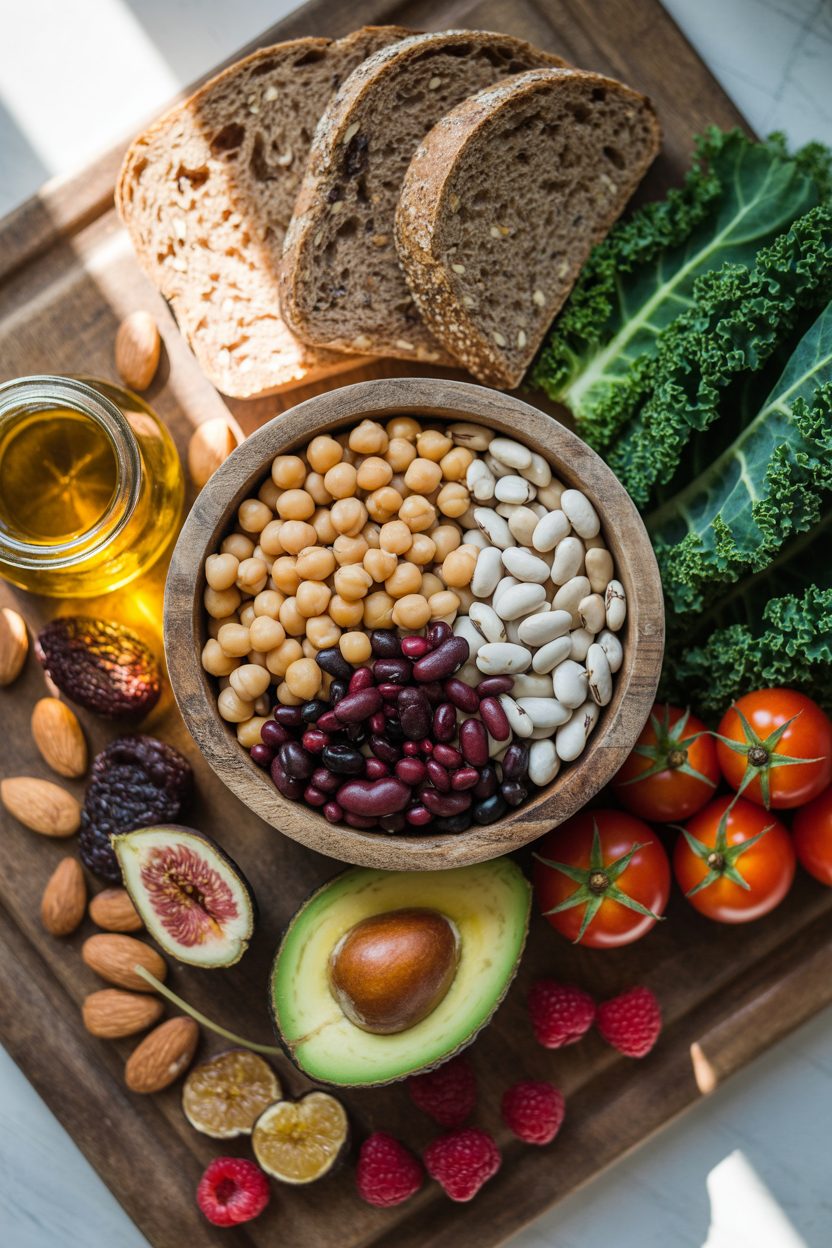
Legumes: Lentils, chickpeas, black beans, white beans, navy beans—these deliver 10-15 grams of fiber per cup. They’re also packed with plant-based protein and iron.
Whole Grains: Quinoa, farro, bulgur, barley, brown rice, and oats all contribute significant fiber. Aim for 3-4 servings daily.
Vegetables: Broccoli, Brussels sprouts, sweet potatoes, artichokes, and leafy greens pack fiber along with vitamins and minerals. Fill half your plate with vegetables at lunch and dinner.
Fruits: Raspberries, pears, apples, bananas, and figs are particularly high in fiber. Keep the skin on when possible—that’s where a lot of fiber lives.
Nuts and Seeds: Almonds, walnuts, chia seeds, flaxseeds, and hemp hearts add fiber, healthy fats, and protein. They’re perfect for snacks or topping meals.
Avocados: Yes, avocados are technically a fruit, but they deserve their own category. One avocado has about 10 grams of fiber plus heart-healthy monounsaturated fats.
The beauty of Mediterranean eating is that you’re naturally combining these foods in ways that taste incredible. You’re not forcing down fiber supplements or eating things you hate.
Smart Shopping for Two Weeks
Planning ahead saves money and prevents that 5 PM panic of “what am I making for dinner?” Here’s how to shop strategically:
Pantry staples to stock:
- Dried legumes and canned versions (chickpeas, lentils, black beans, white beans)
- Whole grains (quinoa, farro, bulgur, brown rice, oats, whole grain pasta)
- Nuts and seeds (almonds, walnuts, chia, flax, sunflower, pumpkin)
- Extra virgin olive oil
- Canned tomatoes and tomato paste
- Whole grain bread, tortillas, and crackers
- Natural nut butters
- Dried fruit (figs, apricots, dates)
Weekly fresh items:
- Variety of vegetables (leafy greens, cruciferous vegetables, peppers, tomatoes, onions)
- Fresh fruit (berries, apples, pears, bananas, citrus)
- Lean proteins (fish, chicken, turkey, eggs)
- Greek yogurt and small amounts of cheese
- Fresh herbs
I use these airtight containers for storing bulk grains and legumes. They keep everything fresh and make it easy to see what I have on hand.
Meal Prep Strategy That Actually Works
FYI, you don’t need to prep every single meal on Sunday. That’s overwhelming and leads to food waste when you inevitably want something different mid-week. Here’s a smarter approach:
Sunday prep tasks (about 90 minutes):
- Cook 2-3 types of grains in batches (quinoa, brown rice, farro)
- Prepare 1-2 large batches of soup or stew
- Wash and chop vegetables for the week
- Hard boil a dozen eggs
- Make overnight oats for 3-4 mornings
- Portion out nuts and seeds into small containers
Mid-week tasks (Wednesday evening, 30 minutes):
- Refresh your vegetable supply
- Prep any proteins for the next few days
- Make another batch of overnight oats or smoothie prep bags
This approach gives you flexibility while ensuring you’re not starting from scratch every meal. Some nights you’ll cook fresh, other nights you’ll assemble from prepped components.
This meal prep toolkit has saved me countless times—glass containers in various sizes, all dishwasher and microwave safe, and they actually seal properly.
Navigating the Fiber Increase
Let’s talk about the elephant in the room—when you suddenly increase fiber intake, things can get uncomfortable. Here’s how to minimize digestive distress:
Hydration is critical. Fiber needs water to move through your digestive system smoothly. Aim for at least 8-10 glasses of water daily, more if you’re active or it’s hot out.
Increase gradually. If you’re currently eating 15 grams of fiber daily, jumping to 35 grams overnight is asking for bloating and gas. This 14-day plan increases fiber gradually, but if you’re super sensitive, consider stretching the plan to 21 days.
Move your body. Physical activity helps keep things moving through your digestive tract. A 20-minute walk after meals works wonders.
Distribute fiber throughout the day. Don’t eat 30 grams at dinner and call it done. Spread it across breakfast, lunch, dinner, and snacks for better tolerance.
Cook your legumes thoroughly. Undercooked beans are harder to digest. If using canned, rinse them well to remove excess sodium and oligosaccharides that cause gas.
Consider digestive enzymes. If you’re particularly sensitive, an enzyme supplement with alpha-galactosidase can help break down the complex carbohydrates in beans and cruciferous vegetables.
Looking for gentler ways to increase fiber? Try smoothie-based breakfast options or well-cooked grain porridges that are easier on sensitive digestive systems.
Beyond the Numbers: Other Benefits
The fiber count is important, but it’s not the only thing that matters. This plan delivers so much more:
Blood sugar control: The combination of fiber, healthy fats, and protein keeps your glucose levels steady. No more energy crashes at 3 PM.
Cholesterol management: Soluble fiber binds to cholesterol in your digestive tract and helps eliminate it. Studies show that increasing fiber intake can lower LDL cholesterol by 5-10%.
Weight management: High-fiber foods are naturally more filling. You eat less overall without feeling deprived or hungry.
Gut microbiome support: Fiber feeds your beneficial gut bacteria, which produce short-chain fatty acids that reduce inflammation and support immune function.
Reduced disease risk: Higher fiber intake is associated with lower risk of heart disease, type 2 diabetes, and certain cancers.
Better digestion: Regular bowel movements, less constipation, and reduced risk of hemorrhoids and diverticulitis.
The Mediterranean approach to high-fiber eating addresses all of these benefits simultaneously. You’re not just checking a fiber box—you’re optimizing your entire nutritional intake.
Adapting the Plan to Your Life
Not everyone’s situation is identical. Here’s how to modify this plan based on your specific needs:
For athletes or very active people: Add extra portions of whole grains and legumes post-workout. Your higher calorie needs mean you can pack in even more fiber without feeling overly full.
For smaller appetites: Focus on the most fiber-dense foods—legumes, berries, and whole grains. You can hit your fiber targets with smaller portion sizes.
For those with IBS or digestive sensitivities: Start with well-cooked vegetables and grains. Avoid raw cruciferous vegetables initially. Consider working with a dietitian to identify your trigger foods.
For vegans: This plan is easily adaptable—replace Greek yogurt with coconut or soy yogurt, skip the cheese or use nut-based alternatives, and use plant-based proteins.
For those on a budget: Dried beans and lentils are incredibly cheap. Frozen vegetables are just as nutritious as fresh and often cheaper. Focus on seasonal produce for better prices.
For busy professionals: Double the soup and stew recipes on weekends. Use a slow cooker or Instant Pot for hands-off cooking. This programmable slow cooker literally does the work while you’re at the office.
The principles remain the same regardless of your modifications—prioritize whole grains, legumes, vegetables, fruits, nuts, and seeds.
Common Mistakes Beginners Make
I’ve seen these pitfalls repeatedly, so let me save you some trouble:
Mistake #1: Not drinking enough water. I know I already mentioned this, but it bears repeating. Fiber without adequate hydration leads to constipation, not relief.
Mistake #2: Eating too much fiber too fast. Slow and steady wins this race. Your gut bacteria need time to adjust to the increased fermentable carbohydrates.
Mistake #3: Relying on fiber supplements instead of food. Whole food sources provide vitamins, minerals, and phytonutrients along with fiber. Supplements give you fiber and nothing else.
Mistake #4: Eating the same high-fiber foods every day. Variety matters for gut health. Different fibers feed different bacterial strains.
Mistake #5: Forgetting about healthy fats. The Mediterranean diet includes plenty of olive oil, nuts, and fatty fish. Don’t go low-fat in pursuit of high-fiber. You need fat for nutrient absorption and satiety.
Mistake #6: Being too rigid. If you only hit 28 grams one day instead of 35, the fiber police aren’t coming for you. Consistency over perfection.
Related Recipes You’ll Love
Looking for more ideas? Here are some recipes that pair perfectly with this high-fiber approach:
More Breakfast Ideas: Try protein-packed Mediterranean egg dishes, make-ahead overnight oat variations, or weekend brunch-worthy frittatas that meal prep beautifully.
Satisfying Lunch Options: Explore grain bowl combinations, hearty soup recipes for batch cooking, or creative salad ideas that actually keep you full.
Dinner Winners: Check out sheet pan Mediterranean dinners, one-pot legume meals, or grilled fish preparations that make weeknights easier.
Snack Solutions: Browse homemade energy bite recipes, savory snack options, or fruit and nut combinations for when you need something quick.
The Printable PDF: Your Kitchen Companion
I’ve created a downloadable PDF that includes:
- Complete 14-day meal plan with fiber counts
- Shopping lists organized by week and category
- Meal prep instructions and timeline
- Quick reference fiber content chart
- Space for notes and modifications
Print it out, stick it on your fridge, and actually use it. Mark off meals as you complete them, note what you loved or what you’d change, and make it yours.
Making It Sustainable
Two weeks is a great start, but the real goal is making high-fiber Mediterranean eating your default. Here’s how:
Week 3 and beyond: Mix and match meals from the 14-day plan based on what you enjoyed most. Add new recipes gradually to keep things interesting.
Build your formula: Learn the pattern—whole grain + legume or lean protein + lots of vegetables + healthy fat + fruit or nuts. Once you understand the structure, you can improvise endlessly.
Keep your pantry stocked: When you always have dried lentils, canned beans, quinoa, and oats on hand, you’re never more than 30 minutes from a high-fiber meal.
Find your favorites: Some meals will resonate more than others. That’s normal. Build your regular rotation around the 7-10 meals you genuinely love.
Stay flexible: Eating out, traveling, or at social events? Choose whole grain options, load up on vegetables, and add legumes when possible. Don’t stress about hitting exact numbers every single day.
Track how you feel: IMO, the best motivation is noticing the benefits. Better energy, improved digestion, more stable mood—these outcomes matter more than any fiber count.
Conclusion
High-fiber eating doesn’t have to be complicated or miserable. The Mediterranean approach proves that the most nutritious way to eat is also one of the most delicious. When you build meals around whole grains, legumes, vegetables, fruits, nuts, and seeds, hitting 25-35 grams of fiber daily becomes almost automatic.
This 14-day plan gives you the structure and guidance to make that shift confidently. You’re not guessing about portions or wondering if you’re doing it right. Everything is mapped out, from shopping lists to meal prep strategies.
Give yourself these two weeks to experience the difference. Notice how your energy stabilizes, how your digestion improves, how you feel satisfied after meals without being stuffed. Pay attention to the subtle shifts in how your body feels and functions.
The Mediterranean diet has sustained populations for centuries because it works with human biology, not against it. High fiber intake is just one piece of that puzzle, but it’s a crucial one that impacts everything from your gut health to your disease risk.
Start tomorrow. Download the PDF, hit the grocery store, and commit to these 14 days. Your future self—with better digestion, more energy, and a healthier gut—will thank you for it.